Solar Modules
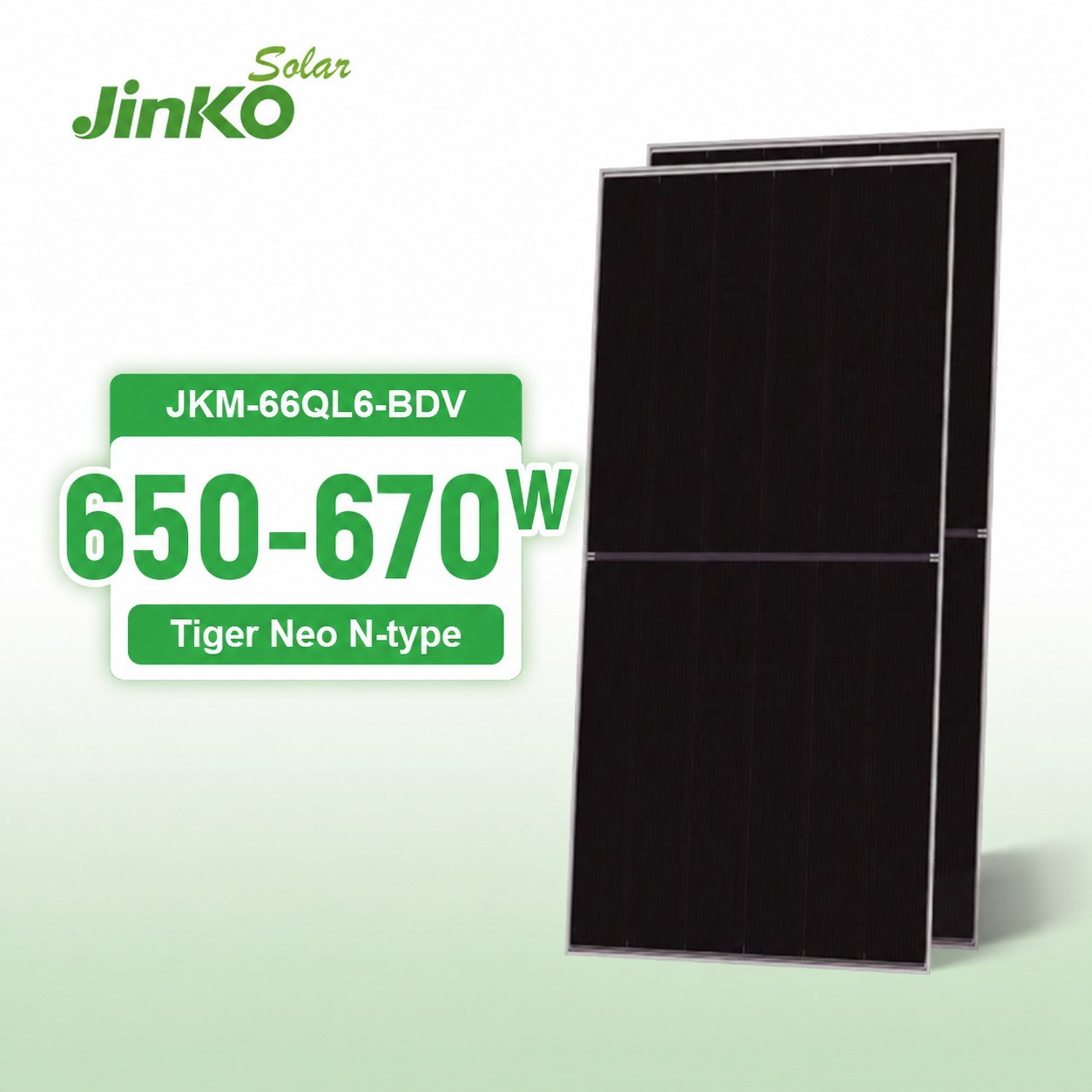
Jinko N-Type Bifacial 660W–670W Dual Glass Panel
Dual-glass TOPCon module built for desert reflection and coastal humidity. Optimized for utility, cold storage, and port facilities in Mukalla.
Combining heavy-duty 12V LiFePO4 cells, high-output N-Type bifacial solar panels, and smart hybrid inverters designed for coastal endurance, high ambient heat, and extreme cycling demands.
Dual-glass TOPCon module built for desert reflection and coastal humidity. Optimized for utility, cold storage, and port facilities in Mukalla.
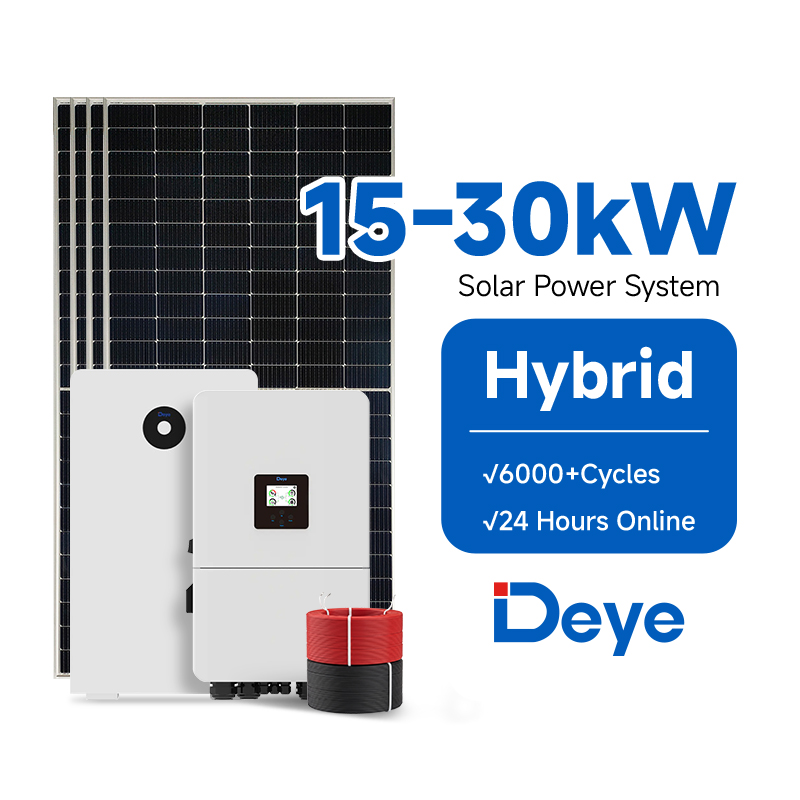
Low-voltage hybrid architecture supporting parallel CAN/RS485 lithium integration, seamless diesel generator shedding, and peak load shifting.
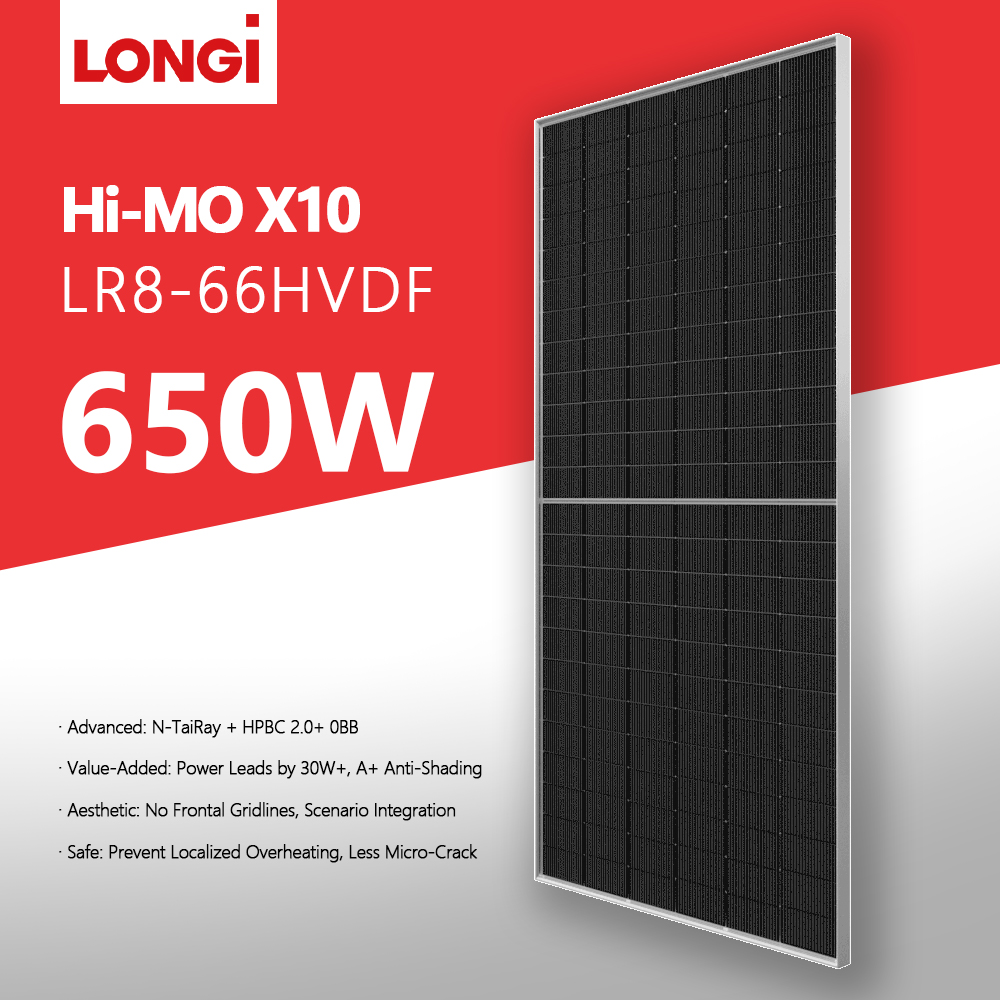
High-density N-Type photovoltaic array designed for commercial rooftops, hospitals, and shopping centers requiring uninterrupted daytime coverage.
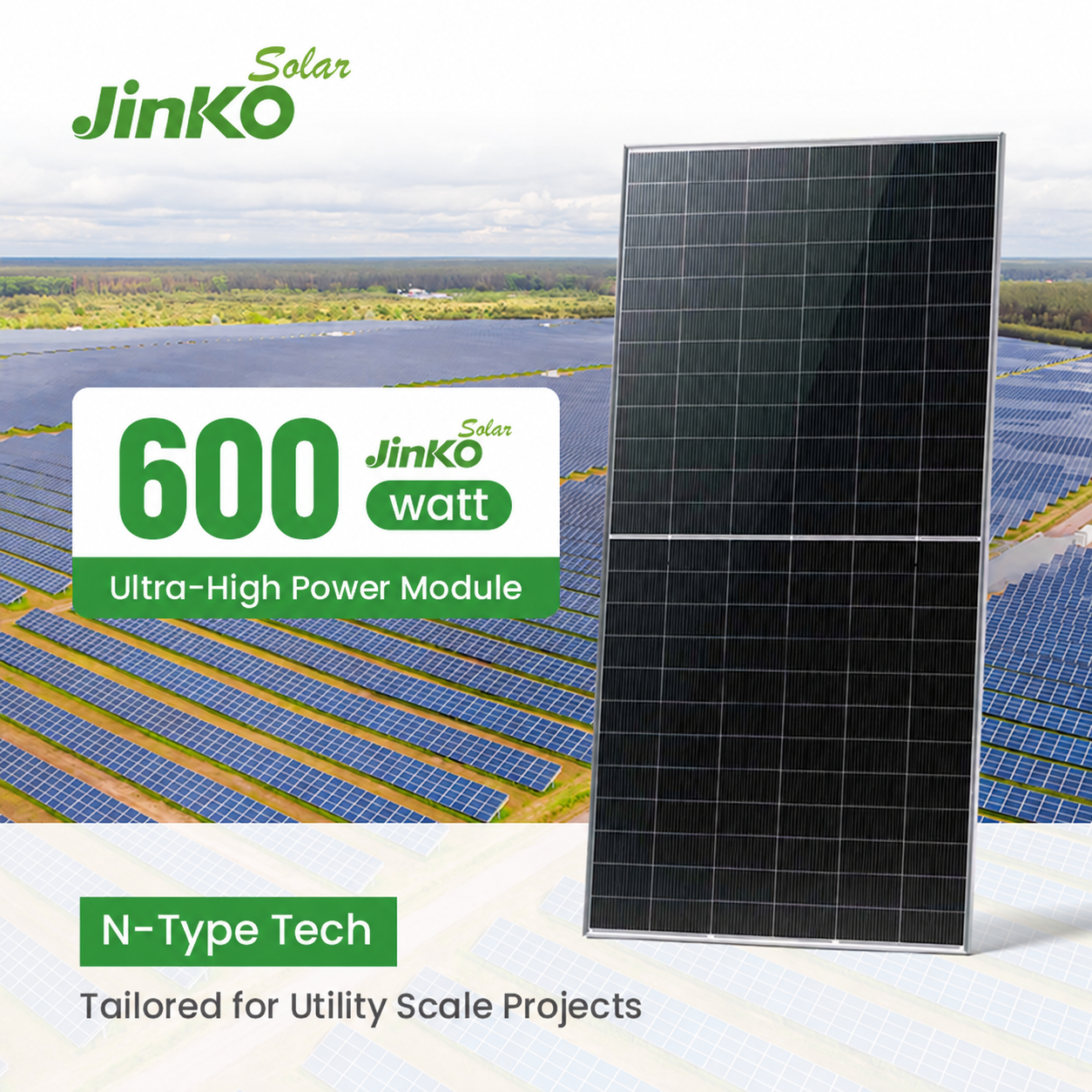
Low-degradation cell architecture with excellent thermal coefficient, ideal for agricultural water pumping and solar farms across the Wadi Hadhramaut.
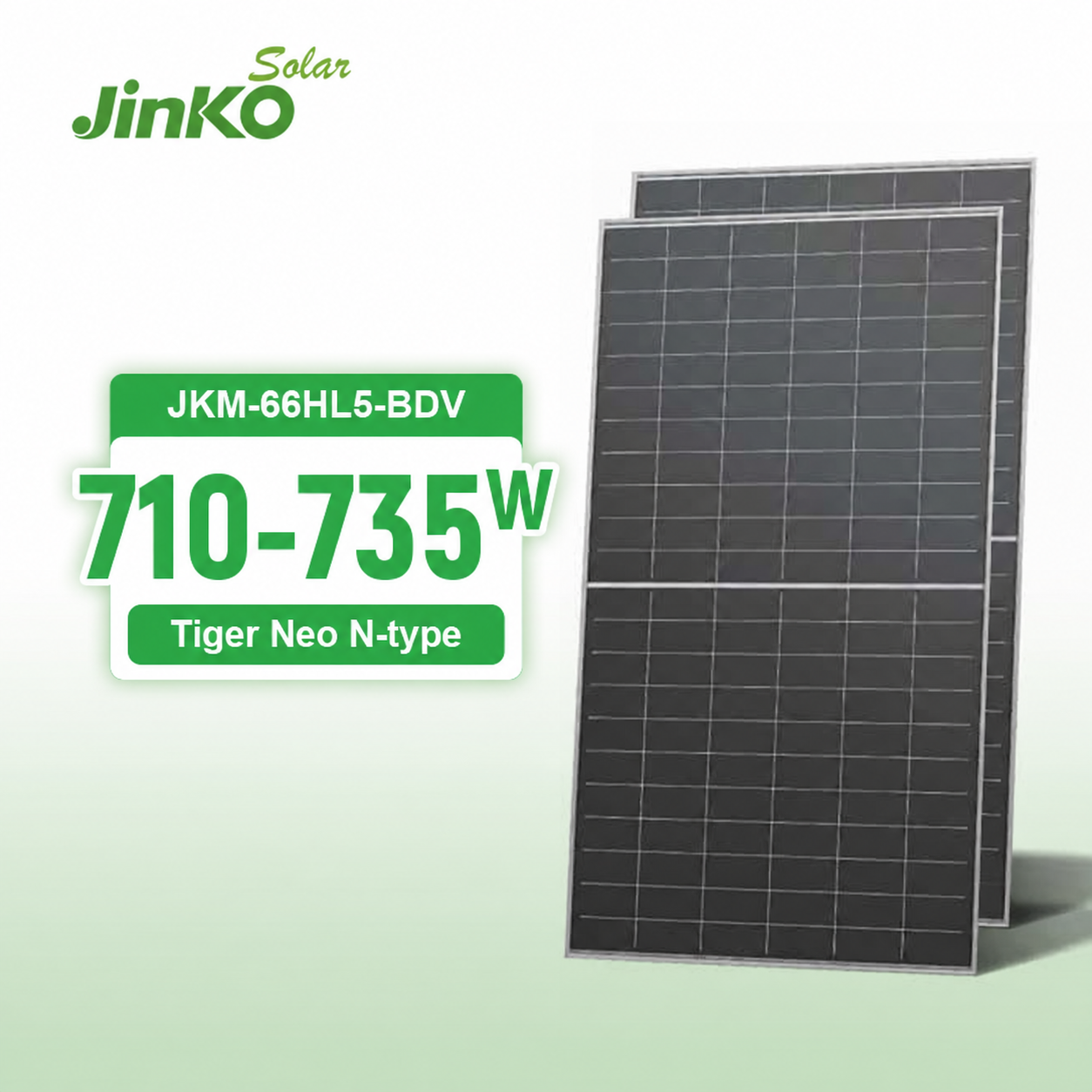
Ultra-high wattage double-glass construction offering exceptional mechanical load capacity and resilience against sandstorms and salt spray abrasion.
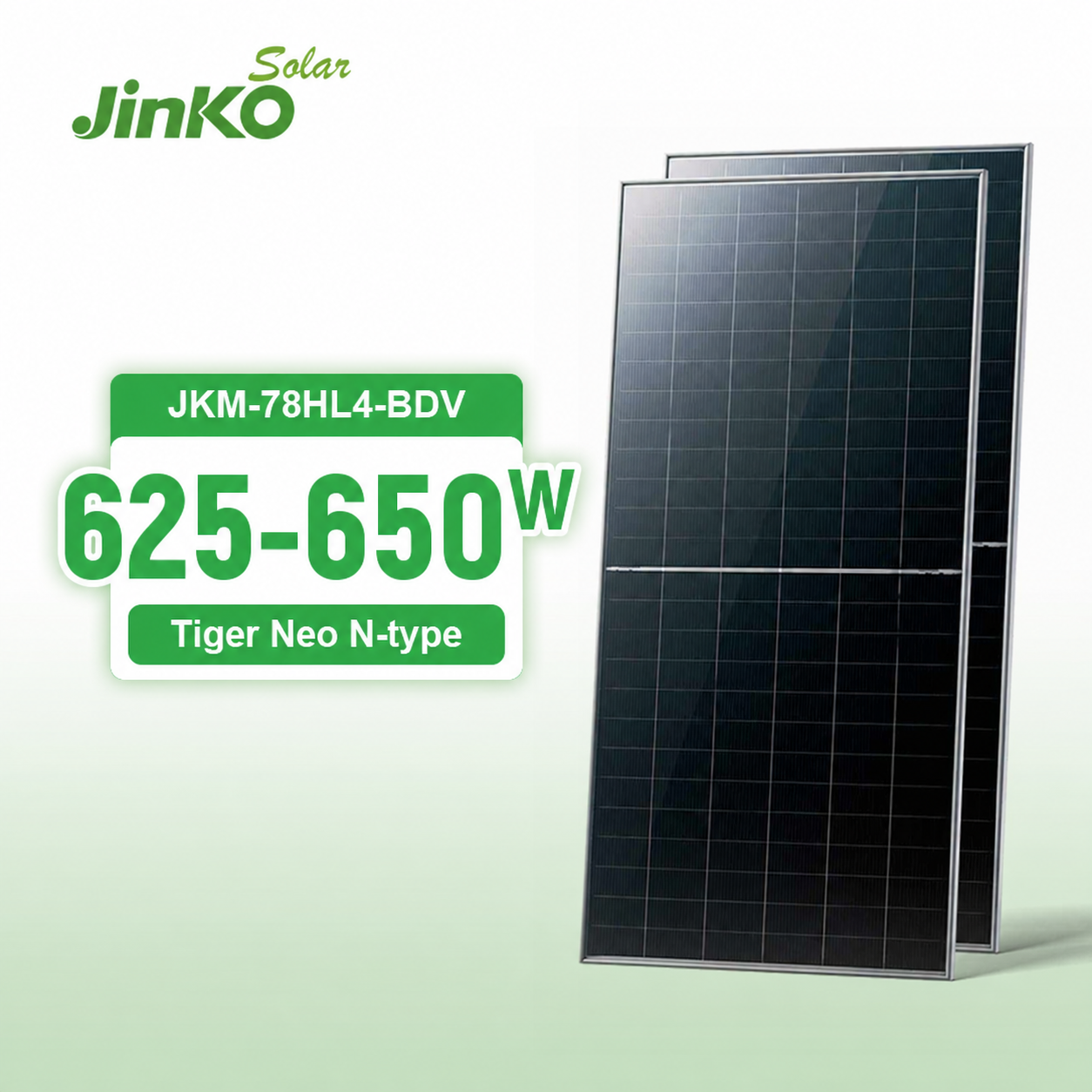
Premium Grade-A solar panels optimized for combined battery arrays, minimizing balance-of-system (BOS) costs for heavy commercial EPC builds.
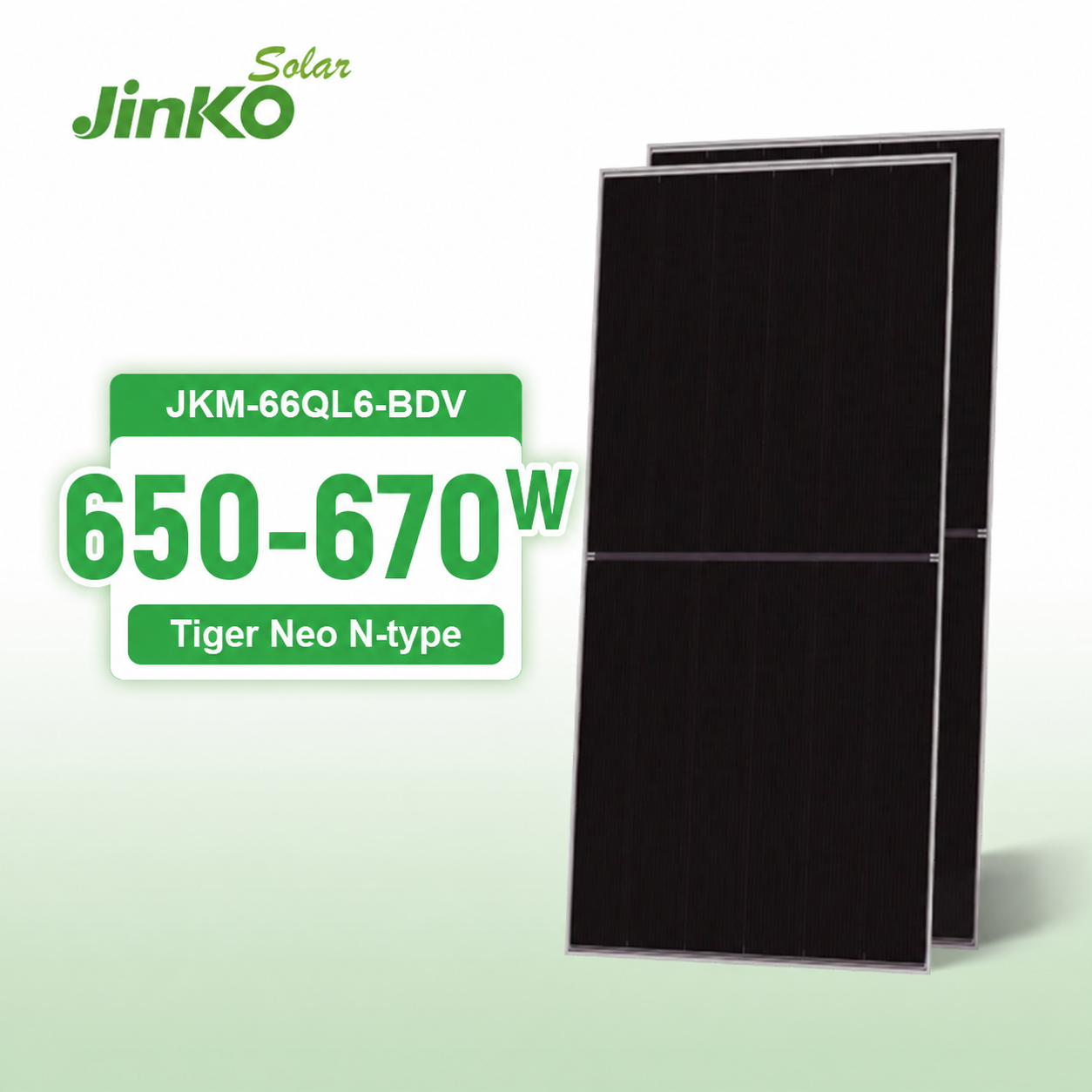
Specifically calibrated for integration with deep-cycle 12V/48V battery banks, maximizing charging yield in high irradiance zones.
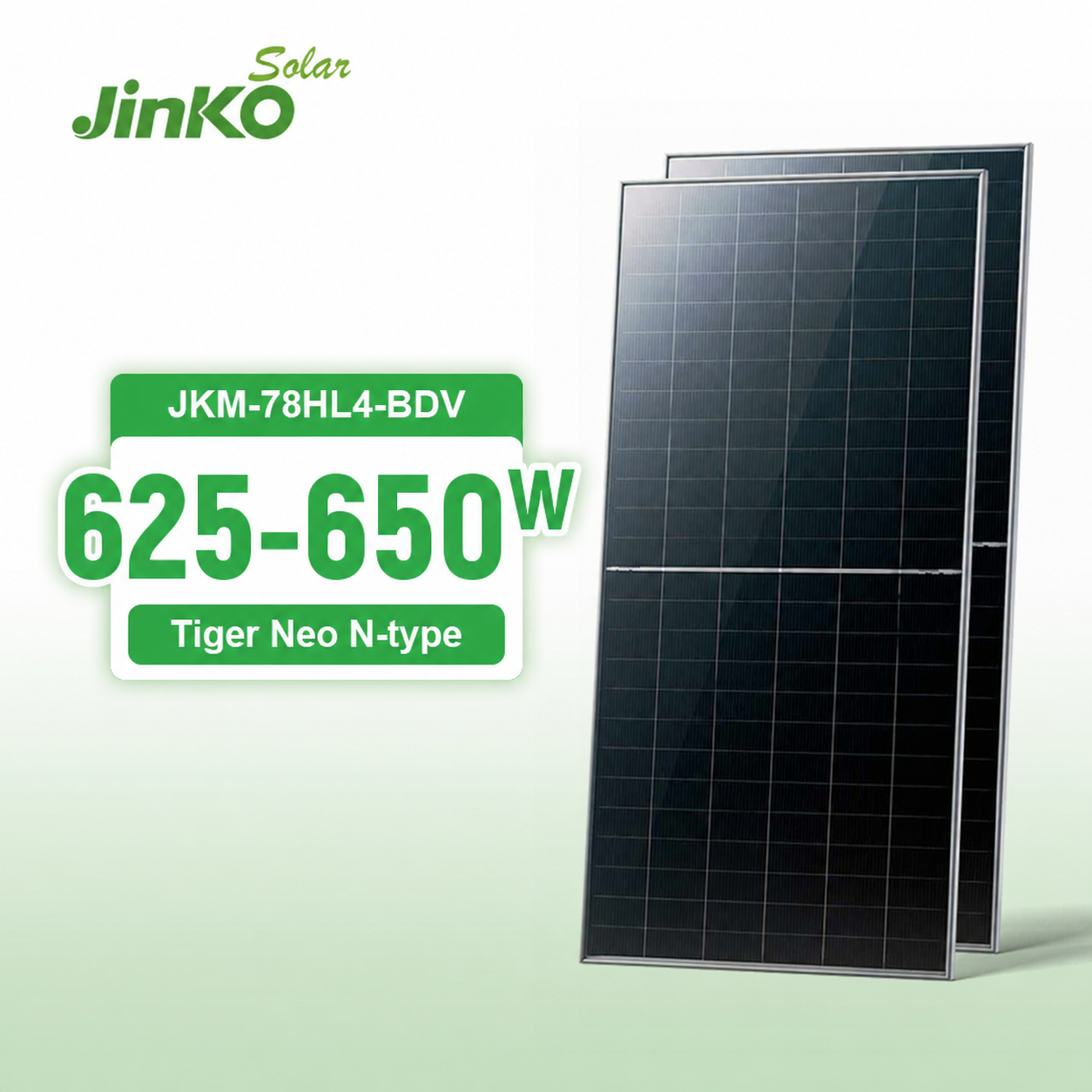
Ideal pairing for residential solar retrofits and hybrid systems in Mukalla, providing sustained durability against coastal corrosion and wind pressure.
Mukalla's energy profile is defined by harsh maritime weather, hot coastal conditions, and persistent municipal grid instability. Here is how modern 12V LiFePO4 battery architectures outperform legacy lead-acid and GEL configurations.
In Mukalla and across the Hadhramaut coastline, power outages are not intermittent—they are chronic. Traditional batteries fail within 6 to 12 months due to continuous deep cycling. Our Grade-A 12V Lithium Iron Phosphate (LiFePO4) chemistry delivers over 6,000 cycles at 80% Depth of Discharge, ensuring over a decade of consistent daily service under intensive cycling regimens.
Summer ambient temperatures in Mukalla frequently surpass 42°C with high relative humidity, causing conventional lead-acid and inferior batteries to experience rapid electrolyte dry-out and thermal runaway. Our 12V lithium packs integrate sophisticated Battery Management Systems (BMS) with multi-point temperature sensors, automatically controlling charge rates and protecting cells against elevated ambient heat.
Operating in an Arabian Sea port city exposes equipment to salt fog corrosion. Our 12V battery enclosures utilize anti-corrosive ABS/metal casings, moisture-sealed conformal coatings on BMS circuitry, and corrosion-resistant nickel-plated copper terminals to prevent terminal oxidation, contact degradation, and catastrophic short circuits in coastal marine setups.
The southern economic trade center of Yemen, centered around the Port of Mukalla, is transitioning toward complete solar energy storage systems. For years, installers relied on 12V tubular and sealed GEL batteries. While gel batteries remain viable for low-budget or light backup tasks, their real-world usable energy drops precipitously under partial state of charge (PSOC) cycling—a common challenge in solar installations when dusty or monsoon conditions inhibit full daily solar re-charges.
A 12V 100Ah or 200Ah LiFePO4 battery pack, by comparison, provides an exceptional round-trip coulombic efficiency exceeding 98%, compared to roughly 75–80% for lead-acid alternatives. Installers can discharge up to 90% of the lithium battery's rated capacity without damaging the electrode lattice. Crucially, our 12V modular blocks can be placed in series and parallel configurations (up to 4S4P) to effortlessly build out 24V and 48V banks, creating a scalable footprint that directly interfaces with Deye, Growatt, and Victron low-voltage hybrid inverters.
Furthermore, the physical footprint and weight of lithium batteries are one-third that of conventional lead banks. This reduction eases freight handling into Mukalla’s port terminals and reduces roof and structural loading on residential structures throughout old town coastal properties and modern inland commercial compounds.
Hangzhou VOLT New Energy Technology Co., Ltd. eliminates supply chain bottlenecks for importers in Yemen through verified engineering, strict testing, and compliant maritime shipping logistics.

Every lithium battery and hybrid inverter is pre-matched at our testing bench. We pre-configure CAN and RS485 communication protocols, internal pin-outs, and charge parameters before export, preventing frustrating BMS communication faults on local Yemeni job sites.

We execute multi-step quality assurance covering automated capacity discharge testing, cell impedance matching, insulation stress tests, and high-temperature cycling. Comprehensive test logs, photos, and video validation are shared prior to container sealing.

Lithium shipping demands strict regulatory compliance. We provide full UN38.3 test summaries, Material Safety Data Sheets (MSDS), and Class 9 Dangerous Goods (DG) maritime packaging, ensuring seamless customs processing through transit hubs into the Port of Mukalla.
Our dedicated solar engineers deliver comprehensive system sizing calculations, complete wiring schematics, and remote parameter support. Importers and local installers receive step-by-step guidance to ensure high performance and safety across every deployment.
Clear, practical engineering answers addressing shipping logistics, thermal durability, and electrical configurations for trade buyers across Yemen.
Whether you require a dedicated container load of 12V deep-cycle lithium batteries, consolidated Jinko PV modules, or matched Deye hybrid inverters, our engineers provide complete system configurations, technical documentation, and rapid proforma quotes.
Inquire Now