48V Lithium Battery Manufacturers & Suppliers for Suriname
High-Density LiFePO4 Energy Storage, Closed-Loop Deye Hybrid Inverter Integration, and Proven Deep-Cycle Systems Built for Paramaribo and Interior Off-Grid Microgrids.
6,000+
Deep Cycle Life (80% DoD)
100+
Countries & Regions Served
CAN/RS485
Native Inverter Integration
Class 9 DG
Certified Sea Freight to Paramaribo
Engineered For Tropical Microgrids
Advanced Photovoltaic & Energy Storage Hardware Portfolio
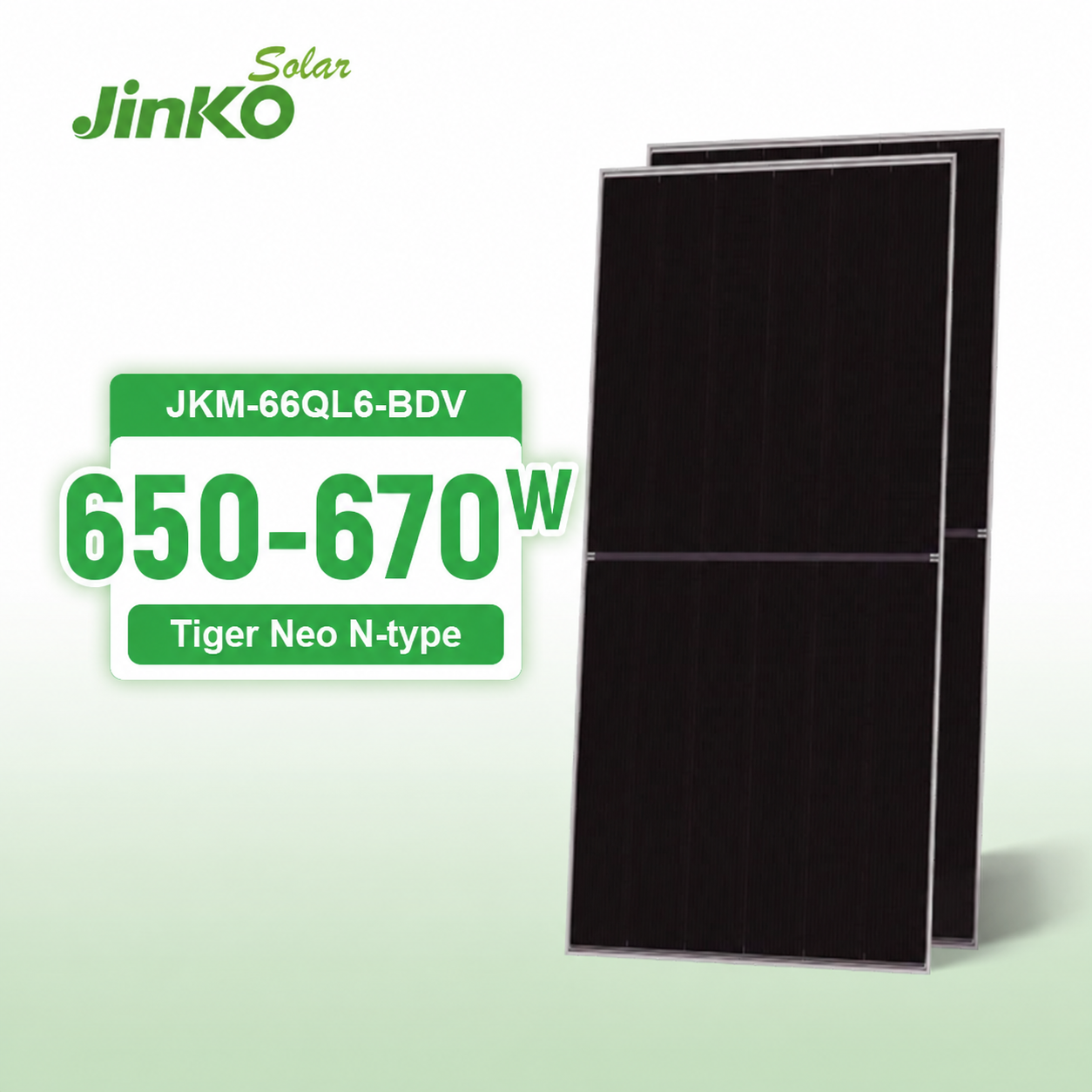
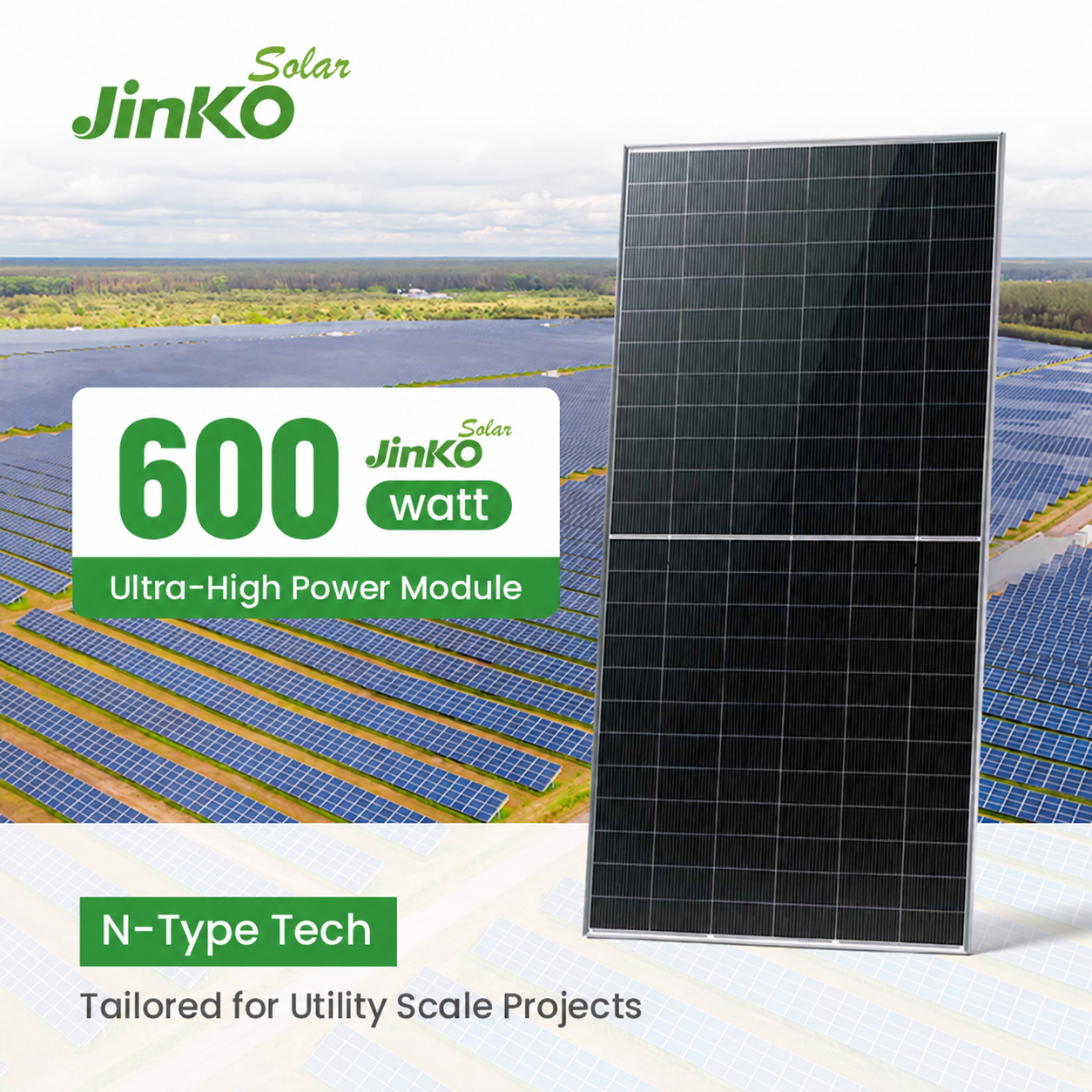
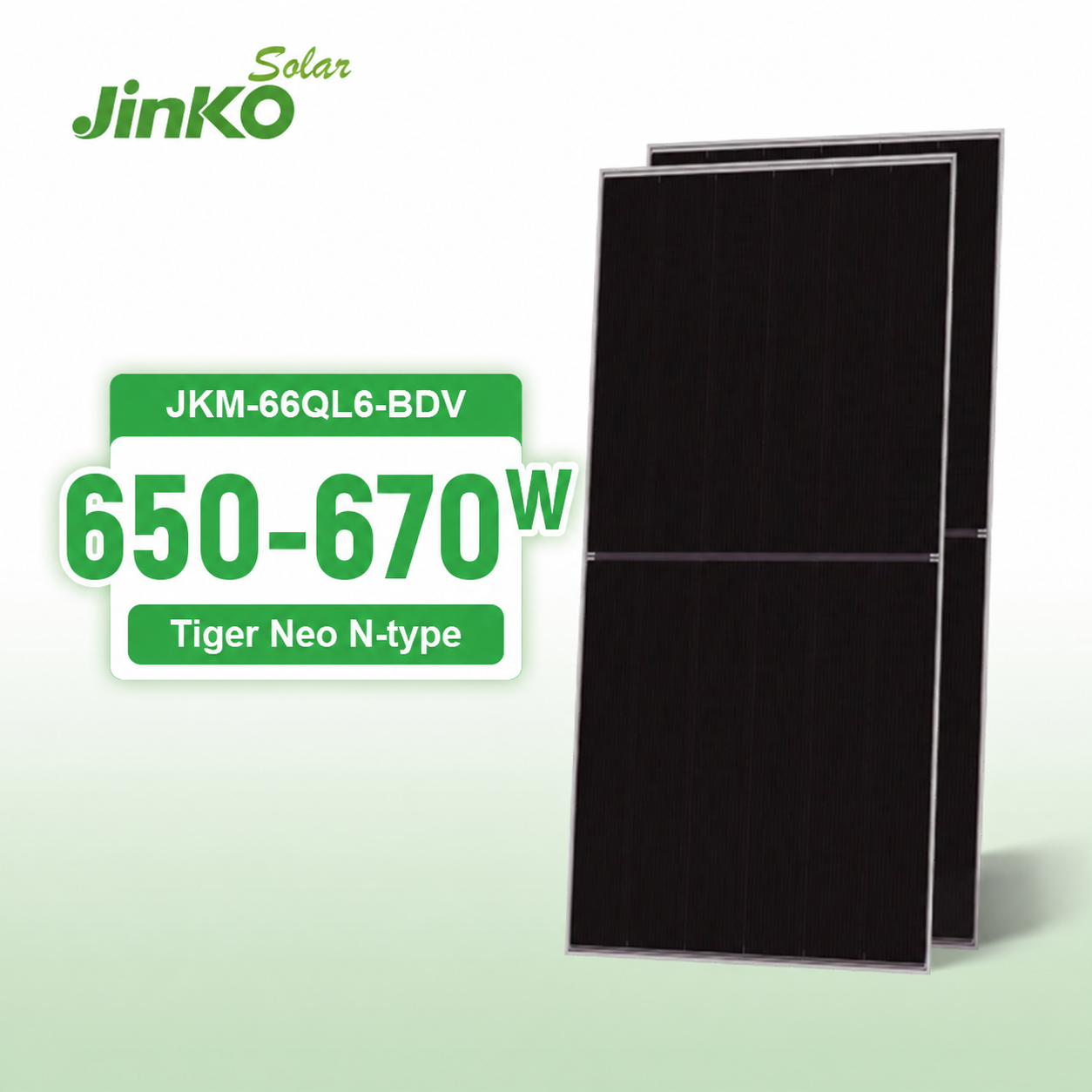
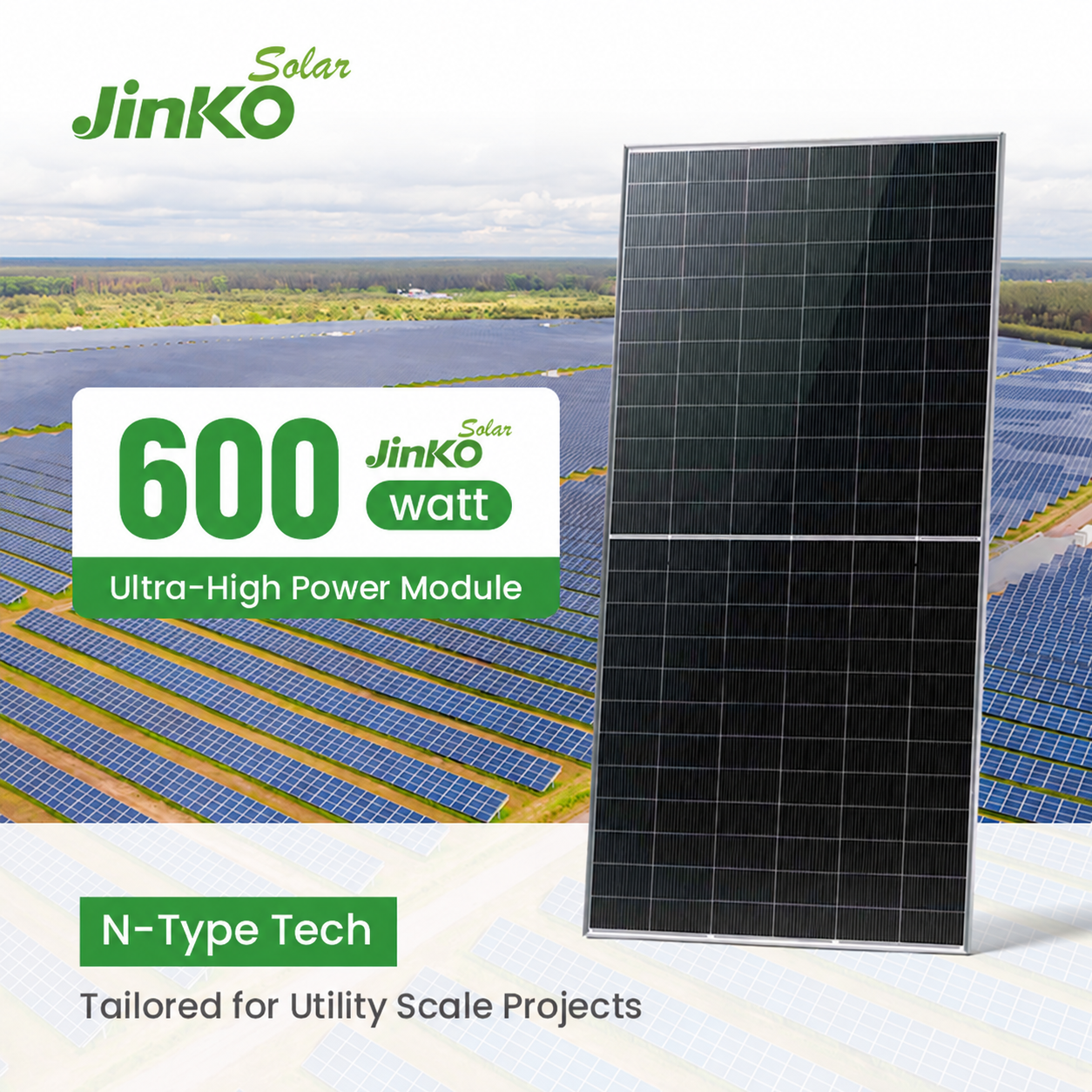
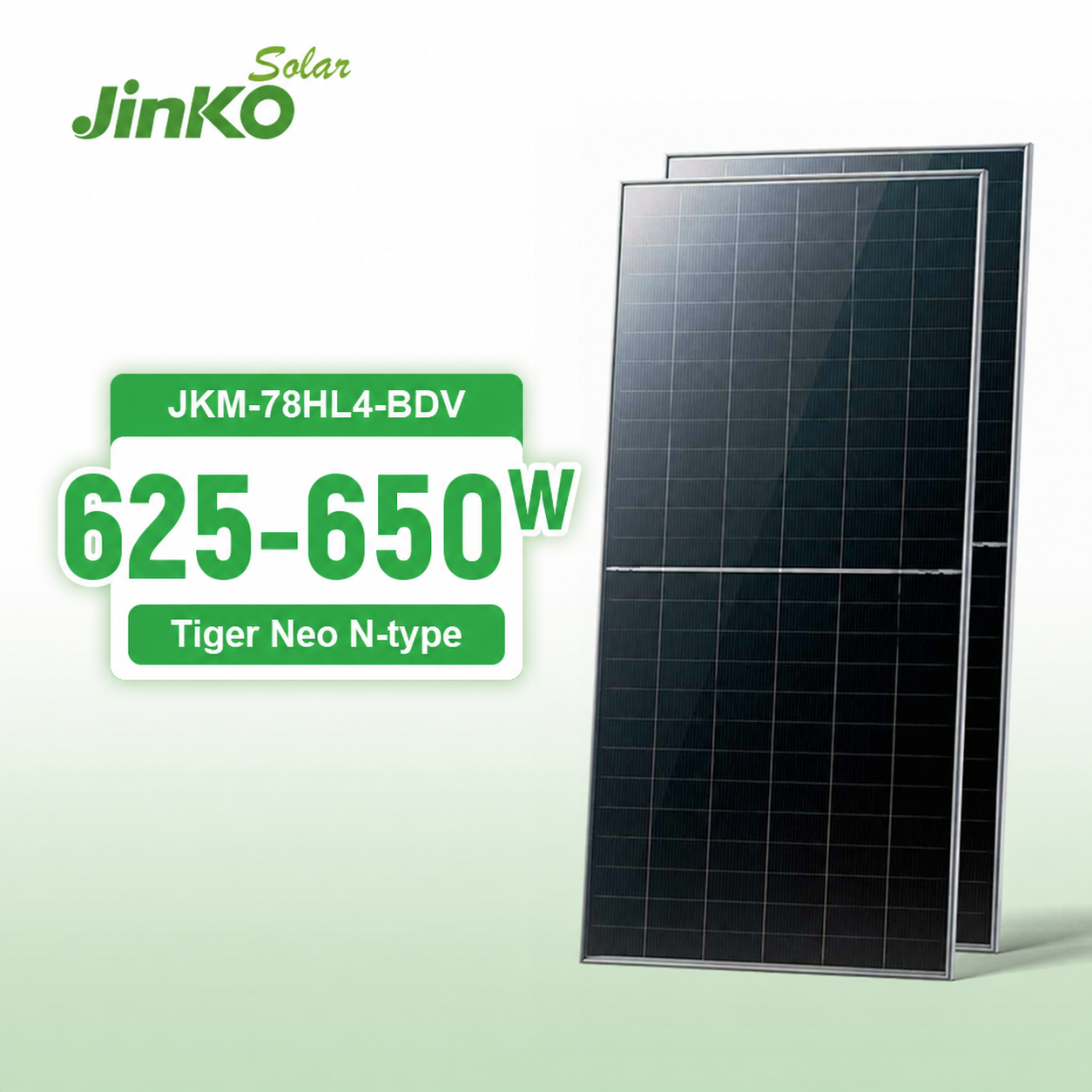
Seamlessly pair top-tier tier-1 bifacial panels with smart 48V/51.2V LFP battery configurations and multi-source hybrid inverters engineered for high ambient temperatures and equatorial solar radiation.
Engineered for rooftop balance-of-system efficiency, pairing directly with 48V Deye hybrid inverters and LFP battery banks.
Energy Dynamics in Suriname: Navigating Grid Instability and Interior Electrification
Suriname’s electrical topography presents a stark dichotomy between the coastal grid managed by Energiebedrijven Suriname (EBS) and the off-grid interior settlements scattered across Sipaliwini and Brokopondo. Coastal zones around Paramaribo and Wanica face aging distribution networks that experience voltage drops and frequency variations during peak cooling hours. In contrast, deep interior river communities depend heavily on diesel generators funded by the Ministry of Natural Resources (Dienst Elektriciteitsvoorziening - DEV), where fuel transportation logistics create massive financial burdens and supply interruptions.
To overcome these systemic vulnerabilities, international EPC contractors, local installers, and commercial facility managers are adopting 48V / 51.2V Lithium Iron Phosphate (LiFePO4) battery systems. Low-voltage 48V configurations have emerged as the industry sweet spot because they ensure galvanic safety, do not require high-voltage certification for on-site technicians, and allow flexible modular scalability from 5.12 kWh residential wall packs up to 100 kWh+ commercial parallel banks.
Thermal & Chemical Stability
LiFePO4 chemistry eliminates thermal runaway risks common in NMC batteries, operating safely under extreme equatorial ambient temperatures up to 55°C without cell degradation.
Deep Daily Cycling (80-90% DoD)
Unlike traditional lead-acid or GEL batteries that degrade rapidly if discharged beyond 50%, our 48V LFP systems provide 6,000+ cycles at 80% Depth of Discharge for daily cycling.
Seamless Parallel Expansion
BMS architecture supports up to 16 to 32 units in parallel over CAN/RS485 communication, allowing facilities to expand storage capacity organically as operational loads increase.
Engineered Local Application Scenarios Across Suriname
A successful energy storage rollout requires meticulous matching of battery hardware, BMS protocols, and inverter operating parameters tailored to specific climatic and infrastructural conditions. Hangzhou VOLT New Energy supplies turnkey 48V energy storage systems customized for the four primary deployment environments in Suriname:
Paramaribo Residential & Cold Chain
Urban homes, retail pharmacies, and commercial food processors in Paramaribo face unpredictable brownouts. Our 48V 100Ah/200Ah wall-mount LFP packs integrate directly with Deye 5kW–12kW hybrid inverters, providing millisecond UPS switching to keep high-efficiency air conditioning and refrigeration intact without generator delays.
Gold Mining Camps & Interior Concessions
Remote concessions along the Marowijne and Lawa river basins burn diesel 24/7 to power rock crushers, washing plants, and crew dormitories. Deploying 48V rack-mount LiFePO4 banks alongside high-wattage Jinko bifacial panels enables hybrid fuel displacement, cutting diesel logistics and engine maintenance overhead by up to 65%.
Interior Off-Grid Village Microgrids
Tribal communities in the Upper Suriname River basin require robust microgrids that operate without daily maintenance. Our modular 48V LFP systems feature tropicalized conformal coating on all BMS circuit boards to prevent condensation corrosion, mold growth, and high-humidity shorts during the prolonged equatorial wet seasons.
Eco-Tourism Lodges & River Resort Electrification
Eco-resorts situated along the Suriname River demand whisper-quiet, clean power that preserves pristine natural environments while powering water pumps, guest villas, kitchen freezers, and Starlink communication arrays. Our 48V lithium systems deliver zero-emission energy storage charged silently by roof-mounted Jinko TOPCon modules, completely eliminating generator noise and fuel handling.
Manufacturing Excellence, Strict QC, and Direct Export Engineering
As Hangzhou VOLT New Energy Technology Co., Ltd., we combine dedicated manufacturing operations with comprehensive solar integration capabilities. International buyers cannot afford protocol communication errors or shipping rejections at port. We enforce end-to-end quality controls and verified supply workflows:
Pre-Shipment Protocol Matching
Every 48V LFP battery bank is bench-tested against the customer's specified Deye inverter before loading. We verify CAN/RS485 baud rates, pin-outs, and BMS handshake parameters to guarantee plug-and-play installation in Suriname.
Full UN38.3 & DG Compliance
Lithium iron phosphate batteries are classified as Class 9 Dangerous Goods. We supply certified UN-rated export cartons, wooden pallets, UN38.3 test summaries, and MSDS documentation for smooth ocean freight to Jules Sedney Port of Paramaribo.
Consolidated Container Loading
Lower landed freight costs by consolidating Jinko bifacial solar panels, Deye hybrid inverters, 48V LFP batteries, DC combiners, and solar cabling into a single container directly from our Ningbo/Shanghai export points.
Headquarters OperationsBattery Production & QC TestingClass 9 DG Export PalletizingContainer Loading for Export
Frequently Asked Questions: Sourcing 48V Lithium Batteries for Suriname
Clear, technical, and logistics-focused answers addressing the exact requirements of Surinamese contractors, system integrators, and electrical wholesalers.
Why is 48V / 51.2V preferred over high-voltage (HV) battery stacks in Suriname?
48V (nominal 51.2V for 16S LiFePO4) systems operate well below the 60V DC threshold, classifying them as Safety Extra-Low Voltage (SELV). This eliminates electrocution risks for local electrical technicians, simplifies interior village installations where specialized high-voltage training is limited, and makes replacement or parallel expansion of individual battery modules straightforward without taking the entire high-voltage DC string offline.
How does high ambient humidity and heat in Suriname affect LiFePO4 battery life?
Suriname regularly experiences ambient temperatures above 32°C paired with relative humidity exceeding 85%. While standard lead-acid batteries suffer rapid water loss and positive plate corrosion under these conditions, our LiFePO4 cells are hermetically sealed in heavy-duty aluminum prisms. Furthermore, our Smart BMS boards are coated with industrial anti-fungal conformal coating to prevent condensation shorts, and charge curves can be calibrated to prevent thermal stress during high-noon solar charging.
How do VOLT 48V batteries communicate with Deye hybrid inverters?
Our batteries utilize standard CAN and RS485 communication protocols with dedicated firmware compatible with Deye’s low-voltage inverter series (SUN-5K/8K/10K/12K-SG04LP3 and SG01/SG02 single-phase variants). During factory configuration, we assign the exact RJ45 pinout mapping and pre-configure the BMS DIP switches, ensuring that state-of-charge (SoC), individual cell voltages, and thermal safety cut-offs automatically sync with the Deye inverter interface on first power-up.
What are the shipping logistics and customs documentation for Paramaribo port delivery?
Lithium iron phosphate batteries are transported as Class 9 Dangerous Goods (UN3480). We furnish all necessary documentation, including verified UN38.3 test reports, certified Material Safety Data Sheets (MSDS), Dangerous Goods Declarations (DGD), and Sea Waybills. Cargo is routed directly to the Jules Sedney Haven (Port of Paramaribo) via reputable international container lines. We coordinate with your freight forwarder or provide full CIF Paramaribo terms.
Can 48V LiFePO4 battery modules be paralleled with existing lead-acid or GEL batteries?
No. Lithium iron phosphate and lead-acid/GEL batteries operate on fundamentally different chemical profiles, internal resistances, and charge/discharge curves. Direct parallel connection will cause cross-currents, incomplete charging, and premature BMS protective shut-off. When retrofitting existing lead-acid systems in Suriname, we recommend replacing the battery bank entirely with 48V LFP modules while repurposing the existing PV array and cabling.
What warranty protection and post-sales technical support do you provide?
Our 48V lithium energy storage systems carry standard manufacturer warranties ranging from 5 to 10 years (dependent on model and daily cycle agreements). All serialized units are cataloged in our export records. In the event of a field anomaly, our engineering team in Hangzhou provides remote diagnostic support via video and log reviews, and replacement BMS boards or cell modules are dispatched promptly to minimize downtime.
Design Your Custom Solar + Storage System for Suriname
Connect directly with our engineering specialists. Share your daily kWh load, peak wattage requirements, or project location (Paramaribo grid-tie or Interior microgrid), and receive a verified bill of materials within 24 hours.