Engineered BIPV & Dual-Glass Modules for Mosul Installations
Precision-manufactured N-Type monocrystalline architectures supporting structural architectural facades, industrial solar carports, and high-temperature utility infrastructure.
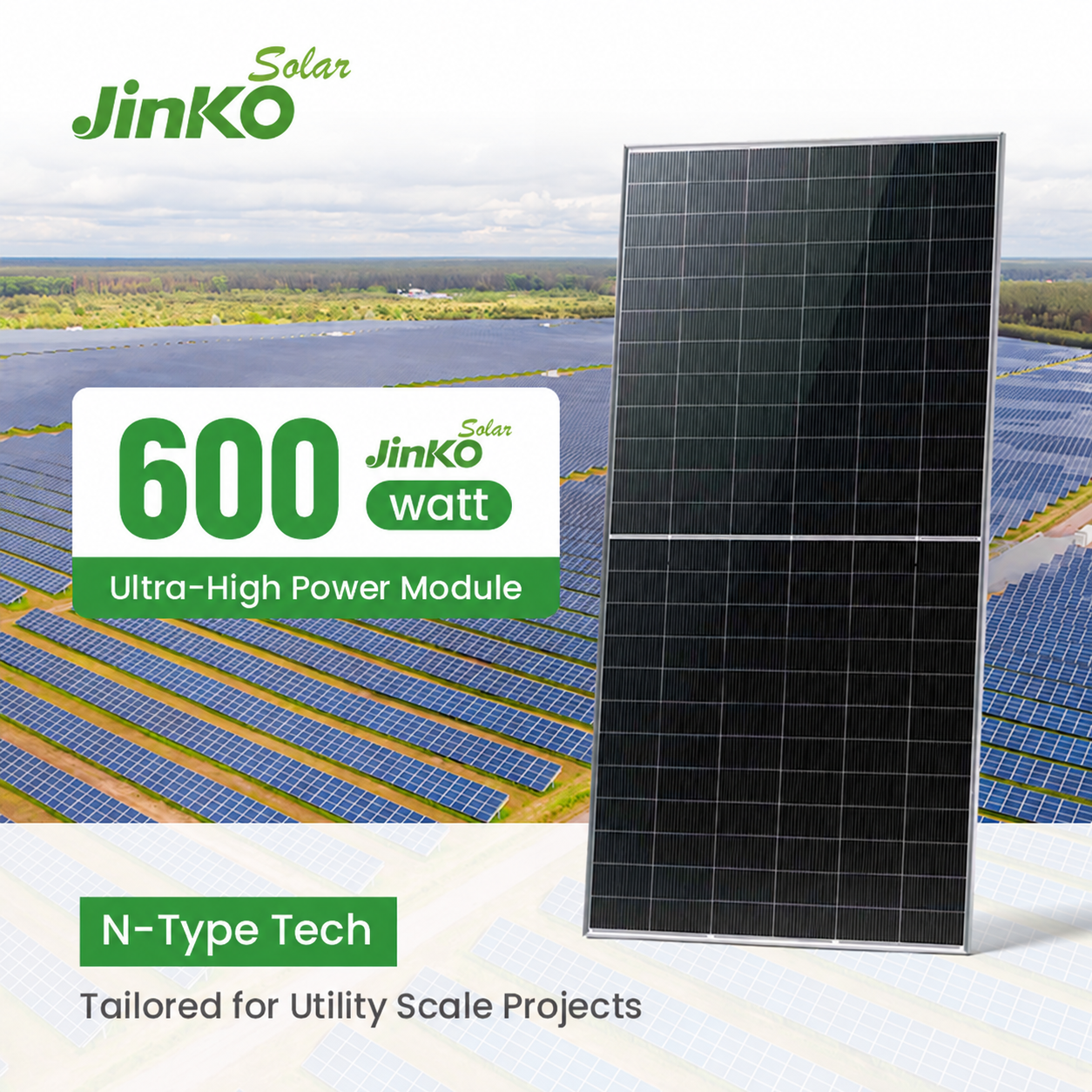
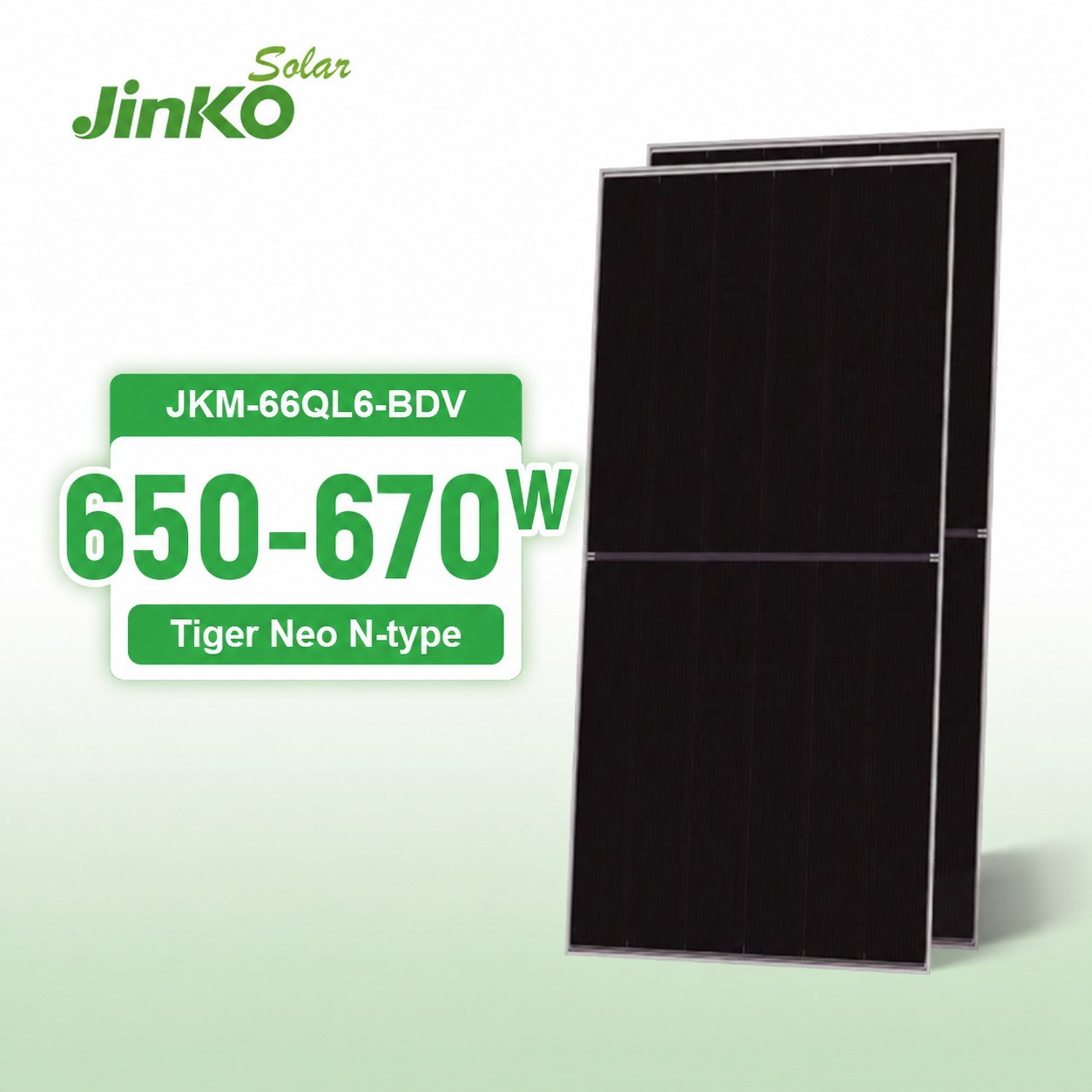
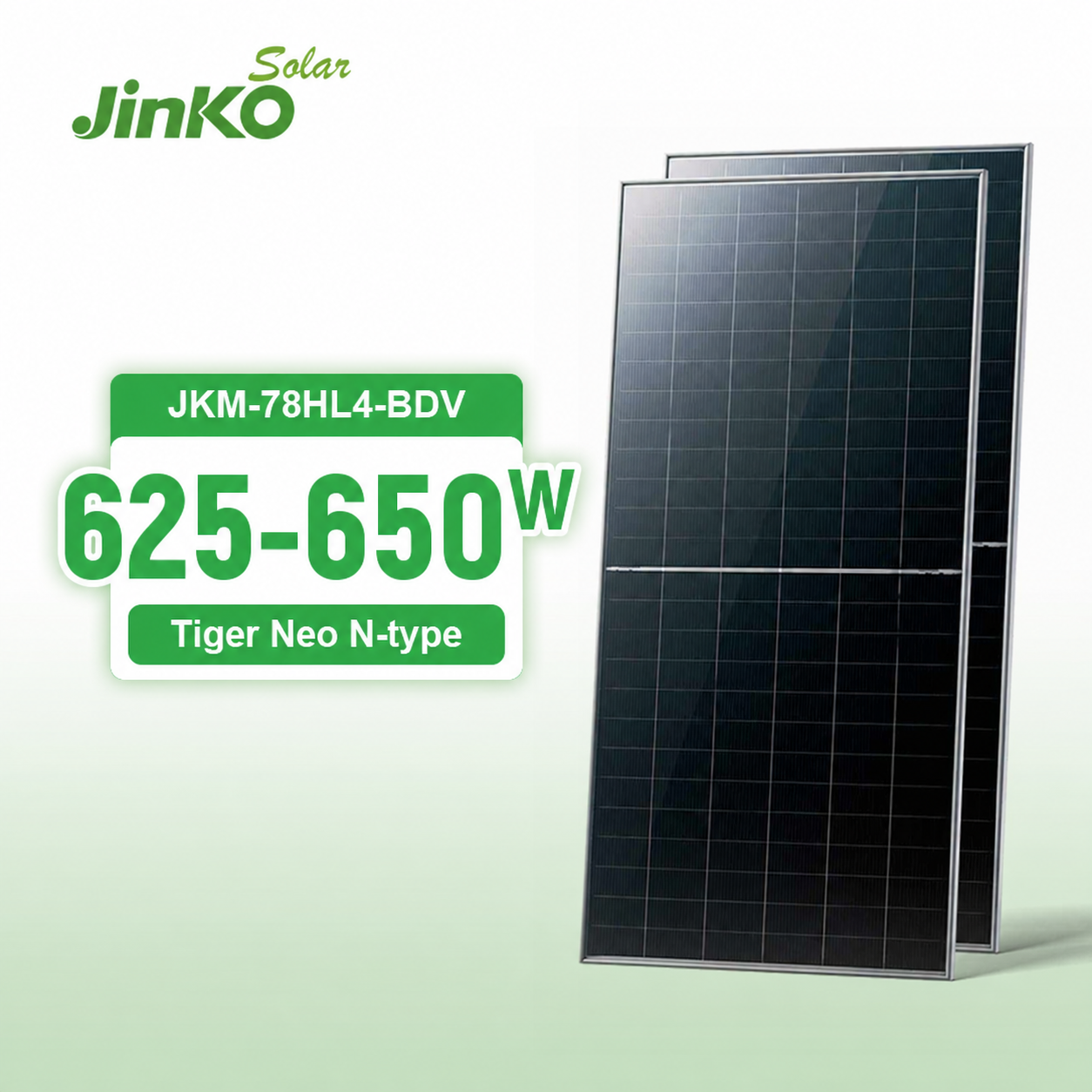
1. Engineering Imperatives of BIPV in Mosul's Reconstruction Era
The post-conflict urban regeneration of Mosul and the wider Nineveh Governorate demands building envelope technologies that transcend passive insulation. In an arid steppe ecosystem punctuated by chronic municipal electricity deficits—where private diesel generator networks (mawllidat) impose unsustainably high localized tariff rates and environmental degradation—Building-Integrated Photovoltaics (BIPV) serve as dual-purpose structural assets. They function simultaneously as weatherproofing facades or solar shading pergolas while actively generating decentralized, grid-independent baseload electricity.
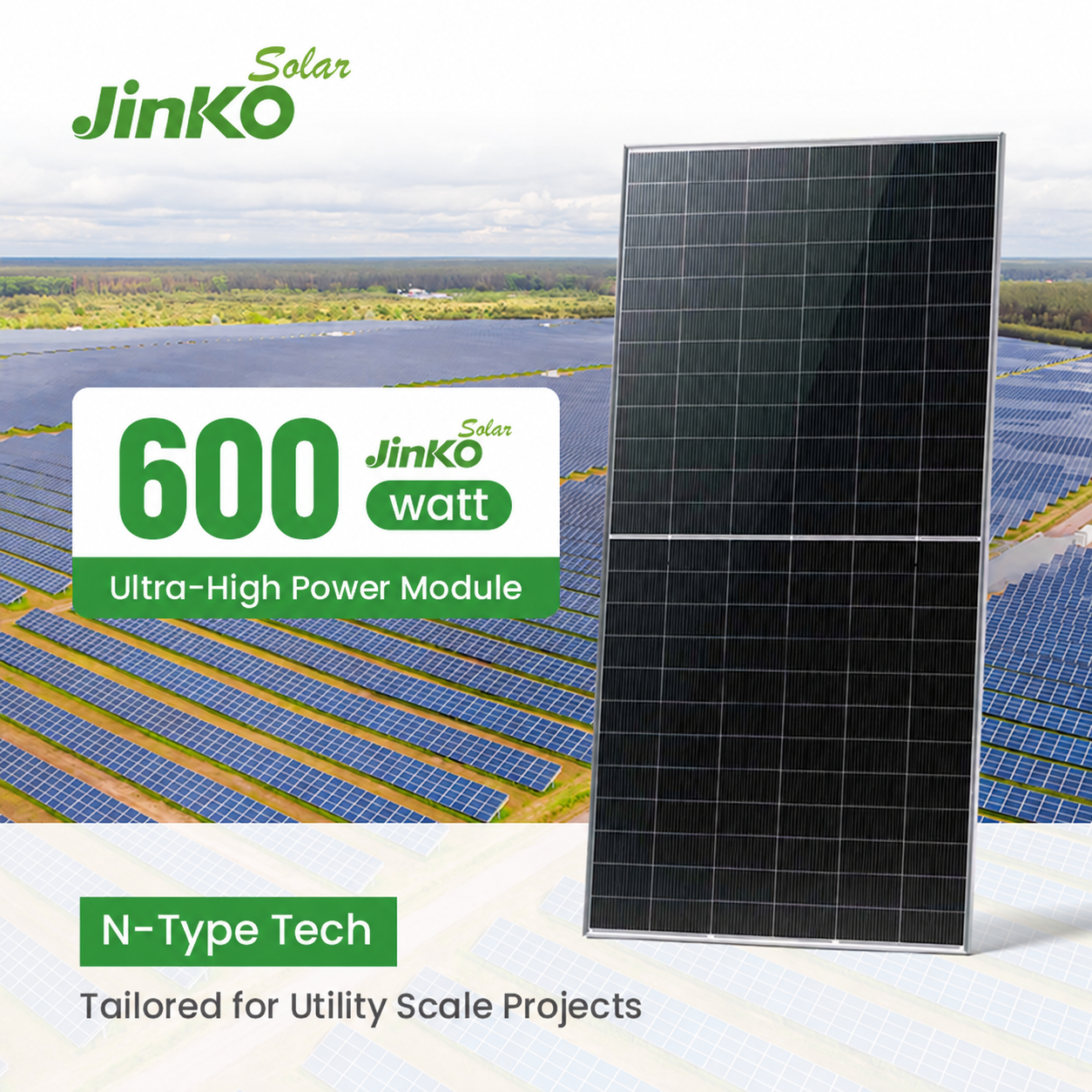
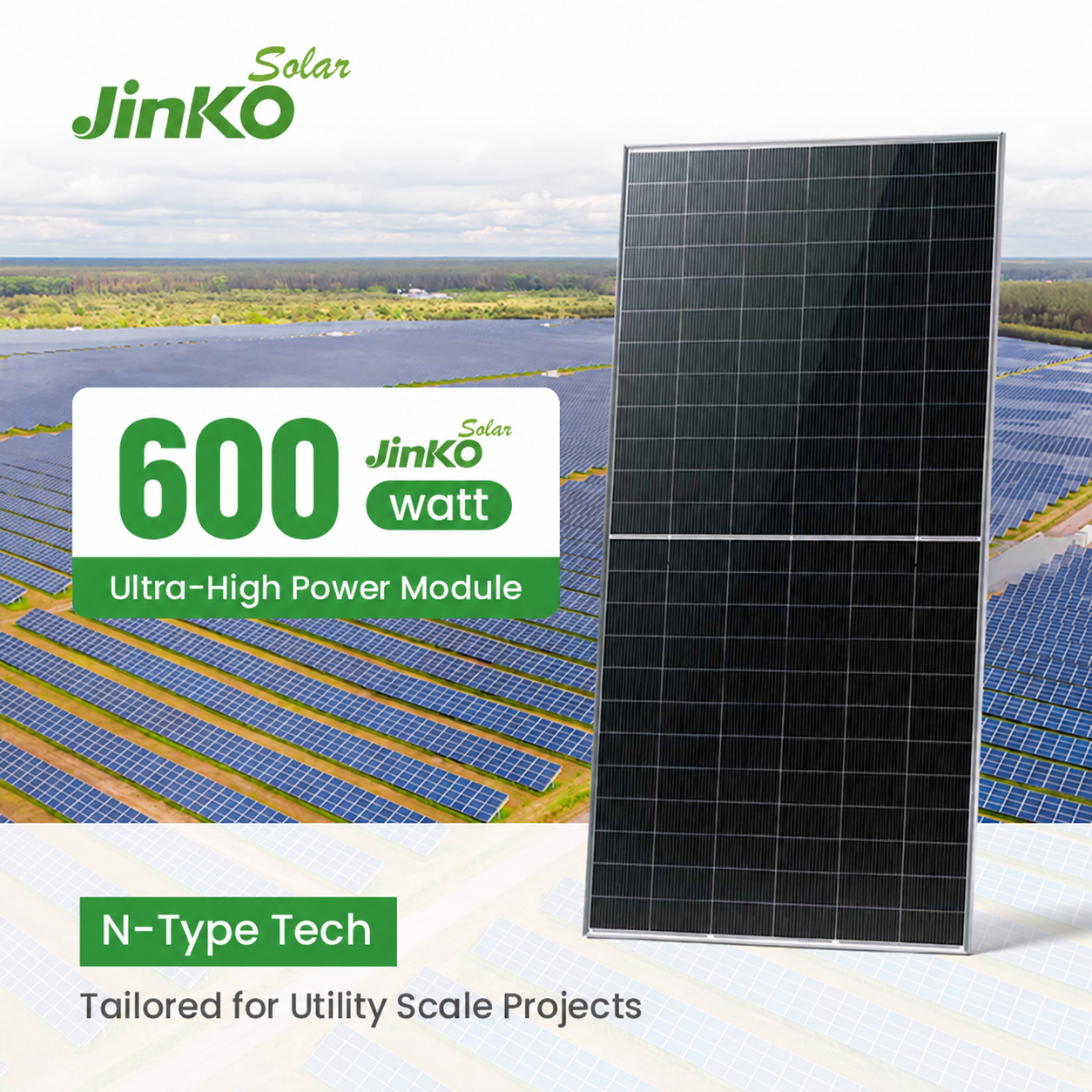
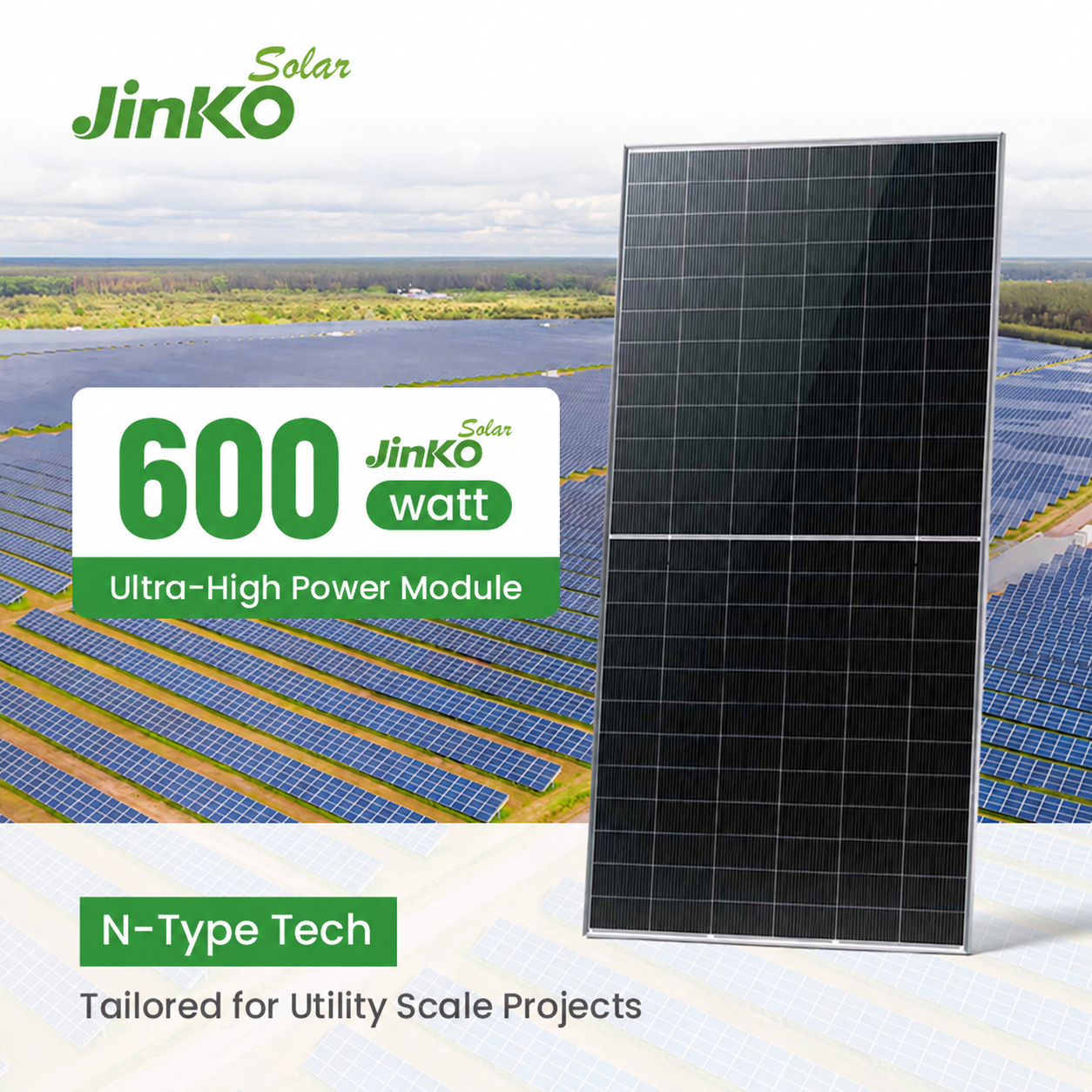
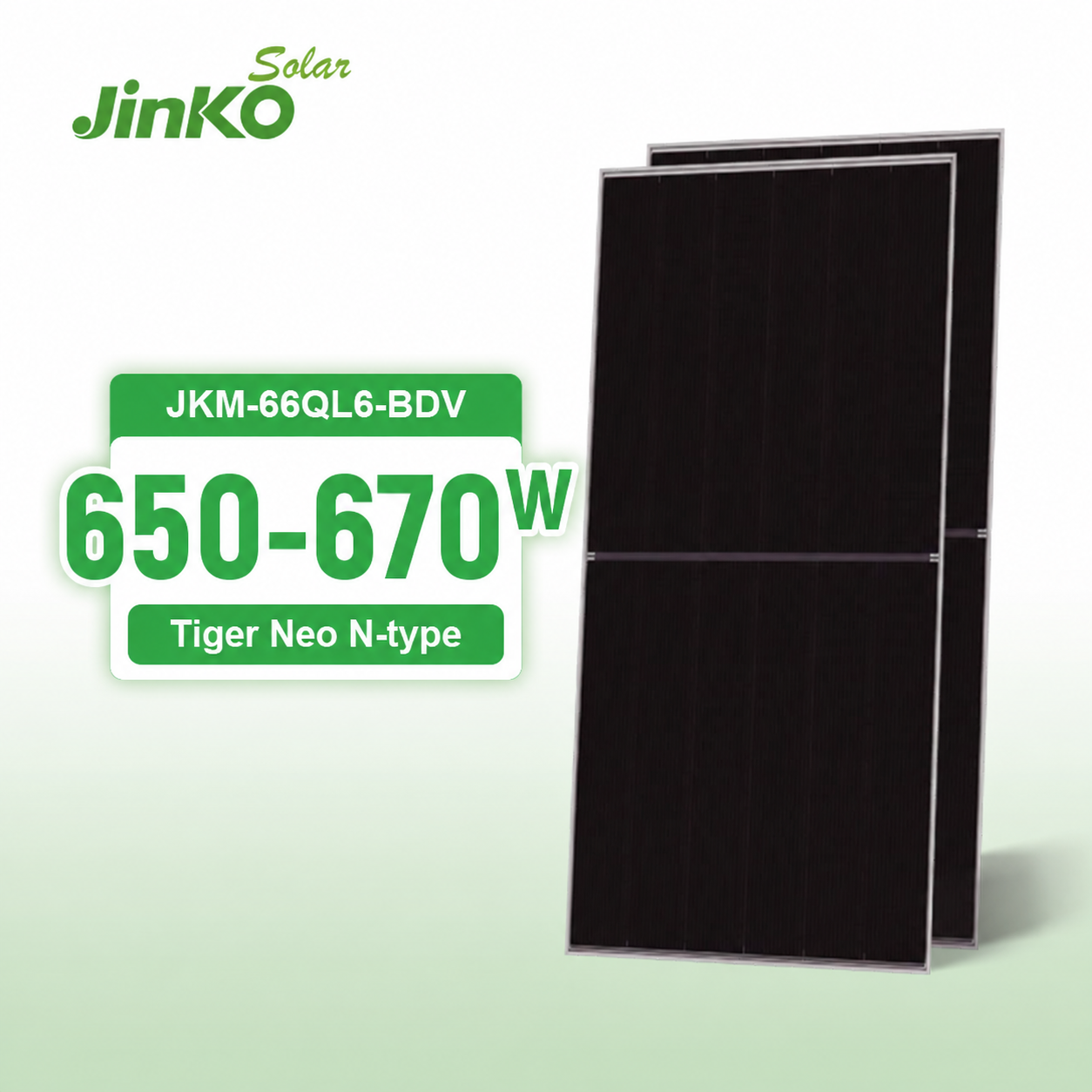
As a premier BIPV solar panel manufacturer and system integrator, Hangzhou VOLT New Energy Technology Co., Ltd. supplies Tier-1 TOPCon dual-glass solar modules specifically rated for the demanding climatic, physical, and electrical environments encountered throughout Iraq. Traditional rooftop installations in Mosul frequently suffer from thermal entrapment underneath mounting structures, building structural weight limitations, and destructive sand accumulations. By integrating bifacial double-glass photovoltaic modules directly into architectural envelopes—such as glazed spandrels, ventilated curtain-wall systems, overhead sky-lights, parking canopies, and terrace awnings—structural engineers and EPC contractors achieve superior Levelized Cost of Energy (LCOE) while safeguarding structural longevity.
Crucial Insight for Nineveh Engineering Projects: In high-ambient environments where summer temperatures in Mosul routinely exceed 48°C, rear-side ventilation in BIPV facade systems reduces operational cell temperatures by up to 14°C compared to conventional roof-mounted flush panels. This reduction translates directly into an 4.2% to 5.6% recovery in instant operating efficiency when using our N-Type TOPCon cells.
2. Thermal Dynamics, Sand Abrasion & Mechanical Stress in Nineveh's Climate
Deploying photovoltaics across northern Iraq exposes semiconductors to severe ambient and mechanical stresses. The Mosul basin experiences an extreme seasonal swing: severe sub-zero cold periods during winter mornings transitioning rapidly to over 50°C daytime ambient heat in peak summer months. Operating modules often reach blistering core temperatures exceeding 78°C under direct solar irradiance (GHI > 1000 W/m²). Standard P-type PERC modules degrade precipitously under these conditions due to unfavorable temperature coefficients (-0.35%/°C or worse) and significant Light and Elevated Temperature Induced Degradation (LeTID).
Our N-Type TOPCon (Tunnel Oxide Passivated Contact) dual-glass modules utilize high-purity n-doped silicon wafers featuring ultra-thin silicon oxide and polycrystalline silicon layers. This architecture delivers an industry-leading temperature coefficient of -0.30%/°C, ensuring an operational thermal yield advantage of up to 4.5% compared to legacy architectures across the Iraqi summer. Furthermore, the dual 2.0mm/3.2mm heat-strengthened, anti-reflective coated float glass sandwich completely eliminates moisture ingress, prevents Potential Induced Degradation (PID), and withstands abrasive airborne siliceous particulate during regional "Shamal" dust storms without surface micro-scratching.
| Climatic & Physical Factor | Legacy Mono PERC (Glass-Backsheet) | VOLT N-Type TOPCon Dual-Glass BIPV | Impact on Mosul Site Installations |
|---|---|---|---|
| Pmax Temp. Coefficient | -0.35% / °C to -0.38% / °C | -0.30% / °C | +4.5% net output yield under 45°C+ Mosul summer heat |
| Rear-Side Bifaciality | 65% – 70% | 80% – 85% (±5%) | Captures albedo reflections from pale limestone & concrete |
| Particulate Abrasion Rating | Polymer backsheet prone to scratching | Double Tempered Glass (IEC 61701 & Sand Blast) | Maintains optical clarity against high-velocity Shamal dust |
| Fire Hazard Class | Class C (Polymer sheet flammability) | Class A (Non-combustible dual glass) | Mandatory safety compliance for Mosul commercial envelopes |
| Micro-Crack Resilience | Single glass flex causes cell fractures | Zero neutral-axis glass sandwich | Resists gust forces up to 2400 Pa wind / 5400 Pa mechanical load |
3. Localized Application Archetypes Across Nineveh & Mosul
Building-integrated solutions provided by VOLT New Energy serve critical functional topologies throughout Nineveh Governorate:
Commercial Curtains & Spandrels
Modern administrative rebuilds, banks, and healthcare facilities along Al-Majmou'a and Al-Zuhour corridors incorporate framed dual-glass BIPV panels as curtain-wall spandrel elements. These reduce structural cooling loads through active solar shading while delivering continuous daytime kWh energy.
Industrial Carports & Logistics Hubs
Warehouses, repair compounds, and supply chain depots in the Al-Karama industrial zone deploy double-glass bifacial modules over cantilevered steel carports. Bifacial gain reaches 18% to 24% off high-albedo concrete paving, providing shade for vehicles while powering commercial cold rooms.
Residential Rooftop Canopies
Residential villa rebuilds across East and West Mosul utilize overhead pergola BIPV installations. Rather than mounting unshaded metal racks that occupy valuable rooftop recreational terrace space, our waterproof frameless or clamped glass-glass arrays form sheltered outdoor living spaces.
4. Field Deployments, Testing Protocols & Logistics Execution
Reliability in the Mosul marketplace cannot rest on theoretical laboratory sheets. At VOLT New Energy, our integrated engineering workflow ensures that every batch of TOPCon photovoltaic modules and energy storage equipment undergoes pre-shipment electroluminescence (EL) crack detection, flash testing for flash-curve calibration, and communication synchronization tests with multi-phase inverters.




5. Seamless System Integration: Deye Hybrid Inverters & LFP Energy Storage
Building-integrated PV in Mosul cannot operate purely as grid-tied string arrays because the local public grid suffers from frequent, unpredictable load-shedding cycles. When grid power drops, standard string inverters shut down immediately to prevent anti-islanding, rendering the building dark despite peak midday sunlight.
To solve this systemic bottleneck, Hangzhou VOLT New Energy coordinates full turnkey hardware ecosystems:
- Deye Hybrid Multi-Mode Inverters (5kW to 50kW): Supporting low-voltage 48V/51.2V and high-voltage three-phase configurations. Features ultra-fast <4ms UPS-class transfer switching that powers mission-critical HVAC, refrigeration, and computing loads uninterrupted when the Mosul municipal feed disconnects.
- Industrial Grade Lithium Iron Phosphate (LiFePO4) Battery Packs: Wall-mounted or rack-mounted modular energy storage banks rated for 6,000+ deep discharge cycles (90% DoD). Equipped with intelligent BMS hardware calibrated to CAN/RS485 closed-loop communication protocols matching Deye firmware out of the box.
- Automated Auxiliary Generator Synergy: Intelligent dry-contact inputs command regional diesel backup generators only when battery state-of-charge (SoC) drops below programmable limits, slashing local generator fuel consumption by up to 75% across industrial properties.
6. Technical Mosul Procurement & Engineering FAQ
How do dual-glass BIPV panels withstand sand abrasion and dust soiling in Nineveh?
What export and conformity documentation is required for shipping to Mosul, Iraq?
Why is TOPCon technology superior to standard Mono PERC in northern Iraq's high temperatures?
How does rear-side bifacial gain work on building facades or rooftop canopies?
Can VOLT New Energy supply complete consolidated systems rather than loose modules?
What warranty terms protect institutional and commercial investments in Iraq?
7. The VOLT Supply Advantage for EPC Contractors & Importers
Navigating international supply chains for Iraqi energy infrastructure requires an export partner that combines engineering rigor with direct factory-gate access. As an established supply integrator based in Hangzhou, Zhejiang, Hangzhou VOLT New Energy Technology Co., Ltd. mitigates common procurement risks through verified quality controls:
Verified Hardware Match
Eliminate "BMS Communication Error" shut-downs on site. Battery DIP settings, CAN bus pin-outs, and inverter charging parameters are tested and verified before palletization.
Mixed-Container Consolidation
Optimize ocean freight economics by combining photovoltaic modules, hybrid inverters, LFP rack batteries, and mounting hardware in single 40ft HQ export containers.
Iraqi Customs Conformity
Complete document packages matching Ministry of Trade and Iraqi customs specifications: certified test sheets, VOC/CoC inspections, bill of lading legalization, and full DG compliance.