Certified Solar Modules Engineered for the Andean Sun
From utility-scale commercial rooftops in Guamaní and Carcelén to off-grid agro-industrial microgrids in Pichincha, explore our top-tier N-Type double-glass and monocrystalline modules.
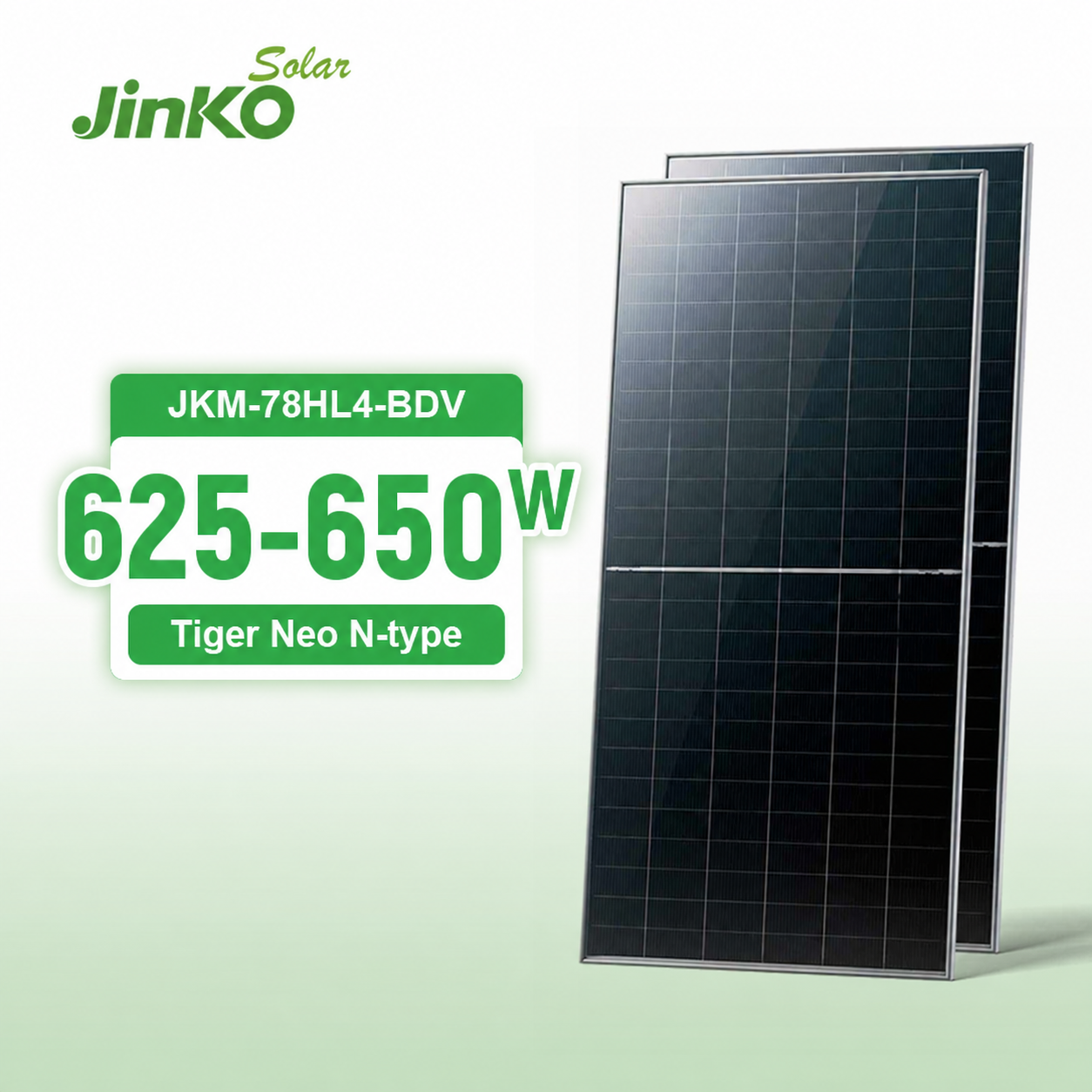
Jinko N Type Pv Module 650W 625W 645W Bifacial Photovoltaic Module Panneau Solaire for Commercial
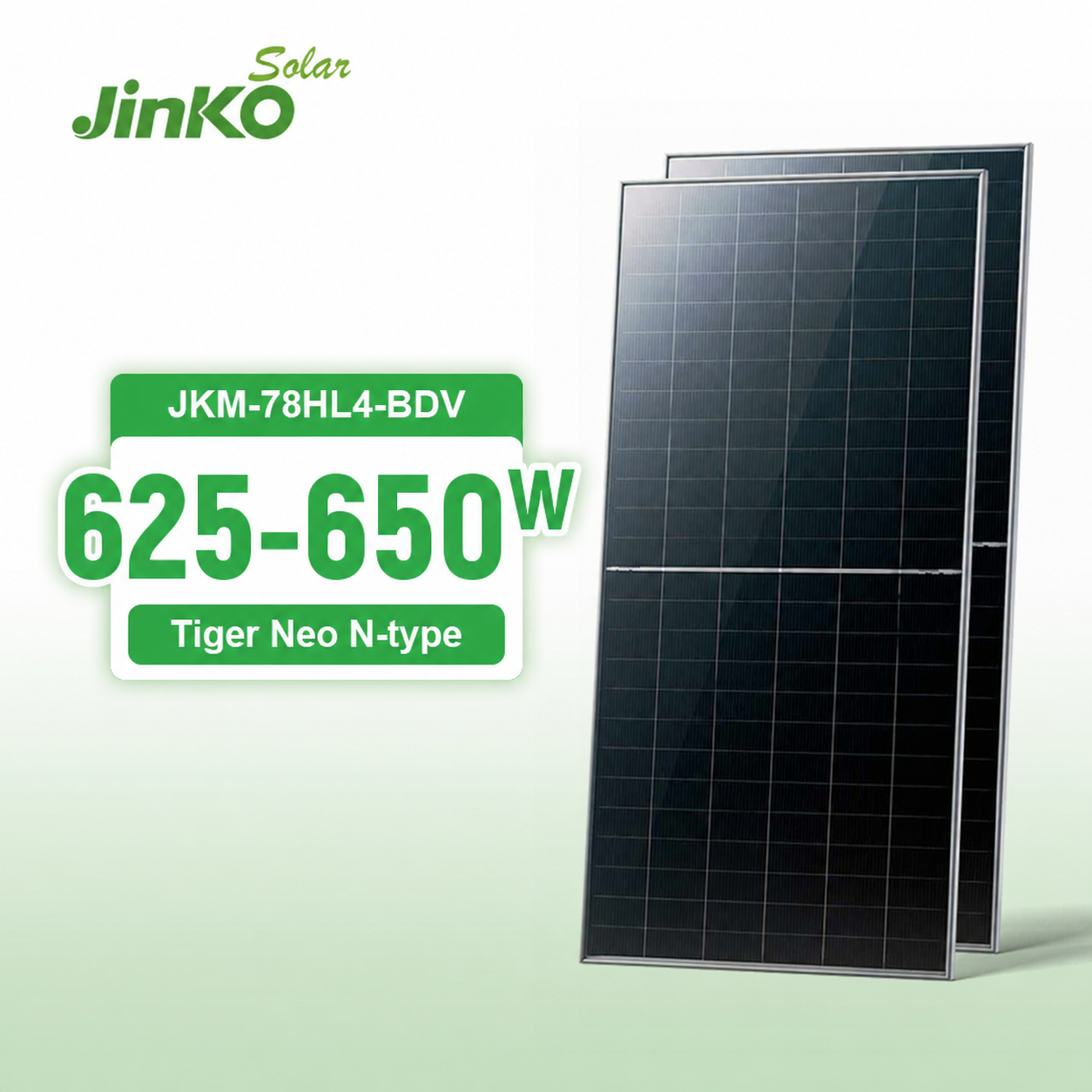
Jinko N Type Bifacial Pv Panels 650W 630W 645W Double Glass High Efficiency Solar Module for House Roof
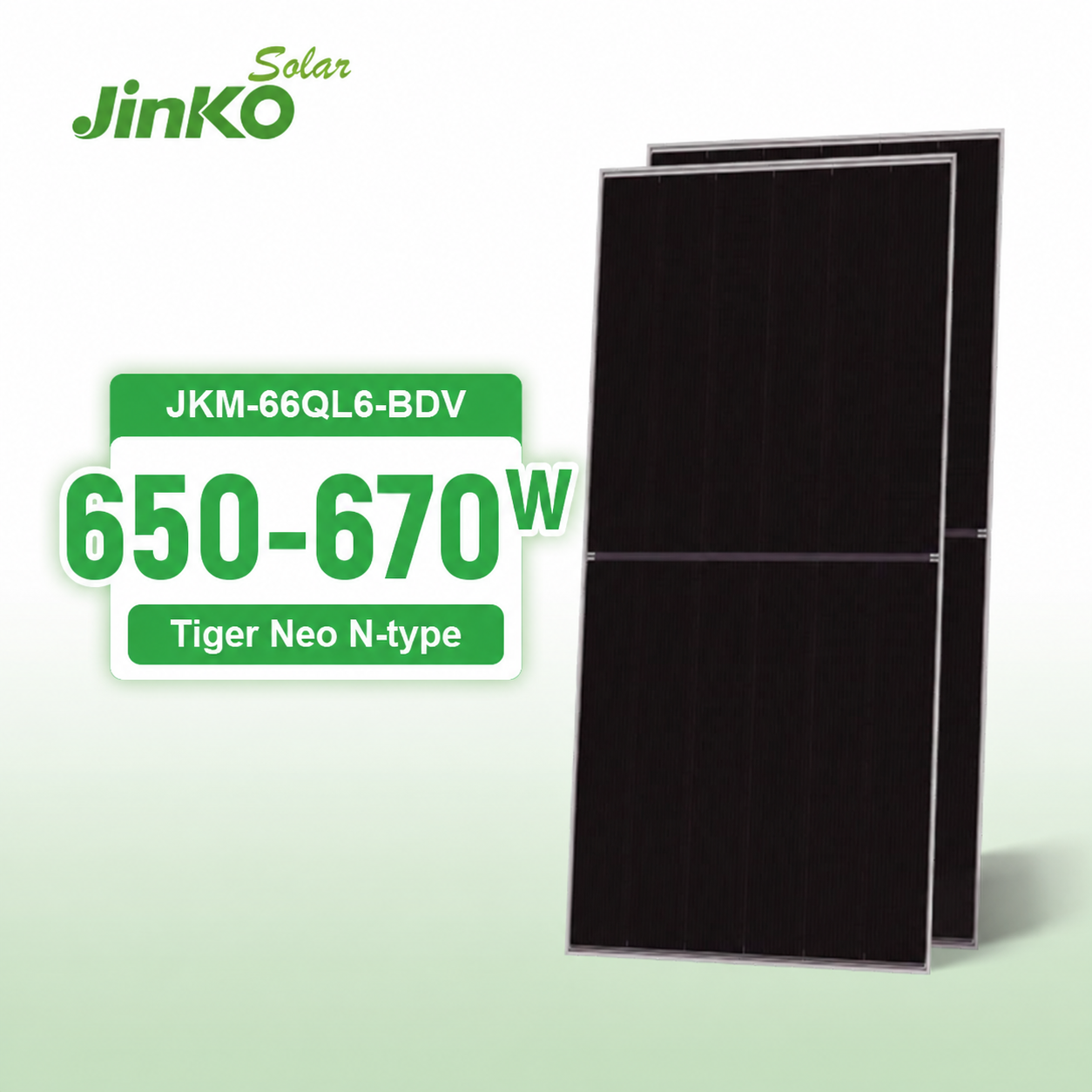
Jinko N Type Bifacial Solar Panel 650W 660W 670W TOPCon Monocrystalline High Efficiency PV Module for Home Roof
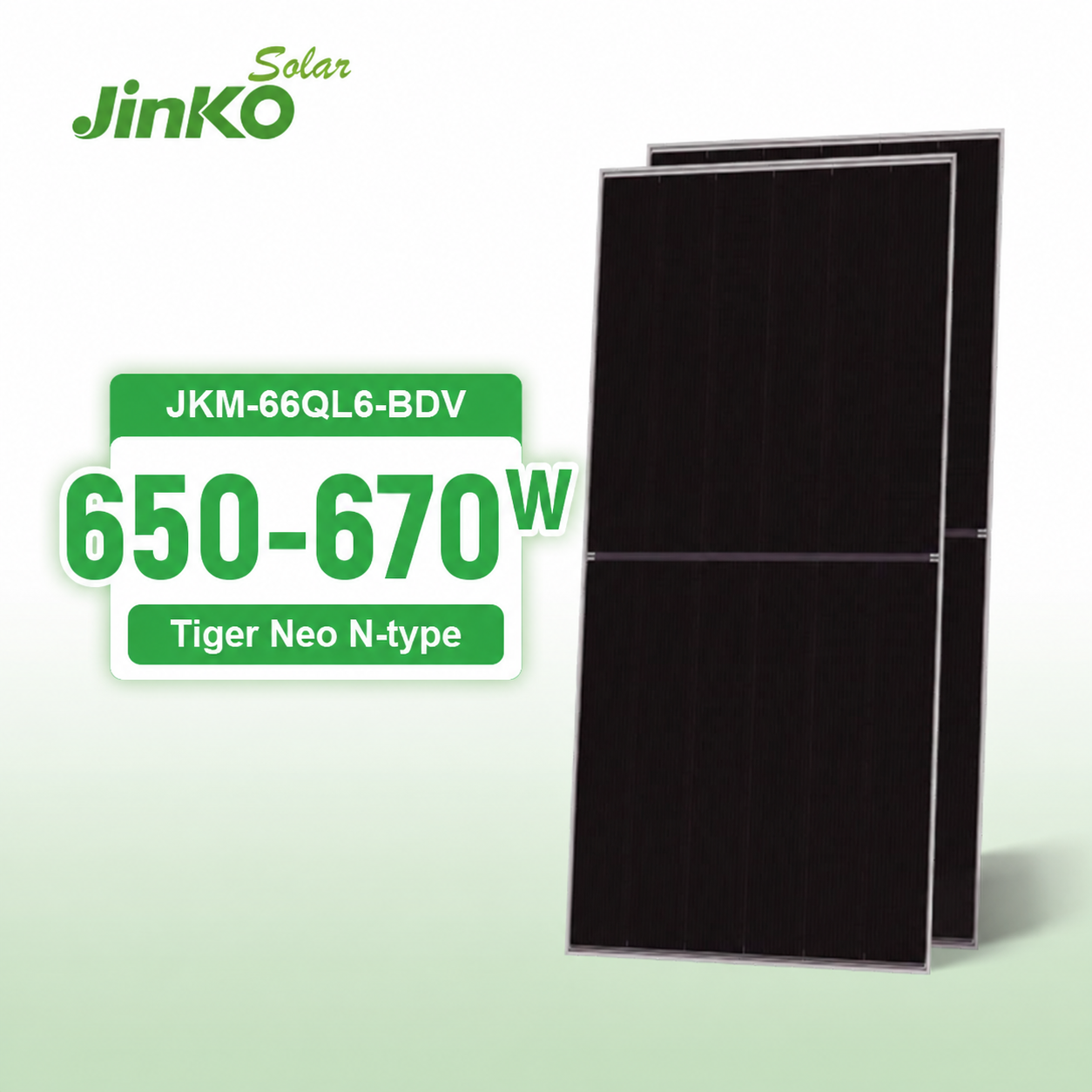
Jinko Monocrystalline Solar Panels 650W 660W 670W Bifacial High Efficiency Dual Glass Solar Module for Home Roof
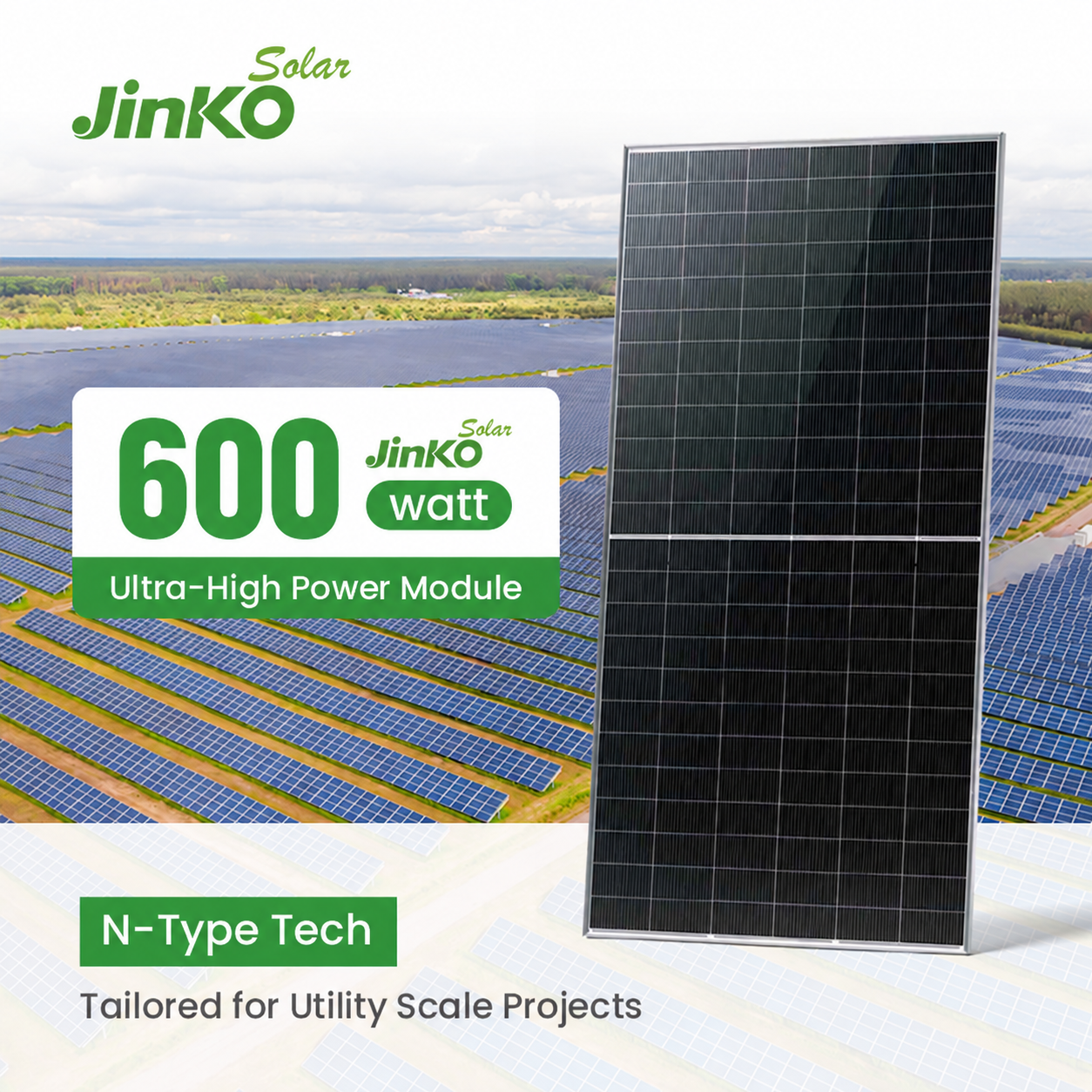
Jinko N Type Bifacial Solar Panels 585W 590W 575WTOPCon Monocrystalline High Efficiency PV Module for Home
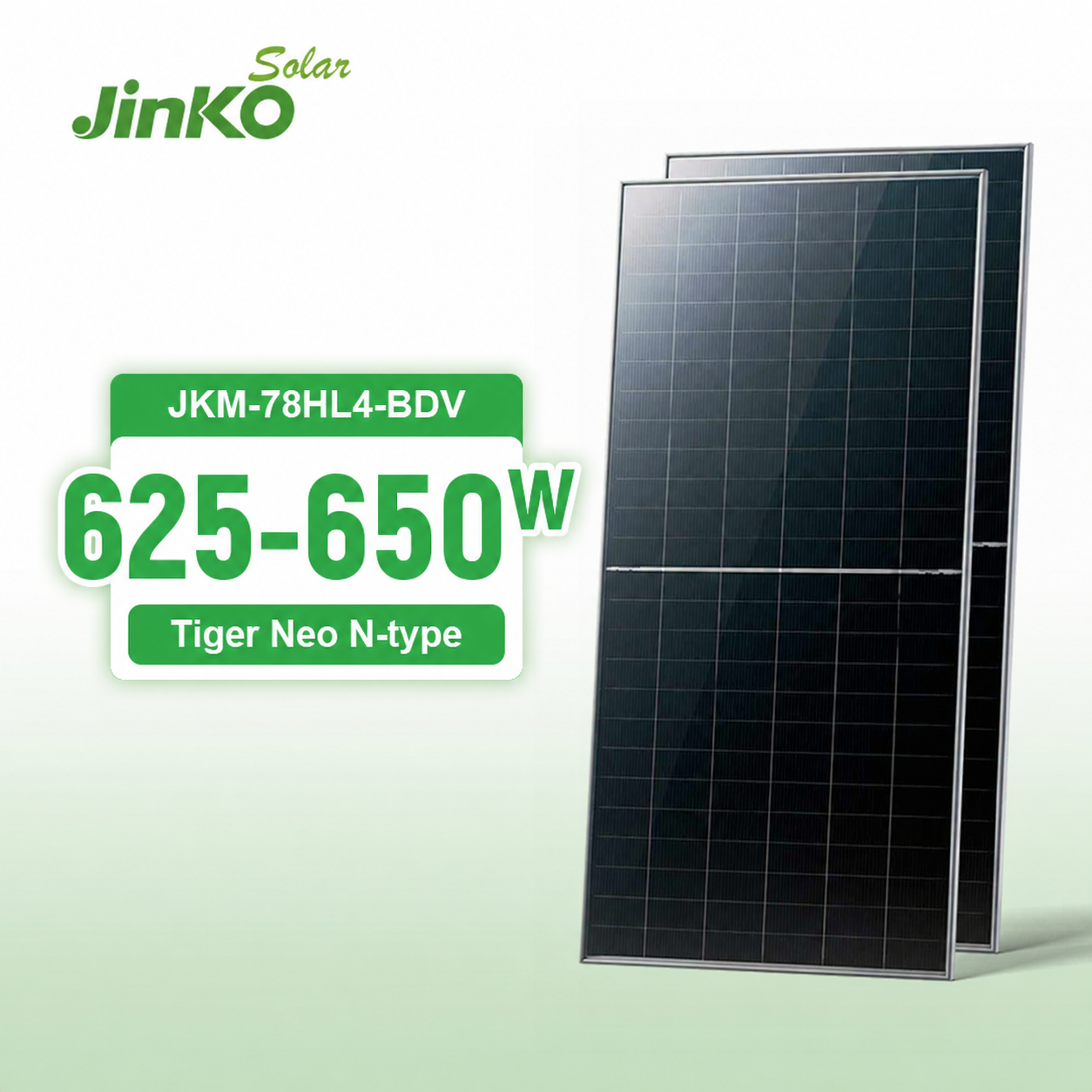
Jinko Bifacial Pv Panels 630W 640W 635W Dual Glass Panneau Solaire Monocrystalline Solar Module for Rooftop
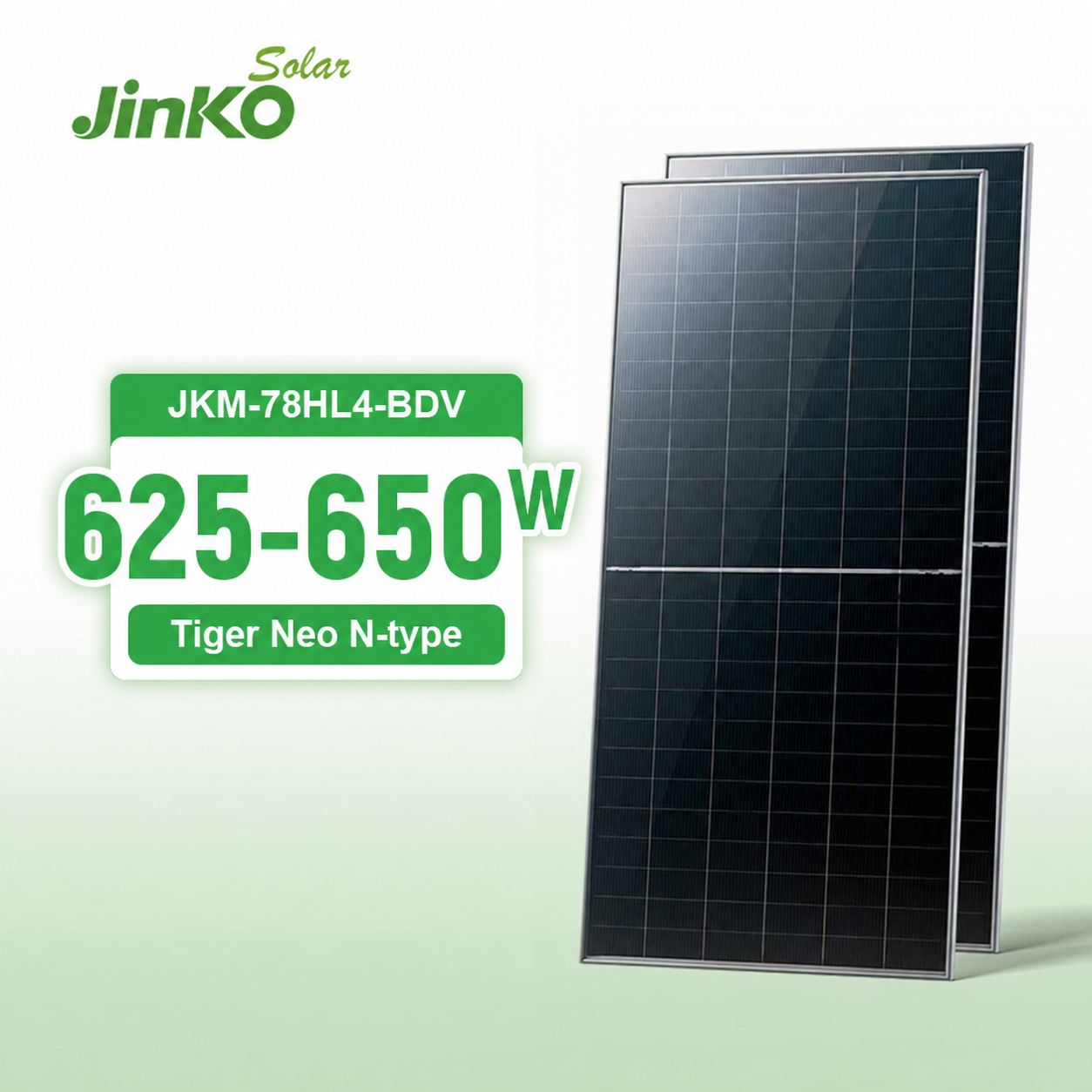
Jinko N Type Bifacial Pv Modules 630W 625W 635W Double Glass High Efficiency Solar Panel Stock
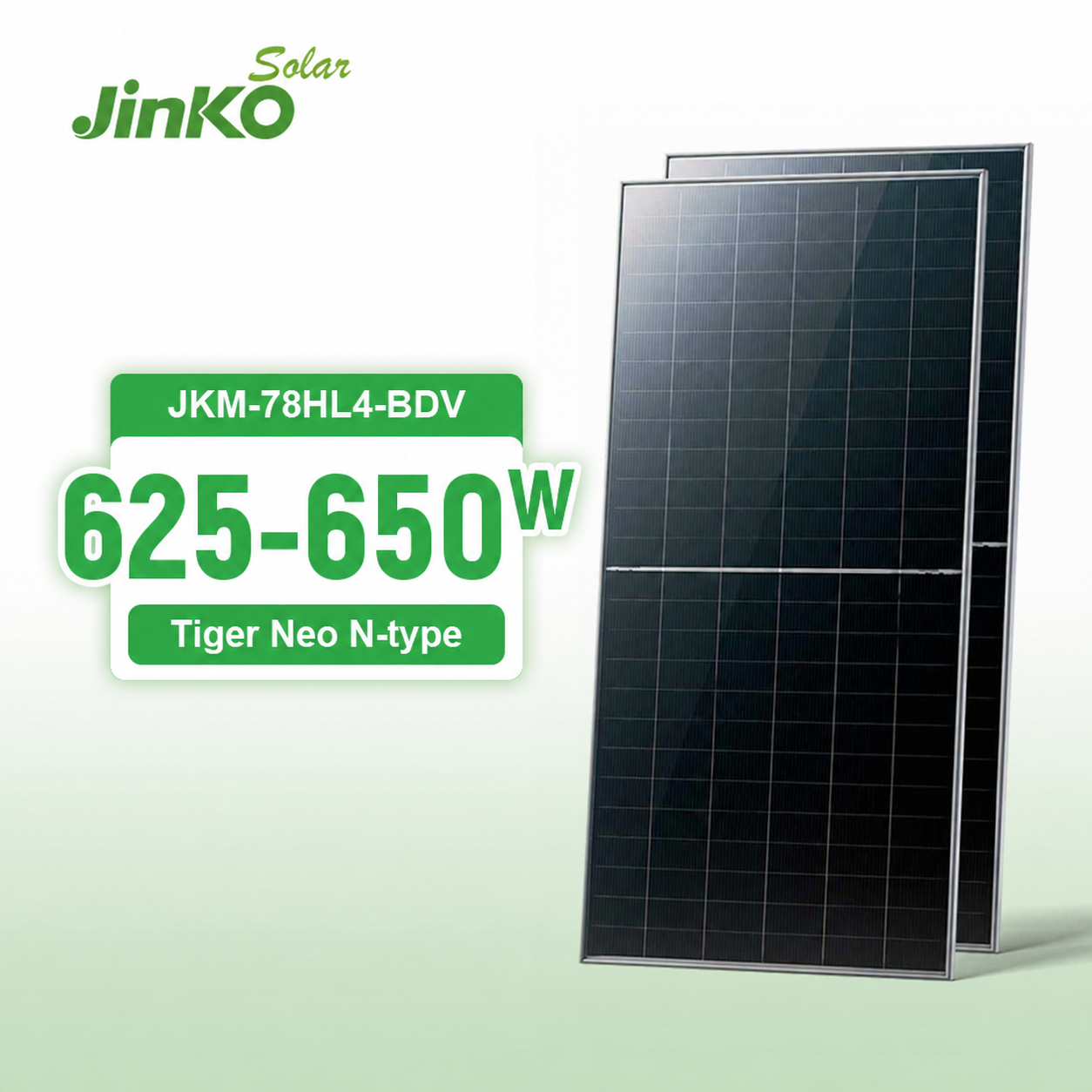
Jinko N Type Solar Panels 625W 640W 635W Monocrystalline Panneau Solaire Bifacial High Efficiency PV Module for Home Roof
Engineering Solar Generation for Quito: High Altitude, Extreme UV, and Grid Demands
Quito, situated at an elevation of 2,850 meters above sea level in the Andean highlands, presents a distinctive photothermal operating envelope that contrasts sharply with standard sea-level solar test conditions (STC). In this equatorial mountain biome, atmospheric air mass is significantly attenuated (approximately AM 1.1 compared to standard AM 1.5), producing global horizontal irradiance (GHI) values that routinely surge past 1,200 W/m² during peak midday clear-sky hours. Furthermore, the ultraviolet spectral component (UV-A and UV-B) in Quito is up to 35% higher than coastal baseline regions, demanding robust module encapsulation architectures to eliminate premature yellowing, delamination, and potential-induced degradation (PID).
Because ambient air density decreases by roughly 10% per 1,000 meters of altitude, convective surface cooling of photovoltaic modules is diminished in Quito. Concurrently, ambient temperatures in the Andean valley fluctuate rapidly between 8°C at night and 23°C at midday. In such environments, our N-Type TOPCon cell matrix—possessing a minimal temperature coefficient of Pmax down to -0.29%/°C (against legacy P-type PERC's -0.35%/°C)—delivers up to 4.8% higher actual kWh yield per installed kWp under intense solar irradiation.
Why Bifacial Dual-Glass Architecture Excels in the Pichincha Province
Standard backsheet modules installed across Quito’s commercial hubs—including the industrial clusters of Carcelén, Pifo, and Guamaní—face intense photo-oxidative stress from persistent high-altitude UV radiation. Our dual-glass bifacial panels employ double 2.0mm high-transmission semi-tempered glass bonded with premium Polyolefin Elastomer (POE) encapsulant rather than traditional EVA. POE prevents water vapor transmission down to negligible levels and completely halts acetic acid generation, preserving cell metallization over 30+ year design lifecycles.
Furthermore, bifaciality generates substantial financial dividends for Quito rooftop owners. The majority of Ecuadorian industrial warehouses feature trapezoidal galvalume or white-coated zinc metal sheeting. When bifacial modules are elevated with tailored non-shading ballasts at tilt angles between 10° and 15° facing north or south, the high reflective albedo (ranging between 45% and 65% on modern metallic sheeting) generates an auxiliary bifacial rear gain of 12% to 19% additional power generation throughout the operating year.
| Performance Characteristic | Legacy P-Type PERC 550W | Advanced N-Type TOPCon 650W | Dual-Glass High-Altitude Benefit in Quito |
|---|---|---|---|
| Temperature Coefficient (Pmax) | -0.35 % / °C | -0.29 % / °C | Maintains string voltage & power output under high Andean irradiance spikes. |
| Bifaciality Factor | 70% ± 5% | 80% ± 5% | Harvests 8% to 14% extra energy from Quito’s reflective metallic industrial roofs. |
| First-Year Power Degradation | < 2.0% | < 1.0% | Complete immunity against Light-Induced Degradation (LID) and LeTID. |
| Encapsulant Material | Standard EVA | Reinforced POE / Dual Glass | Zero UV-browning despite Quito’s extreme UV Index ratings (11 to 16+). |
| Maximum System Voltage | 1000V DC | 1500V DC | Permits longer string layouts, minimizing combiner boxes & balance of system (BOS) costs. |
Strategic Solar Deployment Scenarios Across Quito & Surrounding Basins
Commercial Rooftops (C&I)
Ideal for manufacturing hubs in northern Quito and Valle de los Chillos. Maximizes self-consumption, mitigates daytime industrial peak charges, and secures corporate carbon offset compliance under clean energy mandates.
Agro-Industrial Microgrids
Engineered for high-value floriculture and rose farming operations in Cayambe and Tabacundo. Powers climate control, drip irrigation pumps, and cold storage chains with dependable off-grid solar coupled to LFP batteries.
Urban Outage Mitigation
Integrates with hybrid inverters to counteract recurring national grid blackouts during dry-season Andean hydro generation deficits, providing seamless sub-10ms UPS switchover for financial and corporate offices.
High-End Residential Solar
Double-glass architectural arrays for premium villas and residential complexes in Cumbayá, Tumbaco, and Nayón. Aesthetic all-black options offer high efficiency within constrained roof dimensions.
Ecuador's Photovoltaic Evolution: Grid Deficits, ARCONEL Regulations, and Decarbonization
The energy paradigm in Ecuador has entered a historic transition. In recent years, seasonal droughts in the Paute and Coca Codo Sinclair river basins have exposed the systemic vulnerability of an over-reliance on hydroelectric power. National grid deficits have led to planned rolling blackouts across metropolitan Quito and Guayaquil, driving Ecuadorian enterprises and EPC contractors to accelerate captive power self-generation.
Under the regulatory framework enacted by ARCONEL (Agencia de Regulación y Control de la Electricidad), distributed generation for self-consumption (autoabastecimiento) has expanded to encourage commercial and residential prosumers to install grid-tied photovoltaic infrastructure. Net-billing provisions enable commercial facilities to inject surplus midday solar generation into the Empresa Eléctrica Quito (EEQ) distribution grid, offsetting high night-time tariff bands.
Moreover, the Ecuadorian government continues to enforce tariff exemptions on primary renewable generation equipment, categorizing Tier-1 PV modules under favorable customs classifications when arriving through the seaport of Guayaquil. Because Quito's electrical grid code requires stringent power factor control and anti-islanding compliance, our modules are manufactured to seamlessly pair with globally certified string inverters (such as Deye, Sungrow, and Huawei), ensuring smooth approval from local distribution utilities and municipal inspection entities.
Factory-Direct Quality Assurance & Seamless Andean Supply Chains
We eliminate the operational risks of cross-border procurement for Quito EPCs through rigorous factory auditing, multi-stage testing, and specialized freight consolidation.

Triple Electroluminescence (EL) Testing
Every module undergoes pre-lamination, post-lamination, and pre-dispatch flash and EL testing to detect micro-cracks, inactive finger gates, and hidden soldering flaws before crating.

Seaworthy Reinforced Packaging
Reinforced vertical palletizing with corner shock absorbers and moisture-barrier shrink wrapping prevents inter-panel abrasion during sea transit to Guayaquil and overland transport up to Quito.

Consolidated Mixed-Container Cargo
Save shipping expenses by consolidating Tier-1 PV modules, Deye hybrid inverters, and LFP storage batteries inside a single Class 9 DG-certified container with complete UN38.3 documentation.

Bilingual Engineering Support
Our dedicated PV application engineers provide string sizing calculations, altitude voltage derating guidance, and single-line diagrams (SLD) tailored for Empresa Eléctrica Quito approvals.
Frequently Asked Questions by Quito Solar Importers & Installers
Essential answers addressing altitude derating, customs clearance via Guayaquil, warranty handling, and system sizing for the Ecuadorian market.
How does Quito’s 2,850m altitude affect the Open Circuit Voltage (Voc) and inverter selection?
What is the standard shipping transit time and logistics route from your factory to Quito?
Are imported solar panels exempt from import tariffs and VAT in Ecuador?
Why is N-Type TOPCon bifacial superior to standard P-type panels on Quito industrial roofs?
Can you consolidate solar panels, hybrid inverters, and lithium battery banks in one container?
How do your double-glass panels withstand hail and seismic activity in the Pichincha region?
What warranties and local performance guarantees accompany your export modules?
Do your PV modules comply with Empresa Eléctrica Quito (EEQ) grid-tie regulations?
Power Your Quito Solar Projects with Tier-1 Direct Export Reliability
Whether you require full container load (FCL) volume of 650W N-Type TOPCon panels or a complete hybrid microgrid bundle with inverters and batteries, our engineering and export team is ready to deliver.