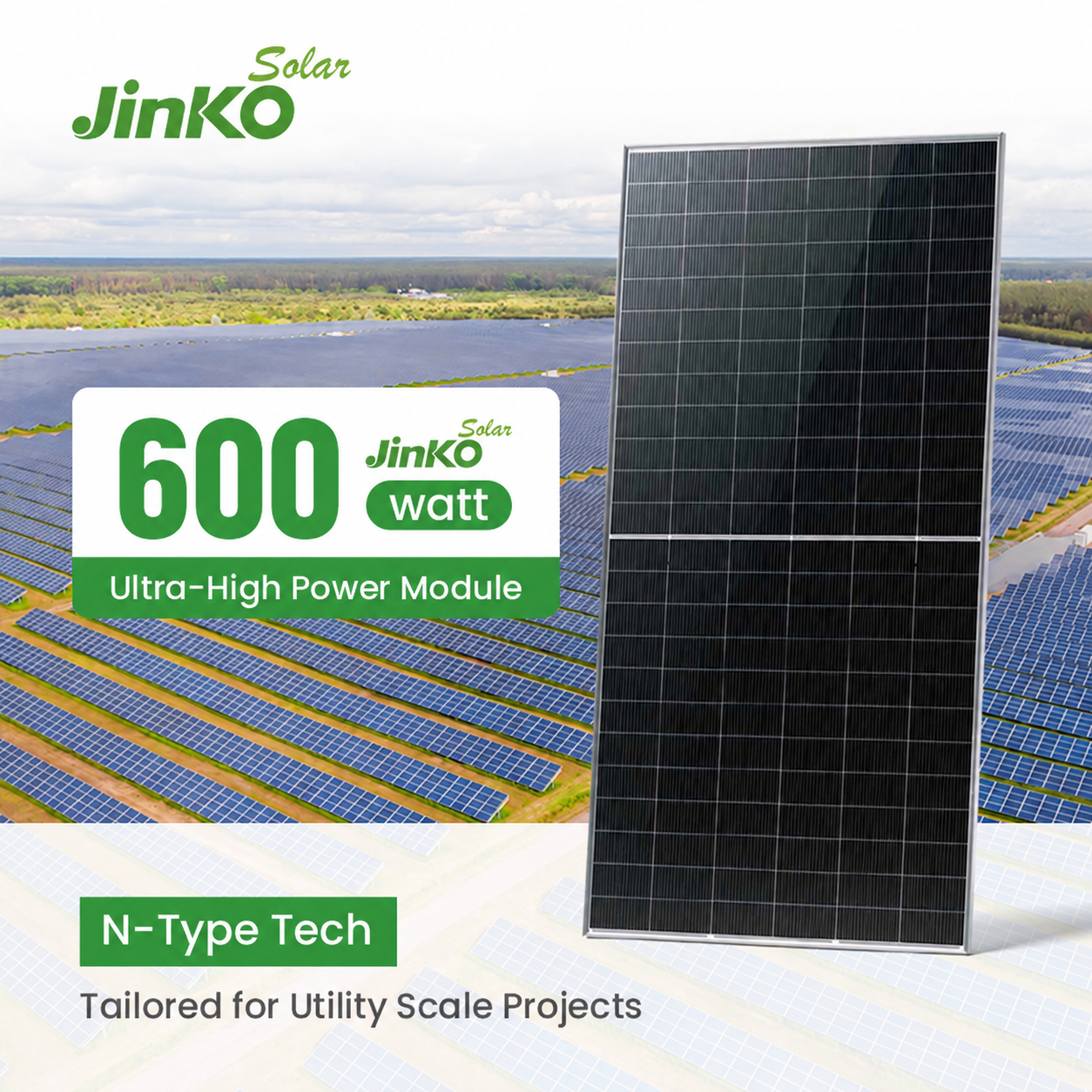
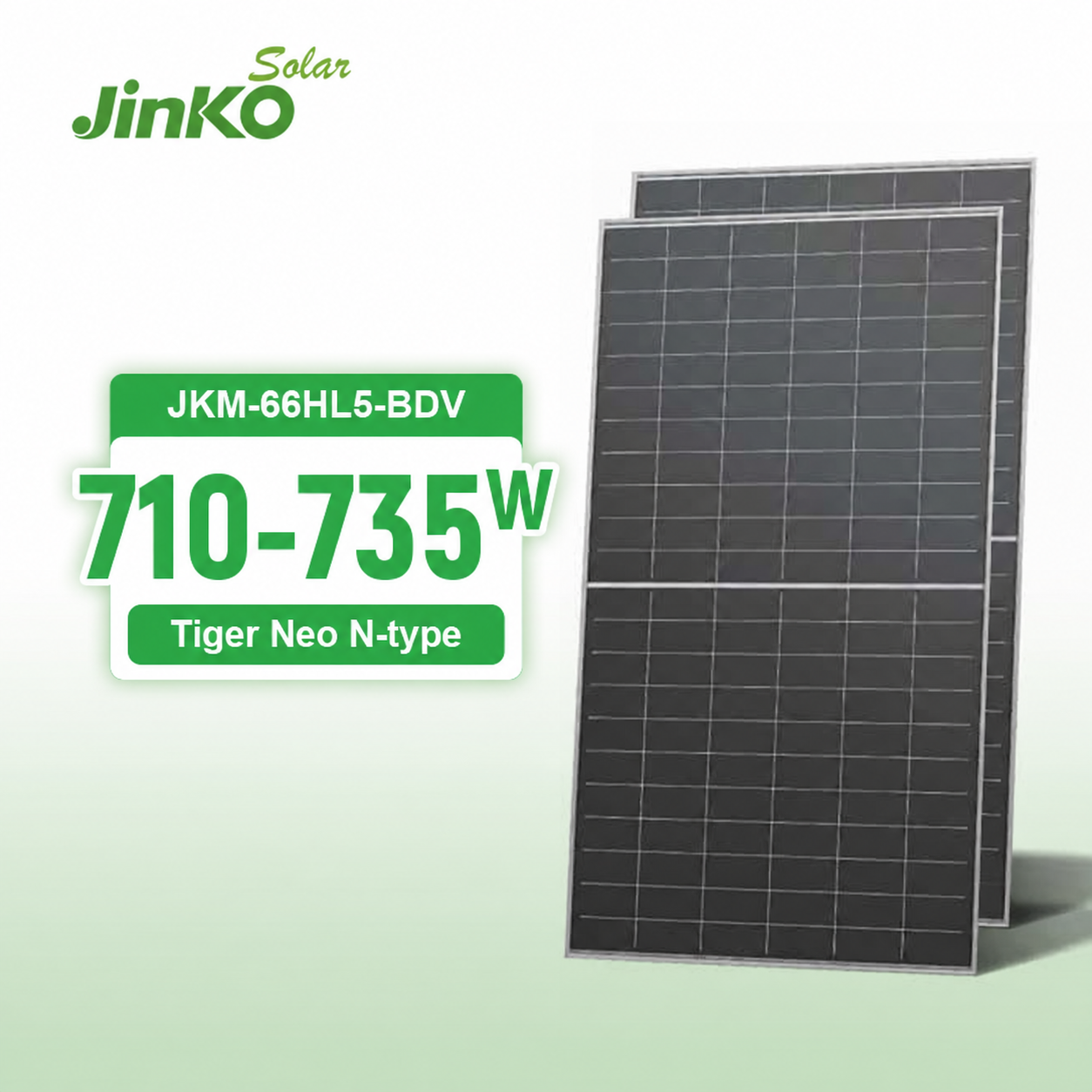
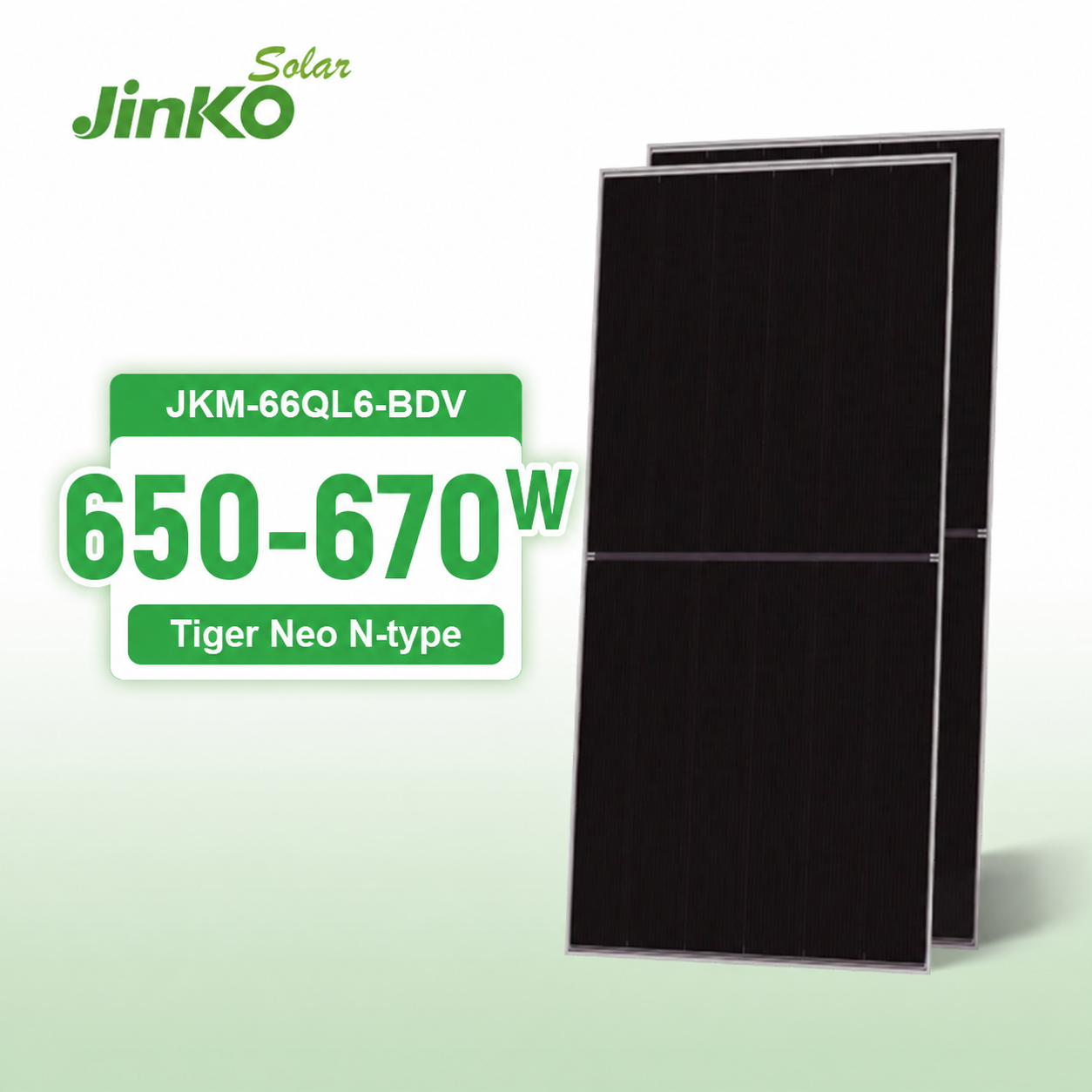
As the primary industrial, intermodal freight, and logistics nexus of North America, the Greater Chicago metropolitan area—spanning Cook County, DuPage, Kane, Lake, and Will counties—has emerged as the vital logistical command center for solar panel manufacturing, regional supply warehousing, and project fulfillment across the American Midwest. The intersection of transcontinental class-I railways, interstate highways (I-80, I-55, I-90, and I-94), and access to international air freight via O’Hare International Airport establishes Chicago as the strategic staging hub for Tier-1 solar photovoltaic (PV) hardware, including Canadian Solar and Jinko TOPCon modules, alongside Deye intelligent energy storage systems.
The clean energy transition in Illinois has accelerated exponentially following the enactment of the landmark Climate and Equitable Jobs Act (CEJA). CEJA legislatively mandates that Illinois transition to 40% renewable energy by 2030 and 100% clean energy by 2045. For commercial EPCs (Engineering, Procurement, and Construction), industrial real estate developers, and municipal utility planners, securing access to bankable Tier-1 modules manufactured and distributed through regional Midwestern hubs is essential to mitigating lead times, minimizing inland logistics expenditures, and satisfying the rigid procurement criteria of the PJM Interconnection grid operator and local electrical utilities like Commonwealth Edison (ComEd).
Supply Chain Insight: Regional warehousing across the Chicago industrial corridor enables just-in-time delivery for multi-megawatt projects across Illinois, Wisconsin, Indiana, and Michigan. Consolidating high-efficiency N-Type TOPCon bifacial modules with matched commercial energy storage arrays eliminates communication mismatches and curtails transit risk under Class 9 hazardous materials freight protocols.
Architectural Compatibility: Canadian Solar Paradigms and N-Type TOPCon Synergy
Engineering teams specifying photovoltaic installations in the Upper Midwest demand hardware that exhibits mechanical endurance against extreme freeze-thaw cycles, sub-zero winter temperatures, and severe lake-effect snow loads. Canadian Solar’s module design lineage—characterized by high mechanical strength frames, dual-glass construction, and advanced split-cell interconnect architectures—shares direct design principles with our supplied Tier-1 Jinko N-Type TOPCon bifacial modules and Deye hybrid inverters. By leveraging SMBB (Super Multi-Busbar) half-cut wafer engineering and Tunnel Oxide Passivated Contact (TOPCon) architectures, these modules deliver superior low-irradiance output and an industry-leading temperature coefficient (-0.30%/°C), optimizing electrical yield when sub-zero ambient conditions coincide with intense direct and reflected solar radiation.
Deploying photovoltaic arrays across Northern Illinois presents engineering challenges distinct from those of the American Southwest. The humid continental climate of Chicagoland delivers searing summer humidity followed by intense winter polar vortex episodes, where temperatures drop well below -20°F (-29°C), accompanied by high-velocity wind gusts rolling off Lake Michigan. Addressing these variables requires rigorous mechanical and electrical hardware validation.
Albedo Gain from Snow Cover
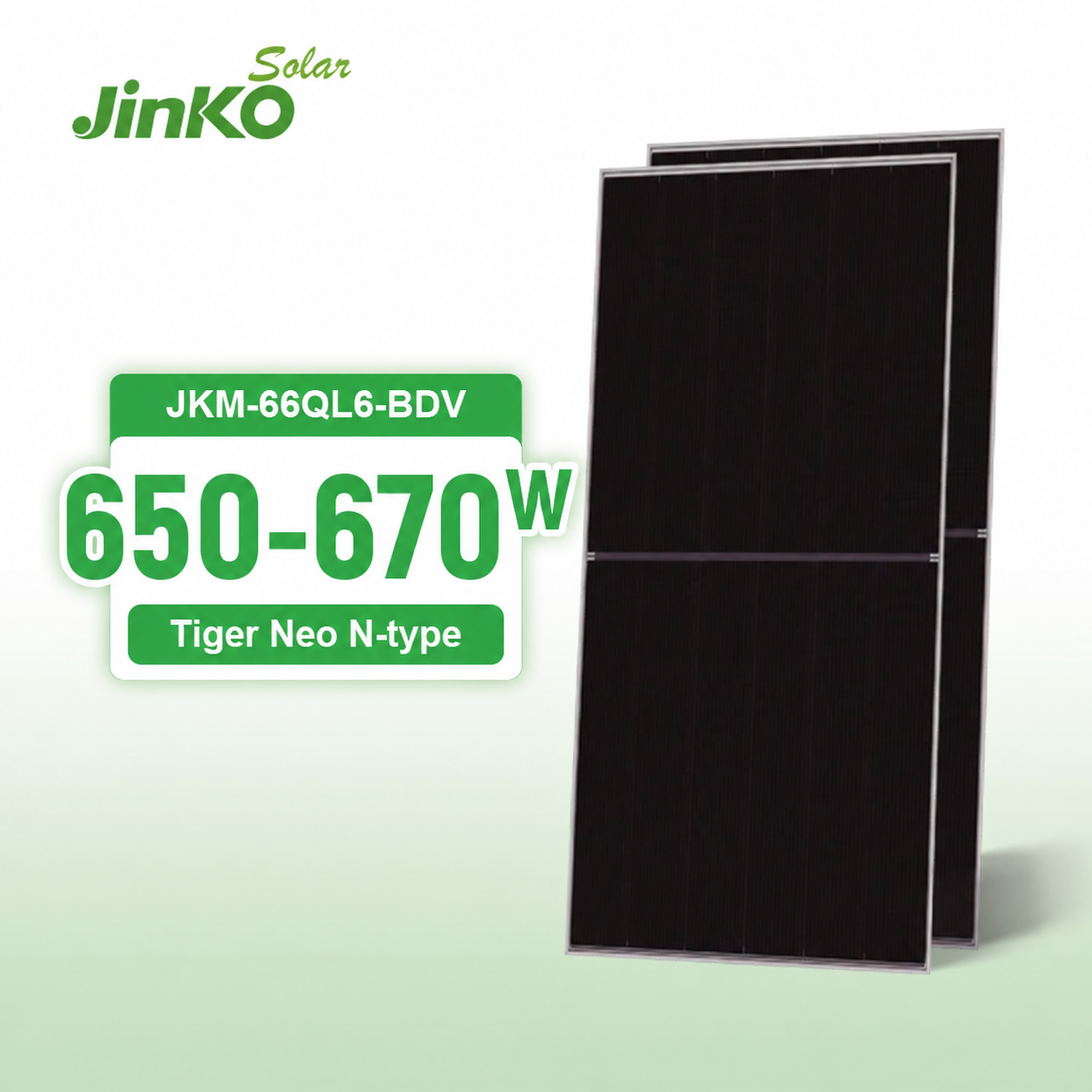
Ground-mounted and white-membrane TPO commercial rooftop systems in Chicago capitalize on winter snow cover. High-reflectivity ground albedo (0.75–0.85) triggers the rear side of our 650W–720W bifacial modules, contributing an additional 12% to 28% instantaneous power generation during cold, clear winter months.
Mechanical Load Endurance (5400 Pa)
Our dual-glass modules incorporate 2.0mm+2.0mm heat-strengthened glass paired with robust 35mm anodized aluminum alloy frames. Tested to withstand front-side static snow loads up to 5,400 Pa and rear-side aerodynamic wind uplifting of 2,400 Pa, they prevent micro-cracking during severe blizzard events.
Negative Temperature Coefficient
Standard P-type silicon suffers substantial thermal degradation. N-Type TOPCon modules feature an ultra-low Pmax temperature coefficient of -0.30%/°C. During chilly Chicago mornings, operating cell temperatures below the standard test condition (25°C) naturally elevate operational output voltage and overall yield.
| Performance Parameter |
Standard P-Type PERC Modules |
Tier-1 N-Type TOPCon Dual-Glass |
Midwest Operational Advantage |
| Cell Efficiency Ceiling |
21.0% - 21.4% |
22.5% - 22.8% |
+1.4% higher energy density on constrained C&I roofs |
| Bifaciality Factor |
65% ± 5% |
80% ± 5% |
Captures up to 25% higher snow-reflected diffuse irradiation |
| Pmax Temp. Coefficient |
-0.35% / °C |
-0.30% / °C |
Superior power production during sub-zero freeze events |
| First-Year Power Degradation |
< 2.0% (LID-vulnerable) |
< 1.0% (Zero Light-Induced Degradation) |
Prevents early project cash-flow erosion for project financiers |
| Annual Linear Degradation |
0.55% / year |
0.40% / year |
Guarantees 87.4% nominal power output at Year 30 |
| Static Mechanical Resistance |
Front 5400Pa / Back 2400Pa |
Front 5400Pa / Back 2400Pa Dual Glass |
Zero micro-fractures during heavy Cook County lake-effect snows |
The transition toward decarbonized commercial and municipal operations in Illinois has spurred specialized installation topologies. Sourcing high-efficiency modules and energy storage directly compatible with Canadian Solar and tier-1 electrical design guidelines ensures streamlined interconnection approval across Northern Illinois jurisdictions.
C&I Flat Roof Logistics Centers
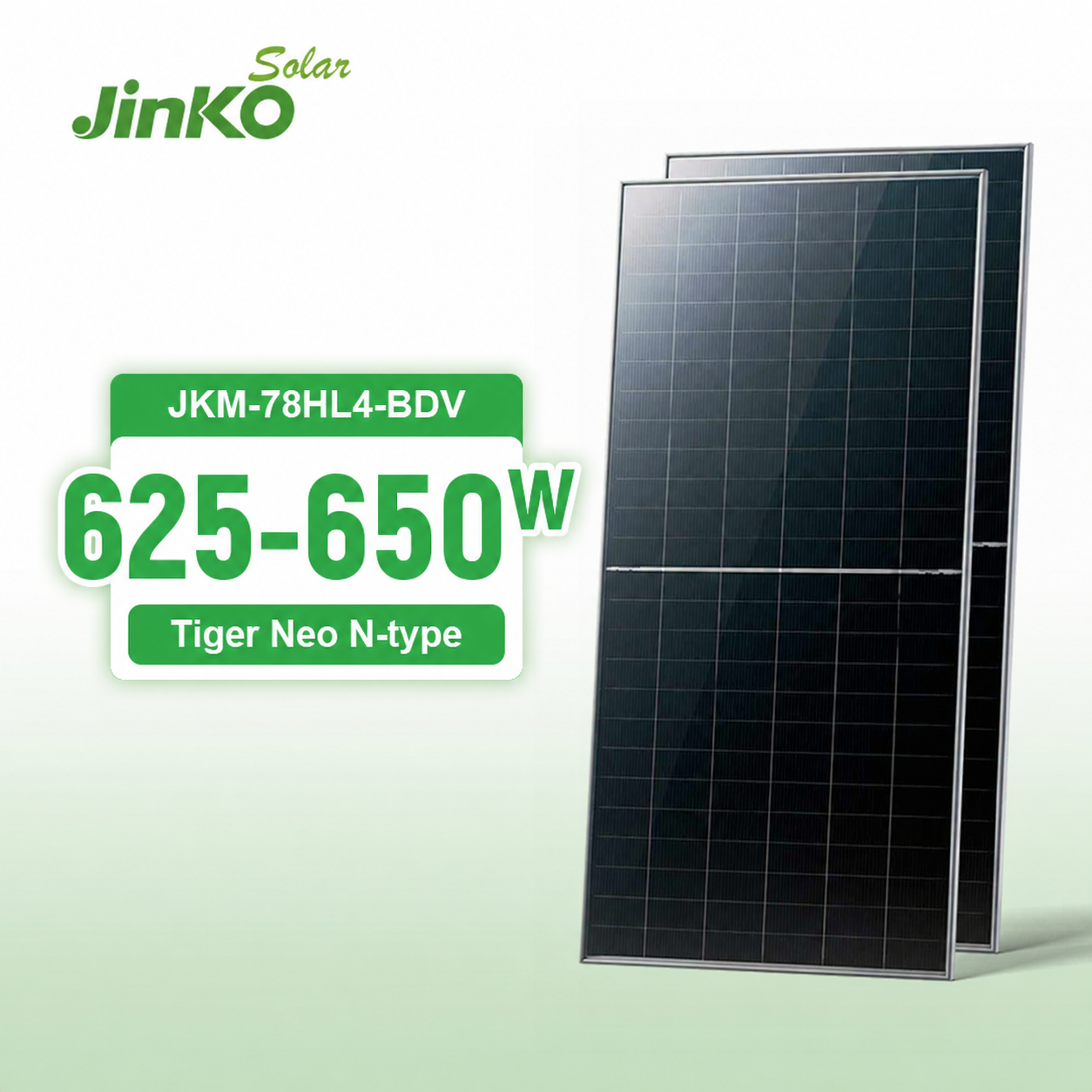
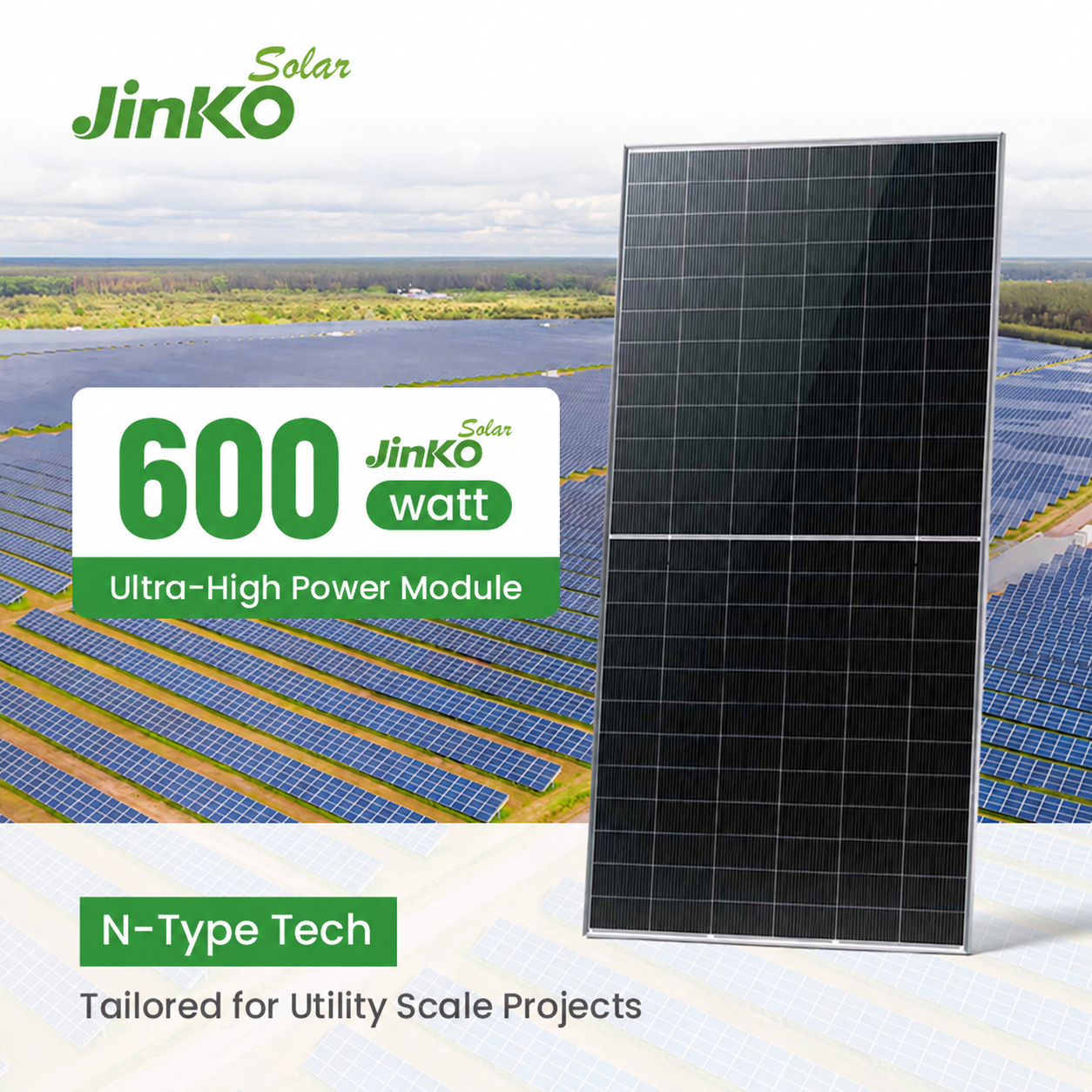
The vast logistics clusters surrounding Elk Grove Village, Des Plaines, Bedford Park, and Bolingbrook feature immense low-slope TPO roofs. Installing 600W to 640W dual-glass modules with ballasted racking minimizes roof penetrations while producing clean power to offset high commercial electric rates and fleet electrification demand.
Prairie Ground Mounts & Community Solar
Under the Illinois Shines (Adjustable Block) program, multi-megawatt community solar farms in Kankakee, Will, and Grundy counties rely on 650W–720W bifacial modules installed on single-axis trackers. Ground tracking coupled with high albedo soil/grass creates the lowest Levelized Cost of Energy (LCOE) across the PJM footprint.
Industrial Microgrids & Peak Shaving
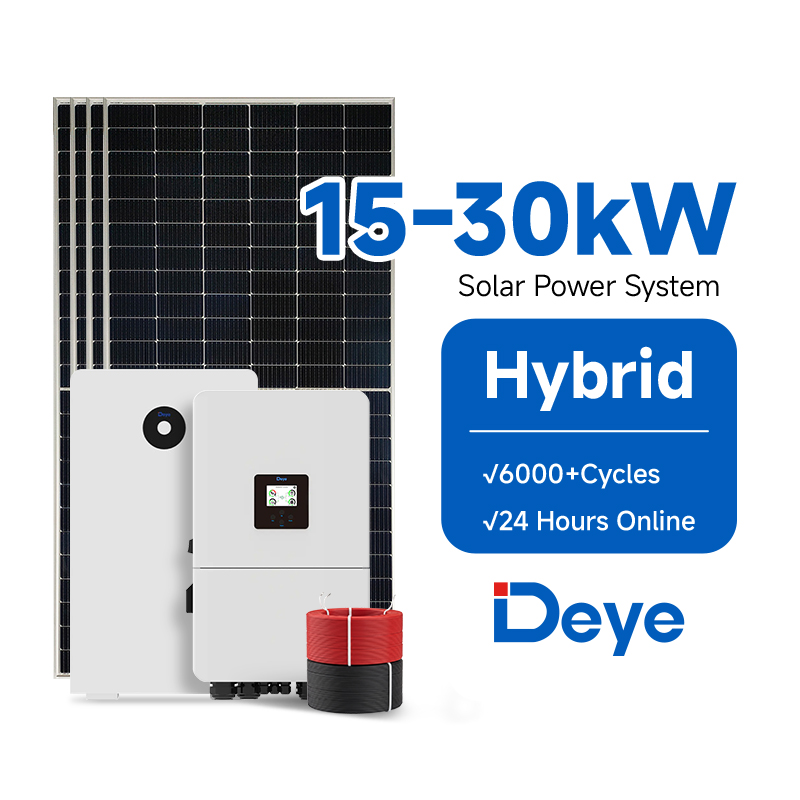
ComEd capacity tags and PJM Coincident Peak charges place intense demand penalties on Midwestern cold storage and manufacturing facilities. Integrating Deye 5kW–30kW commercial hybrid inverters with matched low-voltage LFP storage allows automated load-shifting, shaving four-figure monthly utility surcharges.
Photovoltaic installations across Chicago and the ComEd service footprint navigate a comprehensive regulatory and financial landscape. Understanding the interaction of local, state, and federal incentives ensures that solar investments yield optimal returns and rapid capital recovery.
Under the federal Inflation Reduction Act (IRA), commercial and industrial solar installations benefit from the base 30% Investment Tax Credit (ITC). Projects sourcing hardware with qualifying domestic manufacturing thresholds can secure an additional 10% Domestic Content Bonus, with another 10% available for projects sited within designated Energy Communities. Sourcing bankable Tier-1 modules aligned with stringent supply-chain provenance ensures smooth tax equity underwriting.
At the state level, the Illinois Shines program converts system generation into tradeable Solar Renewable Energy Credits (SRECs) through 15- or 20-year contracts, often offsetting 30% to 50% of the gross system installation cost. For utility interconnection, Commonwealth Edison requires adherence to UL 1741-SB and IEEE 1547-2018 smart inverter grid support requirements—standards natively integrated into the firmware of our Deye hybrid and commercial storage architectures.