High-Efficiency Photovoltaic Modules Optimized for Sana'a
Engineered for high irradiation, high altitude (2,250m+ ASL), extreme diurnal temperature swings, and severe dust-storm conditions across the Sana'a basin and surrounding governorates.
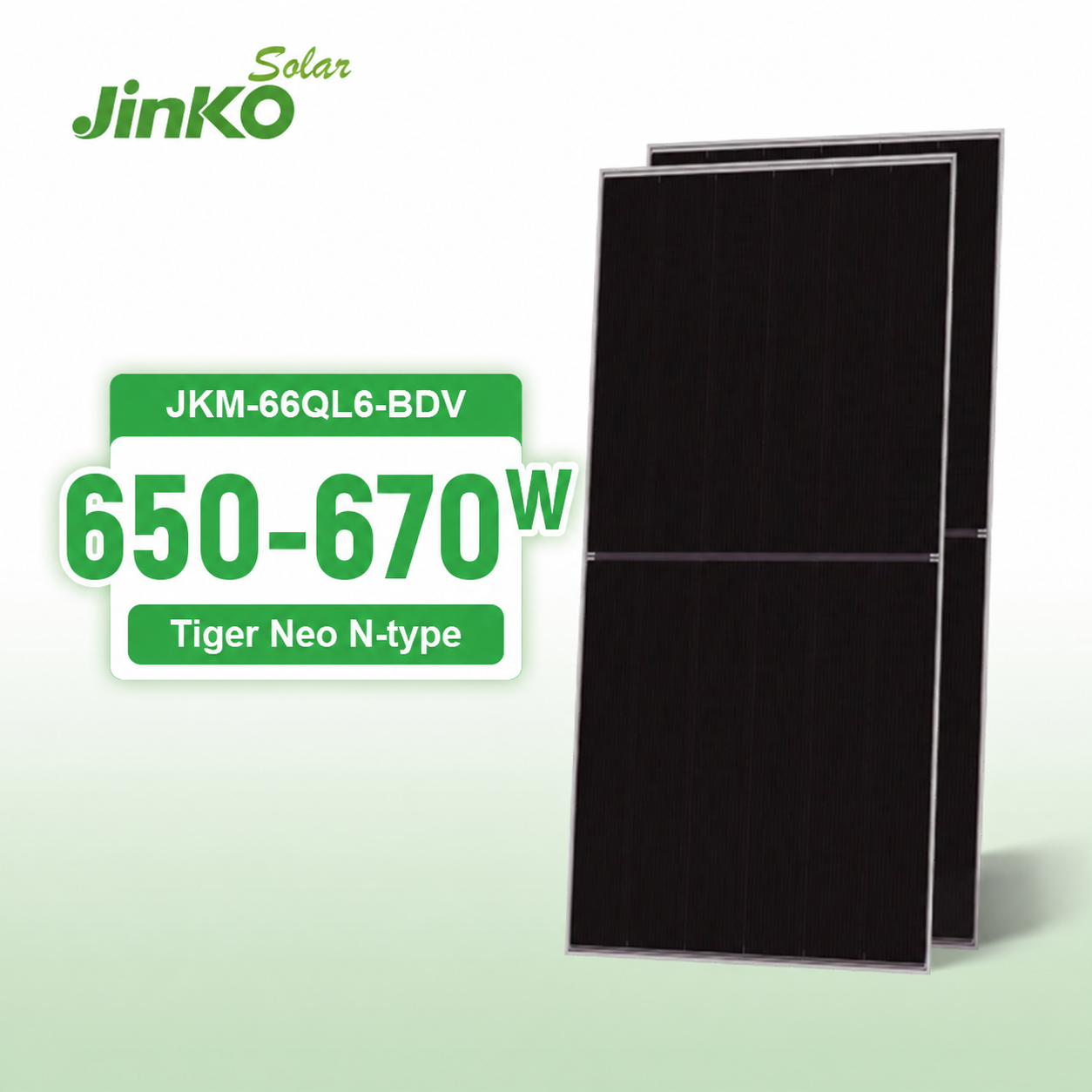
Jinko Wholesale Pv Modules 650W 660W 670W Bifacial Double Glass N Type Solar Panel for Farm
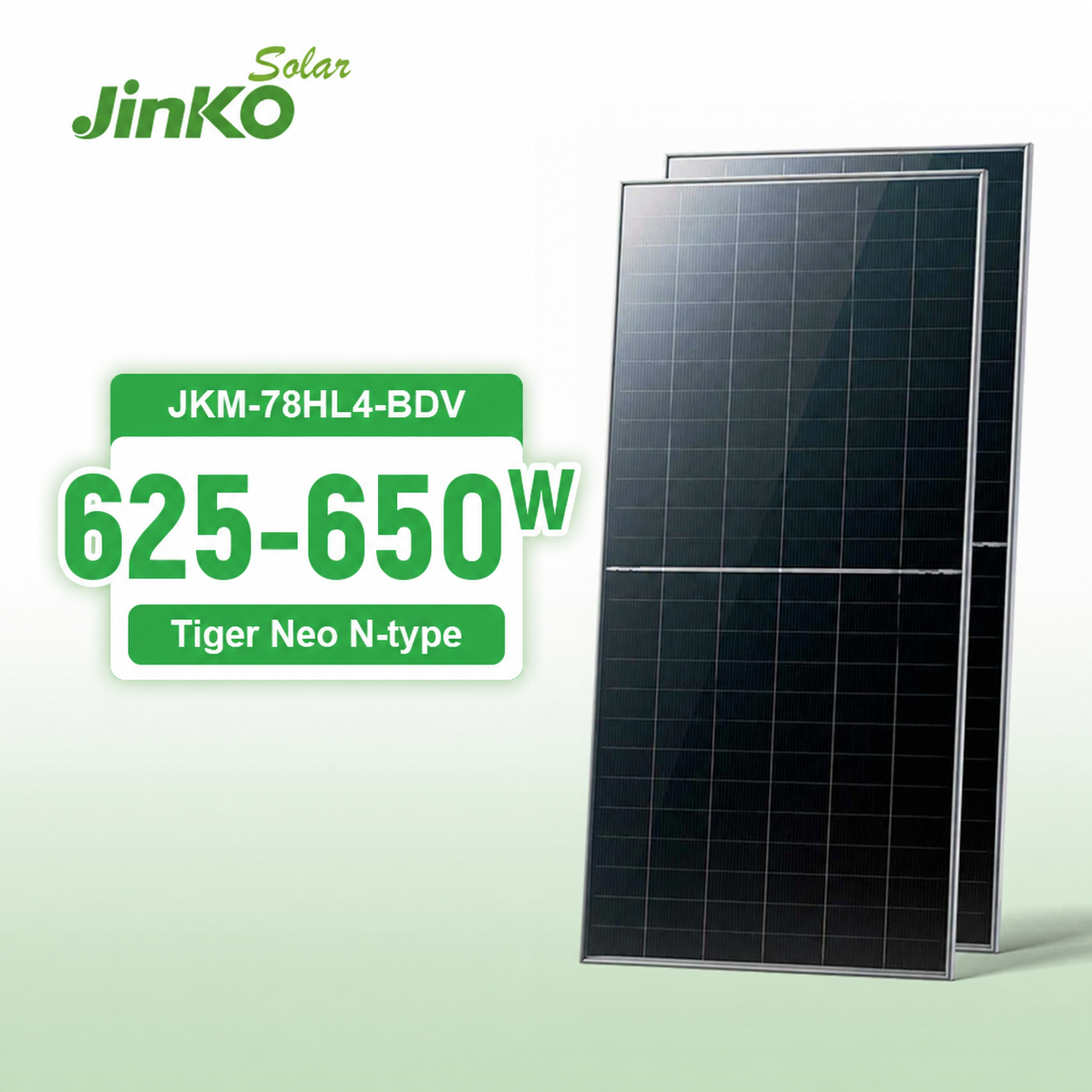
Jinko Monocrystalline Pv Panels 650W 625W 640W High Efficiency Bifacial Dual Glass Solar Module for Home Roof
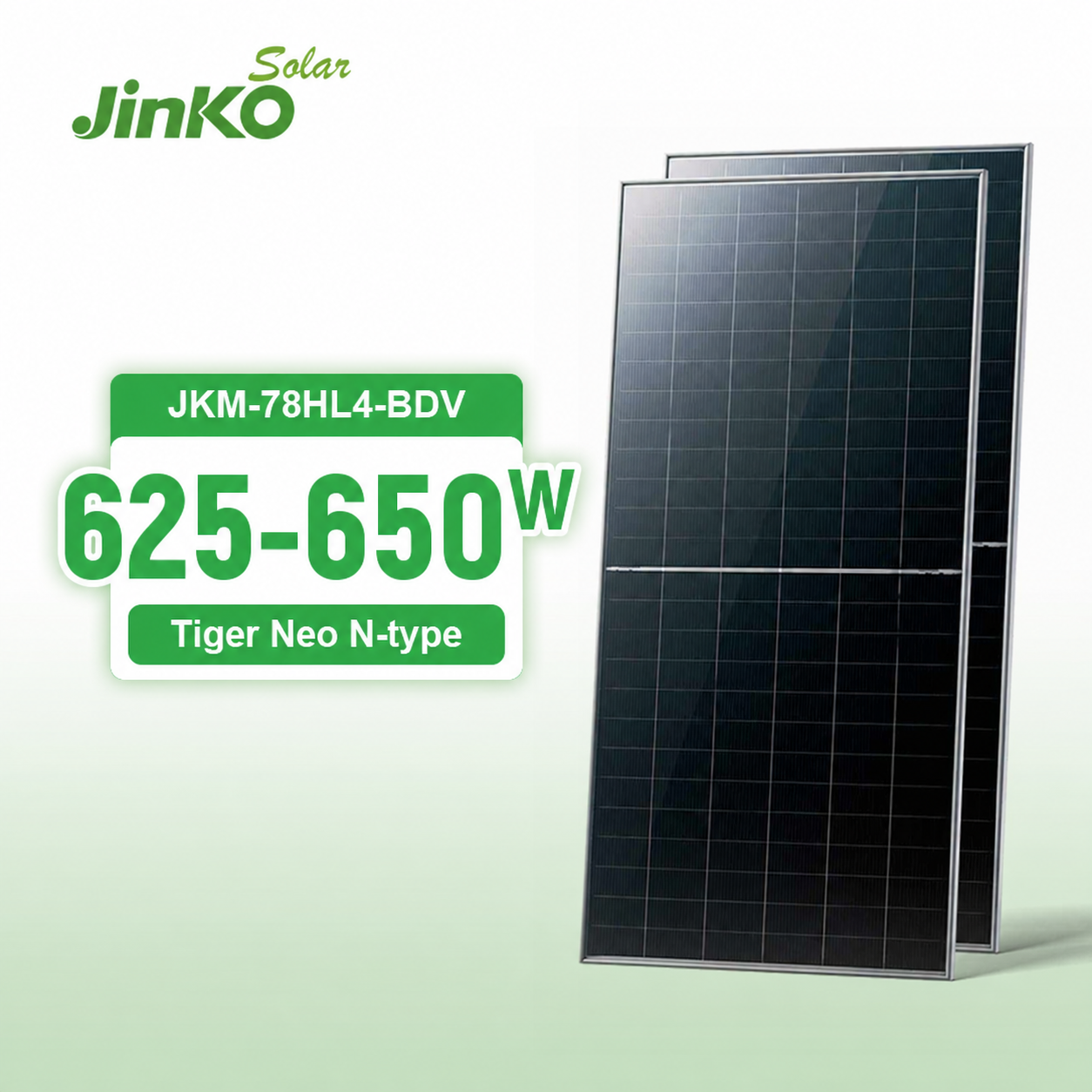
Jinko N Type Pv Module 650W 625W 645W Bifacial Photovoltaic Module Panneau Solaire for Commercial
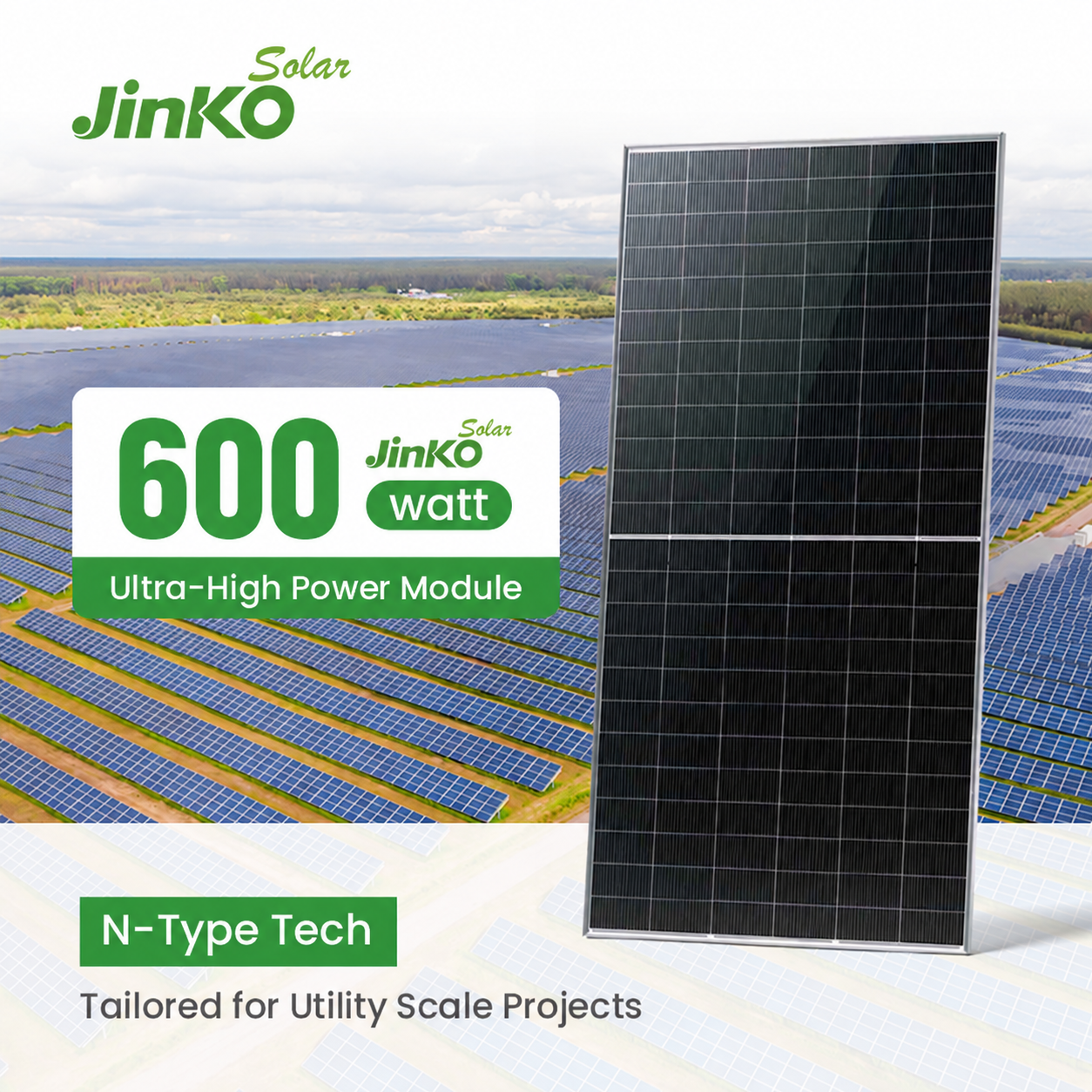
Jinko N Type Bifacial Photovoltaic Panels 600W 585W 595W TOPCon Solar Module for Commercial
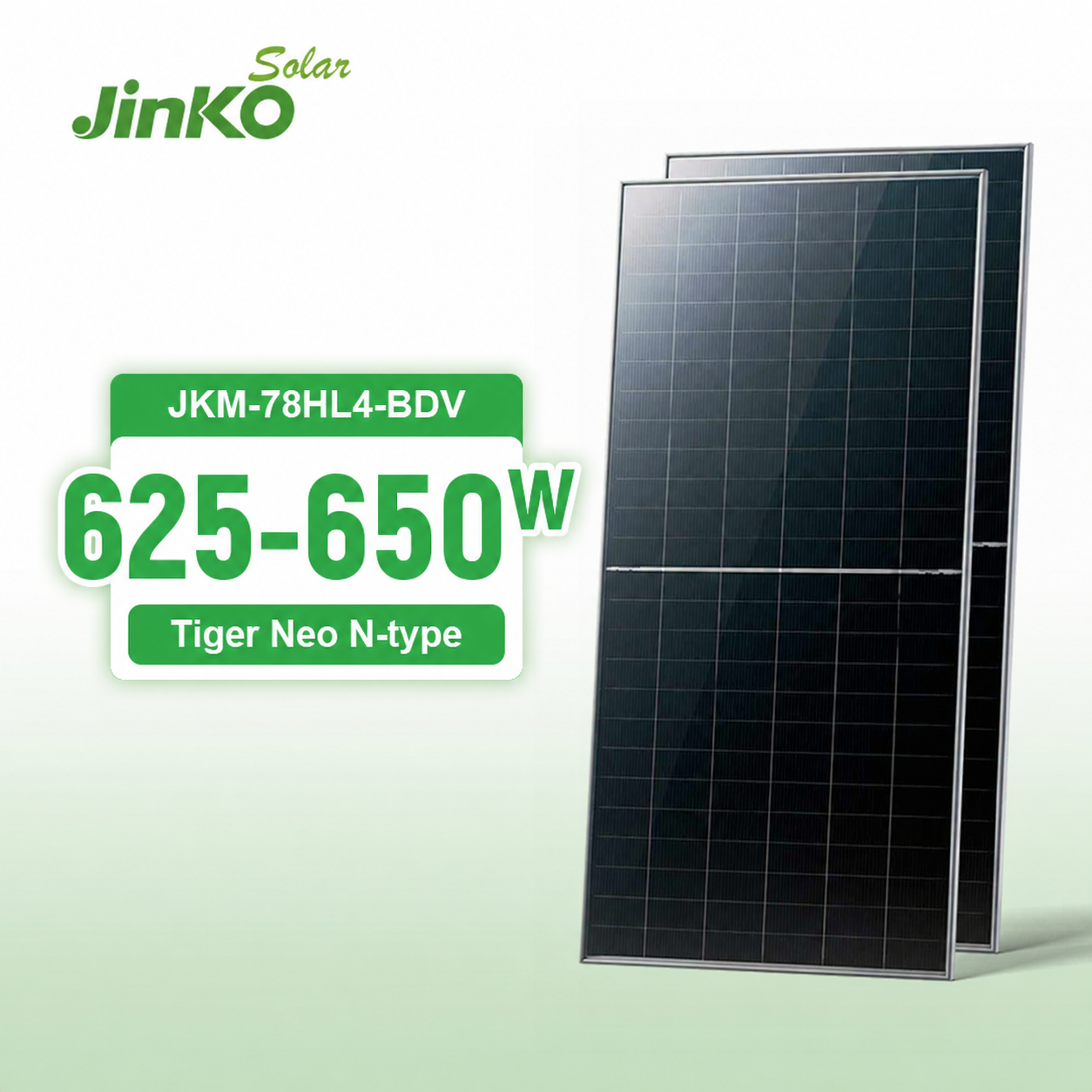
Jinko Bifacial Pv Panels 630W 640W 635W Dual Glass Panneau Solaire Monocrystalline Solar Module for Rooftop
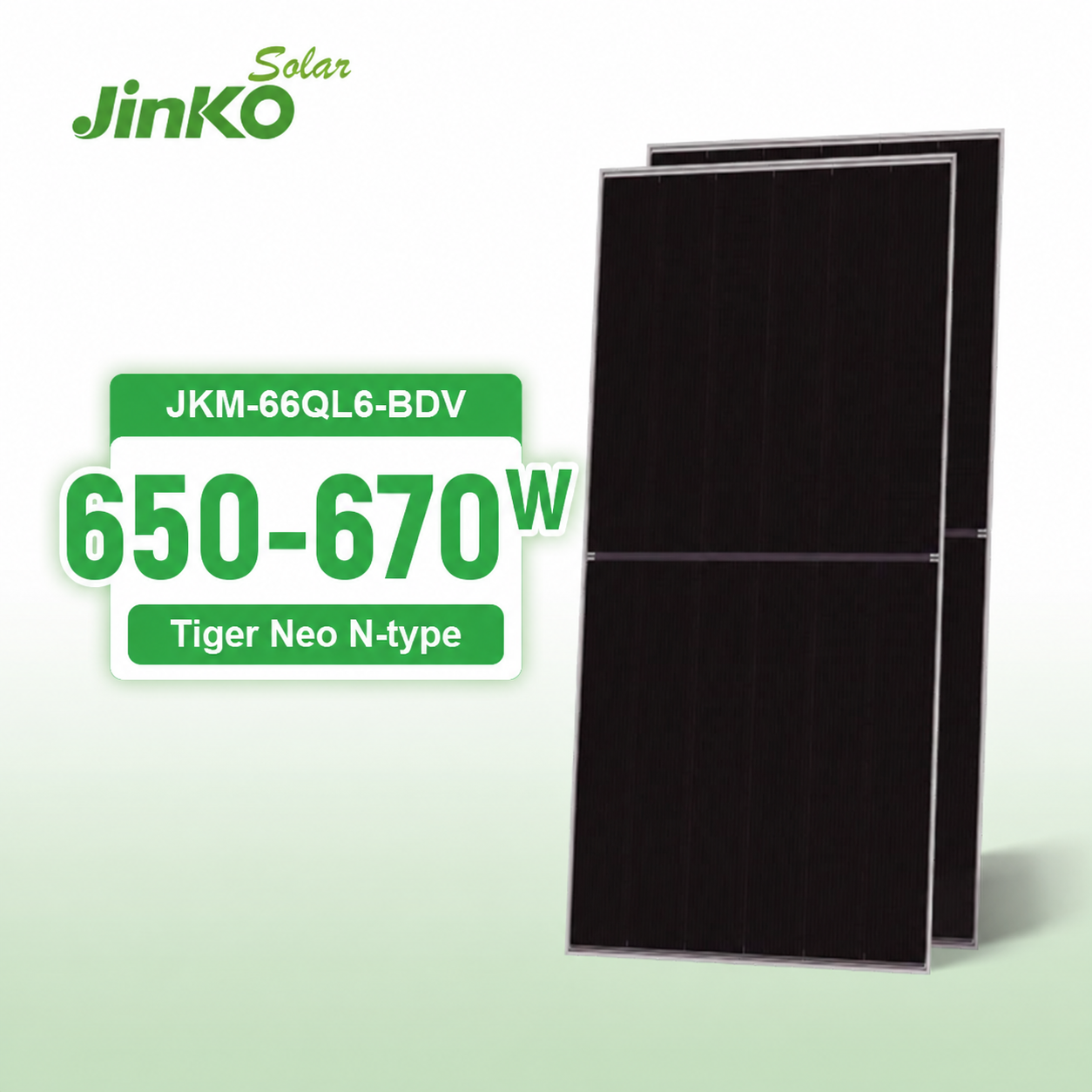
Jinko N Type 650W 660W 670W Wholesale TOPCon Bifacial Photovoltaic Module for Commercial
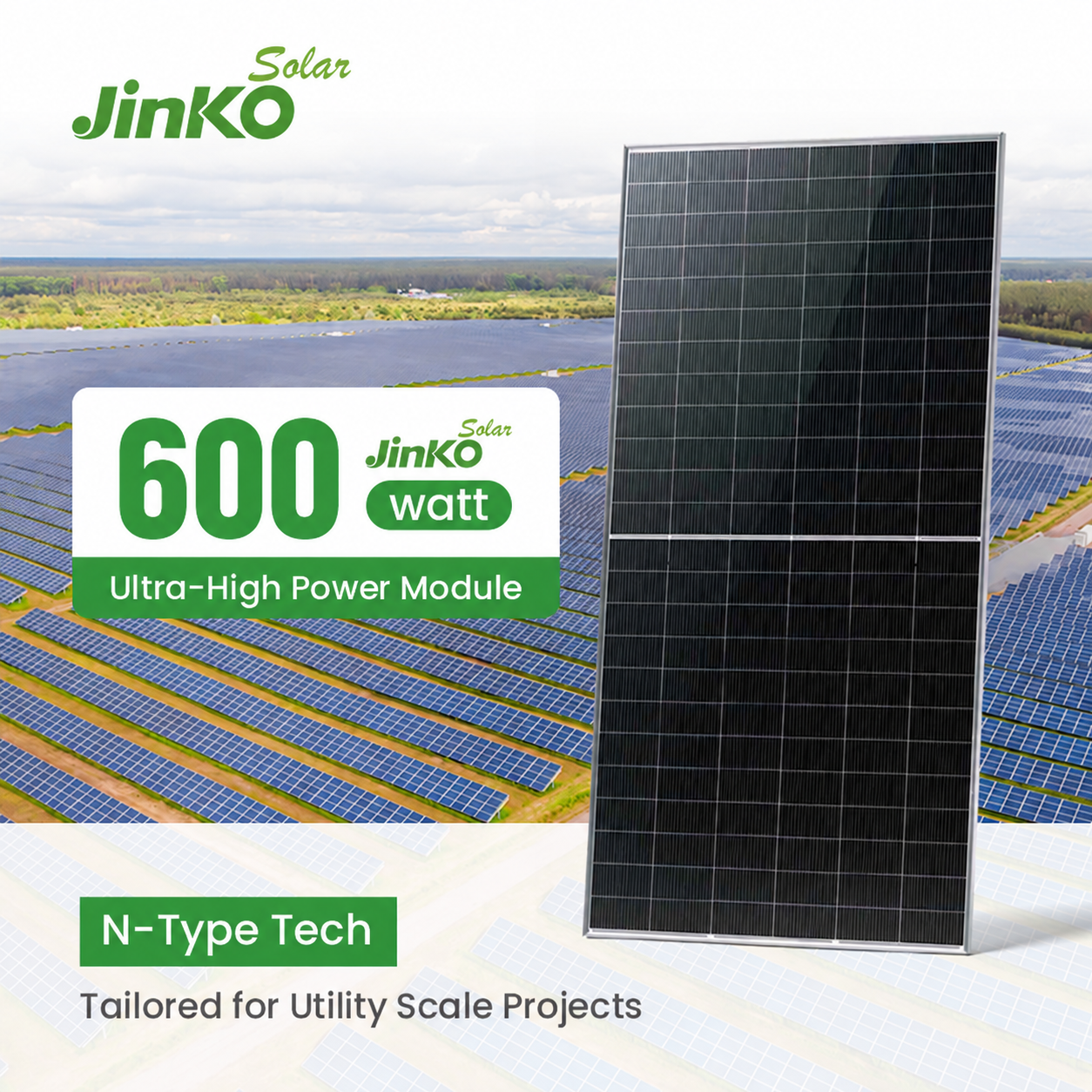
Jinko N Type Bifacial Solar Panels 585W 590W 575WTOPCon Monocrystalline High Efficiency PV Module for Home
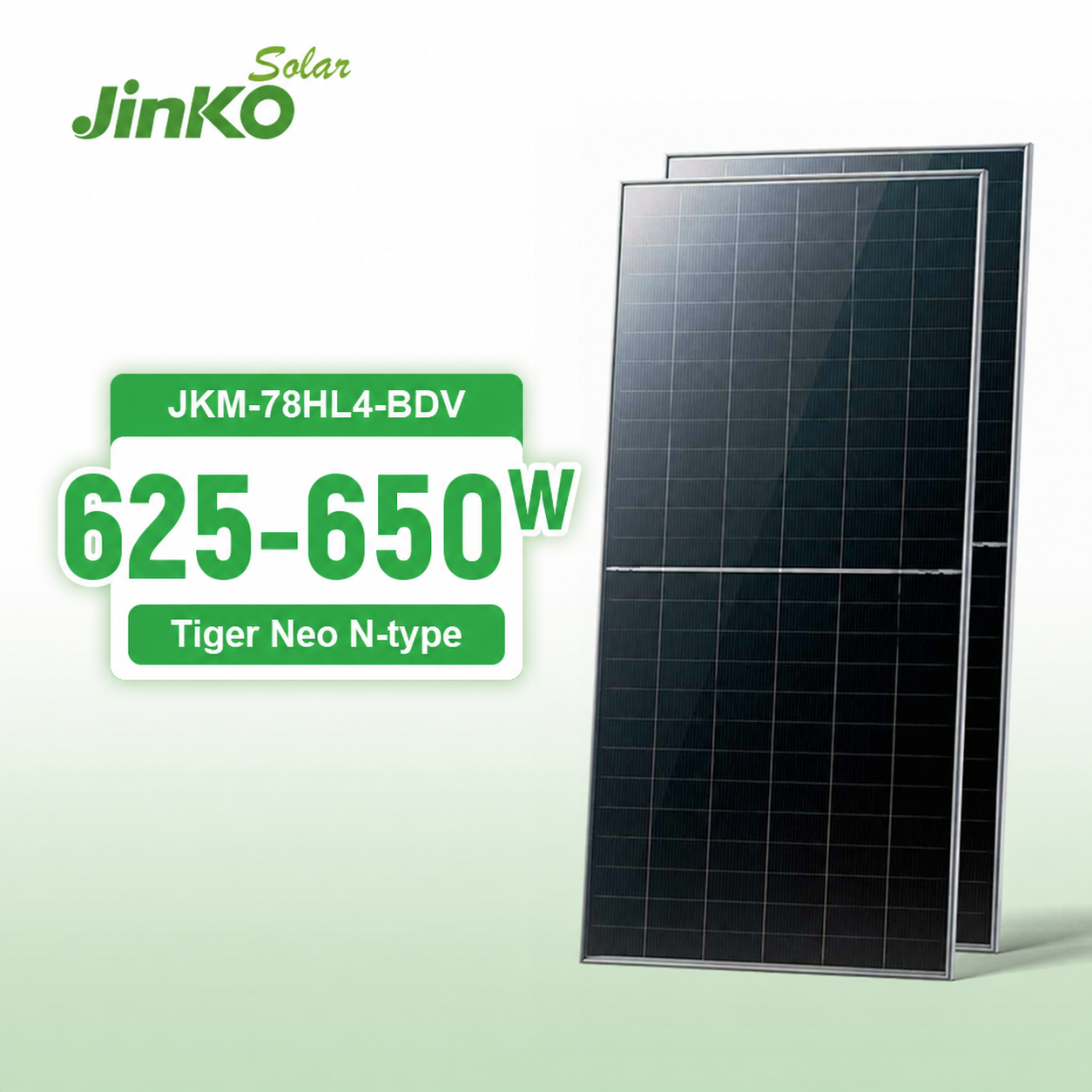
Jinko High Efficiency Bifacial Pv Panels 625W 635W 645W Double Glass Solaire Panneau N Type Solar Panel for Farm
High-Altitude Solar Engineering Dynamics in Sana'a
A comprehensive technical analysis of photovoltaic performance, thermodynamic derating, and dust abrasion in the Yemeni Western Highlands.
Sana'a presents one of the most intense and chemically demanding photovoltaic environments in the Middle East and North Africa (MENA) region. Positioned at an average altitude of approximately 2,250 meters above sea level, the capital city experiences extreme levels of direct normal irradiance (DNI) coupled with a high ultraviolet (UV) spectral composition. While solar insolation exceeds 6.2 kWh/m²/day across most months, the combination of atmospheric thinness, sharp day-to-night thermal cycling (-2°C in winter nights to 38°C during summer midday), and fine volcanic/desert airborne particulate matter poses catastrophic degradation risks for lower-tier photovoltaic modules.
When engineering utility, commercial, or agricultural solar power stations in Sana'a, procurement specialists cannot rely on standard test conditions (STC: 1000 W/m², 25°C, AM 1.5). Under real highland operating conditions, module surface temperatures frequently reach 62°C to 68°C. Legacy P-type PERC panels suffer from a power temperature coefficient of -0.35% to -0.38%/°C, leading to thermal derating losses exceeding 15% of peak rated capacity during peak pumping hours. Hangzhou VOLT New Energy supplies premium N-type TOPCon bifacial modules featuring an ultra-low temperature coefficient of -0.29%/°C, recovering up to 4.5% to 6.2% more energy over identical DC nameplate installations.
| Evaluation Parameter | Standard P-Type PERC (600W) | Jinko Tiger Neo N-Type TOPCon (650W) | Canadian Solar TOPBiHiKu7 (660W) |
|---|---|---|---|
| Cell Architecture | P-Type Monocrystalline (Boron-doped) | N-Type Monocrystalline (Phosphorus-doped) | N-Type Bifacial TOPCon Technology |
| Bifaciality Factor | 65% ± 5% | 80% ± 5% | 80% ± 5% |
| Temperature Coefficient (Pmax) | -0.35% / °C | -0.29% / °C | -0.29% / °C |
| First-Year Power Degradation | ≤ 2.0% (Sensitive to LID/LeTID) | ≤ 1.0% (Zero Boron-Oxygen LID) | ≤ 1.0% (Anti-LID / Anti-PID) |
| 30-Year Power Output Guarantee | 84.8% Remaining Output | 87.4% Remaining Output | 87.4% Remaining Output |
| Glass Structural Design | 3.2mm Single Glass + Polymer Backsheet | 2.0mm + 2.0mm Dual Heat-Strengthened Glass | 2.0mm + 2.0mm Dual Tempered Glass |
| Sana'a Dust & Salt-Mist Resilience | Backsheet prone to sand erosion & cracking | Hermetically sealed against desert abrasion | Impermeable dual-glass barrier (IEC 60068) |
Customized Photovoltaic Deployments across Sana'a Governorates
Delivering high-reliability off-grid, microgrid, and hybrid energy architectures where grid electricity is completely absent or economically unviable.
Agricultural Deep-Well Pumping (Sana'a Basin)
Groundwater tables across the Sana'a basin (Bani Matar, Hamdan, and Arhab districts) sit at extreme depths ranging from 250m to 450m. Running submersible turbine pumps on diesel generators causes catastrophic operational expenditures due to volatile fuel supply lines and maintenance overhead.
- High Open-Circuit Voltage strings (up to 1000V/1500V DC)
- Direct VFD drive compatibility (INVT / Veichi pump inverters)
- Anti-dust double-glass surface preventing sand scouring
- Payback period achieved in less than 11 months vs diesel
Commercial & Hospital Diesel-Hybrid Microgrids
Private hospitals, textile processing facilities, and flour mills in Sana'a require 24/7 uninterrupted power. High-efficiency Jinko and Canadian Solar N-type modules paired with Deye 50kW commercial hybrid inverters dynamically throttle diesel generator runtimes, cutting daytime fuel burn by 70% to 90%.
- Integrated Zero-Export and Generator Automatic Start control
- Seamless sub-4ms UPS grade transfer during blackouts
- Coupled with VOLT LiFePO4 rack batteries (0.5C/1C discharge)
- Comprehensive protection against mountain thunderstorm transients
Historic Masonry & Residential Flat Rooftops
Traditional multi-story stone and baked-brick buildings in Sana'a feature compact flat roofs cluttered with water tanks. High-density 630W–670W modules maximize power density per square meter, enabling residential estates to run heavy air-conditioning, refrigeration, and pump loads off limited footprint.
- High efficiency >22.5% reducing required roof surface area
- Non-penetrative ballast mounting solutions for lime/plaster roofs
- High rear-side bifacial yield reflecting off white roof screeds
- Optimized for pairing with 48V/51.2V wall-mount LFP packs
The Yemeni Photovoltaic Market: Trends & Importer Insights
How the shift from low-end counterfeit modules to Tier-1 certified equipment is redefining commercial viability in Sana'a.
Shift to Tier-1 N-Type TOPCon
Between 2016 and 2021, Sana'a markets were flooded with B-grade and unbranded polycrystalline modules. Today, EPC contractors and commercial clients exclusively request verified Tier-1 brands (Jinko, Canadian Solar, LONGi) due to verifiable warranties, flash-test authenticity, and proven 30-year field survivability.
Universal Adoption of Dual-Glass
Single-glass modules with organic backsheets degrade rapidly under Sana'a's extreme UV radiation (UV Index ≥ 11 daily) and abrasive desert dust. Dual-glass modules (2.0mm+2.0mm) have emerged as the absolute industry standard, eliminating micro-cracking and water vapor ingress completely.
Diesel Price Arbitrage
With localized diesel costs frequently fluctuating between $1.20 and $2.10 per liter, the Levelized Cost of Electricity (LCOE) for solar-plus-storage stands below $0.07/kWh in Sana'a. Every kilowatt of installed solar directly replaces expensive imported fuel, driving unprecedented CAPEX allocation into solar.
Integrated Battery Storage Systems
Standalone grid-tied inverters are obsolete in Sana'a due to the lack of an operational central grid. Importers now demand bundled shipments combining high-wattage PV panels, Deye hybrid inverters, and Grade-A LiFePO4 battery banks in synchronized, pre-configured 40ft high-cube containers.
Why Major Importers in Sana'a Partner with VOLT New Energy
Removing the risks of procurement, logistics, and technical commissioning for high-value solar energy equipment.

Verified Compatibility
We eliminate "BMS Communication Faults" on site. Before leaving our warehouse, every solar panel pallet, Deye hybrid inverter, and LFP battery stack is verified for CAN/RS485 protocol matching, voltage window, and firmware synchronization.

Factory EL & Flash Testing
Every batch of Canadian Solar and Jinko modules undergoes double-electroluminescence (EL) testing to detect micro-cracks before packing. We supply buyers with original manufacturer flash test reports matching module barcode serials.
Specialized Logistics to Sana'a
We manage consolidated ocean freight directly into Port of Aden, Hodeidah, or via Salalah (Oman) corridors. Lithium battery cargo is fully certified under Class 9 UN38.3 and MSDS protocols with ocean freight DG approval.
Direct Engineering Support
Our bilingual technical team supports your Sana'a engineering crews with array string sizing, tilt-angle calculations (typically 15° to 18° south-facing for Sana'a latitude), single-line diagrams, and remote inverter parameter configuration.
Frequently Asked Questions by Sana'a Solar Traders & EPCs
Essential technical, contractual, and logistics answers for importing solar equipment into Yemen.
Are Canadian Solar and Jinko modules supplied by VOLT authentic Tier-1 products?
Why is Bifacial Double-Glass (Dual Glass) strongly recommended for Sana'a over Single-Glass?
How are shipping routes and customs clearance managed for deliveries into Sana'a?
Can VOLT supply complete consolidated systems (Panels + Inverters + Batteries) in one container?
What are the best mounting angles and maintenance practices for Sana'a installations?
Request Direct Factory Quotations & Container Allocation
Partner directly with Hangzhou VOLT New Energy Technology Co., Ltd. for wholesale Tier-1 solar panels, Deye inverters, and lithium energy storage systems destined for Sana'a and Yemeni regional hubs.