Utility, Commercial & Residential Dual-Glass PV Modules
Direct supply from state-of-the-art automated manufacturing facilities. Tier-1 certified N-type monocrystalline bifacial technology configured for Paranaguá port maritime logistics and immediate project commissioning.
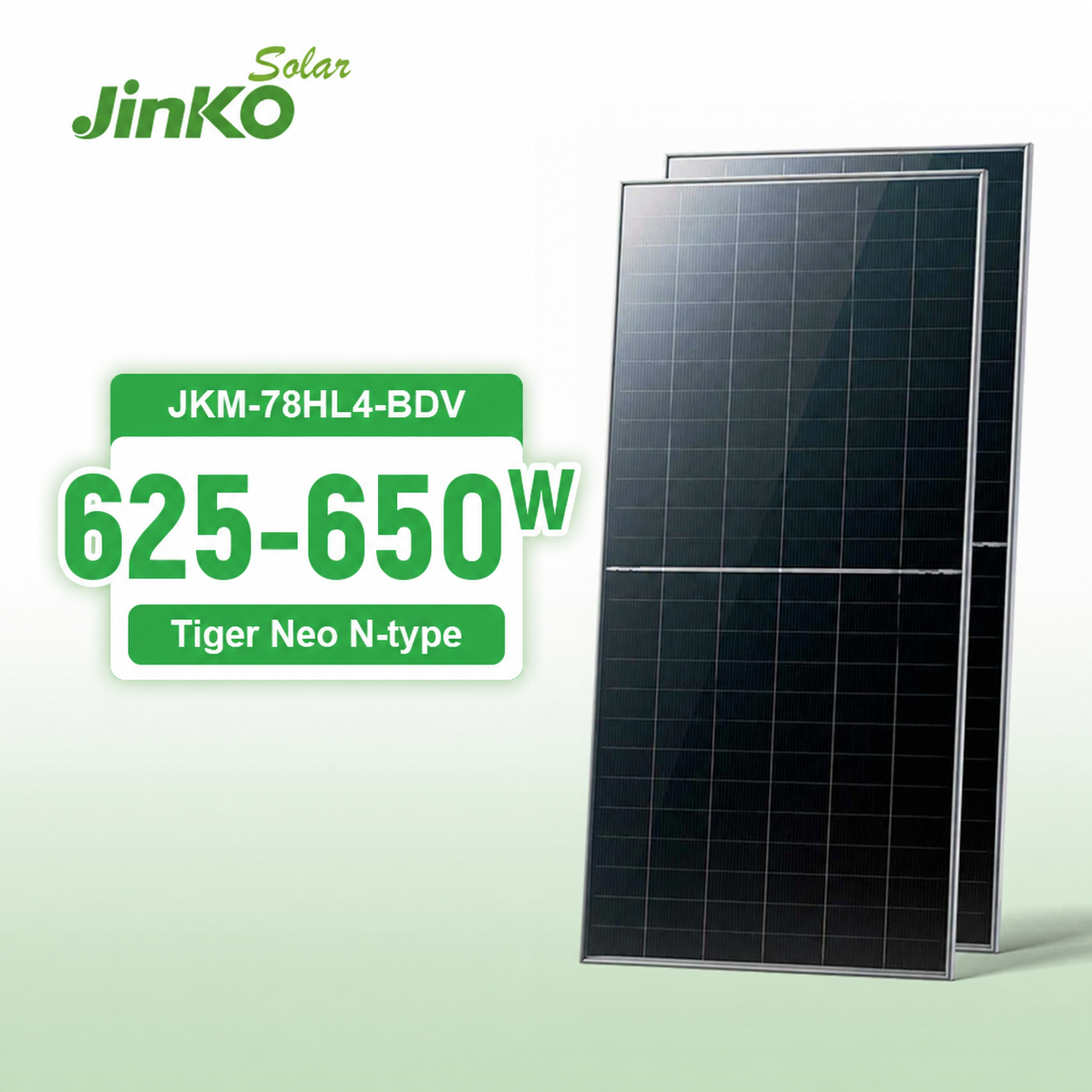
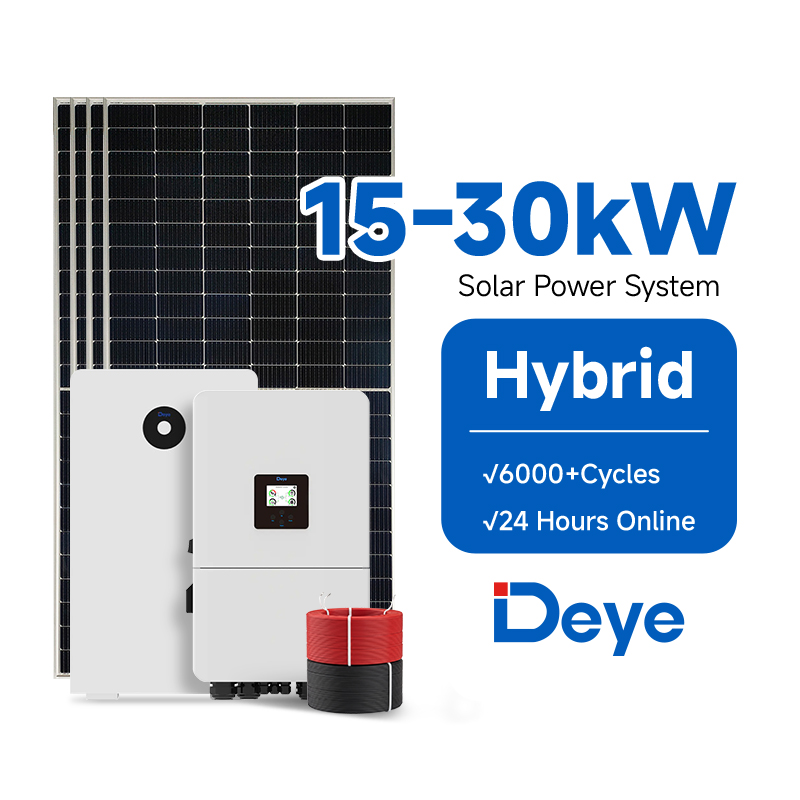
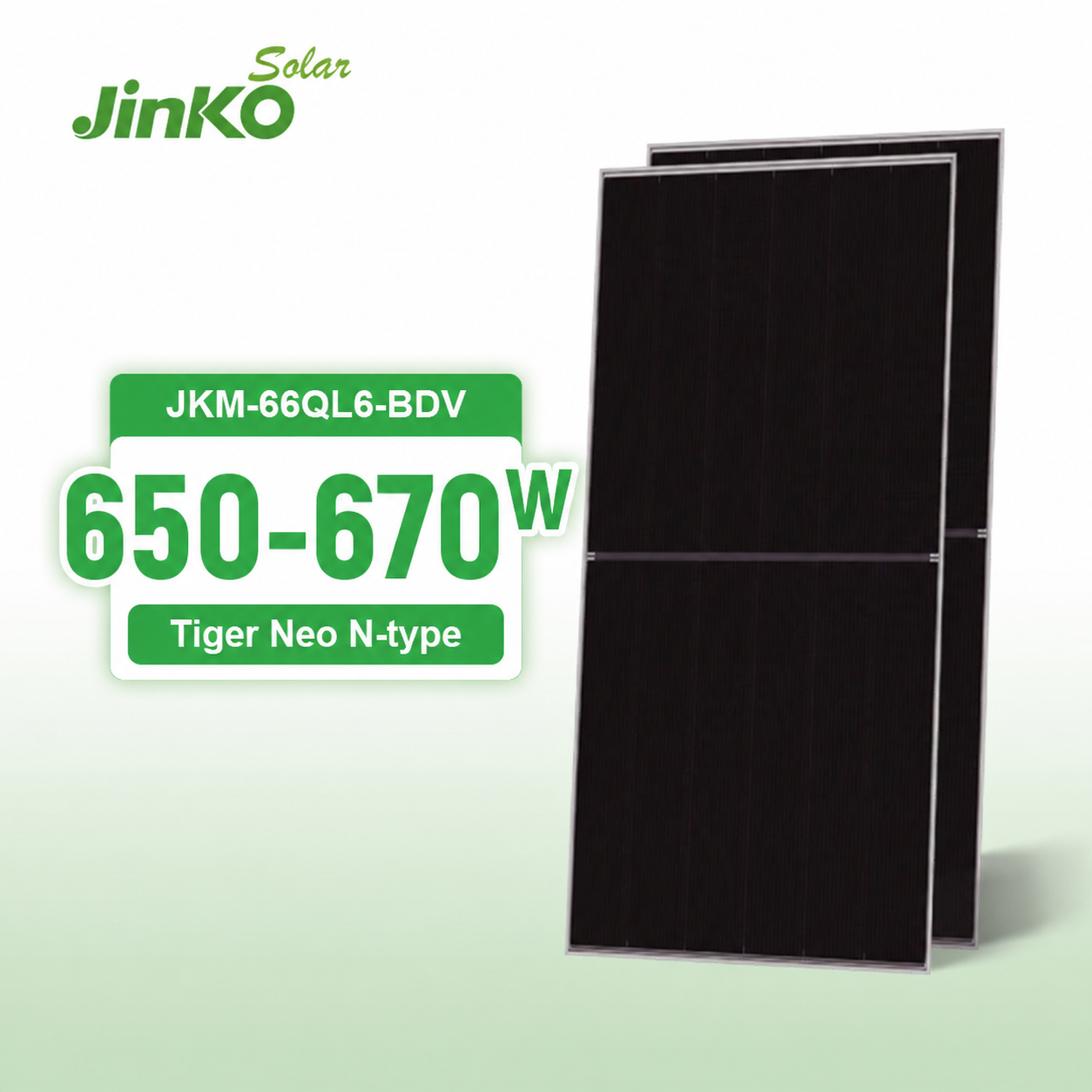
Navigating Photovoltaic Generation in Greater Curitiba: The Bifacial N-Type Paradigm
Curitiba and the broader Paraná First Plateau present a distinct geographical and meteorological microclimate that alters classical solar engineering assumptions. Situated at an altitude exceeding 930 meters above sea level within the Cfb Köppen climate classification zone, Curitiba experiences mild summers, persistent cloud cover, frequent morning orographic fog, and seasonal cold fronts. Standard monofacial p-type PERC solar modules underperform in these highland environments due to higher spectral sensitivity thresholds, increased temperature coefficients, and vulnerability to humidity-driven Potential Induced Degradation (PID).
Our CE-certified and international compliance-tested bifacial dual-glass modules utilize cutting-edge N-type TOPCon (Tunnel Oxide Passivated Contact) cell architectures. With bifaciality coefficients reaching up to 80% to 85%, these modules do not merely capture front-side direct solar beam radiation; they harvest extensive diffuse horizontal irradiance (DHI) and rear-side reflected albedo light from concrete plant roofs, light gravel arrays, and reflective waterproofing membranes commonly installed in the Cidade Industrial de Curitiba (CIC) and surrounding logistics corridors.
By integrating 2.0mm + 2.0mm semi-tempered dual-glass lamination, our modules eliminate rear-sheet moisture permeability risks inherent to humid sub-tropical highland conditions. In addition, our manufacturing lines in China directly address the balance-of-system (BOS) optimization requirements demanded by Paraná grid operator Copel (Companhia Paranaense de Energia) and Brazilian regulatory framework Lei 14.300/2022, providing distributors, EPCs, and commercial developers with bankable, high-efficiency equipment.
Bifacial PV Deployments across Curitiba's Industrial & Regional Sectors
Tailored structural configurations engineered to maximize kilowatt-hour production per square meter under specific climatic, mechanical, and regulatory conditions of Paraná.
Cidade Industrial de Curitiba (CIC) Rooftops
Large-span zinc-aluminum and trapezoidal metal roofs across manufacturing plants in CIC benefit from dual-glass bifacial modules mounted on elevated racking. Backside gain captures light reflected from white thermo-acoustic coating or treated roof surfaces, adding 10% to 18% in additional kilowatt-hours without expanding structural footprints.
Automotive & Logistics in São José dos Pinhais
Distribution centers and automotive assembly subcontractors utilize bifacial carport structures and flat warehouse installations. Elevated bifacial panel arrays over light grey concrete paving mitigate the cloud attenuation characteristic of the Afonso Pena airport basin, maximizing low-angle diffused solar yield.
Agro-Industrial Processing in RMC & Campos Gerais
Poultry, swine, and dairy processing centers across Campo Largo, Araucária, and Castro face severe electrical energy consumption tariffs. Ground-mounted bifacial single-axis trackers combined with white gravel ground-dressing offer up to 25% bifacial gain, providing continuous power resilience for cold storage compressors.
N-Type TOPCon Dual-Glass Bifacial vs. Legacy P-Type PERC Monofacial
Field installations throughout the metropolitan basin of Curitiba require components capable of resisting damp-heat stress, rapid ambient temperature changes during autumn hail seasons, and low morning irradiation. The comparative data matrix below details performance parameters under typical Southern Brazilian highland conditions.
| Performance Parameter | Legacy Monofacial P-Type PERC | VOLT N-Type TOPCon Bifacial Dual Glass | Curitiba Project Economic Impact |
|---|---|---|---|
| Cell Efficiency (Nominal) | 20.8% - 21.4% | 22.5% - 23.2% | +8.5% higher energy density on constrained roof space |
| Rear-Side Bifaciality Factor | 0% (Standard Backsheet) | 80% ± 5% | +12% to +22% additional kWh/kWp from diffuse & reflected light |
| Temperature Coefficient of Pmax | -0.35% / °C | -0.29% / °C | Superior yield stability during hot peak summer afternoons |
| Low-Irradiance Performance (<200 W/m²) | Rapid efficiency drop-off | Maintains >97% relative efficiency | High energy conversion during overcast, foggy, and rainy days |
| First-Year LID / LeTID Degradation | 2.0% - 2.5% | < 1.0% | Protects early-stage internal rate of return (IRR) for investors |
| Hail & Mechanical Resistance | 3.2mm Single Glass (Vulnerable rear) | 2.0mm + 2.0mm Dual Glass Structure | Extreme microcrack resistance against sudden Paraná hail events |
Testing benchmarks certified according to IEC 61215, IEC 61730, and CE Directives under standard test conditions (STC) and nominal module operating temperatures (NMOT).
The Regulatory & Technical Shift in Paraná: Marco Legal & Copel Integration
The Brazilian distributed generation (GD) landscape underwent a decisive transformation with the operational enforcement of Lei 14.300/2022. In Paraná, connection through the utility distributor Copel now subjects auto-consumption projects to gradual remuneration of the distribution grid tariff component (Fio B). Consequently, project viability no longer depends solely on instantaneous peak kilowatt-peak (kWp) generation; it relies on Levelized Cost of Energy (LCOE) optimization, higher yield consistency across all seasons, and self-consumption battery energy storage (BESS) coupling.
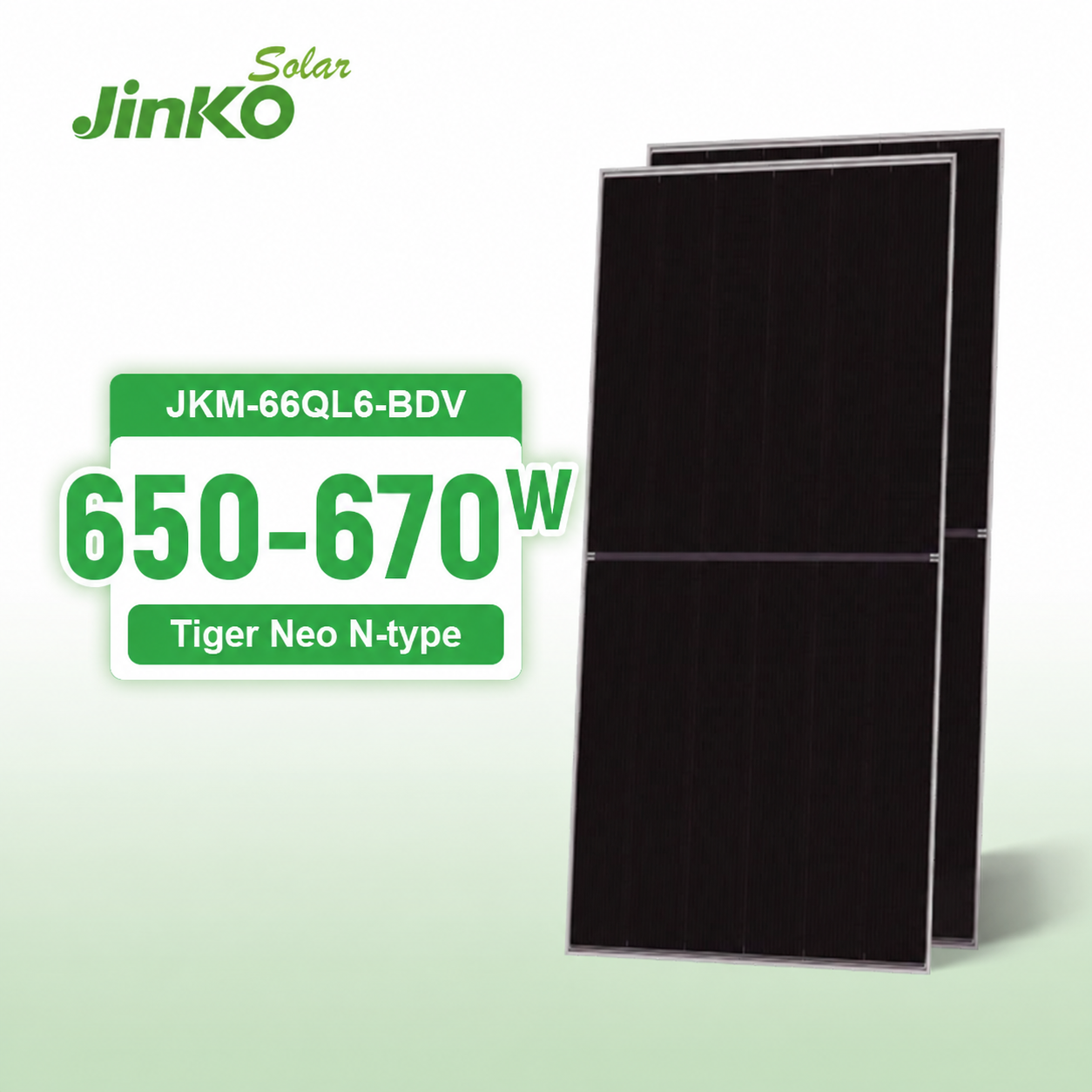
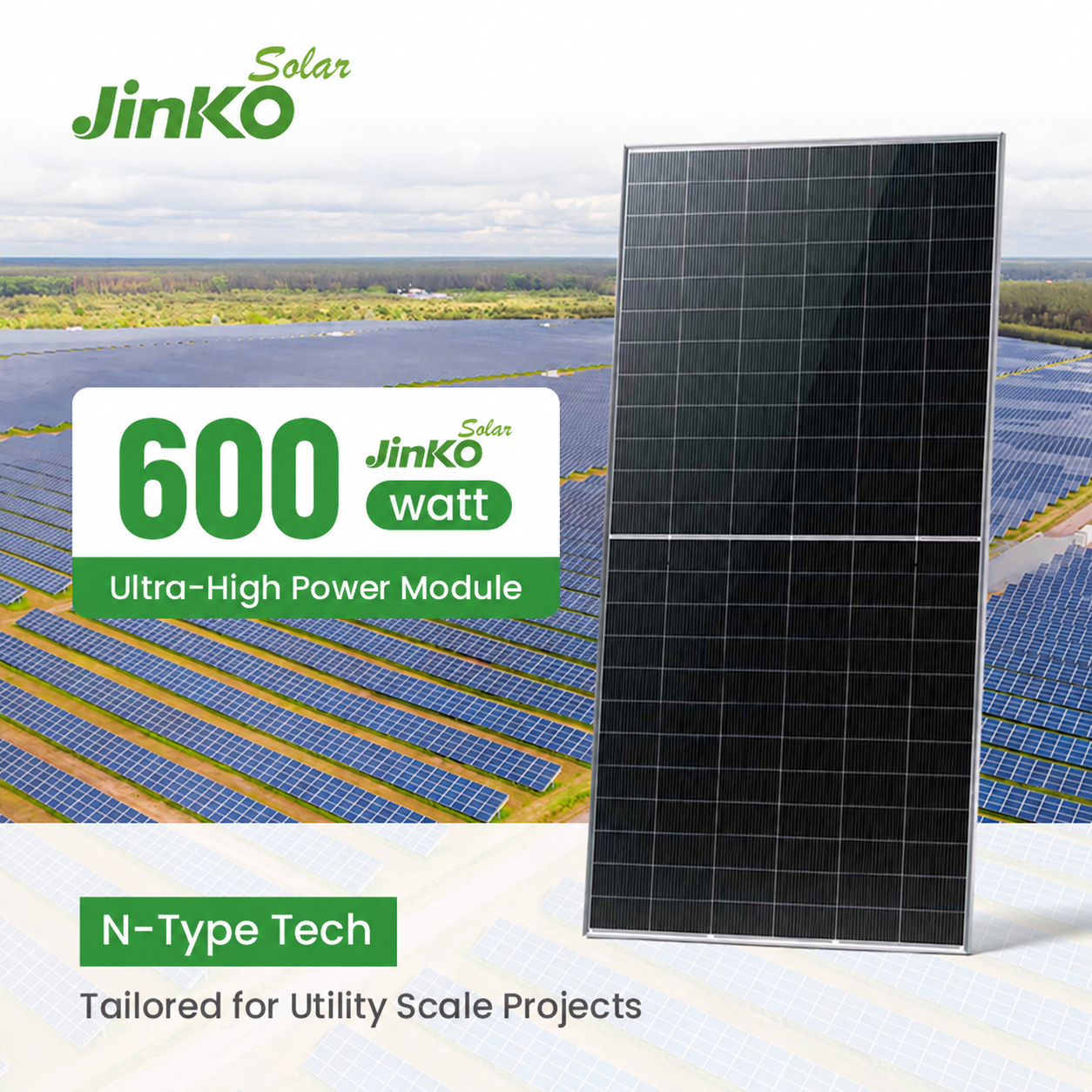
Because Curitiba averages approximately 3.9 to 4.5 peak sun hours (PSH) per day—markedly lower than Northeastern Brazil—every percentage point gained through bifacial irradiance reflection directly offsets Fio B costs. By deploying our CE-certified 600W to 670W dual-glass series alongside matched low-voltage Deye hybrid inverters (5kW to 30kW), commercial and residential prosumers capture daytime solar energy, store excess production in lithium iron phosphate (LFP) banks, and inject power only when economic dispatch is maximized.
Why Curitiba Importers & System Integrators Partner with Us
Hangzhou VOLT New Energy combines automated high-volume production with deep technical validation, eliminating procurement, customs, and operational liabilities.
Factory-Direct Quality Verification
100% triple EL (Electroluminescence) testing before lamination and post-framing. We identify cell microcracks, finger defects, and busbar misalignments prior to loading, ensuring pristine module delivery in Paranaguá.
Comprehensive ESS Integration
We do not merely supply PV panels. We ensure verified pre-shipment communication protocols (CAN/RS485) between Tier-1 N-type panels, Deye hybrid inverters, and our proprietary high-cycle LiFePO4 battery storage units.
Full International Compliance
Our manufacturing and test reports comply with CE, TÜV Rheinland, IEC 61215, IEC 61730, and UN38.3 standards. Documentation packages are formatted precisely to accelerate Brazilian customs clearance and technical Homologação with Copel.
Streamlined Consolidated Shipping
Full Container Load (FCL) and consolidated mixed loads (panels, inverters, cabling, mounting hardware) optimized for 40HQ high-cube shipping from Ningbo/Shanghai directly to Paranaguá Port, minimizing landed freight costs.
Curitiba Solar Buyer & Importer FAQ
Direct technical answers addressing customs clearance, INMETRO equivalence, structural wind loading, and electrical engineering guidelines in Paraná.
How do CE and IEC certifications support INMETRO compliance in Brazil?
Brazilian INMETRO Ordinance No. 140/2022 and Portaria 515 require photovoltaic modules to undergo stringent safety, insulation, and performance tests that are fundamentally derived from international IEC 61215 and IEC 61730 standards. Our modules carry factory-issued CE and accredited TÜV/IEC test reports, which streamline the issuance of the Brazilian conformity seal through accredited testing labs or designated local homologation representatives.
What bifacial gain can be practically expected in Curitiba's overcast climate?
Because Curitiba exhibits a high ratio of diffuse horizontal irradiance (DHI) resulting from frequent cloud formations, bifacial modules perform exceptionally well. Over typical light-colored metal commercial roofs in CIC or painted concrete surfaces (albedo between 0.35 and 0.55), rear-side energy generation adds between 11% and 18% additional yield compared to monofacial modules of identical nominal power.
How do you handle shipping logistics to Curitiba via Paranaguá Port?
Paranaguá is located only 90 km from Curitiba's central industrial hubs via BR-277. We pack modules vertically in heavy-duty export crates with corner protectors to withstand oceanic transport vibrations. Containers clear Paranaguá customs under RADAR-registered importers, and our documentation provides exact HS Codes (8541.43.00), Bill of Lading (BL), and Certificates of Origin for tariff exemption (Ex-Tarifário) validation.
How does the dual-glass structure protect against Southern Brazil hail storms?
Paraná frequently encounters severe localized hail during spring and summer thunderstorm cycles. Conventional monofacial modules feature thin polymer backsheets that offer zero defense against microcracks caused by impact vibrations. Our dual-glass series incorporates two sheets of 2.0mm high-transmission semi-tempered glass, passing rigorous 35mm hail ice-ball impact testing at 27.2 m/s without internal silicon cell fracture.
Can we integrate Deye hybrid inverters and batteries into the same container?
Yes. VOLT New Energy is an integrated solutions specialist. We routinely pack Tier-1 bifacial PV modules alongside Deye single-phase and three-phase hybrid inverters (5kW to 30kW) and UN38.3-certified lithium iron phosphate (LiFePO4) battery racks in a single consolidated 40HQ container, pre-testing communication cables and BMS firmware before sealing the cargo.
What are the technical guidelines for Copel grid connection approval?
Copel Technical Standards (such as NTC 905200 for microgeneration and NTC 903100 for minigeneration) mandate complete inverter anti-islanding parameters, harmonic distortion compliance, and accurate module string voltage/current ratings under local minimum and maximum design temperatures. We supply full technical datasheets and factory testing reports required by Brazilian electrical engineers for submission on the Copel Autoconsumo portal.
What are the minimum order quantities (MOQ) and lead times for Curitiba?
Standard export orders begin at one pallet (typically 31 to 36 modules, depending on the 580W-670W form factor), with optimal pricing achieved on full 40-foot container loads (~620 to 720 panels). Production lead time is typically 12 to 18 days, followed by approximately 35 to 42 days of oceanic transit from Ningbo to Paranaguá Port.
What warranty terms are extended to Brazilian EPC contractors?
Our CE-certified dual-glass bifacial modules come with a standard 12- to 15-year product workmanship guarantee and a 30-year linear performance warranty. Degradation is guaranteed at <1.0% in year one and no more than 0.40% annually thereafter, guaranteeing at least 87.4% nominal power output by the end of year 30.