High-Yield Photovoltaic Modules Engineered for Demanding Projects
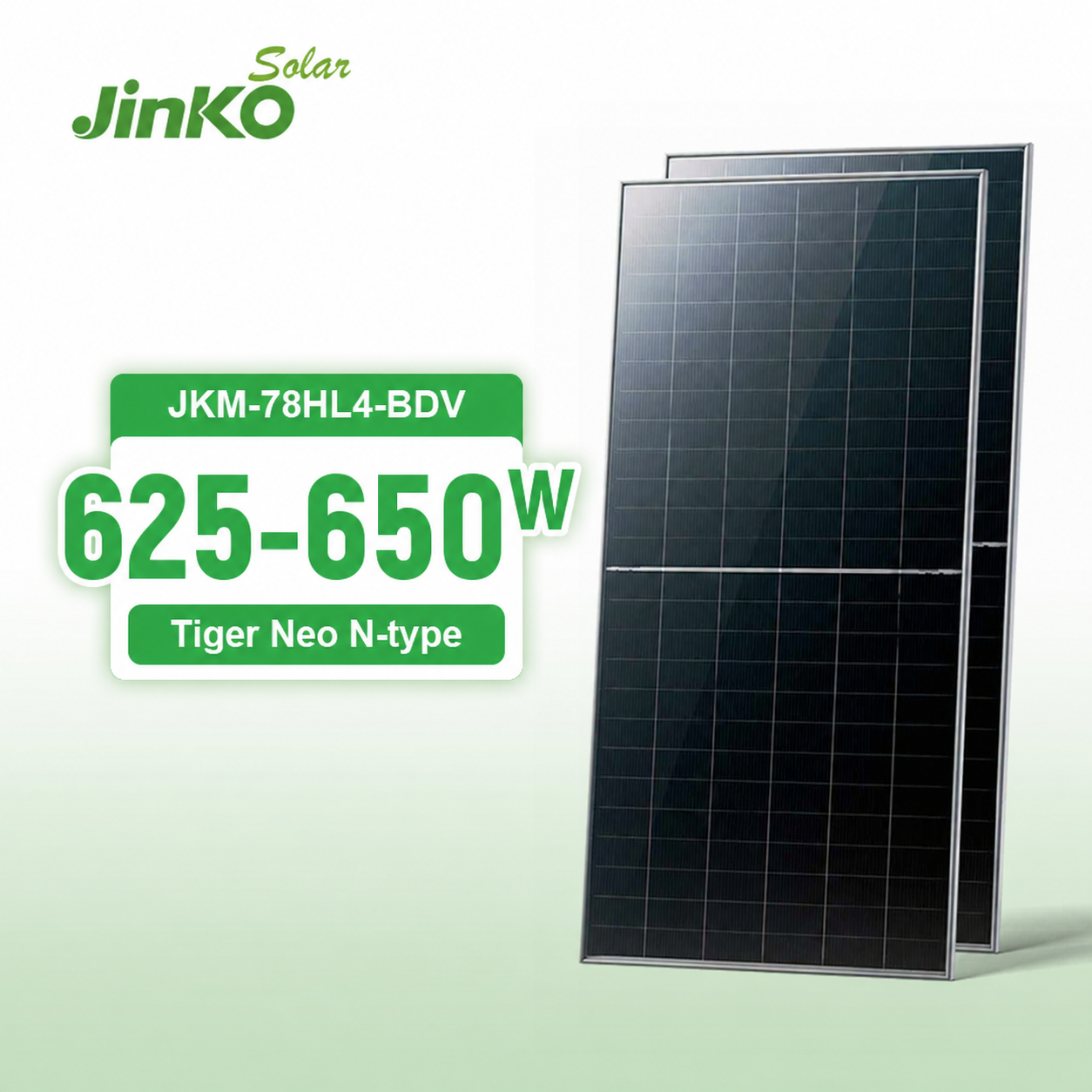
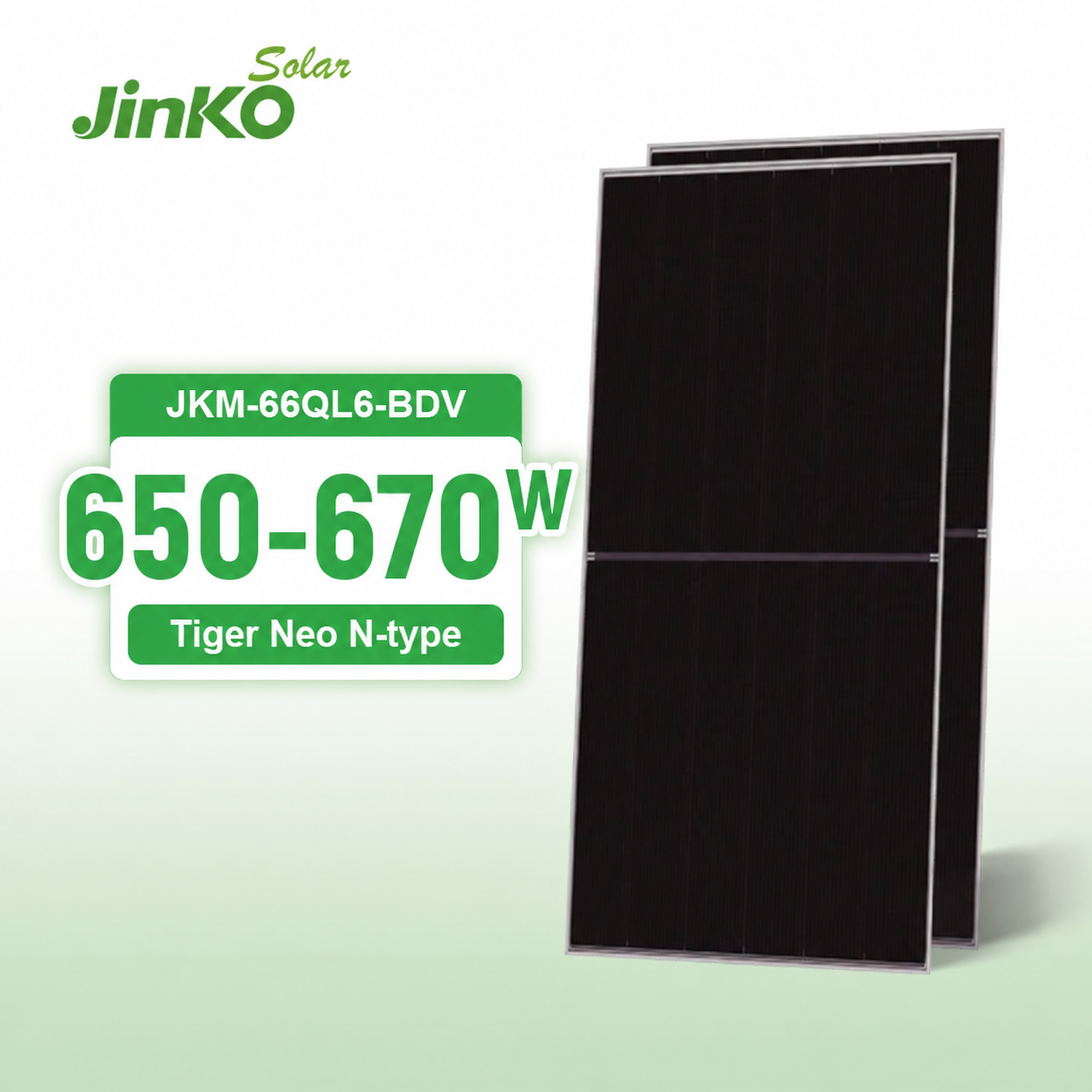
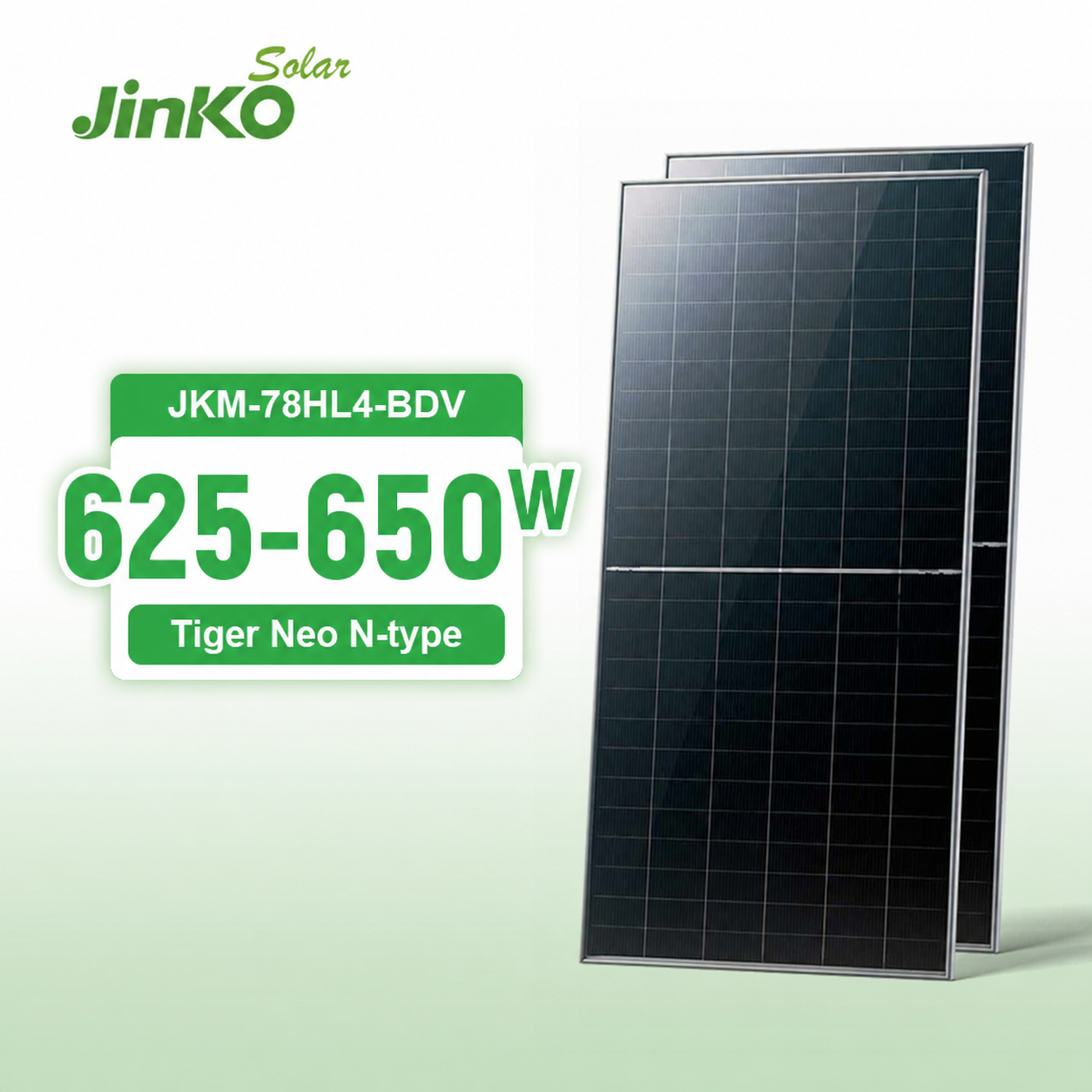
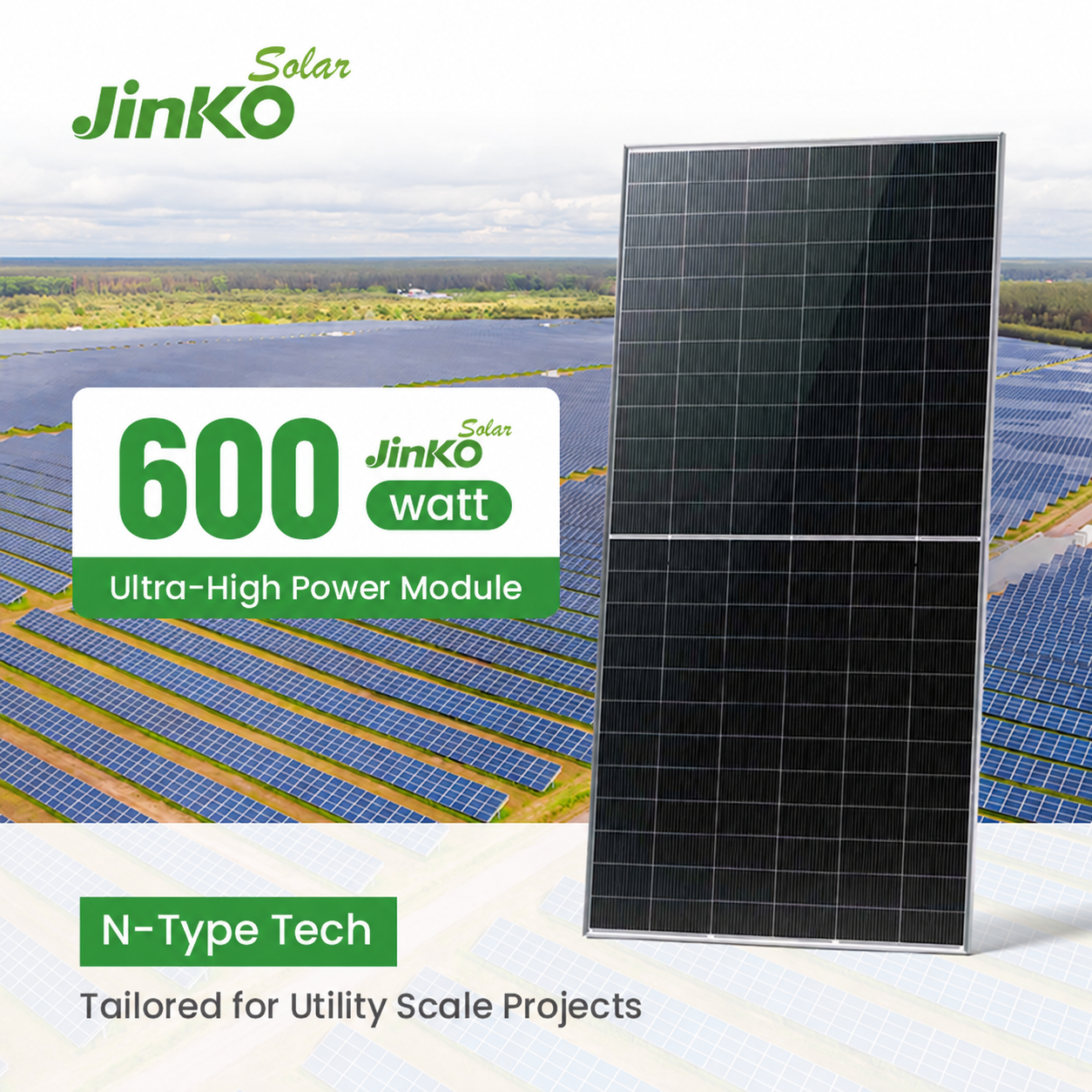
Explore our certified N-Type TOPCon dual-glass solar panels. Every module is flash-tested to ensure positive power tolerance (+0~3%), certified for high mechanical loading, and optimized for maximum Levelized Cost of Electricity (LCOE) reductions.
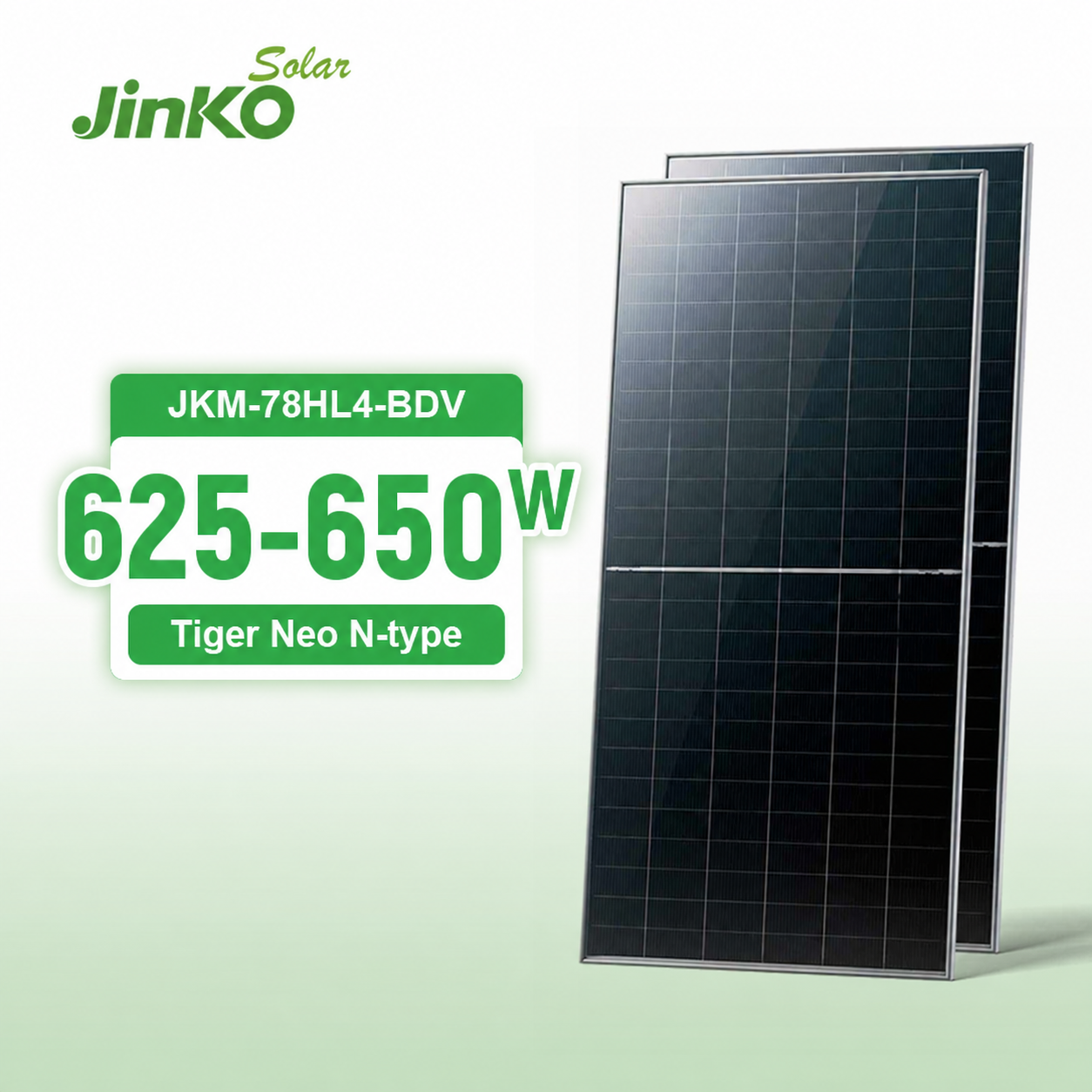
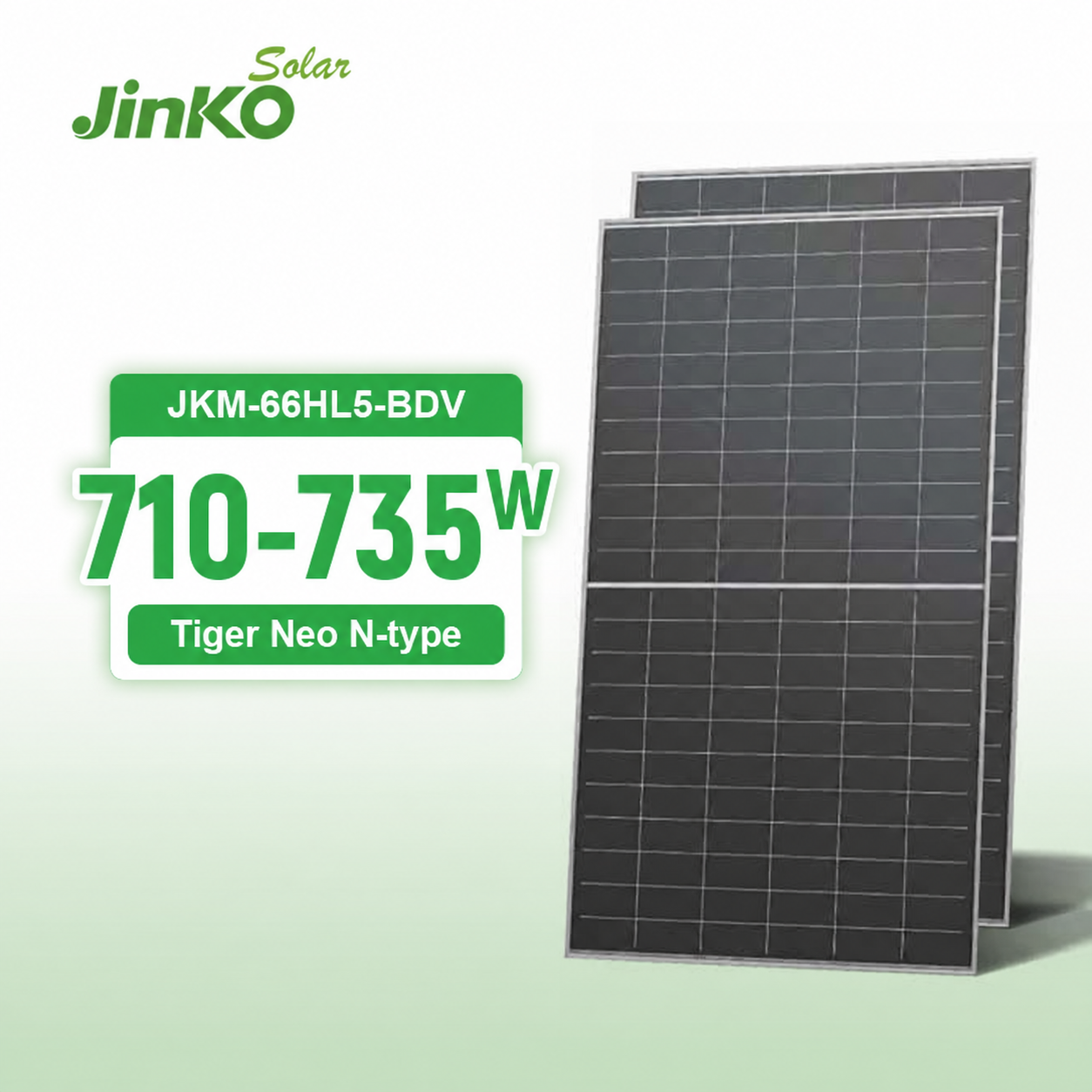
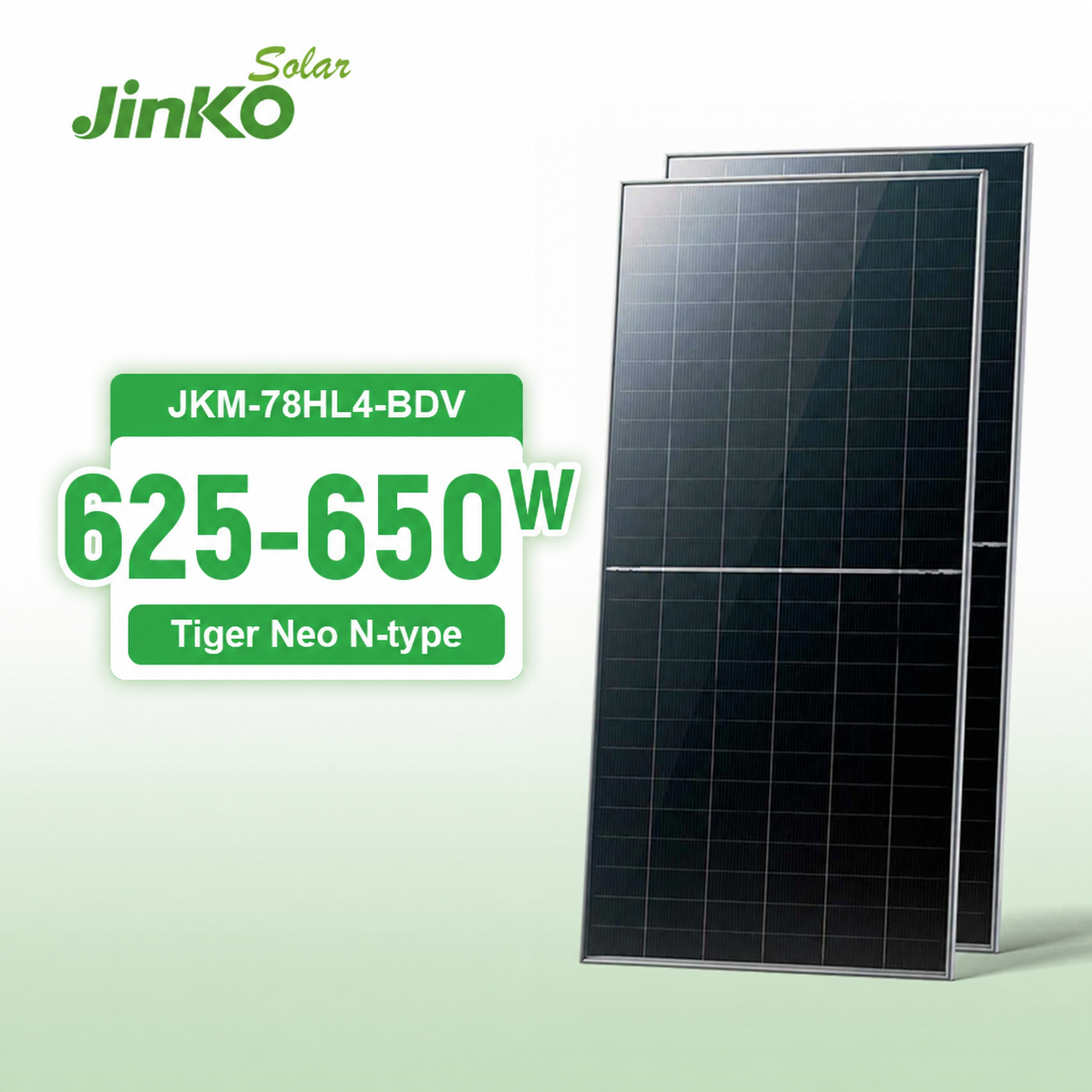
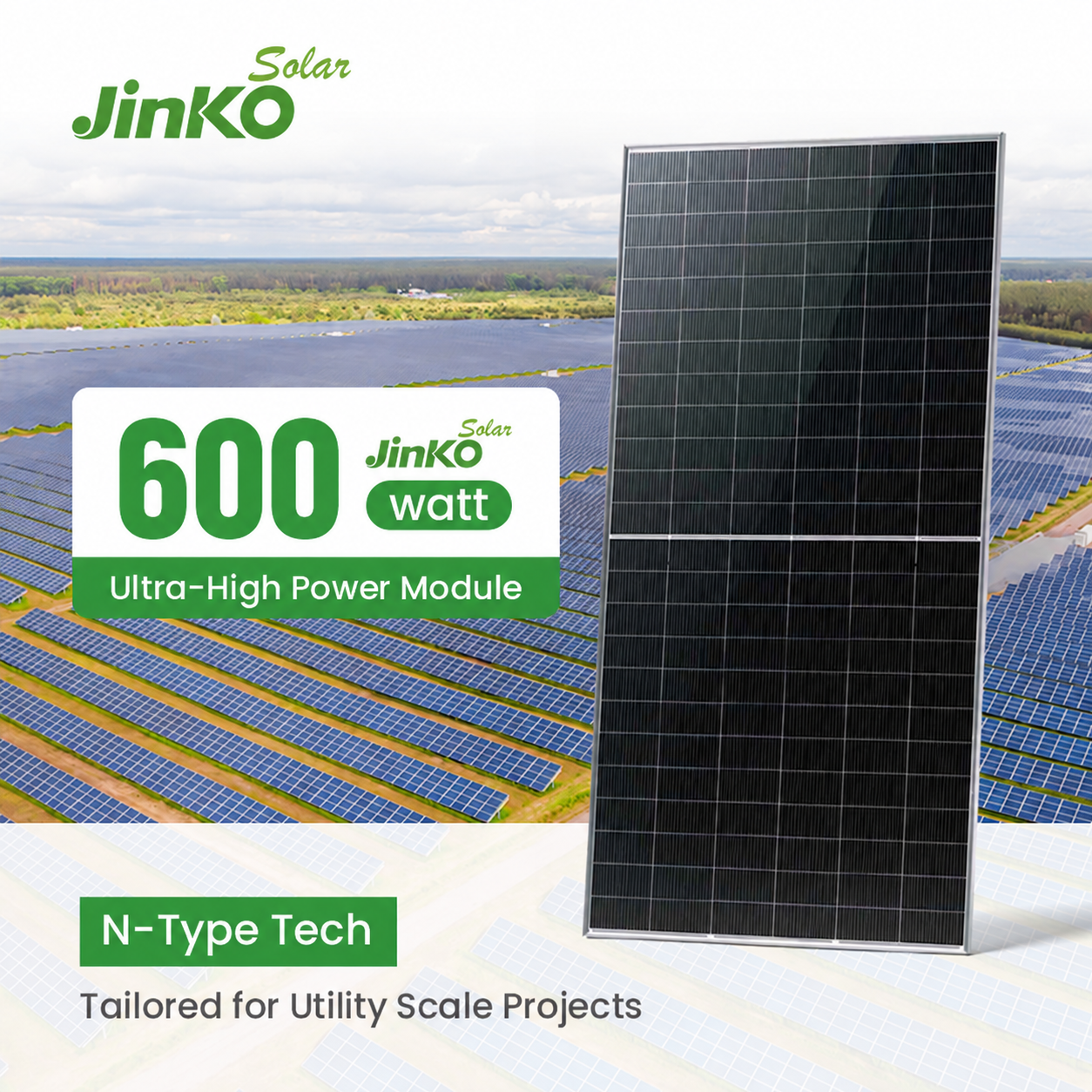
100%
Electroluminescence Checked
5400/7200 Pa
Mechanical Snow Load Tested
0.40%
Annual Degradation Cap
CE / LVD / EMC
International Compliance
CE Certified Engineering & Kingston Production Ecosystem
Photovoltaic module reliability hinges on rigorous quality controls executed along every step of automated production. For utility developers, commercial installers, and EPC procurement leads sourcing from or deploying across the Eastern Ontario green-tech corridor in Kingston, equipment certifications must satisfy not only North American safety parameters but also stringent European Union CE harmonized directives. Our production networks incorporate world-class multi-busbar N-Type Tunnel Oxide Passivated Contact (TOPCon) manufacturing lines verified under European Low Voltage Directive (LVD) 2014/35/EU and Electromagnetic Compatibility (EMC) Directive 2014/30/EU, combined with global IEC 61215 and IEC 61730 certification baselines.
Kingston’s logistical positioning along the Highway 401 corridor—connecting Montreal, Toronto, and upstate New York—provides a unique geographic nexus for solar technology integration, high-capacity warehousing, and cold-climate test piloting. Modules destined for this region require specialized Bill of Materials (BOM) selections capable of handling rapid diurnal temperature swings, prolonged freezing precipitation, heavy ground snow accumulation, and fierce St. Lawrence Valley wind shear.
Zero Potential Induced Degradation (PID)
Engineered with cross-linked POE (polyolefin elastomer) encapsulation and premium silicon-nitride passivated wafers to completely eliminate leakage currents and PID under 1500V system biases.
Double-EL Fault Interception
Every single module undergoes high-resolution electroluminescence (EL) testing before and after thermal lamination to detect micro-cracks, soldering dislocations, and sub-surface crystal fissures.
Positive Power Tolerance (+0~+3%)
Equipped with class-AAA sun simulators calibrated against international standard laboratory references, ensuring delivered nameplate capacity consistently meets or exceeds contracted STC metrics.
Technical Benchmark: N-Type TOPCon vs. Legacy P-Type PERC Under Canadian Conditions
The following data matrix demonstrates the mechanical, electrical, and thermal gains achieved by migrating commercial projects from legacy P-type panels to our next-generation N-Type TOPCon dual-glass architecture:
| Performance Parameter | Legacy P-Type PERC (Monofacial) | Advanced N-Type TOPCon Bifacial | Tangible Engineering Benefit |
|---|---|---|---|
| Cell Efficiency Range | 20.8% – 21.4% | 22.5% – 23.3% | +8-10% more power density per square meter of roof space |
| Bifaciality Factor | 70% ± 5% | 80% – 85% | Captures up to +30% additional backside yield from snow albedo |
| Temperature Coefficient (Pmax) | -0.35% / °C | -0.29% / °C | Maintains lower operating temperature and higher output in summer |
| First-Year Power Degradation | < 2.0% (Subject to LID) | < 1.0% (Zero Boron-Oxygen LID) | Immediate production uplift across initial 12 months |
| Annual Linear Degradation | 0.55% / Year | 0.40% / Year | Guaranteed 87.4% output retention at Year 30 |
| Static Front Snow Load | 5400 Pa standard | Up to 7200 Pa (with heavy-duty rails) | Withstands severe Canadian winter blizzards and ice accretion |
Localized Applications: Engineering for Kingston's Industrial & Rural Grid Realities
Kingston and the surrounding Cataraqui and Frontenac regions represent a demanding operating environment for photovoltaic hardware. Solar infrastructure must endure heavy lacustrine snow belts off Lake Ontario, sub-zero winter temperatures dipping beneath -30°C, and high summer humidity. Our CE-certified modules are specifically deployed across three distinct regional segments:
Commercial & Industrial (C&I) Net Metering
Ideal for manufacturing warehouses, cold-storage logistics facilities, and institutional buildings across Kingston's industrial business parks. Operating under Ontario's Net Metering regulations, these high-wattage 600W–650W modules maximize peak kW offset during Class A / Class B Global Adjustment periods, drastically reducing demand charges.
Frontenac County Agri-PV & Rural Microgrids
Dual-glass bifacial modules mounted on elevated single-axis trackers or high-clearance fixed racks permit ongoing dairy, cattle grazing, or low-canopy crops below. Backside generation thrives on grass and winter snow albedo, delivering stable power supply to off-grid rural operations and remote farming facilities facing unstable grid feeders.
Battery Energy Storage (BESS) Coupled Peakers
Designed for multi-megawatt commercial solar arrays paired with low-voltage and high-voltage lithium battery energy storage systems (LFP). The ultra-low temperature coefficient (-0.29%/°C) ensures that high DC string voltages match inverter MPPT tracking parameters cleanly without premature clipping or overvoltage shutdowns during cold morning spikes.
Localized Market Trends: Capitalizing on Kingston's Winter Albedo & Clean Energy Goals
As the City of Kingston continues to execute its aggressive Climate Emergency Action Plan—targeting carbon neutrality by 2040—local industrial operators, educational hubs, and fleet operators are shifting from passive energy consumption to on-site solar generation. A key technical trend distinguishing Eastern Ontario from lower-latitude solar markets is the Snow Albedo Bifacial Uplift Phenomenon.
Between late November and early April, widespread snow cover across the St. Lawrence Lowlands transforms ground surface reflectivity. Fresh snow exhibits an albedo rating between 0.75 and 0.85, compared to 0.15 for gravel or dark commercial asphalt. Our double-glass N-Type TOPCon bifacial modules, engineered with high optical transmission solar glass on both front and rear, utilize this indirect irradiance to generate up to +25% to +32% auxiliary energy output throughout months when horizontal solar angles are shallowest.
Hydro One Technical Interconnection Rules (TIR)
Full compliance with anti-islanding, low-voltage ride-through (LVRT), and harmonic distortion tolerances mandated by Hydro One and Kingston Hydro distribution networks.
Freeze-Thaw Resistance
Dual-stage perimeter sealing with specialized butyl rubber and structural silicone prevents delamination, moisture intrusion, and frame splitting across continuous freeze-thaw cycles.
High-Density 16-Busbar (SMBB) Layout
Shorter current paths and round copper ribbon design lower resistive losses, increase light absorption, and guarantee uninterrupted energy pathways despite localized micro-cracking.
Optimized Frame Drainage Profile
Specially engineered water drainage channels on panel frame corners accelerate natural snow sliding and prevent edge-clogging ice dams from shading bottom cell strings.
Why Global EPCs & Kingston Industrial Importers Partner With Us
Procuring solar hardware requires total confidence in supply chain transparency, international testing compliance, and seamless cross-border freight consolidation. Rather than simply supplying commodity panels, we operate as an end-to-end solar technology partner offering integrated inverter, battery storage, and mounting compatibility checks before equipment is packed and containerized.
Certified BOM Supply Chain Traceability
Every silicon ingot, wafer, POE encap film, and junction box source is strictly documented and audited. We deliver complete batch test records and certificates of origin for hassle-free customs clearance and institutional financing audits.
System Integration Verification
Before dispatch, our engineering team performs electrical matching checks with your specified hybrid or central inverters (such as Deye, Sungrow, or SMA), ensuring MPPT voltage window optimization and BMS protocol synchronization.
Export-Ready Consolidated Packaging
Specialized vertical stack crating engineered for ocean transit and overland rail avoids micro-fracturing. Mixed container loads (panels + hybrid inverters + LFP batteries) allow installers to receive all project components in one unified shipment.
Frequently Asked Questions: Commercial Solar Procurement in Kingston & Eastern Canada
Clear, engineering-driven answers to the technical questions Canadian electrical contractors, developers, and logistics managers ask prior to issuing a Purchase Order.
How does CE certification align with Canadian Electrical Code (CSA / OESC) standards?
How do sub-zero Kingston winter temperatures affect Open-Circuit Voltage (Voc) string calculations?
What mechanical load rating is mandatory to survive Kingston's Lake Ontario snow and wind belts?
Can we ship mixed container loads combining solar panels, hybrid inverters, and LFP storage batteries?
How does N-Type TOPCon bifacial technology improve Levelized Cost of Electricity (LCOE)?
What warranty protection is provided for commercial installations in Ontario?
Plan Your Commercial Solar Deployment with Certified Engineering
Need wholesale container pricing, custom string calculations, or full CE/CSA documentation packages for an upcoming project in Kingston or Eastern Ontario? Our senior solar engineers and export logistics team are ready to assist.