CE Certified High Voltage ESS Manufacturers & Suppliers Serving Basseterre

Utility-Grade LiFePO4 Energy Storage Systems, 1000V–1500V DC Bus Architectures, and Tier-1 PV Integration Engineered for SKELEC Grid Modernization and Caribbean Island Microgrids

1500V DC
High Voltage ESS Bus Architecture
6,000+
Life Cycles @ 90% Depth of Discharge
C5-M
Maritime Salt-Spray Anti-Corrosion
CE / IEC 62619
Certified Factory Pre-Matched Testing
Factory-Direct Stock & Turnkey Supply

Pre-Engineered Generation & High-Voltage Storage Matrix

Specifically matched with high-voltage hybrid inverters, commercial power conversion systems (PCS), and heavy industrial loads operating across Basseterre and the wider Federation of Saint Kitts and Nevis.
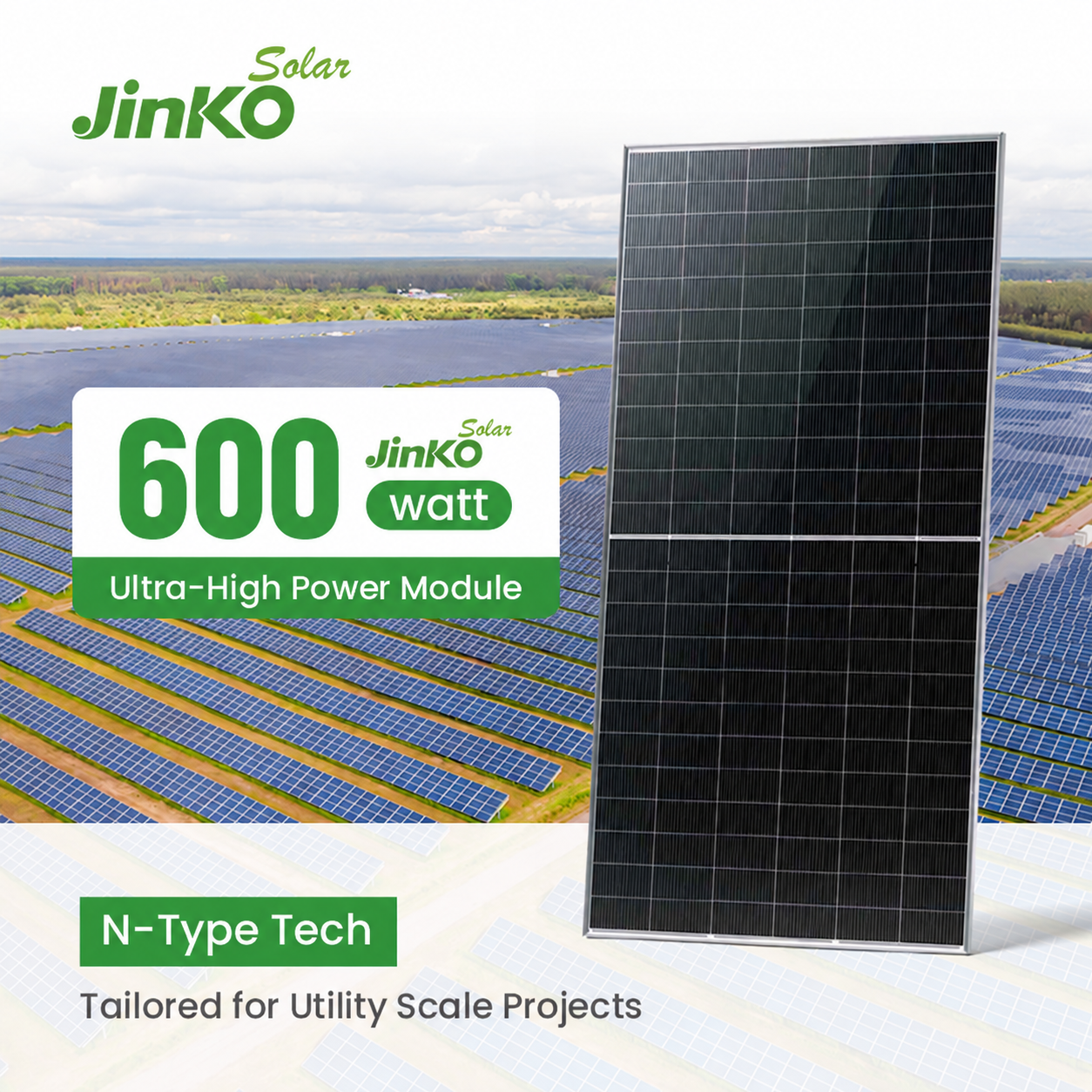
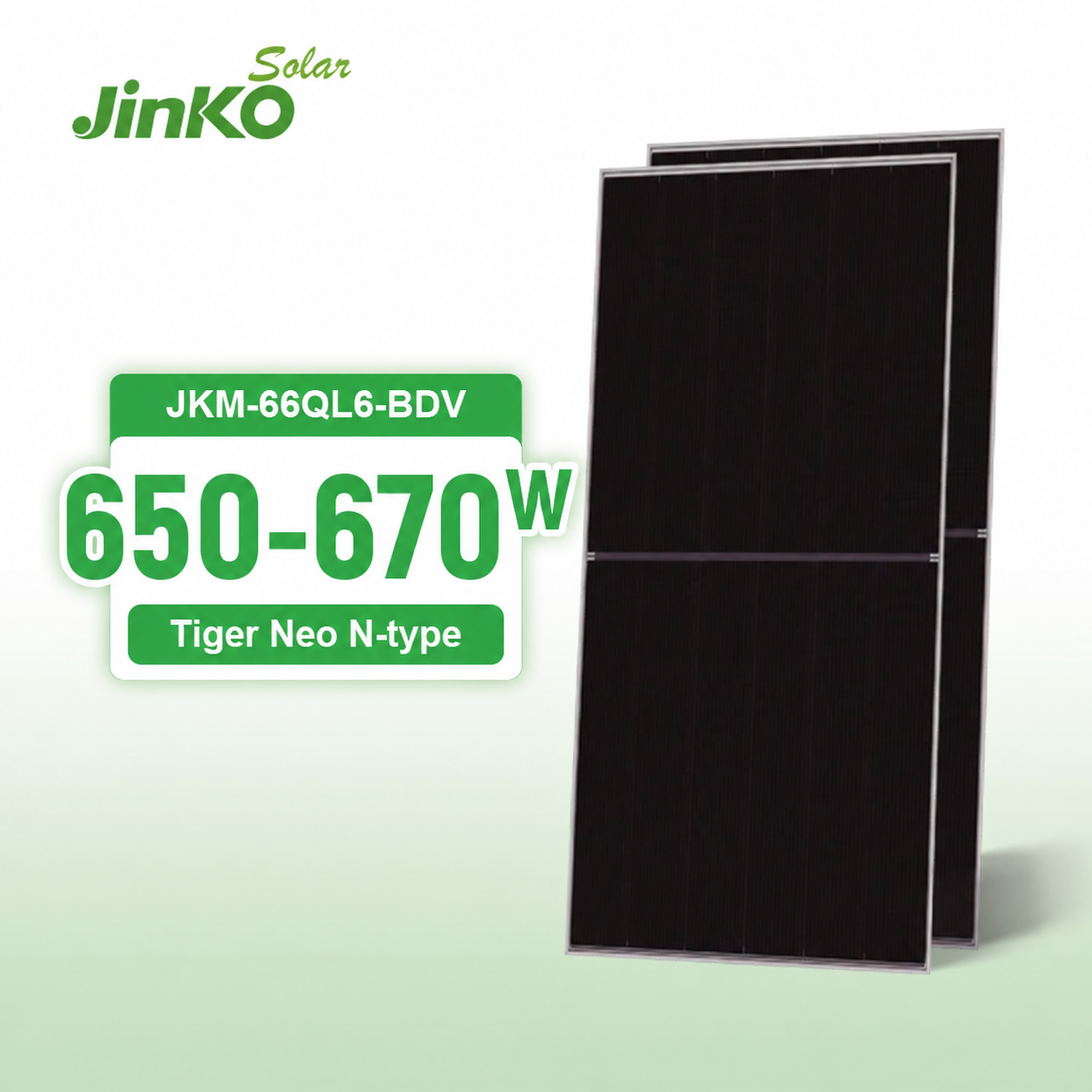
Jinko TOPCon Bifacial Paneles Solares 650 w Monocrystalline High Efficiency PV Panel
Utility Solar Array
Jinko TOPCon Bifacial Paneles Solares 650 w 650W 660W 670W Monocrystalline High Efficiency PV Panel for Solar Farm
View Technical Specs
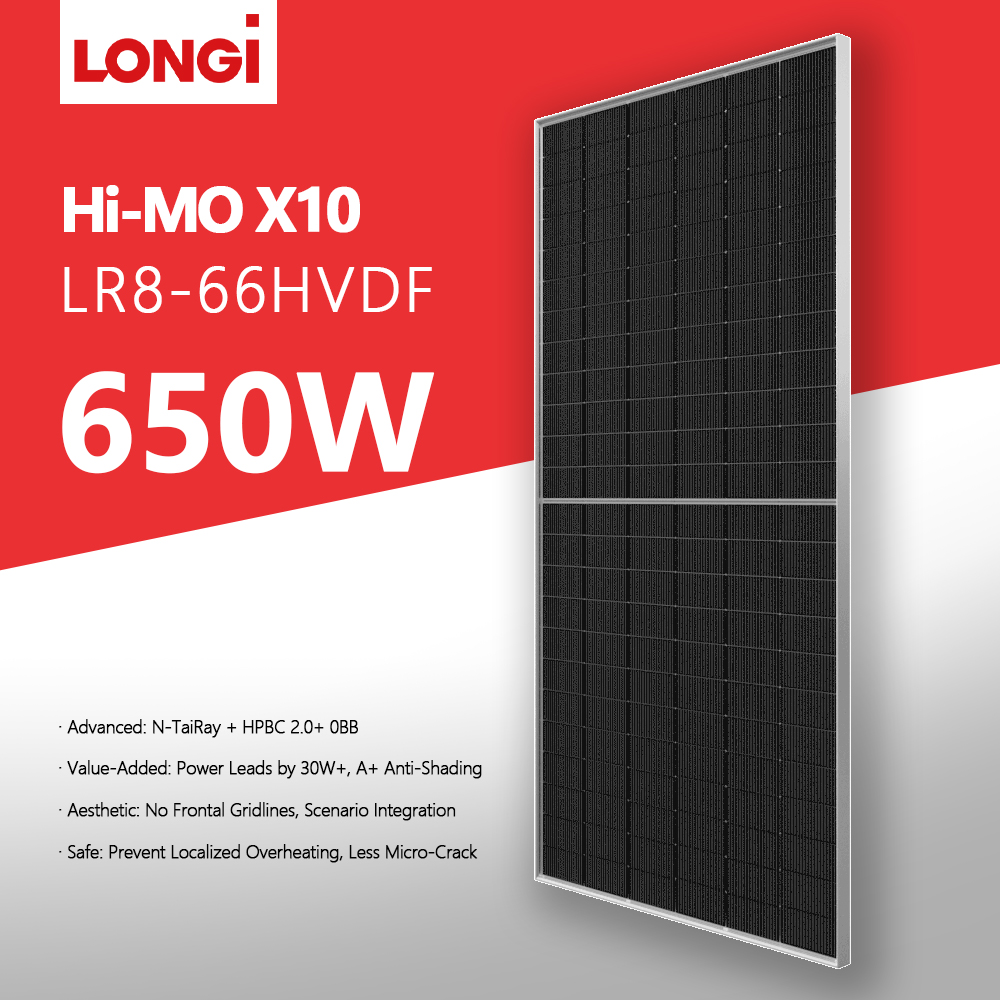
Commercial Grade LONGI Solar Panel 650W N-Type Solar Module
Commercial Solar + Battery
Commercial Grade LONGI Solar Panel 650W N-Type Solar Module Solar Panels with Battery and Inverter for Shopping Mall Rooftops
View Technical Specs
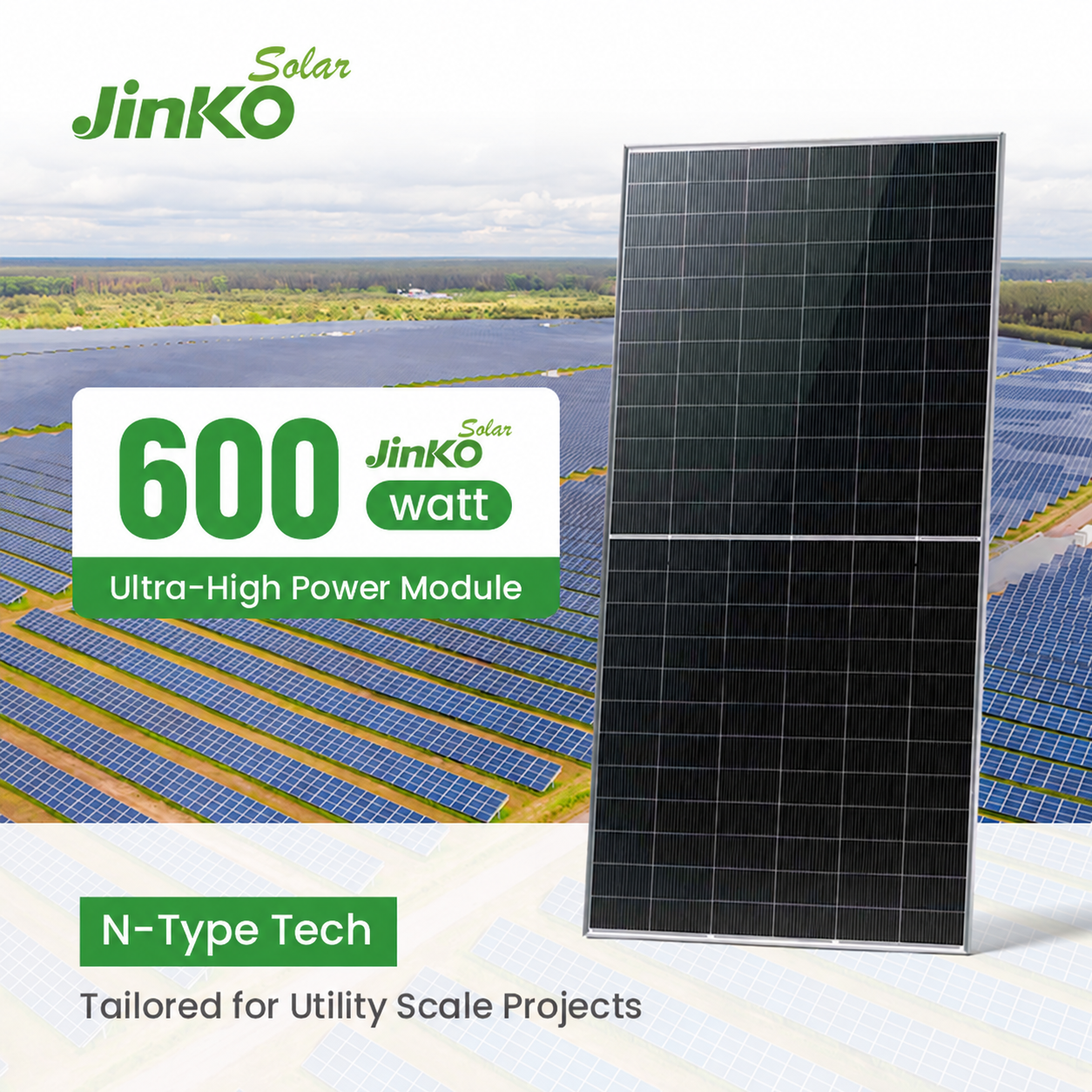
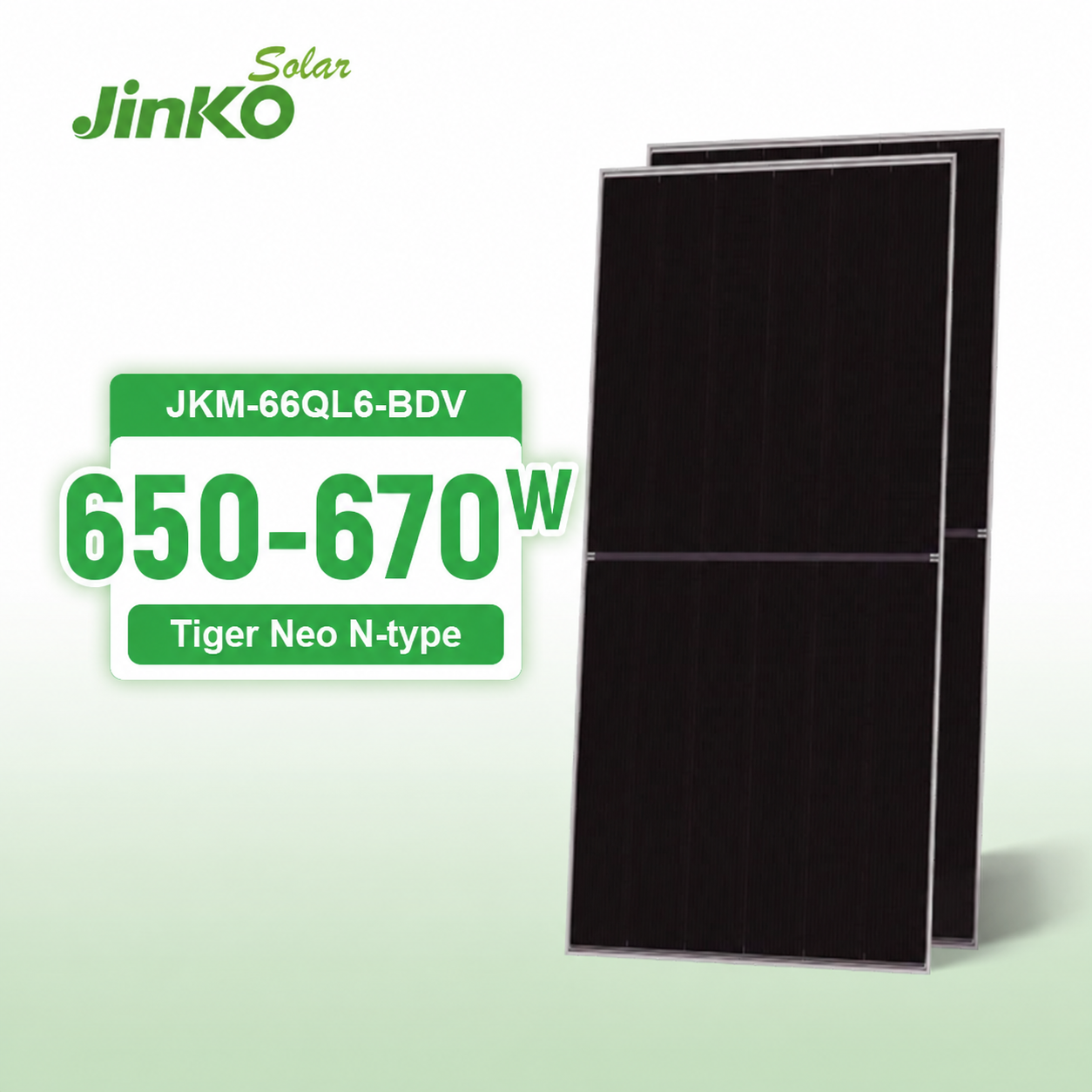
Jinko N Type 650W 660W 670W Wholesale TOPCon Photovoltaic Module
Commercial High-Voltage PV
Jinko N Type 650W 660W 670W Wholesale TOPCon Bifacial Photovoltaic Module for Commercial
View Technical Specs
Jinko Bifacial Solar Panels 600W Monocrystalline Dual Glass
Dual-Glass Resilience
Jinko Bifacial Solar Panels 600W 585W 590W Monocrystalline Dual Glass Solar Module for Home
View Technical Specs
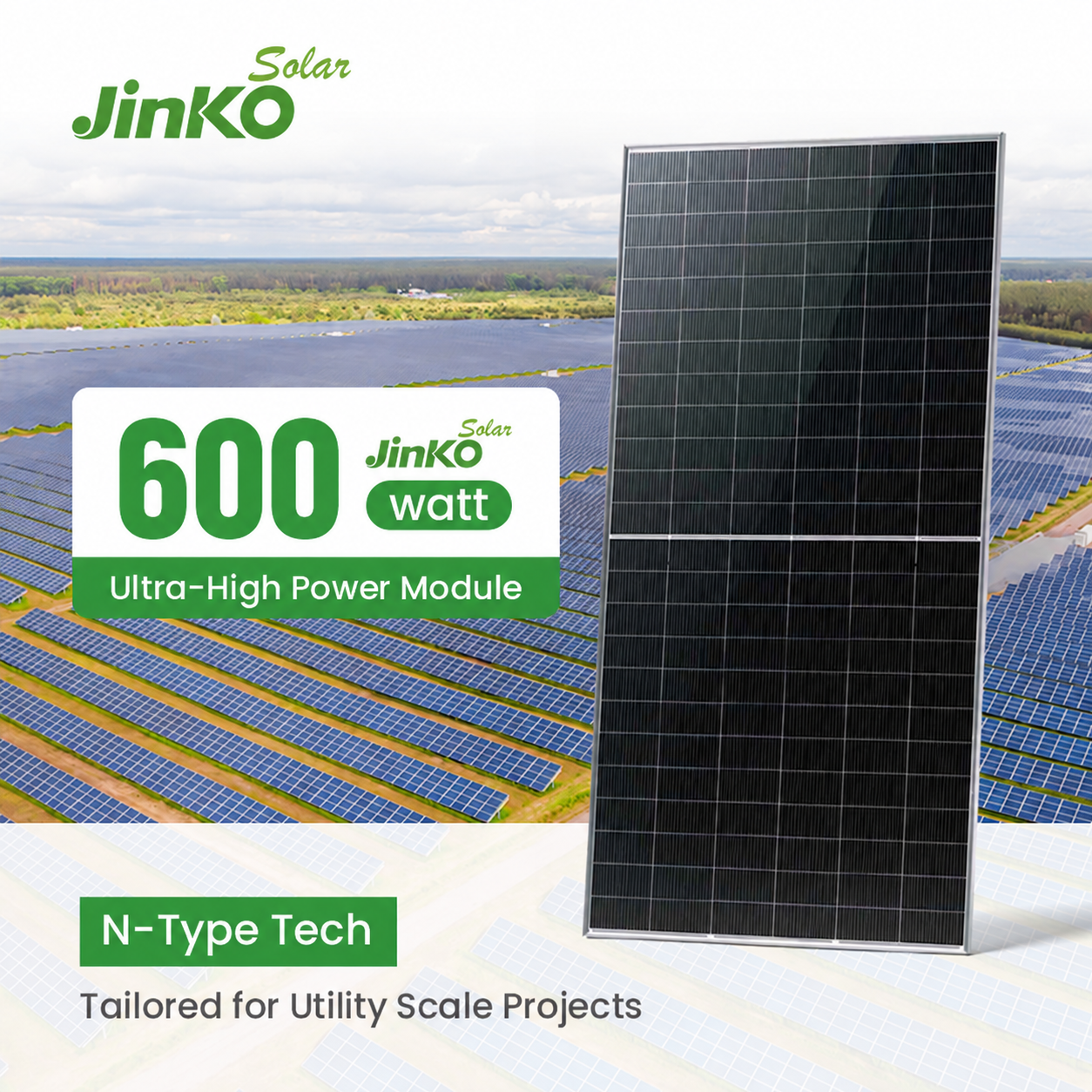
Jinko N Type Bifacial Photovoltaic Panels 600W TOPCon
Industrial Rooftop PV
Jinko N Type Bifacial Photovoltaic Panels 600W 585W 595W TOPCon Solar Module for Commercial
View Technical Specs
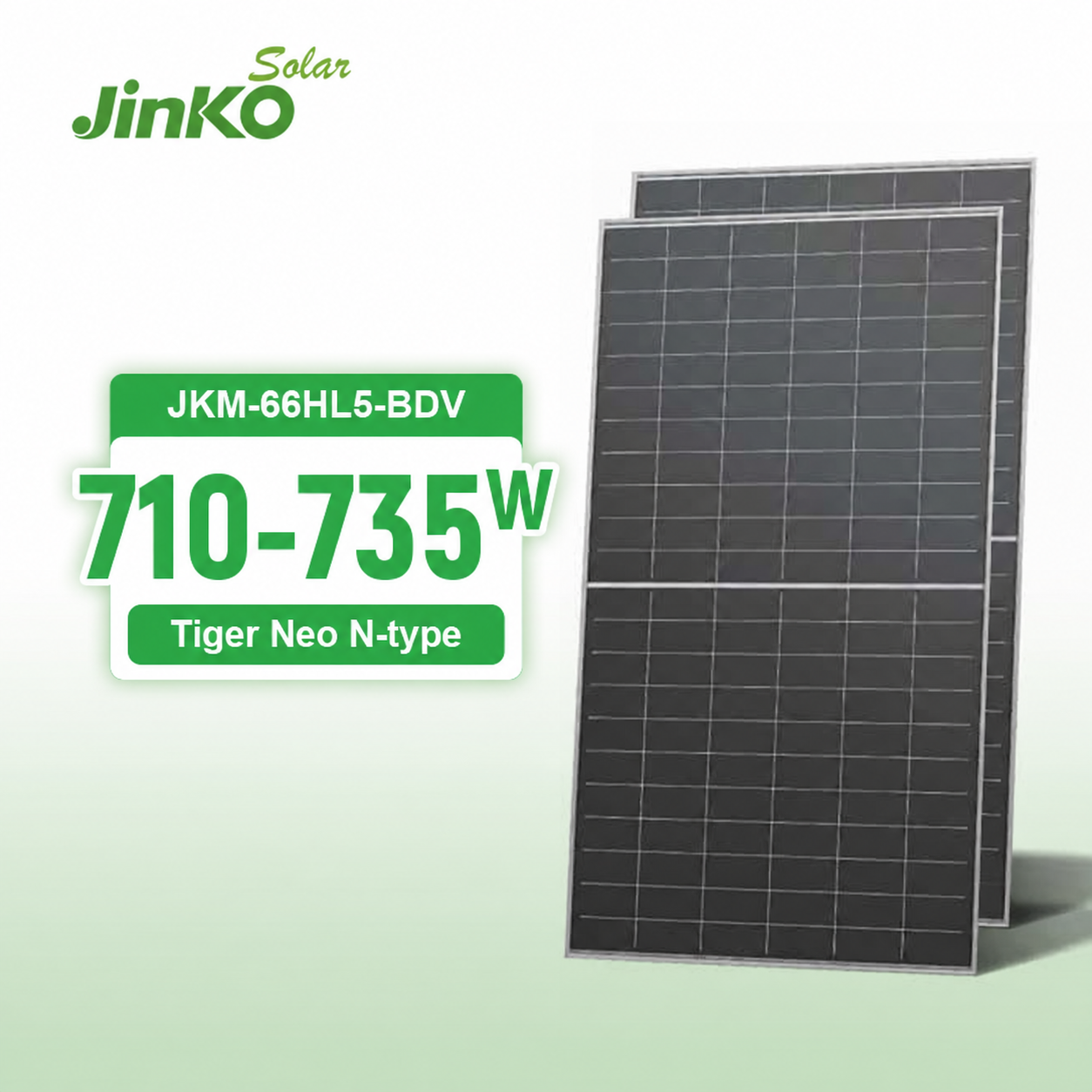
Jinko Wholesale Price 700 W 720W 730W Bifacial TOPCon Double Glass
Ultra-High Output PV
Jinko Wholesale Price 700 W 720W 730W 725W Bifacial TOPCon Double Glass High Efficiency Solar Module for House
View Technical Specs
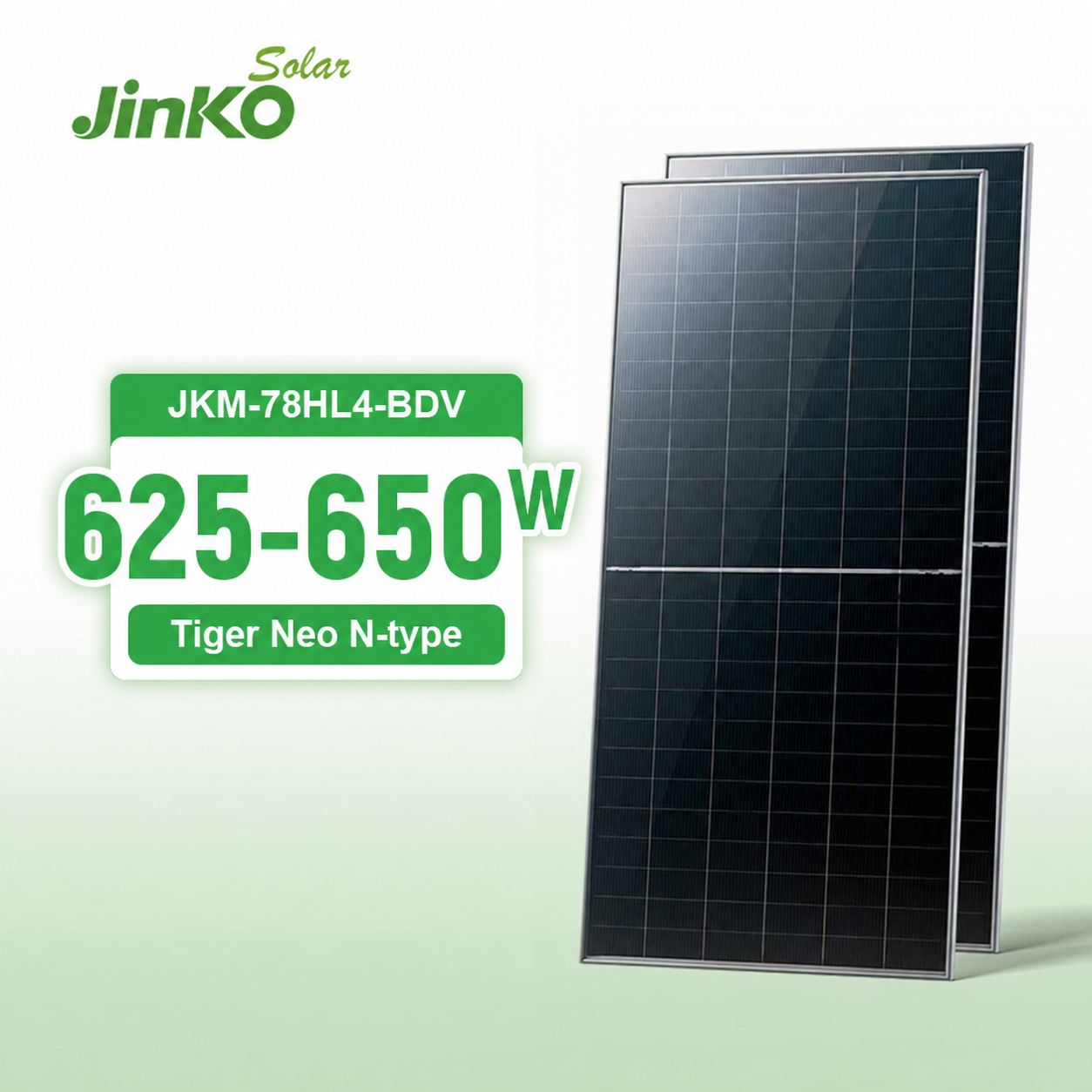
Jinko N Type Bifacial Pv Modules 630W Double Glass High Efficiency
Heavy Wind-Load Rated
Jinko N Type Bifacial Pv Modules 630W 625W 635W Double Glass High Efficiency Solar Panel Stock
View Technical Specs
Jinko N Type Bifacial Solar Panels 585W Monocrystalline High Efficiency
Distributed Generation
Jinko N Type Bifacial Solar Panels 585W 590W 575WTOPCon Monocrystalline High Efficiency PV Module for Home
View Technical Specs

Engineering High-Voltage ESS Architectures for Isolated Island Microgrids

In developing sovereign energy security for insular Caribbean economies like Saint Kitts and Nevis, low-voltage (48V/51.2V) DC battery topologies rapidly hit thermodynamic and electrical constraints when scaling beyond 100 kWh. For industrial estates in Basseterre, cruise ship terminal docks at Port Zante, and SKELEC (St. Kitts Electricity Company) distribution substations, transitioning to High Voltage Battery Energy Storage Systems (HV-BESS) operating between 600V DC and 1500V DC is an engineering imperative. High voltage configurations significantly reduce system currents for an equivalent megawatt-scale power throughput, allowing project EPCs to minimize I²R transmission copper losses, downsize conductor cabling gauges, and achieve overall round-trip efficiencies (RTE) exceeding 90% across the inverter-battery DC bus link.

Operating an energy storage asset within Basseterre introduces acute environmental stresses that standard commercial-grade battery enclosures cannot tolerate. Situated directly in the path of Atlantic maritime trade winds, any deployment within the Basseterre basin faces constant chloride aerosol exposure (ISO 9223 C5-M extreme marine corrosion category), persistent ambient temperatures averaging 28°C to 33°C, and relative humidity levels frequently surpassing 85%. Furthermore, the volcanic topography surrounding Mount Liamuiga channels severe tropical depressions and hurricane-force gusts during the Atlantic hurricane season, requiring physical containerized installations to be rated for 160+ mph wind loads with integrated structural anchoring points.

Technical Insight for Local EPCs: Unlike generic low-voltage lithium racks, CE Certified High-Voltage ESS containers supplied by Hangzhou VOLT New Energy integrate closed-loop liquid thermal management circuits directly to each prismatic LiFePO4 cell cluster. By keeping inter-cell temperature deltas within ≤2.5°C across a 1000V DC rack, cell degradation from localized hot spots is effectively arrested, extending asset life up to 15 years even under aggressive tropical cycling profiles (1.5 to 2 daily cycles under severe solar peak hours).

From an electrical safety standpoint, high voltage DC arcs present catastrophic failure modes if left unmitigated. Our CE Certified High Voltage ESS platforms incorporate multi-tier protection architectures featuring high-speed Pyro-fuses, dedicated DC contactors per cluster, high-sensitivity insulation monitoring devices (IMD) reading ground-fault impedances continuously, and automated aerosol/clean-agent fire suppression systems (Novec 1230 / FM-200) coupled with cell-level temperature, carbon monoxide, and smoke sensor matrices compliant with NFPA 855 and UL 9540A standards.

Application Scenarios

High Voltage Energy Storage Deployment Across Basseterre

Solving specific grid challenges, high diesel generation costs, and power quality bottlenecks for public and private infrastructure throughout Saint Kitts.

SKELEC Feeder Stabilization & Spinning Reserve

The Needsmust Power Station historically relies on heavy fuel oil and diesel generators to maintain spinning reserves against rapid grid frequency fluctuations. Deploying centralized 1000V–1500V containerized BESS at critical distribution nodes provides sub-second synthetic inertia and Primary Frequency Regulation (PFR). During sudden intermittent PV drops caused by fast-moving cloud cover over Basseterre, the high-voltage PCS instantaneously discharges active power, stabilizing the 60Hz grid frequency without triggering load shedding.

Port Zante Cruise & Cargo Shore Power Peak Shaving

Basseterre’s commercial harbor and Port Zante experience intense, intermittent power surges when modern cruise vessels, reefers, and maritime handling infrastructure tap local feeders. High-voltage ESS units act as high-capacity energy reservoirs, buffering megawatt-level charging spikes during berth operations. By charging during off-peak night cycles or from dedicated commercial PV arrays, the system eliminates prohibitive utility peak demand ratchets and prevents feeder voltage sags across downtown Basseterre.

Resort & Hospitality Island Microgrids (Southeast Peninsula)

Luxury resort enclaves and critical eco-developments along Frigate Bay and the Southeast Peninsula demand near 100% power reliability without acoustic or air pollution from continuous diesel generation. Modular high-voltage rack systems (200kWh to 2MWh) configured with grid-forming inverters provide seamless black-start capability. In the event of main grid disruption, the installation switches within 10 milliseconds to island mode, sustaining chillers, water desalination pumps, and hospitality HVAC loads quietly and cleanly.

Basseterre & Saint Kitts: Decarbonization Mandates and Grid Economics

The Federation of Saint Kitts and Nevis has enacted aggressive climate resilience targets through its National Energy Policy (NEP) and updated Nationally Determined Contributions (NDCs), aiming for a drastic reduction in fossil-fuel generation by 2030. High fuel import costs make electrical generation across Basseterre vulnerable to global oil price volatility, leading to elevated fuel surcharges on commercial and residential SKELEC utility bills. Solar photovoltaic expansion is the natural answer, yet utility networks on small islands can suffer severe voltage instability when solar PV penetration exceeds 25% without dedicated storage buffers.

This reality has triggered a structural transition in procurement: distributed generation tenders across Basseterre now mandate bundled "PV + Storage" configurations. High Voltage ESS serves as the linchpin for this transition. By time-shifting midday solar production through bulk peak shaving and injecting stored energy during the 6:00 PM – 10:00 PM evening demand peak, high-voltage systems maximize the self-consumption of commercial rooftop arrays and ground mounts across Basseterre's industrial areas.

Levelized Cost of Storage (LCOS) Advantage: With local diesel generation costs frequently hovering above $0.32–$0.40 per kWh during peak oil cycles, an engineered LiFePO4 High Voltage ESS delivering 6,000 full cycles offers an amortized levelized storage cost below $0.08–$0.11 per kWh over its operational lifecycle. This margin unlocks rapid capital payback for Basseterre enterprises, commercial shopping centers, and municipal pumping facilities within 3.5 to 5 years.
Factory Engineering & Export Authority

Why International EPCs & Caribbean Utilities Partner With Us

Hangzhou VOLT New Energy Technology Co., Ltd. eliminates project execution risks through pre-shipment compatibility matching, complete dangerous goods compliance, and factory acceptance testing.

Pre-Shipment Protocol Verification

Every high-voltage ESS BMS stack is tested directly with target PCS and hybrid inverters (Deye HV, Megarevo, Sungrow, Kehua) via CAN 2.0B / RS485 before packing. Zero field communication mismatches or unrecognized protocol alarms upon Caribbean arrival.

Class 9 Dangerous Goods Sea Freight

Complete UN38.3 test reports, full MSDS dossiers, and certified DG packaging containers ready for sea freight directly to Basseterre Deep Water Port. We coordinate all hazardous cargo declarations for swift customs clearance.

Tier-1 Direct Supply Consolidation

Direct supply line partnerships with Tier-1 PV manufacturers (Jinko, LONGi) paired with our own-brand LiFePO4 battery modules. We consolidate solar panels, high-voltage battery racks, inverters, and switchgear in unified 20ft/40ft maritime containers.

Full Electrical Engineering Support

Our dedicated engineering department generates comprehensive CAD single-line diagrams (SLD), DC cable gauge calculations, short-circuit current ratings (SCCR), and remote commissioning guidance for on-site local electrical contractors in Saint Kitts.

Caribbean Procurement FAQ

Technical Questions Frequently Raised by Basseterre Engineers

In-depth engineering answers covering grid interconnection, environmental durability, shipping logistics, and safety protocols.

How do High Voltage ESS architectures handle the SKELEC grid code and interconnection requirements in Basseterre?
Our High Voltage ESS solutions are paired with CE-certified power conversion systems (PCS) and hybrid inverters that meet international grid interconnection standards (IEEE 1547, UL 1741 SA/SB, and IEC 62116). For integration into the SKELEC grid in Basseterre, the system provides programmable voltage and frequency ride-through (V/F RT), active power curtailment, reactive power support (±0.8 power factor adjustment), and integrated anti-islanding detection. The high-speed response of our BMS-PCS loop ensures that sudden grid frequency excursions at local substations are stabilized within 20 milliseconds, aligning smoothly with local utility interconnection rules.
What anti-corrosion protection is applied to withstand Basseterre’s marine salt-spray atmosphere?
To withstand Basseterre’s extreme marine coastal environment (ISO 12944 C5-M corrosivity category), our outdoor battery enclosures and containerized solutions undergo a specialized multi-stage surface treatment. This includes hot-dip galvanization, zinc-rich epoxy primers, and polyurethane marine topcoats rated for 1,500+ hours of continuous salt spray testing under ASTM B117 standards. All exterior hardware, hinges, and fasteners are manufactured from 316-grade stainless steel. Air-intake louvers are equipped with multi-stage hydrophobic salt-fog filtration membranes (IP55 to IP65 rated) to eliminate moisture and airborne salt crystals from entering internal battery electronics.
What is the lead time and shipping route for high-capacity LiFePO4 batteries to Basseterre Deep Water Port?
Lithium iron phosphate (LiFePO4) high-voltage battery racks and containerized systems are classified as Class 9 Dangerous Goods (UN3480). Production, factory acceptance testing (FAT), and protocol matching typically take 25 to 35 days depending on system capacity. Ocean freight departs Ningbo or Shanghai, routing via major Caribbean transshipment hubs (e.g., Kingston, Jamaica or Port of Spain, Trinidad) before reaching Basseterre Deep Water Port in approximately 38 to 48 days transit time. Hangzhou VOLT New Energy supplies full maritime DG declarations, certified dangerous goods steel strapping, IMO-compliant packaging, and complete customs dossiers for streamlined clearance.
How are high-voltage battery thermal runaways prevented under high tropical ambient temperatures?
Thermal safety relies on a four-tier architecture. First, we strictly utilize high-stability lithium iron phosphate (LiFePO4) prismatic cells possessing high thermal runaway resistance (exceeding 270°C before decomposition). Second, the battery enclosures feature industrial liquid cooling or high-capacity dual HVAC redundancy configured to maintain internal temperatures precisely at 22°C ± 2°C, regardless of external ambient spikes reaching 38°C in Basseterre. Third, our proprietary multi-tier BMS continuously samples voltage, current, and cell temperatures at 100ms intervals, executing automatic disconnection via high-speed breakers if anomalous thermal gradients are detected. Fourth, containers integrate automatic aerosol and clean-gas fire extinguishing systems (NFPA 855 compliant) designed to neutralize potential fire threats before propagation.
Can your high-voltage ESS be combined with existing diesel generators for hybrid microgrid operation?
Yes. Our high-voltage power conversion systems support intelligent hybrid microgrid controllers with dry-contact generator start/stop logic and Modbus/TCP telemetry. In this setup, the high-voltage ESS acts as the primary microgrid reference (grid-forming mode), instantly supplying transient motor-starting surges and smoothing fluctuating PV generation. The diesel generator is only commanded to run when the battery state of charge (SoC) drops below a predetermined threshold (e.g., 15–20%) and operates strictly within its optimal 75–85% fuel efficiency zone to recharge the battery stack. This strategy typically slashes diesel fuel consumption by 40% to 75% for off-grid operations in Saint Kitts.
Direct B2B Engineering Consultation

Accelerate Your High-Voltage Solar Storage Project in Basseterre

Submit your electrical single-line requirements, daily load profiles, or utility tender specifications. Our technical engineering division will generate a comprehensive system sizing calculation, verified protocol compatibility plan, and consolidated sea-freight quotation within 24 business hours.

Get Catalog