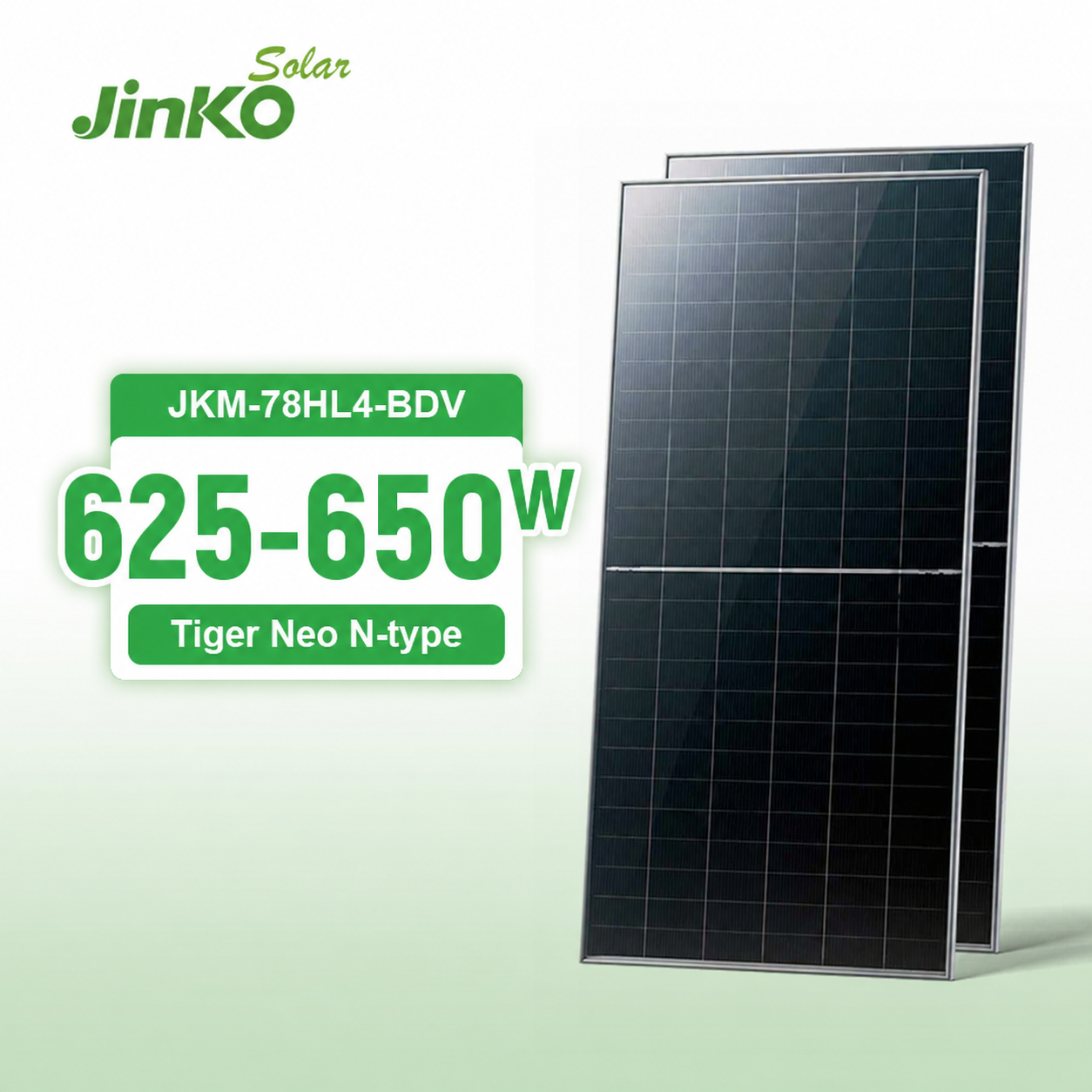
Jinko Bulk 630W 625W 640W TOPCon Bifacial Monocrystalline High Efficiency PV Panel
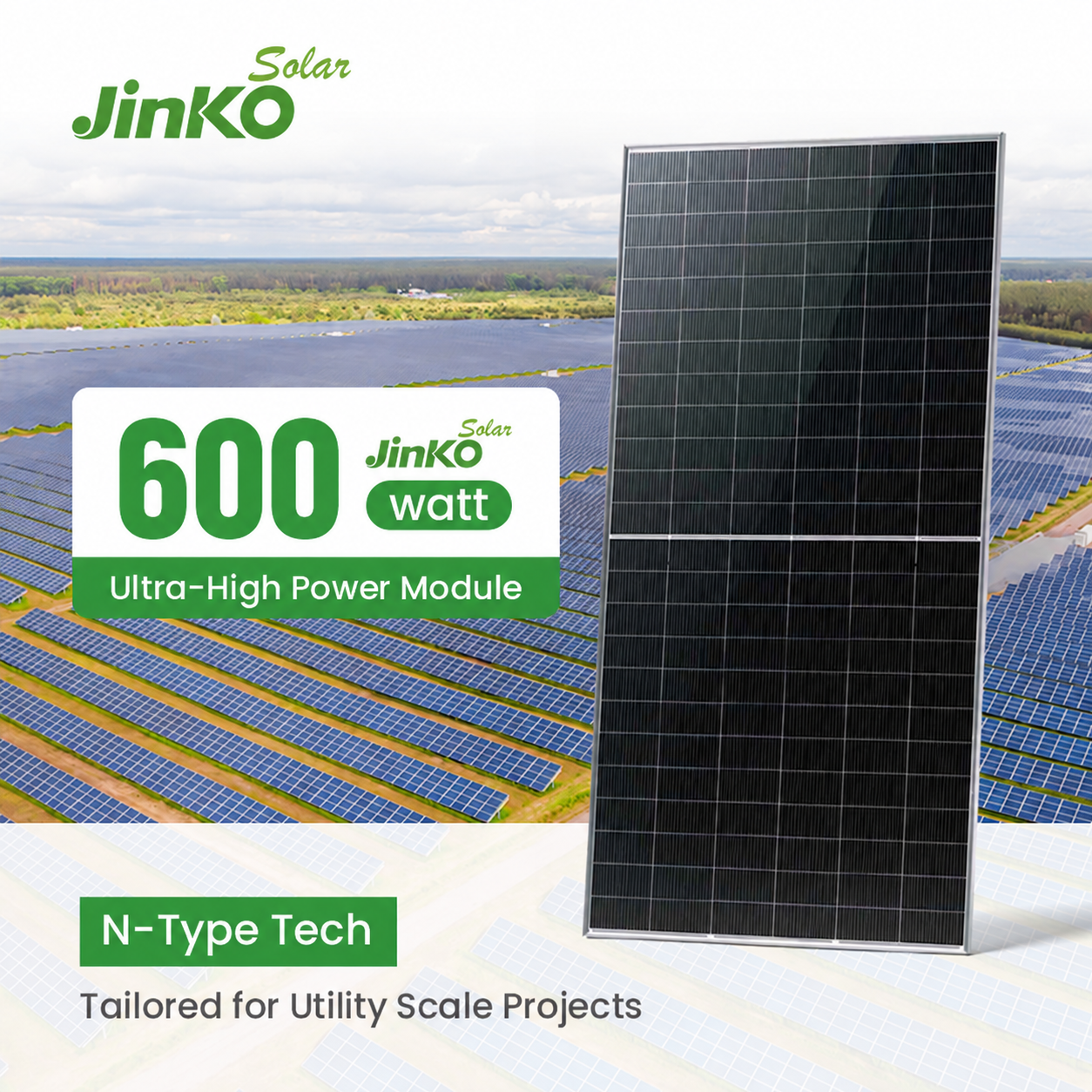
Jinko N Type Bifacial Photovoltaic Panels 600W 585W 595W TOPCon Solar Module for Commercial
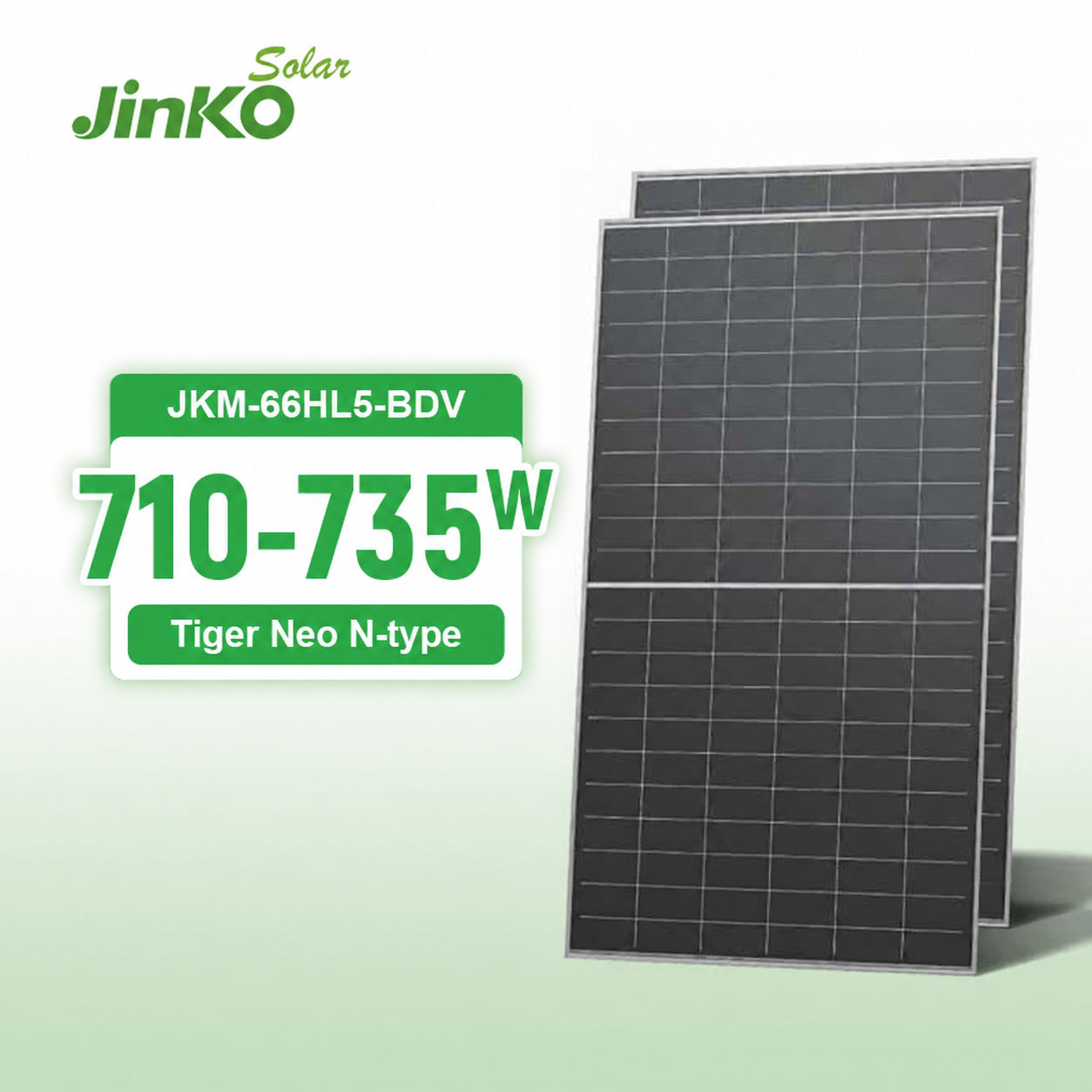
Jinko N Type Bifacial Pv Solar Panels 720W 710W 715W Dual Glass Industrial Photovoltaic Module
Jinko High Efficiency Bifacial 600W 585W 575W 595W Double Glass N Type Solar Panel in Stock
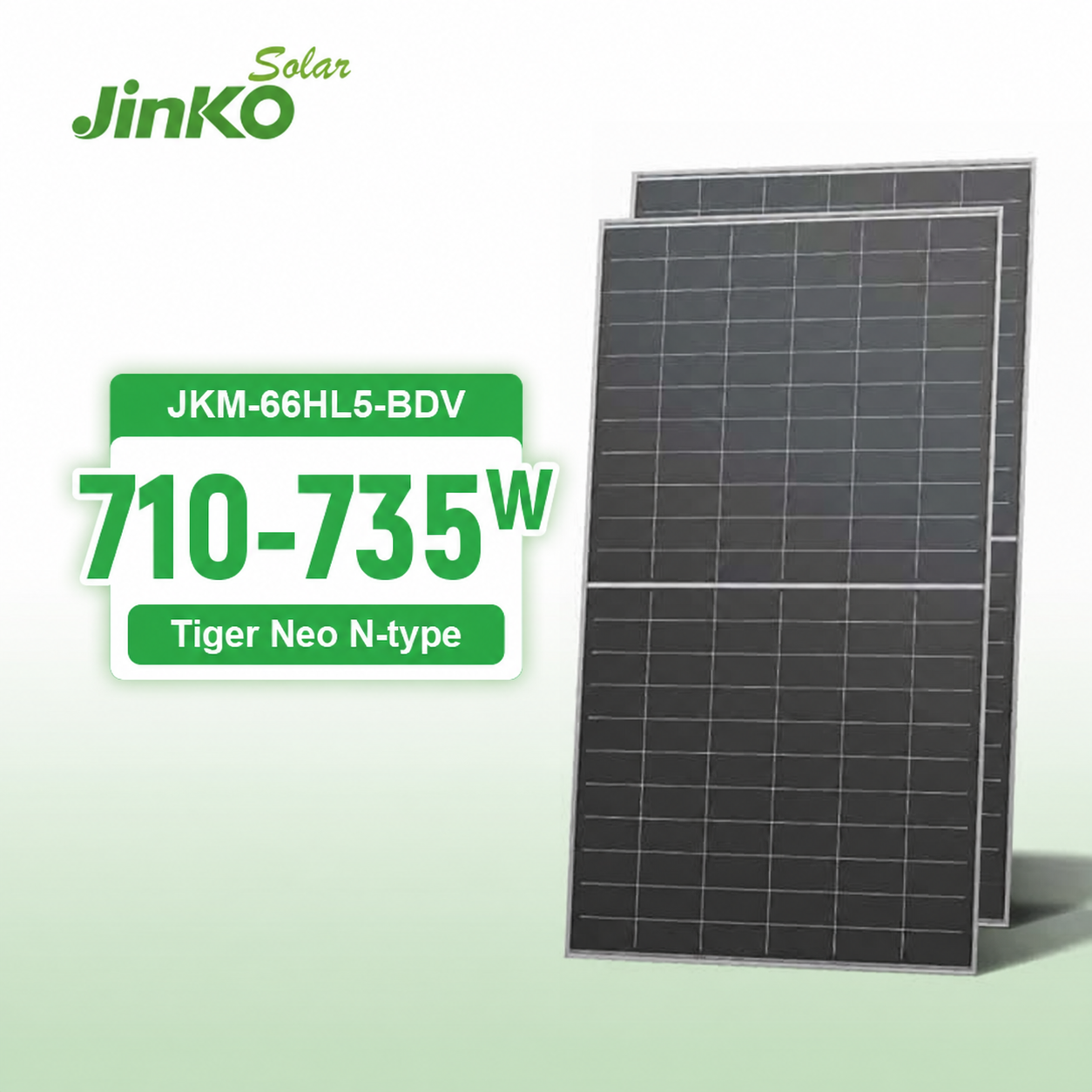
Jinko N Type Solar Panels 700W 710W 730W 725W TOPCon Bifacial Module for Commercial Projects
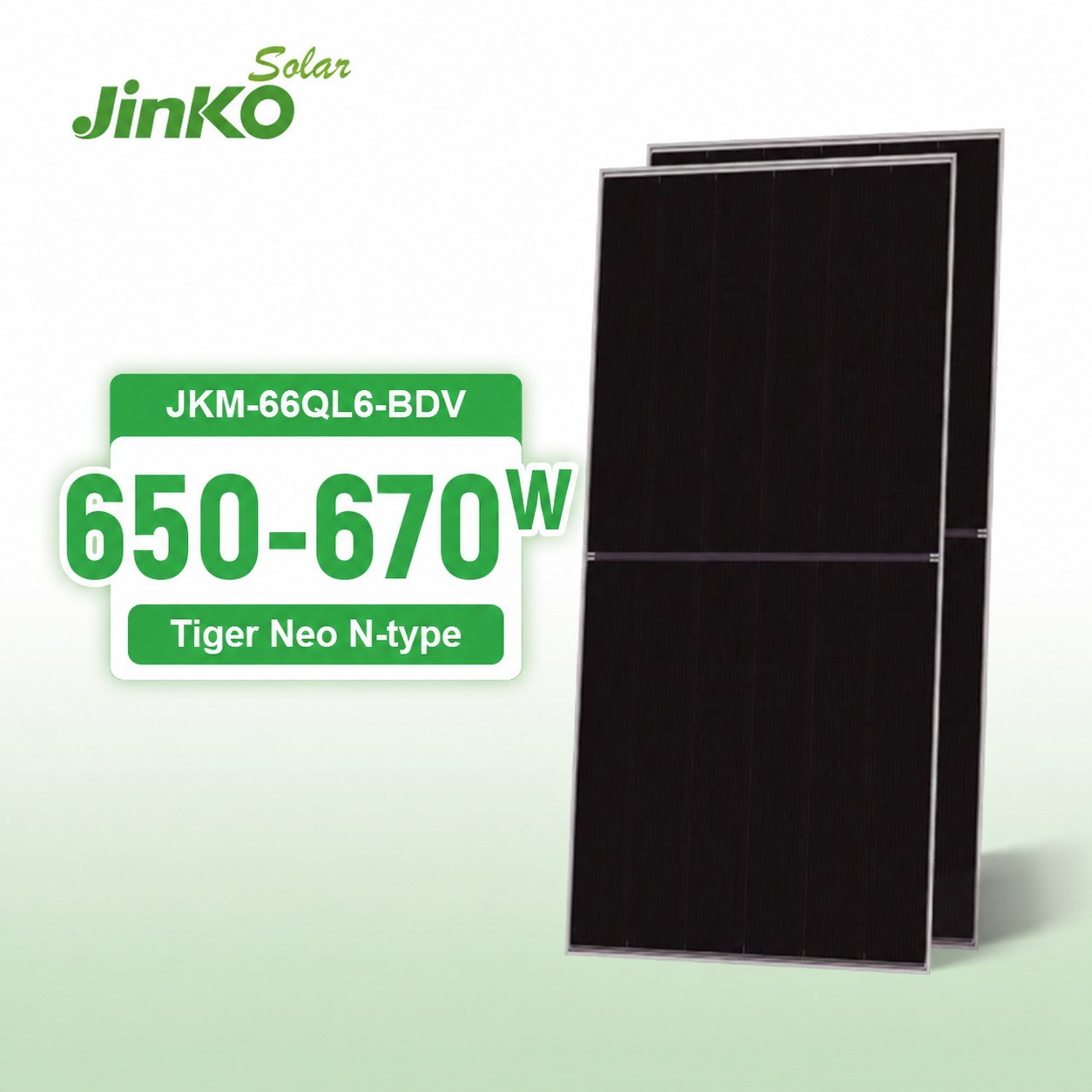
Jinko Panneau Solaire 660w 650W 660W 670W N Type Bifacial Dual Glass Photovoltaic Panel
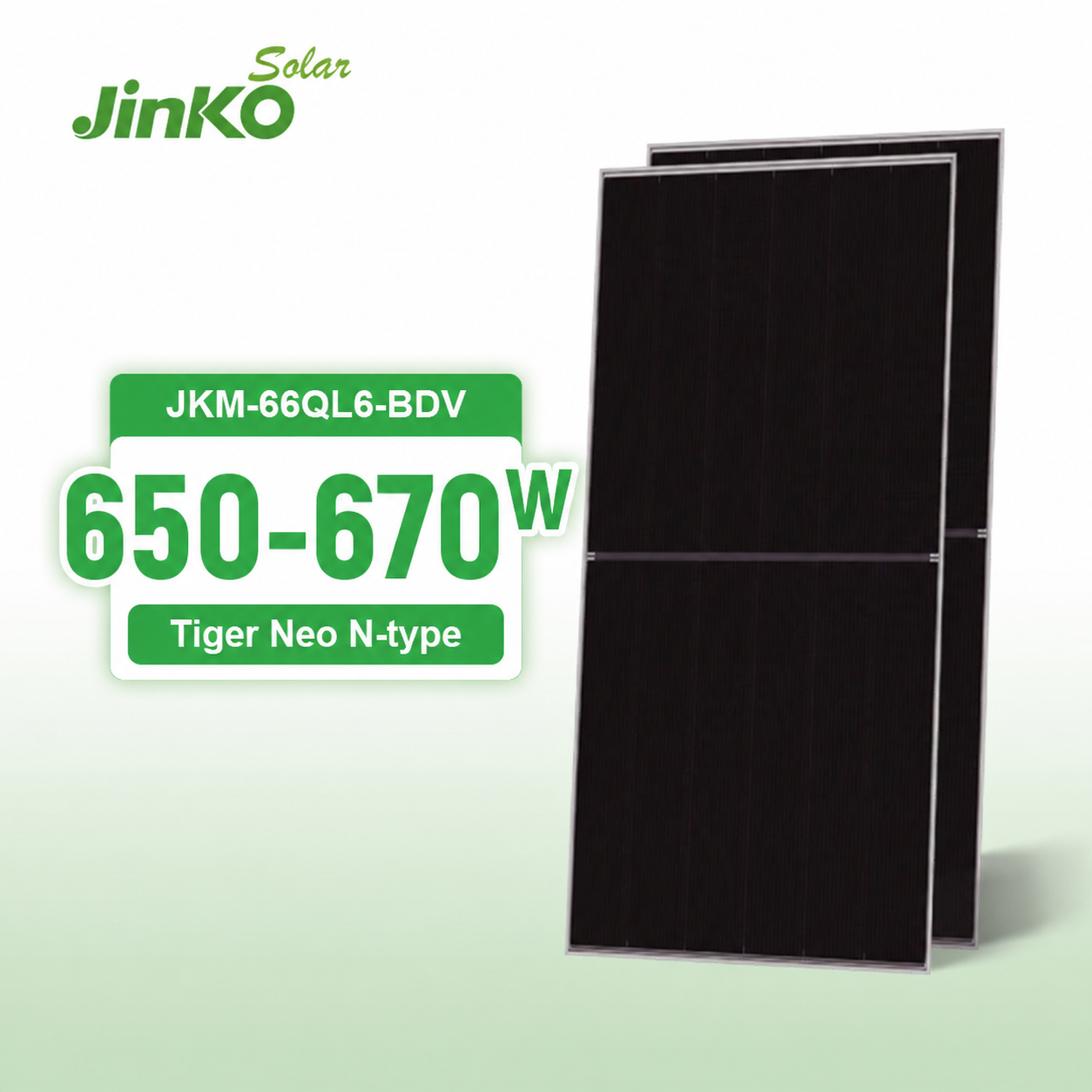
Jinko N Type Bifacial Pv Modules 650W 660W 670W Double Glass Solar Photovoltaic Panel
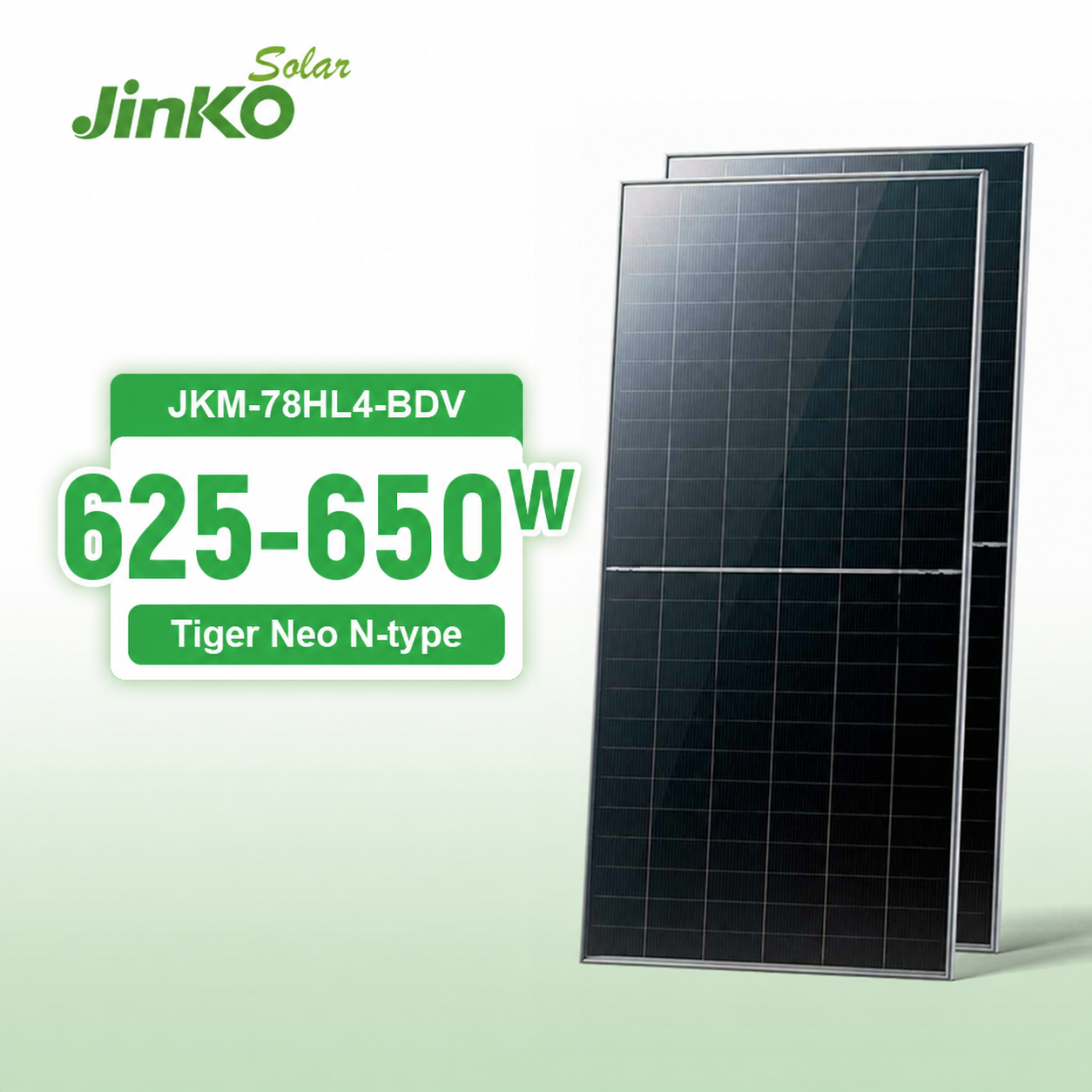
Jinko High Efficiency Bifacial Pv Panels 625W 635W 645W Double Glass Solar Panel for Farm
Deep PSoC Cycles at 70% DoD under Extreme 35°C Tropical Ambient
Global Export Markets Cleared via UN38.3, CE & IEC Compliance
Thermal Runaway Risk in High-Humidity Coastal Environments
Technical Sizing & Direct Factory Proforma Response for EPCs
Navigating Guyana's Power Transition: The Strategic Imperative for Industrial Lead Carbon Storage in Georgetown
As Georgetown continues its meteoric rise as the primary commercial hub of the Guiana Shield, the local energy architecture faces a profound structural paradox. While Guyana's gross domestic product accelerates via offshore energy capitalization, the terrestrial electrical grid operated by the Guyana Power and Light (GPL) Demerara-Berbice Interconnected System (DBIS) confronts severe daily transmission volatility, frequent feeder line trips, and voltage sag phenomena. For commercial operations along Water Street, manufacturing facilities in Ruimveldt, and regional cold-chain facilities spanning East Coast Demerara, power interruptions are not merely occasional inconveniences—they are critical operational liabilities.
Historically, engineering contractors and commercial entities throughout Georgetown relied heavily on heavy-duty diesel gensets or conventional flooded and valve-regulated lead-acid (VRLA) AGM batteries. However, traditional lead-acid chemistry exhibits catastrophic premature degradation when subjected to Partial State of Charge (PSoC) operation, a chronic condition in tropical microgrid architectures where erratic solar generation and frequent grid dips prevent a continuous 100% saturation recharge. Conversely, while standard lithium-ion (LiFePO4) chemistries offer high energy density, their stringent operating temperature thresholds require dedicated, energy-hungry air-conditioned enclosure containers to prevent thermal acceleration in coastal Georgetown's unrelenting 30°C to 35°C ambient humidity and saline marine atmospheres.
This technical bottleneck is where advanced Lead Carbon Battery Energy Storage Systems (BESS), engineered and exported directly from Hangzhou VOLT New Energy Technology Co., Ltd. in China, provide transformative value. By synergistically integrating ultra-conductive activated carbon nano-capacitance materials into the negative electrode plate, lead carbon cells eradicate destructive negative plate sulfation during rapid PSoC cycling, withstand elevated ambient temperatures without active air conditioning, and deliver a levelized cost of storage (LCOS) that beats both conventional gel batteries and capital-intensive imported lithium banks in coastal tropical microgrids.
Lead Carbon vs. Traditional Gel vs. Standard Lithium-Ion: The Georgetown Engineering Assessment
To make an educated procurement decision, electrical design engineers and EPC project directors in Georgetown must examine how chemical architectures respond to real-world equatorial conditions. Below is a detailed engineering parameter comparison tailored specifically to the Demerara coastal climate, grid instability index, and maritime logistics.
| Performance Parameter | Advanced Lead Carbon (VOLT Series) | Standard Deep-Cycle GEL (VRLA) | Standard Lithium LFP (51.2V Rack) |
|---|---|---|---|
| Cycle Life @ 70% DoD | 3,800 – 4,500 Cycles | 1,200 – 1,500 Cycles | 5,000 – 6,000 Cycles |
| Partial State of Charge (PSoC) Endurance | Exceptional (Capacitive Carbon Buffer) | Poor (Irreversible Sulfation Risk) | Excellent (Requires Active Balancing) |
| Ambient Thermal Resilience (30°C – 38°C) | High (Minimal degradation up to 40°C) | Moderate (Cycle life halved per 10°C rise) | Low (Mandatory HVAC Enclosures) |
| Thermal Runaway & Fire Hazard Profile | Zero Explosion/Combustion Risk | Negligible Risk | Requires Stringent Class 9 & Aerosol Fire Suppression |
| Recharge Acceptance Rate (Charge Current) | Up to 0.4C – 0.6C (Fast Recharging) | Limited to 0.15C – 0.2C | 0.5C – 1.0C |
| Upfront Capital Expenditure (Capex / kWh) | Low to Moderate ($110 - $145/kWh) | Lowest ($85 - $105/kWh) | High ($185 - $260/kWh landed with BMS/HVAC) |
| Levelized Cost of Storage (LCOS over 10 yrs) | $0.062 / kWh Stored | $0.148 / kWh Stored | $0.078 / kWh (Factoring HVAC parasitic loads) |
| Georgetown Port Shipping & Clearance Protocol | Standard Non-Hazardous Cargo | Non-Hazardous Non-Spillable | Strict Class 9 Dangerous Goods (UN38.3 DG Tariff) |
Engineering Takeaway for Guyana EPCs: In scenarios where dedicated air-conditioned containerization is unavailable, unfeasible, or consumes too much parasitic energy, Lead Carbon delivers unmatched resilience. The inclusion of nano-carbon supercapacitor mechanics directly into the negative plate suppresses crystalline lead-sulfate growth, ensuring systems operated in partial charge cycles retain nominal capacity year after year.
Tailored Lead Carbon Systems for Georgetown's High-Stress Use Cases
From the Demerara riverfront to interior agricultural corridors, our systems are engineered for harsh tropical coastal duty.
C&I Peak Shaving & UPS
Commercial shopping complexes, corporate headquarters, and bank branches in downtown Georgetown require uncompromised voltage stability during peak demand hours, smoothing out GPL feeder fluctuations without firing noisy diesel backup units.
Coastal Cold-Chain & Seafood
Shrimp processing centers and fish storage plants along Meadow Bank and the East Bank corridor utilize our high-rate discharge lead carbon banks to guarantee thermal integrity for refrigeration compressors during extended nocturnal outages.
Mining & Timber Staging Hubs
Supply centers in Georgetown outfitting hinterland mining operations in Region 7 and Region 8 bundle rugged lead-carbon banks with heavy-duty Deye off-grid inverters that endure punishing transit over unpaved interior trails without cell-puncture risks.
Telecom & Critical Repeaters
Cellular base stations and microwave links across Demerara and Essequibo waterways experience zero maintenance downtime with sealed, valve-regulated lead carbon modules that withstand ambient temperatures above 35°C without degradation.
Why Georgetown Project Developers Partner with Hangzhou VOLT New Energy
Eliminating compatibility headaches, hazardous cargo delays, and communication barriers across the trans-Pacific supply chain.

Pre-Shipment Protocol Verification
We eliminate "BMS Communication Error" on site. Every lead-carbon monitoring unit or hybrid inverter parameter package is pre-calibrated and load-tested in our Hangzhou testing facility before packing.

Factory Direct Rigorous QC
100% capacity grading, cell internal resistance pairing, high-pressure dielectric barrier tests, and full video/photo dispatch documentation so Guyanese buyers inspect goods before maritime loading.

Consolidated Container Loading
Maximize your freight economics. We consolidate high-power Jinko TOPCon modules, Deye hybrid inverters, lead-carbon storage racks, and DC disconnect switchgear safely into single 20GP or 40HQ containers.
B2B Engineering Consultation
Receive end-to-end electrical schematics, string sizing calculations for Georgetown solar arrays, circuit breaker sizing, and direct engineering consultation in fluent English for your field commissioning teams.
Guyana's Low Carbon Development Strategy (LCDS 2030) & The Decentralized Storage Boom
Under the progressive framework of the Guyana Low Carbon Development Strategy (LCDS 2030) and the ongoing national Gas-to-Energy project at Wales, the Demerara-Mahaica administrative region is transitioning toward a diversified, resilient power baseline. While centralized gas turbine capacity aims to stabilize core bulk supply by mid-decade, decentralized solar-plus-storage remains the only immediate guarantee of power continuity for private enterprise, agro-processing mills, and private medical networks across Georgetown.
Diesel Displacement Economics
With localized industrial fuel prices averaging substantial freight premiums over international benchmarks, substituting daytime generator runtime with lead-carbon solar cycling delivers an average capital payback of 22 to 28 months for Georgetown businesses.
Zero Import Tariff Integration
Guyana's forward-looking tariff exemptions on renewable energy equipment—including solar panels, certified inverters, and clean energy storage devices—significantly reduce upfront landing duties when clearance manifests are properly classified and documented by VOLT.
Extreme Saline Air Resilience
Georgetown sits slightly below sea level with constant exposure to Atlantic sea salt aerosols. Our lead-carbon units are housed in corrosion-resistant, airtight ABS enclosures with heavy-duty silver-plated brass terminals, guaranteeing zero terminal oxidation.
Frequently Asked Questions by Georgetown B2B Importers & Contractors
Clear, definitive answers addressing regulatory compliance, shipping logistics to Port Georgetown, and technical integration.
What makes Lead Carbon batteries technically superior to ordinary AGM or GEL batteries for Georgetown's specific electrical conditions? ↓
How does maritime shipping from Ningbo/Shanghai to Port Georgetown work, and what is the transit timeline? ↓
Can Hangzhou VOLT consolidate solar panels, Deye inverters, and battery banks into a single container for Guyana customs clearance? ↓
Are Lead Carbon battery systems compatible with Deye hybrid and off-grid inverters? ↓
Why choose Lead Carbon over LiFePO4 (Lithium) for an industrial project in coastal Demerara? ↓
How do you handle warranty claims and technical servicing for installations in Guyana? ↓
Power Your Georgetown Project with China's Premier Energy Storage Partner
Send your project load profile, single-line diagram, or commercial solar capacity specifications today. Our senior electrical engineering team will deliver a comprehensive system sizing calculation, inverter pairing map, and landed Port Georgetown proforma quote within 24 hours.