Navigating the Houston Energy Crisis: Strategic LFP Battery Architecture for ERCOT Resilience
A deep technical examination of lithium iron phosphate chemical resilience, C&I peak shaving economics, and hurricane microgrid engineering along the Texas Gulf Coast.
The Greater Houston metropolitan area occupies a uniquely volatile position at the intersection of North American energy production and climate exposure. Regulated under the Electric Reliability Council of Texas (ERCOT) deregulated wholesale market, Houston businesses, EPC contractors, and residential developers face extreme wholesale spot-price fluctuations—ranging from negative pricing during generation surges to the statutory cap of $5,000/MWh during peak summer heatwaves. Compounding this market dynamic is the existential threat posed by severe meteorological incidents, including Category 4 and 5 hurricanes, tropical deluges, and the increasingly frequent winter freezing events known collectively as arctic air outbreaks (such as Winter Storm Uri and Hurricane Beryl). In this demanding operational setting, ordinary energy storage configurations fall short. Deploying China’s premier Lithium Iron Phosphate (LiFePO4 / LFP) battery technologies—specifically matched with high-yield TOPCon solar arrays and Tier-1 hybrid inverters—has transitioned from an elective sustainability goal to a mission-critical infrastructure mandate.
Hangzhou VOLT New Energy Technology Co., Ltd. serves as an authoritative Chinese manufacturer, integrator, and dedicated exporter delivering engineered LFP storage solutions to the Houston market. Grounded in our rigorous commitment to pre-shipment validation, international compliance (UL 1973, UL 9540A, IEC 62619, and UN 38.3), and end-to-end maritime logistics through the Port of Houston, we equip local engineering firms and solar developers with energy storage hardware engineered explicitly for Texas environmental parameters.
Technical Reality: Houston’s high ambient humidity (regularly exceeding 85% RH) paired with sustained summer temperatures above 100°F (38°C) rapidly degrades low-grade pouch cells and unconditioned chemistries. Industrial-grade prismatic LiFePO4 cells with laser-welded busbars and integrated thermal management provide an uncompromising 270°C thermal runaway threshold, outperforming standard NMC chemistries by more than 60°C in critical safety margins.
Engineered Application Scenarios Across Greater Houston
Tailoring LFP battery chemistry and PV generation profiles to Houston's industrial, commercial, and coastal microgrid topographies.
Houston Ship Channel Petrochemical Facilities
Petrochemical, plastics, and refining operations along Buffalo Bayou require continuous uninterruptible process power. Inadvertent millisecond voltage sags trigger plant shutdowns costing millions. Our 0.5C/1C rack-mounted LFP architectures integrate with industrial Deye three-phase hybrid units to provide seamless dynamic power conditioning, sub-10ms UPS transfer, and aggressive ERCOT 4CP (Four Coincident Peak) transmission cost elimination during June-September billing cycles.
Hurricane Islanding Microgrids (Katy & The Woodlands)
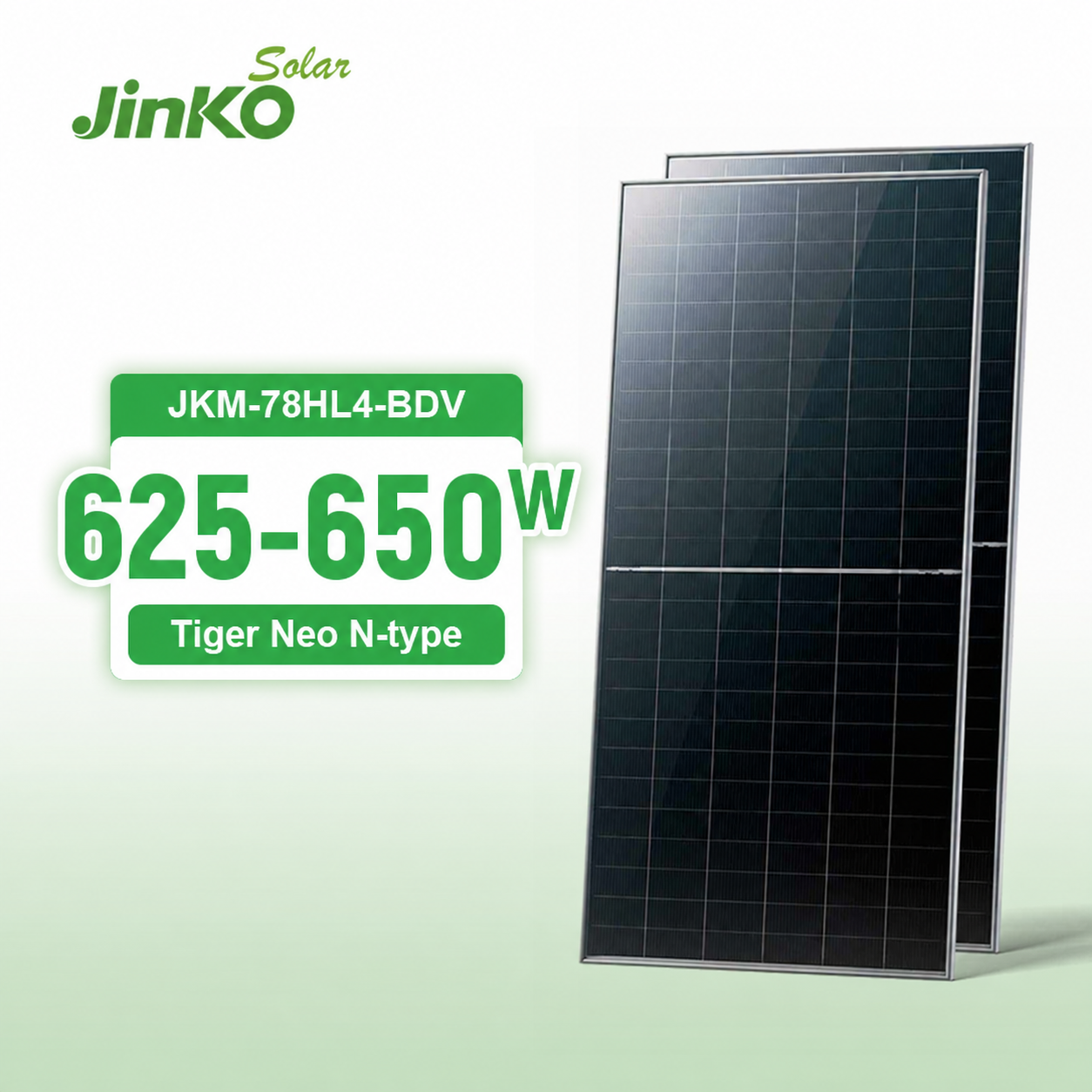
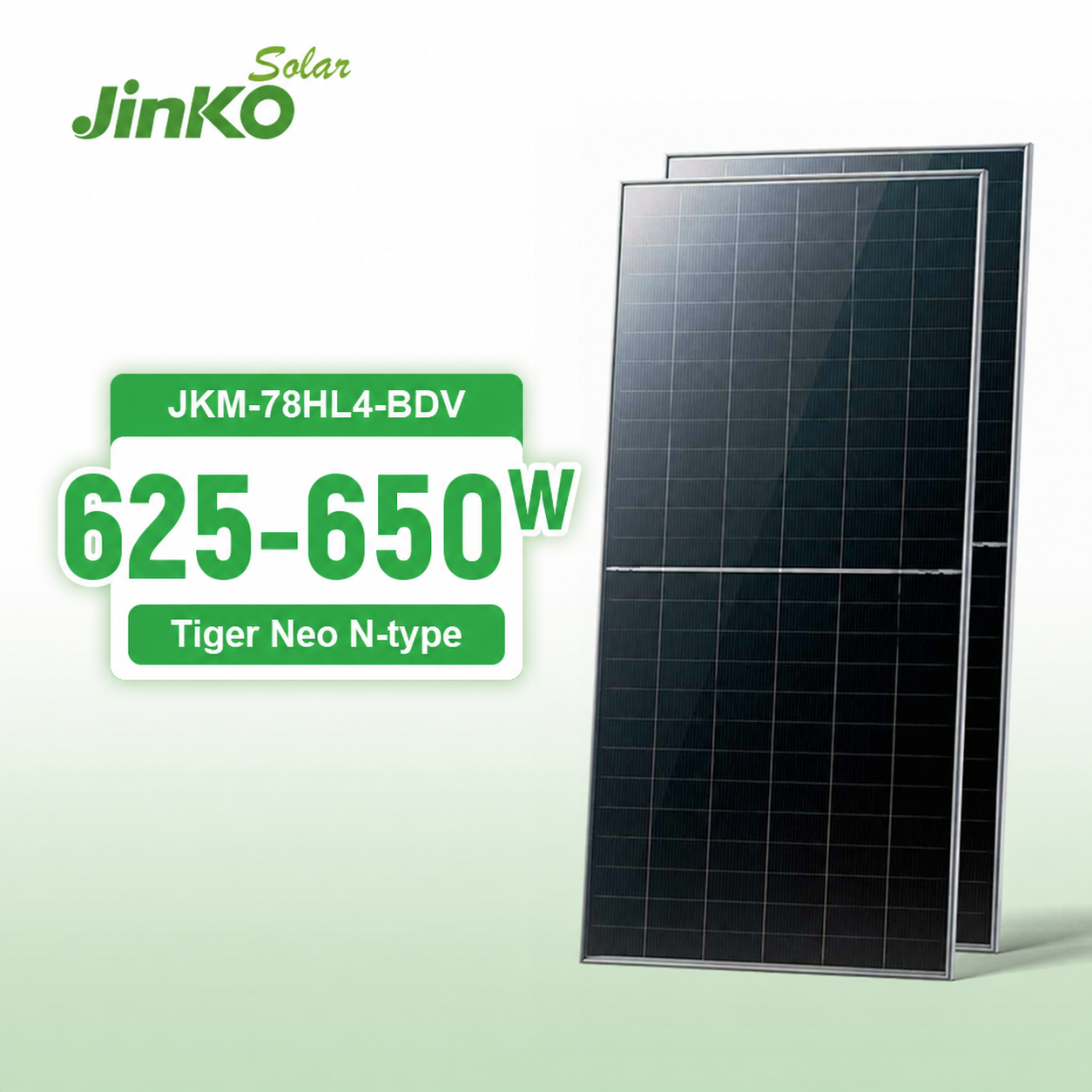
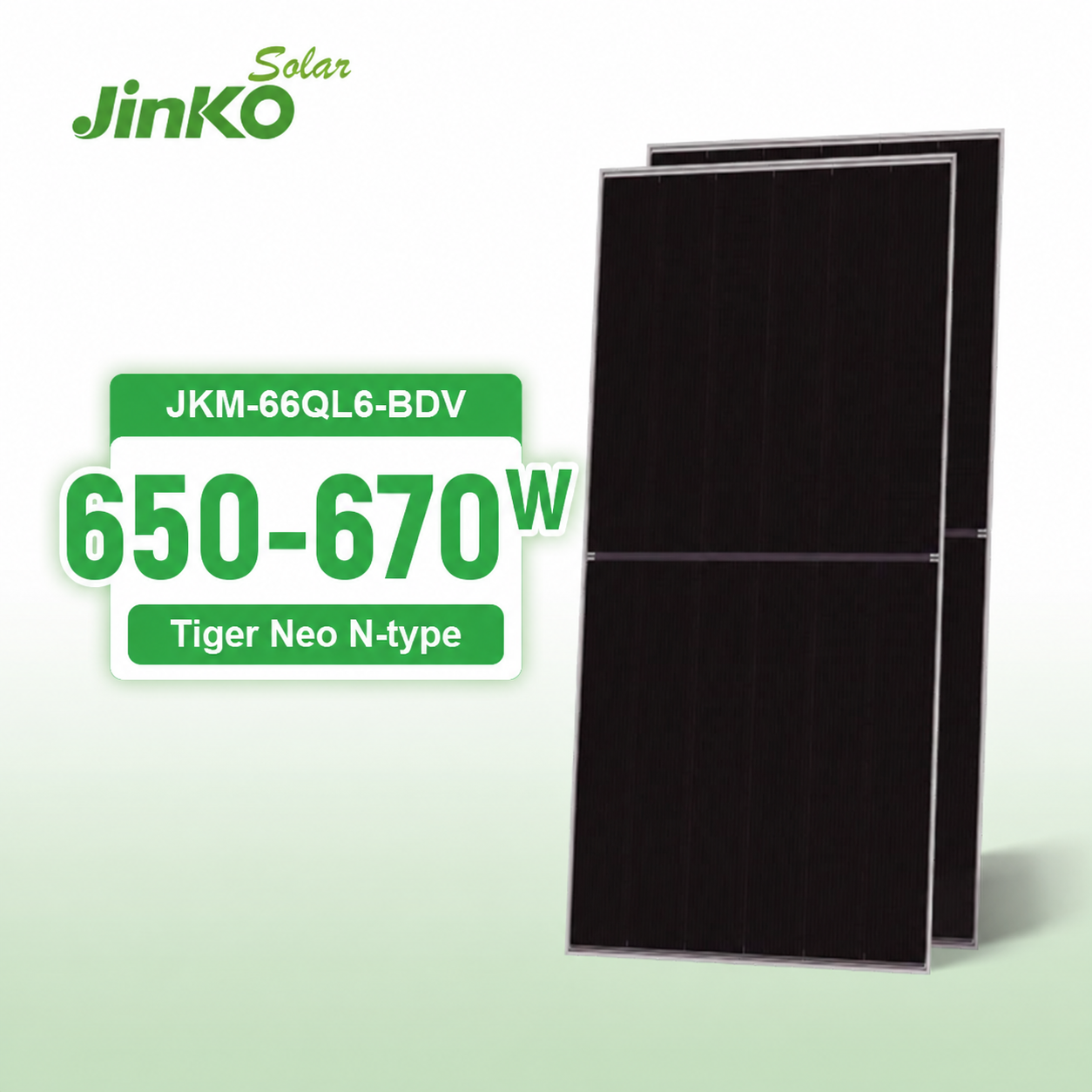
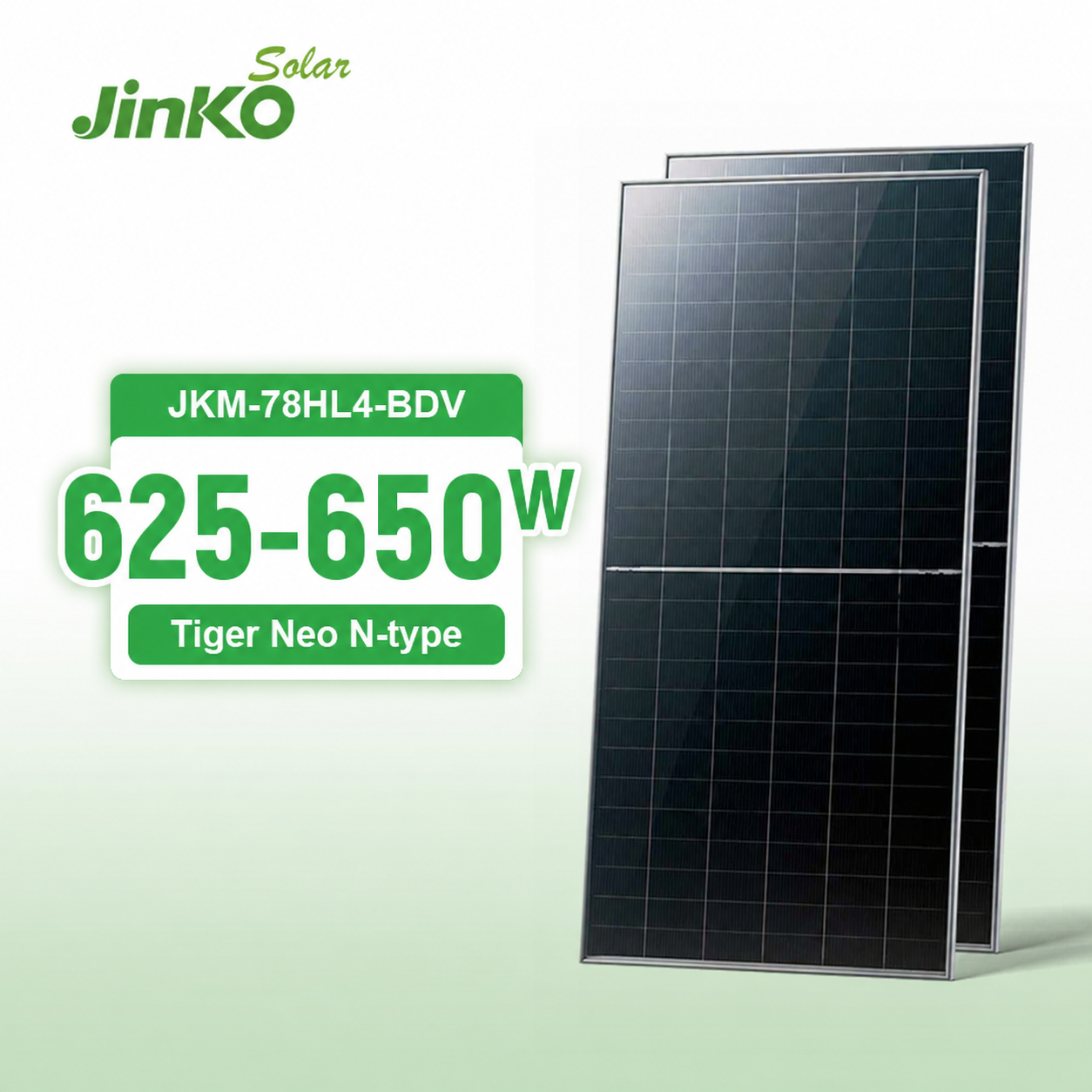
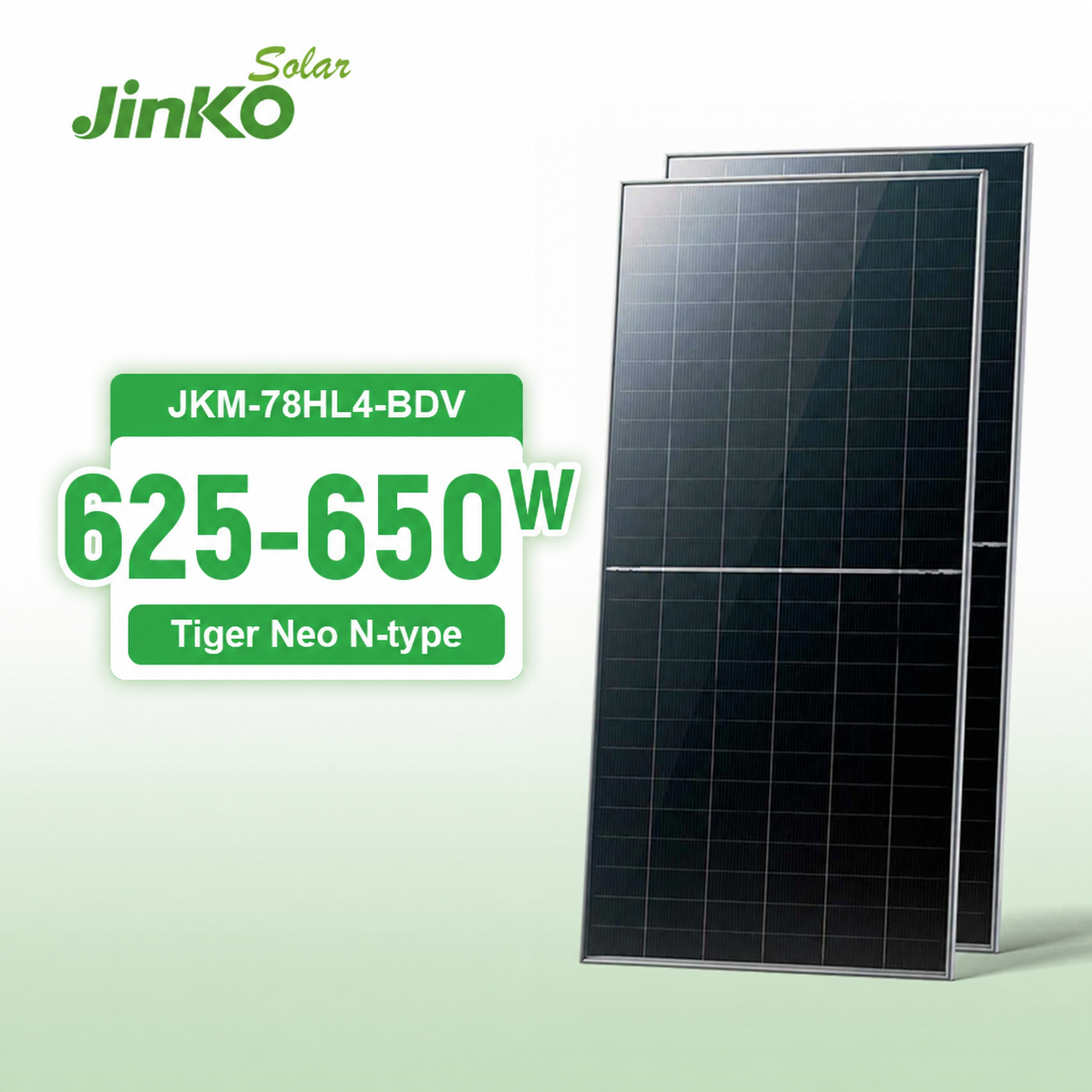
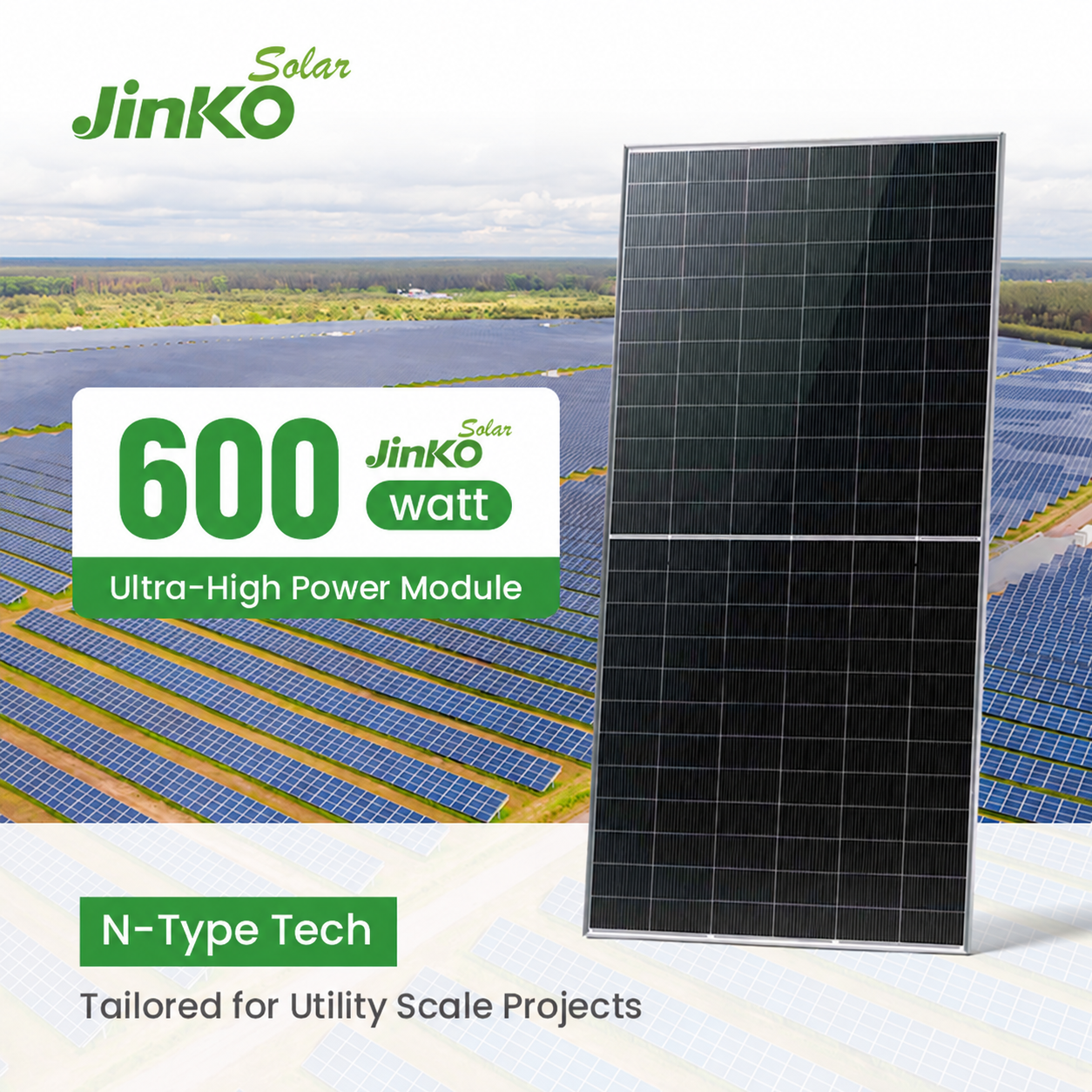
When hurricanes dismantle overhead distribution lines across Harris, Montgomery, and Fort Bend counties, grid outages routinely persist for 5 to 14 days. Paired with Jinko N-Type bifacial dual-glass modules (withstanding 5400 Pa mechanical snow/wind loadings), our 51.2V 100Ah-280Ah modular battery banks enable complete off-grid solar black-start capability, powering critical HVAC compressors, refrigeration, and communication nodes indefinitely without diesel dependence.
Cold Storage & Port Logistics Facilities
Refrigerated logistics hubs adjacent to the Bayport and Barbours Cut Container Terminals encounter severe daytime electrical tariff surcharges. By charging high-density modular LFP banks during nocturnal low-rate periods or directly via high-wattage rooftop PV arrays, logistics operators deploy peak-time load shifting, shaving electrical bills by up to 48% while maintaining cold chain integrity throughout high-load operational regimes.
LFP vs. Alternate Energy Storage Chemistries in Coastal Texas
Empirical data assessing chemical stability, thermal characteristics, degradation curves, and Levelized Cost of Storage (LCOS).
| Performance Metric | Hangzhou VOLT Prismatic LiFePO4 | Standard Lithium NMC Cells | Deep-Cycle VRLA / GEL Batteries |
|---|---|---|---|
| Thermal Runaway Onset | 270°C – 300°C (Self-passivating olivine) | 150°C – 210°C (Exothermic oxygen release) | N/A (Susceptible to dry-out & plate warping) |
| Cycle Life (80% Depth of Discharge) | 6,000+ Full Cycles (@ 25°C, 0.5C) | 1,500 – 2,500 Cycles | 800 – 1,200 Cycles (@ 50% DoD) |
| Levelized Cost of Storage (LCOS) | ~$0.052 / kWh delivered lifetime | ~$0.145 / kWh delivered lifetime | ~$0.220 / kWh delivered lifetime |
| High Humidity & Salt-Spray Resistance | IP65 Marine Enclosure / Conformal PCB Coating | Standard IP20 / IP54 Industrial | Prone to terminal sulfation & corrosion |
| Usable Energy Extraction Capacity | 90% – 95% Daily Usable Dynamic Range | 80% – 85% Usable Dynamic Range | 50% Maximum Recommended Discharge |
| BMS Communications & Architecture | Dual CAN / RS485 Native Deye/Growatt handshakes | Proprietary closed-loop architectures | Open-loop analog (No automated telemetry) |
Houston Market Trends: ERCOT Evolution & Texas BESS Regulatory Modernization
The transition toward decentralized clean storage across Southeast Texas is accelerating at an unprecedented velocity, driven by three major structural shifts:
1. ERCOT Contingency Reserve Service (ECRS) & Ancillary Revenue Streams: As massive gigawatts of utility-scale solar come online across West Texas, afternoon ramp-down events create acute generation deficits during early evening hours. The ERCOT market increasingly remunerates rapid-responding batteries that can inject power within fractions of a second. Fast-ramping modular LFP systems supplied by specialized Chinese manufacturers can be aggregated into Virtual Power Plants (VPPs) via software controllers, allowing Houston system integrators to tap into lucrative ancillary services and ERCOT real-time wholesale price arbitrage.
2. Escalating CenterPoint Energy Transmission Charges: CenterPoint Energy, the transmission and distribution utility serving over 2.6 million customers across Greater Houston, periodically raises transmission and delivery rates to finance extensive grid hardening following seasonal storm damage. Commercial entities are subjected to steep 4CP transmission surcharges evaluated during the hottest fifteen-minute intervals of June, July, August, and September. Modern LFP battery storage programmed for autonomous predictive peak shaving allows Houston facilities to discharge during these precise windows, systematically lowering annual utility transmission charges by tens of thousands of dollars.
3. Stricter Fire Codes & Spatial Constraints (NFPA 855 & City of Houston Ordinances): The City of Houston Fire Department and local AHJs (Authorities Having Jurisdiction) strictly enforce NFPA 855 (Standard for the Installation of Stationary Energy Storage Systems). Unlike volatile NMC chemistries that demand massive spatial separations, explosion-containment zones, and complex deluge piping, VOLT New Energy's prismatic LiFePO4 systems deliver inherently safe non-propagating properties, backed by UL 9540A unit-level test certifications that streamline municipal permitting and commercial roof/indoor placement approvals.
Engineered Manufacturing & Quality Control Protocol
Removing import risks for Houston EPCs: Onsite protocol testing, Class 9 dangerous goods compliance, and full containerized integration.

100% Pre-Shipment Protocol Verification
Every single battery bank is physically wired to matching hybrid inverters (including Deye single-phase and 208V/480V three-phase models) at our Hangzhou facility. CAN bus pinouts, RS485 communication protocols, and DIP switch addresses are thoroughly tested to eradicate on-site commissioning delays and BMS comm-fault errors.

Class 9 DG Maritime Freight to Port Houston
Lithium iron phosphate batteries represent Class 9 Dangerous Goods. We maintain full UN 38.3 test protocols, safety data sheets (MSDS), and sea freight container approvals. We coordinate sea freight straight into the Port of Houston, avoiding coast-to-coast US domestic freight markups.

Consolidated Multi-Component Packing
Eliminate the friction of ordering from fragmented vendors. We consolidate Tier-1 Jinko N-Type PV modules, Deye hybrid inverters, VOLT LFP battery cabinets, DC disconnects, and surge protection devices into matched, single-container consignments directly traceable by serial numbers.

Internationally Certified Compliance
Complete documentation packages encompassing CE, TÜV Rheinland, IEC 62619, IEC 61215, UL 1973, and ISO 9001 certified manufacturing frameworks are pre-delivered for seamless review by Texas structural and electrical engineers during project permitting phases.
Frequently Asked Questions by Houston Solar & BESS Buyers
Direct answers to local Texas regulatory, electrical, freight, and meteorological installation queries.
How do VOLT LFP batteries communicate with Deye inverters in US split-phase and three-phase systems?
What are the lead times and shipping steps for delivery to the Port of Houston?
How do these battery enclosures handle Gulf Coast salt fog and torrential rain?
Can your complete kits support full off-grid operation during prolonged ERCOT blackouts?
How is warranty fulfillment and technical support coordinated from China to Texas?
Request an Engineered Solar + LFP Storage Proposal
Collaborate with Hangzhou VOLT New Energy’s systems engineering team to size, configure, and ship matched LFP battery systems and Tier-1 photovoltaic modules directly to your Houston project site.