High-Efficiency Solar Modules & LFP Storage Systems
Engineered to withstand coastal maritime salt mist (IEC 61701 Severity 6) and high summer peak demand throughout the Maldonado Department.
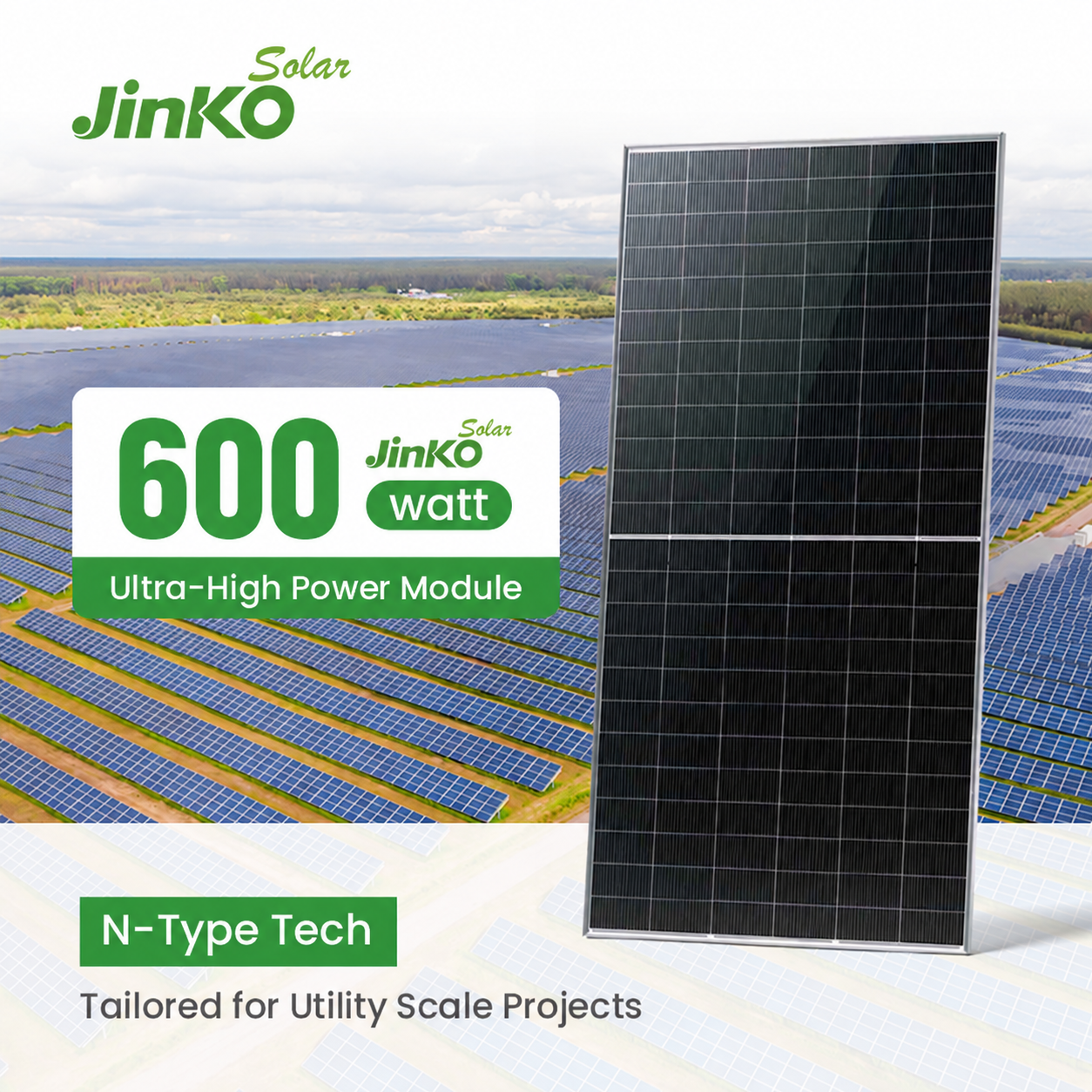
Jinko N-Type Bifacial 600W TOPCon Commercial Module
- Rated Power: 585W–600W
- Bifaciality Factor: Up to 80%
- Temp. Coefficient: -0.30%/°C
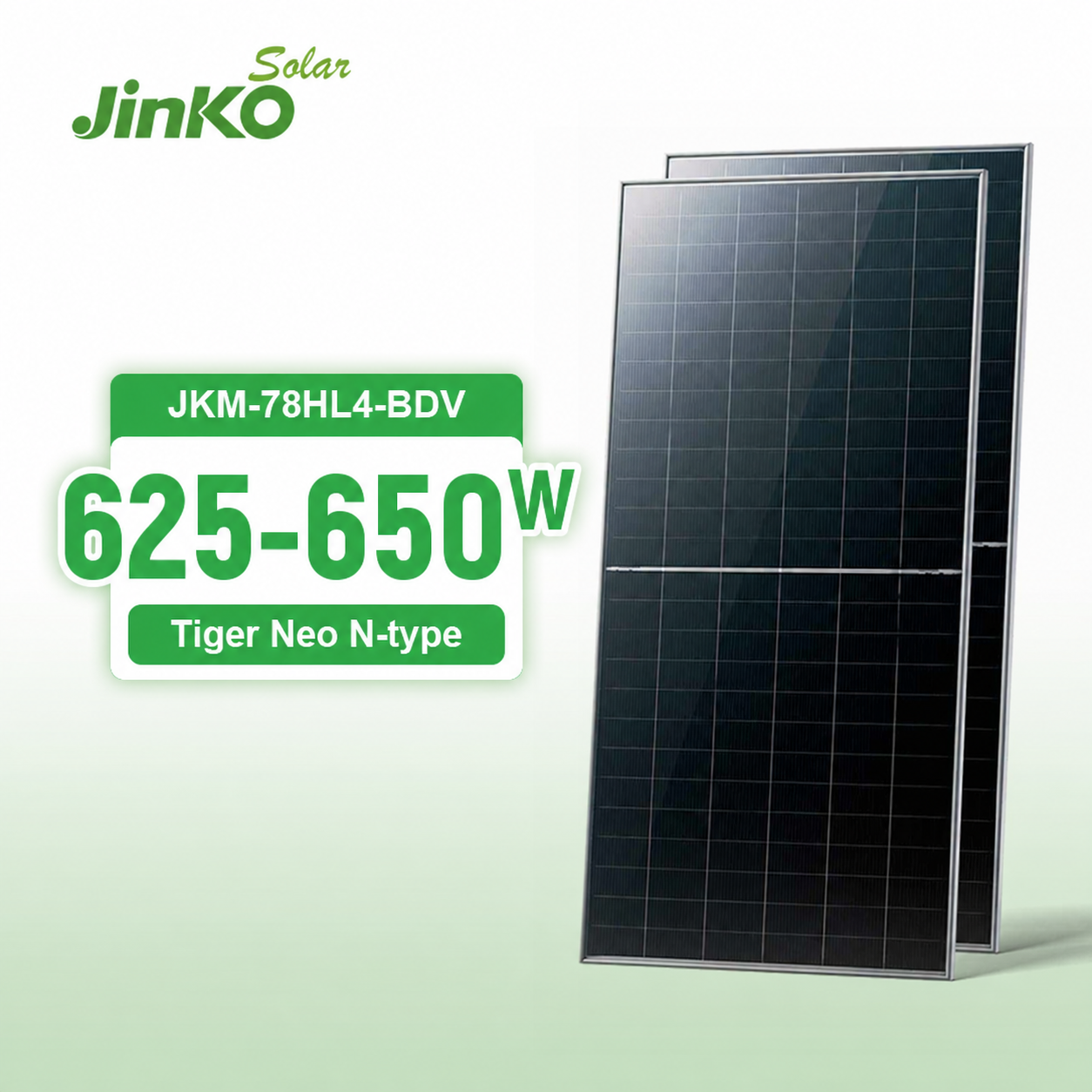
Jinko N-Type Bifacial 650W Dual-Glass Industrial Panel
- Output: 630W–650W
- 2.0mm Double Tempered Glass
- Salt Mist / Ammonia Certified
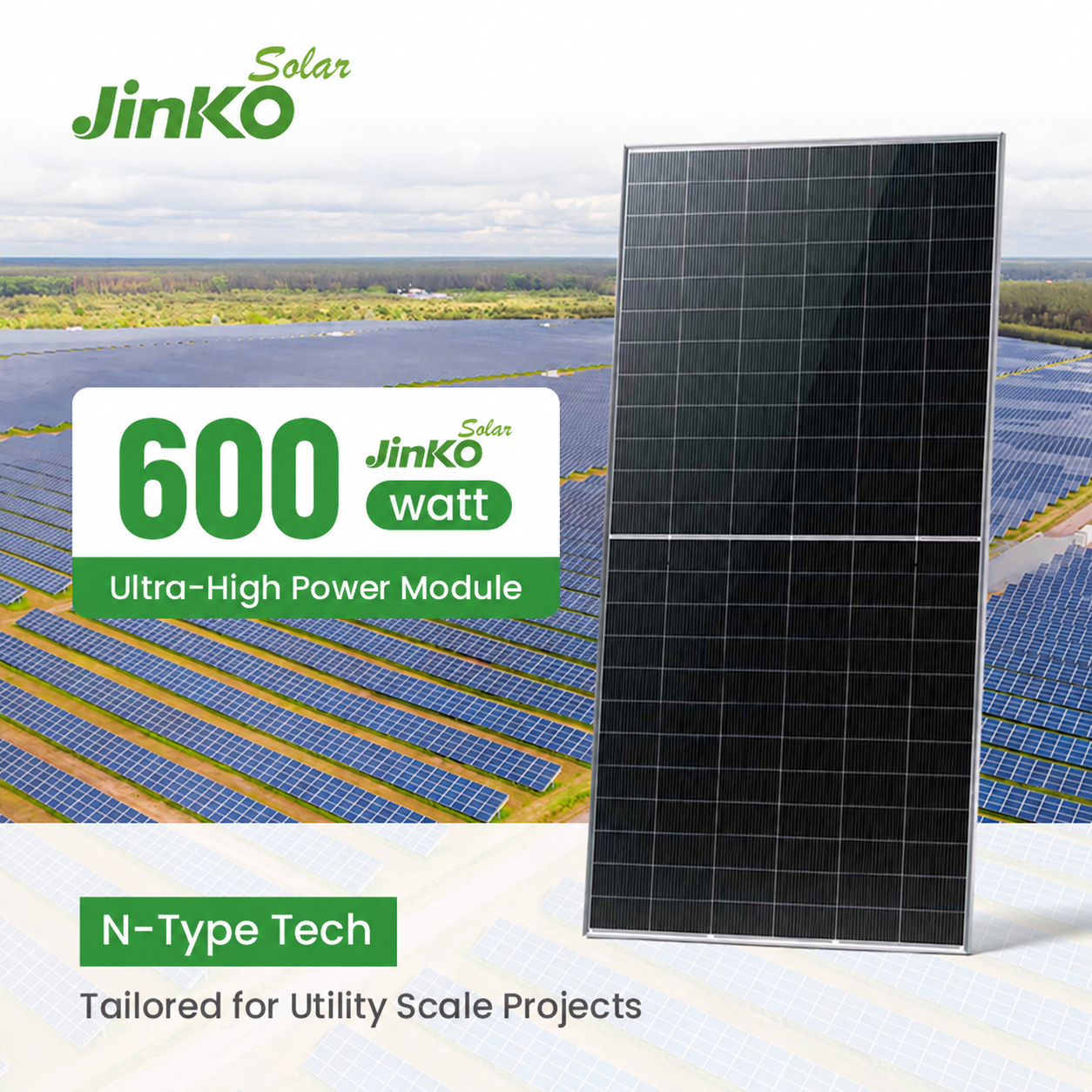
Jinko Monocrystalline 600W Dual Glass High-Output Panel
- Range: 580W / 590W / 600W
- Max Efficiency: 22.45%
- Containerized B2B Palletizing
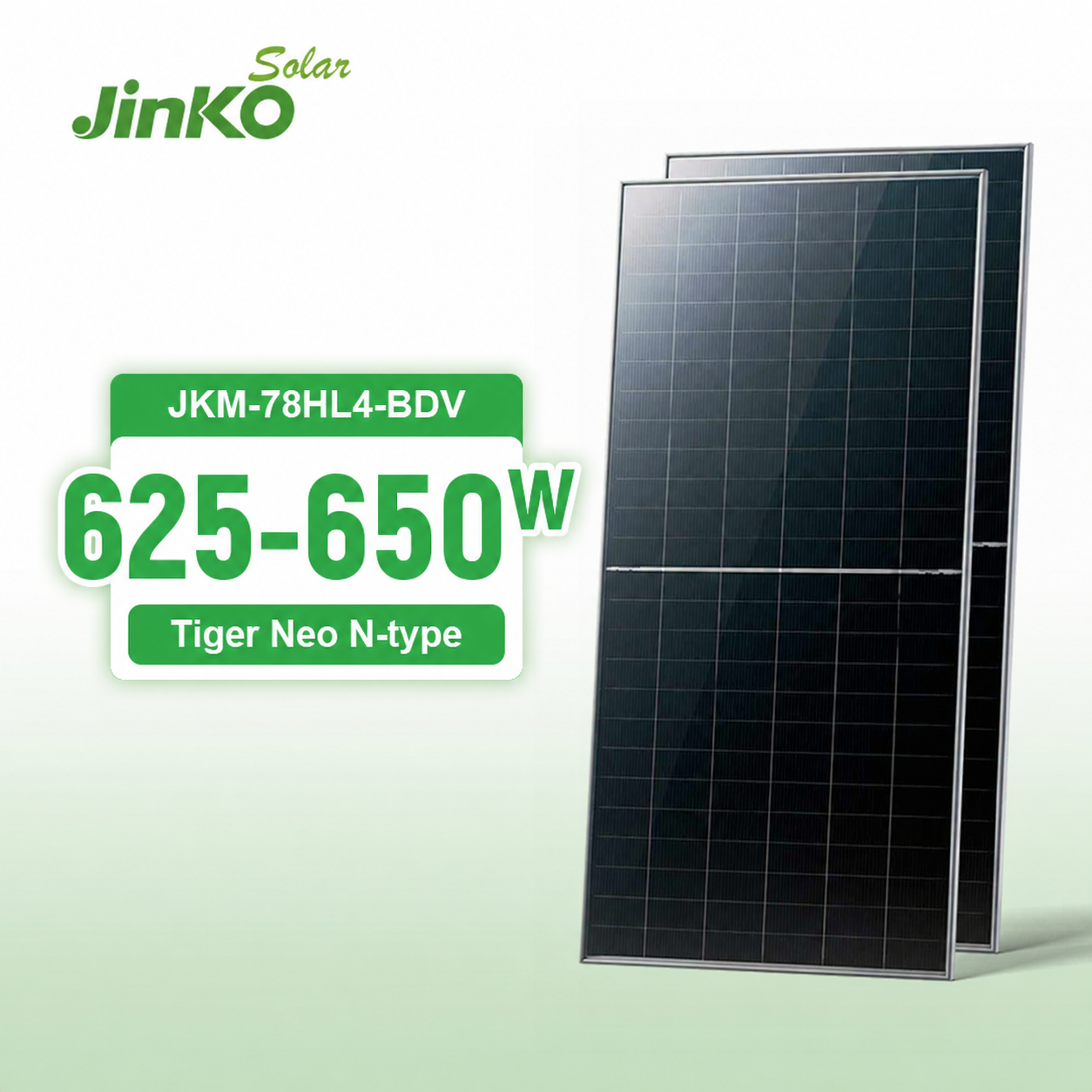
Jinko Bifacial 640W Monocrystalline Rooftop Module
- Power: 630W / 635W / 640W
- Anti-PID Cell Processing
- Anodized Aluminum Framing
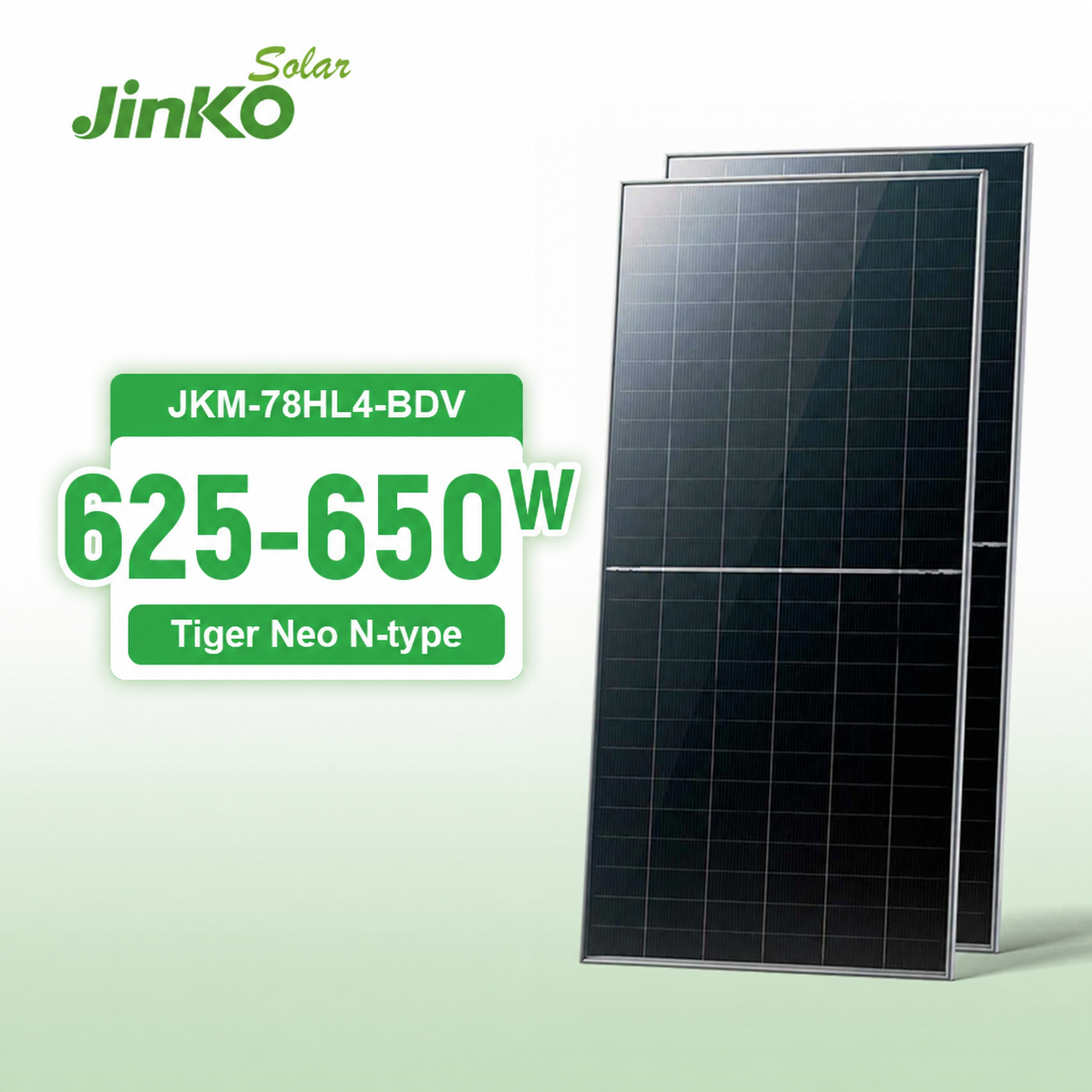
Jinko 650W Bifacial Dual Glass High-Efficiency PV Panel
- Power: 625W / 640W / 650W
- Enhanced Mechanical Load (5400Pa)
- Deye Hybrid Inverter Ready
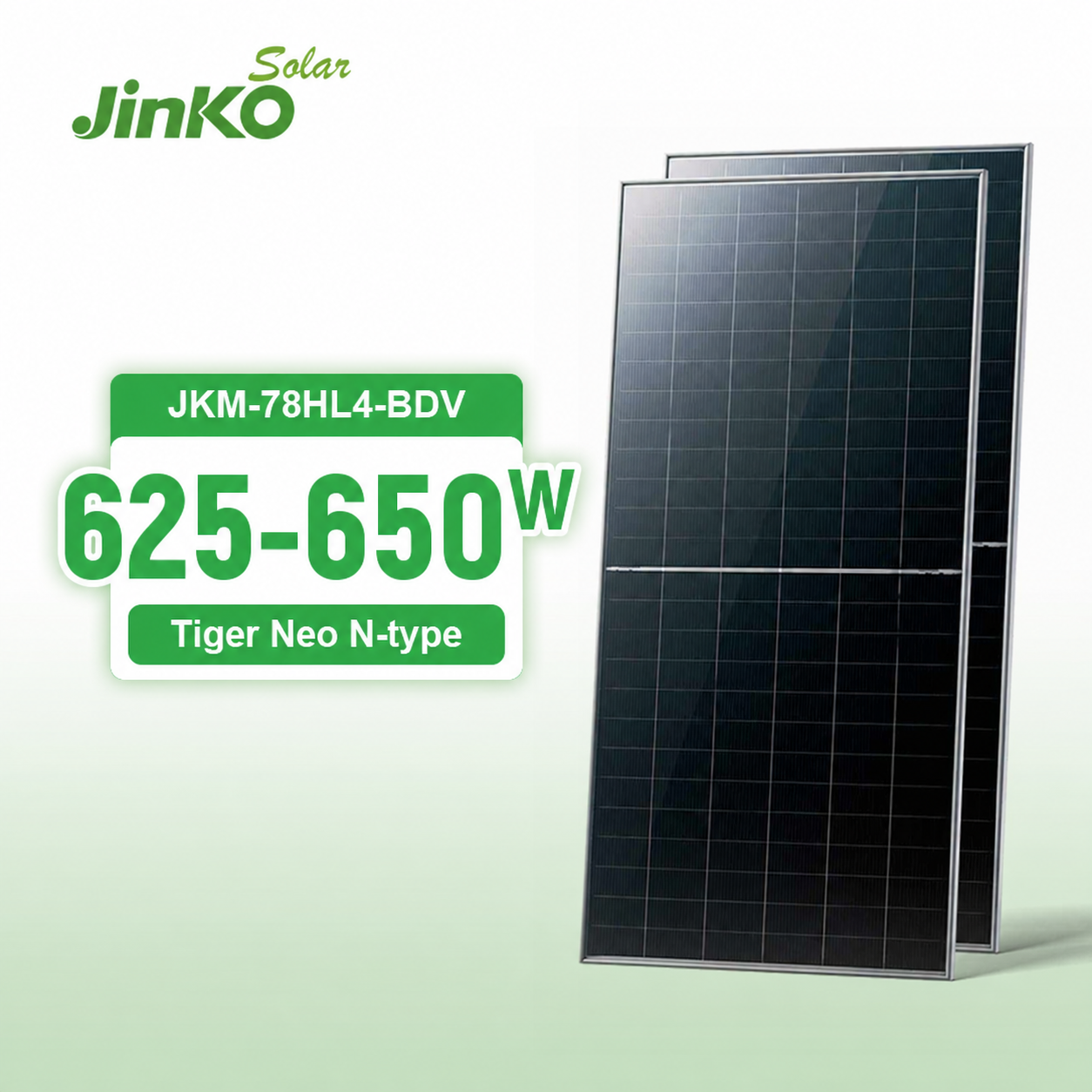
Jinko N-Type 650W Commercial Bifacial PV Module
- Class-Leading Low Light Response
- 30-Year Linear Performance
- Compatible with BESS Hybrid Kits
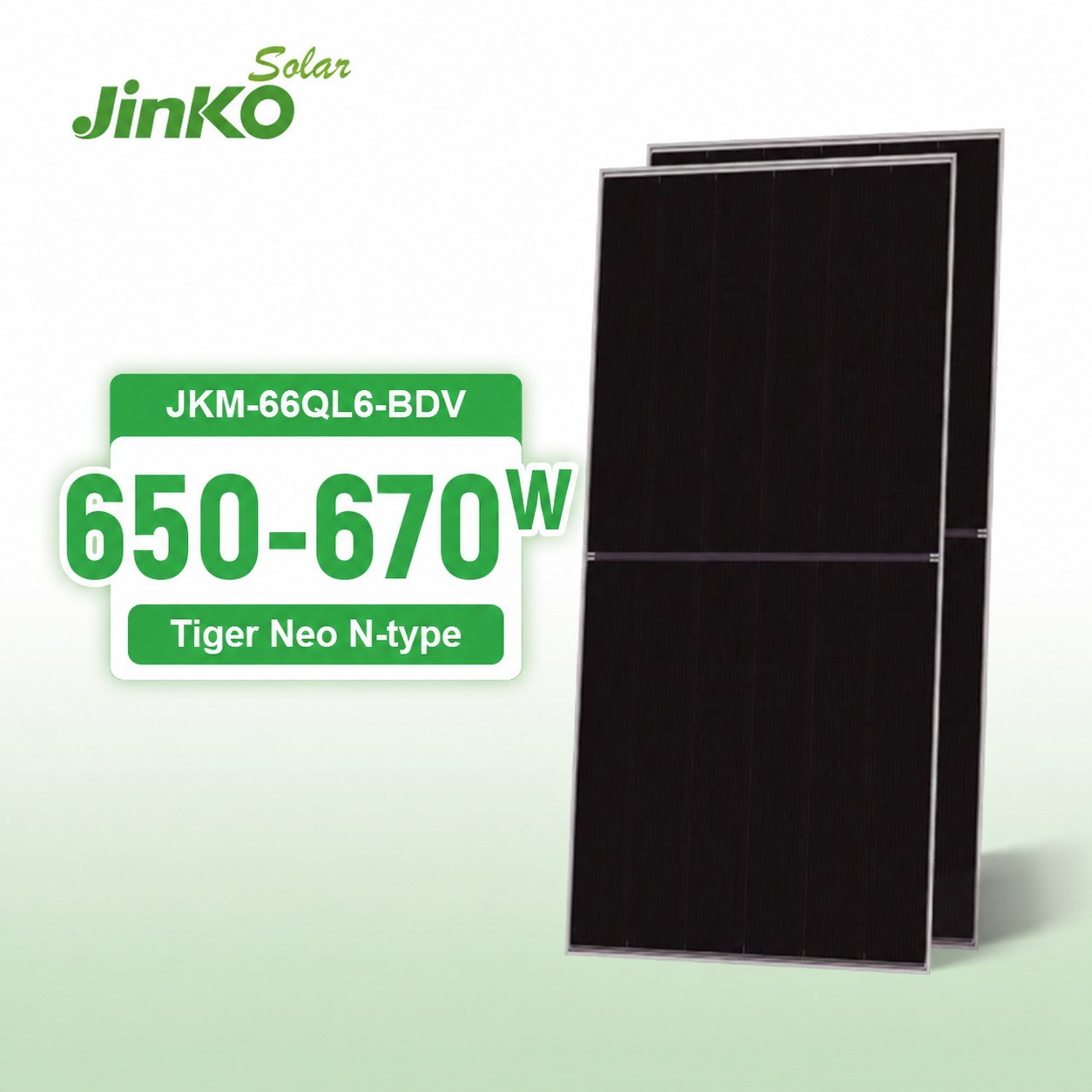
Jinko 670W N-Type Ultra-Power Dual Glass PV Panel
- Tier-1 Verified Silicon Cell
- IP68 Sealed Junction Box
- Optimal for Agro-PV Microgrids
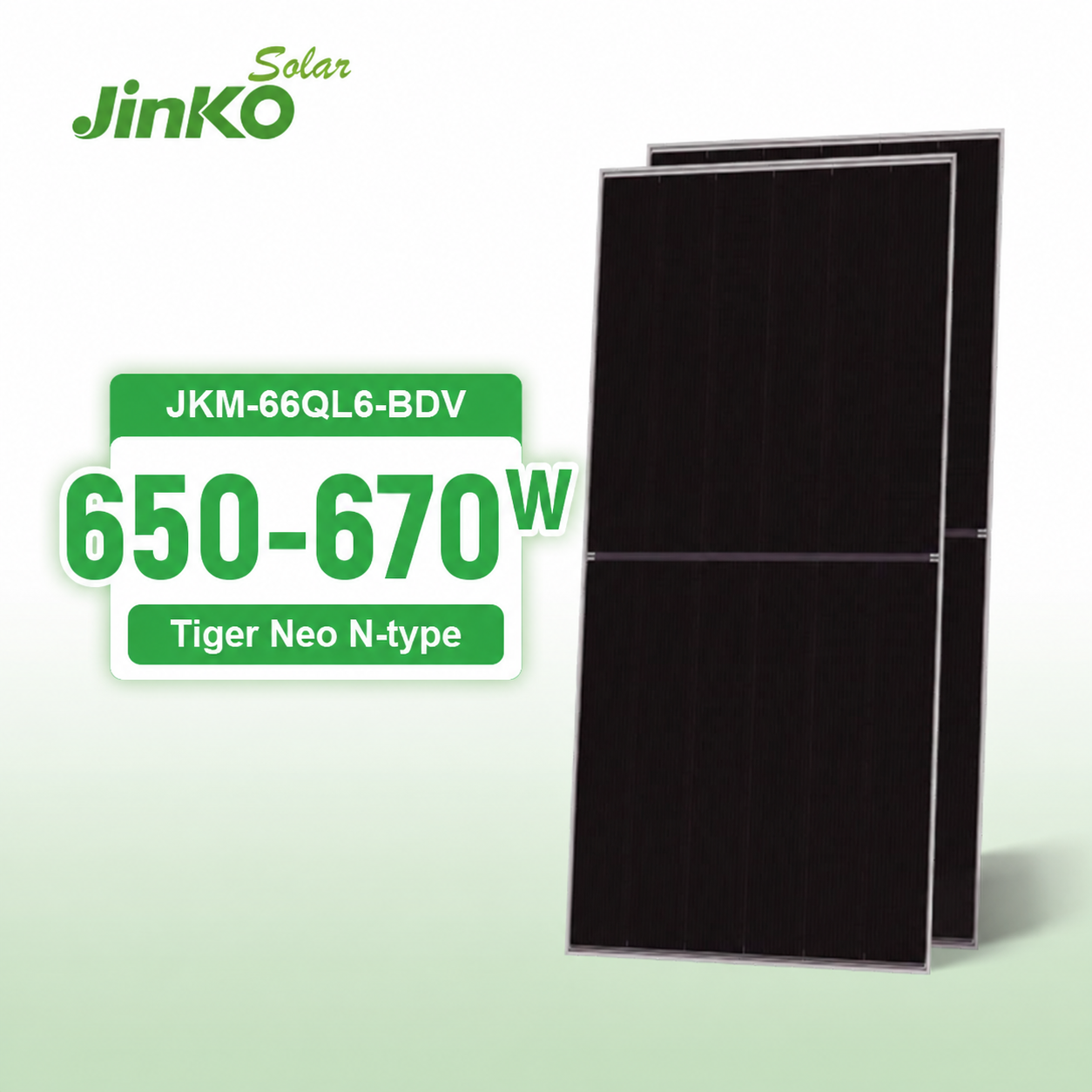
Jinko 670W Monocrystalline Residential/Villa Solar Panel
- Power: 650W / 660W / 670W
- Zero Busbar / Multi-Busbar Tech
- UV & Thermal Degradation Resistant
Engineering Solar LiFePO4 Battery Systems for the Maldonado Microclimate & UTE Grid Regulations
The Department of Maldonado—encompassing high-density coastal tourist epicenters such as Punta del Este, La Barra, and José Ignacio, alongside agricultural bastions like San Carlos and Pan de Azúcar—represents one of the most distinctive energy consumption landscapes in South America. The local distribution network, operated by the state-owned utility UTE (Administración Nacional de Usinas y Trasmisiones Eléctricas), provides reliable base transmission, yet presents profound tariff dynamics and capacity spikes that make integrated Solar-plus-Storage (ESS) an economic necessity for commercial operators and high-consumption residential estates.
As a seasoned China-based OEM and integration powerhouse, Hangzhou VOLT New Energy bridges the critical engineering gap between advanced manufacturing hubs in Zhejiang and Guangdong, and the exacting procurement requirements of EPCs, electrical contractors, and private developers operating across Maldonado. Deploying battery storage in this region requires an uncompromising grasp of three distinct technical challenges: extreme seasonal peak-load variations, aggressive Atlantic coastal salt-air atmospheric corrosion, and rigorous compliance with UTE's Microgeneración Distribuida interconnection frameworks.
1. The Seasonal Load Paradox of Maldonado & UTE Tariff Arbitrage
Unlike standard urban centers with steady baseloads, Maldonado's electricity demand profile is fundamentally asymmetrical. Between late December and late February, the influx of international tourists elevates luxury villa, hotel, and gastronomic energy consumption by 300% to 500%. Central HVAC chillers, swimming pool heat pumps, EV charging banks, and commercial refrigeration run concurrently, pushing local grid transformers to capacity and triggering expensive peak energy brackets under UTE's multi-tariff structures (such as Tarifa Inteligente, Triple Horario, and commercial medium-voltage tariffs).
During the "Punta" (peak) hours—typically four consecutive evening hours where kilowatt-hour costs escalate dramatically—grid-tied properties equipped with VOLT LiFePO4 storage discharge stored midday solar energy seamlessly. This process, known as Peak Shaving and Time-of-Use (TOU) arbitrage, protects asset owners from punitive tariffs while delivering continuous emergency backup when coastal summer storm fronts (known locally as Pamperos) induce localized feeder outages.
2. Cell Chemistry: Why Lithium Iron Phosphate (LFP) Outperforms GEL in Uruguay
Historically, off-grid ranches (chacras marítimas) in rural Maldonado relied on deep-cycle GEL or AGM lead-acid batteries. While GEL batteries maintain a lower initial capital expenditure, their practical lifespan under daily cycling in Maldonado is severely compromised:
| Engineering Metric | VOLT Smart LFP (LiFePO4) Battery | Standard Deep-Cycle GEL Battery | Impact on Maldonado Site Performance |
|---|---|---|---|
| Cycle Life (80% DoD) | 6,000 to 8,000 cycles | 1,000 to 1,500 cycles | LiFePO4 yields 15+ years of daily solar cycling versus 3-4 years for GEL. |
| Usable Depth of Discharge | 90% to 95% continuous | 50% maximum recommended | Halves the physical battery bank footprint inside luxury mechanical rooms. |
| Thermal Stability Window | -20°C to +60°C (Cell stability to 270°C) | Thermal runaway risk above 35°C | Safe operation in uninsulated coastal garages and agricultural sheds. |
| Round-Trip Efficiency | > 96% | 78% to 82% | Recovers 14-18% more solar PV yield generated by Jinko TOPCon panels. |
| BMS Communications | Native CANbus / RS485 (Deye Protocol) | None (Voltage-based estimation) | Guarantees active balancing, SOC precision, and automatic inverter shutdown. |
3. Atmospheric Resilience: C5-M Marine Coating & Dual-Glass Integration
Salt mist corrosion testing under IEC 60068-2-52 and IEC 61701 is mandatory for all solar components delivered to Maldonado. Hangzhou VOLT New Energy packages low-voltage (51.2V) rack-mount and high-voltage (HV) stacked LFP architectures in electrophoretic galvanized steel enclosures coated with architectural epoxy-polyester powder. All exposed external busbars, terminal studs, and DC breaker terminals are plated with anti-corrosion nickel-tin alloys.
When coupled with Jinko N-Type TOPCon Dual-Glass solar panels (featuring 2.0mm front and back heat-strengthened glass), the system eliminates rear-side polymeric backsheet degradation caused by maritime damp-heat exposure and airborne saline particulates. The dual-glass structural rigidity additionally withstands Maldonado's violent Atlantic coastal wind loads (up to 2,400 Pa wind load certification).
Engineered Deployment Scenarios in Maldonado
From high-end coastal smart villas to expansive agro-industrial estates, our hybrid battery systems match local operational realities.
Luxury Coastal Villas & Estates
Residential architectures combining 15kW–30kW Deye hybrid inverters with 30kWh–60kWh low-voltage or high-voltage LiFePO4 batteries. Provides imperceptible 4ms UPS transfer for geothermal HVAC, wine cellars, automated security, and rapid EV charging during summer peak grid outages.
Inquire NowOlive Groves, Vineyards & Agro-Farms
Off-grid and weak-grid energy architectures engineered for olive processing facilities, boutique wineries, and equestrian studs. Replaces noisy, high-maintenance diesel generator run-time with high-capacity 48V/100Ah parallel modular battery banks supporting deep inductive motor starts.
Inquire NowHospitality, Gastronomy & Retail
Commercial TOU (Time of Use) peak-shaving systems for boutique hotels, seasonal beach clubs, and bakeries. The intelligent BMS autonomously discharges stored solar energy during UTE's premium tariff hours (18:00 to 22:00), cutting seasonal electricity overhead by up to 55%.
Inquire NowRemote Telecom & Maritime Monitoring
Industrial DC-coupled 48V 100Ah/200Ah battery cabinets serving coastal radio repeaters, telemetry, and cellular base stations across Maldonado's rolling hills. Zero thermal maintenance requirements and extensive remote RS485 cloud monitoring integration.
Inquire NowWhy Maldonado Solar EPCs & Importers Direct-Source with VOLT
Bypassing trading intermediaries to secure verified cell traceability, factory-calibrated protocols, and compliant DG ocean logistics.

Tier-1 Grade-A Prismatic Cells Only
Every VOLT LiFePO4 battery pack utilizes strictly brand-new, factory-matched Grade-A prismatic cells (EVE / REPT / CATL lineage) with verified QR code serial numbers. Cell capacity, IR, and internal resistance variance are strictly kept within ±1.5% across module strings.

Zero-Error Inverter Communication
We eliminate on-site commissioning nightmares for Uruguayan installers. Before dispatch from our Hangzhou warehouse, our engineering lab validates the exact CAN/RS485 firmware handshake between our Smart BMS and Deye hybrid inverters under active load conditions.

Class 9 DG Logistics to Montevideo
Lithium energy storage is classified as Class 9 Dangerous Goods (UN3480). We prepare complete UN38.3 test summaries, MSDS documentation, and sea-freight certified packaging. We provide mixed-container consolidation (Panels + Inverters + Batteries) directly to Port of Montevideo.
End-to-End System Sizing & Support
Our bilingual electrical engineering team produces complete system single-line diagrams (SLDs), string voltage calculations under Maldonado's ambient temperature profile, and Spanish-language parameter commissioning guides for your local installation crews.
Maldonado Solar Importer & Contractor FAQ
Direct answers covering Uruguayan customs clearance, maritime shipping schedules, grid interconnection, and field performance.
What are the lead times and maritime shipping routes from your factory to Maldonado, Uruguay?
How do VOLT LiFePO4 batteries communicate with Deye hybrid inverters installed in Uruguay?
Can solar and battery equipment imported into Uruguay qualify for COMAP or tax investment benefits?
How do systems handle UTE's Microgeneración Distribuida regulations and zero-export requirements?
What measures protect battery terminals and electronics from Punta del Este's coastal salt mist?
Can I mix Jinko solar panels and VOLT batteries inside one single 20ft or 40ft container?
What warranty policy and technical after-sales support are provided to contractors in Maldonado?
Request an Engineered Solar + Storage Quotation for Maldonado
Whether you are designing a high-capacity residential microgrid in José Ignacio or a commercial TOU arbitrage installation in San Carlos, our engineers provide complete system sizing, single-line wiring schematics, and factory-direct CIF Montevideo pricing within 24 hours.