Premium Solar Storage Equipment Available for Alajuela EPCs & Distributors
Pairing industry-leading Jinko TOPCon double glass bifacial PV modules with high-cycle lithium iron phosphate storage and smart hybrid power conversion units.
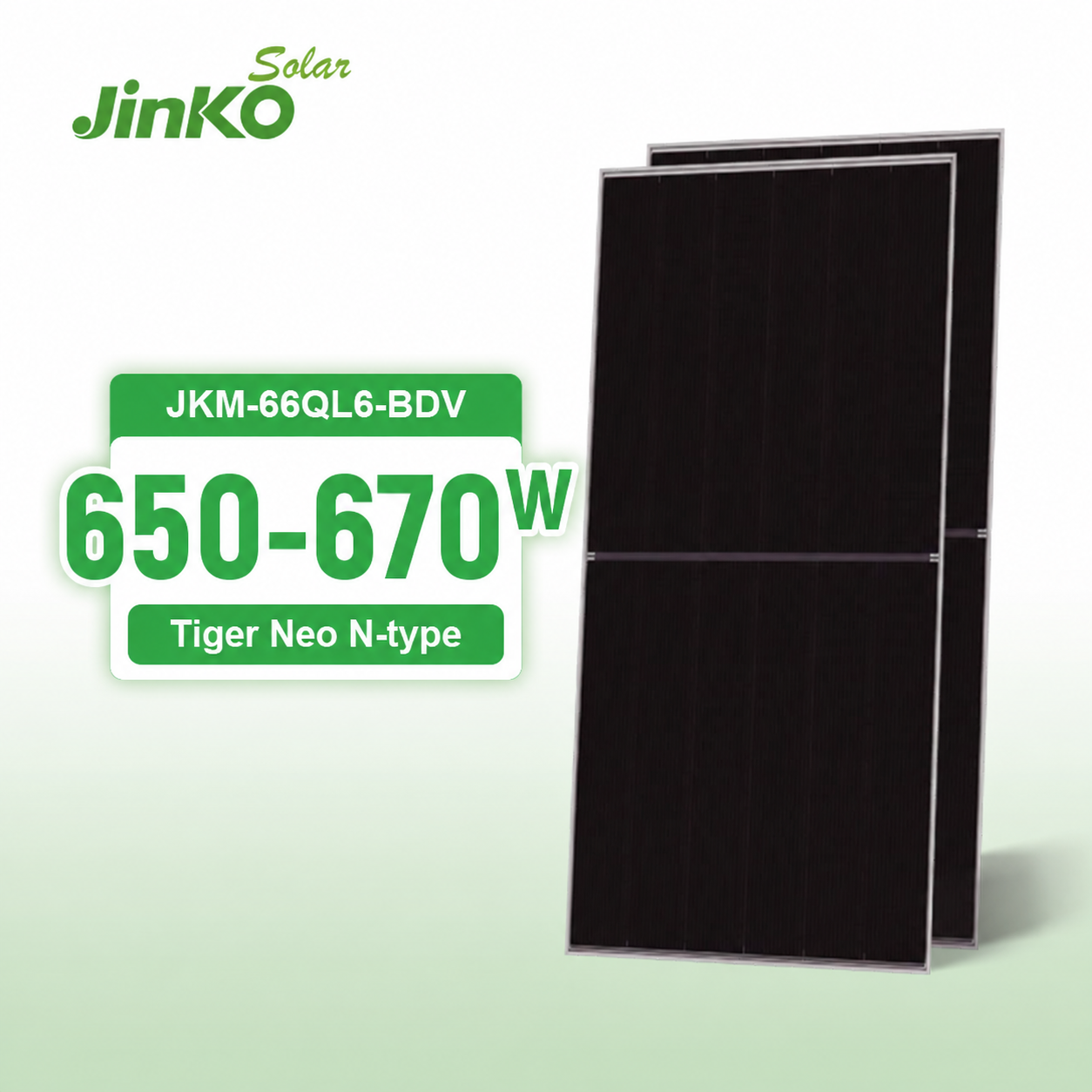
Jinko N-Type Solar Panels Bifacial 650W-670W TOPCon Double Glass High Efficiency Module for House
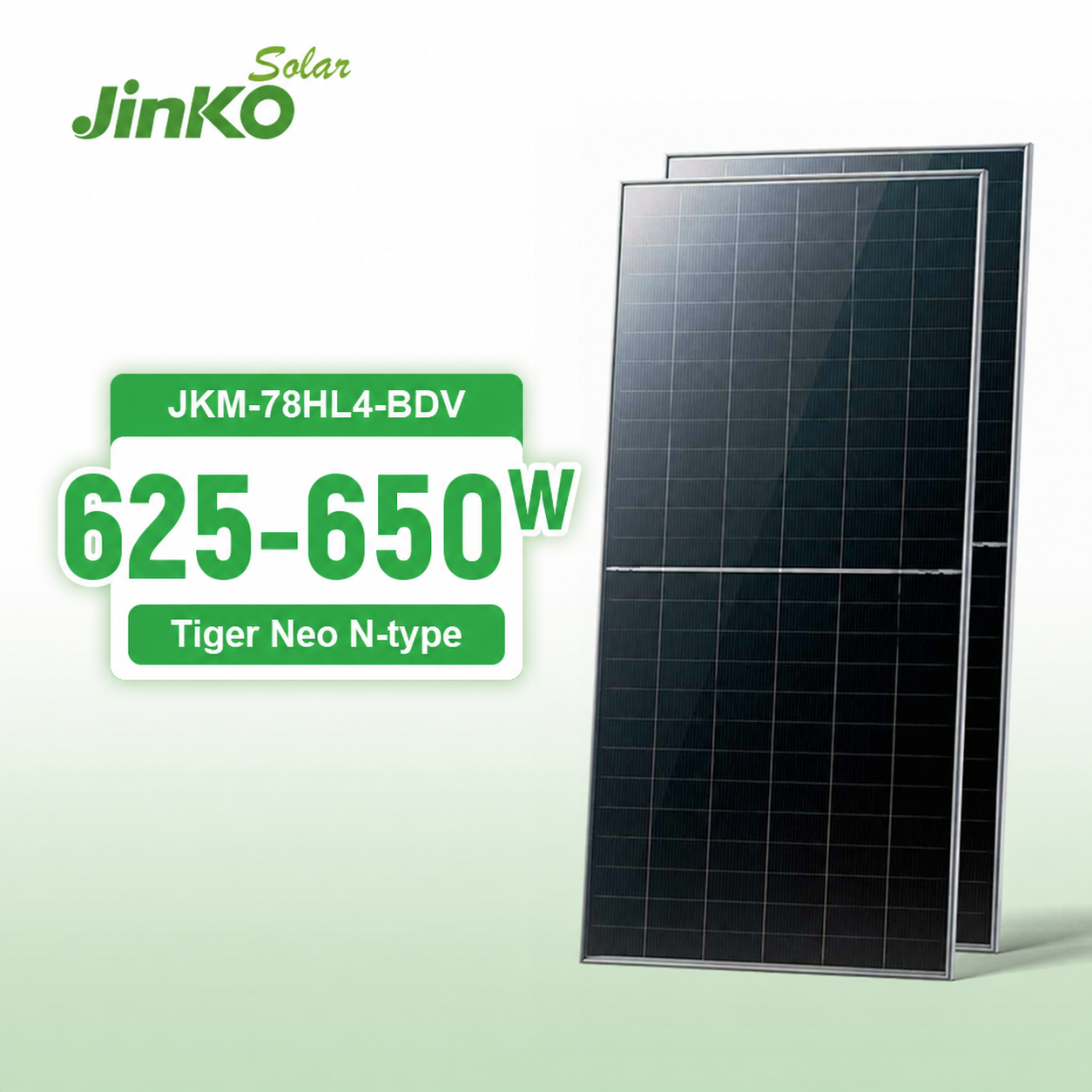
Jinko High Efficiency Bifacial PV Panels 625W-645W Double Glass Solaire Panneau for Farm
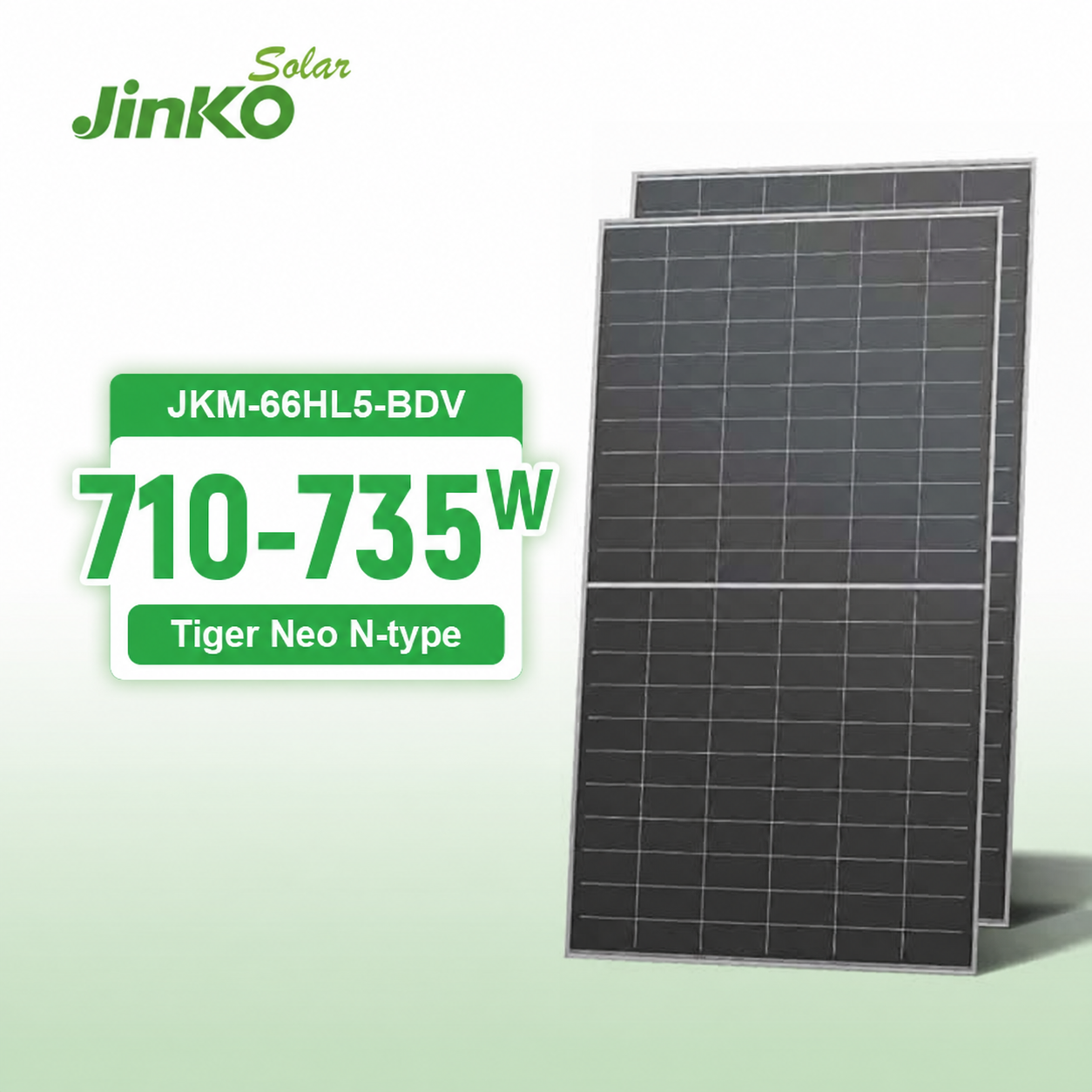
Jinko N-Type Solar Panels 700W-730W Wholesale Price TOPCon Bifacial Photovoltaic Module
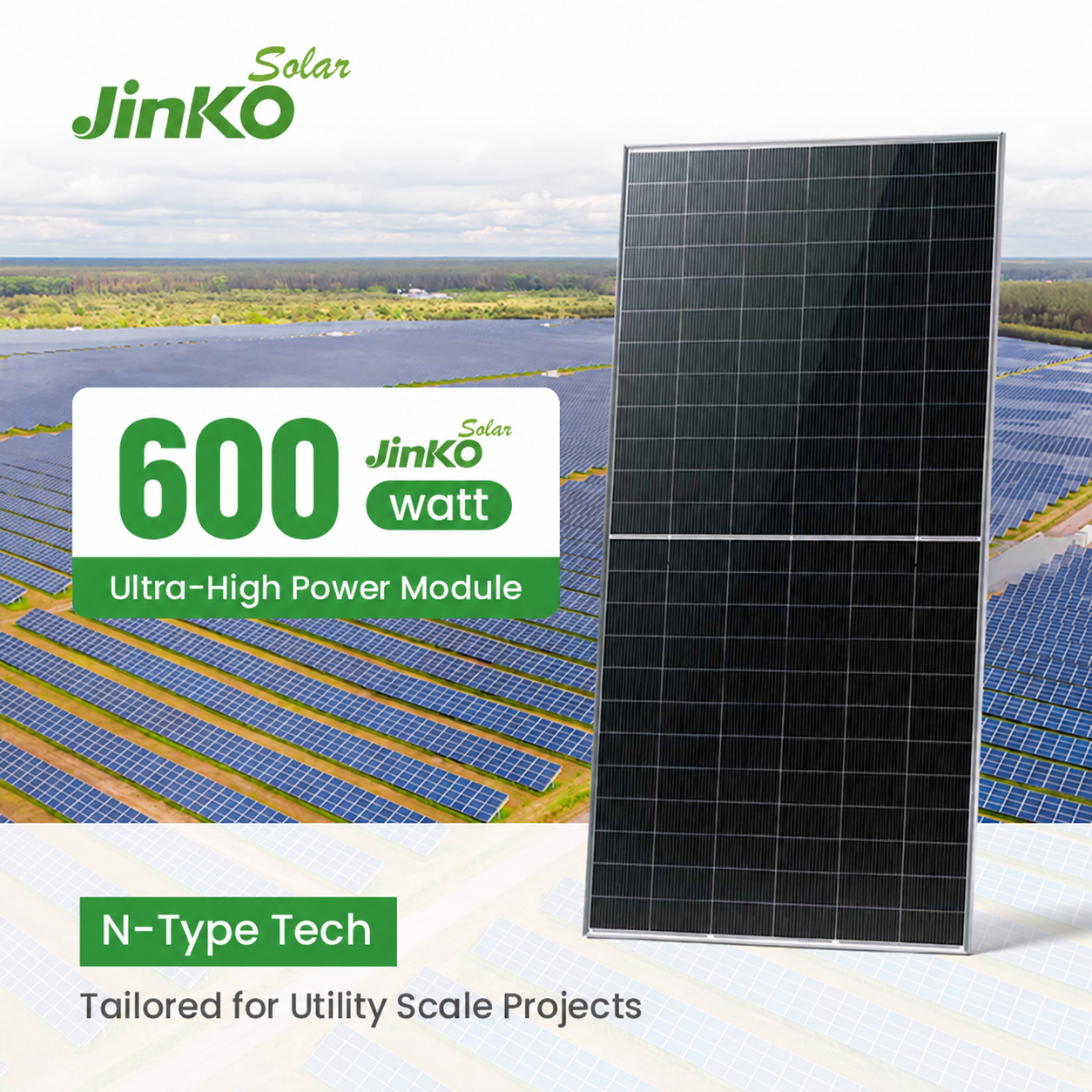
Jinko N-Type Bifacial 580W-600W Dual Glass Photovoltaic Solar Panel for Industrial
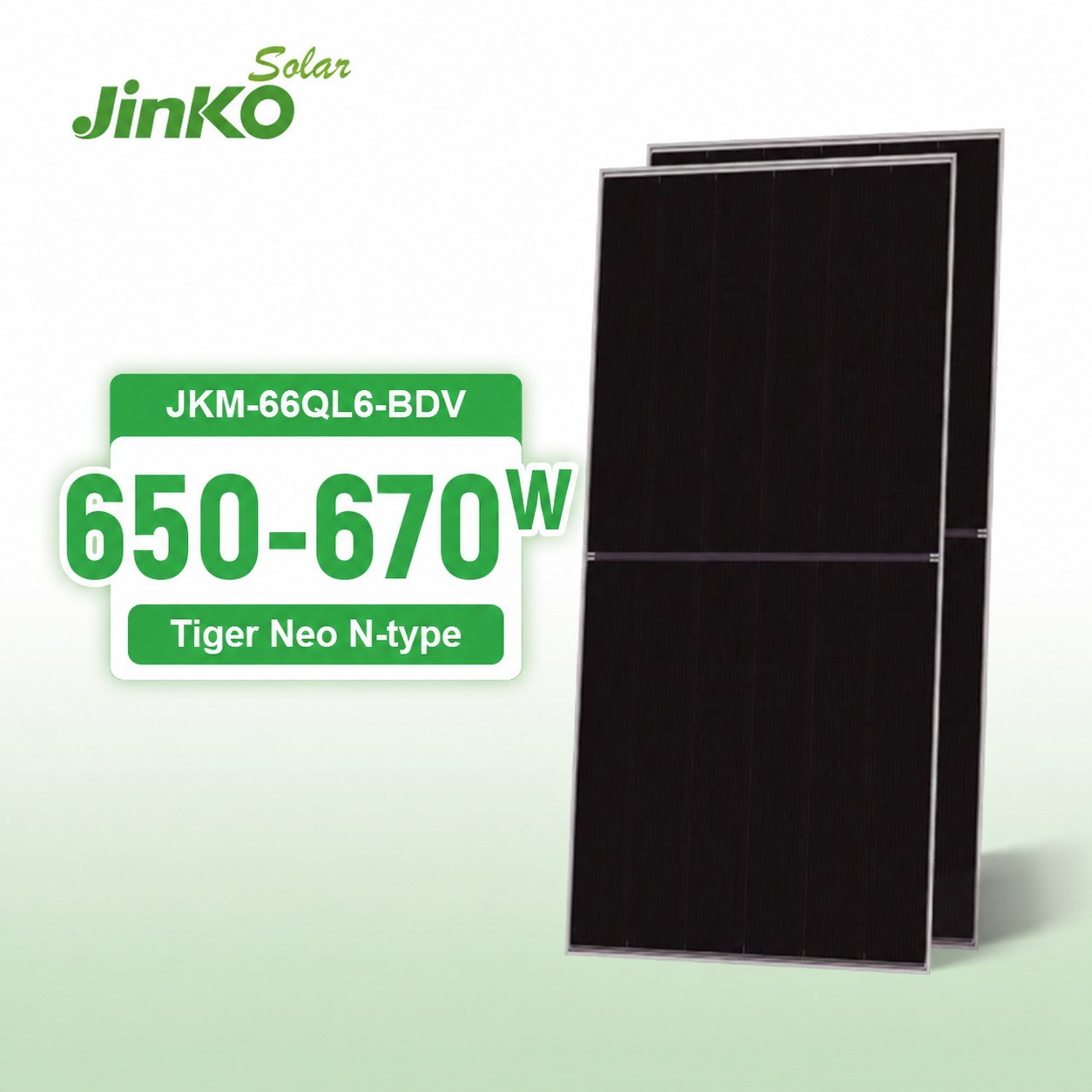
Jinko Panneau Solaire 650W-670W N-Type Bifacial Dual Glass PV Panel for Industrial
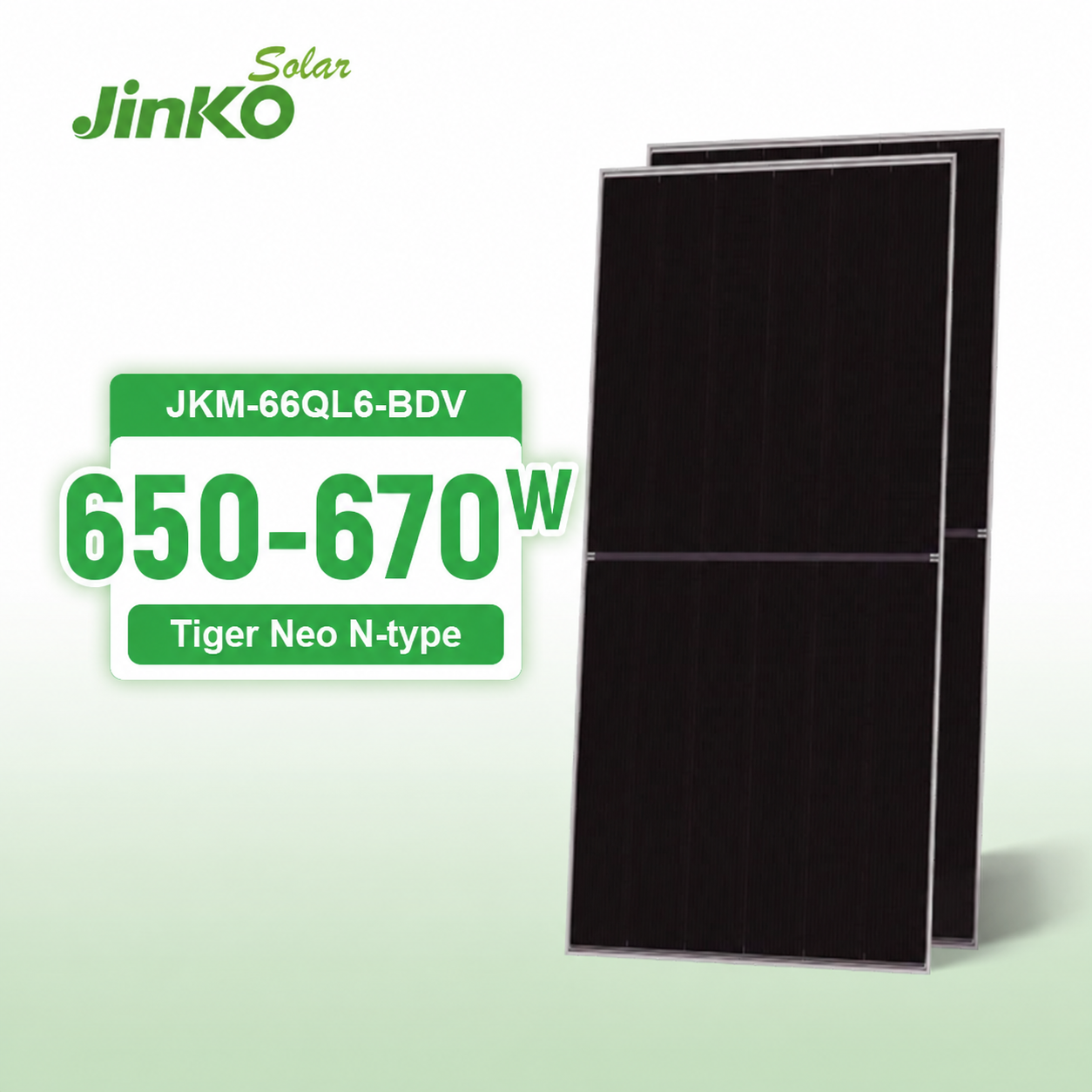
Jinko N-Type 650W-670W Wholesale TOPCon Bifacial Photovoltaic Module for Commercial
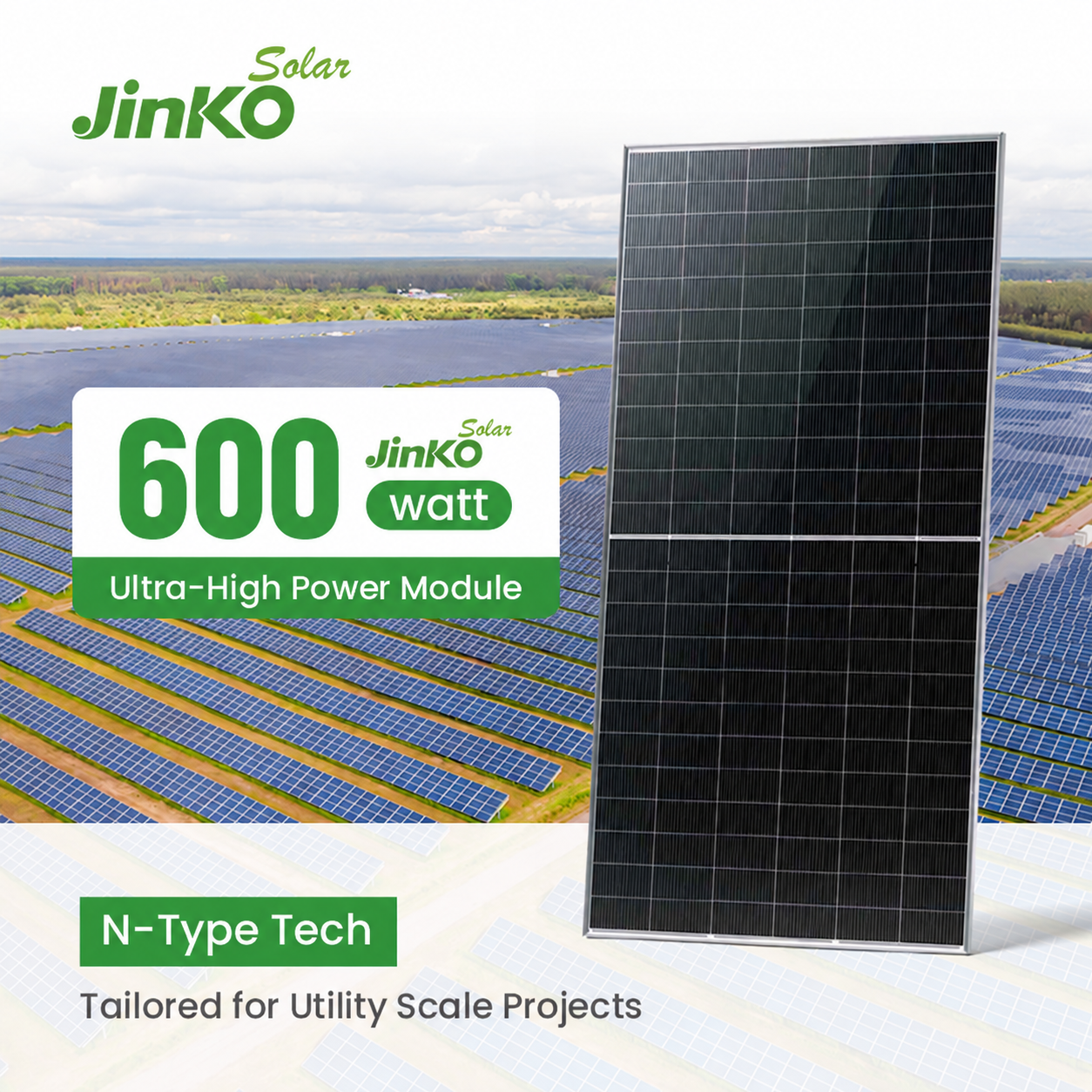
Jinko N-Type Bifacial Solar Panels 575W-590W Monocrystalline High Efficiency Module
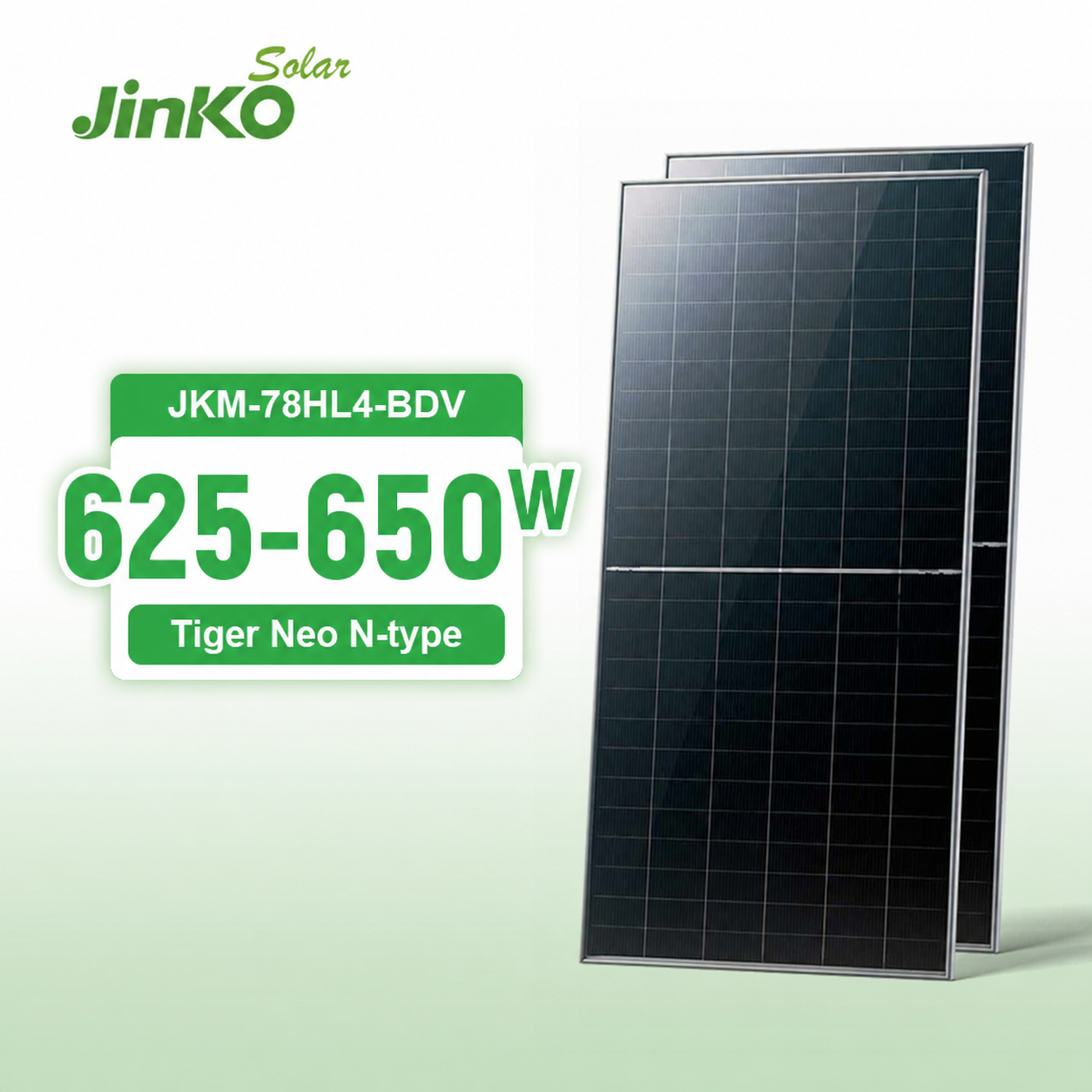
Jinko N-Type Bifacial PV Panels 630W-650W Double Glass Module for House Roof
Optimized Solar Storage Scenarios Across Alajuela's Microclimates
From the export-intensive Coyol Free Trade Zone to the agricultural heartlands of San Carlos and Grecia, battery energy storage systems (BESS) stabilize intermittent renewables, eliminate peak demand surcharges, and ensure 100% operational continuity.
El Coyol Free Trade Zone (Medical & Tech)
Medical manufacturing and precision cleanrooms cannot tolerate voltage sags or sub-cycle micro-interruptions. Our high-voltage LFP battery banks with 4ms static transfer switches deliver continuous power, smoothing transient sags and safeguarding sensitive ISO Class cleanroom automated assembly lines.
San Carlos Agro-Industrial & Cold Storage
Large-scale dairy processing, tropical fruit packing (pineapple and citrus), and coffee mills across San Carlos and Naranjo require heavy three-phase inductive motor startup power. Hybrid Deye inverters paired with stackable 51.2V 200Ah battery racks provide 200% surge overload capacity for cold-chain compressors.
Peak Shaving Under ICE/CNFL T-MT Tariffs
Alajuela's medium-voltage industrial consumers face steep capacity charges during national peak windows (typically 10:00 to 12:30 and 17:30 to 20:00). Stored photovoltaic energy discharges precisely during peak pricing tiers, cutting peak kVA demand charges by up to 45% every billing cycle.
Poás & Arenal Eco-Resorts & Microgrids
Eco-lodges and sustainable retreats near Poás Volcano operate under stringent eco-certification standards demanding zero diesel particulate and acoustic emissions. Turnkey BESS with N-Type bifacial solar harvesting provides round-the-clock silent renewable autonomy even throughout prolonged wet-season rainfall.
Costa Rica Energy Framework: Navigating Ley 10086 & Central Valley Grid Demands
Costa Rica presents one of Latin America's cleanest generation grids, with over 98% of national generation derived from renewable sources (predominantly hydro, geothermal, and wind). However, industrial and commercial operations in Alajuela—the primary logistics and manufacturing nexus of the country—face two structural challenges: high seasonal tariff variance and stringent distribution limits enforced by the Instituto Costarricense de Electricidad (ICE) and the Public Services Regulatory Authority (ARESEP).
Under the landmark Ley 10086 (Ley de Promoción y Regulación de los Recursos Energéticos Distribuidos a partir de Fuentes Renovables), commercial electricity subscribers have gained explicit legal protections to engineer distributed generation with behind-the-meter Battery Energy Storage Systems (BESS). In Alajuela's manufacturing zones, where export contracts demand uninterrupted operational uptime and strict carbon neutrality compliance (Plan Nacional de Descarbonización 2018-2050), solar-plus-storage is no longer a luxury—it is an economic necessity.
| Storage Architecture | Chemistry / Topology | Cycle Life @ 80% DoD | Round-Trip Efficiency | Thermal Derating Profile | Alajuela Operational Applicability |
|---|---|---|---|---|---|
| VOLT Commercial Rack BESS | LiFePO4 (Grade A Prismatic) | 6,000 - 8,000 Cycles | > 95.5% | Full output up to 45°C (Active BMS) | Primary choice for Coyol FTZ cleanrooms, peak shaving, and high-frequency cycling |
| Deep-Cycle Colloidal GEL | Lead-Calcium-Tin Gel Electrolyte | 1,200 - 1,800 Cycles | 82.0% - 85.0% | Degrades rapidly above 32°C | Budget telecom backup, remote agricultural instrumentation in San Carlos |
| High-Voltage Container BESS | LiFePO4 Liquid-Cooled C&I | 7,000+ Cycles | > 92.0% (System AC-AC) | HVAC/Liquid loop stabilized at 25°C | Megawatt-scale substation integration and microgrid stabilization for heavy manufacturing |
| Traditional Diesel Gen-Set | Hydrocarbon Combustion | N/A (Engine overhaul ~10,000h) | 28.0% - 34.0% (Fuel efficiency) | Ambient air derating above 1,000m ASL | Legacy backup; increasingly phased out due to Ley 10086 carbon accounting restrictions |
Managing Alajuela's Ambient Environment: Humidity, Volcanic Ash & Seismic Factors
Alajuela sits in the western sector of Costa Rica's Central Valley, characterized by a distinct tropical wet-dry climate. Relative humidity routinely exceeds 85% during the green season (May to November), while proximity to the Poás and Barva volcanoes introduces trace airborne sulfur and acidic micro-particulates. Furthermore, seismic activity along the Central American Volcanic Arc requires robust physical enclosure engineering.
VOLT New Energy engineers every battery module and balance-of-system (BOS) container exported to Alajuela with specialized structural hardening: 1) Dual-layer conformal coating across all BMS and inverter printed circuit boards to prevent electrochemical migration under tropical humidity; 2) NEMA 3R / IP55 rated enclosures with replaceable synthetic air filters to block volcanic dust while maintaining thermal dissipation; and 3) Reinforced seismic floor anchoring brackets that meet Costa Rican Seismic Code (Código Sísmico de Costa Rica 2010) requirements for industrial installations.
Why Alajuela Importers & EPCs Choose VOLT New Energy
As a verified Chinese manufacturer and tier-1 system integrator based in Hangzhou, Zhejiang, we eliminate the operational risks of cross-border solar and battery storage procurement through stringent pre-shipment engineering.

Verified BMS-Inverter Compatibility
Every battery pack is connected to its matching Deye hybrid inverter in our workshop prior to boxing. We verify CAN/RS485 baud rates, pin configurations, and automatic handshaking to eliminate "BMS Fault" commissioning errors on site in Costa Rica.

Cell-Level Grading & Pre-Shipment QC
We utilize exclusively 100% Grade A prismatic LiFePO4 cells with full QR traceability. Every order undergoes automated capacity verification, internal resistance (IR) sorting, and dynamic insulation testing, backed by photo and video test reports.

Class 9 Dangerous Goods Export Readiness
Lithium storage systems require rigorous transport certification. We manage complete UN38.3 test summaries, MSDS documentation, and certified dangerous goods crating, ensuring smooth clearance at Puerto Caldera or Puerto Limón without customs detention.

Consolidated Container Shipments
Maximize your landed margins by consolidating Jinko solar panels, Deye inverters, VOLT battery racks, DC disconnects, and solar cables into a single 40ft HQ container. Our Hangzhou staging warehouse minimizes logistics overhead for Central American EPCs.
 Assembly Line Overview
 Showroom & Staging
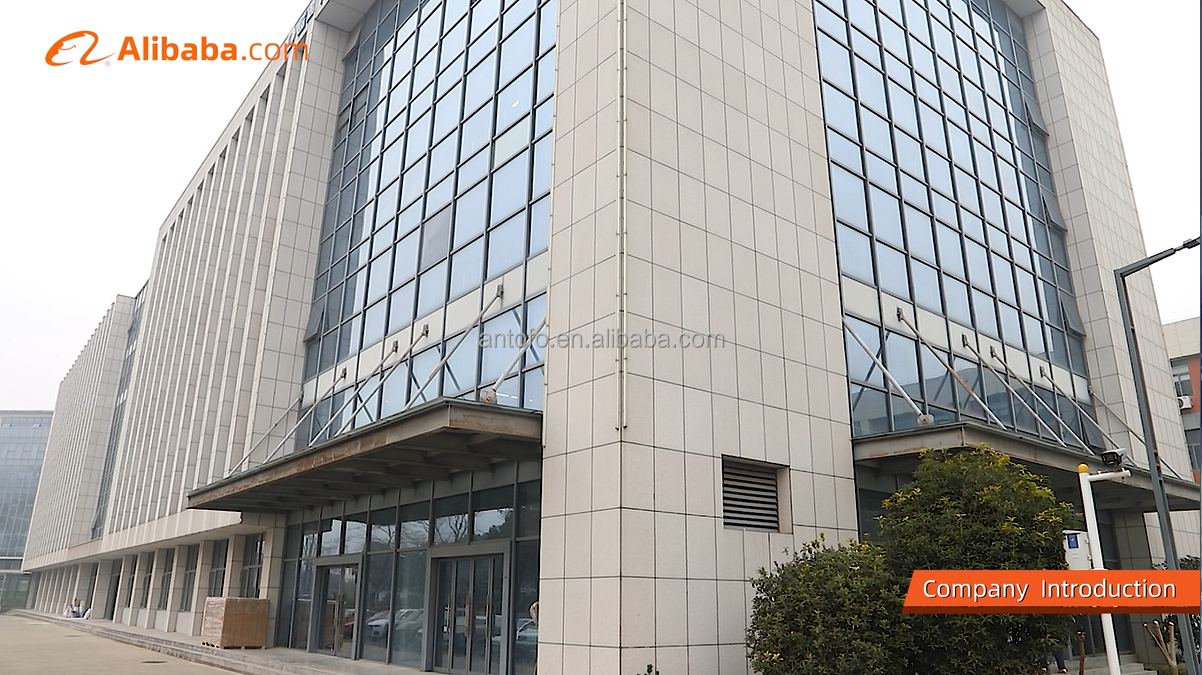 Testing Workshop
 Compliance Certifications
Frequently Asked Questions for Costa Rican Solar Importers
Essential guidance covering customs duties, logistics via Pacific and Atlantic ports, grid synchronization standards, and warranty enforcement.
What are the import customs duties and tax incentives for solar storage in Costa Rica?
Which port of entry is recommended: Puerto Caldera or Puerto Limón?
Do Deye inverters and VOLT LFP batteries comply with ICE interconnect regulations?
How does the tropical climate in Alajuela affect LiFePO4 battery lifespan?
Can multiple Deye hybrid inverters and battery racks be paralleled for large factories?
How are warranty replacements handled internationally for Costa Rican projects?
Deploy Engineered BESS & PV Infrastructure in Alajuela
Whether you are designing a 500kWh microgrid for an industrial manufacturing plant in El Coyol, retrofitting coffee processing mills in Grecia, or distributing matched solar kits across Costa Rica, our engineering team will provide system single-line diagrams (SLD), sizing calculations, and containerized pricing within 24 hours.
Inquire Now