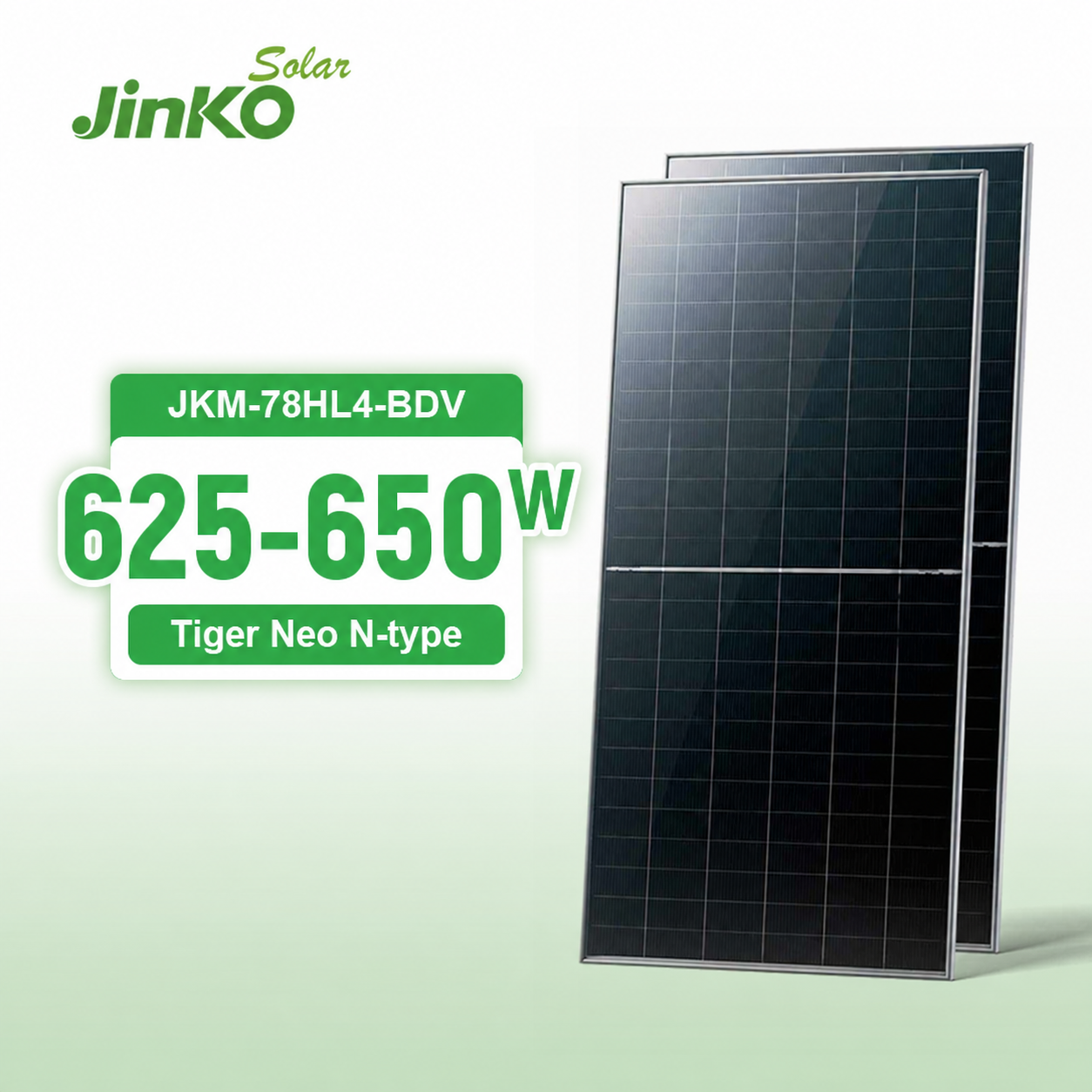
N-Type TOPCon Dual-Glass
System-matched bifacial dual-glass panels and high-voltage hybrid architectures pre-certified for Uruguayan grid interconnects, seasonal thermal stress, and damp river-basin microclimates.
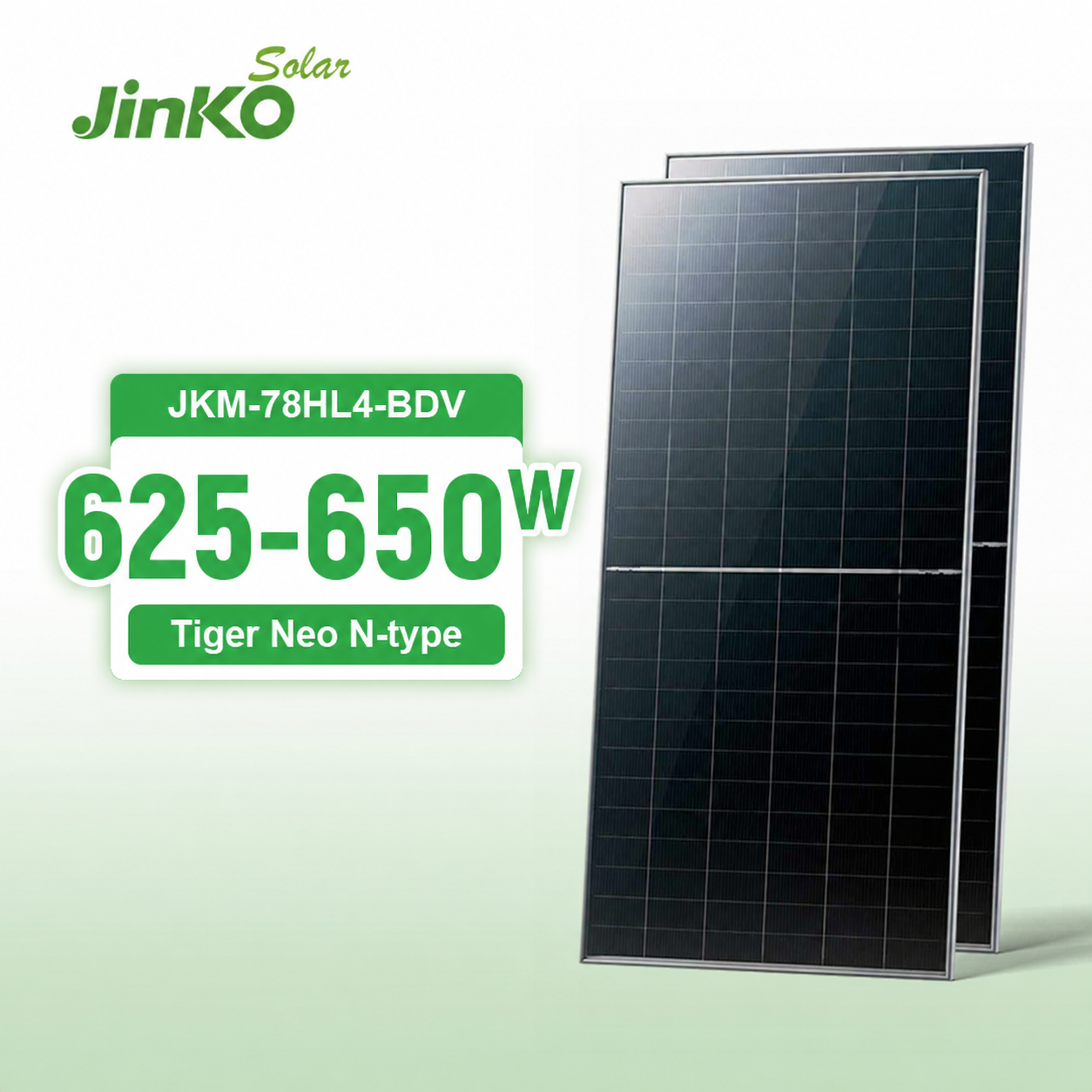
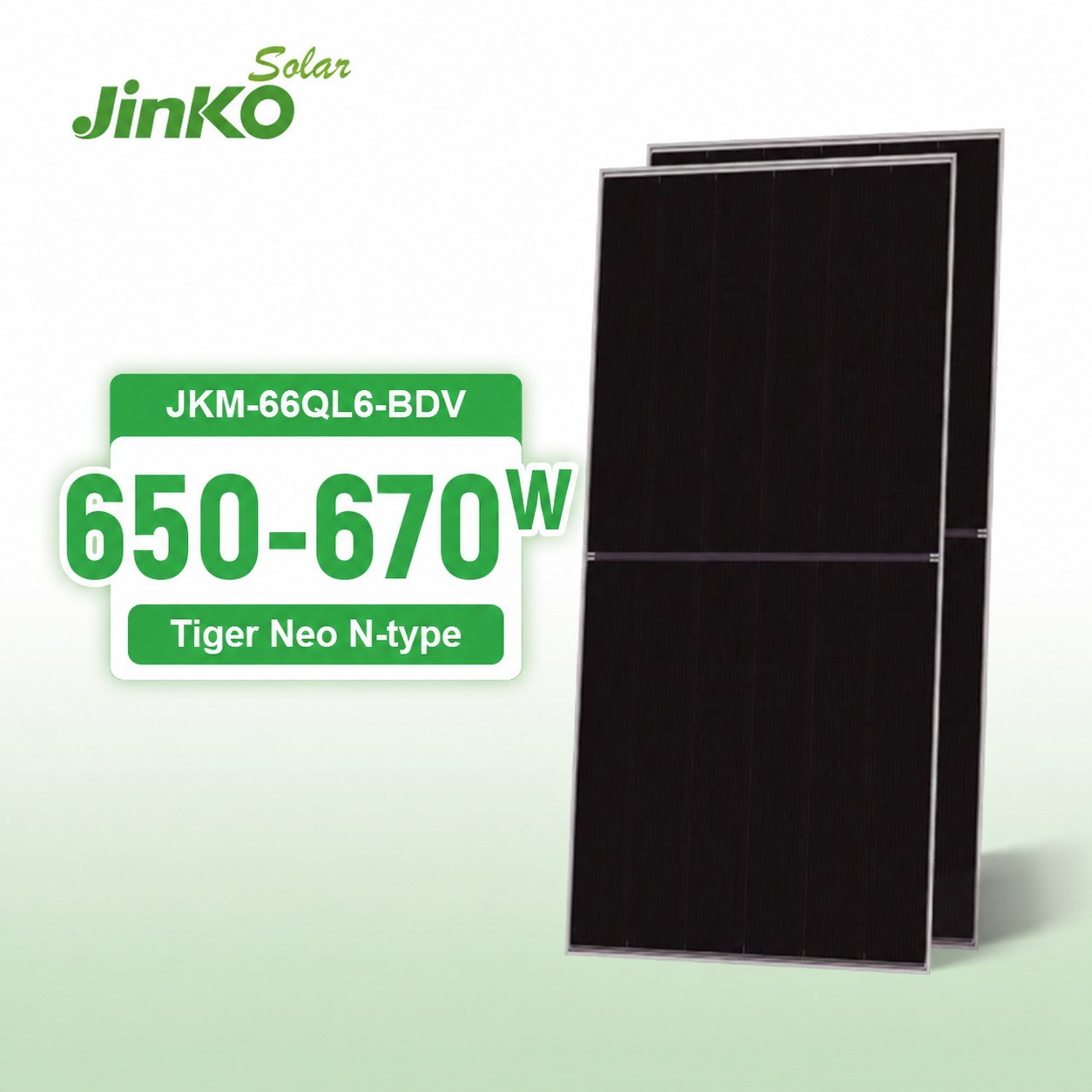
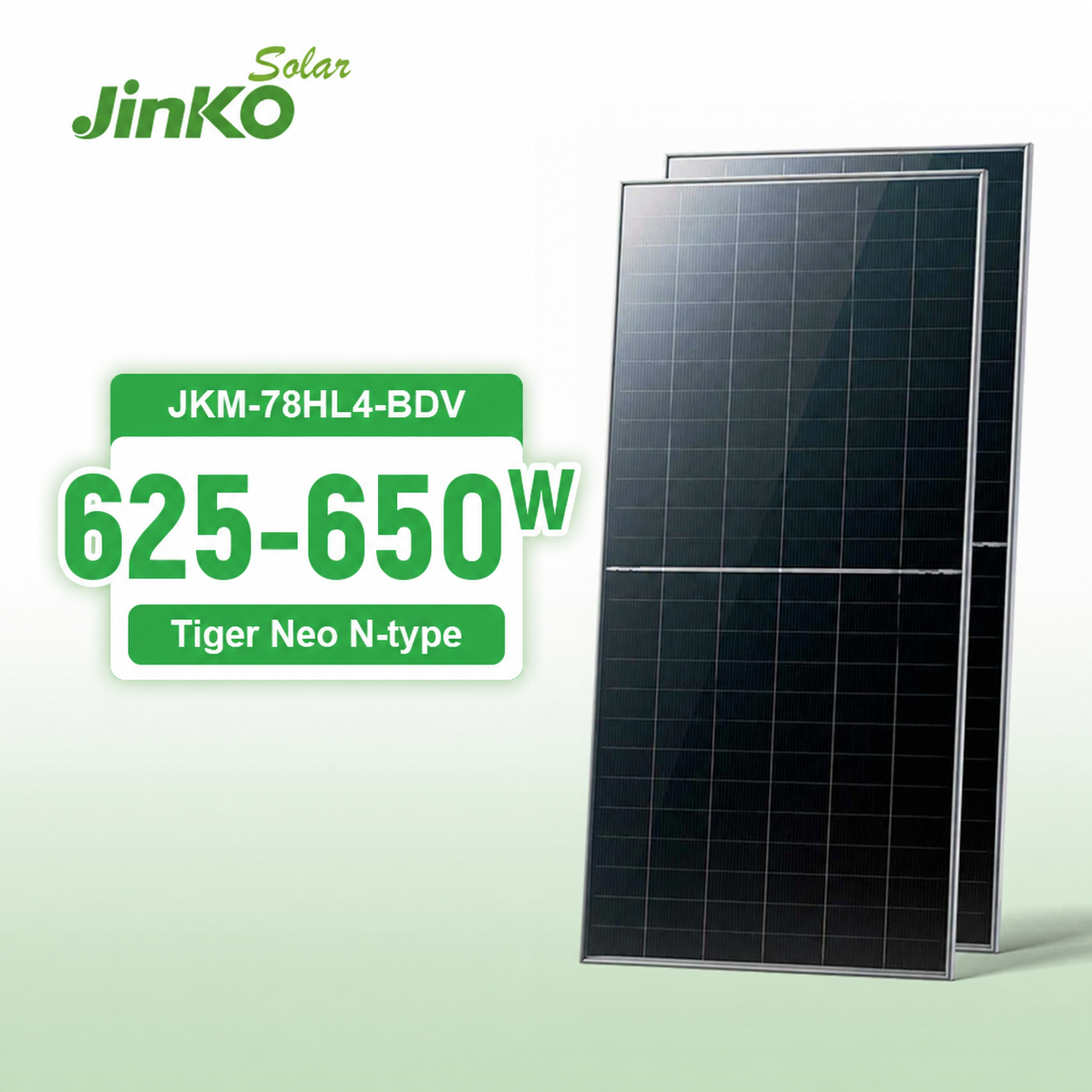
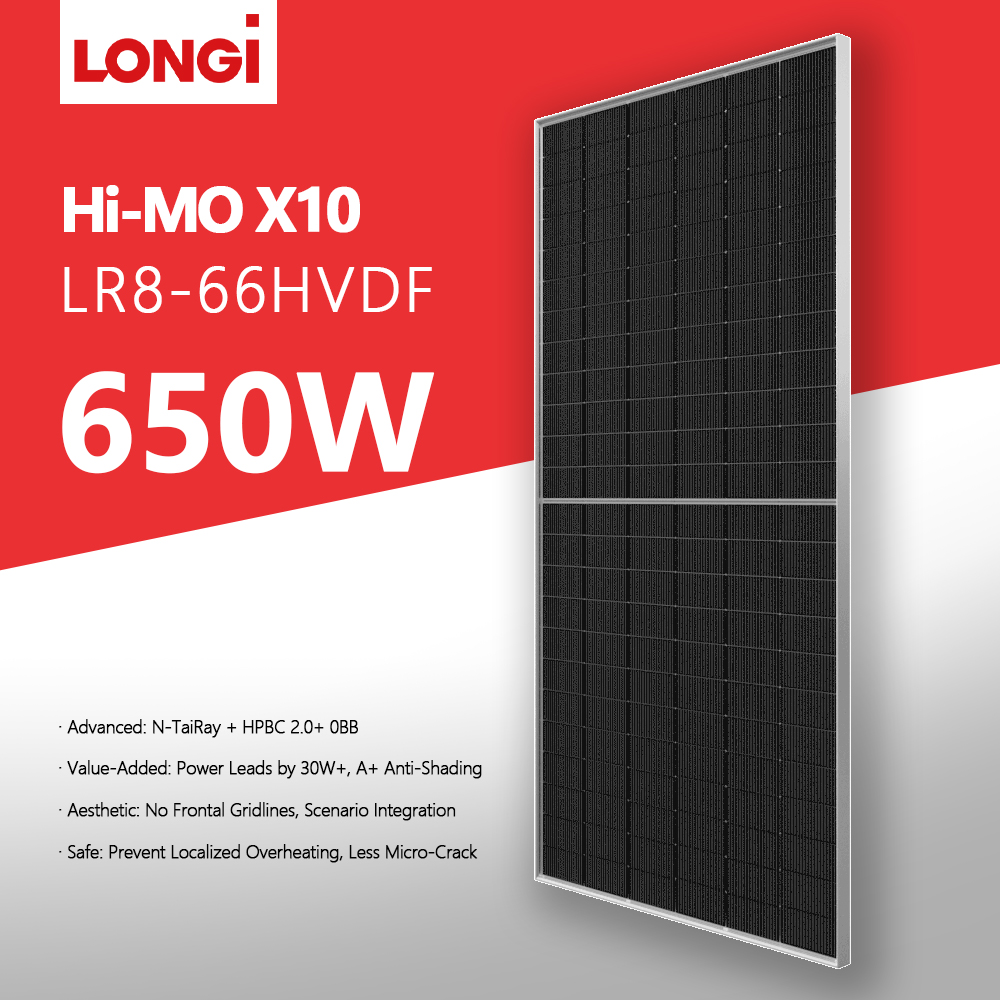
The Department of Salto occupies a pivotal position in Uruguay's renewable energy topology. Situated along the eastern bank of the Uruguay River, Salto is globally recognized for the Salto Grande Binational Hydroelectric Plant. However, the operational reality for the region's agricultural enterprises, citrus packaging warehouses (packings), and peri-urban commercial facilities involves intense seasonal volatility. Rapid industrial electrification, coupled with severe summer heat waves (where ambient temperatures routinely exceed 38°C with high relative humidity), places heavy peak loads on regional distribution lines managed by UTE (Administración Nacional de Usinas y Trasmisiones Eléctricas).
For project developers, electrical contractors, and EPC engineers operating in Salto, the standard string inverter architecture is no longer sufficient. Peak-hour tariffs under UTE's multi-hourly tariff framework (specifically the Tarifa Inteligente and Grandes Consumidores medium-voltage brackets) penalize high demand between 18:00 and 22:00. This economic structure makes intelligent energy arbitrage mandatory. Hangzhou VOLT New Energy bridges this technical gap by manufacturing and integrating smart hybrid solar inverters (ranging from 5kW low-voltage single-phase units to 50kW commercial high-voltage three-phase clusters) designed to communicate dynamically with Tier-1 bifacial photovoltaic panels and lithium iron phosphate (LiFePO4) storage batteries.
Salto produces the vast majority of Uruguay’s citrus exports (oranges, mandarins, and lemons). High-efficiency centrifugal and borehole pumps run continuously throughout the arid summer cycles. Our hybrid inverters integrate dedicated auxiliary generator ports, accepting direct coupling with existing diesel gen-sets or rural single-wire earth return (SWER) lines. By programming Zero-Export limits and solar-priority peak shifting, farms slash diesel expenditure by up to 78% while buffering vulnerable electric pump motors from severe line sags.
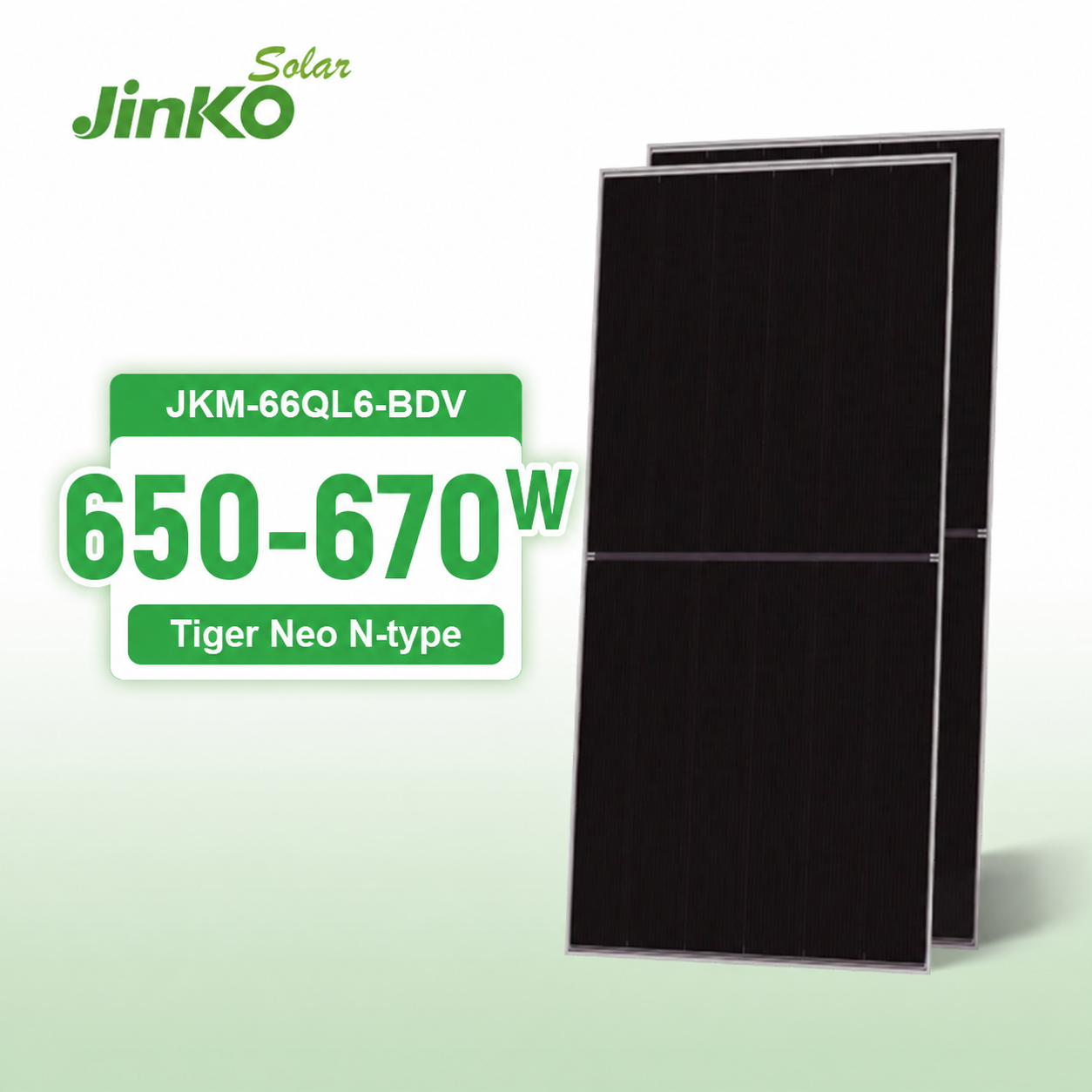
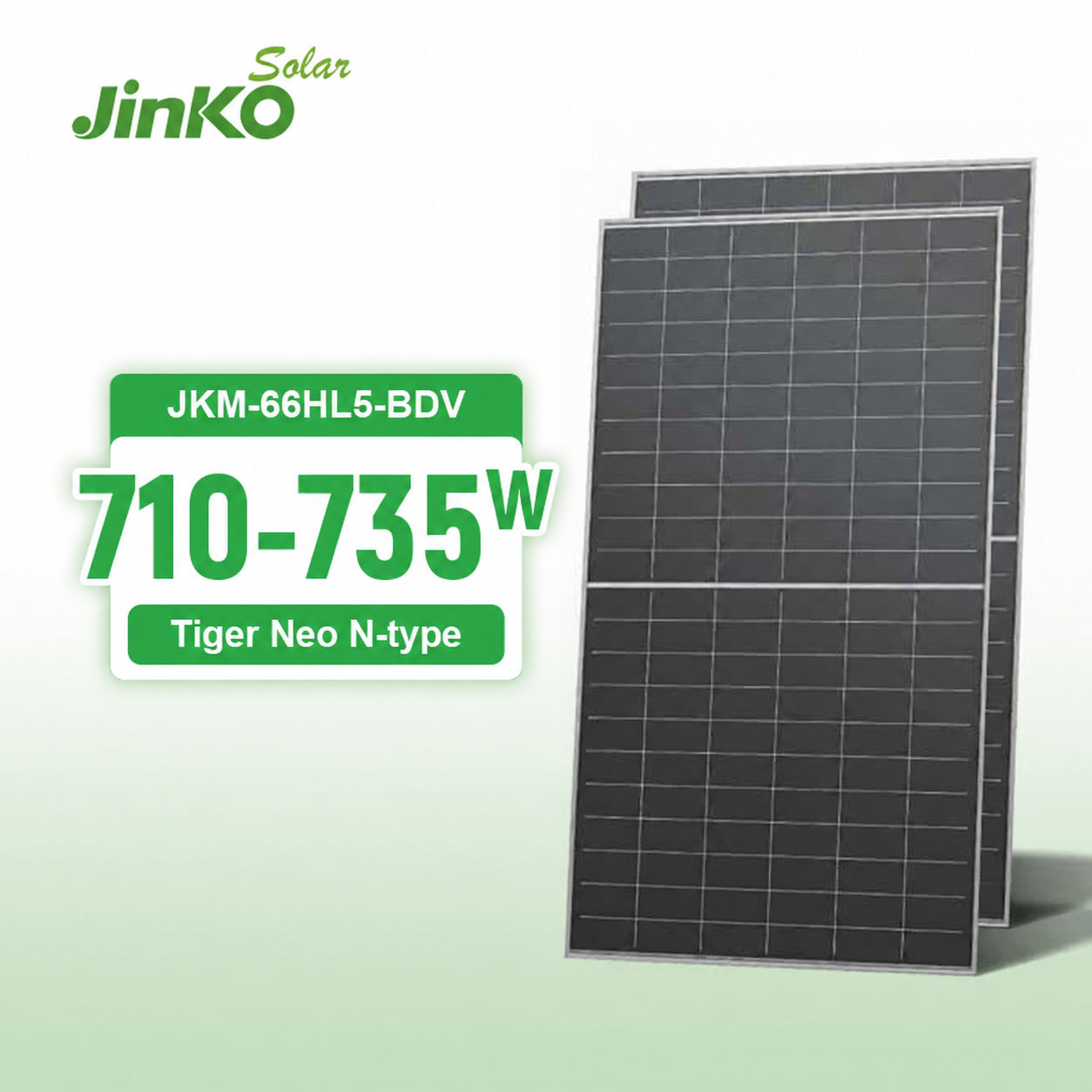
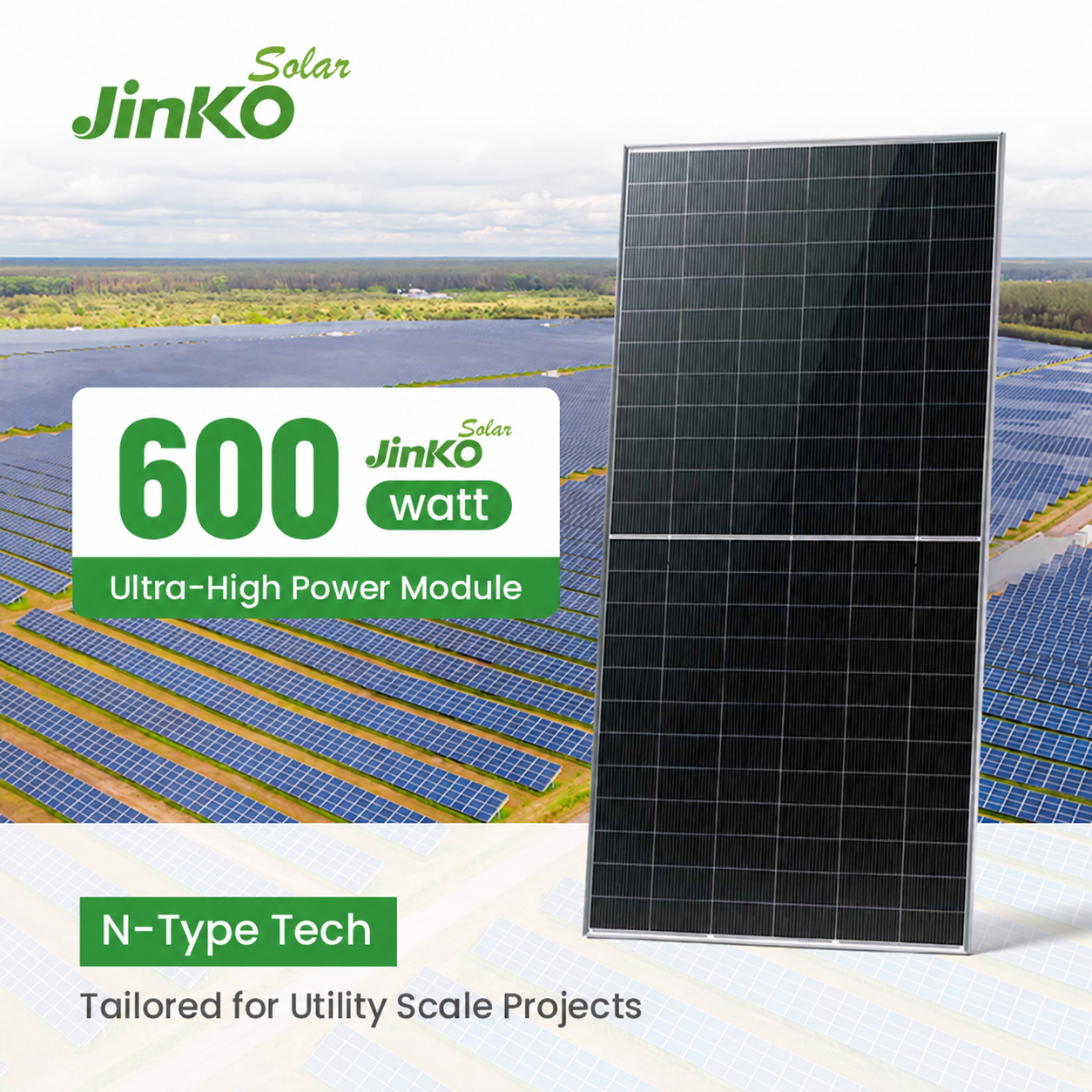
Perishable fruit preservation requires zero-downtime refrigeration in packing facilities surrounding Salto city and Colonia 18 de Julio. Grid outages or voltage dips cause instantaneous compressor tripping, compromising entire cold-chain batches. Our three-phase hybrid inverters offer sub-10-millisecond UPS-class switching. By combining our 650W+ Jinko dual-glass modules with synchronized parallel hybrid inverters (scalable up to 16 units), facilities gain a decentralized microgrid capable of continuous black-start and heavy inductive surge mitigation.
Under Uruguayan Decree 173/010 and subsequent distributed generation laws, commercial operators can self-generate and inject surpluses. However, the true financial gain lies in peak-valley tariff shaving (evading UTE’s costly Horario Punta rates). VOLT New Energy’s smart programmable firmwares enable automated scheduling: storing cheap mid-day solar surpluses or off-peak grid energy into high-cycle LFP batteries, then discharging into internal commercial loads during peak pricing windows.
A granular technical comparison detailing how our hybrid systems outperform conventional string equipment across critical operational parameters in the littoral thermal zone.
| Technical Parameter | VOLT Low-Voltage Hybrid (48V) | VOLT Commercial High-Voltage (160-800V) | Standard Conventional On-Grid Inverter |
|---|---|---|---|
| Primary Application Target | Residential, Agro-water pump stations, Small Packings | Industrial Cold Storage, Dairy Processing, Wineries | Basic Grid-Tie Residential Rooftops Only |
| Grid Blackout Backup Capability | ✔ Full Uninterrupted Power (< 10ms transfer) | ✔ Three-Phase Unbalanced Backup Output | ✘ Complete Shutdown during Grid Outage |
| DC/AC Oversizing Ratio | Up to 1.50 (Maximized winter irradiance yield) | Up to 1.60 (Engineered for Bifacial modules) | Typically Limited to 1.20 - 1.25 |
| Battery Chemistries Supported | LiFePO4 (CAN/RS485 auto-handshake), Deep-Cycle GEL | High-Voltage LFP Rack Architectures (BMS native) | No Direct Storage Support (AC Coupling Required) |
| Ambient Thermal De-rating Point | Full output up to 45°C (Smart internal fan airflow) | Full output up to 50°C (Die-cast aluminum heatsink) | Steep de-rating starting at 35°C to 40°C |
| UTE Grid Compliance (Decree 173/010) | Integrated Anti-Islanding, Frequency & Voltage Trip | Certified Relay Protection & Remote Power Factor Ctrl | Requires external protection relays on large arrays |
Eliminating importer friction through rigorous protocol matching, maritime logistics verification, and tier-1 system aggregation directly from Hangzhou, Zhejiang.

We eliminate "BMS Communication Error" nightmares. Inverters and LFP battery packs undergo pre-shipment bench testing via CAN and RS485 protocols to guarantee zero-fault synchronization upon installation in Salto.

Every single inverter unit is stress-tested on load banks under simulated thermal and harmonic environments, verifying wave-form distortion (THD < 2.5%) and ground fault insulation before packing.

We streamline import logistics into the Port of Montevideo or via direct transit corridor to Salto. Inverters, Tier-1 panels, and Class 9 UN38.3/MSDS lithium batteries are co-loaded into secure single-container consignments.

Our bilingual electrical engineering team provides complete single-line schematics, protection breaker ratings, cable dimensioning tables, and UTE regulatory documentation packets to streamline your municipal permitting.
Uruguay has achieved worldwide acclaim for generating over 95% of its electricity from renewable sources, primarily wind, hydro, and biomass. Yet this macro-level triumph conceals micro-level distribution challenges. In the interior departments such as Salto, Paysandú, and Artigas, long-distance transmission lines often suffer transmission congestion during periods of prolonged drought, when the Salto Grande hydroelectric complex operates at curtailed capacity.
This climatic reality has sparked the "Second Energy Transition" (Segunda Transición Energética) spearheaded by the Ministry of Industry, Energy and Mining (MIEM). The focus is transitioning from centralized public generation to distributed self-consumption, electromobility, and behind-the-meter Battery Energy Storage Systems (BESS). In Salto, commercial and industrial enterprises are turning to hybrid solar inverters to capture several critical advantages:
Hangzhou VOLT New Energy works closely with Uruguayan engineering firms, import distributors, and local installers to supply complete, integrated solar generation and storage systems. Rather than shipping disparate pieces from uncoordinated sources, our consolidated approach guarantees that the PV modules, mounting racking, inverters, and lithium storage batteries operate as a harmonious, factory-tested unit.
Clear, definitive answers addressing grid certification, import duties, shipping protocols, and technical compatibility.
Send our senior electrical engineers your project load schedule, single-line requirements, or container procurement list. We deliver a complete bill of materials, factory-direct quotation, and interconnection-ready schematic within 24 business hours.