Compatible High-Efficiency Tier-1 Modules for MPPT Controllers
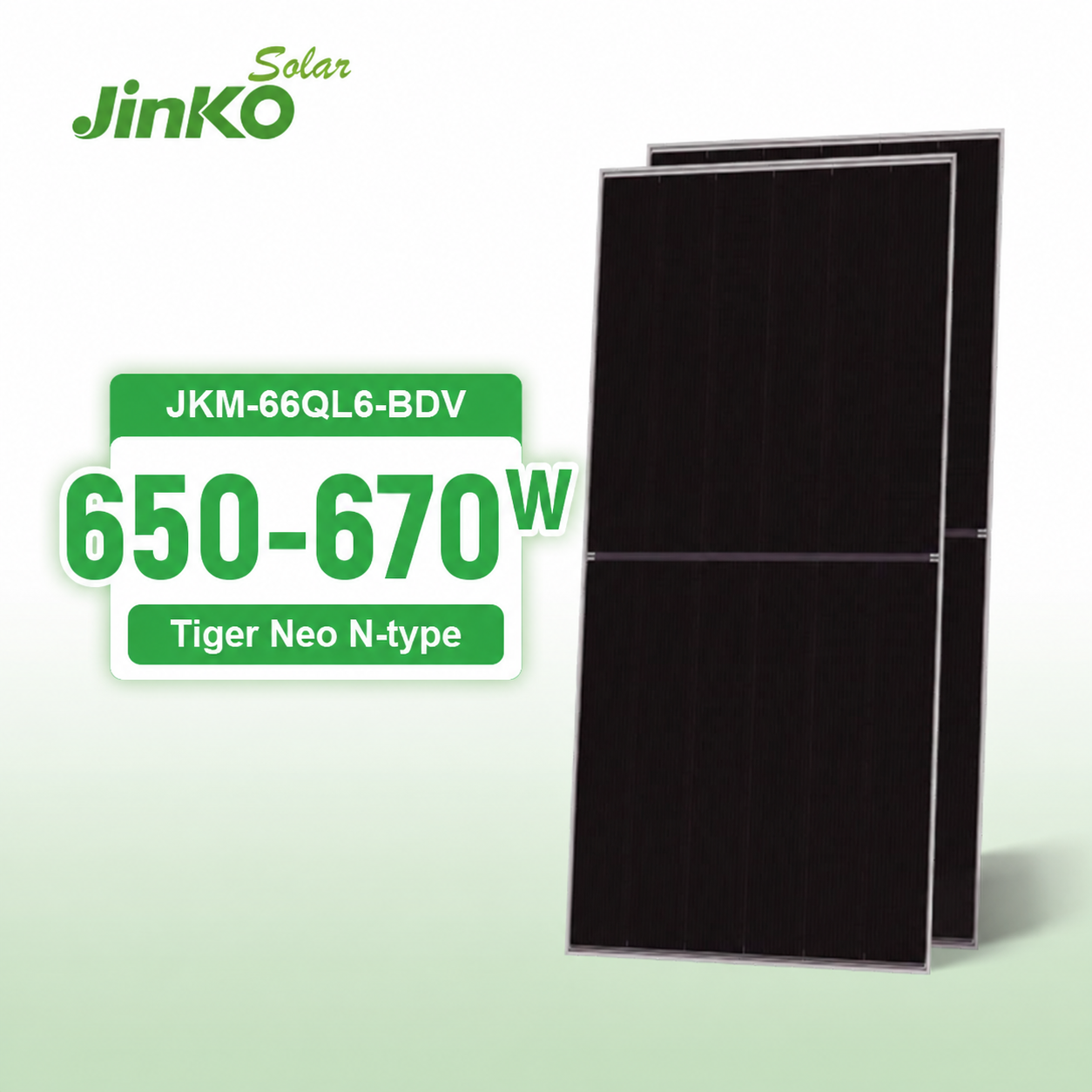
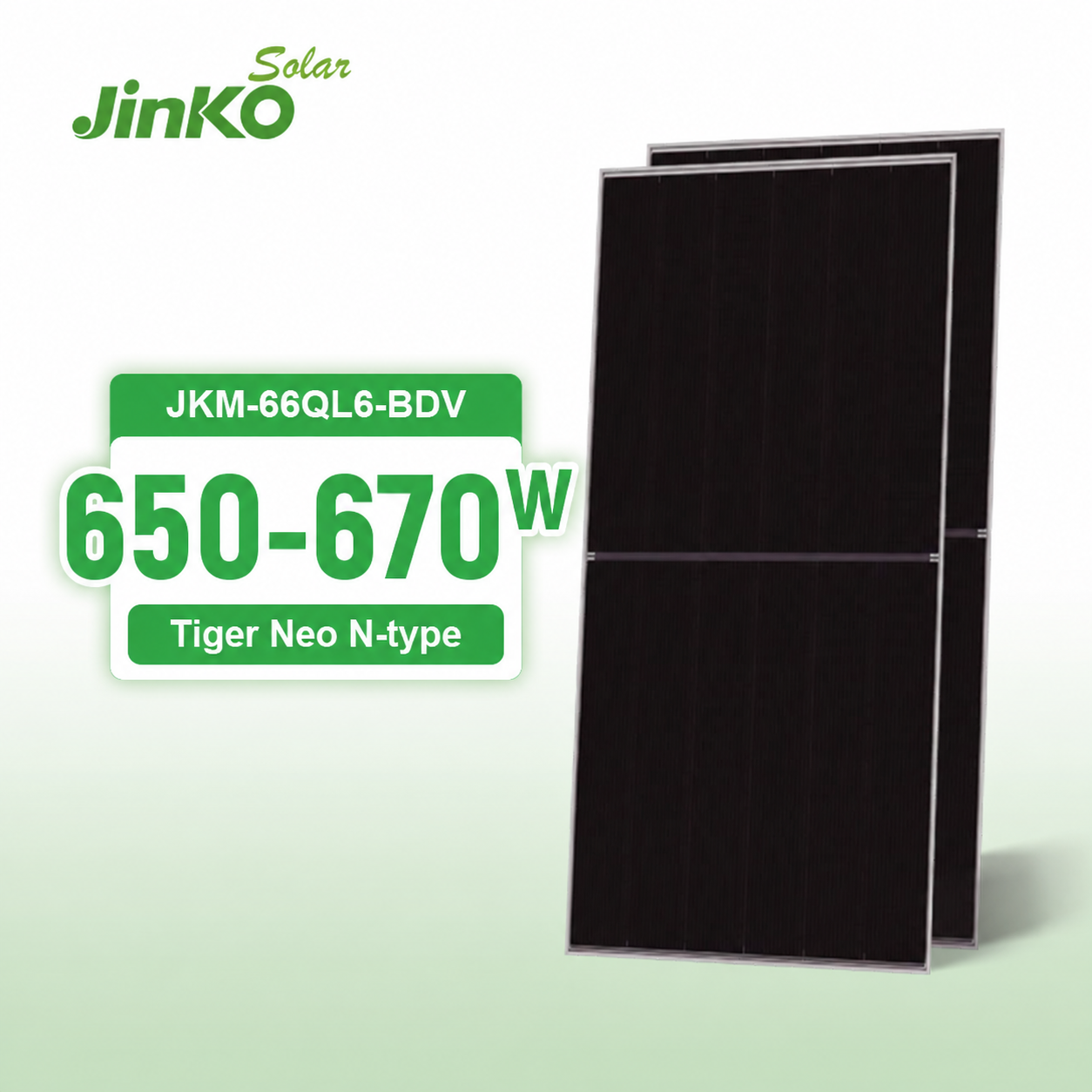
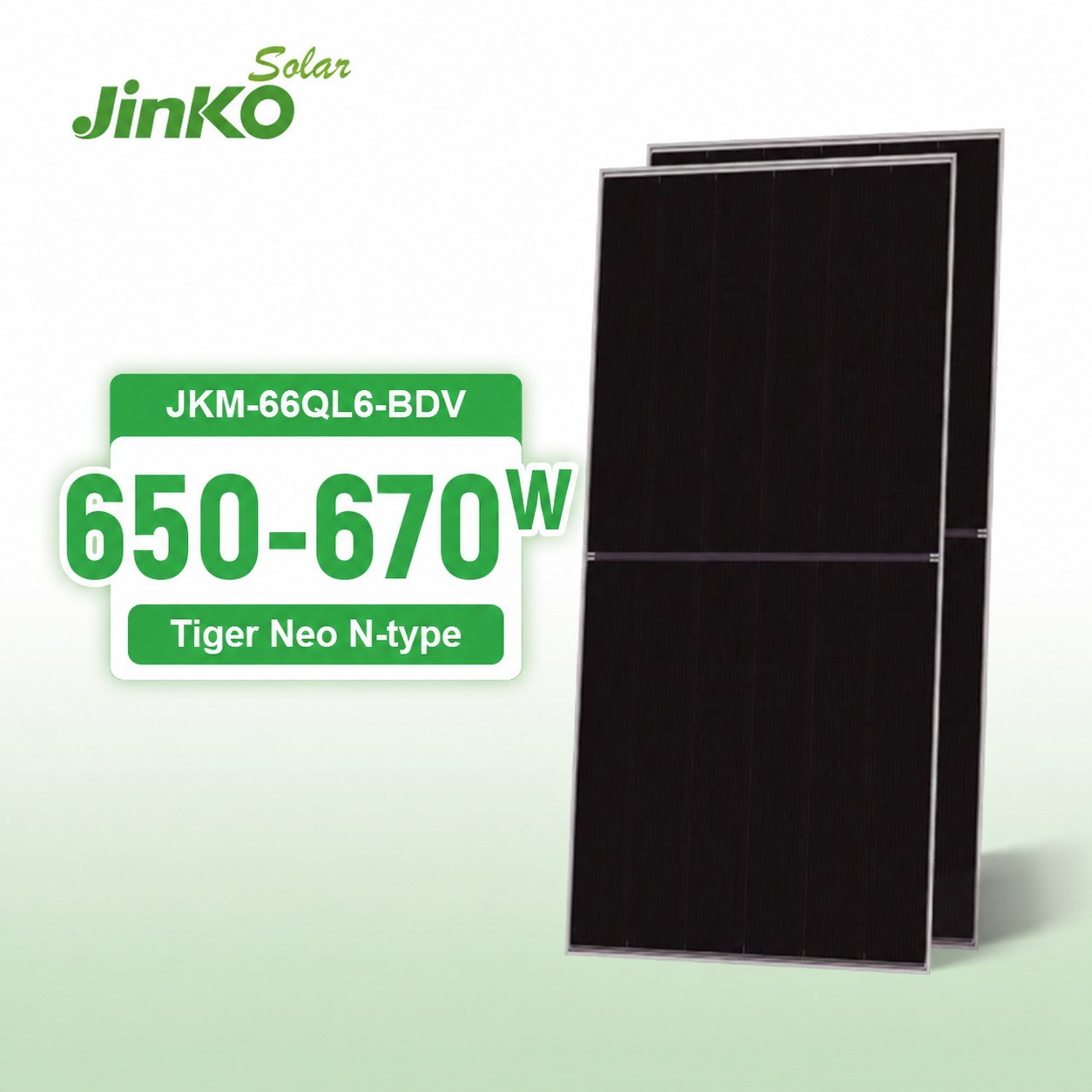
Precise electrical matching between ultra-high-power photovoltaic modules and maximum power point tracking (MPPT) charge controllers prevents thermal clipping and preserves input voltage margins across Santa Cruz's extreme temperature regimes.
1. Santa Cruz Solar Charge Controller Dynamics: The Agro-Industrial Heartland
The Department of Santa Cruz accounts for over 70% of Bolivia's agricultural output, serving as the nucleus of South American soybean cultivation, cattle ranching, sugarcane ethanol processing, and timber logistics. However, this expansive geographic scale creates acute electrical vulnerabilities. Outside the primary concession ring managed by the Cooperativa Rural de Electrificación (CRE), power distribution collapses into fragmented secondary grids, rural single-wire earth return (SWER) networks, or total reliance on isolated diesel generators.
Solar charge controllers manufactured in China for the Santa Cruz marketplace represent the critical algorithmic link between high-yield photovoltaic arrays and electrochemical energy storage systems. Unlike mild climates, Santa Cruz de la Sierra exhibits a tropical savanna climate (Köppen: Aw) characterized by ambient temperatures frequently exceeding 38°C in summer, relative humidity levels oscillating between 30% and 95%, intense seasonal dust generation during the dry agricultural harvest (la zafra), and severe lightning strike frequencies across the Chaco-Amazon interface. Standard off-the-shelf PWM controllers fail systematically in this environment due to rapid thermal derating, moisture-induced electrolytic corrosion, and inadequate open-circuit voltage margins when matched with modern large-format N-type TOPCon modules.
2. Advanced MPPT Control Architecture vs. Conventional PWM Topologies
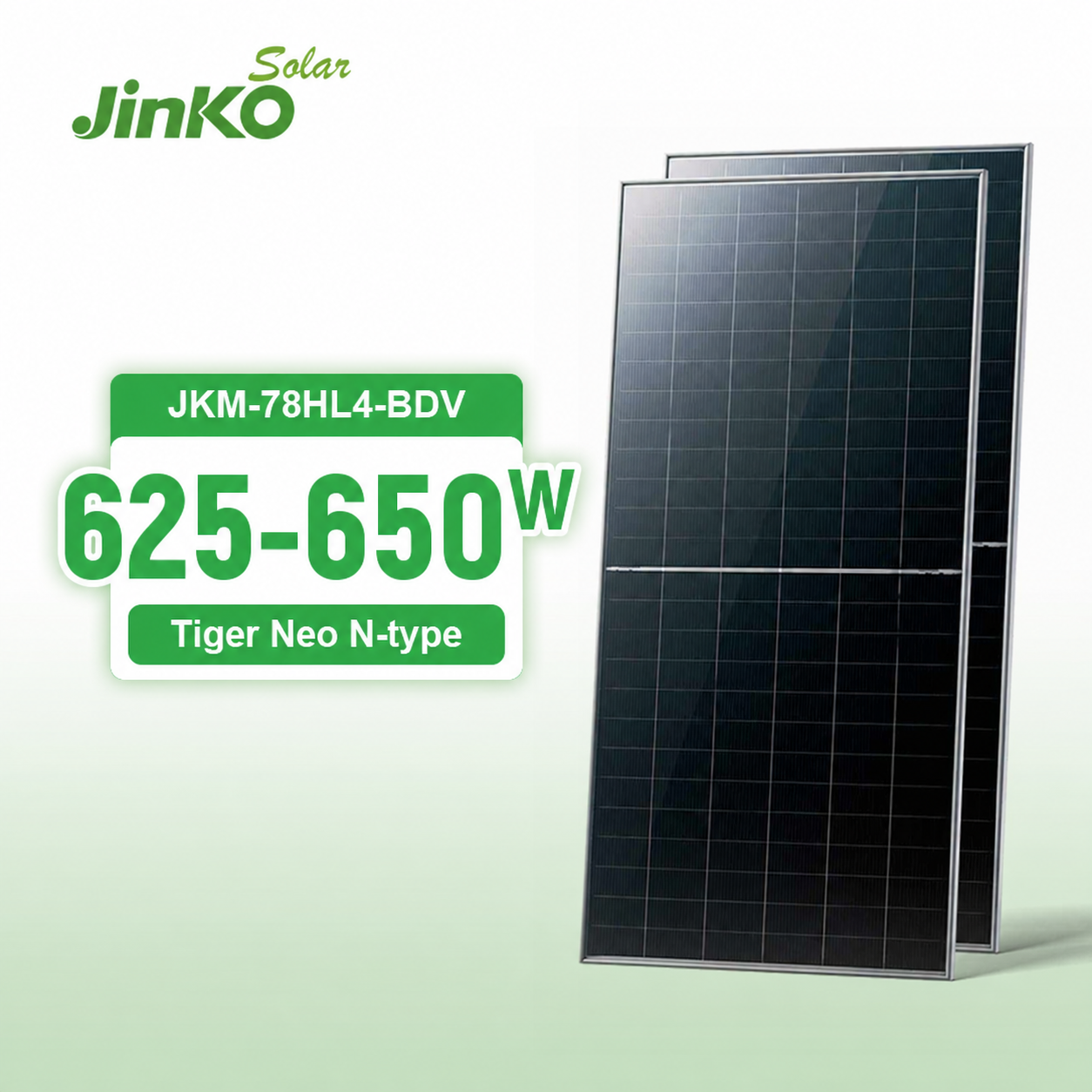
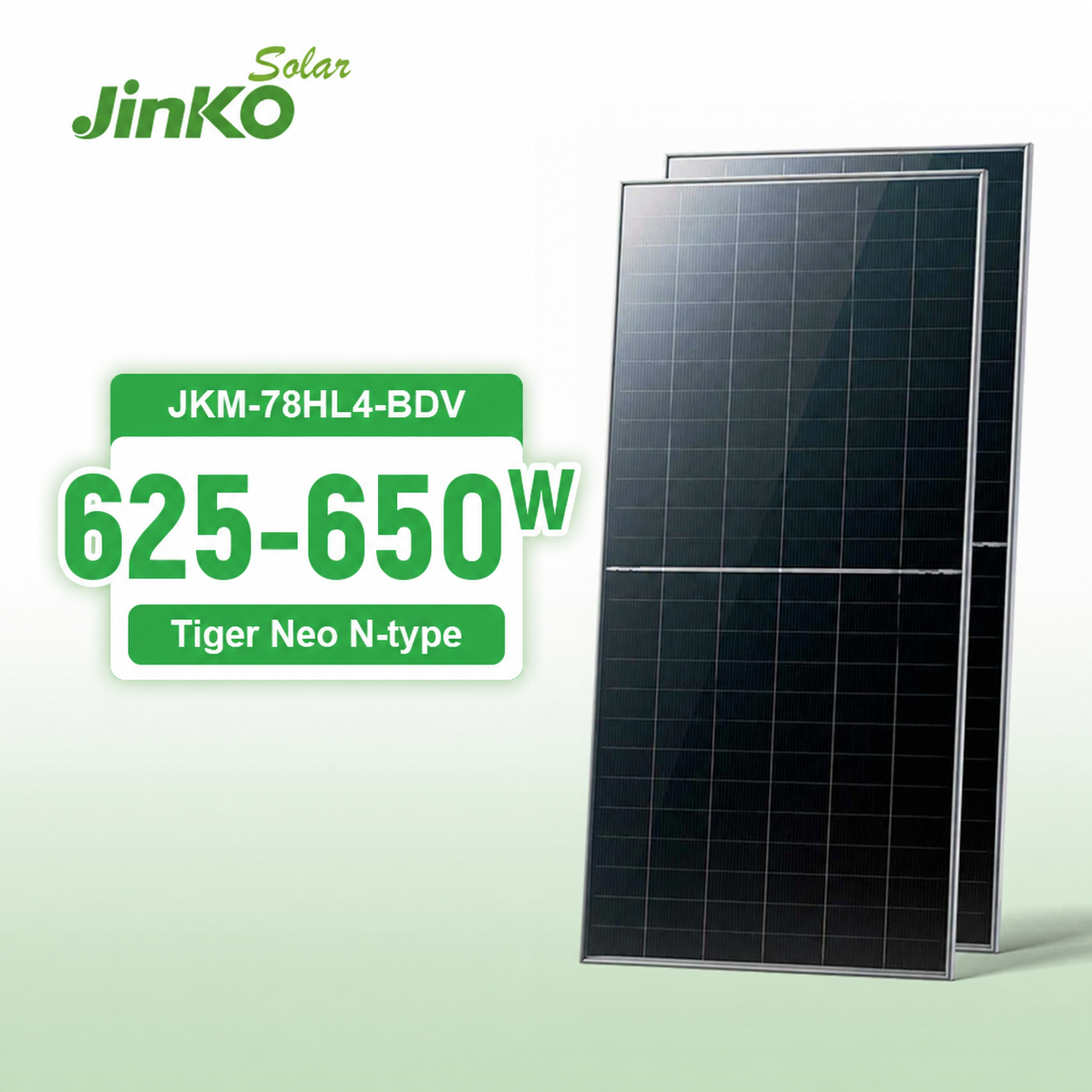
In off-grid and hybrid installations throughout the Montero, Warnes, and Pailón agricultural corridors, the technical superiority of Maximum Power Point Tracking (MPPT) over Pulse Width Modulation (PWM) is mathematically definitive. A standard PWM regulator forces the photovoltaic array to operate directly at the nominal battery terminal voltage (e.g., pulling a 650W module with a $V_{mp}$ of 39.5V down to a 24V or 48V battery level of 27.2V or 54.4V), destroying up to 35% of potential nameplate generation capacity.
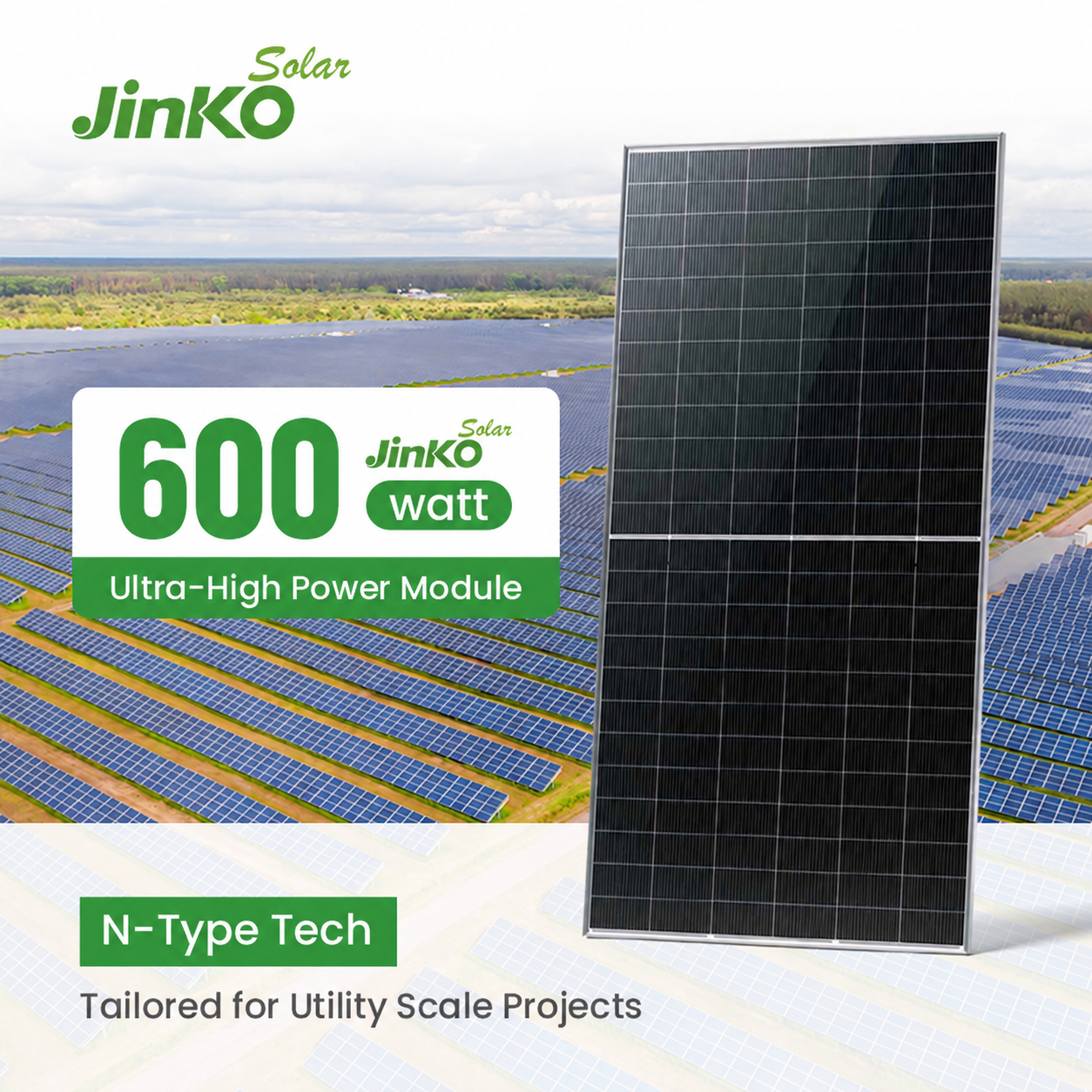
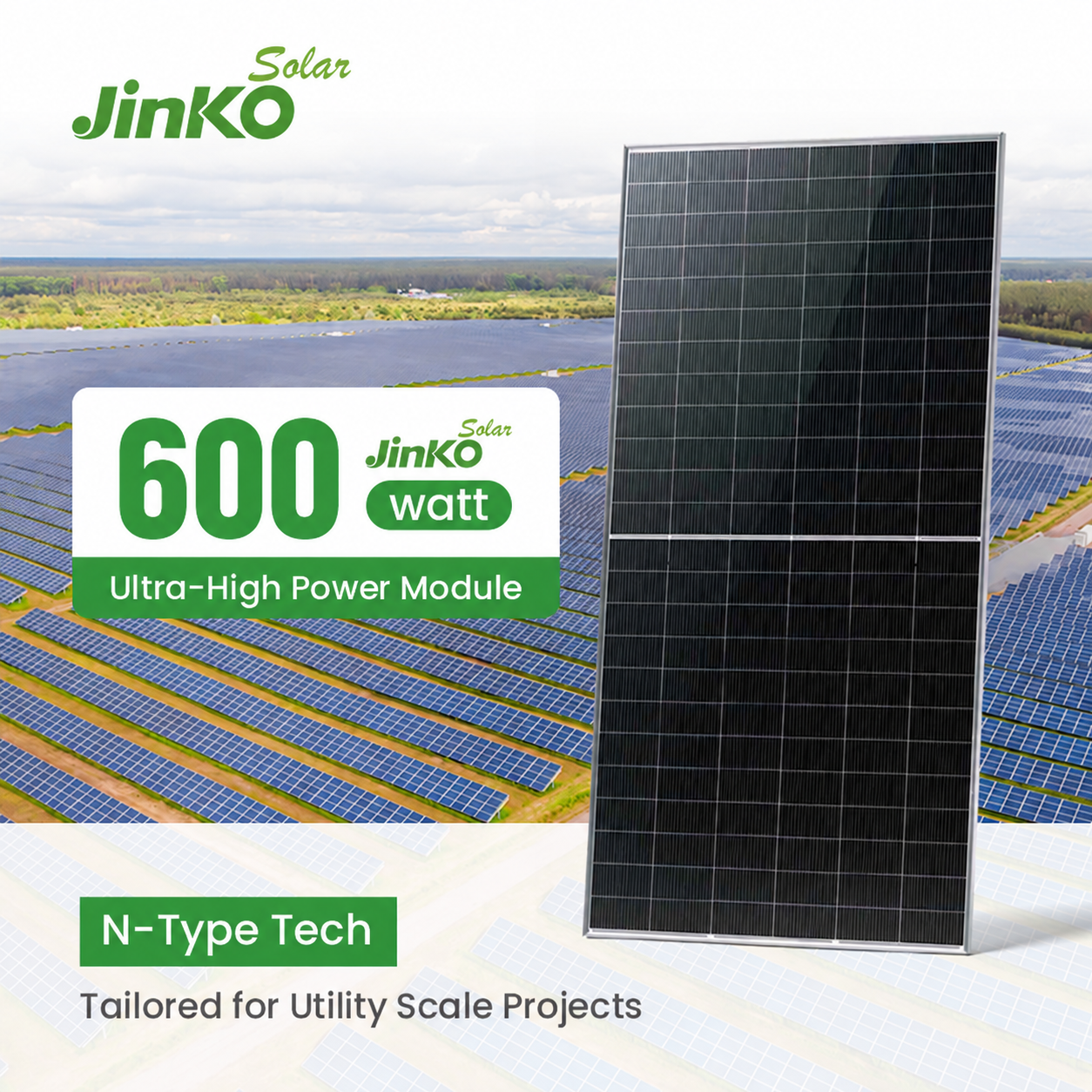
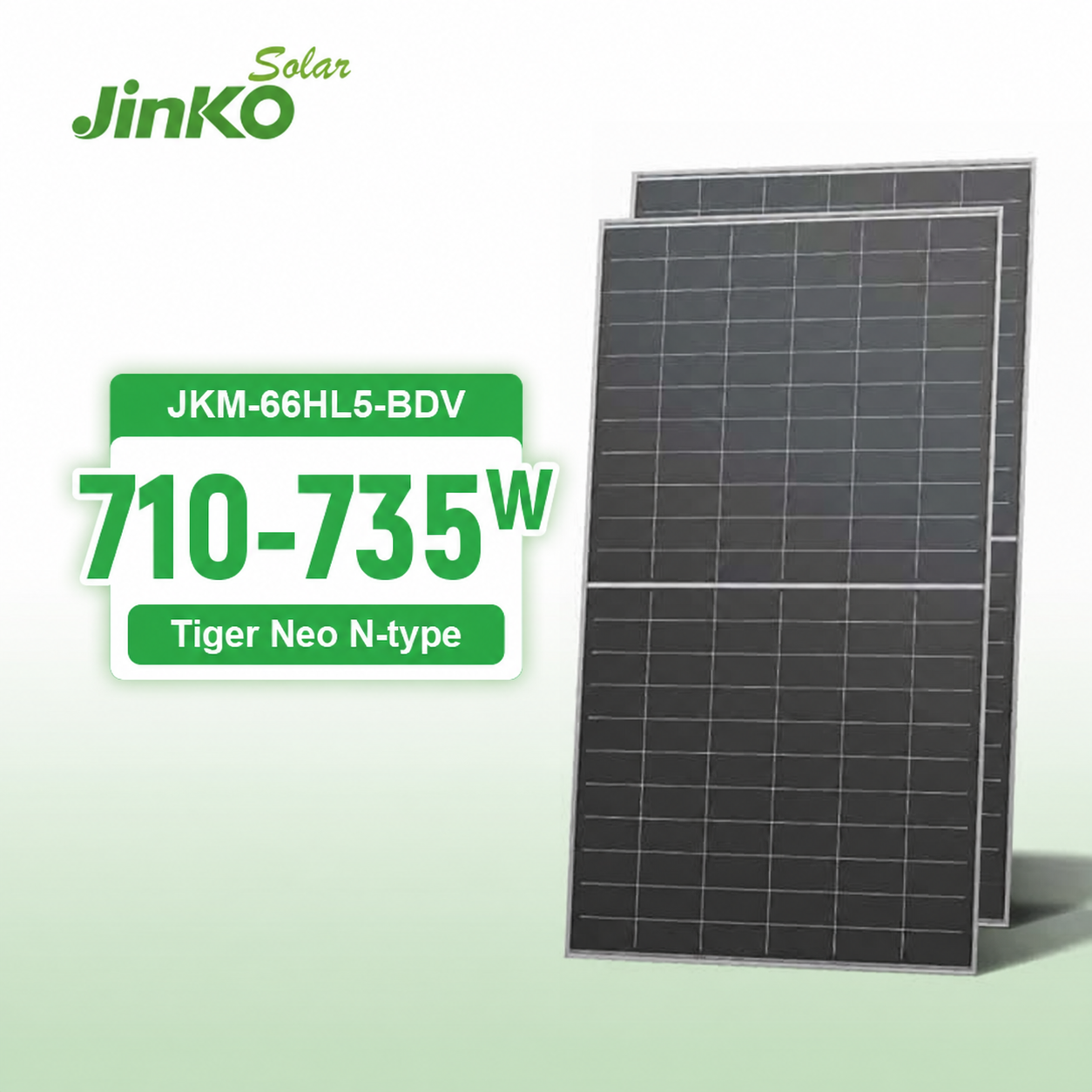
Advanced Chinese industrial MPPT topologies utilize high-frequency multiphase synchronous buck converter circuitry driven by advanced digital signal processors (DSP). By operating at tracking efficiencies $\ge 99.5\%$ and DC-DC conversion efficiencies $\ge 98\%$, these units dynamically harvest the peak power point using continuous Perturb and Observe (P&O) or Incremental Conductance algorithms. This allows system integrators to configure series strings of high-power modules (such as 600W to 710W dual-glass bifacial panels) operating at bus voltages up to 150V, 250V, or 500V $V_{oc}$. The resulting high-voltage transmission drastically reduces cable copper cross-section requirements over long farm trenching runs, mitigates $I^2R$ resistive thermal losses, and enables continuous bulk charging even during the diffuse radiation patterns typical of the Santa Cruz wet season.
3. Thermal Dissipation & Environmental Ingress Engineering
Thermal management is the single most decisive factor governing charge controller lifespan in the Bolivian Oriente. Hangzhou VOLT New Energy's exported charge controller platforms integrate heavy die-cast aluminum heat sinks utilizing natural convection cooling or thermostatically controlled dual-ball-bearing brushless fan modules. Internally, all printed circuit boards (PCBs) undergo automated multi-layer conformal coating (Humiseal-grade acrylic or polyurethane) to achieve certified IP54 or IP65 ingress protection against hygroscopic agricultural dust, pesticide vapors, and saline humidity.
Furthermore, internal power semiconductor switches (Infineon and STMicroelectronics power MOSFETs) are mounted directly to copper thermal transfer planes using high-conductivity thermal pads, ensuring the junction temperature ($T_j$) remains safely below 110°C even under sustained 100% duty-cycle operation at 45°C ambient air temperatures. Dynamic thermal foldback algorithms proactively throttle charging currents during short-term thermal excursions without tripping protection breakers, safeguarding uninterrupted continuous power for critical cold-storage and telemetry systems.
Localized Deployment Scenarios in Santa Cruz Department
From expansive agro-industrial operations along the Bioceánico corridor to remote Chaco cattle estancias, our solar charge controller platforms are custom-configured for regional industrial realities.
Grain Silos & Agribusiness
Automated MPPT arrays paired with high-capacity LiFePO4 banks in Cuatro Cañadas and Pailón, providing continuous 48V/110V/220V instrumentation power, grain moisture sensors, and conveyor telemetry to mitigate frequent rural grid brownouts.
Remote Cattle Estancias
Off-grid water pumping, electric fencing, and refrigeration across the Chiquitania and Cordillera provinces. Systems combine 150V MPPT charge controllers with deep-cycle GEL or LFP battery banks, replacing costly, high-maintenance diesel generator run-hours.
Rural Telecom Repeaters
Solar microwave repeaters and fiber-optic relay nodes along the Santa Cruz - Puerto Suárez highway. High-reliability charge controllers feature galvanic isolation, dual MPPT trackers, and dry-contact generator trigger relays for automated failsafe redundancy.
Commercial Solar Backup
Warehousing and commercial enterprises within the Parque Industrial de Santa Cruz. Integrated hybrid charge regulation modules stabilize sensitive processing electronics against voltage spikes, peak-shaving utility electricity tariffs under CRE commercial rate classes.
Industrial Solar Charge Controller Specification Matrix
Hardware configurations engineered for compatibility with Jinko mono-crystalline dual-glass panels and industrial LFP/GEL energy storage systems.
| Platform Series | Topology | Max PV Input Voc | Nominal Battery Voltage | Max Charging Current | Cooling Method | BMS / Remote Protocol |
|---|---|---|---|---|---|---|
| VOLT-Agro 60A | Multi-Phase MPPT | 150V DC | 12V / 24V / 48V Auto | 60A | Anodized Aluminum Natural Convection | RS485 (Modbus-RTU) |
| VOLT-Pro 80A | DSP Synchronous MPPT | 150V – 200V DC | 24V / 48V Adaptive | 80A | Variable-Speed Smart Fans (IP54) | CANbus 2.0B / RS485 |
| VOLT-Max 100A | High-Voltage MPPT | 250V DC | 48V Native (LFP / GEL) | 100A | Independent Tunnel Air-Channel | CAN / RS485 / Dry Contacts |
| VOLT-HV Utility 150A | Modular Multi-Tracker | 450V – 500V DC | 96V – 384V High-Voltage | 150A | Dual Brushless IP65 Forced Convection | Ethernet TCP / CAN / RS485 |
Why Santa Cruz EPCs & Distributors Partner with VOLT New Energy
Hangzhou VOLT New Energy Technology Co., Ltd. resolves the three most pervasive supply chain pitfalls for South American importers: component protocol mismatch, transit damage, and lack of pre-shipment quality verification.
Pre-Shipment Protocol Matching
Every charge controller undergoes rigorous bench testing with our 48V LiFePO4 battery modules and Deye hybrid inverters prior to export. We verify CANbus pin-outs, baud rates, and BMS handshake parameters in our Hangzhou technical center, ensuring out-of-the-box communication on job sites in Warnes or Cotoca.
Rigorous Thermal QC Testing
Controllers undergo 100% full-load burn-in cycles in our environmental test chambers at 50°C and 90% relative humidity. We sample insulation resistance, ground continuity, and transient voltage suppression (TVS) response to confirm components endure the harsh electrical surges common during eastern Bolivia's electrical storms.
Transit-Hardened Consolidations
Navigating the complex intermodal route from Ningbo/Shanghai via Chilean Pacific ports (Arica/Iquique) and through mountain passes to Santa Cruz requires heavy-duty crating. We supply moisture-barrier vapor packaging, desiccant charges, and corner-reinforced pallets for mixed-container shipments combining panels, controllers, and batteries.
Frequently Asked Questions by Bolivian Importers
Practical regulatory, customs, and electrical engineering guidance for solar equipment distributors and contractors in Santa Cruz de la Sierra.
How does the Bolivian Supreme Decree 4477 affect solar charge controller imports?
What is the optimal shipping route from China to Santa Cruz de la Sierra?
How do we size MPPT voltage margins for Santa Cruz's seasonal temperature extremes?
Can your MPPT charge controllers communicate natively with Lithium Iron Phosphate (LiFePO4) BMS?
How does high ambient humidity and dust in agricultural zones impact controller selection?
Accelerate Your Solar Projects in Santa Cruz
Connect with our senior bilingual engineering and export desk in Hangzhou. Receive complete system sizing calculations, MPPT string configurations, verified factory direct pricing, and intermodal freight routing to Bolivia within 24 business hours.