Tier-1 N-Type TOPCon Panels In Stock for Caribbean Shipment
High bifaciality, superior temperature coefficients, and heavy salt-mist resistance engineered for high-irradiance coastal microgrid deployments.
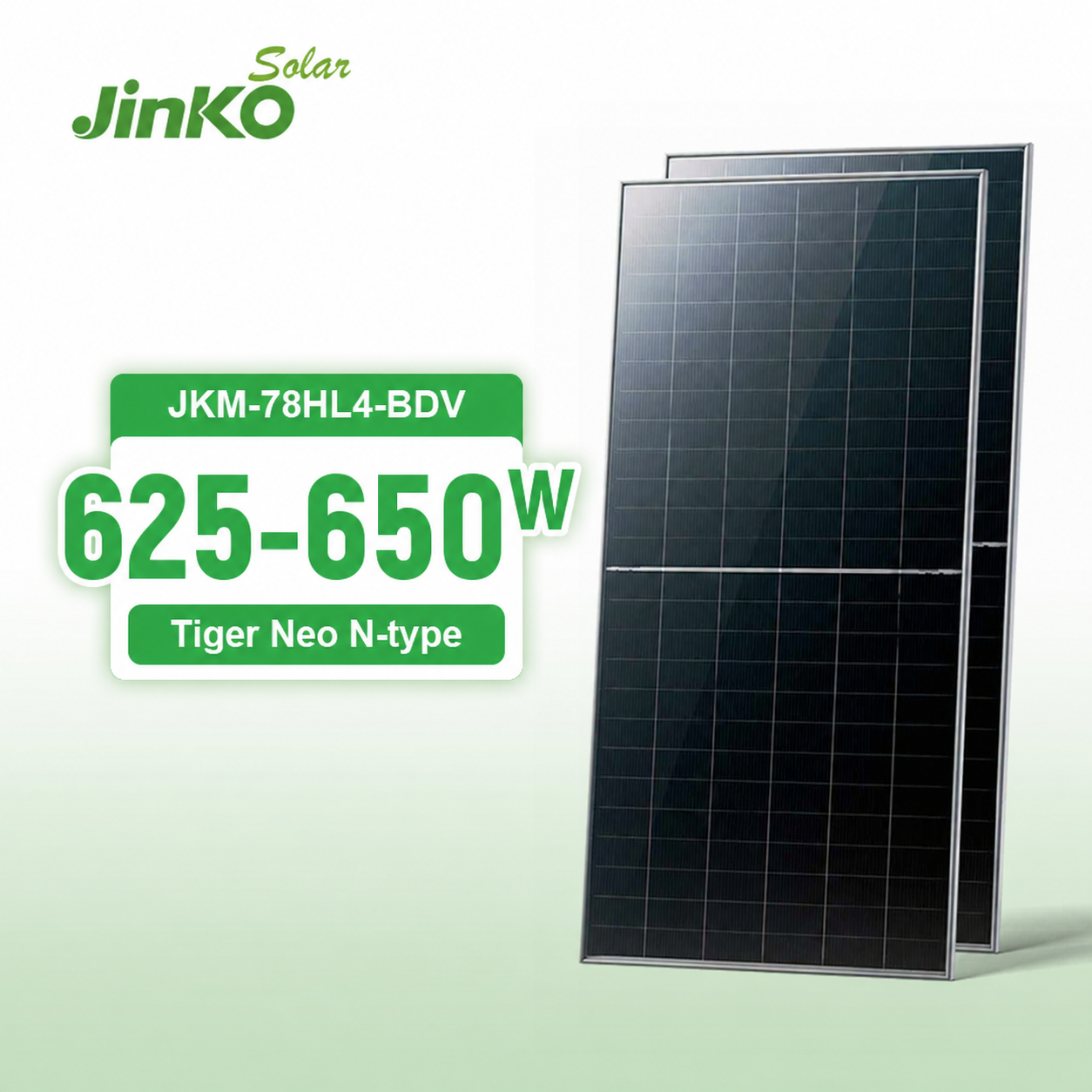
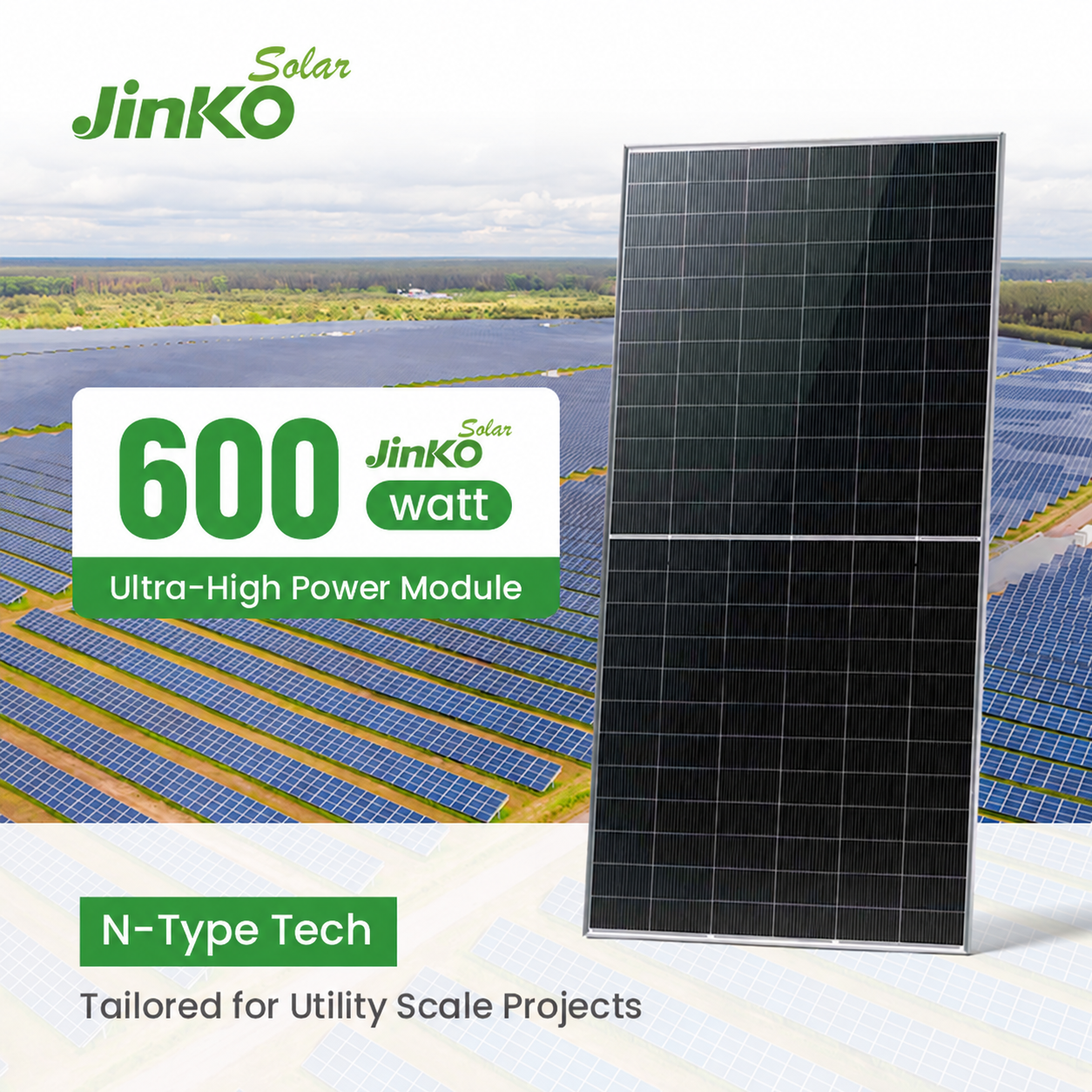
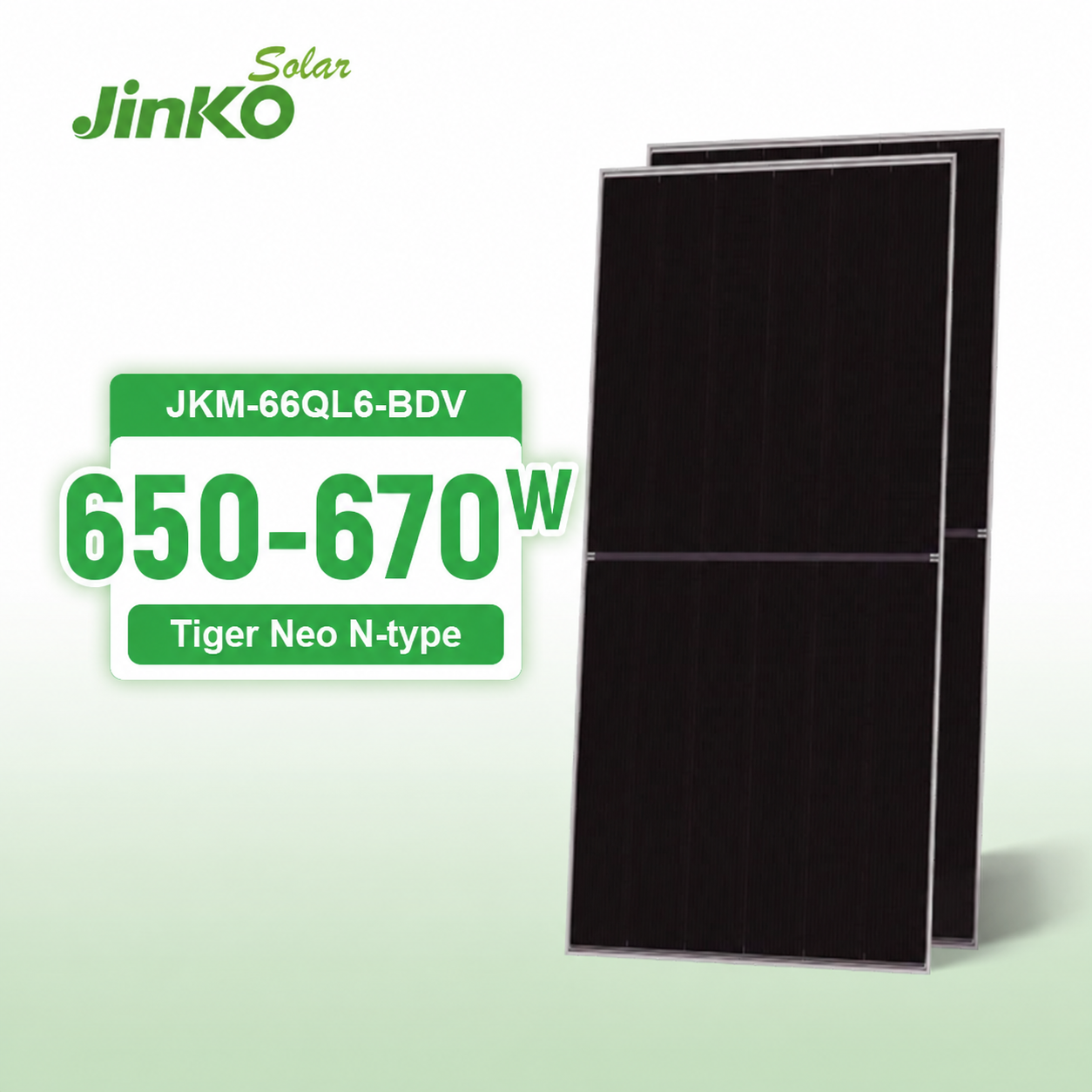
The Engineering Case for N-Type TOPCon Panels in Antigua & Barbuda
Analyzing thermal dissipation, high albedo yields, and hurricane aerodynamic mechanical integrity under Eastern Caribbean environmental stress.
The twin-island nation of Antigua and Barbuda is undergoing an essential energy transition driven by isolated island macroeconomics. For decades, electricity generation across Saint John’s, English Harbour, and Codrington has relied heavily on imported heavy fuel oil (HFO) and diesel-powered thermal generators operated by the Antigua Public Utilities Authority (APUA). With retail power tariffs fluctuating between $0.34 and $0.46 per kilowatt-hour (kWh), the integration of utility-scale solar generation, commercial rooftop arrays, and off-grid luxury resort microgrids delivers immediate levelized cost of energy (LCOE) reductions, dropping generation costs below $0.07/kWh over a 25-to-30-year operational lifecycle.
However, the maritime microclimatic envelope of Antigua and Barbuda imposes some of the most aggressive degradation factors in the photovoltaic sector. The convergence of persistent trade winds carrying hypersaline marine aerosols, solar ultraviolet (UV) radiation exceeding index 11 for over 280 days per year, sustained operating cell temperatures (NOCT) above 55°C, and the annual risk of Category 4 and 5 Atlantic tropical cyclones requires a departure from legacy P-type Passivated Emitter and Rear Cell (PERC) modules. Modern engineering procurement requires the structural resilience, low thermal coefficient, and high bifaciality of Tunnel Oxide Passivated Contact (TOPCon) technology.
Why TOPCon Outperforms Legacy Solar Cell Architecture in Tropical Latitudes
TOPCon solar cells feature an ultra-thin tunnel silicon oxide (~1.5 nm) layered with a heavily doped n-type polycrystalline silicon film. This chemical passivating contact significantly curtails surface recombination velocities at the rear metallization interface, pushing practical mass-production module conversion efficiencies beyond 22.8%. In the thermal conditions of Antigua, where ambient air temperatures hover between 28°C and 34°C, traditional p-type modules experience substantial power loss due to high negative thermal coefficients (-0.35%/°C to -0.38%/°C). In contrast, N-type TOPCon modules maintain an industry-leading temperature coefficient of -0.29%/°C to -0.30%/°C, ensuring that for every degree Celsius rise above standard test conditions (STC 25°C), energy yield remains 2.5% to 4.2% higher during peak midday sunlight.
Comparative Technology Matrix: N-Type TOPCon vs. Standard P-Type PERC
| Performance Specification | Commercial N-Type TOPCon (Supplied by VOLT) | Conventional P-Type PERC | Engineering Impact on Antigua Microgrids |
|---|---|---|---|
| Cell Polarity & Substrate | N-Type Phosphorous-Doped Silicon | P-Type Boron-Doped Silicon | Zero Boron-Oxygen defect complexes; complete elimination of early LID loss. |
| Temperature Coefficient (Pmax) | -0.29% to -0.30% / °C | -0.35% to -0.38% / °C | Retains 3.8% higher operating power at 60°C operating cell temperatures in Saint John's. |
| Bifaciality Factor | 80% – 85% | 65% – 70% | Generates up to 18% additional rear-side power on white coral sand and light flat roofs. |
| Corrosion & Salt Mist Standard | IEC 61701 Severity 6 (Dual Glass 2.0mm) | IEC 61701 Severity 1-3 (Backsheet) | Hermetic glass-glass seal eliminates moisture ingress and EVA delamination near the coastline. |
| Dynamic Hurricane Load Rating | Front 5400 Pa / Rear 2400-3600 Pa | Front 2400 Pa / Rear 2400 Pa | Resists sustained Class 4/5 hurricane suction pressures when paired with marine aluminum clamping. |
Localized Deployment Scenarios in Antigua & Barbuda
Precision-matched solar architectures configured for the unique regulatory, geospatial, and meteorological realities of the twin-island nation.
Luxury Eco-Resorts & Microgrids
Deployment across Jumby Bay, English Harbour, and Barbuda’s pristine coastal enclaves. Bifacial dual-glass modules utilize ground albedo from high-reflectance white coral sands (albedo 0.25 to 0.35), generating supplementary night-time and evening storage power via Deye hybrid inverters and LFP battery banks.
Commercial Rooftop Peak Shaving
Designed for Saint John’s commercial retail complexes, distribution warehouses, and cold-storage facilities operating under peak APUA commercial tariffs. N-type modules deliver maximum power density (up to 226 W/m²), maximizing output on restricted structural concrete roofs without overloading weight tolerances.
Desalination & Agricultural Pumping
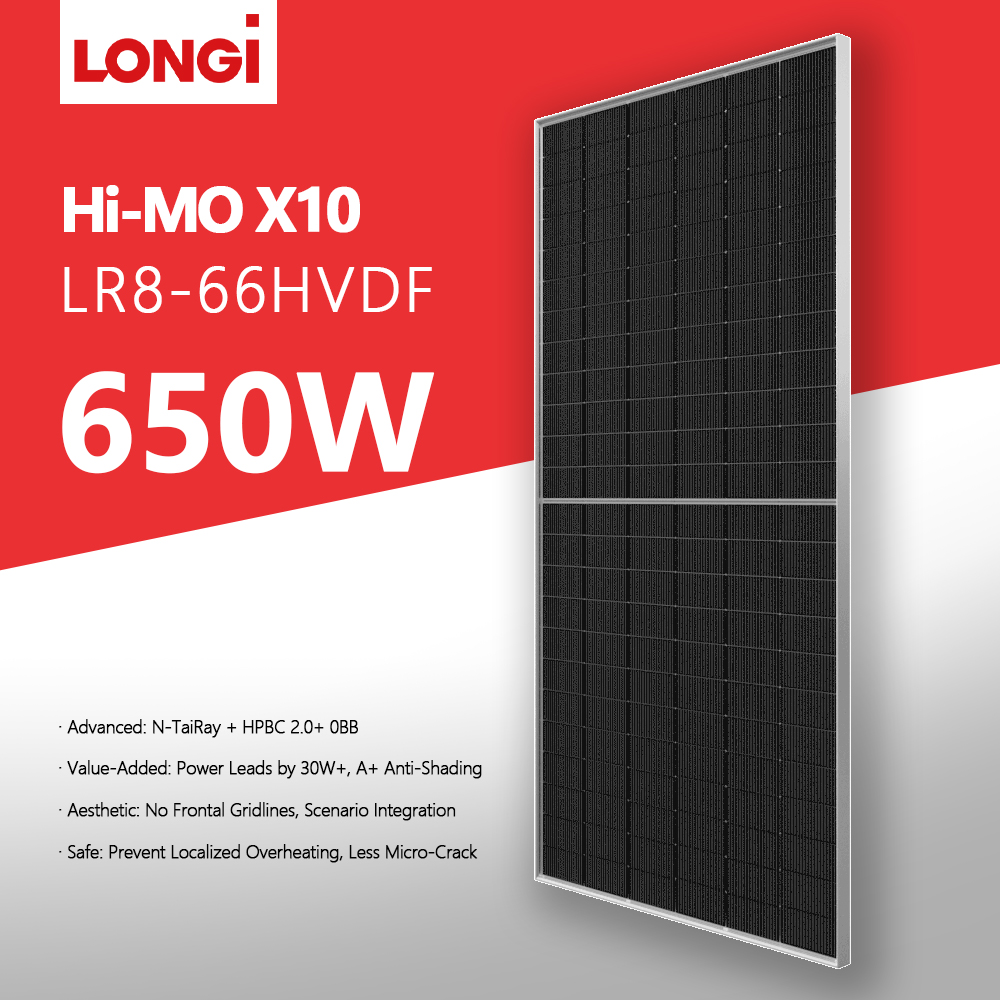
Antigua’s severe dry seasons necessitate continuous reverse-osmosis (RO) desalination and borehole water pumping. Coupled with high-voltage inverters, our 650W–700W TOPCon series drives variable-frequency pumps directly, lowering operational reliance on noisy, high-maintenance diesel generator units.
Hurricane Resilient Infrastructure
Codrington and outer island rebuild frameworks post-Hurricane Irma prioritize survivability. 2.0mm+2.0mm semi-tempered dual-glass panels eliminate micro-crack propagation under intense cyclic buffeting, verified to resist up to 5400 Pa mechanical loads when mounted with engineered dual-clamp fixtures.
Antigua and Barbuda Market Trends: Policy, Grid Stability & Hybrid Storage
Under the updated Nationally Determined Contributions (NDC) and National Energy Policy (NEP), the Government of Antigua and Barbuda aims to achieve 100% renewable generation in the electricity sector by 2030. To facilitate this transformation, the Ministry of Public Utilities, Civil Aviation, Transport and Energy, alongside APUA, has modernized the Renewable Energy Interconnection Regulations. These frameworks encourage distributed generation, commercial net-billing, and utility-scale hybrid generation installations.
The primary engineering hurdle facing the St. John’s electrical grid is frequency and voltage volatility caused by intermittent solar ramp rates during sudden cloud-cover events. As a result, EPC contractors and enterprise buyers are shifting away from standalone grid-tied string inverters. Modern specifications mandate **hybrid power architectures** incorporating LiFePO4 (LFP) Battery Energy Storage Systems (BESS) and smart inverter handshakes capable of autonomous black-start, frequency regulation, and zero-export or ramp-rate limiting control.
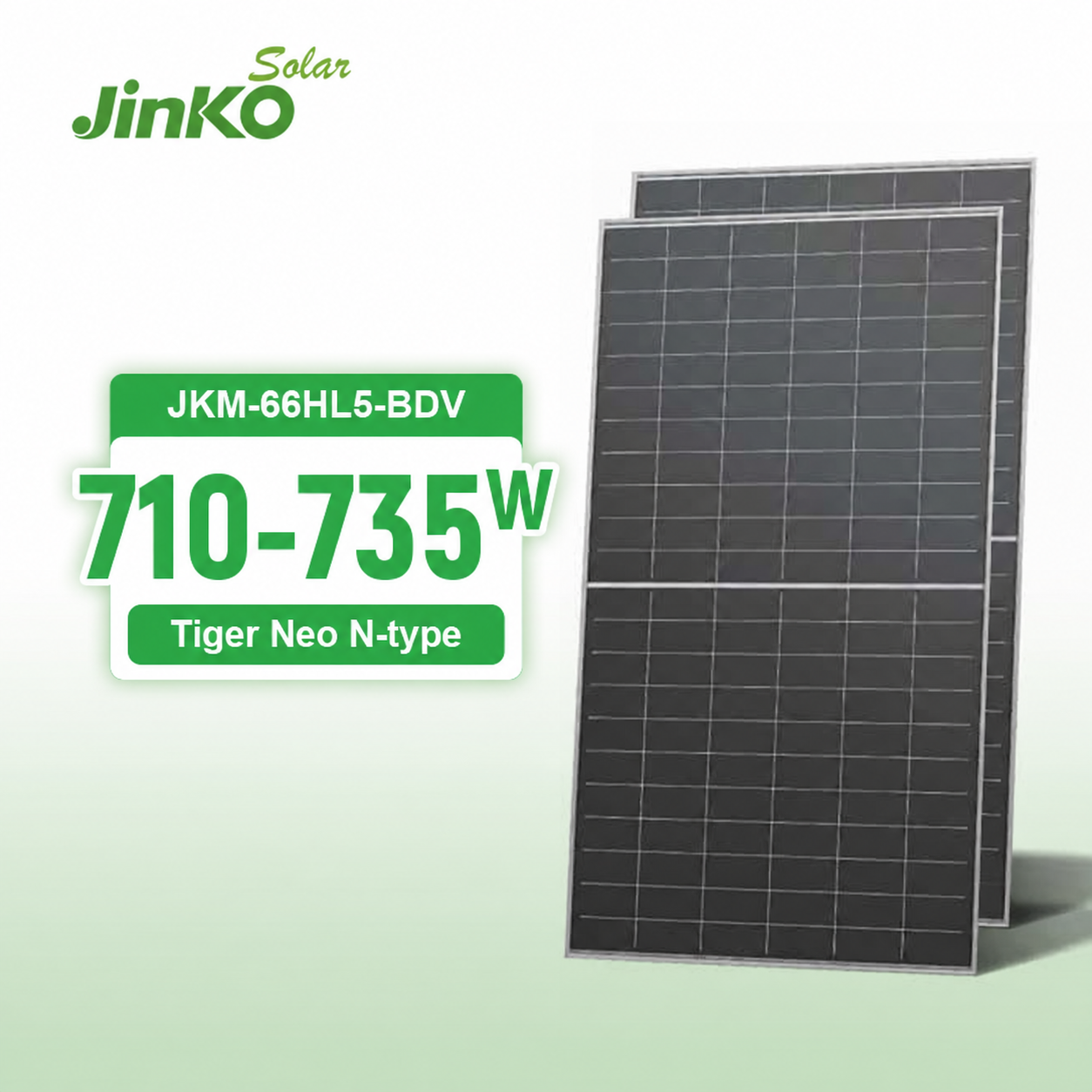
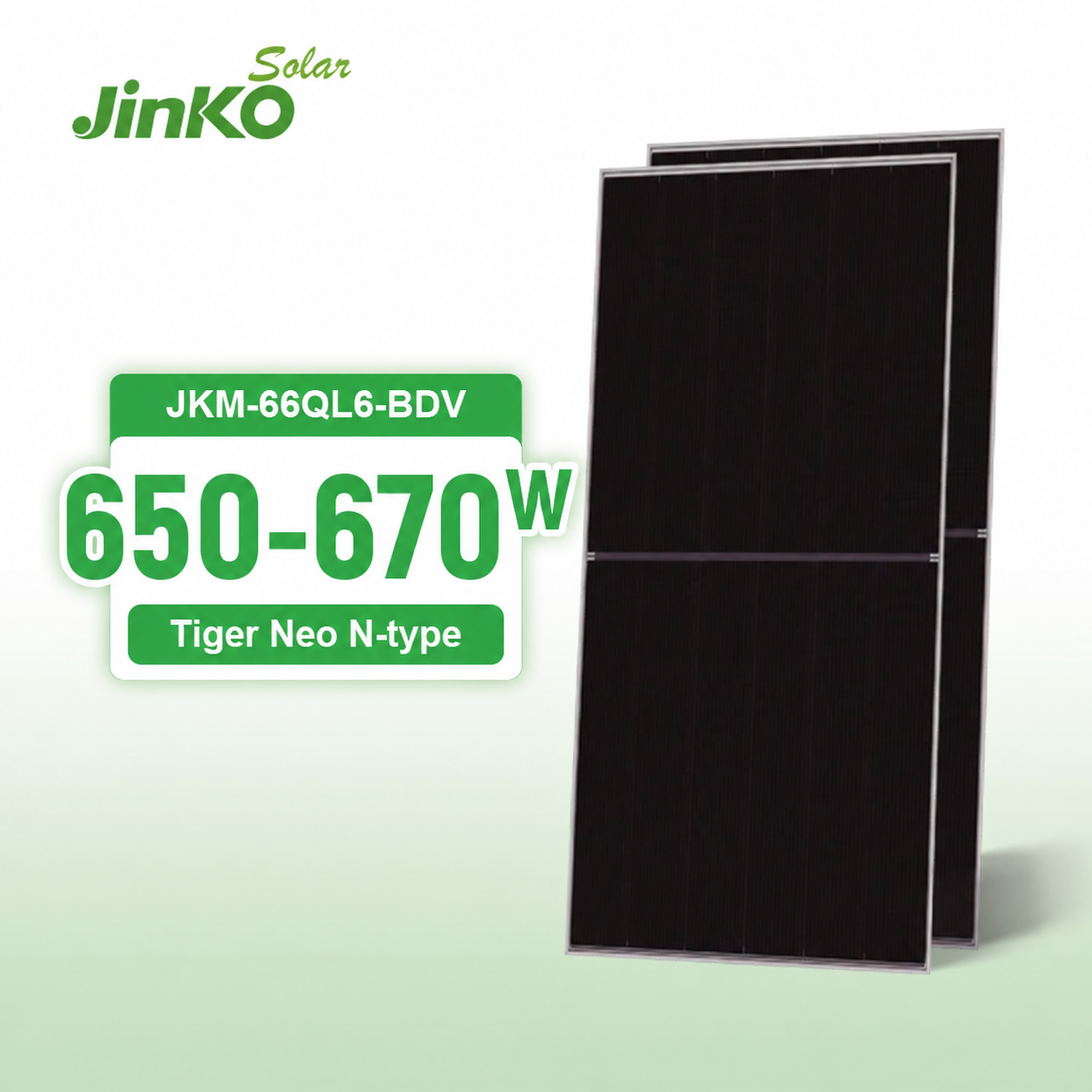
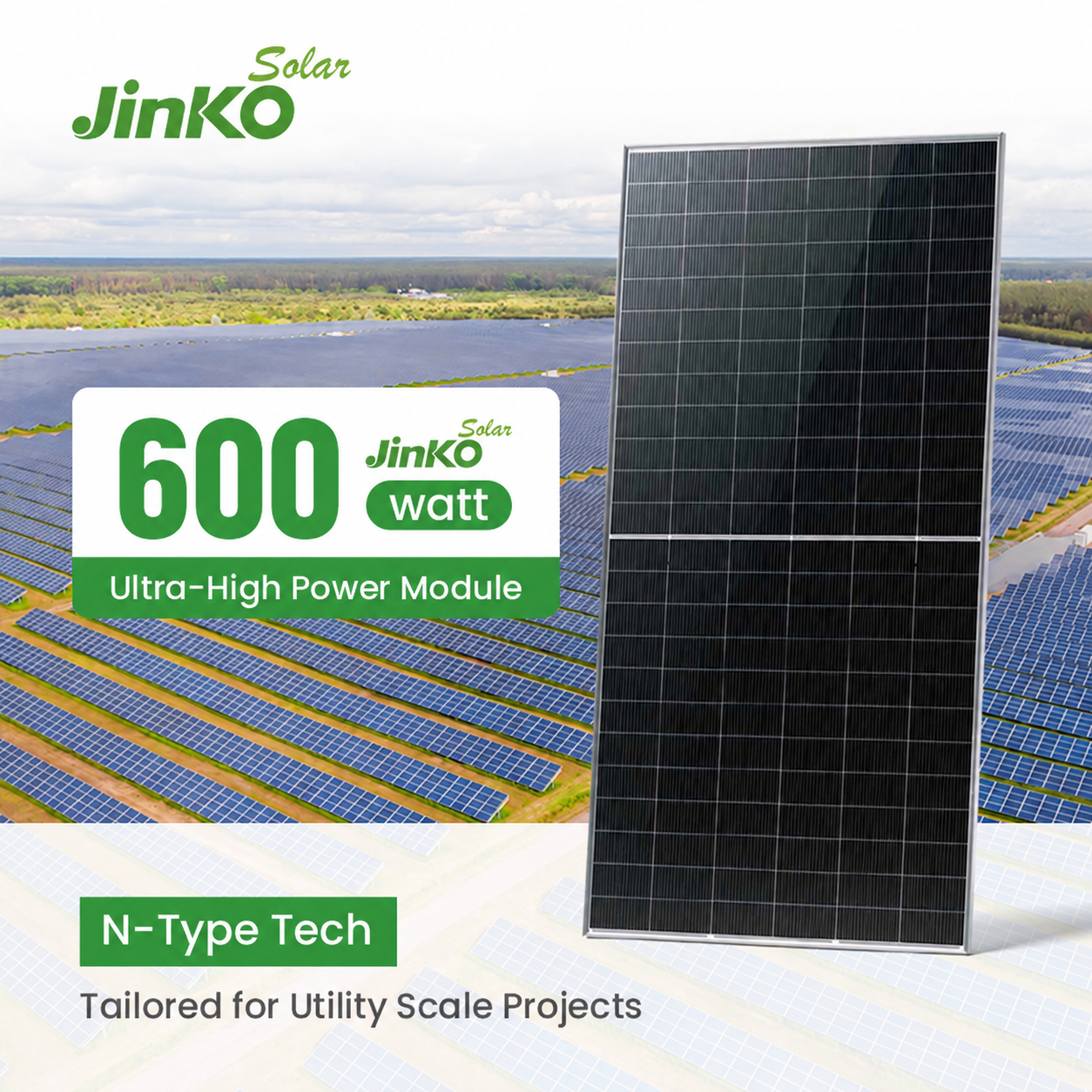
Hangzhou VOLT New Energy bridges this integration gap directly from our manufacturing and sourcing hubs in Zhejiang, China. By supplying matched Tier-1 TOPCon panels (Jinko, LONGi) alongside Deye single-phase and three-phase hybrid inverters and ANTOFO LFP battery storage banks, we ensure guaranteed CAN and RS485 communication protocols before cargo leaves Chinese ports.
Why Global EPCs & Caribbean Importers Partner With VOLT New Energy
Resolving international supply friction through protocol pre-commissioning, Class 9 dangerous goods compliance, and factory direct procurement.

Verified Protocol Handshake
Every hybrid deployment order undergoes bench testing. We verify the BMS-to-inverter CANbus and RS485 communication mapping, DIP switch topologies, and charge curves prior to container sealing.

Pre-Shipment Electroluminescence
Zero tolerance for cell micro-cracks. Modules pass strict dual-pass EL testing and flash tests calibrated to international STC standards, documented with high-res serial-numbered photo and video logs.
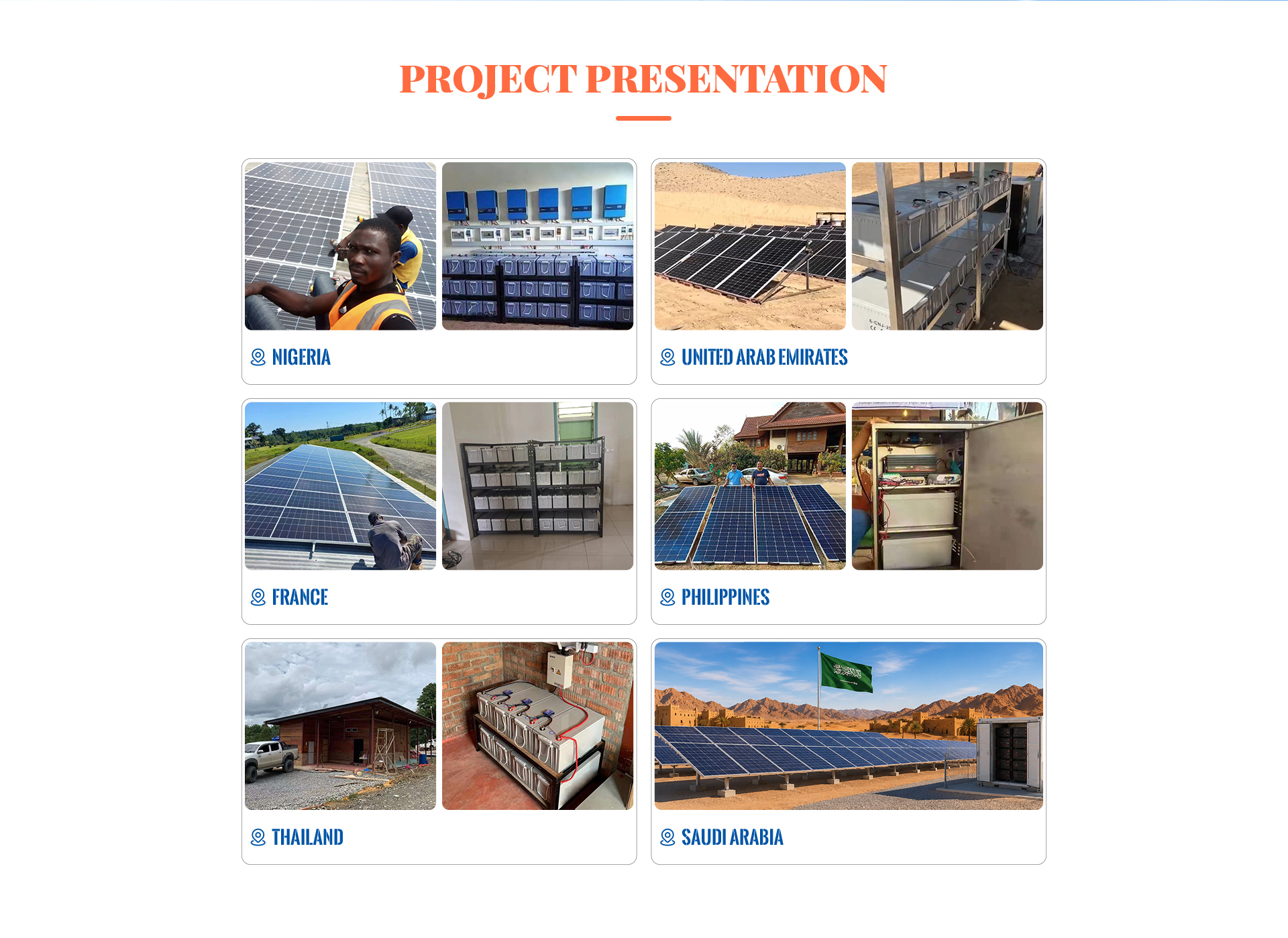
Consolidated Caribbean Freight
Eliminate multi-supplier logistics overhead. We pack Tier-1 TOPCon panels, hybrid inverters, battery racks, breakers, and mounting hardware within single consolidated FCL containers bound for St. John’s.
Engineering Technical Support
Direct assistance from licensed photovoltaic engineers. We provide CAD string layouts, DC/AC sizing ratios, single-line diagrams (SLD), and remote firmware commissioning for local installers.
Antigua and Barbuda Solar Importers FAQ
Practical commercial, regulatory, and logistics answers for local electrical contractors, resort managers, and EPC firms.
Are solar panels exempt from import duties and ABST in Antigua?
Under the Antigua and Barbuda Renewable Energy Exemption Act, certified renewable energy equipment—including photovoltaic panels, solar charge controllers, and qualifying inverters—is eligible for duty-free concessions and relief from the Antigua and Barbuda Sales Tax (ABST). Hangzhou VOLT New Energy provides compliant commercial invoices, packing lists, and Certificates of Origin (COO) to facilitate smooth customs clearance through the Antigua and Barbuda Customs & Excise Division.
How do dual-glass TOPCon panels resist coastal salt-air corrosion?
Standard solar backsheets are porous to humidity and prone to chemical breakdown when subjected to high concentrations of sodium chloride and airborne sea mist. Our dual-glass TOPCon panels utilize 2.0mm front and 2.0mm rear heat-strengthened glass with POE (Polyolefin Elastomer) encapsulation. This construction provides zero moisture permeability and passes IEC 61701 Severity 6 salt mist corrosion testing, making it ideal for beachfront resorts and coastal installations.
What is the transit timeline and shipping route from China to St. John's Port?
Container shipments depart from Ningbo-Zhoushan or Shanghai ports, transiting via major transshipment hubs (such as Kingston, Jamaica, or Panama) before arriving at the deepwater container terminal at St. John's Port, Antigua. Typical ocean freight transit times range between 38 to 48 days. We manage export customs clearance in China, Class 9 dangerous goods (DG) documentation for batteries, and container stuffing optimization.
Can we mix solar panels and energy storage systems in one container?
Yes. Many Caribbean clients avoid excess freight costs by ordering full container loads (20GP or 40HQ) combining Jinko or LONGi TOPCon panels, Deye hybrid inverters, and our LFP rack-mounted lithium batteries. Our logistics team handles specialized palletization, dangerous goods declarations (UN38.3, MSDS), and weight distribution so all items arrive safely in a single customs entry.
How are warranty claims handled for projects in the Caribbean?
All Tier-1 modules carry manufacturer-backed 12-to-15-year product workmanship warranties and a 30-year linear performance warranty guaranteeing no less than 87.4% nominal power output at Year 30. As an authorized tier integrator, Hangzhou VOLT New Energy retains batch-level serial logs for every client and coordinates technical triage, remote diagnostic reports, and RMA replacements directly with the manufacturer.
Are these modules compliant with APUA grid interconnection standards?
Yes. APUA mandates that grid-interconnected photovoltaic systems comply with IEEE 1547 and UL 1741 standards for anti-islanding, harmonic distortion limits, and ride-through capabilities. Our matched packages combine certified modules with Deye inverters carrying full CE, TÜV, and UL certifications, meeting all APUA electrical inspection and grid interconnection requirements.
Ready to Source High-Performance TOPCon Solar Systems for Antigua?
Consult with our engineering desk today for wholesale pallet pricing, container consolidation plans, single-line wiring diagrams, and complete technical specifications customized for your island project.
Contact Us