High-Efficiency TOPCon & Bifacial Generation for Cold-Climate Energy Storage
Pairing long-lifespan Tubular Gel (OPzV) battery banks with Tier-1 dual-glass bifacial modules delivers optimum snow-albedo gain and uncompromised sub-zero performance across Greater Montreal and rural Quebec.
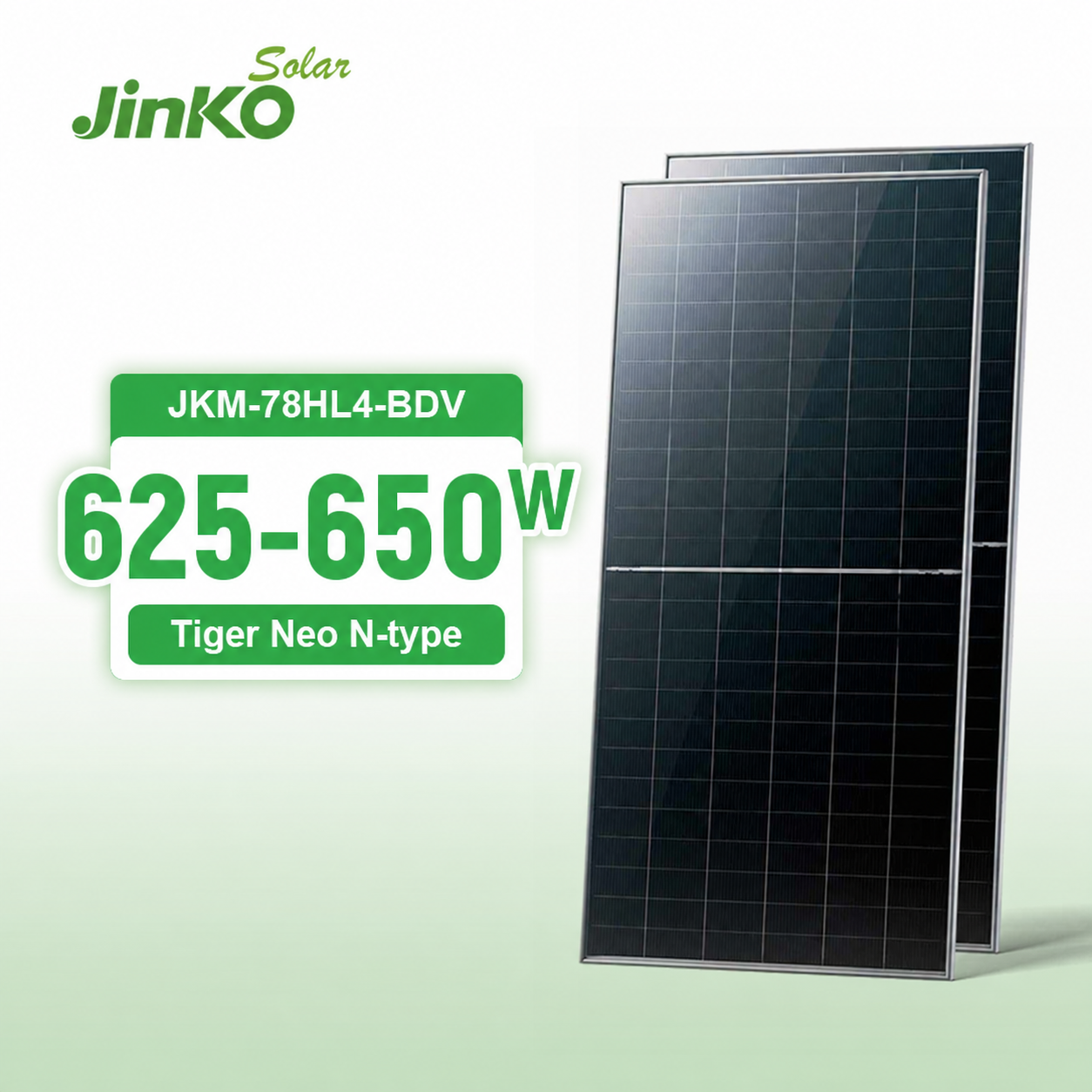
High-power bifacial module engineered for commercial rooftop arrays and ground-mounted storage setups in Quebec.
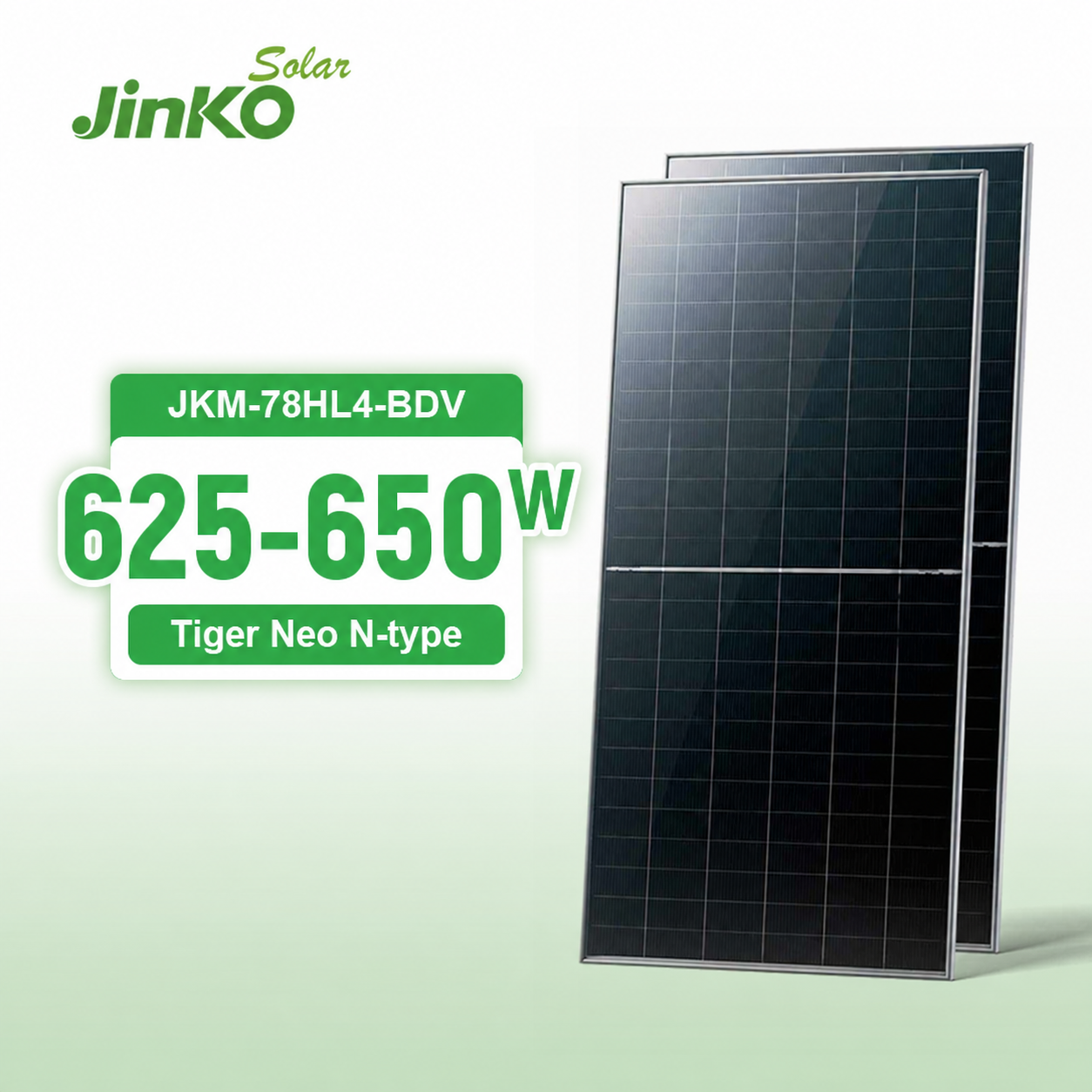
Rugged dual-glass encapsulation providing robust resistance against high mechanical snow loads (up to 5400 Pa).
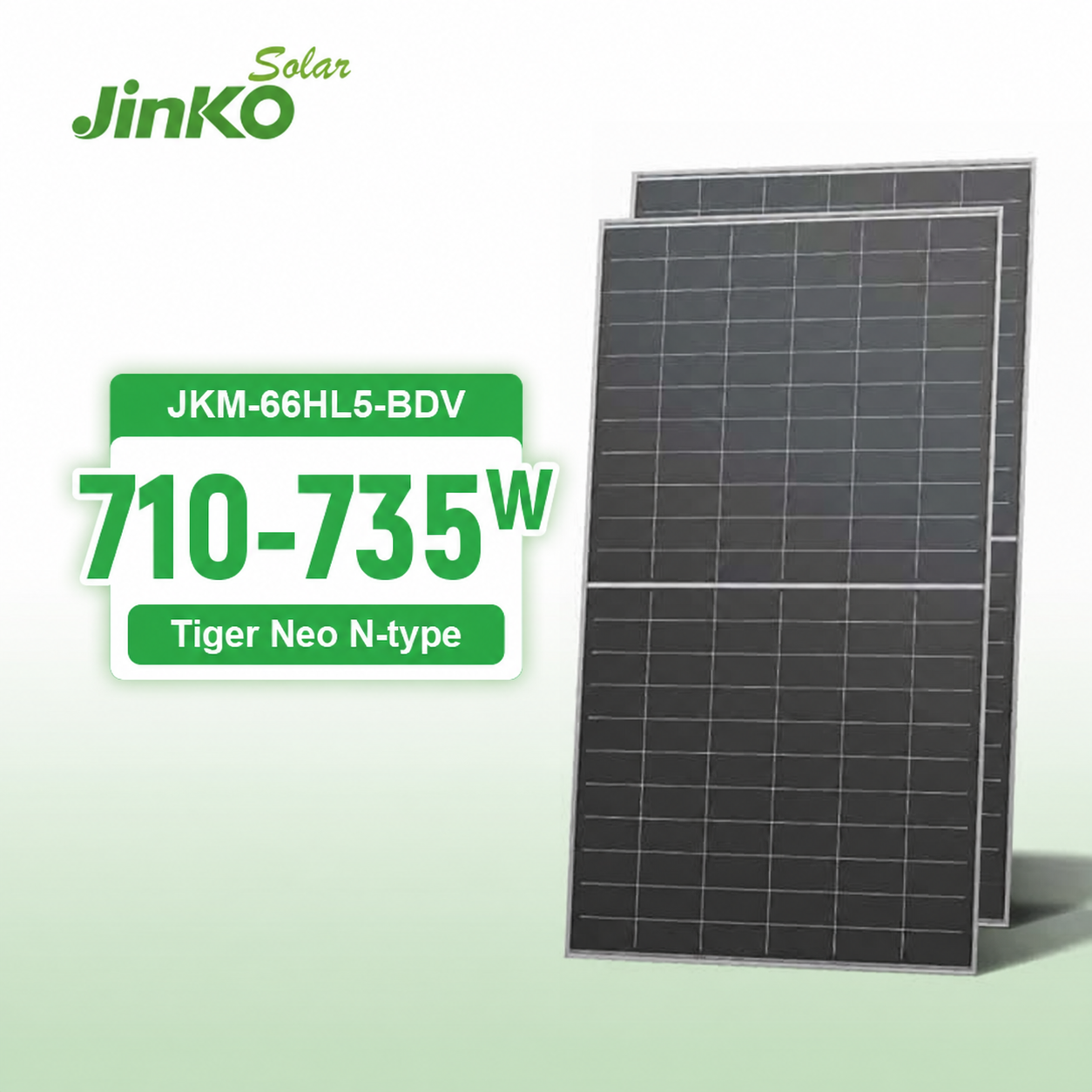
Exceptional 700W+ density optimizing winter irradiance capture and rapid recharging of high-capacity tubular gel banks.
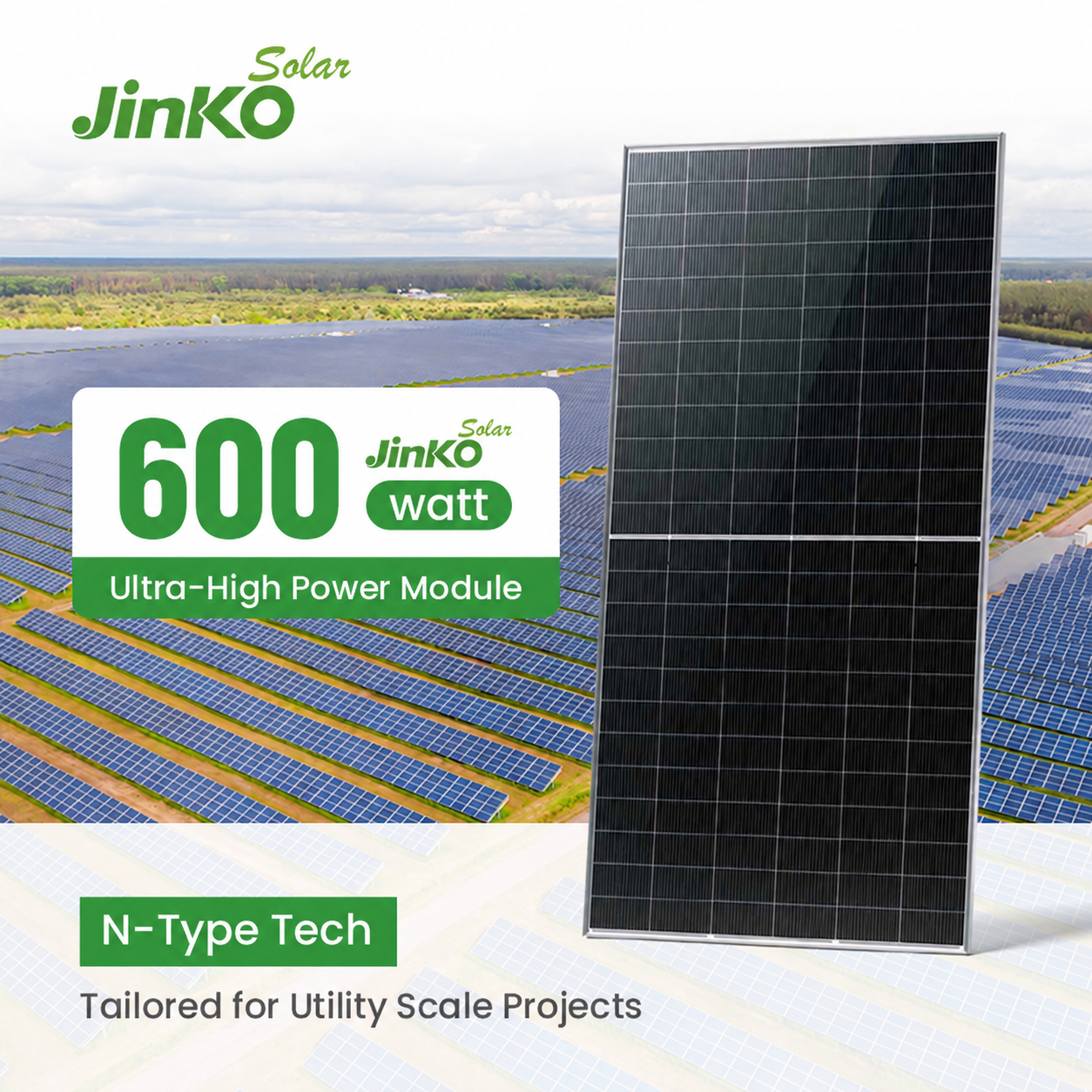
Factory stock ready for container consolidation with gel batteries for Montreal logistics depots and installers.
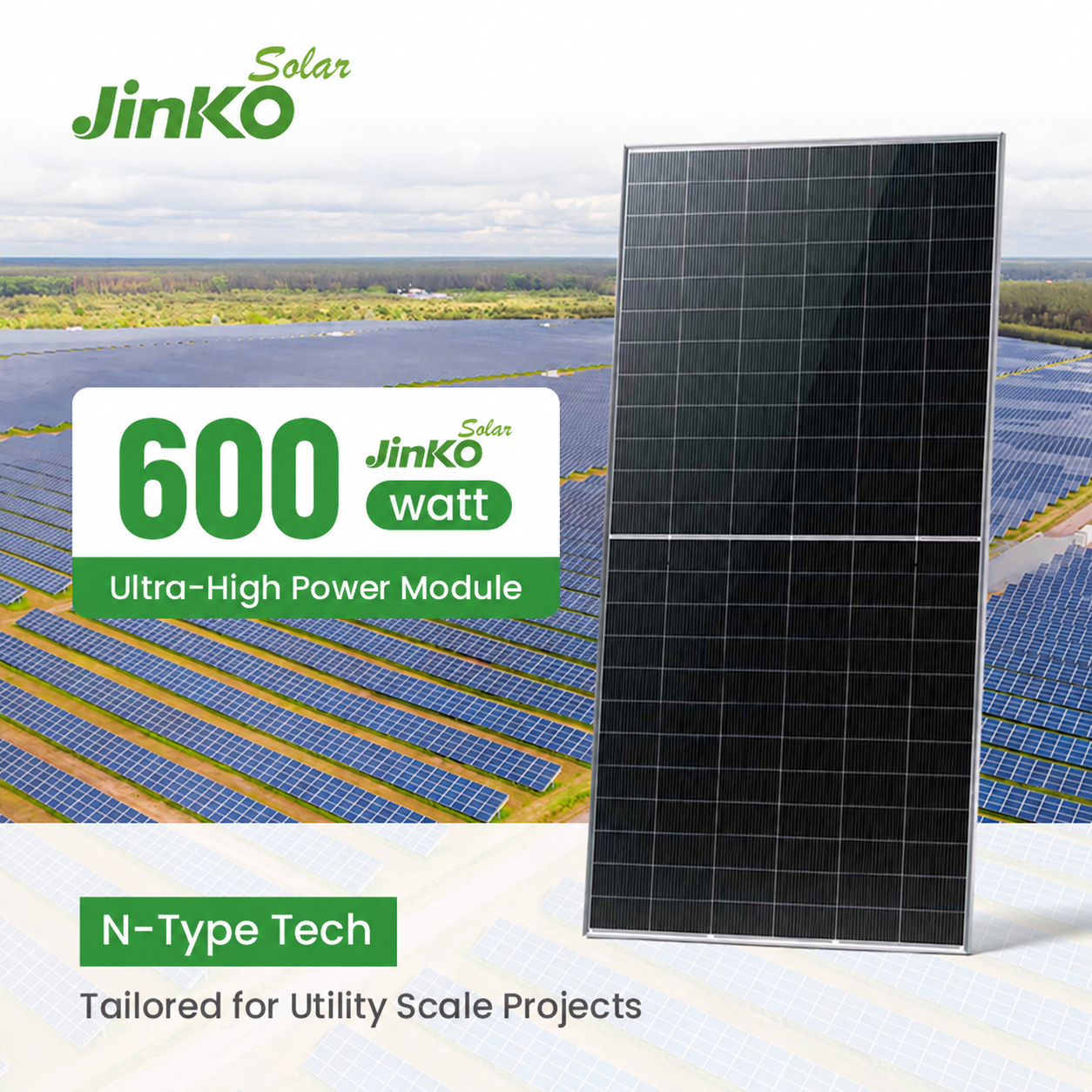
High-yield mono-crystalline technology tailored for off-grid hybrid setups in agricultural and telecommunication hubs.
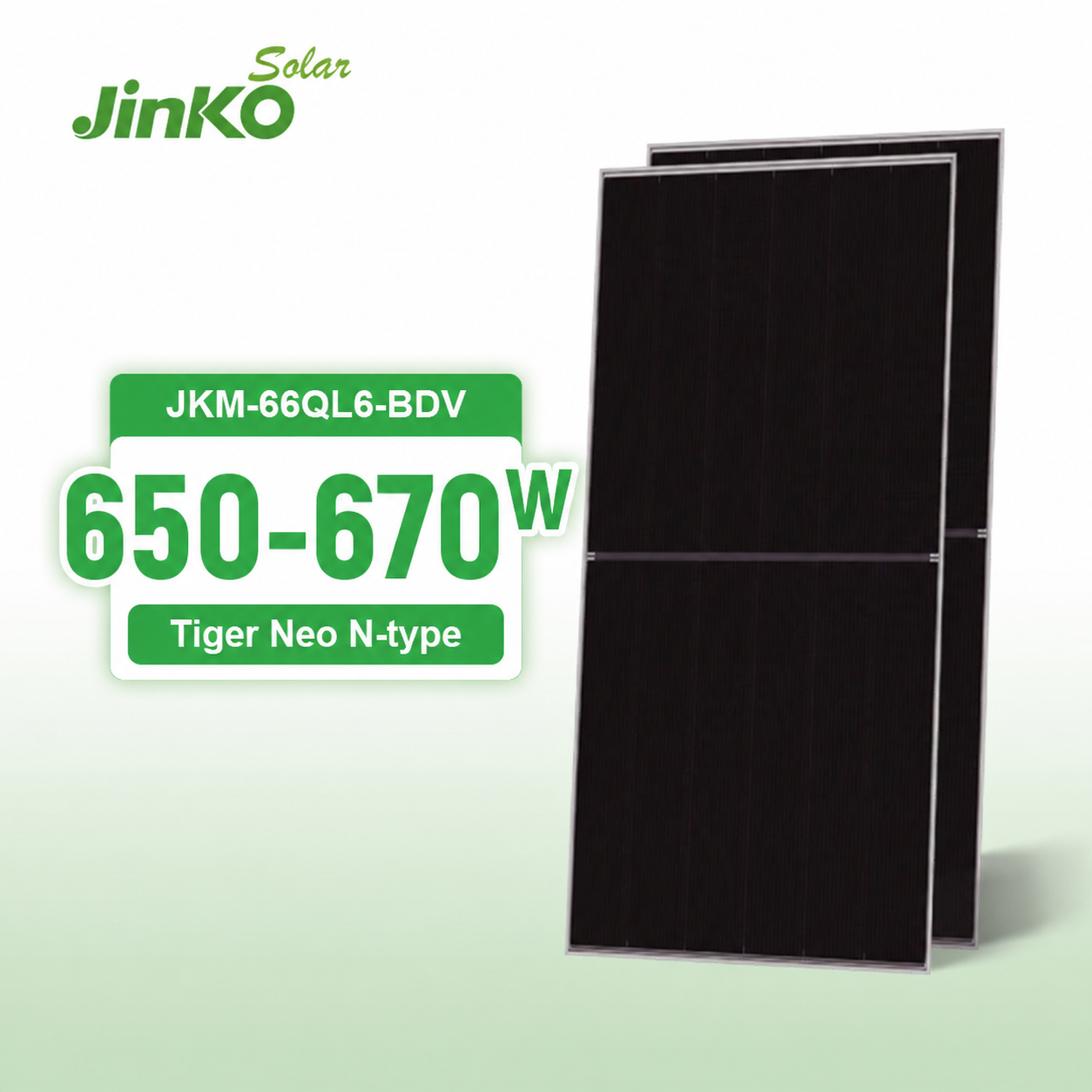
Reinforced double glass structure offering zero PID degradation under prolonged sub-zero and damp Canadian winters.
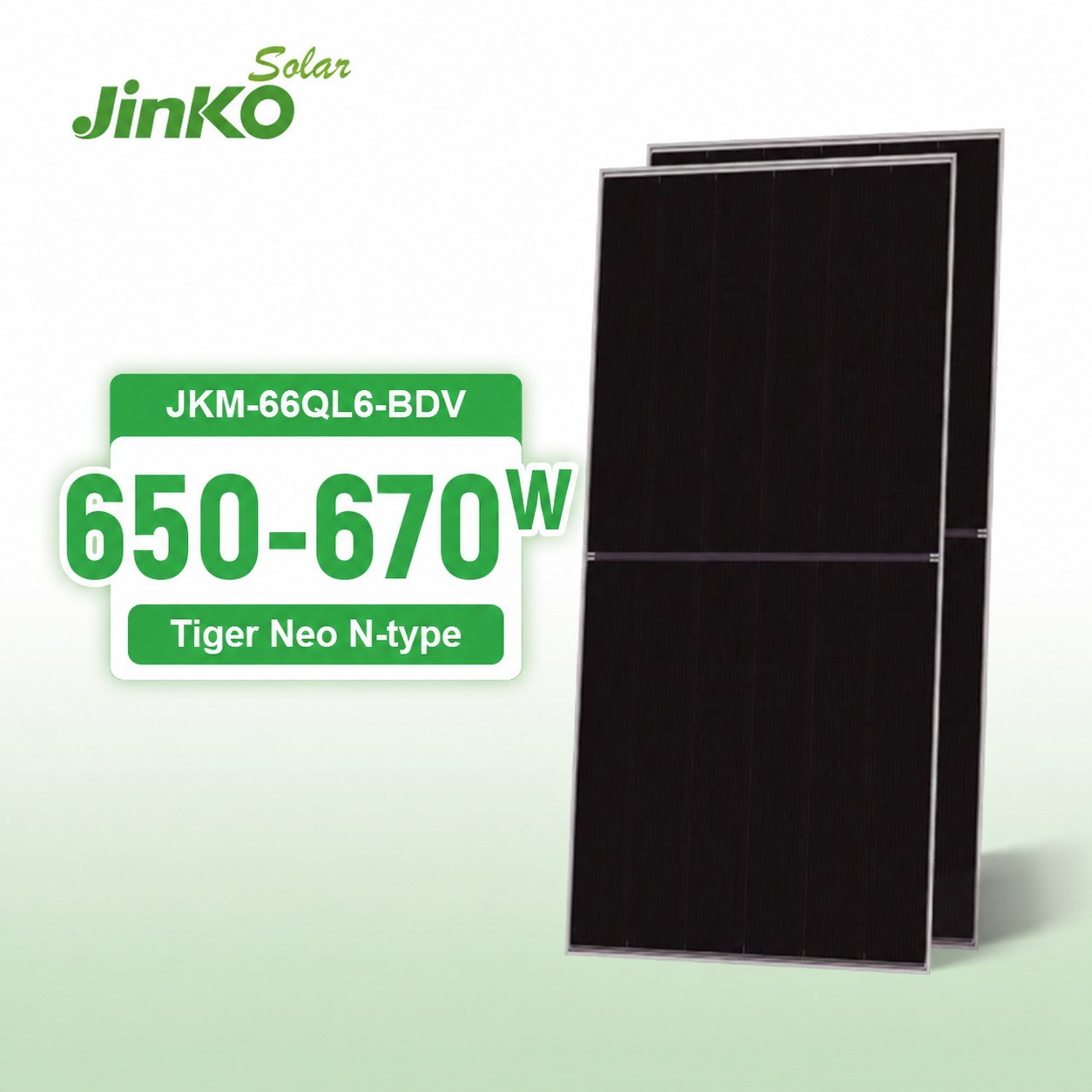
Certified for harsh Quebec industrial operations, offering seamless pairing with 48V/110V/220V tubular gel battery banks.
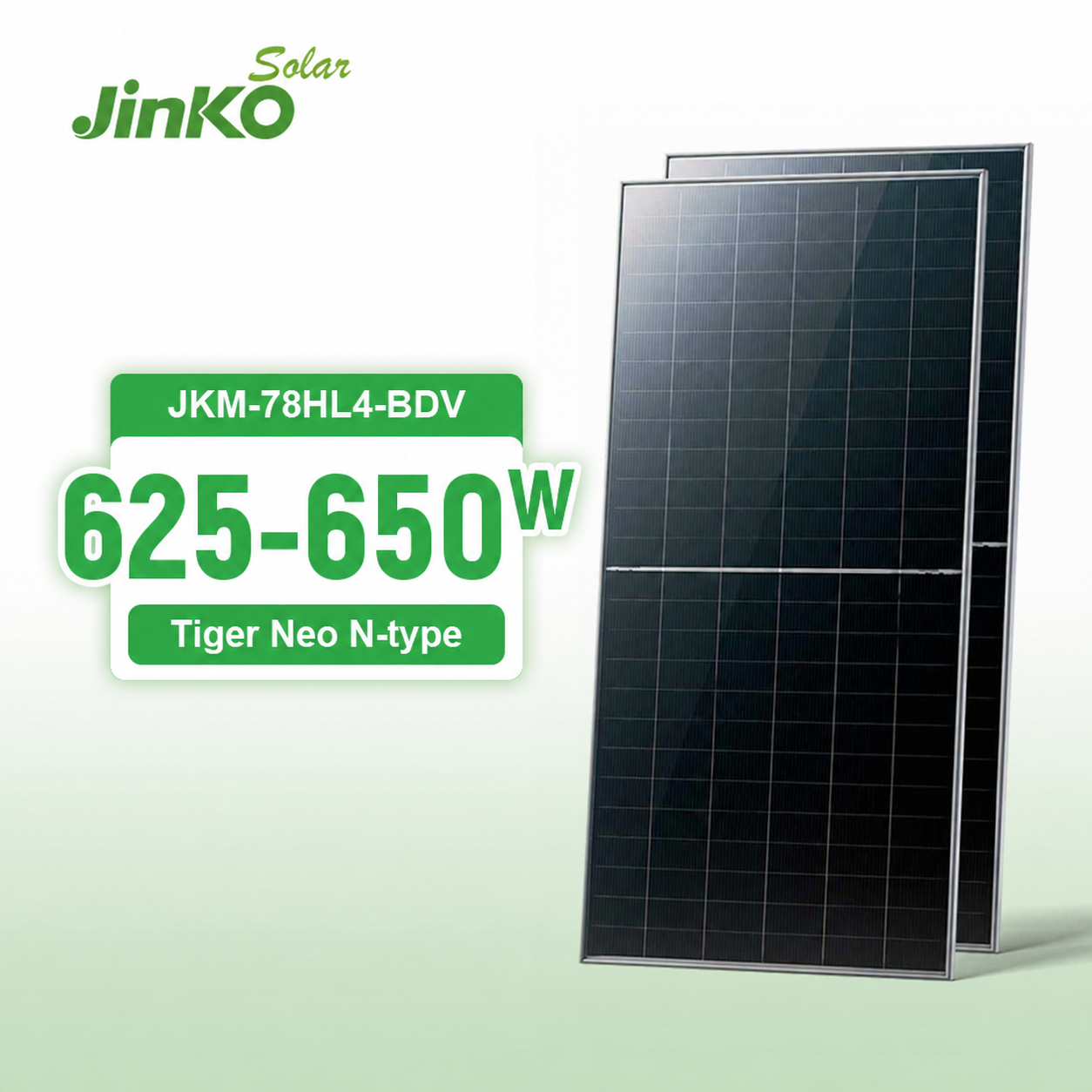
High-aesthetic, high-yield rooftop PV modules tailored for residential and light-commercial net-metering systems.
Thermodynamic Reliability: Why Tubular Gel (OPzV) Batteries Outperform Under Quebec's Cold-Climate Realities
A rigorous electrochemical examination of thixotropic gel electrolytes and tubular positive plate metallurgy for Canadian commercial, industrial, and off-grid power infrastructure.
In recent years, energy storage engineering across Eastern Canada—particularly within Montreal and surrounding Quebec territories—has confronted severe environmental stresses. While lithium-ion chemistry (notably Lithium Iron Phosphate, or LiFePO4) commands substantial attention in mainstream consumer electronics and passenger electric vehicles, its practical deployment in stationary, cold-climate environments reveals severe electrochemical limitations. When ambient temperatures plunge below freezing (0°C to -30°C), conventional lithium cells suffer catastrophic lithium plating during standard charging regimens, causing irreversible capacity degradation, internal dendritic short circuits, and elevated thermal runaway hazards unless sustained by parasitically demanding auxiliary heating systems.
For project developers, industrial operators, and system integrators serving the Montreal market, Tubular Gel Battery technology (OPzV / Deep-Cycle Silica Gel) represents the gold standard in thermodynamic stability and low-maintenance resilience. Engineered with high-purity fumed silica (SiO₂) to immobilize the sulfuric acid electrolyte into a homogeneous thixotropic matrix, tubular gel systems entirely eliminate liquid acid stratification. When paired with high-pressure die-cast tubular positive plates containing antimony-free lead-calcium-tin alloys, these cells effectively prevent the active material shedding that routinely plagues flat-plate AGM batteries under prolonged cycling.
Thixotropic Nano-Silica Gel
The specialized fumed silica electrolyte creates a three-dimensional porous structure that completely prevents free acid flow and stratification, even under persistent sub-zero freeze-thaw cycles typical of Quebec winters.
Tubular Gauntlet Spine Design
Positive plates utilize multi-tube woven fabric gauntlets holding high-density red lead active materials under compression, fully mitigating mechanical expansion and shedding during frequent deep-discharge scenarios.
Extreme PSoC Tolerance
Unlike conventional valve-regulated lead-acid (VRLA) batteries that sulfatize rapidly when left in a Partial State of Charge (PSoC), tubular gel chemistries maintain high recovery capability throughout multi-day winter overcast conditions.
Zero Thermal Runaway Danger
Non-combustible silica matrix guarantees intrinsic safety in enclosed indoor and sub-grade utility basements across the Island of Montreal, adhering strictly to Canadian building safety mandates without explosive fire risks.
Mission-Critical Deployments Across Greater Montreal & Quebec
Deploying tubular gel systems tailored to the electrical topology, climate realities, and regulatory requirements of Eastern Canadian infrastructure.
Laurentian & Eastern Townships Off-Grid Cabins
Remote microgrids located throughout the Laurentians, Lanaudière, and Estrie regions suffer severe isolation during winter ice storms. With freezing ambient conditions inside unheated battery shelters, our tubular gel banks supply sustained power for hydronic heating pumps, communications, and lighting without auxiliary heating blankets.
Hydro-Québec Peak Winter Demand Shaving
Under Hydro-Québec's dynamic pricing programs (Tarif Flex D and Winter Credit options), commercial and light-industrial facilities face steep surcharges during critical peak morning and evening peak hours. Tubular gel energy systems cycle reliably twice per day, shaving peak loads and drastically reducing electrical utility demand penalties.
Telecom Cell Towers & Remote Repeater Nodes
Mount Royal transmission hubs, Route 138 northern corridors, and James Bay highway repeater towers demand autonomous operation with zero scheduled maintenance. Our OPzV tubular gel series delivers uninterrupted DC backup for microwave and 5G base transceiver stations across sub-zero temperature swings.
St. Lawrence Maritime & Port Cold Storage Hubs
Warehousing and transshipment facilities clustered along the Port of Montreal and the South Shore corridor deploy tubular gel banks for uninterrupted industrial crane controls, refrigerated logistics monitoring, and emergency maritime navigation lighting impervious to coastal saline humidity and condensation.
Montreal Municipal & Hospital Auxiliary Power
Critical public safety equipment, sub-grade pump stations susceptible to seasonal spring thaw flooding, and transit command centers require zero-gas, spark-free stationary storage that complies fully with the National Building Code of Canada and Quebec Building Code regulations without toxic lithium off-gassing threats.
Agricultural Processing & Greenhouse Microgrids
Hydroponic and commercial greenhouse complexes in Laval, Saint-Hyacinthe, and the Montérégie region utilize hybrid PV + tubular gel setups to power automated ventilation, thermal curtain controllers, and precision nutrient feed lines, safeguarding million-dollar organic crop investments against unexpected winter power grid outages.
Technical Benchmark: Tubular Gel (OPzV) vs. LiFePO4 vs. Flat-Plate AGM
Data-driven assessment of electrochemical characteristics when operated under Canadian sub-zero ambient ranges (-25°C to +20°C).
| Performance Parameter | Tubular Gel (OPzV) Series | LiFePO4 Lithium (Standard) | Conventional Flat-Plate AGM |
|---|---|---|---|
| Sub-Zero Charging Capability | Full charging down to -20°C without auxiliary thermal heating | Zero charge accepted below 0°C without thermal heating plates | Charging accepted down to -10°C, high risk of dendrite growth |
| Sub-Zero Discharge Retention (-20°C) | 70% - 75% of nominal rated capacity | 45% - 55% nominal capacity (severe cell voltage drop) | 50% - 55% nominal capacity (high internal resistance) |
| Acid Stratification Risk | None (immobile thixotropic silica gel matrix) | N/A (liquid or solid electrolyte) | High (liquid electrolyte layers lead to plate bottom sulfation) |
| Design Life at Floating (20°C) | 18 to 22 Years | 10 to 15 Years (limited by BMS electronics degradation) | 5 to 8 Years |
| Cycle Life (80% Depth of Discharge) | 2,000 – 2,500 Cycles (IEC 60896-21) | 3,500 – 6,000 Cycles (warm conditions only) | 400 – 600 Cycles |
| Thermal Runaway & Explosion Hazard | Negligible; non-combustible aqueous silica structure | Moderate-to-High if BMS fails; requires complex fire suppression | Low-to-Moderate under thermal dry-out conditions |
| Transport Classification & Customs | Non-Hazardous / Non-DG (Class 8 exempt via SP A67) | Class 9 Dangerous Goods (Strict UN38.3 & port inspection) | Non-Hazardous / Non-DG (Class 8 exempt) |
Quebec Market Trends: Decarbonization, Grid Peaks & Port Logistics
Strategic factors elevating China-manufactured tubular gel systems for importers, EPC contractors, and distributors in Montreal.
The energy transition in Quebec is governed by singular macroeconomic conditions. While the province benefits from an abundance of clean hydroelectric generation via Hydro-Québec, the overarching heating transition—spurred by Quebec's Plan for a Green Economy 2030 and municipal decarbonization bylaws banning heating oil—has driven peak winter electrical demand to historic highs. Peak winter consumption records routinely breach 43,000 MW, leading to targeted brownouts, heavy dynamic peak tariffs, and intermittent distribution grid constraints across older suburban networks in Laval, Longueuil, and the West Island of Montreal.
Consequently, commercial operators are turning to high-capacity storage not merely for catastrophic outage protection, but as an active financial instrument for peak-shaving. With lithium supply chain volatility, cell degradation at low temperatures, and escalating insurance premiums for indoor commercial lithium storage under Canadian UL 9540 fire safety protocols, Tubular Gel energy storage systems provide a commercially sound, insurable, and regulatory-approved alternative.
Furthermore, the direct maritime shipping lane linking major Chinese industrial ports (Ningbo-Zhoushan, Shanghai, Qingdao) with the Port of Montreal through the St. Lawrence Seaway facilitates highly economical bulk freight for high-mass lead-calcium tubular batteries. Unlike Class 9 lithium shipments which face steep dangerous-goods surcharges, specialized fire-containment ocean carrier requirements, and unpredictable dockside hazmat holding delays at Montreal terminals, sealed OPzV tubular gel batteries are categorized as non-hazardous cargo under IMO/IMDG Special Provision 238/A67, guaranteeing streamlined clearance and rapid trucking deployment.
Direct China Factory Integration & Supply Chain Authority
Proven reliability, engineering precision, and complete system testing for Canadian distributors and EPC contractors.
Pre-Shipment Protocol Verification
Every hybrid inverter and battery bank is rigorously matched, factory-tested, and parameter-mapped in Hangzhou before container packing, guaranteeing seamless communication and plug-and-play installation in Montreal.
Turnkey Mixed Container Consolidation
Optimize your shipping costs by consolidating Tier-1 bifacial solar modules (Jinko N-Type), Deye hybrid inverters, and tubular gel battery banks into single 20ft or 40ft HQ containers with full export documentation.
Global Certification & Standards
All products hold verified CE, TÜV, IEC 60896-21/22, IEC 61215, ISO 9001, and UN38.3 test records. We provide complete factory test reports and Canadian compliance documentation prior to export dispatch.
Rapid 24-Hour Engineering Support
Our dedicated bilingual engineering team delivers rapid sizing assessments, string calculations, wiring diagrams, and remote troubleshooting assistance, maintaining direct communication with Quebec electrical contractors.
Frequently Asked Questions by Canadian Importers & Installers
Direct technical answers addressing cold-weather operations, customs logistics, standards, and system sizing for the Montreal market.
How do Tubular Gel (OPzV) batteries handle extreme winter freeze-thaw cycles in unheated Quebec shelters? +
What is the import duty and customs procedure for tubular gel batteries entering the Port of Montreal? +
How should the charge controller and inverter parameters be adjusted for cold-climate battery rooms? +
Can we mix and ship Tier-1 bifacial panels (like Jinko) with tubular gel batteries in the same ocean container? +
What certifications and fire safety standards apply to indoor residential and commercial storage in Montreal? +
What is the expected warranty and lifespan in daily solar cycling service? +
Plan Your Next Energy Storage Deployment with Factory-Direct Engineering
Whether you require 2V OPzV tubular cell banks for telecom networks, 12V deep-cycle gel units for off-grid cabins, or consolidated containers with Tier-1 bifacial solar panels and hybrid inverters for Montreal projects, our technical sales engineers are ready to assist.