China Top Tubular Gel Battery Manufacturers & Suppliers for the Santa Clara Market

Precision-Engineered Deep-Cycle OPzV & Industrial Tubular Gel Storage Systems Designed for High-Reliability Silicon Valley Energy Infrastructure, Grid-Tie Smoothing, and Commercial Microgrids.

UL 1973 & IEC 60896 Compliant NFPA 855 Clean Energy Fit 20-Year Design Life
Engineered Portfolio

High-Efficiency Energy Modules & Energy Storage Systems

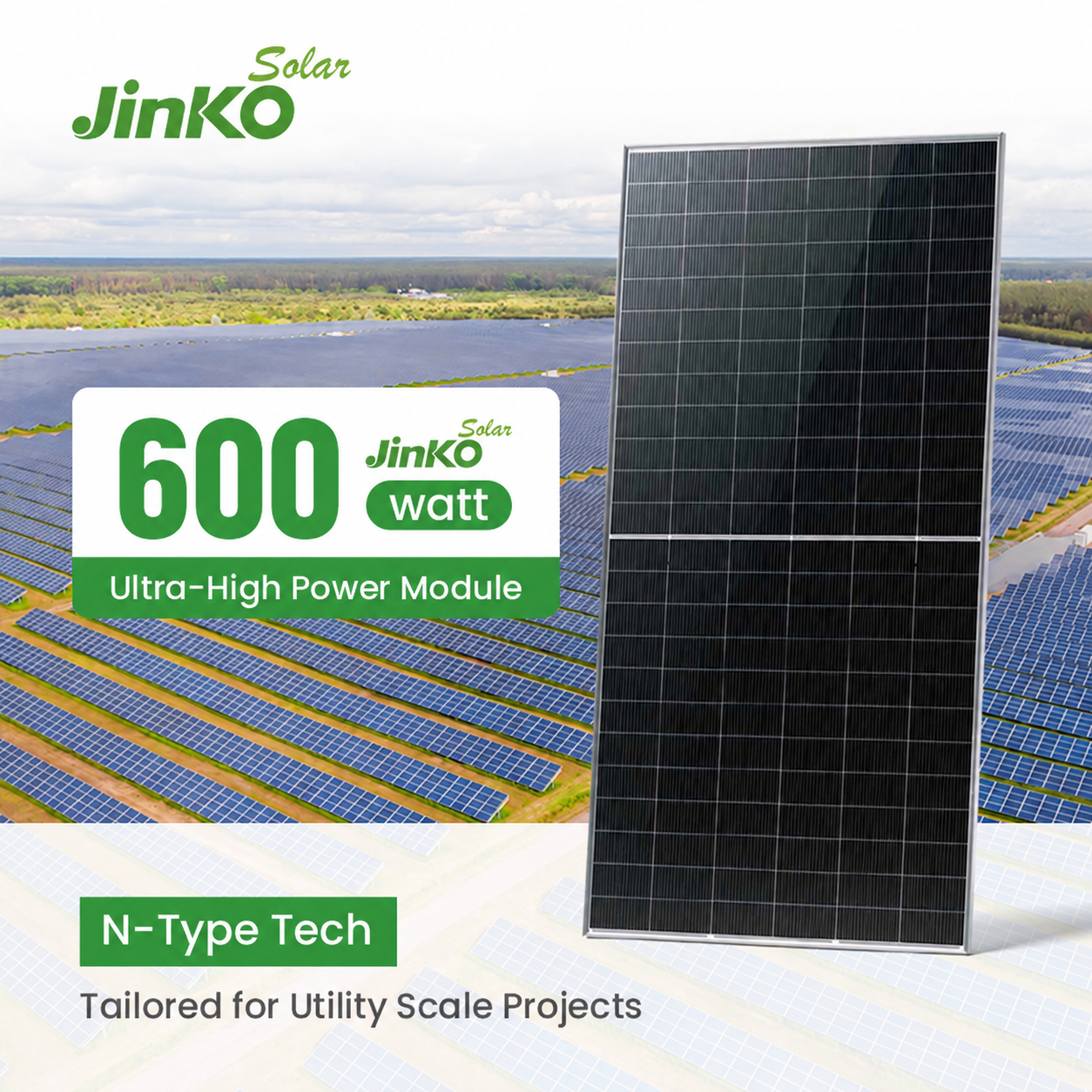
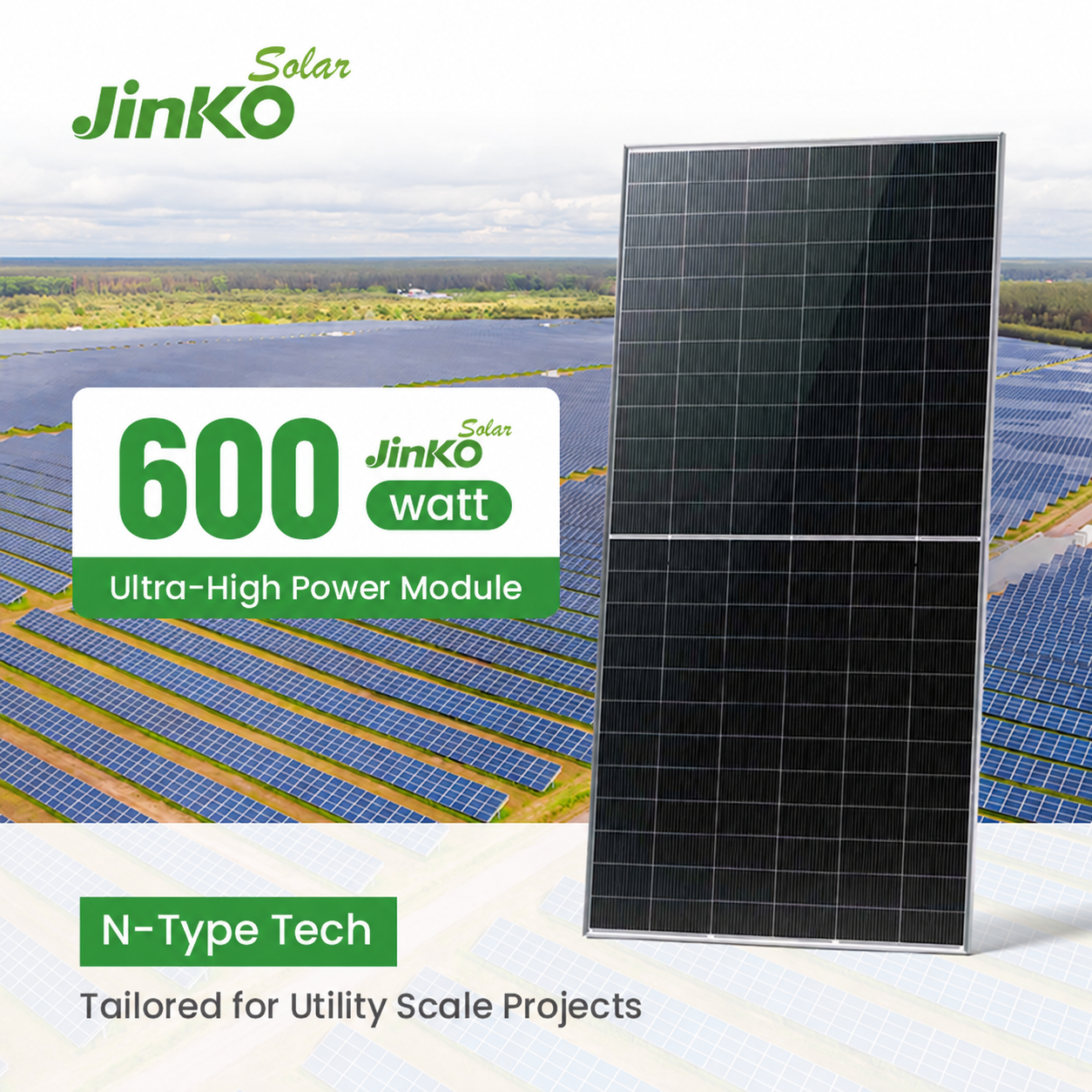
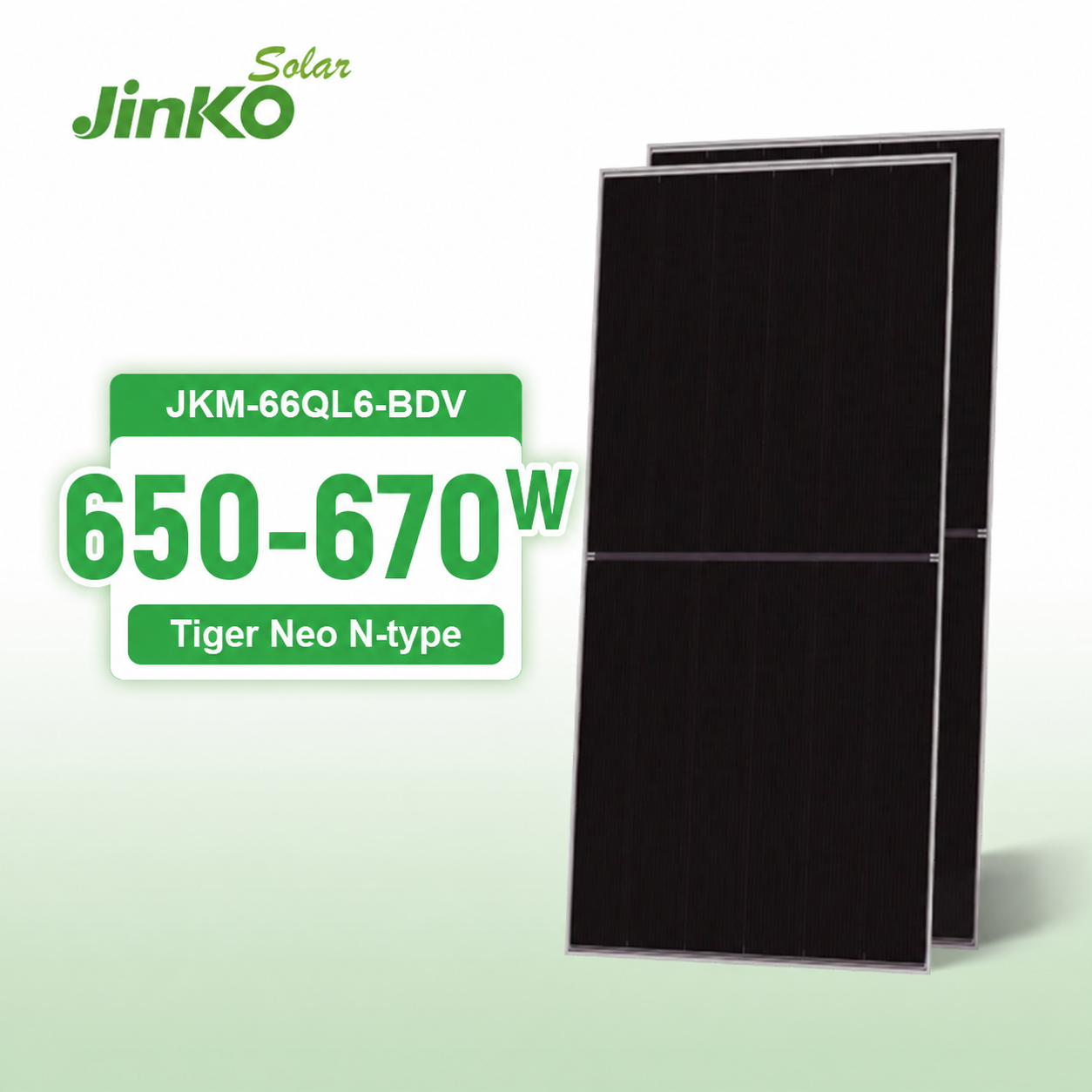
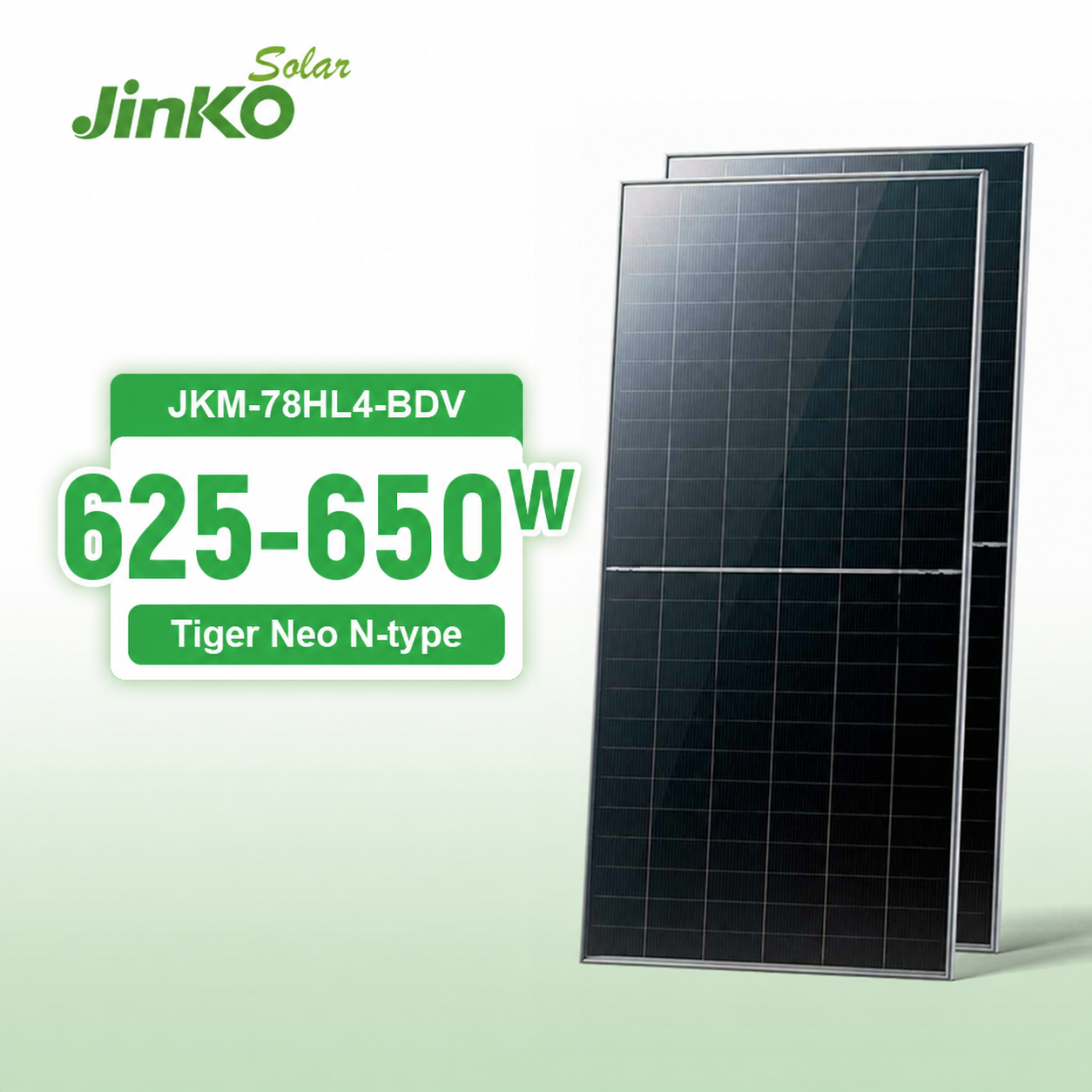
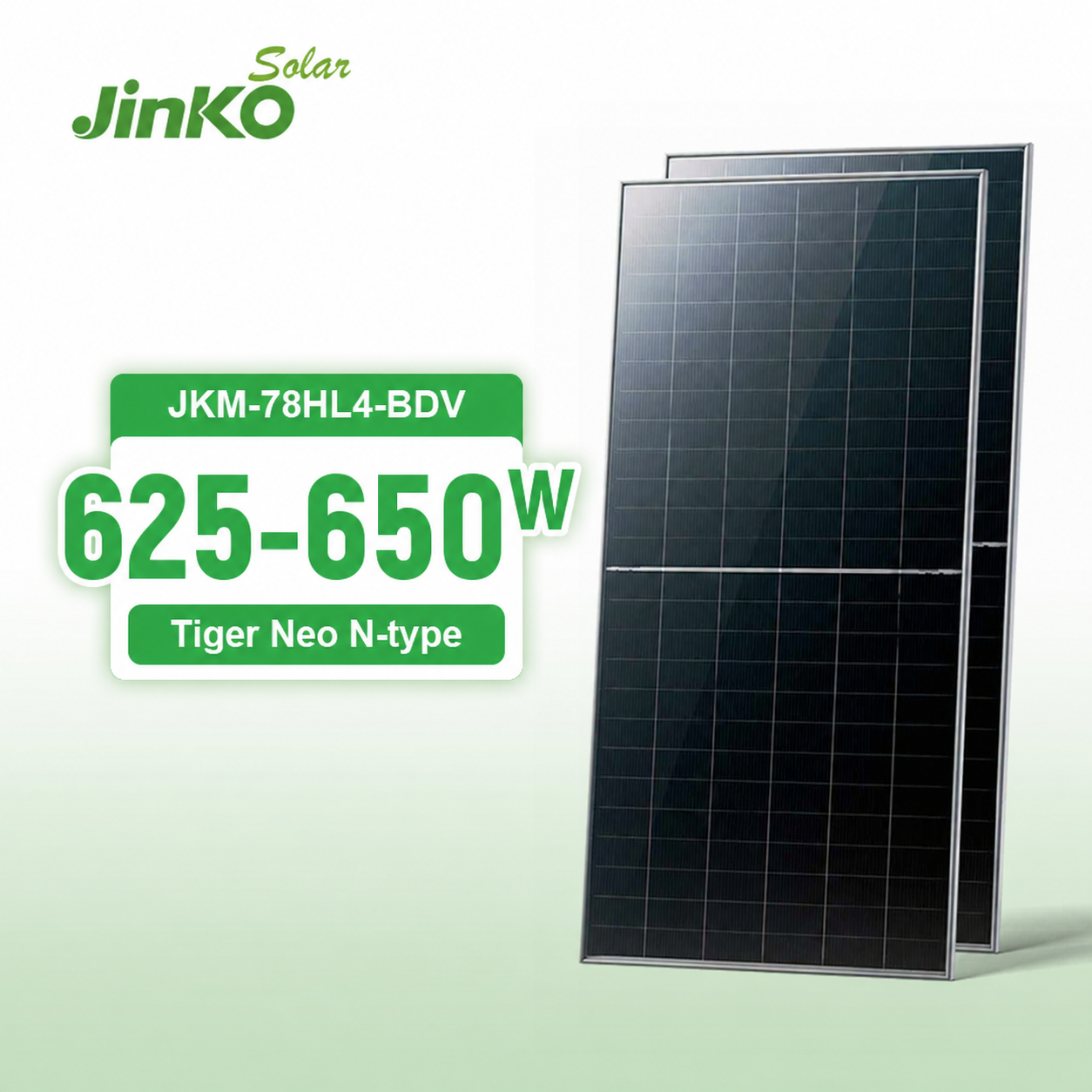
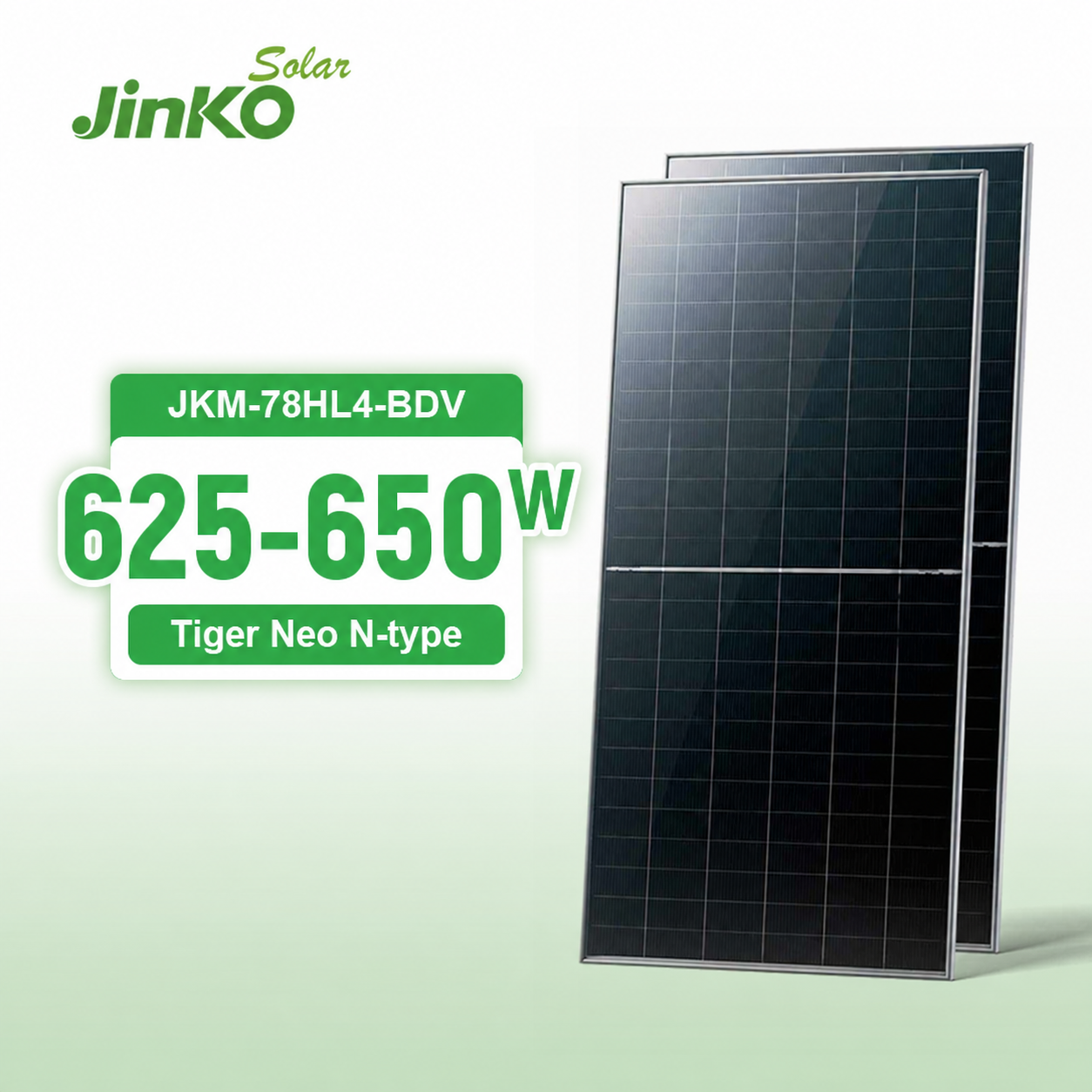
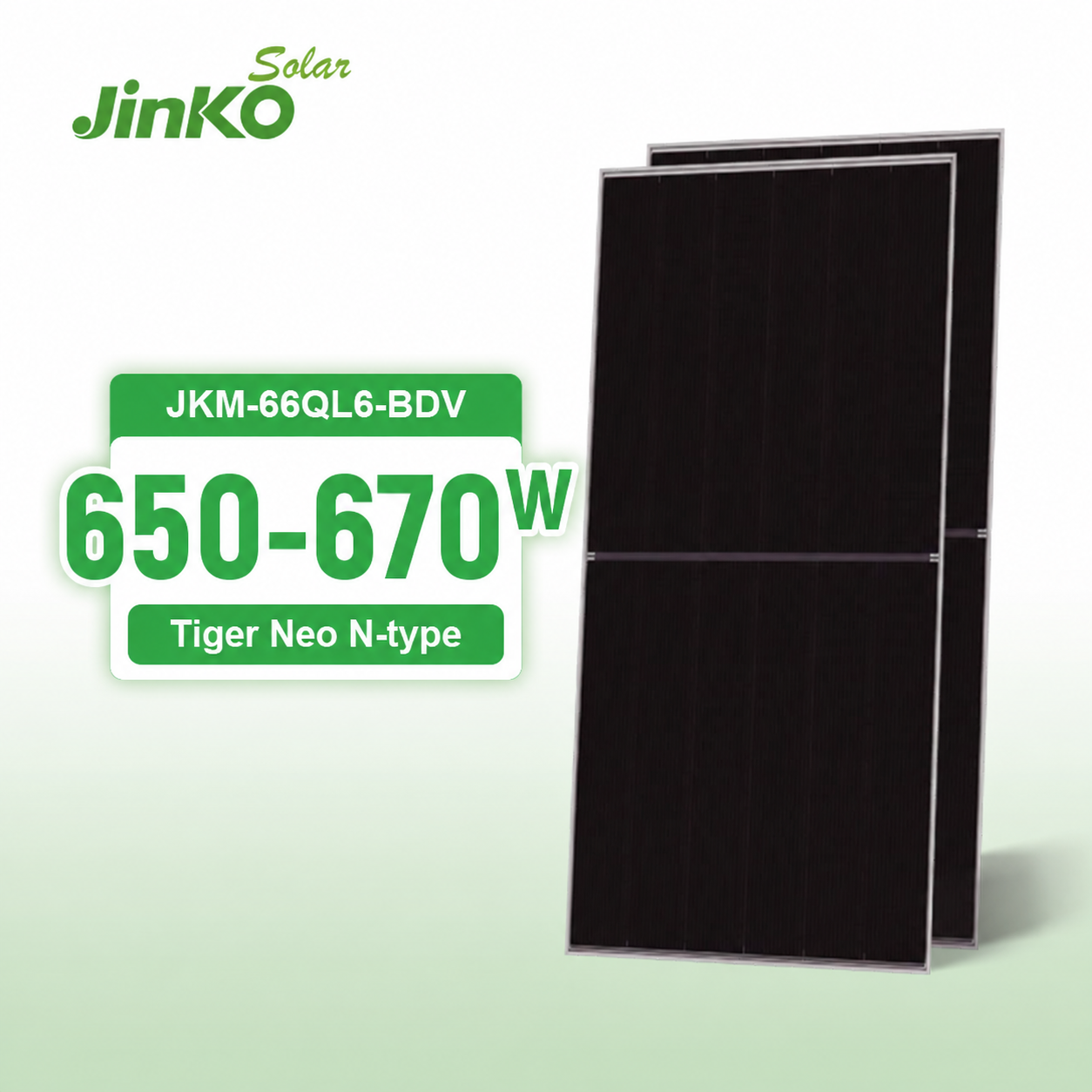
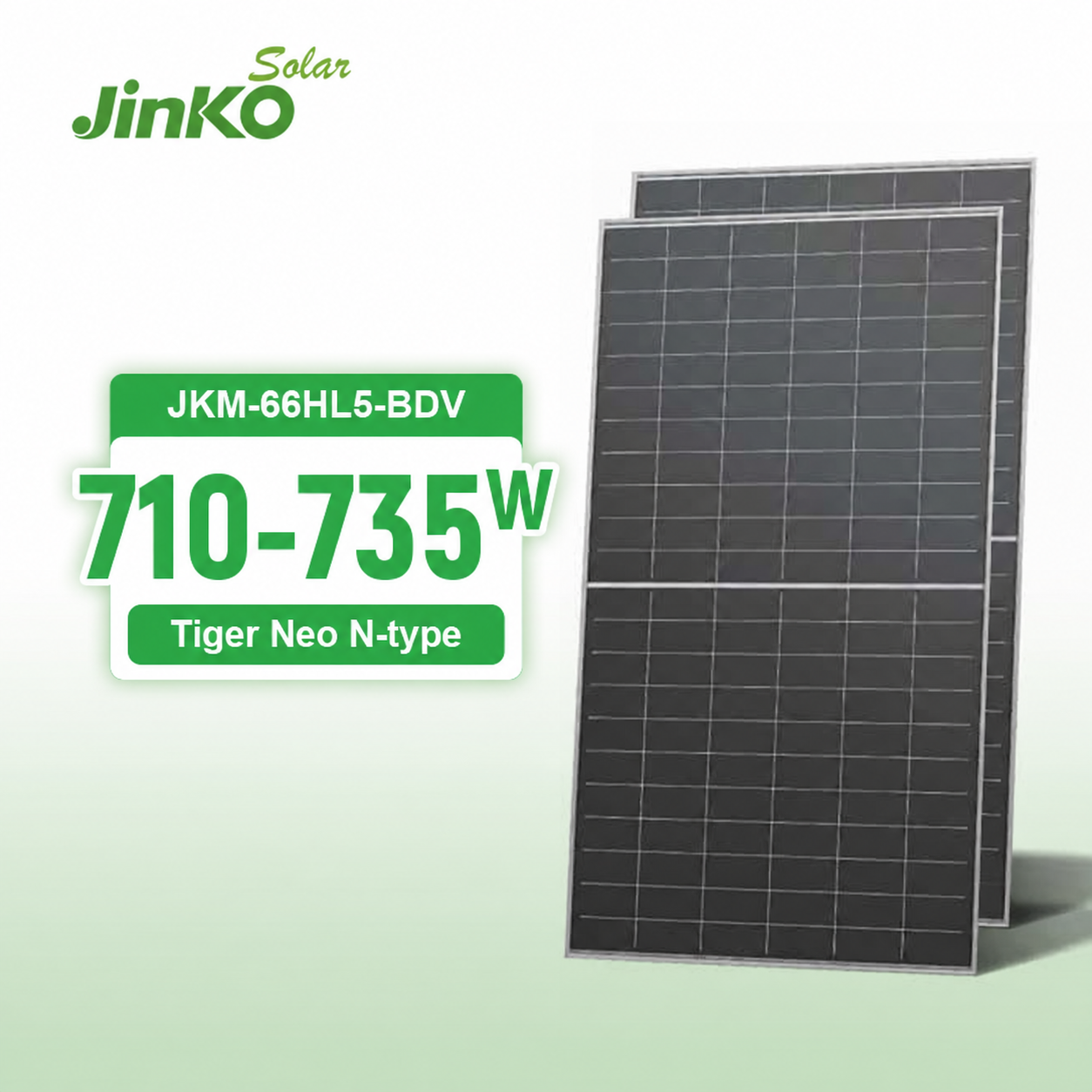
Combining heavy-duty cycle resilience with Tier-1 bifacial generation. Tested and integrated for turnkey commercial and utility installations across Northern California.

Engineering Whitepaper

Tubular Gel (OPzV) Chemistry for Santa Clara’s Critical Loads

A comparative operational analysis addressing fire prevention codes, thermal runaway mitigation, and uninterrupted resilience in the Silicon Valley corridor.

Intrinsic Safety Under NFPA 855

Unlike standard Lithium nickel-manganese-cobalt (NMC) chemistries that pose severe thermal runaway risks, Tubular Gel (OPzV) systems contain a thixotropic gelled silica electrolyte. This eliminates liquid acid leakage, suppresses combustibility, and requires significantly less costly fire suppression infrastructure under Silicon Valley municipal fire codes.

Tubular Die-Cast Positive Spine Tech

By encasing the active positive mass within porous woven gauntlets made of high-modulus polyester, tubular plate architecture stops active material shedding during continuous deep-discharge profiles. This yields a design cycle life surpassing 2,500 cycles at 80% Depth of Discharge (DoD) and up to 20 years in continuous float operation.

Partial State of Charge (PSoC) Resilience

Intermittent solar conditions in Northern California lead batteries into sustained Partial State of Charge. Traditional flat-plate lead-acid batteries quickly suffer irreversible sulfation under PSoC. Hangzhou VOLT's tubular gel cells maintain superior conductivity through customized antimony-free lead-calcium-tin alloys that resist internal grid corrosion.

Electrochemical Energy Storage Comparative Matrix: Data Center & Municipal Specs

Evaluation Parameter Hangzhou VOLT Tubular Gel (OPzV) Standard Flat-Plate AGM Lithium Iron Phosphate (LFP)
Thermal Stability / Runaway Immune to Thermal Runaway (Silica Gel) Susceptible to Thermal Dry-out Requires Stringent Active BMS Cooling
Float Life Expectancy (at 20°C) 20 Years Verified 5 - 8 Years 10 - 15 Years (Cell Dependent)
Cycle Life (80% DoD) 2,200 – 2,500 Cycles 400 – 600 Cycles 3,500 – 6,000 Cycles
Operating Temperature Window -20°C to +55°C (No Degradation Surge) -10°C to +40°C 0°C to +45°C (Sub-zero charging lockout)
Local Permitting & Storage Hazard Non-Hazardous / Low Barrier Permitting Non-Hazardous Cargo Class 9 Dangerous Cargo / NFPA 855 Testing
Recyclability Efficiency 99% Closed-Loop Industry Standard 98% Standard Lead Recycle Developing Supply Chain (~50-70%)
100+ Countries Exported Across the Globe
2,500+ Deep Cycles at 80% DoD (OPzV)
5.0 / 5 Verified International Buyer Satisfaction
24 Hours Technical Engineering & Protocol Response
Silicon Valley Applications

High-Yield Deployment Scenarios in Santa Clara County

From the heart of Silicon Valley to the distribution nodes along the US-101 and I-880, clean energy infrastructure demands absolute reliability.

Tier 3/4 Data Center Long-Duration Backup

Santa Clara serves as the primary data center cluster of Northern California. Our tubular gel systems provide cold-start energy security and DC plant backup for mission-critical IT facilities, eliminating the catastrophic flammability liability associated with large-scale battery banks located within indoor facilities.

Silicon Valley Power (SVP) Demand Smoothing

Industrial commercial entities within the City of Santa Clara's municipal utility territory leverage hybrid solar arrays alongside deep-cycle OPzV banks. This setup shaves peak load tariffs during 4 PM - 9 PM demand windows and provides essential autonomous stability during CAISO statewide grid emergencies.

Municipal Microgrids & Public Infrastructure

Local water pollution control plants, emergency response communication centers, and transit infrastructure require non-combustible energy storage certified for installation near high-density public hubs. Tubular gel batteries meet the stringent requirements of local building departments without requiring expensive dedicated explosion-proof vault rooms.

Factory Excellence

Why Tier-1 Importers Rely on Hangzhou VOLT New Energy

Combining state-of-the-art Chinese manufacturing efficiencies with Silicon Valley engineering rigor. We eliminate logistics risks, protocol mismatch, and compliance friction.

Battery production and quality inspection workshop

Automated Die-Cast Spine Lines

Our tubular spine plates are manufactured using high-pressure die-casting under 60-bar pressure. This prevents voids, crystal micro-fractures, and alloy impurities, ensuring zero plate corrosion over decades.

Export testing and factory quality inspection

Stringent Factory Pre-Shipment QC

Each cell undergoes automated internal resistance testing, open-circuit voltage verification, and pressure sealing leak tests. Full factory acceptance test (FAT) documentation is delivered prior to container dispatch.

Safe international container packing for batteries

Turnkey US West Coast Shipping

Direct ocean freight handling to the Port of Oakland with complete customs classification sets, certified non-spillable battery declarations, and custom palletizing built for rapid local warehouse distribution.

Engineering integration and system sizing

Turnkey System Integration

We supply matched Deye hybrid inverters, Jinko high-efficiency solar modules, and DC racking kits. Complete with full single-line diagrams (SLD) and charging profiles customized for rapid permit submission.

Procurement Knowledge Base

Frequently Asked Questions by Santa Clara Procurement Teams

Essential technical, legal, and operational considerations for engineering procurement, contracting (EPC), and installation teams.

Why choose Tubular Gel (OPzV) over Lithium-ion for Santa Clara commercial retrofits?
Tubular Gel systems are intrinsically safe and free from thermal runaway risks. Under California Building Standards Code (Title 24) and NFPA 855 guidelines, large-scale lithium-ion deployments often face strict battery room fire segregation, gas detection, and continuous exhaust ventilation requirements. In indoor retrofits or sites with strict zoning limits, Tubular Gel offers an easy-to-permit alternative with zero fire hazards, low operational complexity, and lower total installation costs.
What are the key charging parameters when pairing OPzV cells with Deye hybrid inverters?
Hangzhou VOLT customizes the inverter firmware configurations for low-voltage Deye inverters. For a 48V nominal tubular gel bank, the standard boost/absorption charging voltage is set between 2.35V to 2.40V per cell (56.4V – 57.6V bank voltage) at 20°C, with a float voltage of 2.25V per cell (54.0V bank voltage). Temperature compensation is calibrated at -3 to -4 mV/°C/cell to prevent overcharging during hot summer ambient conditions in the Santa Clara Valley.
What shipping certifications are included for entry through the Port of Oakland?
Our OPzV tubular gel batteries are categorized and tested as "Batteries, Wet, Non-Spillable" under DOT 49 CFR 173.159a and IATA/IMDG Special Provision 67 / 238. Each shipment is supplied with an official MSDS, vibration and pressure-differential compliance certificates, and commercial documentation to guarantee rapid customs clearance at the Port of Oakland without Class 9 hazardous surcharges.
How does the 20-year design life translate to everyday operating conditions?
The 20-year design life is based on continuous float service at 20°C (68°F) with optimized charging limits. In daily solar cycling applications involving 80% Depth of Discharge, the tubular positive plate delivers over 2,200 to 2,500 continuous cycles before the bank drops below 80% of its initial nominal capacity. This makes it an ideal long-term asset for commercial UPS systems and off-grid communication networks.
Can Hangzhou VOLT provide mixed container consolidation for complete solar projects?
Yes. We regularly consolidate tubular gel or LFP battery banks, Deye hybrid inverters, and high-wattage Jinko bifacial solar modules into matched 20-foot or 40-foot HQ containers. Our engineering team calculates weight distributions, verifies component compatibility, and creates consolidated bill-of-lading dossiers to minimize ocean freight and handling overhead for our US partners.

Deploy Industrial-Grade Storage in Santa Clara Today

Send us your daily load profile, project layout, or system sizing requirements. Our application engineering team will deliver a customized single-line diagram, verified component list, and direct factory pricing within 24 hours.

Inquire Now