Engineered Solar Generation & 12V Lithium Storage Configurations for Greater Edmonton
Explore our export-certified high-efficiency bifacial dual-glass solar modules and matched lithium energy storage setups, tailored for residential cabins, commercial rooftops, and industrial off-grid deployment across Alberta.
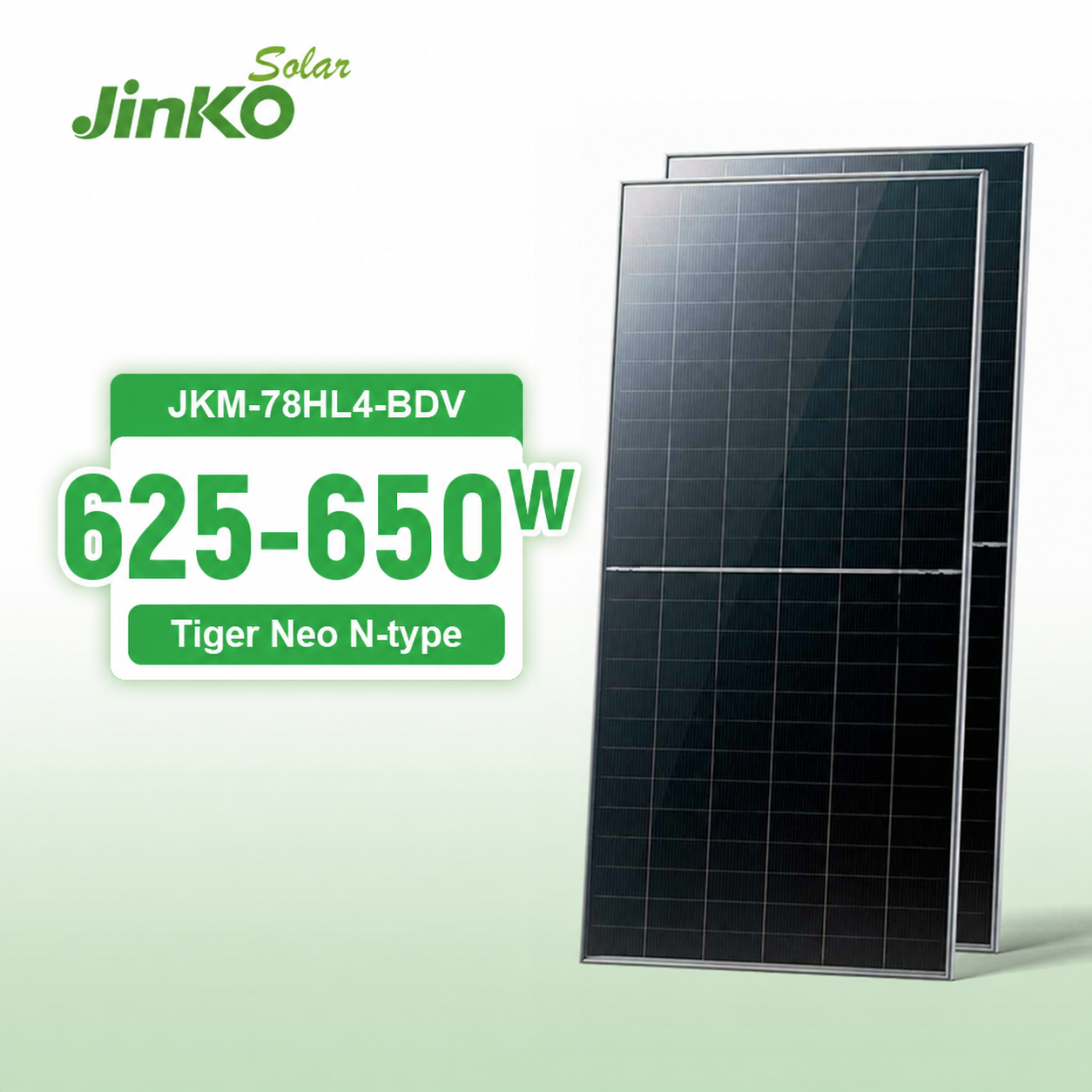
Jinko High Efficiency Bifacial Pv Panels 625W 635W 645W Double Glass N-Type Panel for Farm
Optimized for high-albedo winter snow conditions across Alberta's agricultural plains. Up to 80% bifaciality factor pairs seamlessly with our 12V/48V off-grid storage hubs.
View Specifications →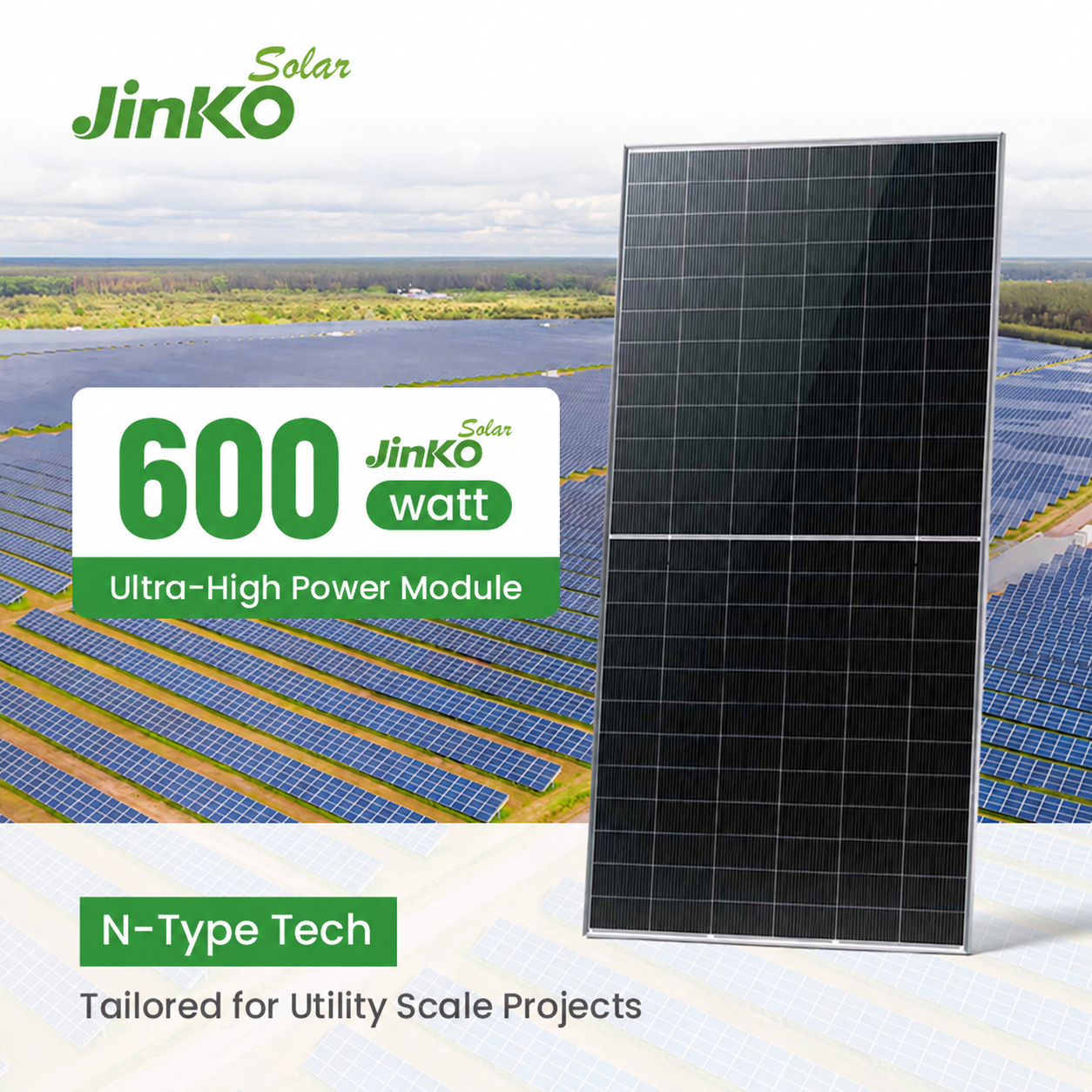
Jinko Pv Panels Wholesale 600w 580W 590W Bifacial Dual Glass Monocrystalline Solar Module
Ultra-low temperature coefficient (-0.30%/°C) ensures heightened cold-weather electrical harvest during sunny sub-zero winter days throughout Parkland County.
View Specifications →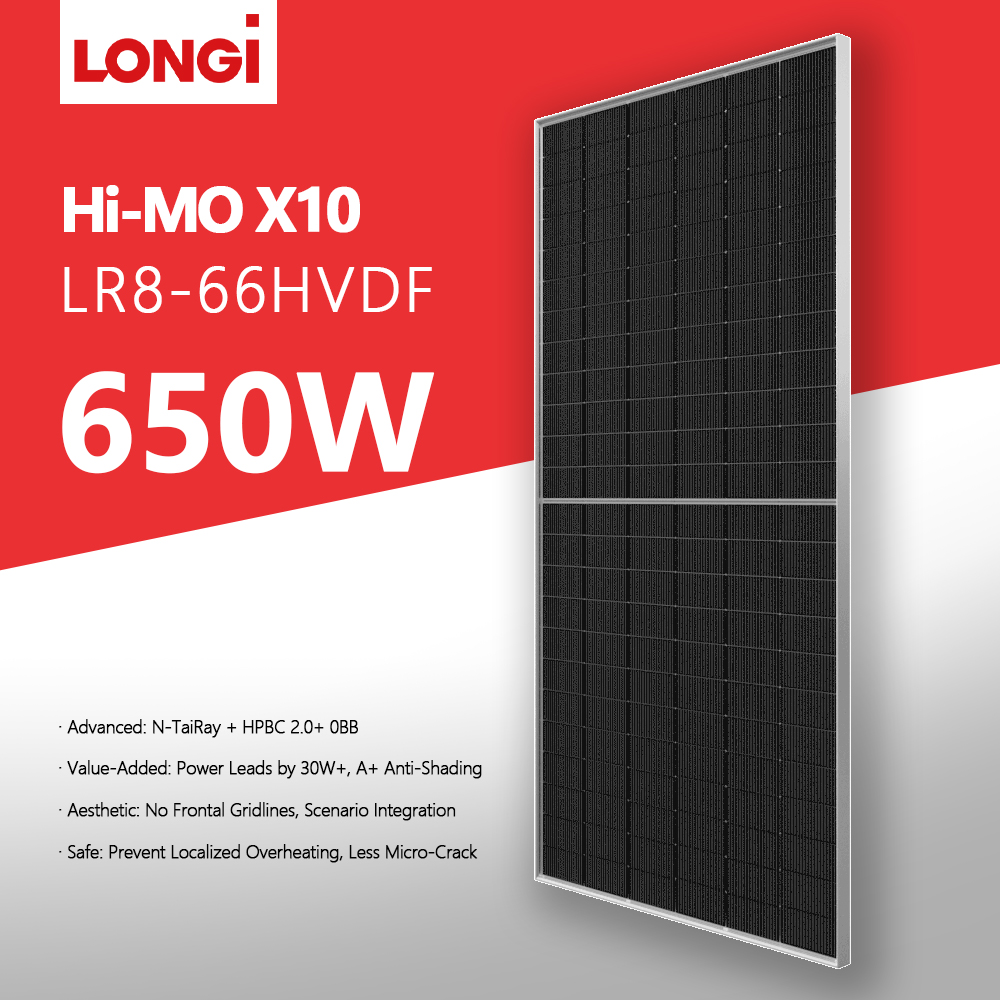
Commercial Grade LONGI Solar Panel 650W N-Type Module with Battery and Inverter for Rooftops
High-power density modules engineered for shopping mall rooftops in West Edmonton, curbing commercial AESO demand spikes when linked to BESS banks.
View Specifications →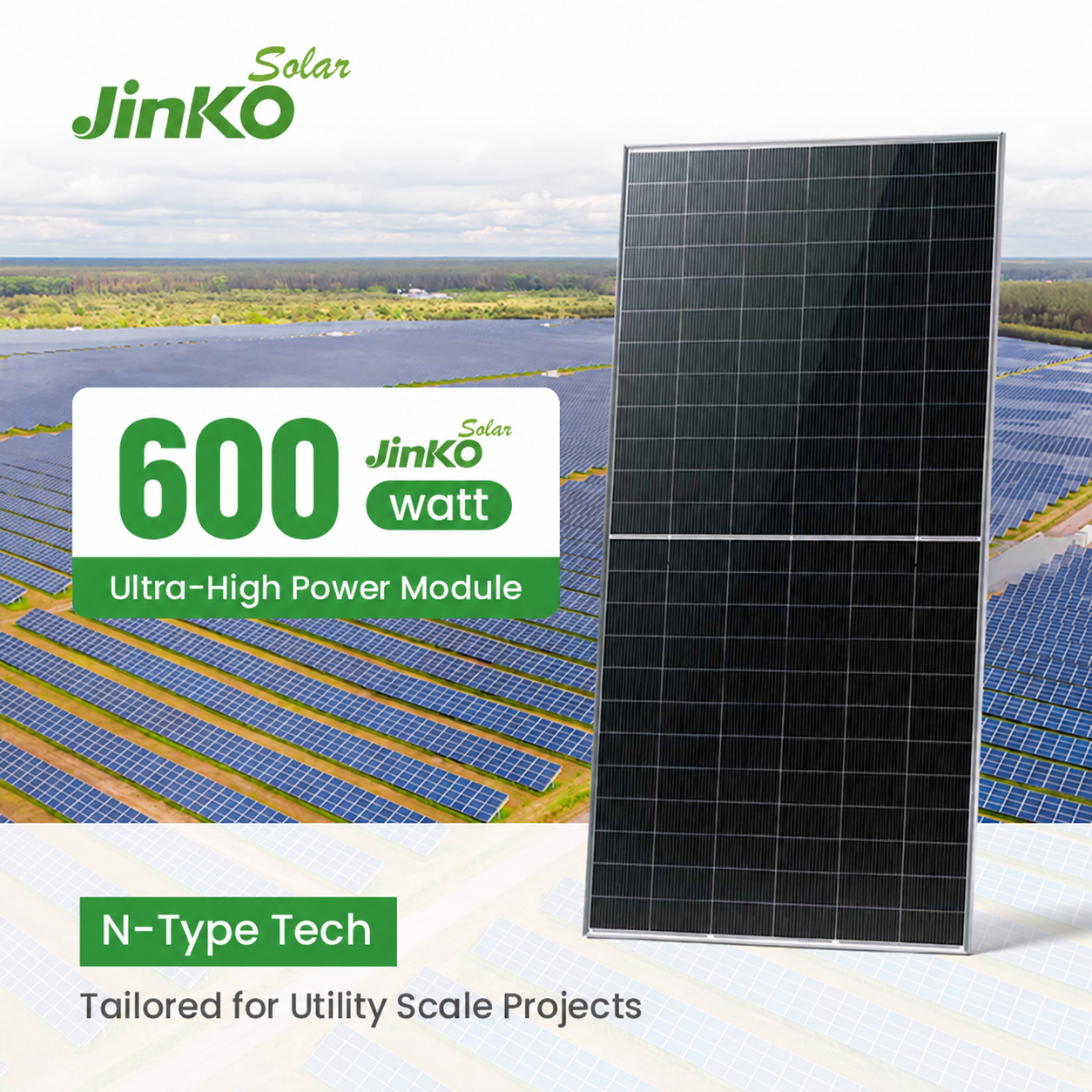
Jinko N Type Bifacial 600W 580W 590W Dual Glass Photovoltaic Solar Panel for Industrial
Robust double-glass structural resilience sustaining up to 5400 Pa heavy snow loads, engineered for unmonitored Northern Alberta energy extraction sites.
View Specifications →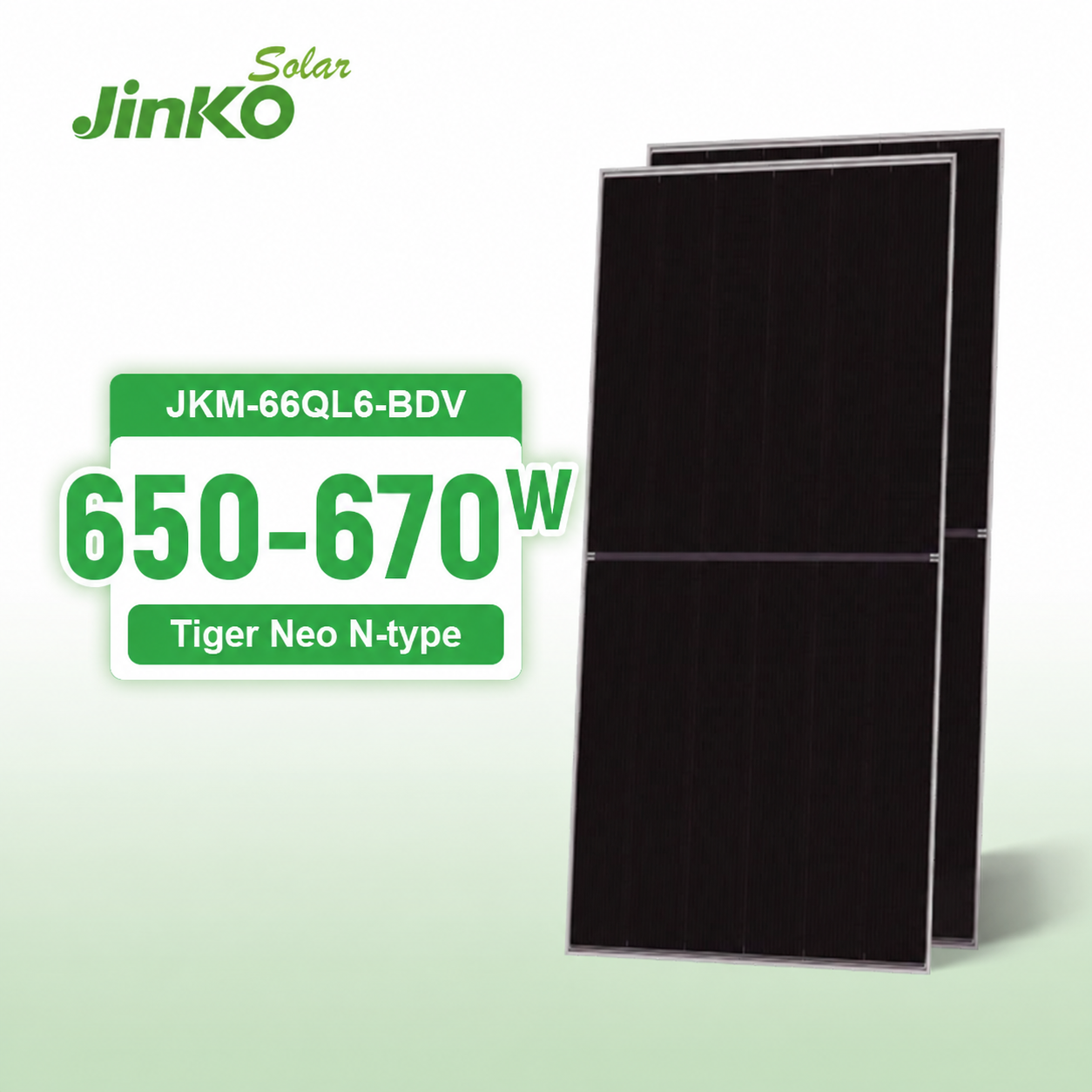
Jinko Monocrystalline Solar Panels 650W 660W 670W Bifacial Dual Glass Module for Home Roof
Premium residential generation hardware designed to interface with 12V-to-48V hybrid inverters and low-voltage LiFePO4 self-heating backup packs.
View Specifications →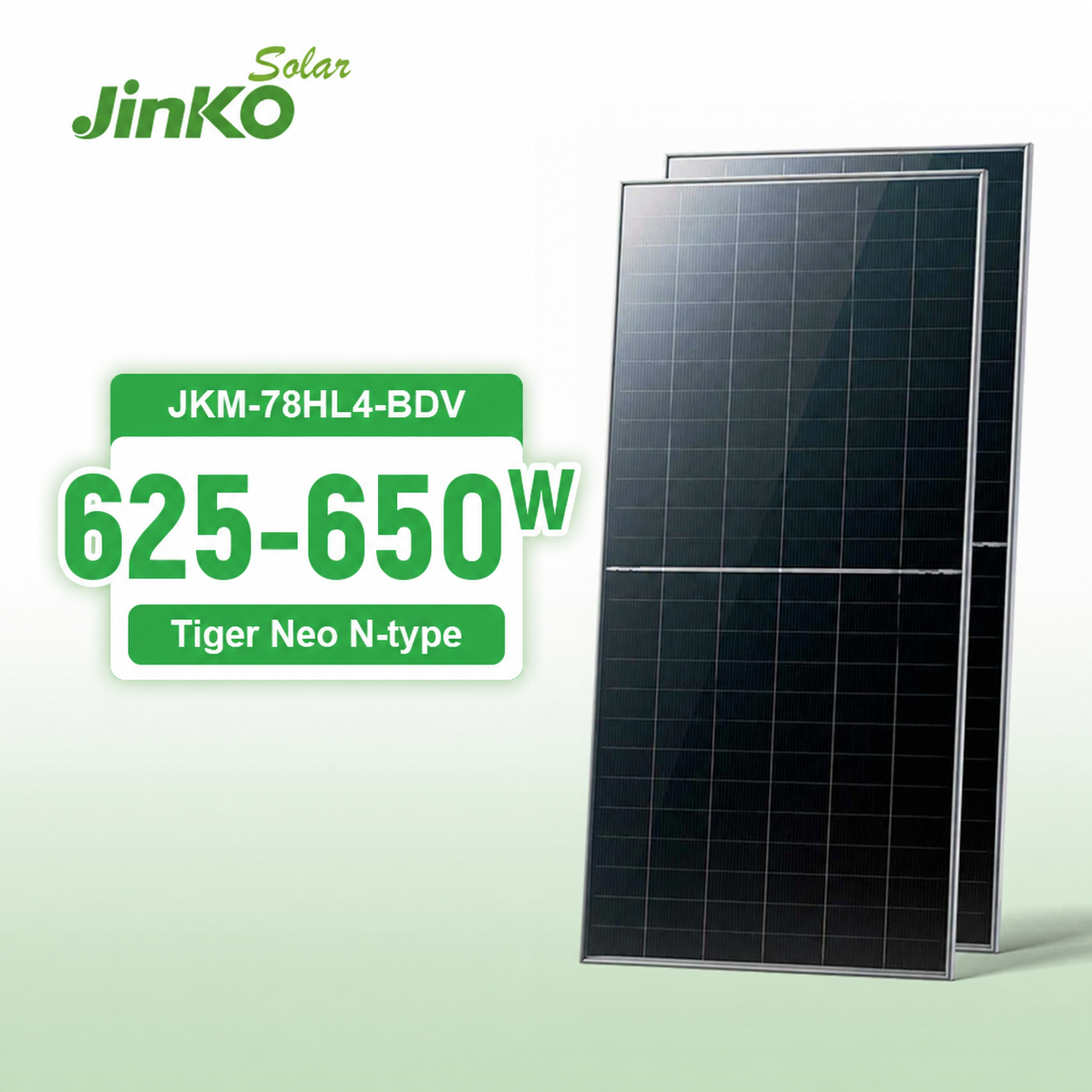
Jinko Monocrystalline Pv Panels 650W 625W 640W High Efficiency Solar Module for Home Roof
Engineered for EPC installers completing Edmonton Clean Energy Improvement Program (CEIP) retrofits requiring maximum power per square foot.
View Specifications →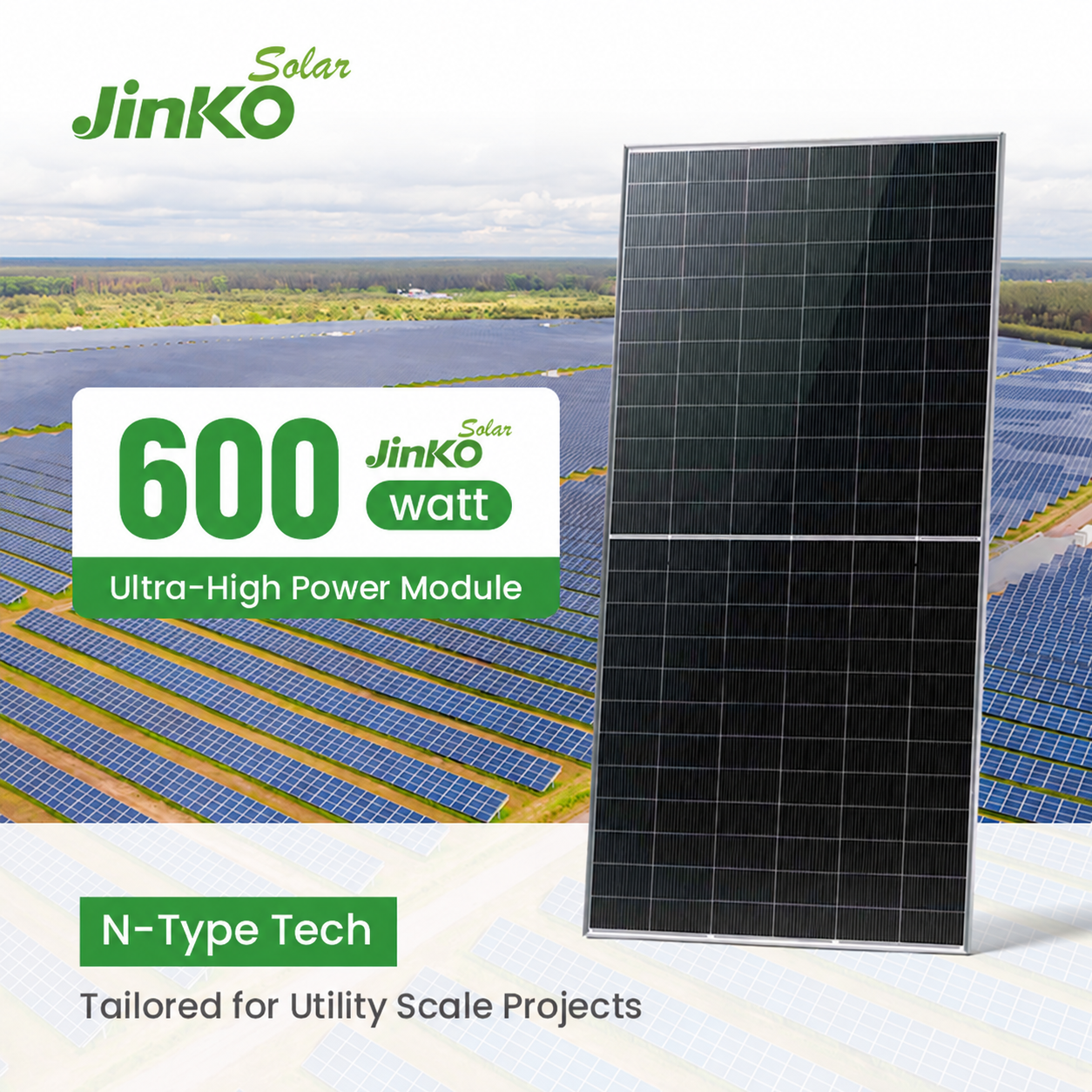
Jinko Solar Panels 580W 590W 600W N Type Double Glass Solar Panel for Commercial
High-reliability modules with certified anti-PID degradation and zero micro-cracking risk, backed by full container consolidation from Ningbo to Edmonton.
View Specifications →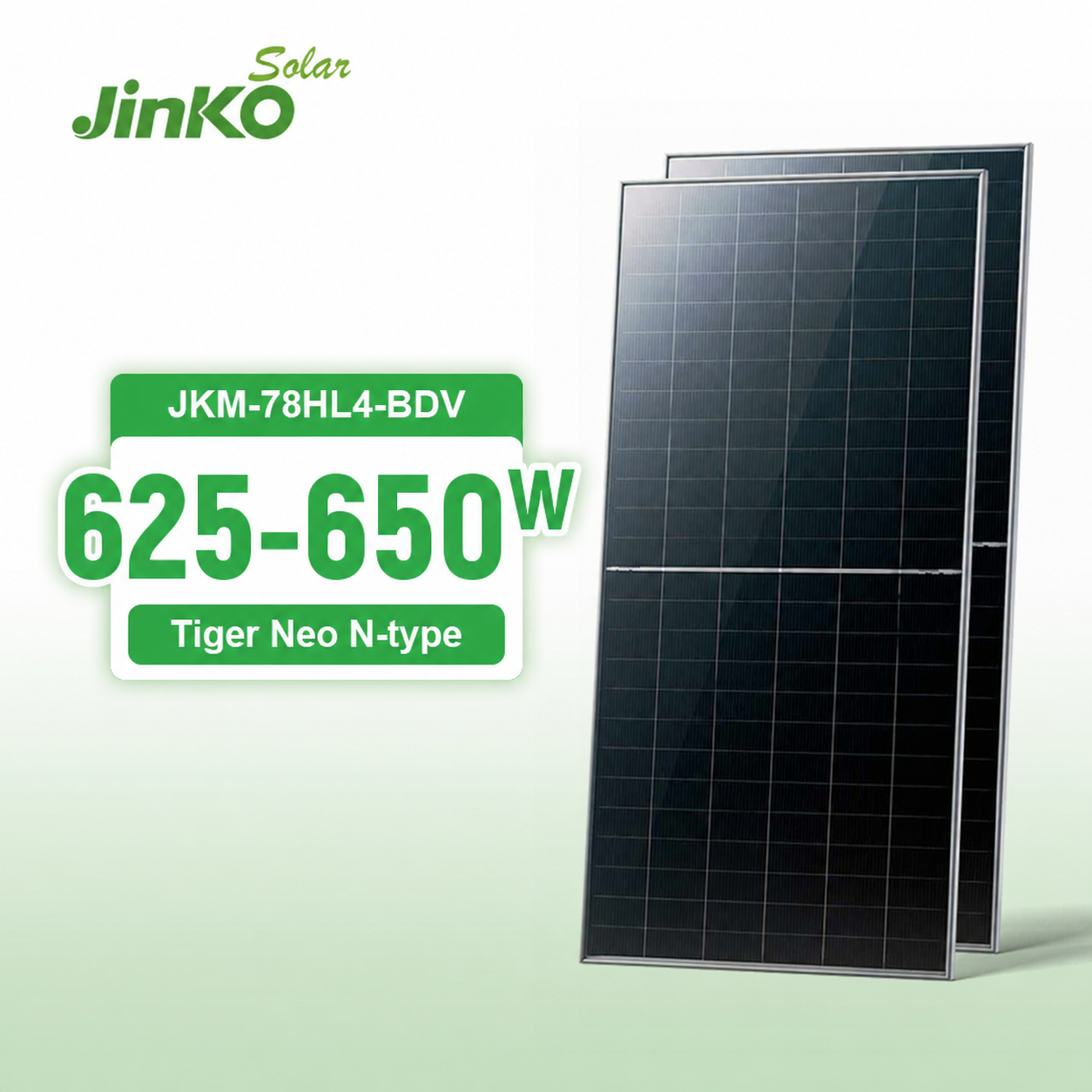
Jinko N Type Bifacial Pv Panels 650W 630W 645W Double Glass Solar Module for House Roof
Maximum yield during low-sun-angle winter months across central Alberta. Factory-certified for seamless integration with our Deye hybrid and off-grid inverters.
View Specifications →12V Lithium Iron Phosphate (LiFePO4) Engineering for Edmonton's Harsh Sub-Arctic Climate
As Edmonton experiences profound seasonal temperature swings—ranging from +35°C in mid-summer to prolonged cold snaps dropping below -35°C or -40°C in January and February—standard energy storage systems frequently succumb to catastrophic chemical sluggishness or permanent plating. As a seasoned China wholesale manufacturer and direct exporter serving Alberta's professional electrical contractors, solar EPCs, and off-grid distributors, our specialized 12V LiFePO4 battery modules are systematically engineered to conquer sub-zero thermodynamics.
The primary barrier to deploying standard lithium chemistries in Edmonton lies in the kinetic degradation of lithium ions moving through standard organic electrolytes at low temperatures. When an unheated lithium cell is charged at or below 0°C (32°F), lithium ions cannot intercalate rapidly into the graphite anode matrix. Instead, metallic lithium forms dendrites on the surface of the negative electrode—a condition known as lithium plating. This not only causes irreversibly steep capacity loss but also introduces a catastrophic internal short-circuit hazard. Our cold-climate 12V lithium series solves this fundamental physics challenge through an integrated tri-layer thermal management architecture:
Integrated PTC Self-Heating Elements
Our 12V modules embed ultra-thin, high-efficiency positive temperature coefficient (PTC) heating films positioned directly against the aluminum prismatic cell casings. When charging current is detected from solar arrays or grid chargers below 0°C, power is first diverted solely to the heating mantle until the core reaches +5°C, before cell charging safely initiates.
Advanced Automotive-Grade Smart BMS
The embedded Battery Management System continuously tracks cell-level thermistors with ±0.5°C accuracy. If the ambient temperature plummets during an Edmonton polar vortex and no supplemental heating energy is available, the BMS strictly hardware-locks charging while permitting safe discharge down to -25°C to power critical resistive loads.
Prismatic Grade-A LiFePO4 Chemistry
Utilizing exclusively brand-new Grade-A prismatic cells from top-tier automated production lines, our 12V packs guarantee an energy retention rate exceeding 78% even at -20°C under 0.2C discharge rates, outlasting legacy valve-regulated lead-acid (VRLA) or GEL alternatives by four-fold under repetitive cycle duty.
For Edmonton buyers procuring for remote applications—such as pipeline monitoring along the Industrial Heartland or year-round off-grid cabins near Elk Island—energy density and volumetric efficiency are equally paramount. Our 12V lithium packs provide over 130 Wh/kg at the pack level, weighing approximately one-third of an equivalent amp-hour deep-cycle lead-acid group-size battery while supporting 100% usable Depth of Discharge (DoD) without cell sulfation or plate buckling.
Edmonton-Specific Use Cases: Delivering Resilient Off-Grid & Backup Power
From rural off-grid acreages to rugged energy sector infrastructure across Northern and Central Alberta, explore where our wholesale 12V lithium batteries deliver mission-critical reliability.
Off-Grid Acreages & Recreational Cabins
Throughout Parkland County, Sturgeon County, and Lac Ste. Anne, rural homeowners face frequent winter grid interruptions. Our 12V 100Ah, 200Ah, and 300Ah LiFePO4 batteries connect in 2S2P or 4S series-parallel configurations (24V/48V) to power high-efficiency inverter-chargers, water well pumps, refrigeration, and wood-stove blowers without generator noise.
Oil & Gas Remote SCADA & Wellhead RTU Telemetry
In Nisku and Leduc's sprawling industrial sectors, EPCs require unattended DC power for remote valve actuators, flow meters, flare monitoring cameras, and environmental sensors. Our heavy-duty ABS-cased 12V lithium units, coupled with dual-glass solar panels, eliminate costly winter helicopter or snowmobile service dispatches to replace frozen lead batteries.
Commercial Fleets, Work Trucks & Mobile Caravans
Utility service trucks and long-haul recreational vehicles operating along the Yellowhead Highway and Queen Elizabeth II Highway require dependable auxiliary power. Our compact 12V lithium units support high continuous discharge currents to run diesel heaters, high-draw power tools, and auxiliary communications directly off DC busbars.
Agricultural Automation & Perimeter Security
Modern grain operations outside St. Albert and Sherwood Park depend on isolated solar power for automated bin temperature sensors, electric livestock fencing, automated waterers, and remote gate monitoring. Our 12V lithium series delivers zero maintenance, rapid recharging, and stable 12.8V nominal voltage output.
Telecommunications & Municipal Traffic Systems
Edmonton's peripheral smart road signage, remote microwave backhaul repeaters, and transit camera hubs necessitate rugged 12V DC power reserves that resist severe thermal cycling. Our lithium battery architecture ensures rapid multi-stage absorption when short winter daylight windows restrict solar charging to 4-5 peak hours.
12V LiFePO4 vs. Traditional GEL & Lead-Acid: Edmonton Operating Profile
When assessing Levelized Cost of Storage (LCOS) under Northern Alberta's climatic profile, initial capital expenditure differences are swiftly eclipsed by lifecycle durability, cold-weather efficiency, and replacement labor costs.
| Performance Characteristic | VOLT Industrial 12V LiFePO4 | Deep-Cycle Colloidal GEL | Standard Flooded Lead-Acid |
|---|---|---|---|
| Usable Capacity @ -20°C (0.2C Rate) | 78% – 85% (with active pre-heating) | 45% – 55% | 35% – 45% (Risk of casing crack) |
| Cycle Life (80% Depth of Discharge) | 4,000 – 6,000 Cycles | 1,000 – 1,200 Cycles | 400 – 600 Cycles |
| Weight per 100Ah (12V Nominal) | Approx. 11.5 kg (25.3 lbs) | Approx. 31.0 kg (68.3 lbs) | Approx. 33.5 kg (73.8 lbs) |
| Charge Acceptance Efficiency | > 97% (Rapid absorption) | 82% – 85% | 75% – 80% |
| Thermal Electrolyte Freezing Risk | Non-aqueous; no volumetric burst | Risk below -25°C if discharged | High freezing hazard at partial discharge |
| Internal Heating Integration | BMS-driven automatic PTC heating | External thermal blankets required | External insulated box required |
| 10-Year Total Cost of Ownership (TCO) | Lowest (Single pack installation) | Moderate (Requires 2-3 replacements) | Highest (High labor & replacements) |
Edmonton & Alberta Energy Trends: Why 12V & Modular Lithium Storage is Accelerating
Alberta occupies a unique position in Canada's energy landscape. As the country's only fully deregulated electricity market—governed by the Alberta Electric System Operator (AESO)—wholesale hourly pool prices can wildly fluctuate between near-zero credits to the market cap of $1,000/MWh during extreme weather events. In the Edmonton municipal region, EPCs and facility operators are actively leveraging localized BESS solutions to execute peak shaving and establish grid independence.
Three overarching drivers are reshaping regional procurement for China-manufactured lithium battery solutions:
1. Alberta Micro-generation Regulation Growth: Under Alberta Utilities Commission (AUC) Rule 007 and local distribution policies (e.g., EPCOR in Edmonton, FortisAlberta in surrounding rural territories), solar microgeneration has exploded. Installers pairing PV arrays with scalable 12V-to-48V battery systems provide clients with self-consumption optimization, circumventing volatile distribution tariff surcharges and time-of-use administrative charges.
2. Edmonton Clean Energy Improvement Program (CEIP) Incentives: Through property-assessed clean energy financing administered in Edmonton, commercial property owners and residents access low-interest financing tied to municipal property tax assessments. This has created unprecedented demand for reliable, high-specification lithium storage equipment that satisfies stringent CSA and Canadian Electrical Code (CEC Part I) standards.
3. Heavy Industry Electrification & Diesel Generator Displacements: Surrounding industrial corridors, from petrochemical processing in Fort Saskatchewan to drilling operations in Athabasca, face tightening carbon compliance mandates. Replacing continuously running, high-maintenance 5kW diesel generator sets with hybridized solar-plus-lithium battery skids lowers operational fuel logistics by over 75%, generating payback periods under 18 months.
Why Edmonton Wholesale Importers Partner with VOLT New Energy
Headquartered in Hangzhou, Zhejiang, Hangzhou VOLT New Energy Technology Co., Ltd. bridges high-precision Chinese lithium cell manufacturing with North American operational standards, providing direct-from-factory pricing and rigorous quality controls.
Strict Cell Matching & Grading
Every single lithium prismatic cell is screened via automated laser sorting. We enforce cell IR variance ≤ 0.05mΩ and voltage variance ≤ 2mV before pack welding, ensuring perfectly balanced battery degradation and maximized cycle life.
In-House Multi-Protocol BMS Validation
Our engineering team tests CAN and RS485 communication protocols directly against major global inverter brands (including Deye, Victron, and Schneider) before container sealing. You receive turnkey plug-and-play communication on day one.
Class 9 DG Hazmat Logistics Direct to Edmonton
We handle end-to-end UN38.3 transport certification, MSDS, and dangerous goods maritime packing. Shipments move seamlessly via Pacific direct vessels into the Port of Vancouver or Prince Rupert, transferring smoothly to CN/CP rail terminals in Edmonton.
Turnkey Consolidated Solar Kits
Beyond individual 12V batteries, we consolidate Tier-1 dual-glass PV panels (Jinko, LONGi), Deye hybrid inverters, DC combiners, and cold-rated solar cables into single 20ft/40ft containers, slashing procurement overhead for Alberta distributors.
Frequently Asked Questions: Purchasing Wholesale 12V Lithium for Alberta
Essential technical, regulatory, and logistics answers for electrical wholesalers, solar installers, and commercial EPCs importing from China into Edmonton.
Our cold-weather series features automated internal PTC heating pads. When a charging voltage is applied, the BMS routes power exclusively to the heating elements until internal cell temperatures reach a safe +5°C, after which charging commences automatically. For discharge, our cells deliver stable power down to -25°C. For unconditioned outdoor enclosures in northern Alberta, we advise insulated battery cabinets to retain self-generated operational heat.
Yes. Our standard 12V modules incorporate heavy-duty BMS MOSFETs and internal cell balancing designed to support configurations up to 4 in series (forming a 48V nominal bank) and up to 4 in parallel (4S4P). For large residential and commercial ESS arrays exceeding 20kWh, we also supply dedicated 48V/51.2V rack-mount and wall-mount server rack batteries that integrate natively with low-voltage hybrid inverters.
All cell lots and pack assemblies adhere to rigorous international and North American safety standards, carrying UN38.3 (transportation testing), MSDS, CE, and IEC 62619 compliance. For Canadian grid-tied and commercial installations requiring CSA C22.2 No. 107.1 or UL 1973 recognition, our engineers share corresponding factory audit files and component-level test reports prior to proforma confirmation.
From our Ningbo or Shanghai port departures, ocean freight to the Port of Vancouver or Prince Rupert typically takes 14 to 18 days. Customs clearance and intermodal rail transit via Canadian National (CN) or Canadian Pacific (CP) into Edmonton intermodal yards requires an additional 5 to 8 business days. Total door-to-door transit time for full container loads (FCL) generally averages 28 to 35 calendar days.
We provide comprehensive 5-year to 10-year manufacturer warranties backed by explicit proforma contract terms. Because every battery is cataloged with serialized barcodes, troubleshooting is handled promptly by our bilingual engineering desk. In the rare event of a module defect, replacement BMS boards, active balancers, or full replacement cells are dispatched via air courier (DHL/FedEx) without requiring cumbersome international return of hazardous goods.
Yes. We specialize in mixed-cargo consolidation. While lithium batteries fall under Class 9 Dangerous Goods (UN3480), our logistics team prepares specialized dangerous goods declarations (DGD) that permit consolidated container loading with Jinko/LONGi solar panels, mounting racking, and hybrid inverters, saving Alberta importers thousands of dollars in separate LCL freight fees.