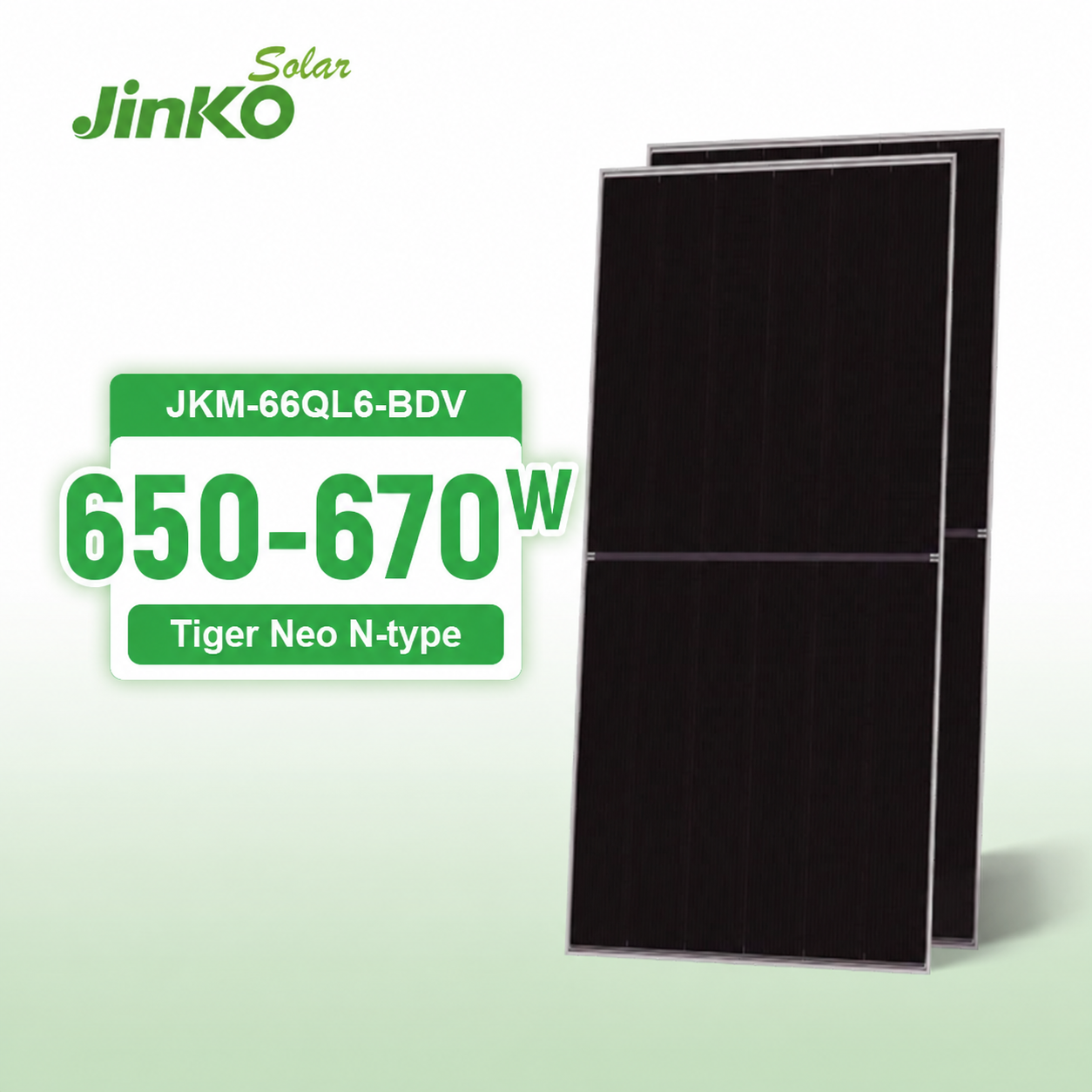
Factory-Direct Stock & Matched Solutions
High-Efficiency N-Type Photovoltaic Modules for Commercial Microgrids
Pre-tested and impedance-matched bifacial double-glass assemblies designed for immediate pairing with industrial Battery Energy Storage Systems (BESS) and high-voltage hybrid inverters.
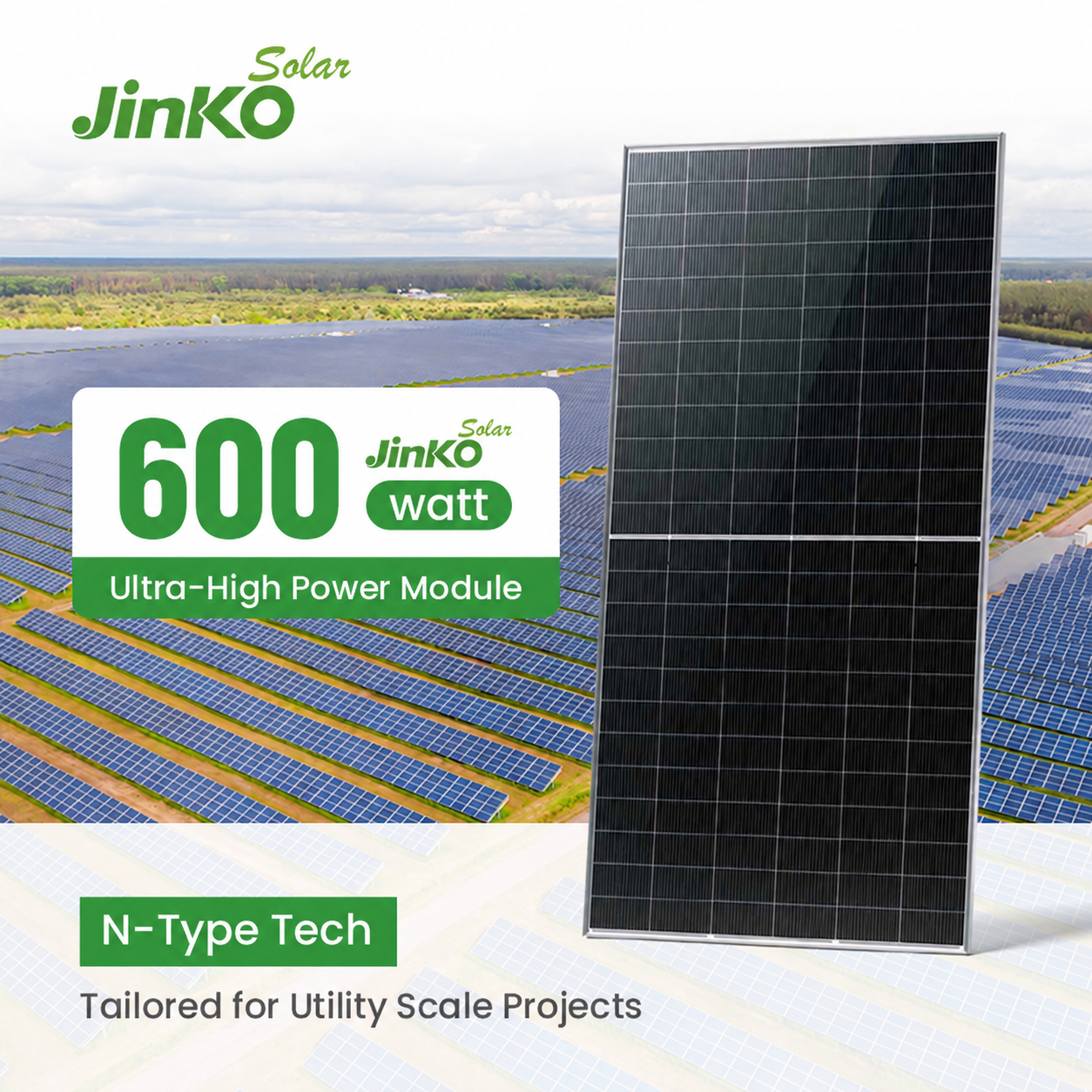

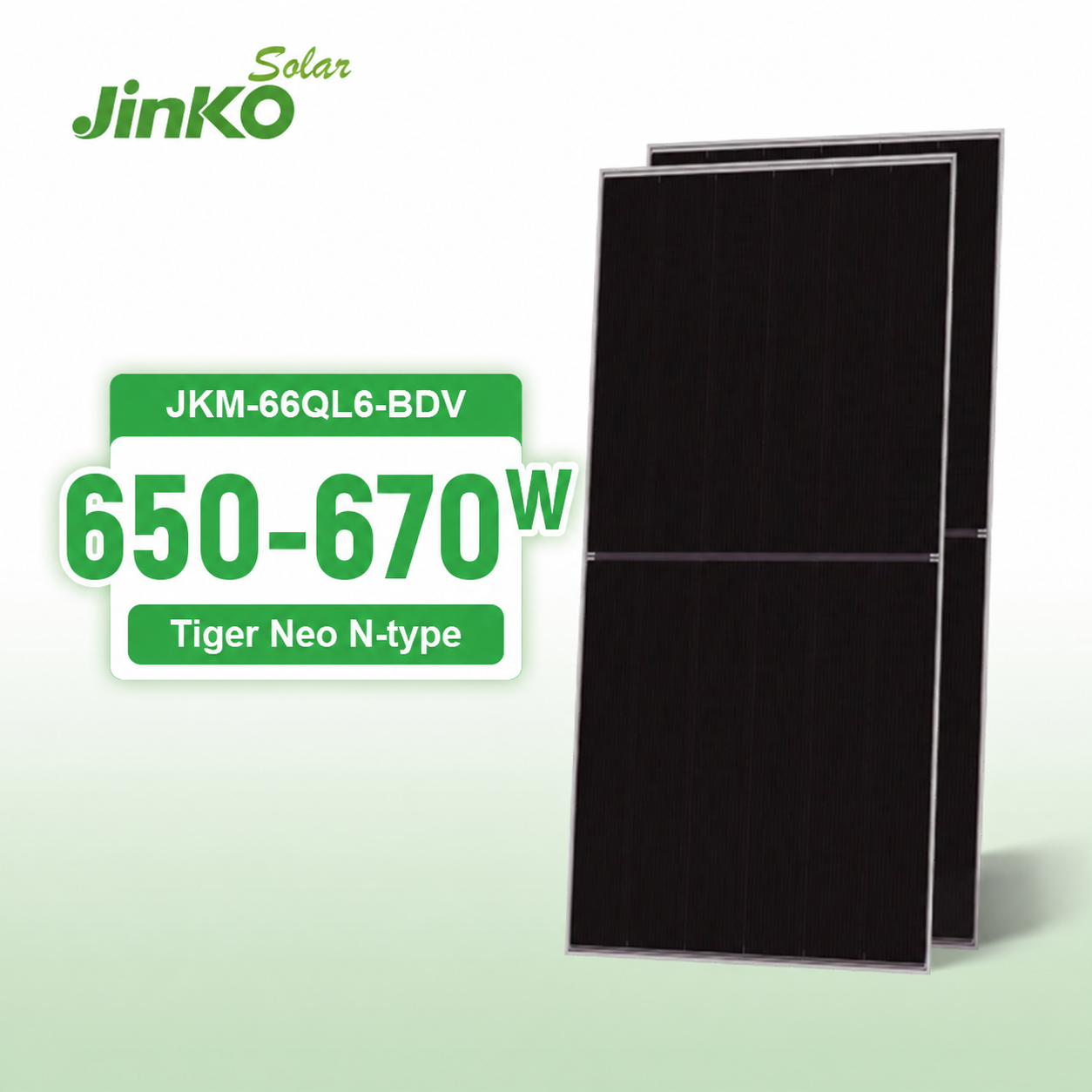
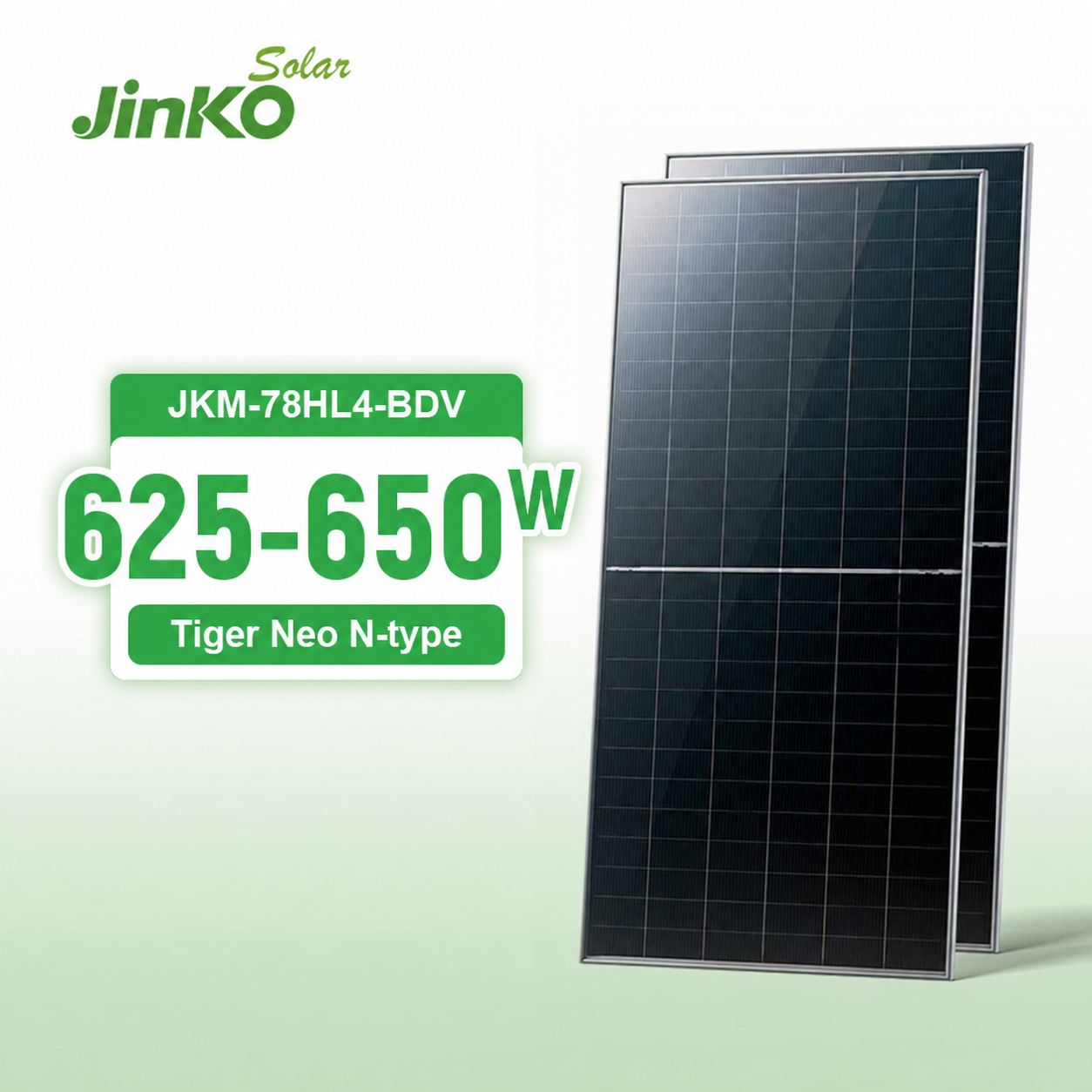
Double Glass High Durability
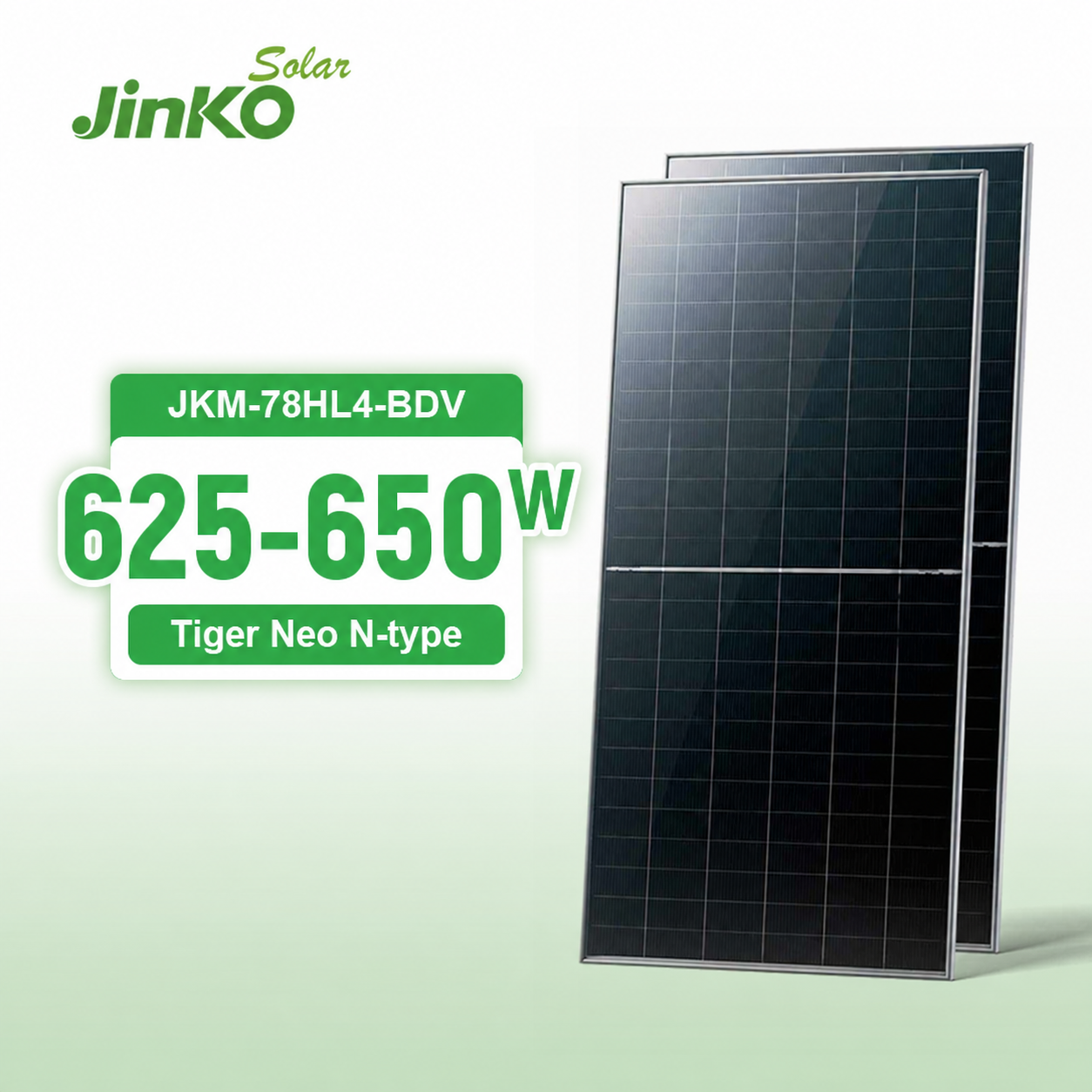
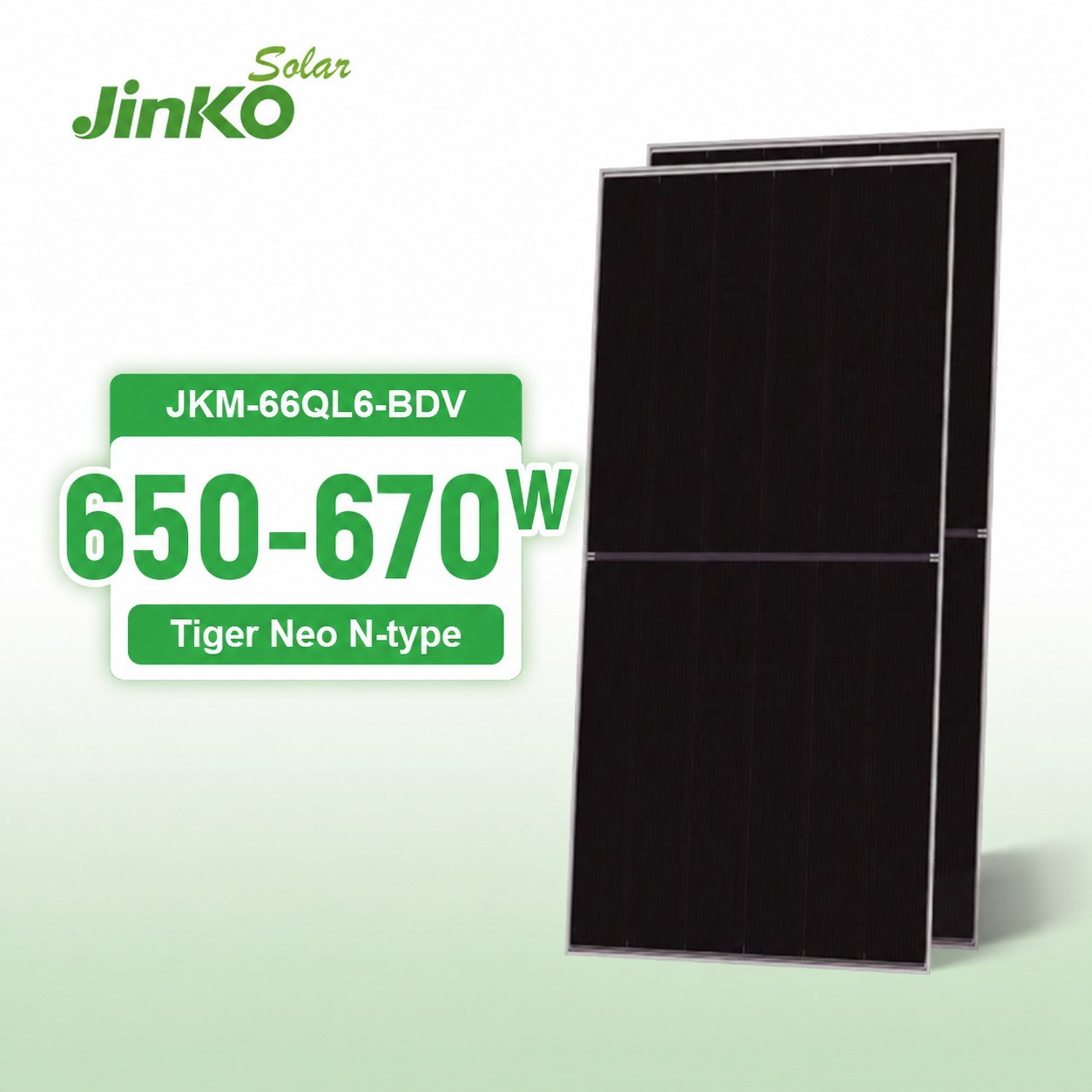
Jinko N Type Bifacial Pv Modules 630W 625W 635W Double Glass High Efficiency Solar Panel Stock
Monocrystalline Precision
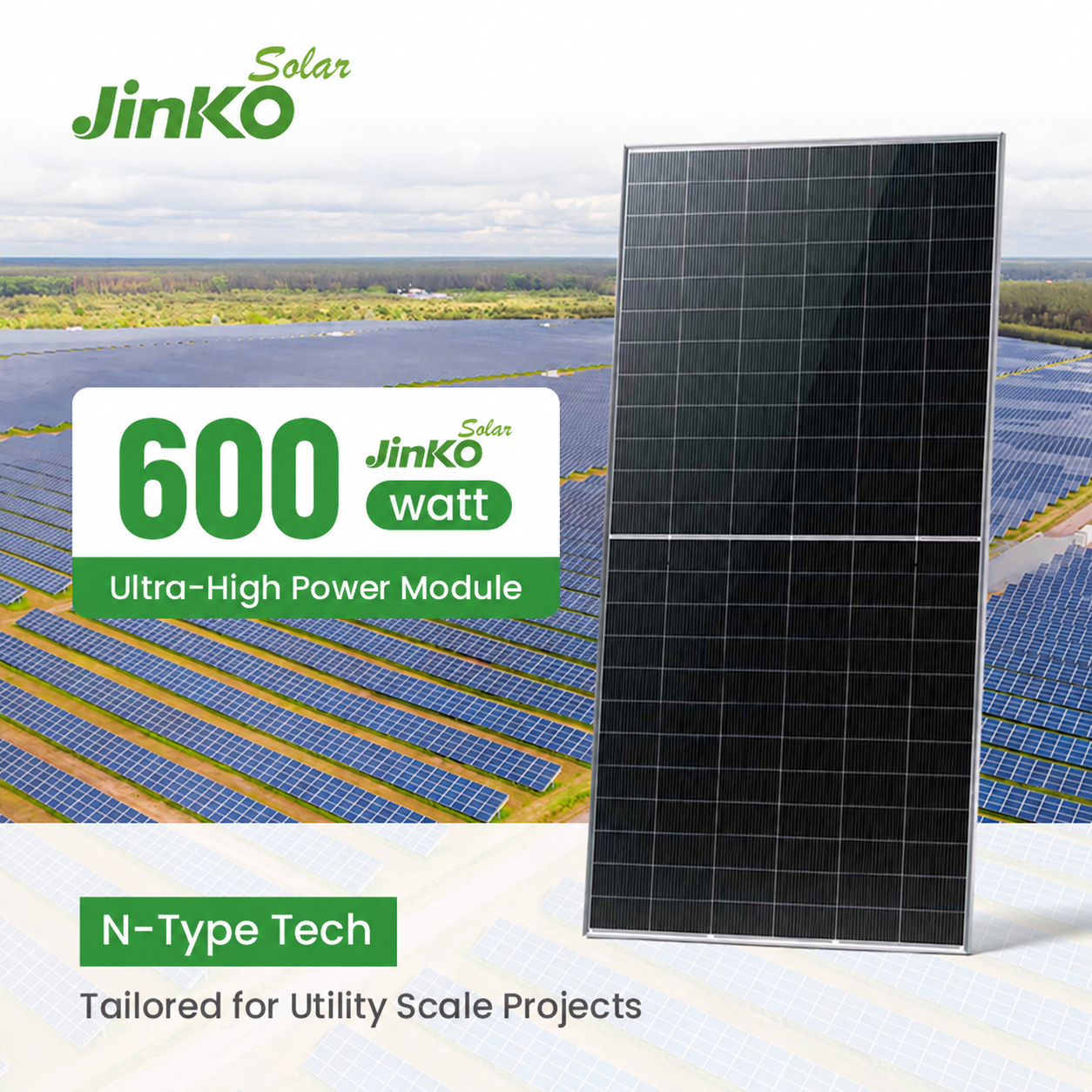
Jinko Pv Panels Wholesale 600w 580W 590W Bifacial Dual Glass Monocrystalline Solar Module
Engineered for the West Bank Industrial Core
High-Impact Localized Application Scenarios Across the Hebron Governorate
Deploying specialized battery chemistries and hybrid multi-inverter microgrid architectures to solve structural capacity deficits in the Hebron (Al-Khalil) electrical grid.
Structural Energy Realities of the Hebron Market
The Hebron Governorate represents the industrial engine of the Palestinian economy, generating over one-third of the West Bank's gross domestic product. However, its industrial zones—stretching from the Hebron Industrial Estate along Bypass Road 60 to Halhul, Idhna, and Dura—are severely constrained by static electrical allocations. The electrical distribution entity, the Hebron Electric Power Company (HEPCO), purchases high-voltage supply through interconnected substations governed by the Israel Electric Corporation (IEC). Due to rigid import quotas, rapid industrial expansion has outpaced substation transformer headroom, triggering frequent voltage sag, forced rotational load shedding, and punitive penalties during peak tariff hours. China-sourced lithium battery energy storage systems (BESS) engineered by Hangzhou VOLT New Energy directly address this operational bottleneck by providing deterministic, dispatchable backup and peak-shaving capabilities.
Stone & Marble Quarries (Manasra / Halhul)
Hebron's stone-cutting gang saws and polishing lines present extreme inductive loads with high starting kVA inrush currents. Our high-discharge C-rate LFP battery packs interface with parallel Deye 50kW hybrid inverters to absorb dynamic motor surges, eliminating circuit breaker tripping and slashing kVA maximum demand penalties imposed on medium-voltage industrial feeders.
Polymer, Plastic & Leather Factories
Continuous thermal extrusion and injection moulding equipment cannot withstand even momentary utility brownouts without raw material solidifying inside barrels, causing tens of thousands of dollars in downtime. Our zero-millisecond (<10ms) transfer BESS ensures uninterrupted operation during midday grid interruptions, smoothly bridging transitions between grid, battery, and backup diesel generators.
Agricultural Processing & Olive Oil Mills
Located in rural peripheries like Yatta, Dura, and Beit Ula, seasonal agricultural facilities experience high peak usage during autumn pressing cycles followed by long idling periods. Our long-shelf-life deep-cycle GEL and modular LiFePO4 rack batteries survive harsh, unconditioned environments with minimal self-discharge, delivering seasonal energy resilience without constant maintenance.
Market Economics & Policy Analysis
Macro Trends & Regulatory Drivers Shaping Storage in the West Bank
An authoritative breakdown of regulatory policies, tariff structures, and infrastructure modernization pushing Palestinian enterprises toward private energy autonomy.
Grid Bottlenecks & Fixed IEC Feeder Quotas
The transmission line feeds managed by the IEC into the Palestinian territories operate near thermal capacity. Because expanding regional substation capacities requires complex political and territorial approvals, the Palestinian Energy and Natural Resources Authority (PENRA) has explicitly prioritized behind-the-meter storage to stabilize localized grid voltage without requiring new high-voltage line construction.
PENRA Net-Metering Limitations & Zero-Export
Under current Palestinian net-metering regulations, distribution utilities (HEPCO, SELCo, JDECO) enforce strict ceiling caps on solar grid export to prevent reverse power flow into aging distribution transformers. Consequently, industrial commercial solar projects must incorporate lithium storage systems programmed with zero-export fast-response smart meters to capture surplus daytime PV generation rather than curtailing it.
Diesel Arbitrage & Fuel Price Inflation
Hebron industrial enterprises historically relied on diesel gensets to bridge daily utility shortfalls. With localized diesel fuel prices frequently exceeding $1.80 to $2.10 per liter due to logistical surcharges and excise duties, the Levelized Cost of Storage (LCOS) of VOLT New Energy's LFP systems ($0.065–$0.085/kWh over 6,000 cycles) delivers an aggressive internal rate of return (IRR) with sub-3-year payback cycles.
| Storage Architecture / Metrics | VOLT Rack LFP (LiFePO4) | High-Capacity Deep-Cycle GEL | Conventional Diesel Genset Alone |
|---|---|---|---|
| Usable Depth of Discharge (DoD) | 90% – 95% Usable Capacity | 50% – 60% Usable Capacity | N/A (Continuous fuel burn) |
| Cycle Life Expectancy (@ 25°C) | 6,000 – 8,000 Cycles to 80% Retained | 1,200 – 1,800 Cycles to 60% Retained | Requires overhaul every 10,000 hours |
| BMS Communications Protocol | Native CAN / RS485 Dual Bus (Deye/Growatt) | Voltage-based sensing (Open loop) | Dry-contact relay auto-start |
| Levelized Energy Cost ($/kWh) | ~$0.072 / kWh amortized | ~$0.145 / kWh amortized | >$0.380 / kWh (Fuel + Maintenance) |
| Hebron Ambient Thermal Tolerance | Optimal with active thermal cooling (-10°C to 50°C) | High resistance to ambient spikes (-20°C to 55°C) | High maintenance under dust/summer heat |
Engineering Rigor & System Topologies
Turnkey System Sizing & Integration Whitepaper Specifications
How Hangzhou VOLT New Energy configures the critical hardware handshake between Tier-1 PV modules, intelligent hybrid conversion units, and lithium storage banks.
Tier-1 A-Grade Cell Matching
Every commercial module exported to the Palestinian market utilizes prime prismatic automotive-grade lithium iron phosphate (LiFePO4) cells. Each manufacturing run undergoes computer-automated delta-internal-resistance (ΔIR < 0.05mΩ) and delta-voltage (ΔV < 2mV) grading to prevent internal parasitic balancing currents and premature thermal runaway.
CAN/RS485 Closed-Loop BMS Handshake
VOLT customizes BMS firmware tables specifically aligned with Deye low-voltage (48V/51.2V) and high-voltage (160V–800V) hybrid inverters. This provides exact instantaneous SoC calculation, thermal throttling safeguards, dynamic charge-rate regulation, and remote monitoring through local Wi-Fi / GPRS telemetry.
Multi-Inverter Parallel Scalability
For large-scale stone-quarry processing plants in Idhna or manufacturing facilities in the Hebron Industrial Zone, our systems support parallel synchronization of up to 16 units of Deye three-phase hybrid inverters (up to 800kW total conversion capacity), backed by centralized battery racks with unified master BMS controllers.
Pre-Shipment Protocol Verification Protocol
A primary failure point reported by West Bank solar EPC contractors is the dreaded "BMS Communication Error F58/F13" upon initial commissioning of multi-vendor components. Because returning defective or mismatched equipment from Hebron to China is logistically and fiscally prohibitive due to port clearance regimes, VOLT New Energy conducts rigorous physical hardware loop-in tests at our Hangzhou facility. Prior to packing, our engineers cable the exact battery packs to the buyer’s specified inverter, burn the firmware handshake, verify real-time CAN bus telemetry polling (cell voltages, temperatures, maximum charge limits), and provide a serialized video inspection certificate to the client.
Why West Bank Importers Trust VOLT New Energy
Engineered Reliability: Our Core Supply Chain Competencies
We eliminate technical, shipping, and regulatory friction for Middle Eastern distributors, installers, and system integrators.
Verified Inverter Compatibility
Direct tier-1 strategic integration with Deye, Growatt, and Solis platforms. BMS profiles, voltage windows, and hardware DIP switches are mapped prior to dispatch for true plug-and-play field commissioning.
Pre-Shipment Multi-Point QC
Every single lithium module undergoes high-precision automated cycler testing, dielectric withstand tests, and visual inspection. Full capacity testing curves and serial trace files are archived per export order.
Full Dangerous Goods Logistics
Complete documentation packages for hazardous maritime freight: UN38.3 test summaries, MSDS, DG declaration certificates, and certified packaging capable of clearing strict inspection at Port of Ashdod or King Hussein Bridge.
Engineering Consultation & Kits
Beyond individual SKUs, we size and assemble complete turnkey systems: Jinko bifacial panels, Deye inverters, VOLT LFP battery cabinets, DC disconnects, surge suppressors, and custom wiring blueprints.
Frequently Asked Questions
B2B Procurement, Customs & Engineering Considerations for Hebron
In-depth responses addressing the logistical, commercial, and operational queries routinely raised by Palestinian EPC contractors and electrical wholesalers.
How are lithium batteries and PV containers cleared through Israeli customs for entry into the Hebron Governorate?
Shipments destined for Hebron and the broader West Bank are primarily handled via two logistics corridors: maritime shipping into the Port of Ashdod or land transit via Jordan across the King Hussein / Allenby Bridge. Israeli Customs and the Ministry of Energy require specific regulatory compliance documentation. For lithium batteries, full UN38.3 transport safety reports, MSDS (Material Safety Data Sheets), and IEC 62619 safety certificates are mandatory. For solar panels and inverters, CE certificates and SII (Standards Institution of Israel) equivalent test reports are audited to ensure equipment meets dual-use restrictions and grid-coupling standards. Hangzhou VOLT New Energy supplies pre-cleared, audited documentation packets aligned with your licensed Palestinian/Israeli customs clearing agent before cargo departs Ningbo or Shanghai.
Can VOLT lithium batteries communicate with Deye hybrid inverters without manual wiring adjustments on site?
Yes. Our standard export LFP battery modules (both 48V/51.2V low-voltage rack units and high-voltage commercial cabinets) include integrated BMS controllers factory-programmed with CAN Bus and RS485 communication protocols specifically tailored for Deye inverters. We pre-assign the specific DIP switch settings, baud rates (typically 500 kbps for CAN), and supply the custom RJ45 communication pin-out cables (Pins 4/5 for CAN-H/CAN-L). When the installer connects the battery to the Deye inverter and selects Battery Type "Lithium" and Protocol "00" or custom profile, the inverter immediately recognizes state of charge, real-time battery pack voltage, cell temperature, and permissible charge/discharge limits.
How does the mountainous and semi-arid climate of Hebron affect battery lifespan and performance?
Hebron sits at an elevation of approximately 930 meters above sea level, featuring dry, hot summers with ambient temperatures exceeding 35°C–38°C and cold, wet winters with occasional snowfall and sub-zero temperatures. Unmanaged thermal swings severely degrade low-quality batteries. VOLT New Energy's LiFePO4 cells are engineered with wide operational thermal thresholds (-10°C to 50°C). Our industrial enclosures feature internal NTC temperature sensors, smart multi-stage thermal dissipation fans, and optional PTC heating pads to prevent low-temperature lithium plating during cold winter charging. Additionally, for dusty quarry environments, our cabinets boast IP54/IP55 sealed ratings with washable dust filtration screens.
Should a Hebron commercial facility install low-voltage (48V) or high-voltage (HV) battery storage?
The choice depends entirely on total continuous load requirements and cabling infrastructure:
- Low-Voltage (48V/51.2V): Best suited for small businesses, workshops, and residential installations up to 15kW continuous output. Standardized modularity allows easy capacity expansion by adding 5kWh or 10kWh packs in parallel.
- High-Voltage (160V to 800V DC): Strongly recommended for Hebron's industrial stone cutting, plastic factories, and large commercial facilities utilizing 20kW to 100kW+ three-phase hybrid inverters. High-voltage architecture drastically reduces DC amperage, enabling thinner copper cabling, minimal I²R transmission heat losses, and higher round-trip efficiency (exceeding 96%).
Can you consolidate full containers with mixed solar panels, inverters, and battery banks?
Yes, mixed container consolidation is one of our most popular services for Palestinian distributors. Sourcing inverters from one factory, panels from another, and batteries from a third results in multiplied freight forwarding fees, separate customs broker costs, and complex port inspections. Hangzhou VOLT New Energy consolidates tier-1 Jinko solar panels, Deye hybrid inverters, VOLT LFP battery cabinets, and balance-of-system (BOS) components into unified 20GP or 40HQ containers at our logistics hub, streamlining documentation into a single Bill of Lading (B/L) and commercial invoice.
How does the zero-export functionality work with HEPCO and SELCo grid connections?
Because the local utilities (HEPCO in Hebron city and SELCo in the southern governorate) often refuse reverse power injection due to distribution grid bottlenecks, systems must strictly prevent exporting surplus solar energy back into the grid. Our paired Deye and VOLT storage configurations utilize external split-core current transformers (CTs) or high-speed Eastron/Chint smart meters installed at the facility's main electrical incomer. The inverter dynamically throttles solar PV production and shifts excess power into charging the battery bank within 100 milliseconds, ensuring zero feed-in violations while maximizing self-consumption.
What warranty terms and remote technical support are provided for West Bank projects?
Our LFP battery systems carry an authentic 5-to-10-year manufacturer-backed warranty (depending on the cell grade and cycle profile selected), and Deye inverters feature a 5-year standard warranty extendable to 10 years. In the rare event of a hardware anomaly, our engineering team in Hangzhou accesses the system remotely via the cloud monitoring portal to diagnose logs, upgrade firmware, and isolate issues. Component-level replacement modules and spare BMS boards are maintained in our logistics buffer for rapid dispatch.
Scale Your Renewable Energy Projects in Hebron with Confidence
Connect directly with our engineering and export desk in Hangzhou. Submit your load profiles, target transformer capacity, or bill of quantities for customized system sizing, verified factory pricing, and comprehensive export logistics.
Send an Inquiry