High-Efficiency PV Systems for DC Microgrid Integration
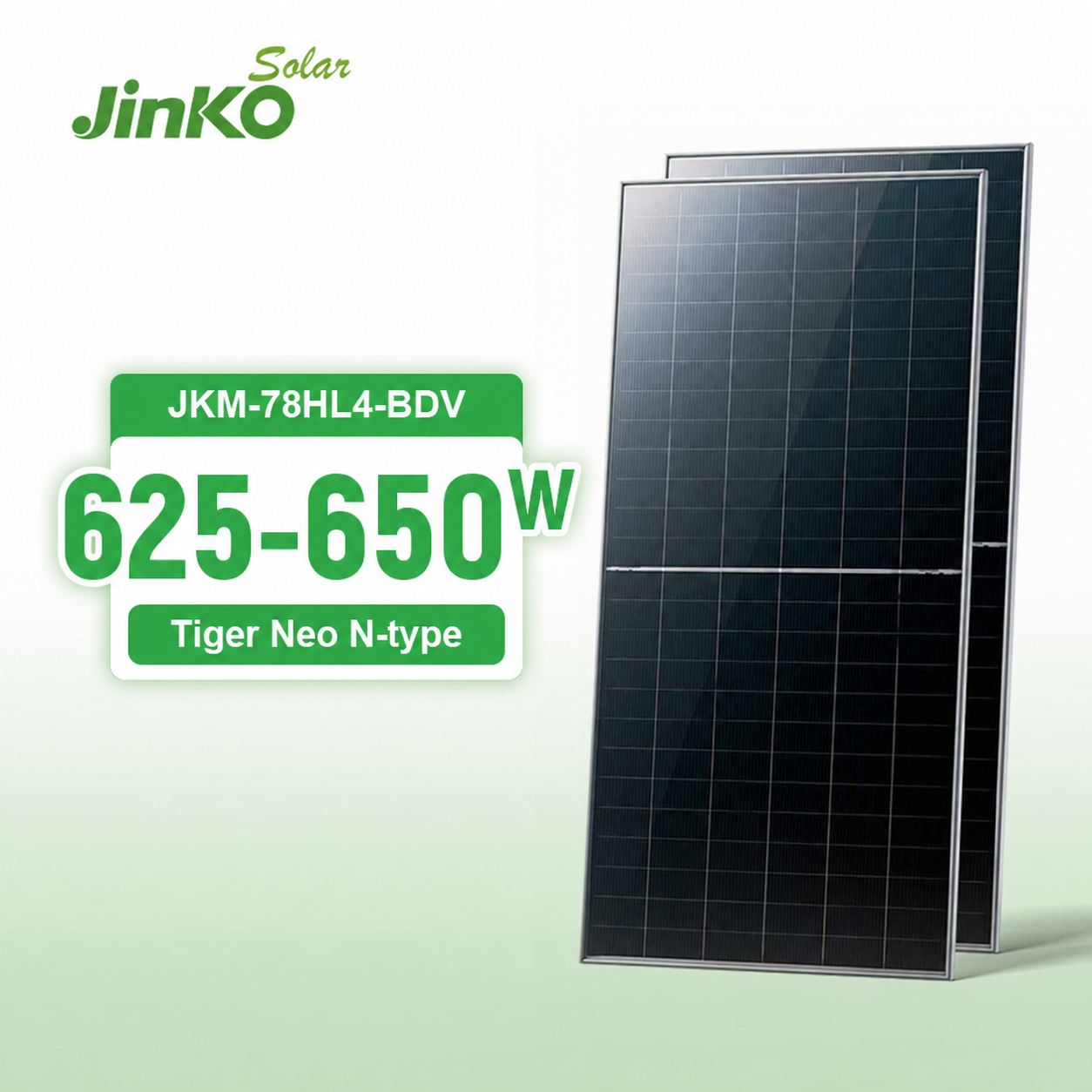
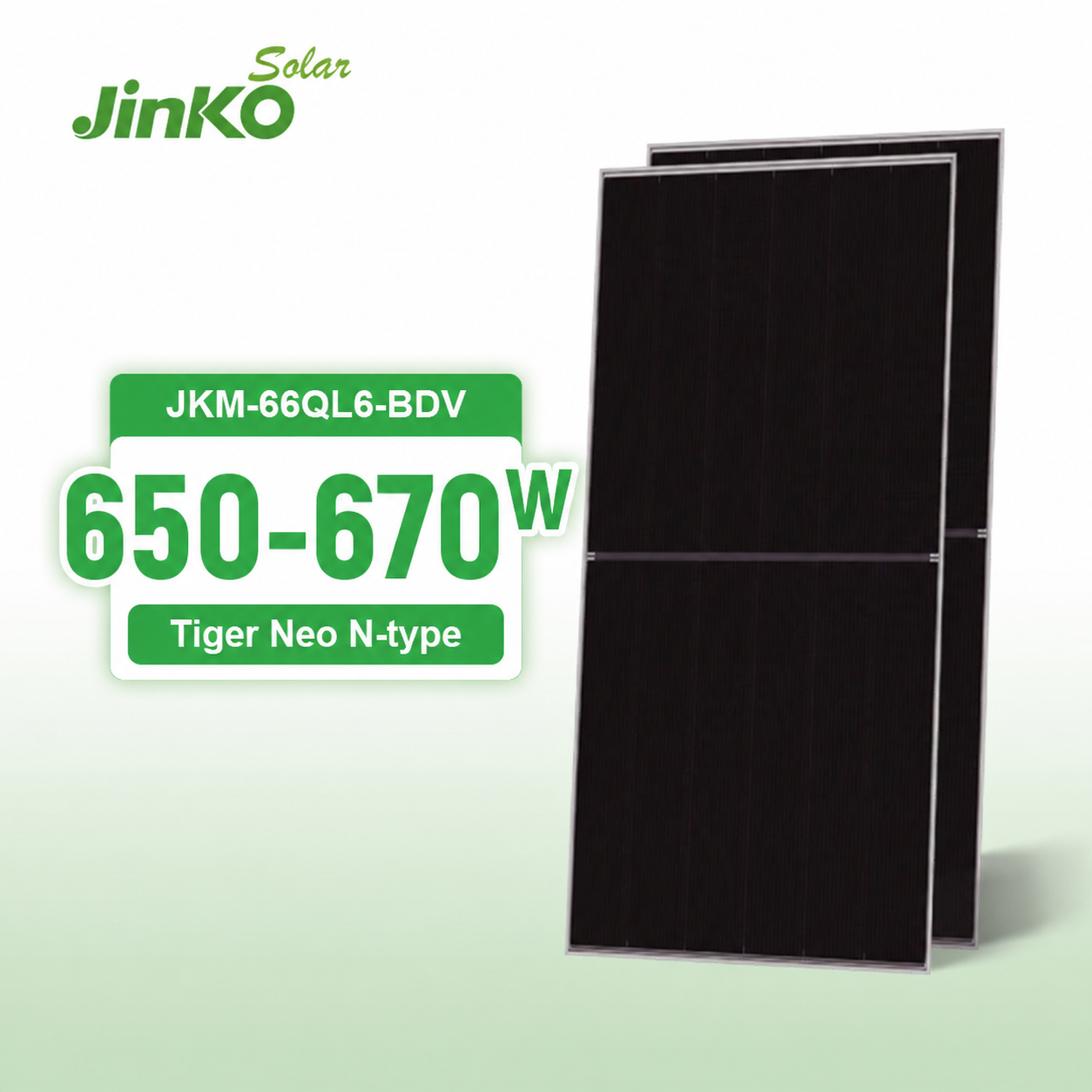
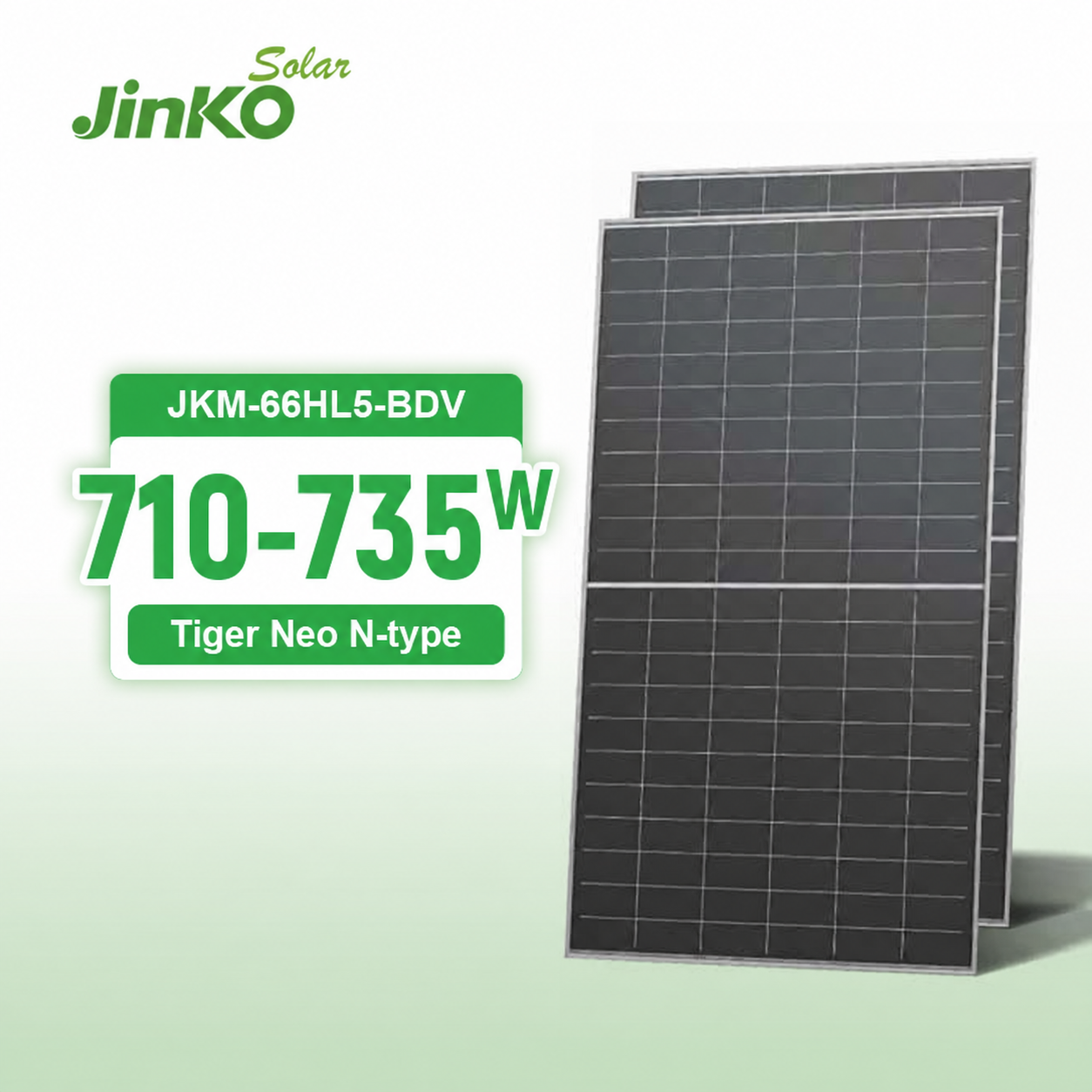
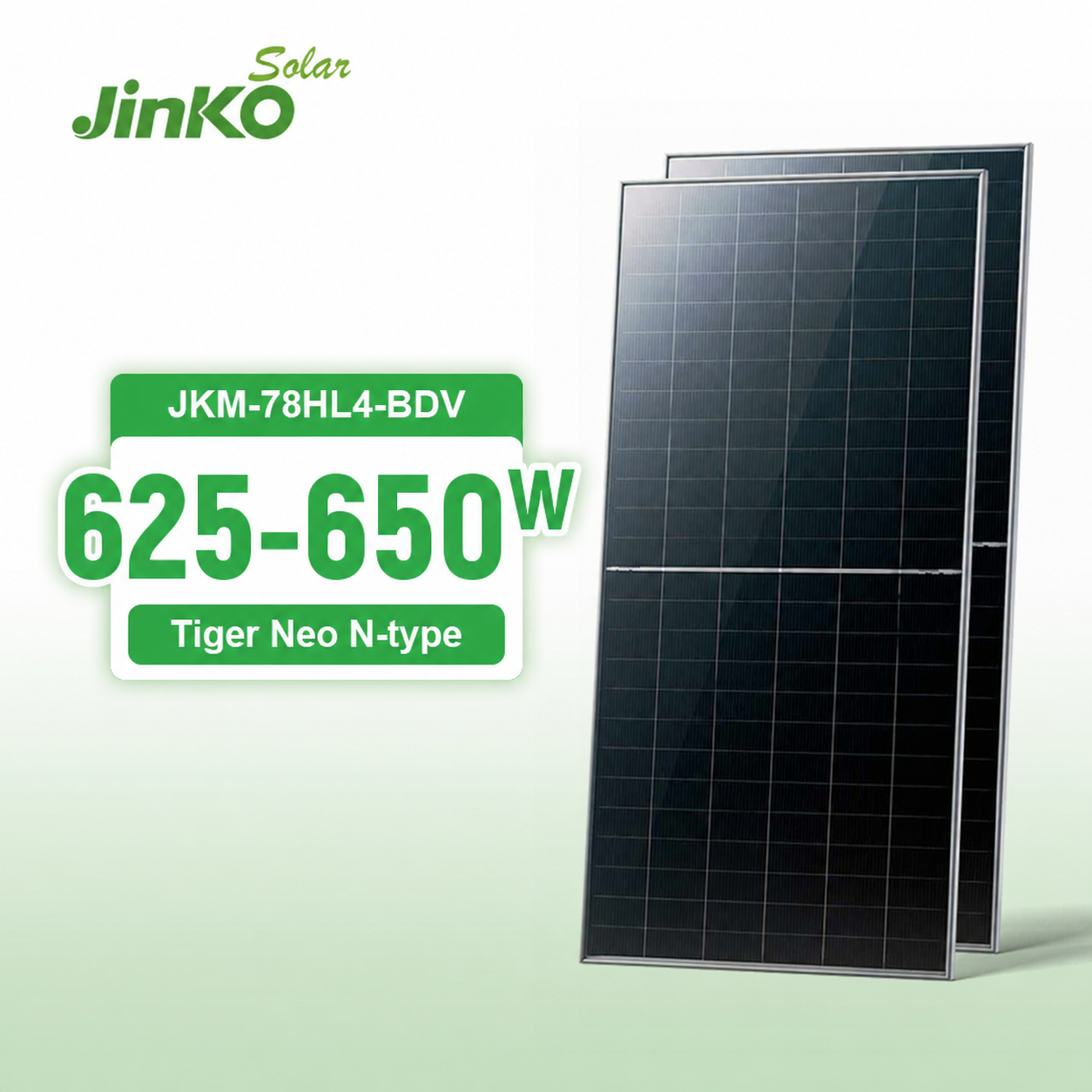
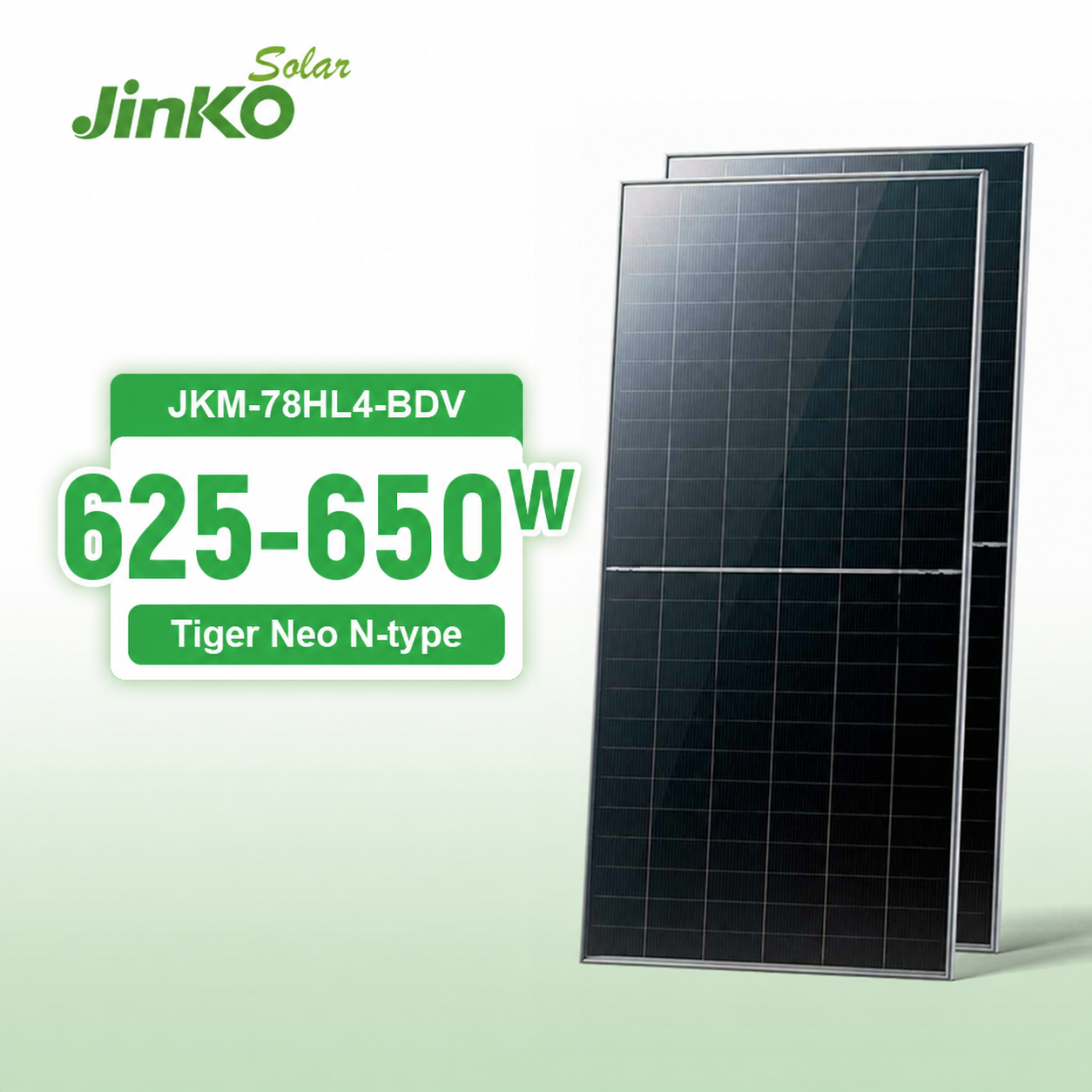
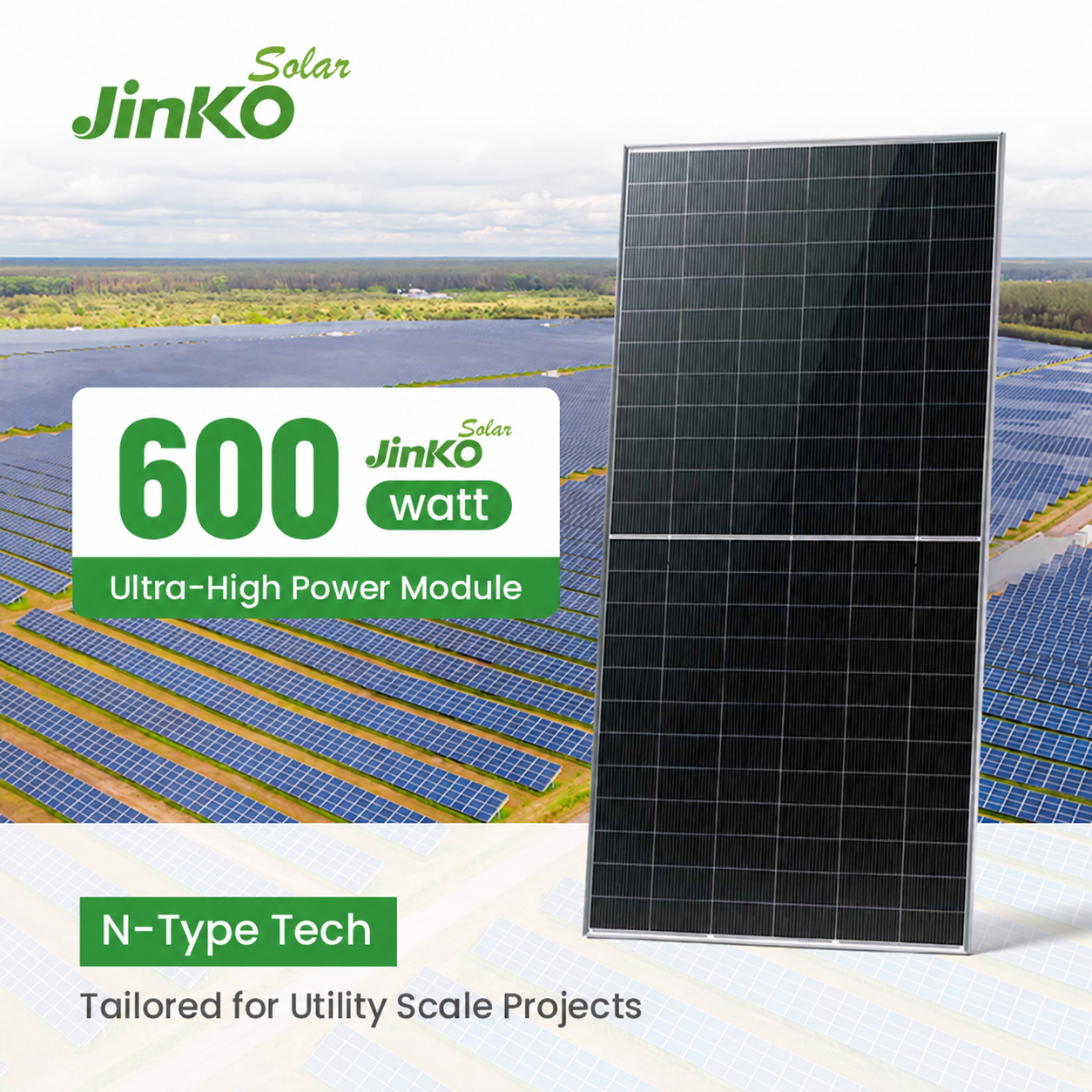
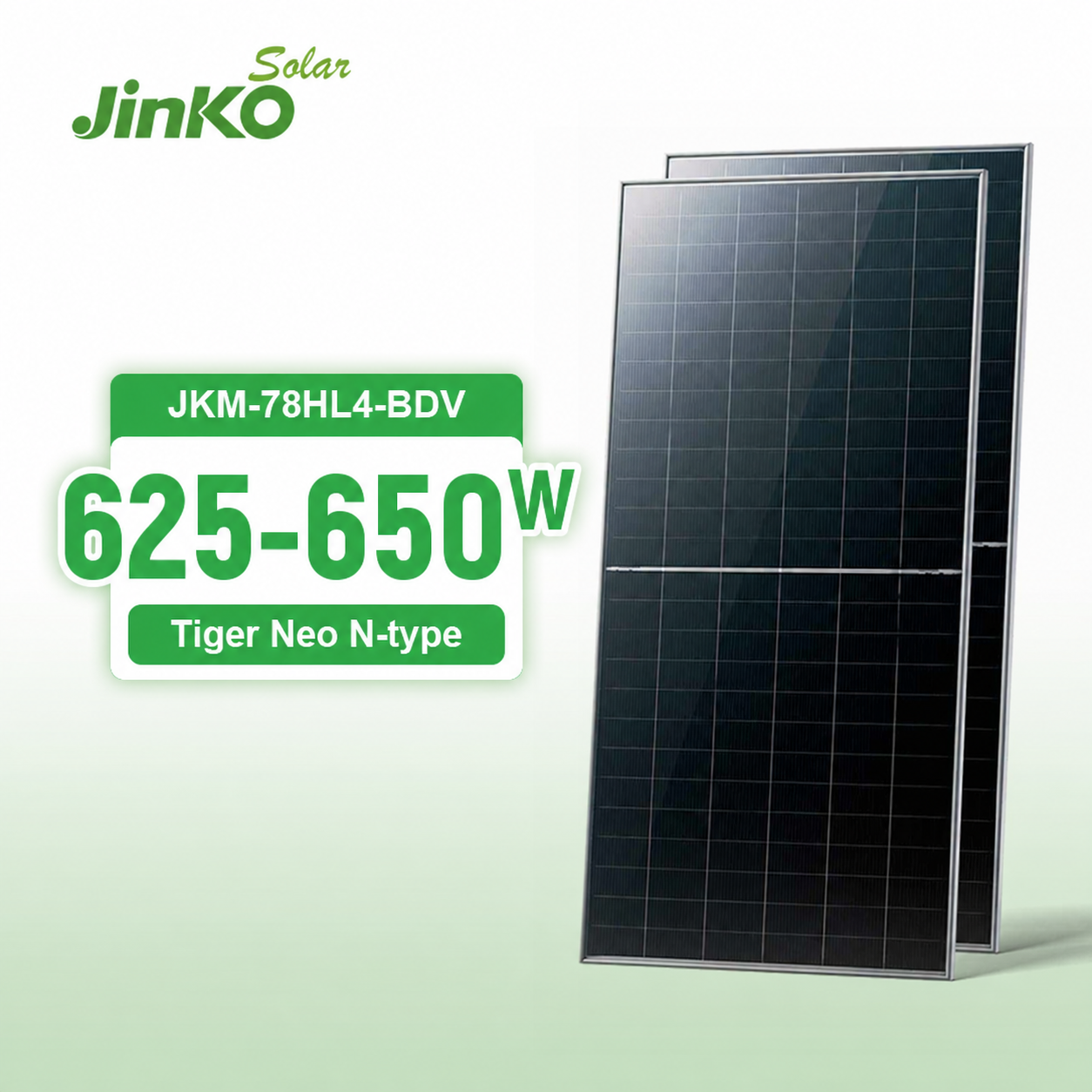
Containerized energy storage achieves peak operational lifetime and financial returns when coupled with tier-1 monocrystalline n-type bifacial arrays. Explore our tested modular components engineered for industrial balance of system.
Strategic Architecture: Containerized Energy Storage for the Washington DC Metropolitan Region
The District of Columbia, alongside the greater National Capital Region (NCR) encompassing Northern Virginia and suburban Maryland, constitutes one of the most operationally demanding power environments in North America. Under the aggressive regulatory frameworks established by the Clean Energy DC Omnibus Amendment Act—which mandates 100% renewable energy procurement by 2032—procurement teams face unprecedented grid transformation constraints. Containerized Battery Energy Storage Systems (BESS) represent the technical linchpin resolving the friction between strict environmental mandates, local urban space restrictions, and stringent network stability parameters enforced by the PJM Interconnection regional transmission organization (RTO).
As tier-1 energy storage exporters and system integrators based in Hangzhou, China, Hangzhou VOLT New Energy Technology Co., Ltd. engineers, integrates, and delivers standard 20-foot and 40-foot containerized Lithium Iron Phosphate (LiFePO4/LFP) energy storage systems tailored directly to North American grid standards. Combining non-flammable prismatic LFP cell chemistry, advanced multi-tier Battery Management Systems (BMS), liquid immersion thermal controls, and pre-integrated Deye central and hybrid inverter configurations, our containerized platforms deliver utility-grade scalability ranging from 500 kWh to multi-megawatt-hour installations.
Localized Application Scenarios in Washington DC & PJM
Engineered to resolve capacity crunches, provide mission-critical resilience, and capitalize on multi-value PJM ancillary service revenue streams.
NoVA Data Center Corridor Peak Shaving
Northern Virginia and the outer Washington DC metro house the highest concentration of data centers globally. Our containerized LFP storage units perform autonomous peak shaving, dynamic load shifting, and rapid voltage support, buffering data centers against heavy PJM peak coincident charges and maintaining continuity during grid stress without activating dirty diesel backup.
Federal & Municipal Microgrid Resilience
Federal agencies, defense installations, and municipal infrastructure within DC require uninterruptible black-start capability and absolute isolation isolation (islanding). Integrated with tier-1 bifacial photovoltaic panels, our pre-commissioned containerized BESS formations form self-sustaining microgrids capable of weeks of autonomous off-grid operation under severe outage conditions.
PJM Fast-Response Frequency Regulation (RegD)
Capitalizing on PJM's lucrative ancillary services market, our containerized battery solutions incorporate high-C-rate lithium chemistries coupled with ultra-responsive programmable PCS inverters. The system reacts sub-second to grid frequency fluctuations, capturing maximum revenue on PJM RegD capacity while stabilizing local Pepco distribution circuits.
Technological & Regulatory Trends in the National Capital Region Grid
1. Stringent Fire Codes (NFPA 855 and UL 9540A Mandates): Due to the dense urban layout of Washington DC and rigorous federal safety audits, equipment authorization demands deep-layer thermal runaway suppression. Contemporary procurement requires containerized systems featuring multi-stage detection (smoke, combustible gas, hydrogen, heat), cell-level aerosol fire suppression, active deflagration relief panels, and intelligent liquid cooling loops to eliminate hot-spot propagation.
2. PJM Interconnection Queue Re-structuring: With PJM clearing backlogged interconnection requests via modernized cluster study processes, EPC contractors in Maryland, DC, and Virginia prioritize complete modular, pre-tested, "plug-and-play" container configurations. By conducting factory pre-commissioning in China—testing closed-loop communication between BMS, EMS, and PCS prior to shipping—contractors shorten field installation timelines from months to days.
3. Distributed Clean Energy Mandates & SREC Monetization: The District of Columbia features one of the most profitable Solar Renewable Energy Certificate (SREC) markets in the United States. Pairing large commercial solar arrays with containerized storage allows project developers to avoid grid export curtailment during noon peaks, storing surplus power to discharge during high-rate evening demand windows while securing compliance under Clean Energy DC standards.
Why Global EPCs & DC Buyers Choose VOLT New Energy
We eliminate technical discrepancies, logistical delays, and interoperability failure points across your supply pipeline.
Pre-Shipment Protocol Verification
Communication failure between the battery BMS and PCS/inverters is the primary cause of site commissioning delays. At our Hangzhou integration facility, we run verified hardware-in-the-loop tests covering CAN, RS485, and Modbus TCP/IP protocols, matching all dip-switch settings, cable pin-outs, and firmware versions prior to packing.
Strict Factory Pre-Shipment QC
Each containerized storage bank and module undergoes comprehensive insulation tests, internal resistance screening, capacity sampling, and thermal stress cycles. We supply our international clients with unedited photo and video inspection dossiers, cell flash testing data, and quality certificates prior to port handover.
Full Class 9 Dangerous Goods Compliance
Lithium systems demand stringent logistical governance. We manage end-to-end export packaging compliant with Class 9 Dangerous Goods maritime standards, supplying complete UN38.3 test certifications, verified Material Safety Data Sheets (MSDS), sea cargo declaration dossiers, and consolidated customs manifests.
Frequently Asked Questions for US & Washington DC Importers
Direct technical answers addressing standards compliance, logistics, warranty coordination, and system engineering.
What international fire safety and battery standards do your containerized systems satisfy?
How does VOLT New Energy ensure seamless communication with on-site inverters and EMS platforms?
Can VOLT New Energy ship mixed-load consolidation containers to East Coast ports (e.g., Baltimore, Norfolk)?
How are warranty claims, performance guarantees, and component replacements serviced remotely?
Why choose containerized Lithium Iron Phosphate (LFP) over conventional lead-acid or GEL batteries?
Ready to Engineer Your Containerized Storage System?
Submit your project capacity specifications, peak demand parameters, and site interconnect voltage. Our engineering division will generate a comprehensive hardware quote, single-line wiring schematic, and pre-shipment timeline within 24 hours.
Contact Us