High-Yield Photovoltaic Modules for Argentine Commercial & Off-Grid Projects
Engineered for high solar insolation regions like Cuyo, the Argentine Northwest (NOA), and the high-albedo Patagonian plateau. Every pallet is verified for mechanical integrity against 5400 Pa snow/wind loads and salt mist resistance.
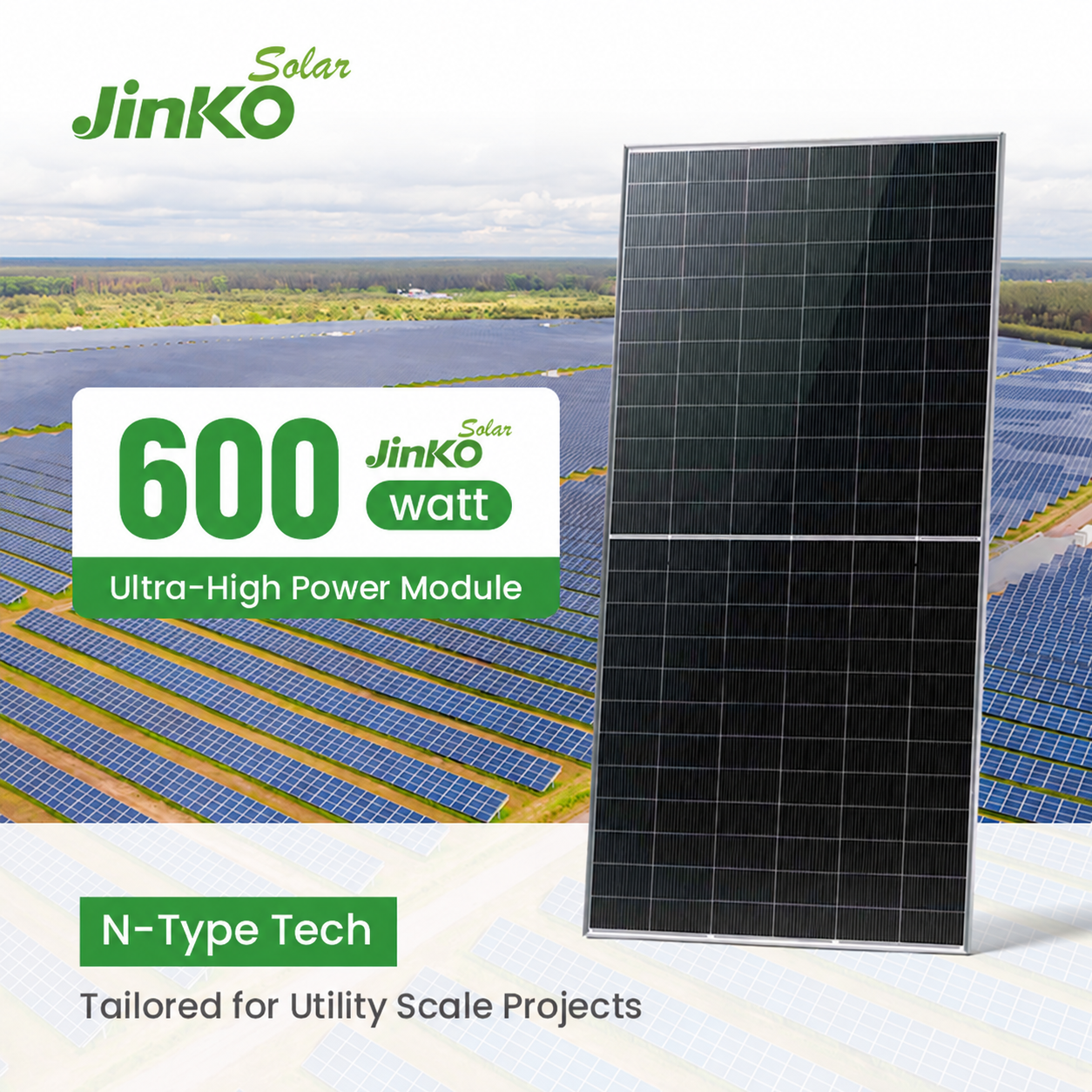
Jinko Solar Panels 580W 590W 600W Commercial N-Type
SMBB technology with N-type TOPCon dual-glass architecture. Optimized for commercial rooftop deployments and agro-industrial plants across Buenos Aires province.
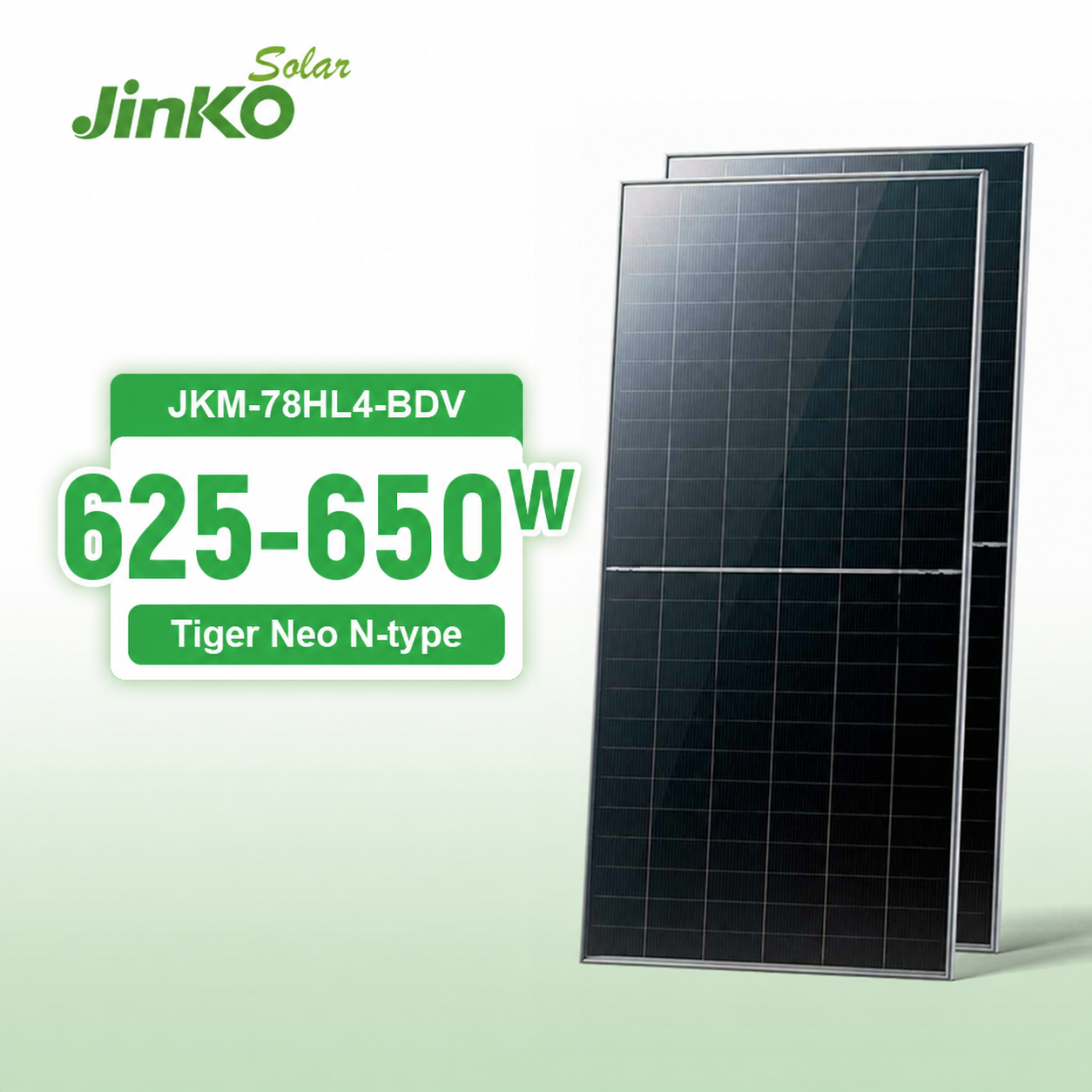
Jinko High Efficiency Bifacial 625W-645W Module for Farm
High-gain bifaciality reaching up to 80% rear-side generation. Ideal for agricultural irrigation pumping and rural livestock cooperatives across the Pampas.
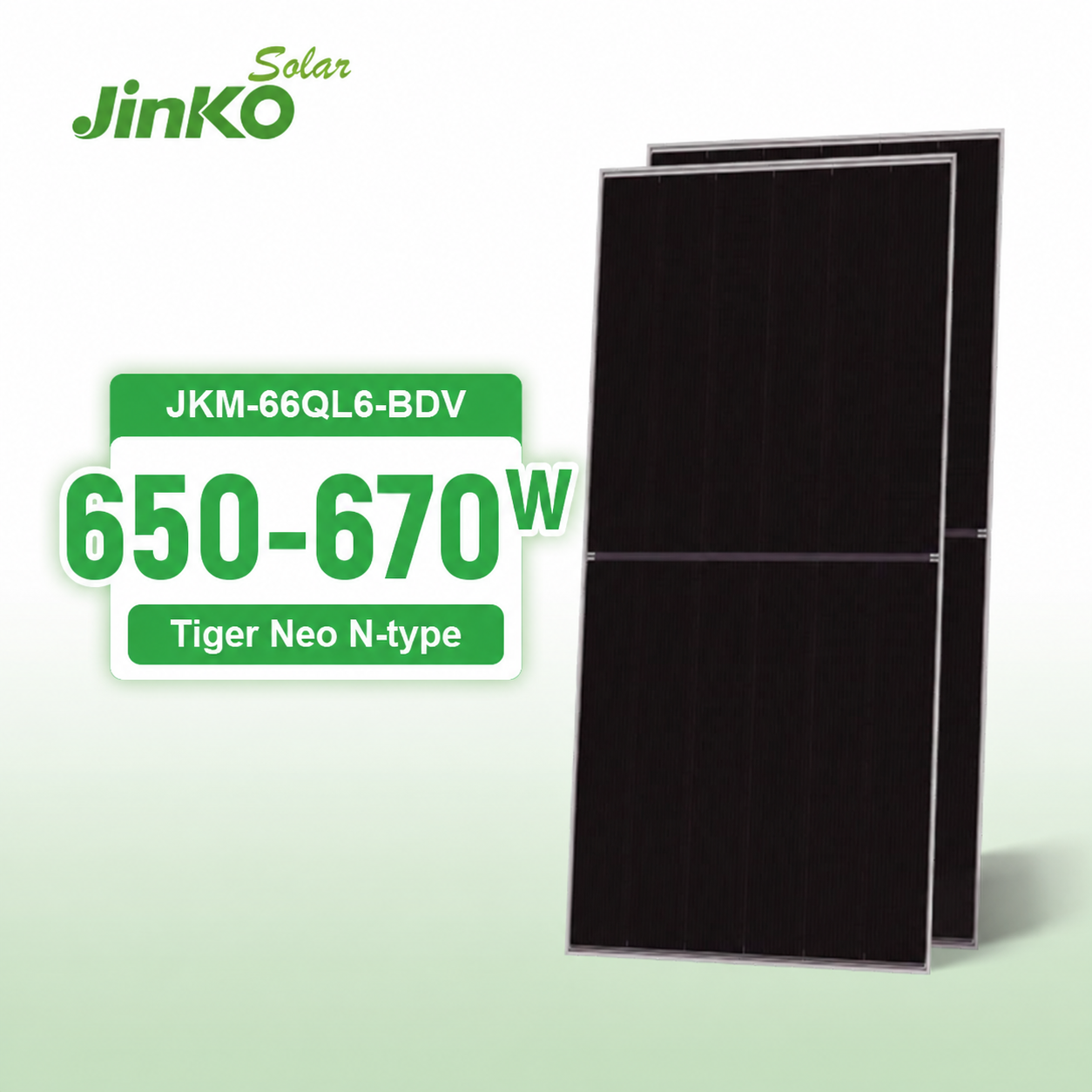
Jinko N-Type Bifacial 650W-670W Monocrystalline
Maximum system BOS savings with high-power output ratings. Zero light-induced degradation (LID) tailored for ground-mount solar parks and Andean mining installations.
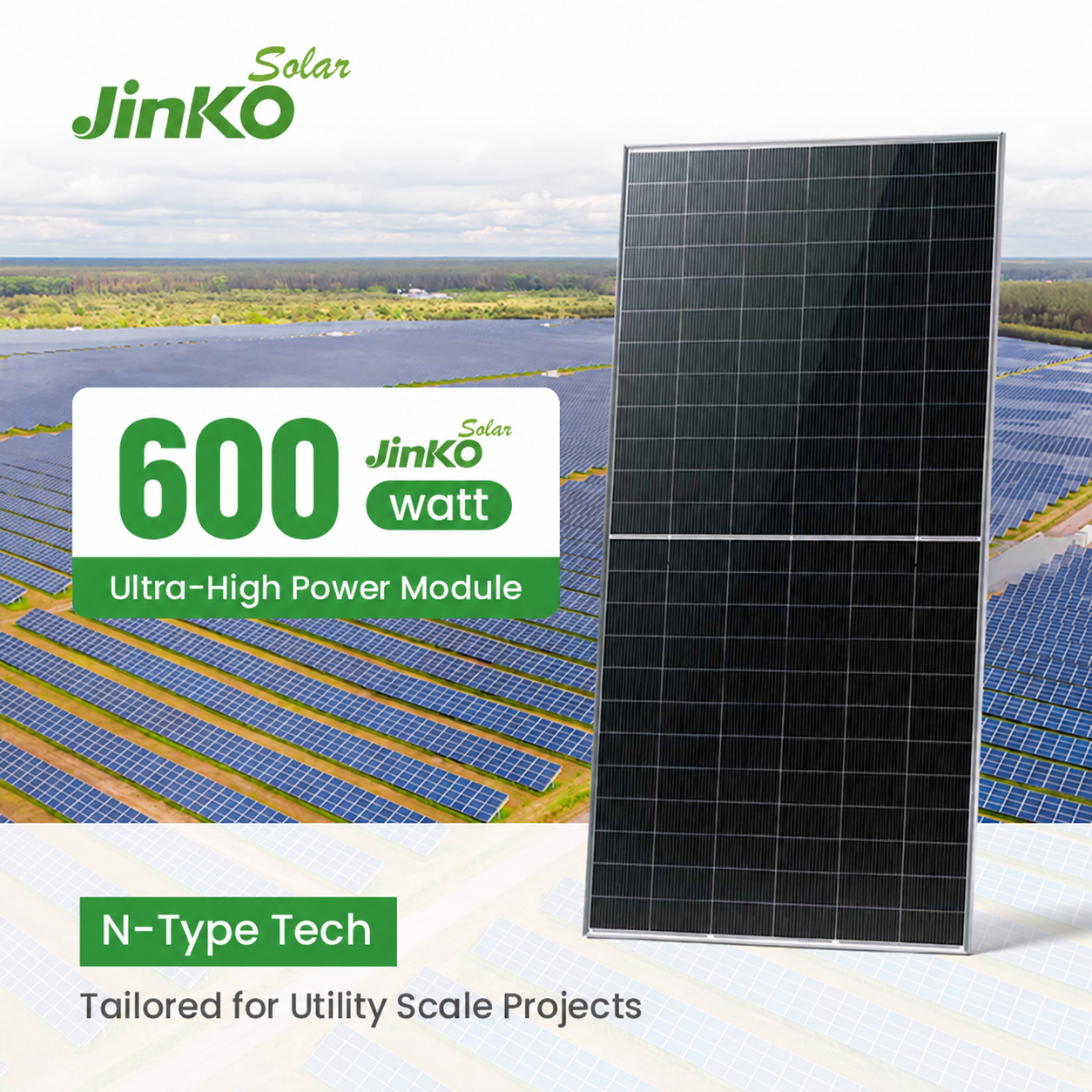
Jinko N-Type Bifacial 580W-600W Dual Glass Panel
Robust anti-PID and anti-microcrack frame encapsulation. Specially treated for harsh environments including saline dust and extreme temperature variations.
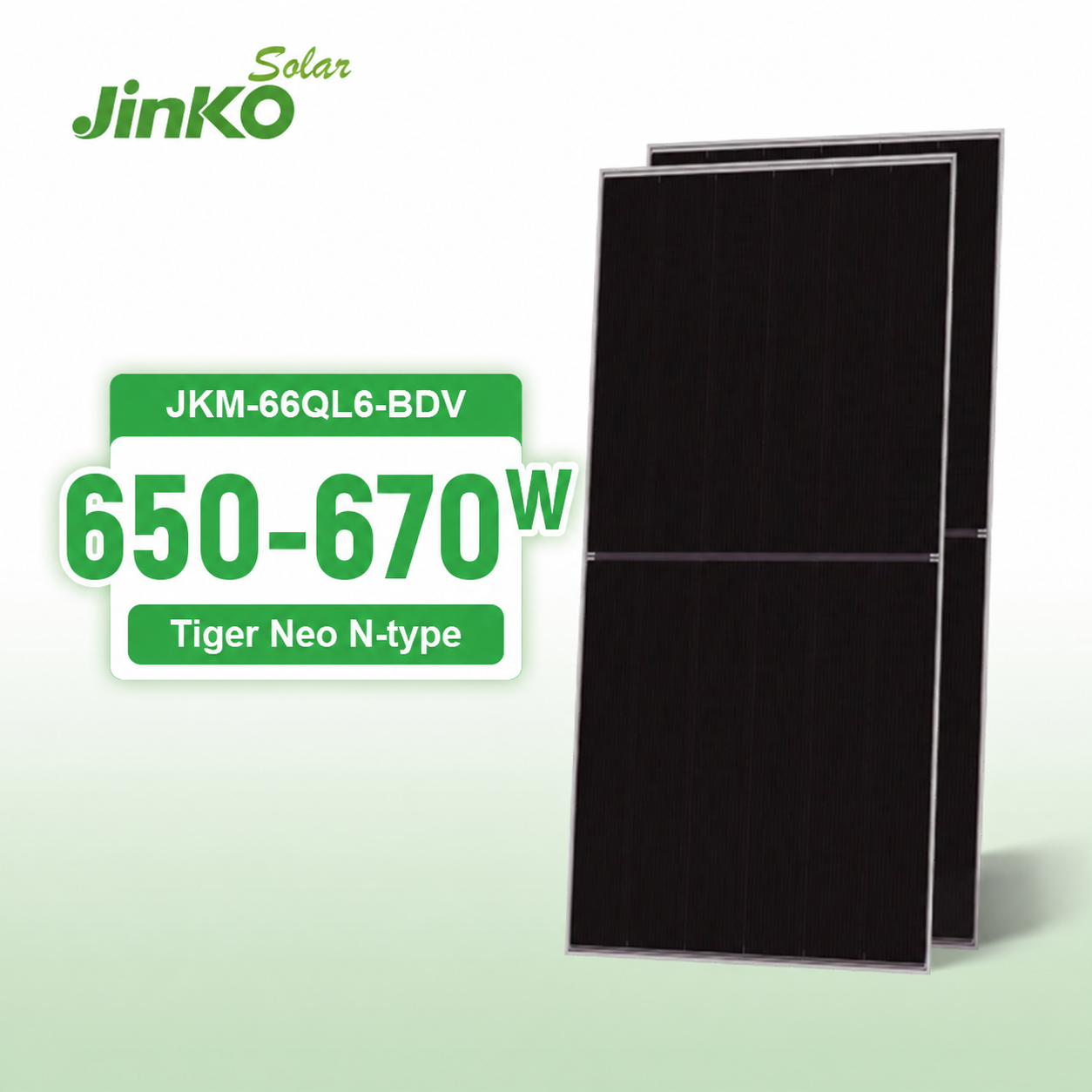
Jinko Wholesale 650W-670W Bifacial Double Glass
Engineered for EPC utility-scale deployments under Argentina's RenovAr framework. High temperature coefficient of -0.29%/°C maintains high yield in summer peaks.
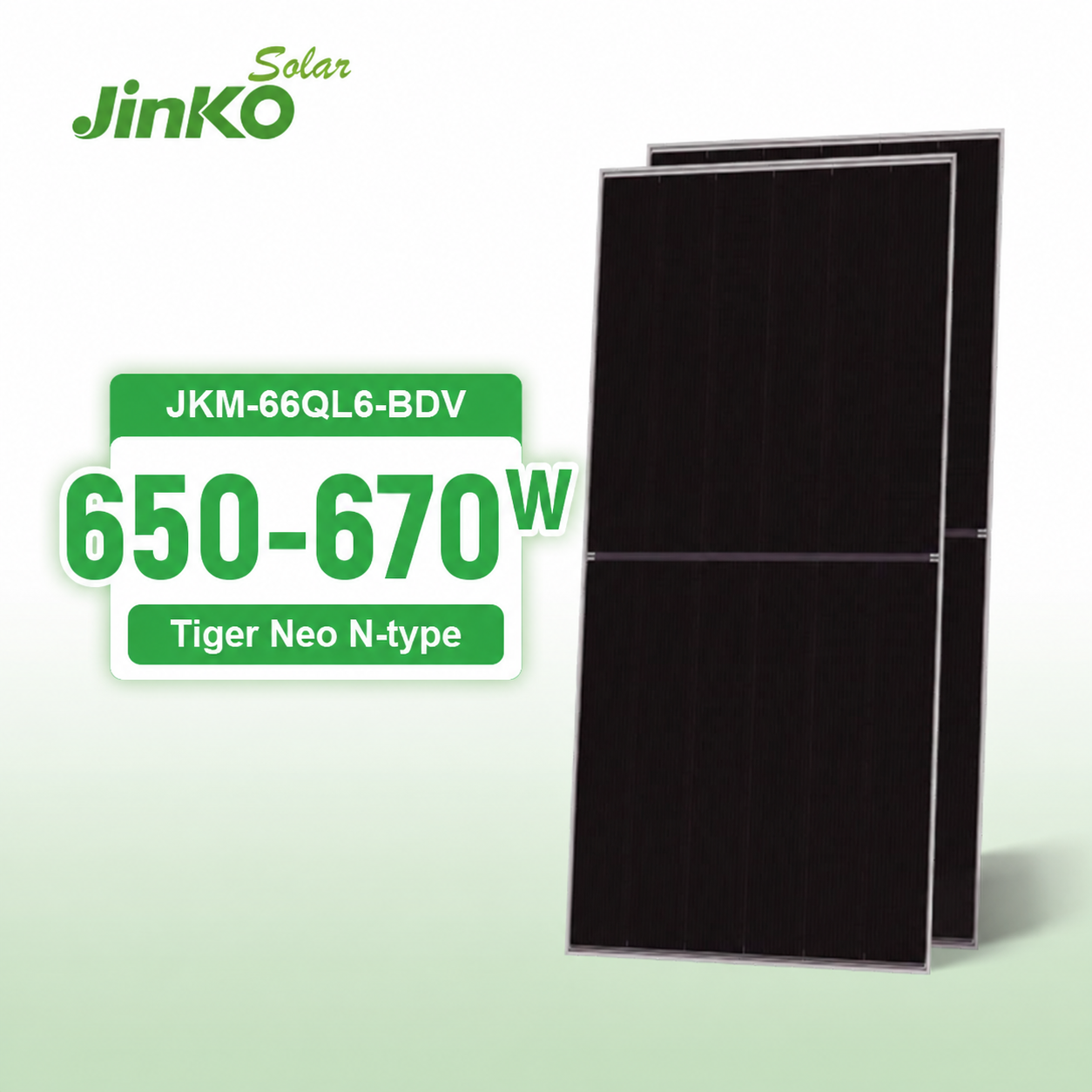
Jinko Mono Bifacial 650W-670W Rooftop Module
Designed for residential microgeneration under Ley 27.424 (Distributed Generation). High aesthetic finish paired with maximum kWh/m² surface efficiency.
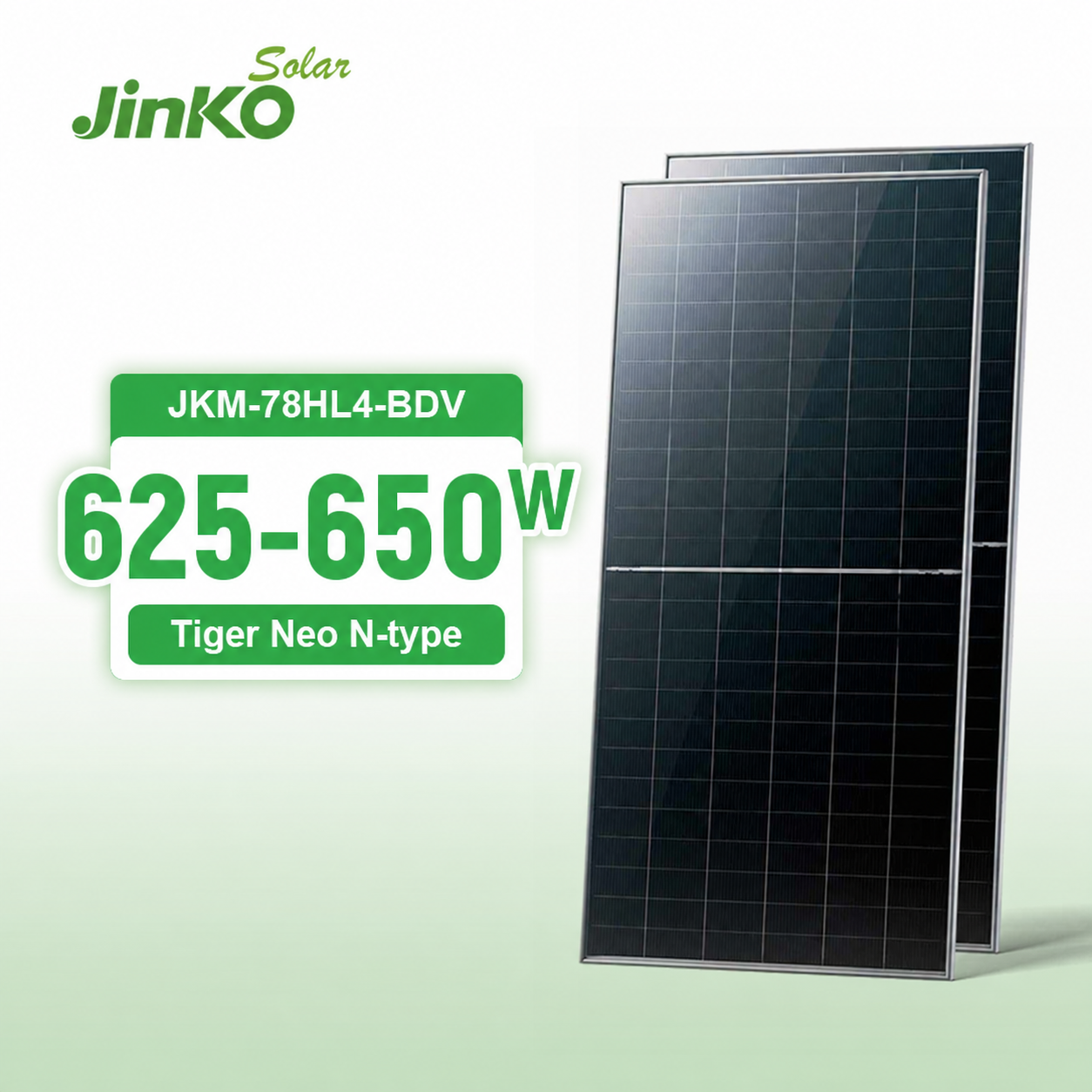
Jinko N-Type 625W-650W Commercial PV Module
Precision half-cut cell arrangement reduces internal resistance and thermal hot-spot risks, offering peak stability for cold-chain storage and logistics parks.
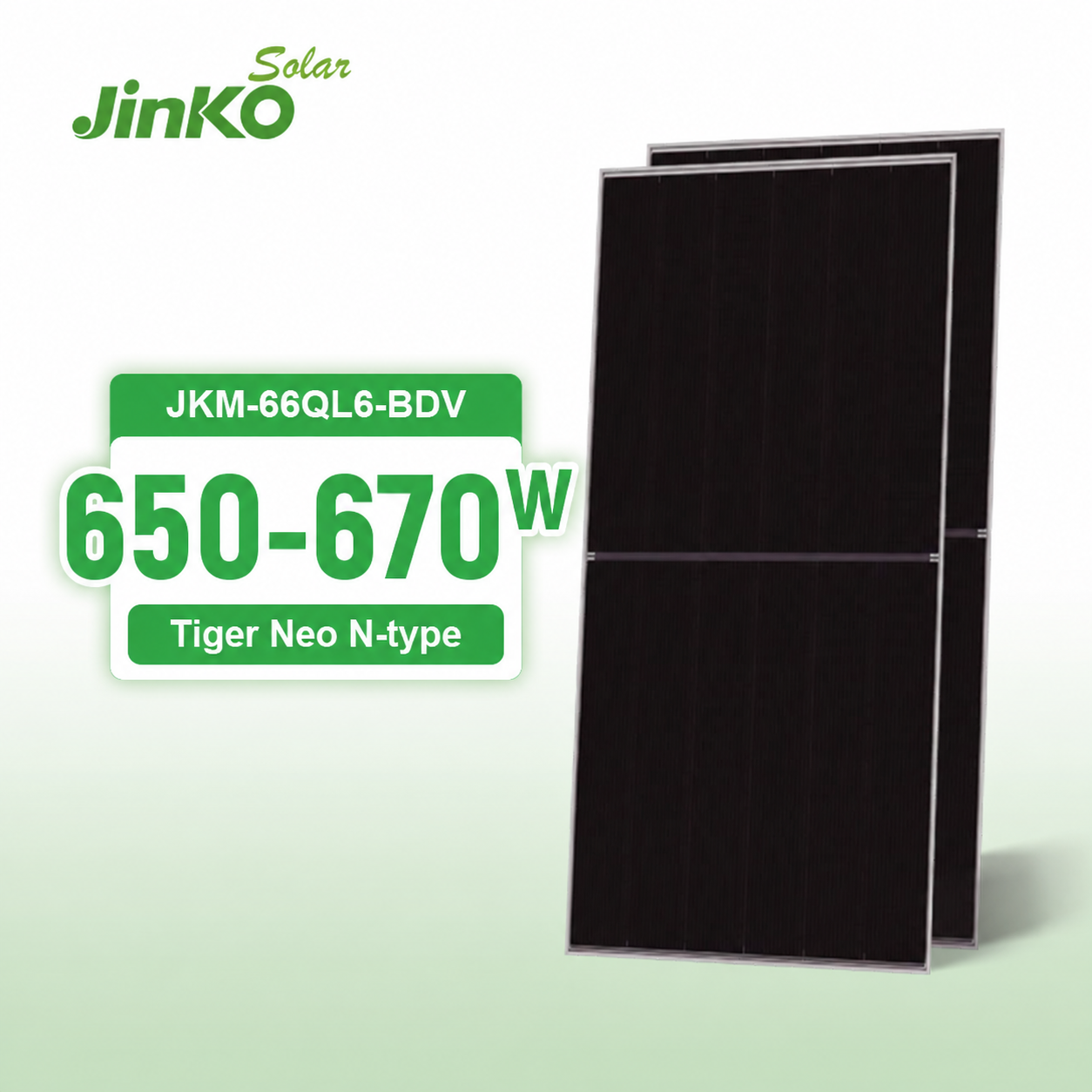
Jinko Bifacial 650W-670W Dual Glass Rooftop Module
IP68 sealed junction box with 3 bypass diodes. Seamlessly integrates with Deye 8kW-50kW three-phase hybrid inverters and Antofo energy storage banks.
Localized Scenarios: Foldable & High-Efficiency Solar in Argentina
Argentina encompasses extreme microclimates—from the sub-zero wind blasts of Tierra del Fuego to the arid, high-radiation UV index of the Puna de Atacama. VOLT New Energy supplies purpose-built solar generators and foldable PV hardware engineered for the territory's operational realities.
Pampas Agricultural Electrification
Remote estancias, grain silo monitoring, and automated cattle watering pumps require independent off-grid reliability across Santa Fe, Córdoba, and Buenos Aires provinces. Foldable, deployable arrays and robust N-type solar modules run high-torque water extraction pumps, reducing high-cost diesel fuel logistics by over 80%.
Lithium Mining & Puna Exploration
Argentina’s Lithium Triangle (Jujuy, Salta, Catamarca) operates at 3,500m to 4,500m above sea level where intense UV radiation causes rapid polymer breakdown in inferior solar modules. Our foldable ETFE-laminated panels and TOPCon bifacial modules resist high atmospheric degradation, powering geological prospecting camps and remote telemetry.
Patagonian Off-Grid & Eco-Lodges
Bariloche, El Chaltén, and Ushuaia present harsh winter snow-loads and isolated logistics. Lightweight foldable PV systems serve ecotourism lodges, research huts, and telecom repeaters. Coupled with VOLT deep-cycle GEL or heated LiFePO4 batteries, they deliver steady 230V clean power through prolonged sub-zero cold spells.
AMBA Rolling Blackout Protection
In Greater Buenos Aires (AMBA), summer heatwaves chronically collapse the Edenor and Edesur distribution networks. Commercial facilities, private clinics, and high-density residential properties install hybrid Deye inverters matched with our roof arrays to achieve uninterrupted 10-millisecond grid-to-backup transfer.
Solar Market Trends: Navigating Argentina's New Import Landscape
Procuring solar hardware from China into Argentina requires precise alignment with recent trade policy transformations, foreign exchange shifts, and utility tariff restructuring.
Transition from SIRA to Free Trade Openness
Under Resolution 1/2023 and Decrees 70/2023, the Argentine government dismantled the restrictive SIRA system, introducing SEDI (Sistema de Estadísticas de Importación). Non-automatic import licenses (LNA) for PV modules and inverters were removed, drastically shortening customs approval cycles from 180+ days down to immediate automatic clearance for registered B2B importers.
Rising Retail Tariffs Driving Private ROI
The aggressive elimination of state energy subsidies has driven residential, agricultural, and commercial power bills up by 300% to 500% in local currency. Grid electricity parity has arrived rapidly in Argentina: commercial payback periods for a Jinko + Deye hybrid solar installation dropped from 7.5 years down to under 2.8 years, accelerating commercial solar demand.
Direct Access to Central Bank FX (MULC)
Importers of renewable energy equipment now benefit from predictable 30-to-120 day payment schedules under BCRA regulations, lowering the financial barriers to purchasing direct factory container loads (FCL) from Hangzhou. VOLT New Energy supports structured trade financing, FOB Ningbo / CIF Buenos Aires documentation, and verified third-party LC mechanisms.
Direct Engineering Comparison: Traditional vs. N-Type TOPCon & Foldable PV
Why Argentine EPCs and rural distributors are converting from older P-Type PERC panels to N-Type TOPCon Bifacial and deployable foldable solar packages.
| Engineering Attribute | Standard P-Type PERC (Legacy) | VOLT / Jinko N-Type TOPCon Bifacial | Deployable Mobile Foldable PV Kits |
|---|---|---|---|
| Cell Efficiency | 20.5% - 21.2% | 22.6% - 23.2% | 21.8% - 22.4% (SunPower/A-grade Mono) |
| Bifaciality Factor | 65% - 70% | 80% ± 5% (High Albedo Ground Gain) | N/A (Monofacial ETFE Fabric Encapsulation) |
| Temp. Coefficient (Pmax) | -0.35% / °C (High losses in hot North) | -0.29% / °C (Optimal for San Juan / La Rioja) | -0.30% / °C (Thermal vented backing) |
| First Year Degradation | < 2.0% (Prone to LID/LeTID) | < 1.0% (Zero LID performance) | < 1.5% |
| Annual Degradation (Yr 2-30) | -0.55% / Year | -0.40% / Year | -0.50% / Year |
| Primary Argentine Application | Low-cost legacy tenders | Commercial Net-metering & Solar Parks | Agricultural pumping, mining exploration, disaster relief |
Why Argentine Importers Partner with VOLT New Energy (Hangzhou)
Importing renewable assets across trans-Pacific ocean lanes involves significant supply chain risks. Hangzhou VOLT New Energy Technology Co., Ltd. eliminates systemic failure by functioning as both a premier distributor and a system integrator.
Pre-Shipment Protocol Verification
We eliminate on-site "BMS Communication Errors" between Deye inverters and our LFP lithium battery packs. Before pallet strapping, CAN/RS485 baud rates, pinout assignments, and firmware handshakes are 100% bench-tested at our Hangzhou technical hub.
Tier-1 Direct Allocation
As long-standing supply partners of Jinko Solar and Deye Inverters, we provide genuine Tier-1 factory flash reports (Flashing Data) containing original serial numbers, guaranteed A-grade binning, and original international manufacturer warranties.
Class 9 DG Dangerous Goods Logistics
Exporting high-capacity lithium iron phosphate (LiFePO4) storage alongside PV panels requires specialized shipping expertise. We manage UN38.3 packaging, MSDS certification, and sea-freight booking to Puerto de Buenos Aires and Zárate terminals.
Turnkey Sizing & Documentation
We provide full English/Spanish electrical line schematics, string voltage calculators for high temperatures, ballast racking engineering tables, and customs certificates of origin (Form F / ALADI conformity documentation) for tariff reductions.
Frequently Asked Questions for Argentine Importers & EPCs
Addressing critical regulatory, financial, electrical, and transport questions encountered when purchasing solar panels and storage systems from China.
What electrical certifications are required to clear solar modules through Argentine customs (Aduana)?
Commercial PV modules entering Argentina must comply with international electrical safety and performance standards equivalent to IRAM 210013, IEC 61215 (Design Qualification), and IEC 61730 (Safety Qualification). VOLT New Energy supplies full factory-issued TÜV Rheinland / CE test reports with matching model numbers and bill of lading entries to guarantee unconditional customs approval at Puerto de Buenos Aires (Exolgan/TRP).
How do we handle the difference between LFP lithium batteries and GEL batteries for Argentine off-grid projects?
For high-cycle daily applications (such as commercial peak shaving or continuous irrigation), LiFePO4 (LFP) is strongly recommended due to its 6,000-cycle life at 80% DoD and 1C discharge capability. However, for extremely remote, unheated installations in Chubut or Santa Cruz where temperatures drop below -10°C, our Deep-Cycle Colloidal GEL batteries remain preferred by budget-constrained telecom EPCs because they resist cold-temperature electrolyte freeze without requiring internal heating circuits.
Can we consolidate solar panels, inverters, and battery storage into a single 40ft High Cube container?
Yes. Many Argentine regional distributors minimize port handling fees by ordering consolidated mixed containers. We pack Jinko solar panels on the front end of the container, rack-mounted Deye hybrid inverters securely braced in the center, and Class 9 UN-certified wooden cases for LiFePO4 batteries on the bottom. Full DG (Dangerous Goods) declarations and segregation certificates are issued in compliance with IMO / IMDG maritime codes.
How do N-type TOPCon panels handle the extreme solar irradiation of the Argentine Puna region?
The Puna plateau in Jujuy and Salta records horizontal irradiation exceeding 2,400 kWh/m² per year along with fierce albedo reflection from salt flats (Salares). Our Jinko N-type TOPCon bifacial modules feature a low temperature coefficient of -0.29%/°C (vs. -0.35%/°C for legacy P-type) and up to 80% rear-side gain. This ensures that when the modules reach operating temperatures of 55°C, real power output remains up to 11% higher than standard modules.
What are the Incoterms and typical shipping transit times from Ningbo/Shanghai to Buenos Aires?
We typically quote on FOB Ningbo/Shanghai, CFR Buenos Aires, or CIF Zárate terms. Ocean transit via major carriers (Maersk, MSC, COSCO) takes between 38 to 48 days door-to-port. We issue clean onboard Bills of Lading, legalizable Commercial Invoices, Packing Lists with detailed cell serial numbers, and Non-Wood Packing / Fumigation Certificates required by SENASA.
How are warranty claims executed for equipment deployed in remote interior Argentine provinces?
We maintain full factory serial records for every shipment. If a module or inverter demonstrates an internal manufacturing defect or abnormal degradation, our engineers review operating datalogs remotely. For verified claims, replacement parts or credit adjustments are applied directly to your subsequent container production cycle, backed by Jinko Solar and Deye's international commercial warranty infrastructure.