Verified High-Voltage ESS & High-Yield PV Modules
Direct wholesale inventory consolidated for California EPCs, electrical distributors, and commercial solar-plus-storage developers seeking maximum LCOE performance.
The Shift to High Voltage (HV) ESS in San Diego's Energy Ecosystem
Why modern energy storage architectures operating between 200V and 1000V DC outperform legacy low-voltage systems under SDG&E tariff structures and California grid demands.
The photovoltaic and energy storage ecosystem across Southern California, specifically within the jurisdiction of San Diego Gas & Electric (SDG&E), has entered an era governed by strict economic rationalization and stringent utility mandates. With SDG&E maintaining some of the highest per-kilowatt-hour residential and commercial utility rates in the United States, transitioning from traditional low-voltage (48V nominal) battery banks to sophisticated High Voltage Energy Storage Systems (HV ESS) operating between 200V and 1000V DC is no longer a luxury—it is an economic and technical requirement.
Under conventional 48V low-voltage architectures, delivering 15kW to 50kW of continuous surge discharge necessitates massive conductor sizing, yields elevated thermodynamic dissipation ($I^2R$ thermal resistive loss), and compounds round-trip efficiency (RTE) losses through bulky bi-directional buck-boost stages. Conversely, High Voltage DC architecture matches modern battery string bus voltages directly to the hybrid inverter’s internal DC bus. By driving battery rack voltages upward into the 300V–800V DC envelope, operational currents drop dramatically. This reduction eliminates thermal bottlenecks, cuts balance-of-system (BOS) copper costs, and pushes aggregate solar-to-storage-to-AC round-trip efficiency above 98%, unlocking superior performance for commercial operations, biotech research hubs in Sorrento Valley, and master-planned residential estates in North County.
| Technical Parameter | Legacy Low Voltage ESS (48V / 51.2V) | Modern High Voltage ESS (200V - 1000V DC) | San Diego Project Impact |
|---|---|---|---|
| Operating Conductor Current (at 30kW) | ~585.9 Amperes | ~37.5 to 50.0 Amperes | Reduces conduit crowding, labor, and expensive 4/0 AWG copper cable runs |
| Thermal & Conduction Loss ($I^2R$) | High (Substantial heat generation inside enclosure) | Minimized by up to 92% compared to LV | Lower HVAC cooling loads for outdoor enclosures in hot inland zones (e.g., El Cajon, Escondido) |
| Inverter DC-to-DC Conversion | Requires aggressive buck-boost conversion stage | Direct DC bus coupling to MPPT inverter rail | Higher round-trip efficiency (RTE), retaining precious kWh for expensive on-peak SDG&E hours |
| Scalability & Footprint | Requires thick busbar combiner boxes and parallel packs | Modular vertical rack expansion via high-tension series stacking | Smaller footprint, fitting dense commercial mechanical rooms and tight zero-lot-line residential setbacks |
| Rule 21 & Fast-Response Capability | Slower ramp rates under high dynamic loads | Sub-millisecond microgrid black-start and load-following | Rapid seamless transfer for mission-critical loads during Public Safety Power Shutoff (PSPS) events |
NEM 3.0 / NBT Maximization
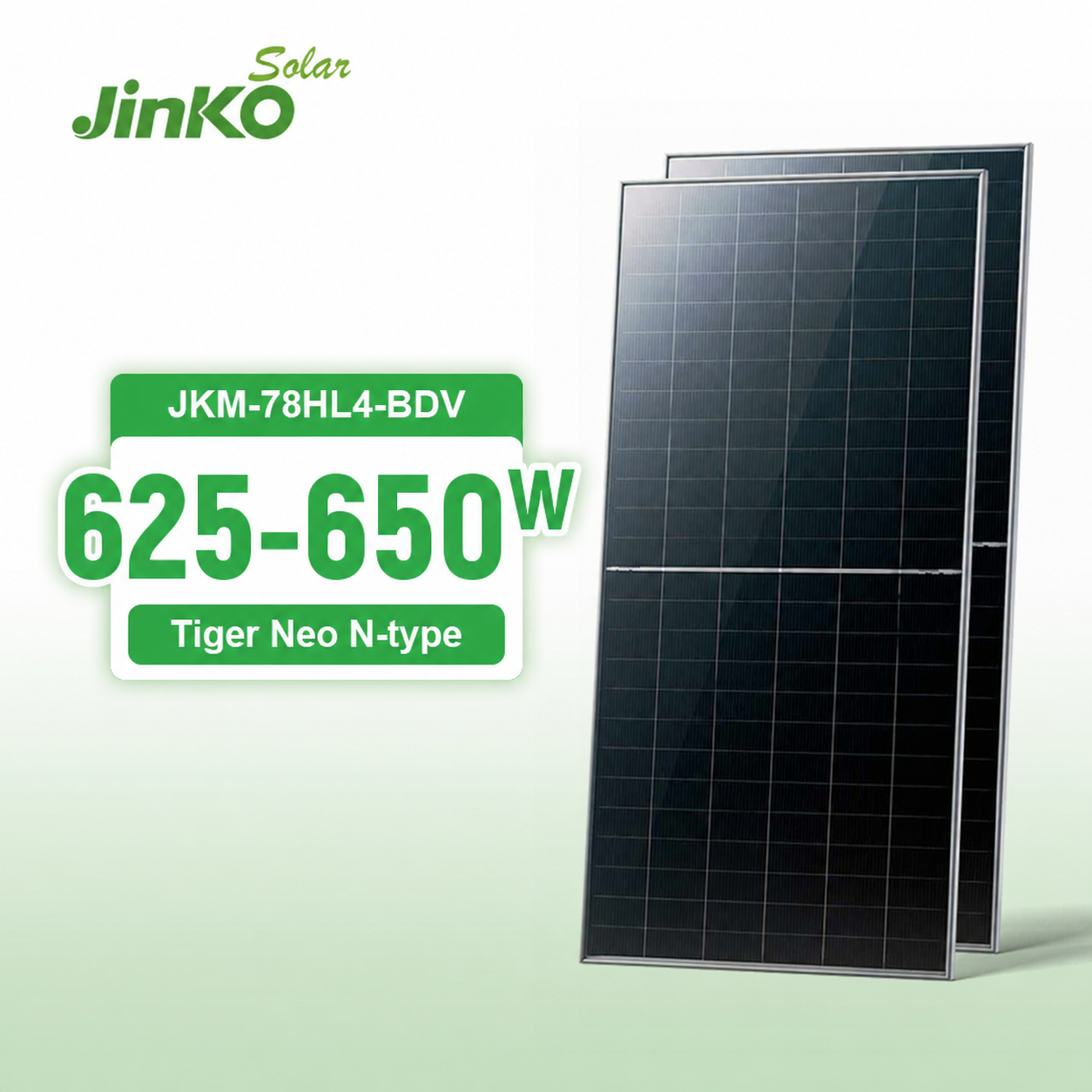
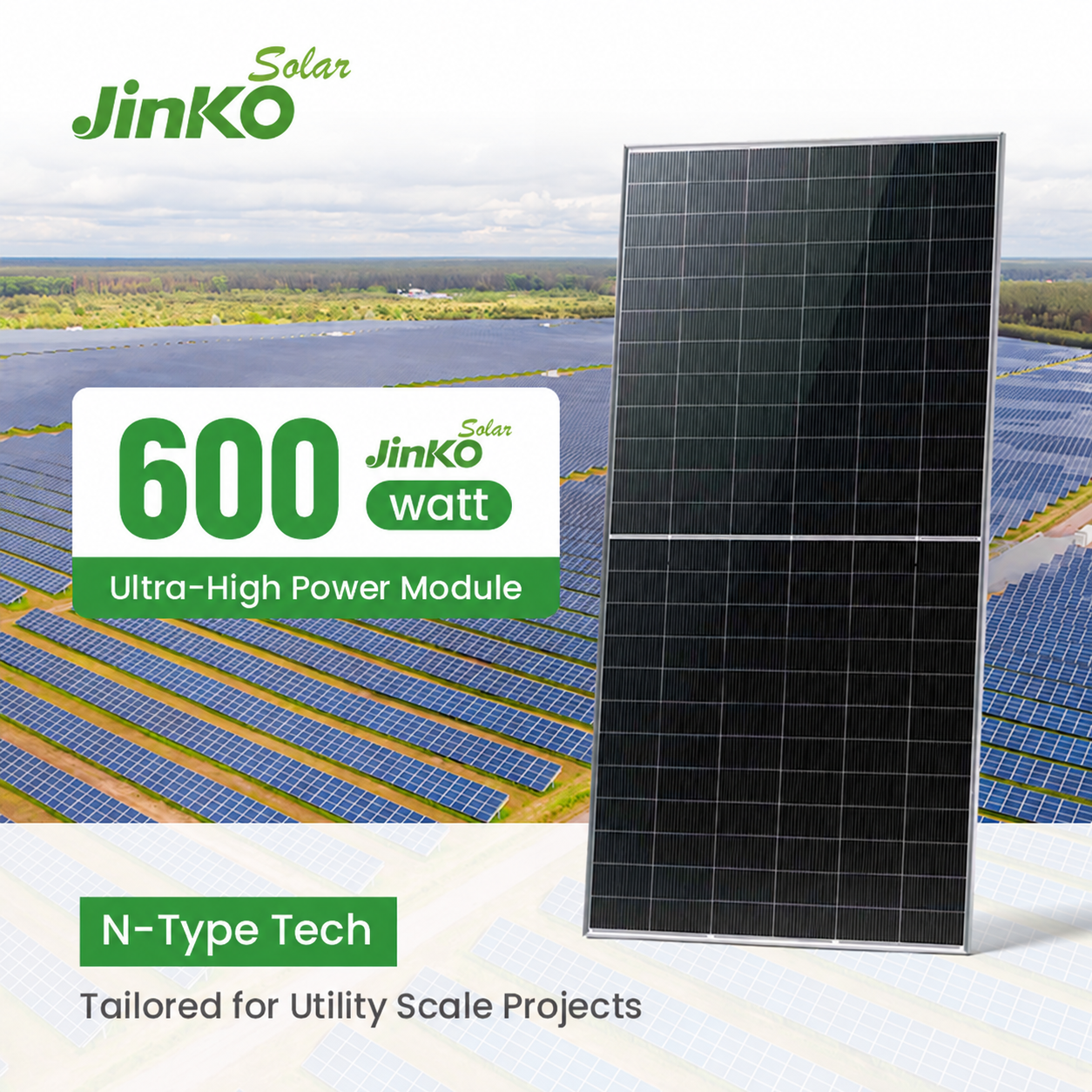
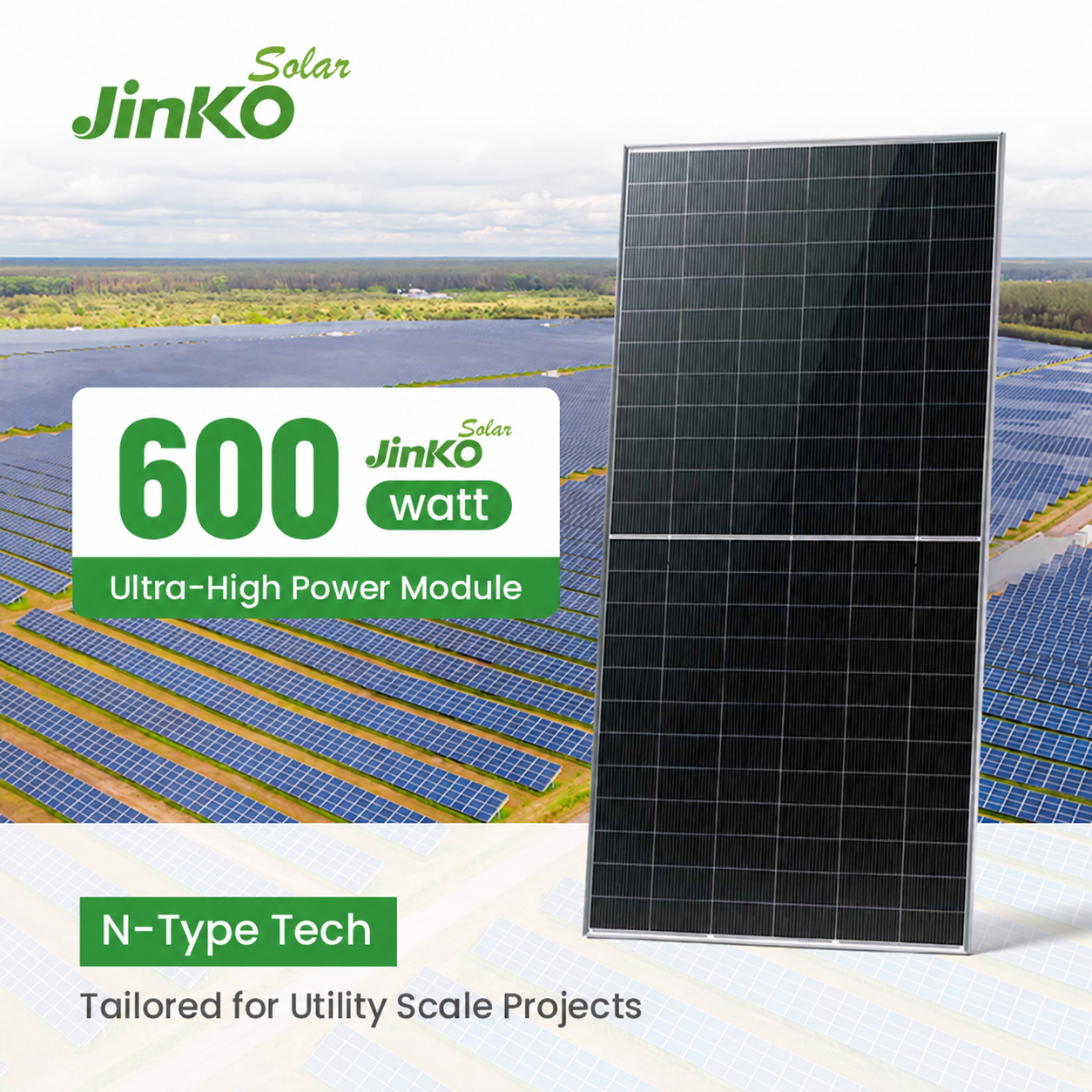
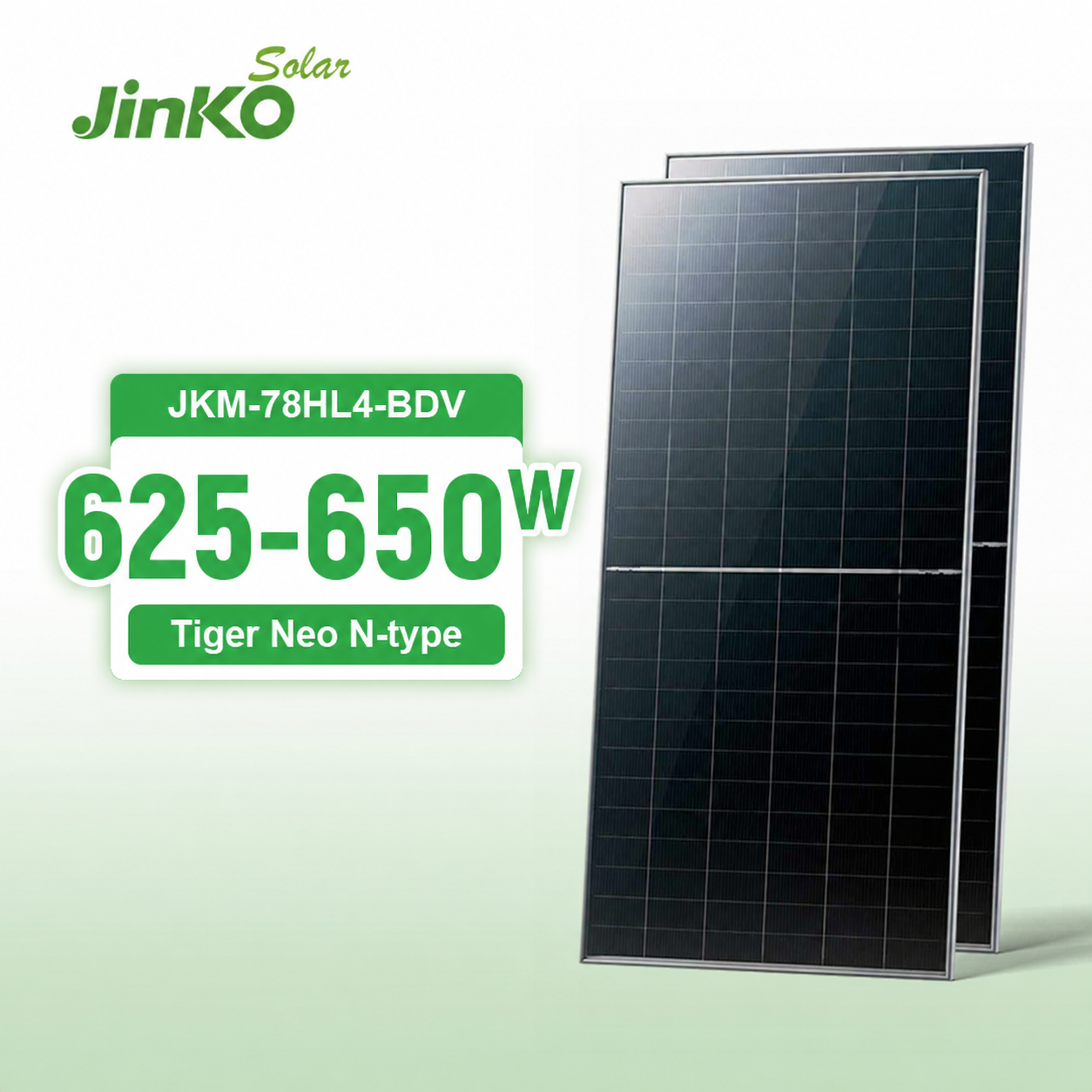
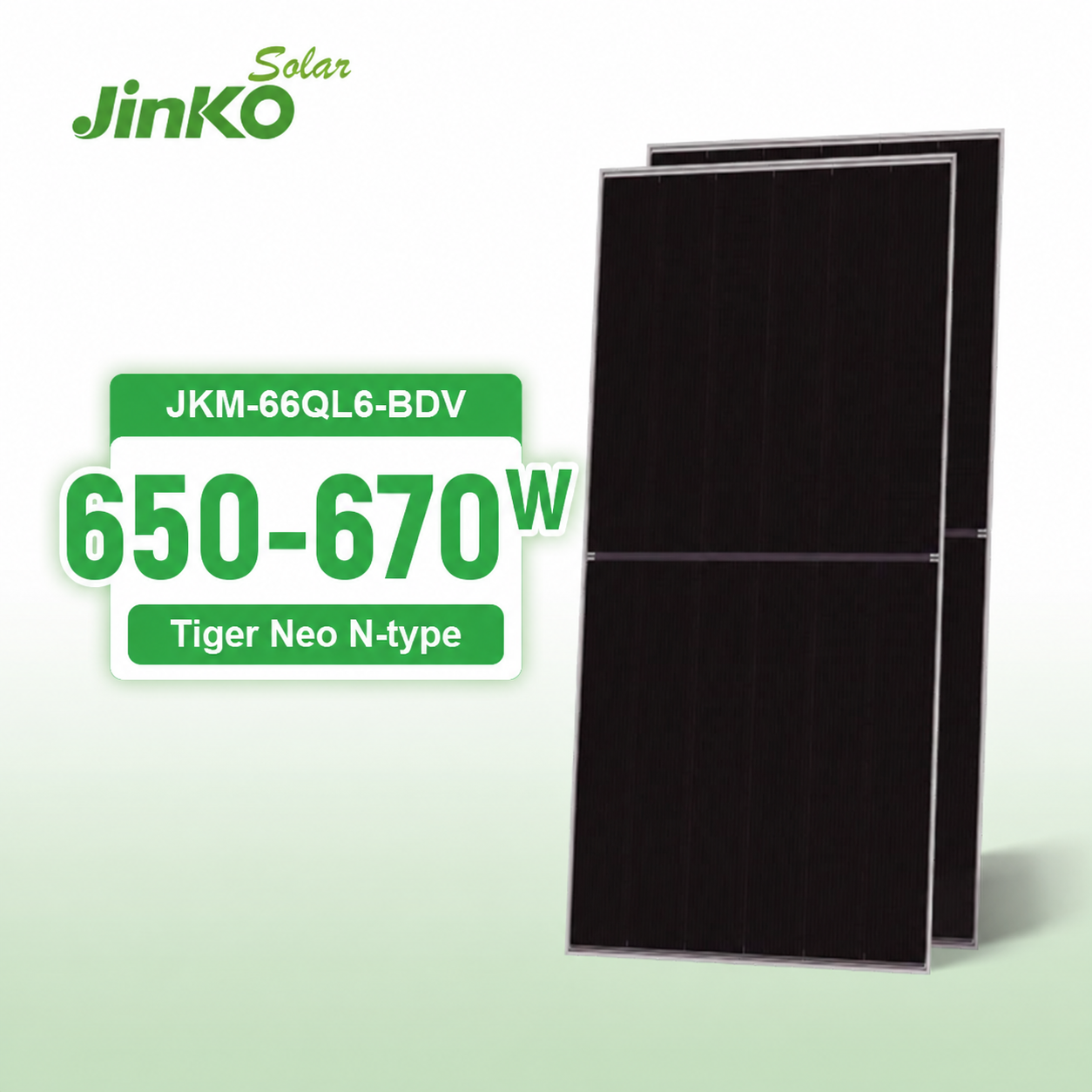
The California Net Billing Tariff drastically reduces midday export credits by up to 75–80%. High Voltage ESS architectures allow complete dynamic capture of surplus generation from high-power TOPCon PV modules (such as Jinko 600W+ bifacial series), time-shifting energy into SDG&E's 4:00 PM – 9:00 PM extreme on-peak pricing windows ($0.65–$0.82+/kWh).
Commercial Demand Charge Suppression
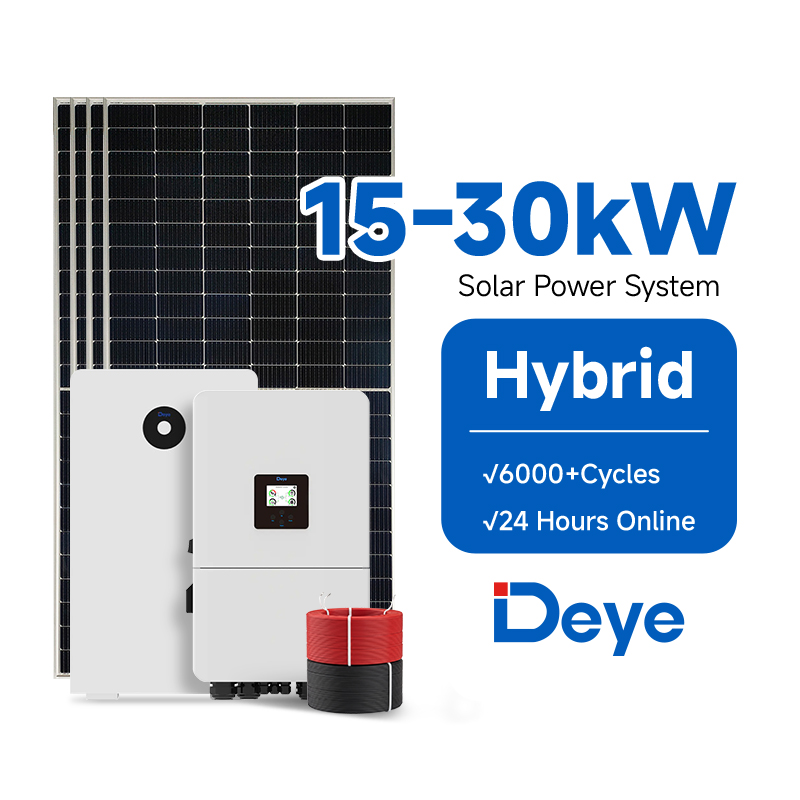
San Diego C&I customers operating on AL-TOU or DG-R tariffs face crushing non-coincident and on-peak demand charges. Hangzhou VOLT New Energy supplies containerized and rack-mounted HV battery systems paired with multi-MPPT Deye commercial hybrid inverters to execute automated peak-shaving within sub-second thresholds.
Wildfire Mitigation & PSPS Resilience
In high fire-threat districts across East San Diego County (Julian, Alpine, Ramona, Valley Center), utility-initiated Public Safety Power Shutoffs (PSPS) leave businesses and estates dark for days. Our High Voltage systems offer integrated microgrid black-start, whole-panel backup, and high-surge motor inductive starting capacities.
Targeted Local Applications Across San Diego County
How Tier-1 Chinese high-efficiency hardware directly solves the geographic, meteorological, and economic engineering challenges of Southern California.
Luxury Coastal Residential (La Jolla, Coronado, Del Mar)
Dense zoning setbacks require silent, space-saving battery footprints with zero gas emissions. Combining high-density Jinko double-glass N-Type bifacial solar panels with stackable HV battery towers preserves aesthetic integrity while offsetting high baseline residential consumption (EV charging, heat pumps, smart pools) under EV-TOU-5 rates.
Biotech, Pharma & R&D Hubs (Torrey Pines, Sorrento Mesa)
Laboratory equipment, ultra-low temperature freezers, and clean rooms cannot tolerate utility micro-outages or voltage sags. Our high-voltage battery architecture offers true UPS transfer speeds (<4ms) with zero sine wave harmonic distortion, safeguarding multi-million dollar clinical trials and high-tech manufacturing runs.
Agricultural & Water Pumping (Escondido, Fallbrook)
Avocado groves, citrus orchards, and nurseries throughout North County require heavy three-phase inductive motor support for deep irrigation pumps. High Voltage Deye inverters paired with multi-string LiFePO4 packs easily absorb heavy inrush starting currents without requiring oversized diesel gensets.
Marine Environment Engineering: Salt Mist & Coastal Corrosion Defense
San Diego's coastal strip (from Point Loma to Oceanside) is subjected to persistent Pacific onshore marine layers rich in aerosolized chloride ions. Standard powder-coated steel enclosures and untreated PV junction points suffer rapid galvanic corrosion and insulation resistance breakdown. Hangzhou VOLT New Energy exports modules and storage cabinets explicitly rated for IEC 61701 (Salt Mist Corrosion Testing Severity 6) and IP65/IP66 hermetic sealing. Inverter circuit boards feature double conformal coating, while dual-glass Jinko N-type panels eliminate moisture ingress, PID (Potential Induced Degradation), and micro-cracking common in high-humidity coastal zones.
Navigating California Interconnection, Codes & Mandates
A comprehensive overview of compliance requirements enforced by SDG&E and the City of San Diego Development Services Department (DSD).
CPUC Rule 21 & IEEE 1547-2018
Inverters must possess advanced autonomous grid-support features including frequency-watt, volt-var, and reactive power control profiles. VOLT New Energy supplies Deye smart inverters pre-flashed with certified Rule 21 firmware, streamlining utility interconnection approval across SDG&E service territory.
UL 9540 & UL 9540A Fire Safety
San Diego Fire-Rescue Department strictly enforces the 2022 California Fire Code and NFPA 855. Energy storage systems must demonstrate robust thermal runaway containment. Our factory provides complete UL 1973, UL 9540A cell-to-module test data to clear city plan-checks and local AHJ inspections.
California Title 24 Compliance
The 2022 Building Energy Efficiency Standards (Title 24, Part 6) mandate solar PV and battery storage on newly constructed nonresidential buildings, multifamily complexes, and selected residential footprints. Our matched kits provide certified efficiency documentation ready for Title 24 mechanical software modeling.
Why Tier-1 Contractors Trust Hangzhou VOLT New Energy
Bridging China's advanced gigafactory manufacturing output with precision-targeted engineering standards demanded by American EPCs and importers.
Zero-Mismatch BMS Matching
Eliminate costly "BMS Communication Faults" on job sites. Every battery cluster is pre-tested and flashed with proprietary CANbus/RS485 handshake configurations compatible with Deye, Sol-Ark, and major international inverters before container stuffing.
Class 9 Hazmat Logistics
Full Dangerous Goods (DG) compliance: certified UN38.3 vibration/shock testing, up-to-date MSDS, and maritime packaging suitable for direct calls at the Port of San Diego (Tenth Avenue Marine Terminal) and the Port of Los Angeles/Long Beach.
Turnkey Mixed Consolidation
Streamline logistics overhead. Consolidate Tier-1 high-wattage Jinko solar modules, hybrid inverters, HV battery racks, combiner boxes, and DC disconnects into unified, optimized container loads under a single transparent bill of lading.
Factory Engineering Submittals
Our dedicated engineering back-office provides comprehensive submittal packets including detailed single-line diagrams (SLD), mechanical rack drawings, and electrical terminal specifications to fast-track municipal permit approval.
Frequently Asked Questions by San Diego Solar & Storage Buyers
Direct technical and logistical insights for EPC procurement heads, solar contractors, and energy project developers.