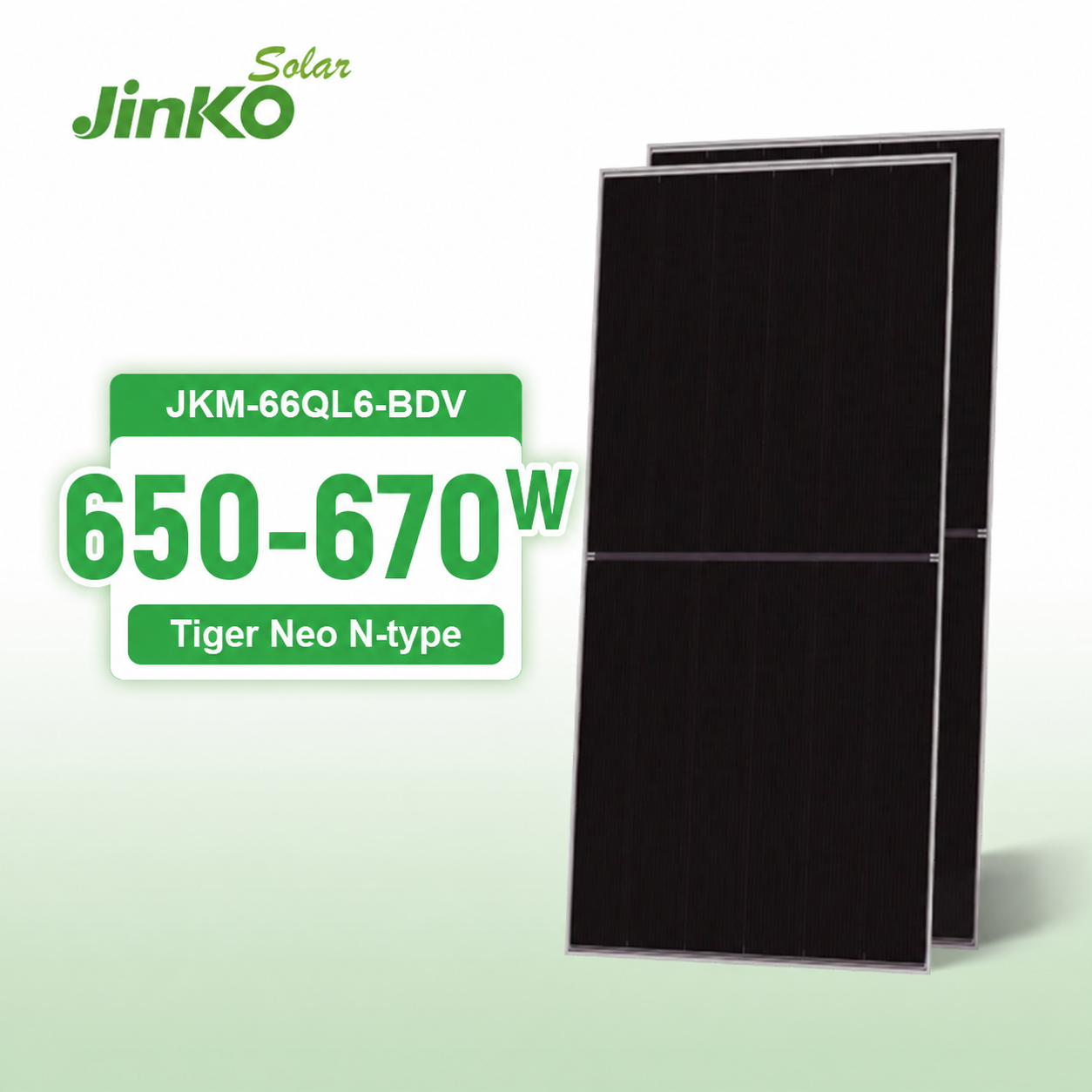
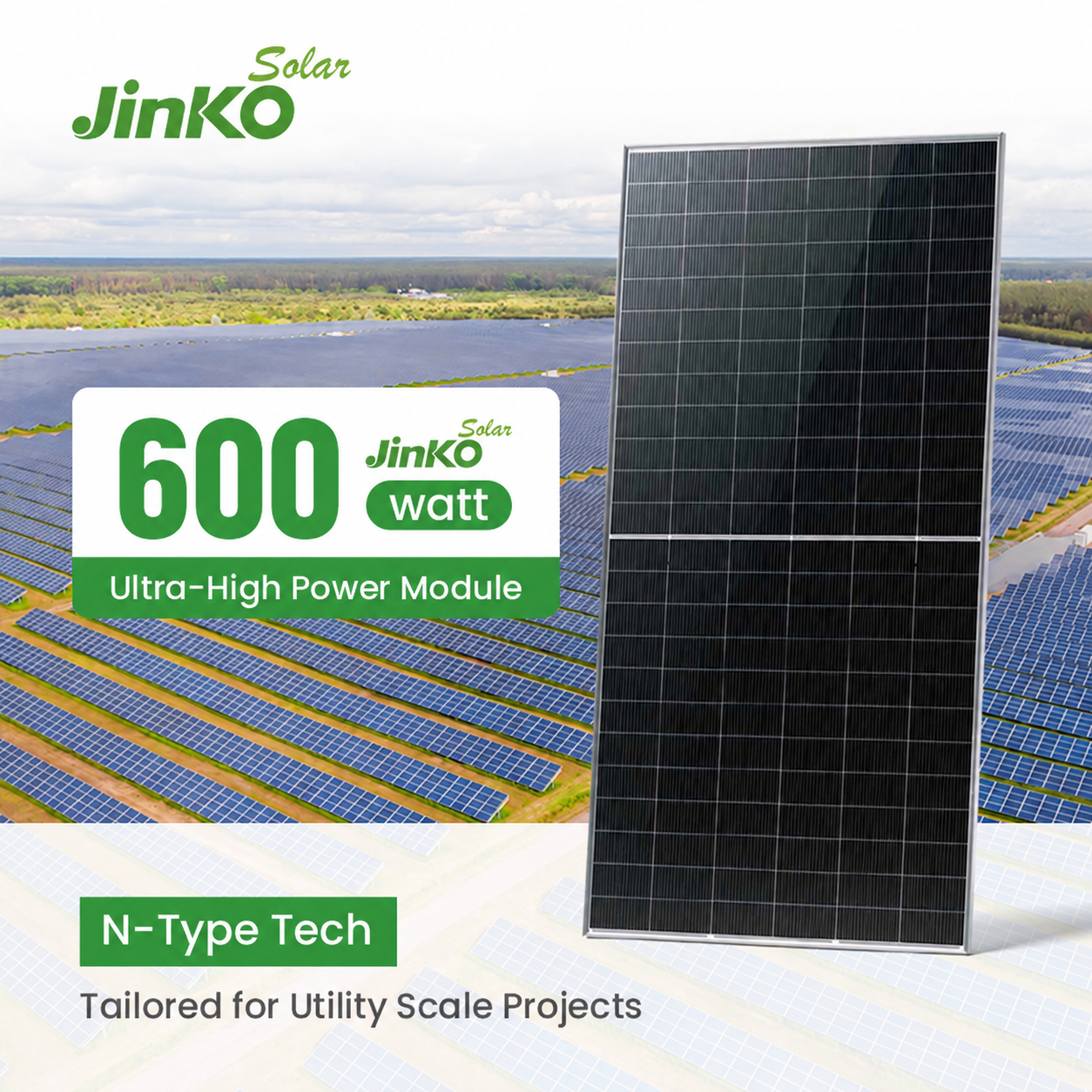
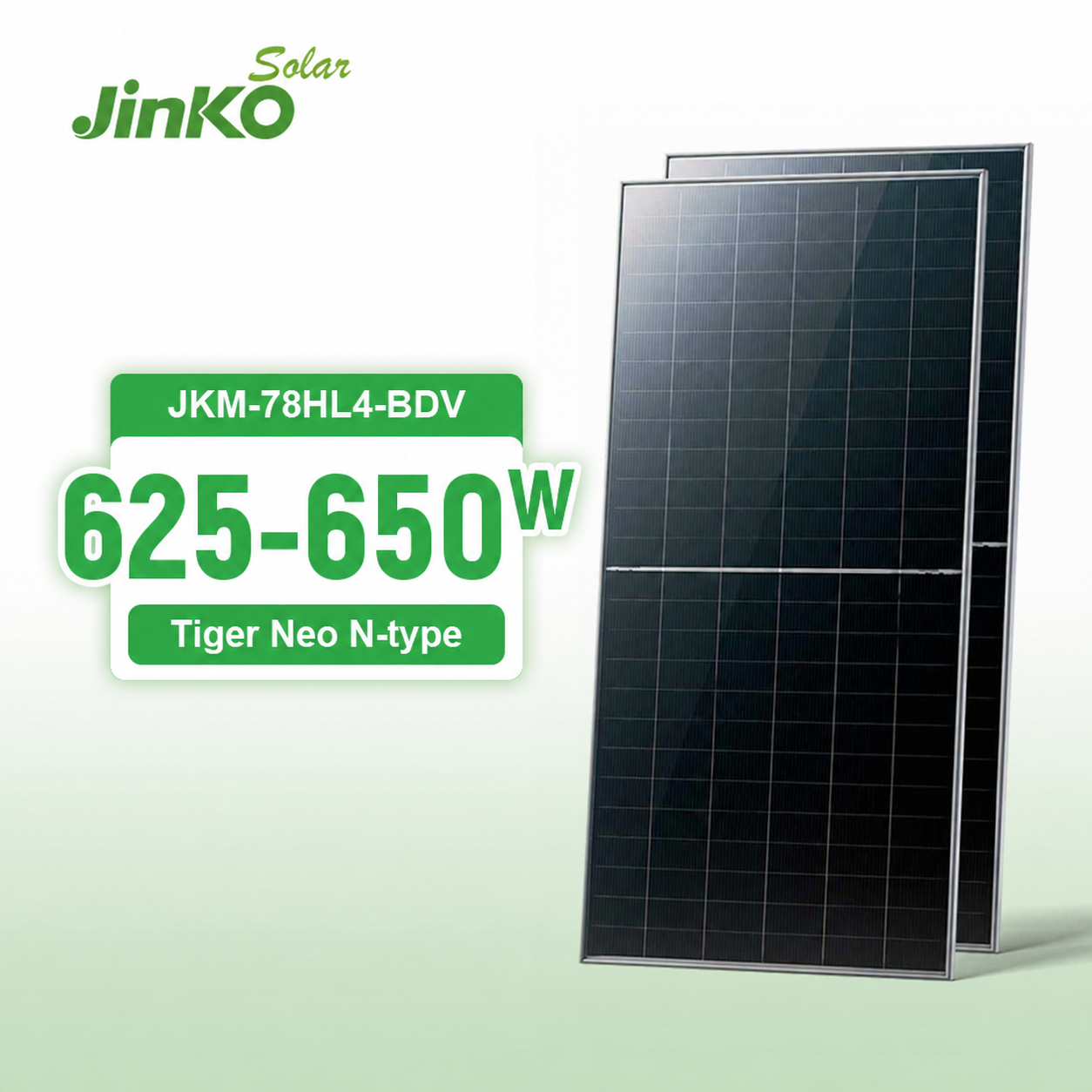
Featured Photovoltaic Modules for High-Voltage C&I Arrays
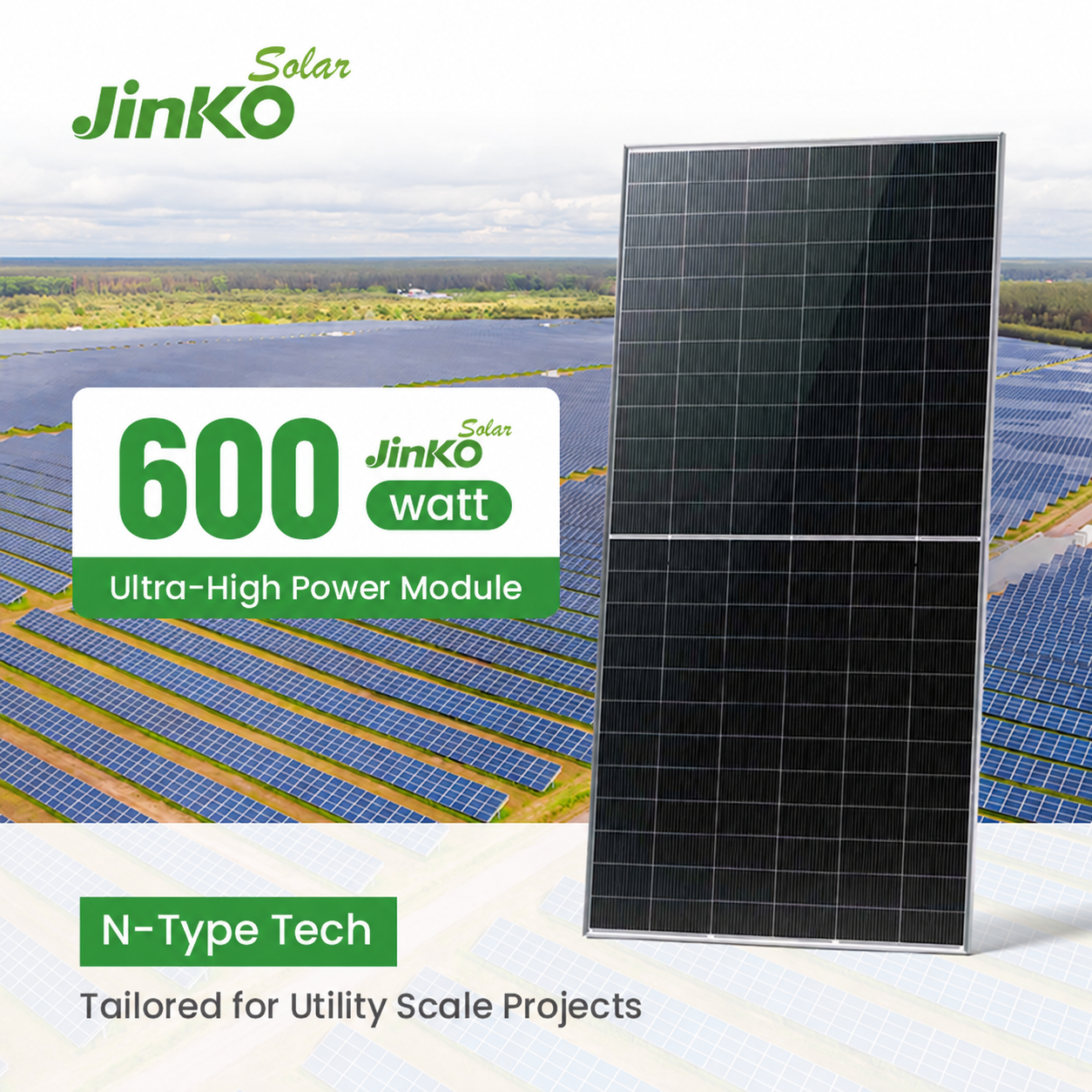
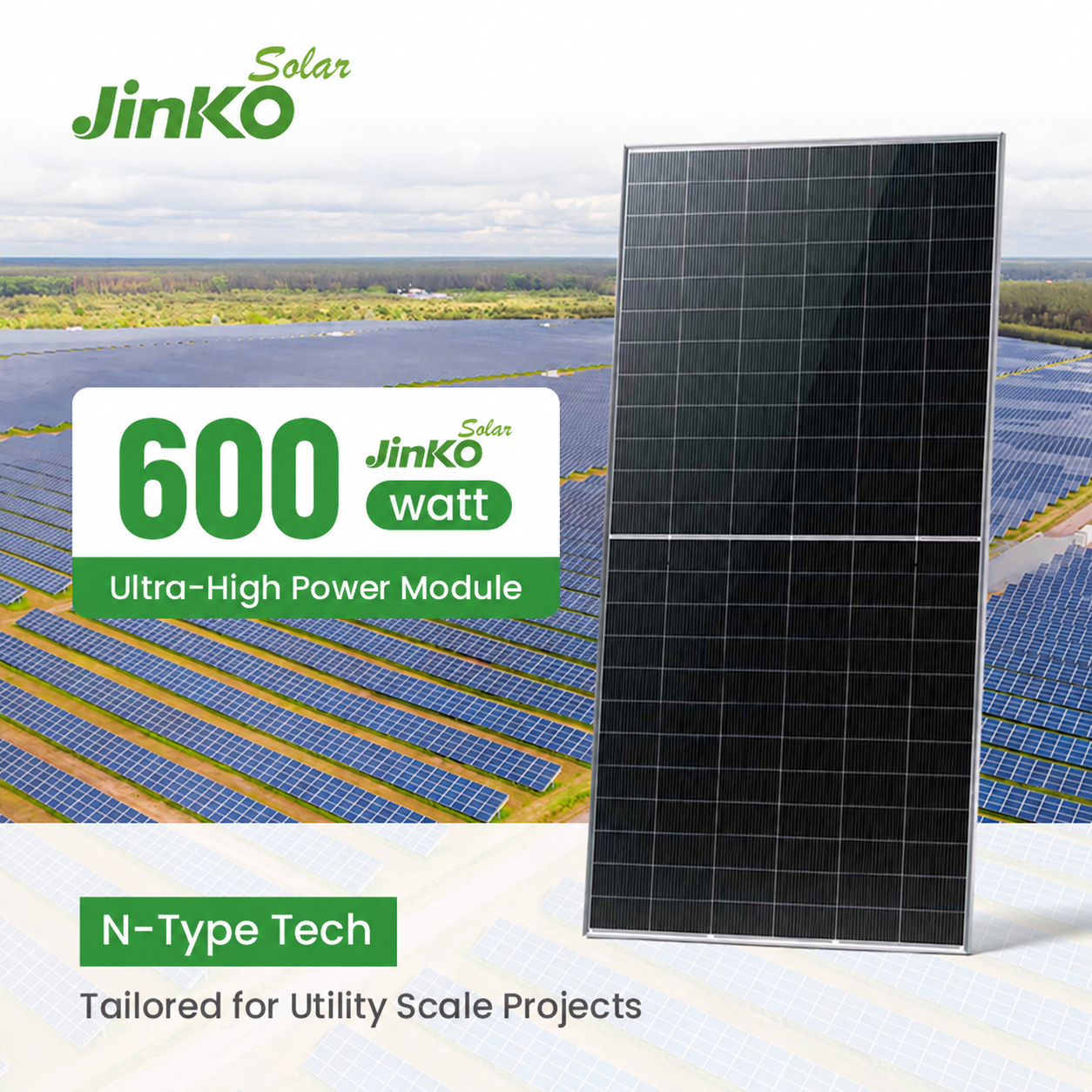
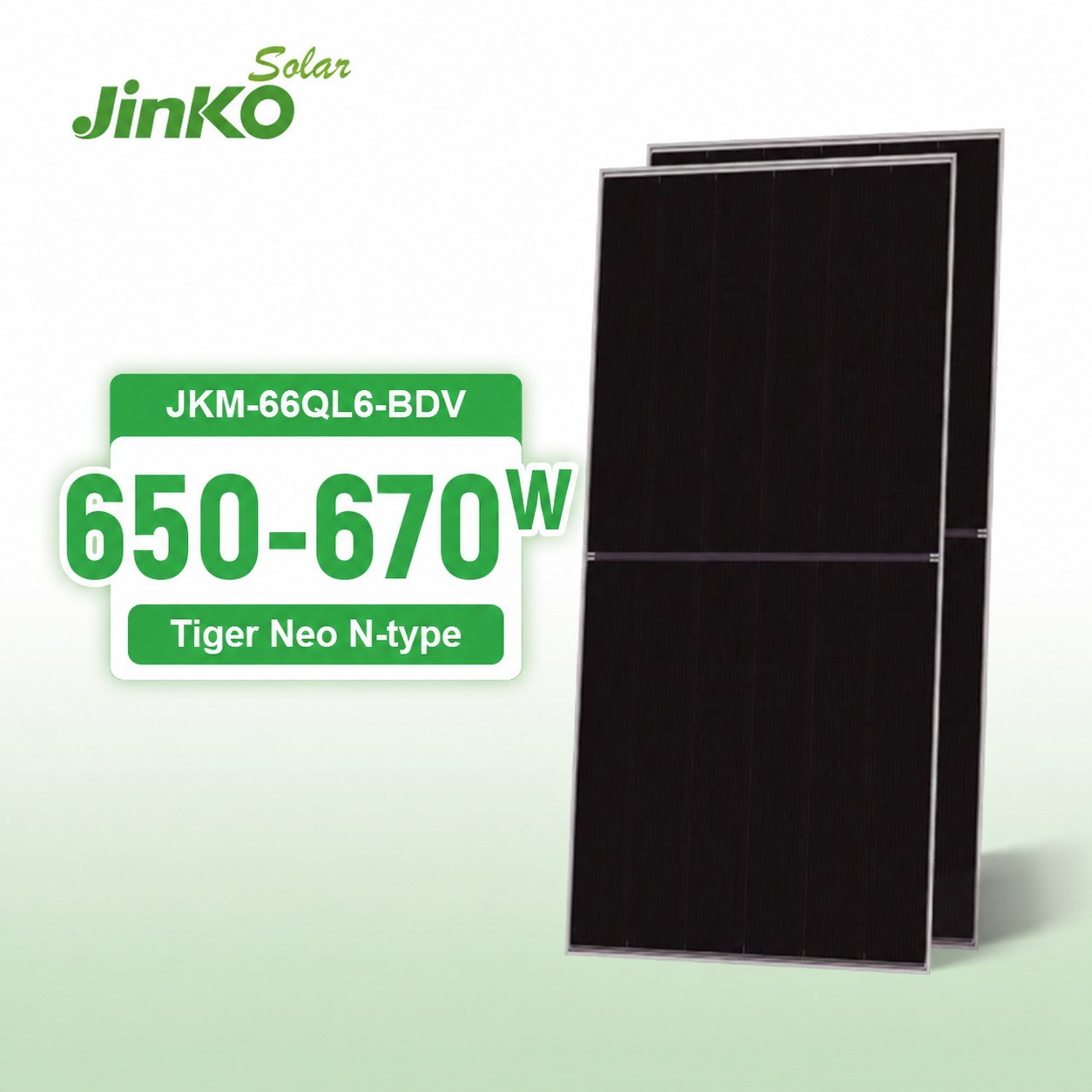
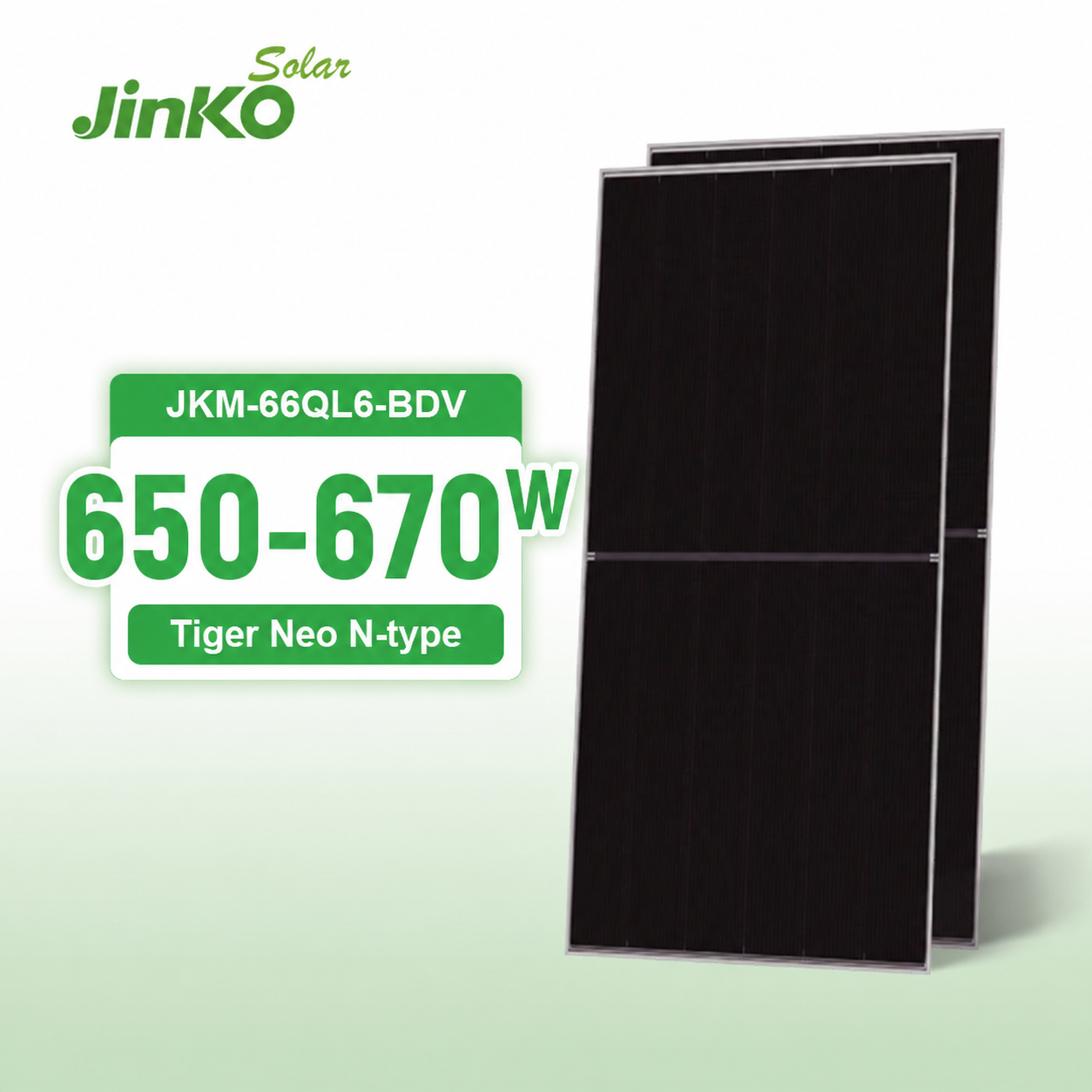
High-voltage ESS battery stacks (160V to 800V DC) require ultra-stable DC input to maximize round-trip efficiency (RTE). The following factory-certified N-Type bifacial modules provide matched string voltages, low temperature coefficients, and high rear-side albedo yield for Mendoza's high-altitude solar parks and commercial rooftops.
High Voltage (HV) ESS Architecture vs. Traditional 48V Low-Voltage Systems
For engineering procurement contractors (EPCs) and industrial developers in Mendoza, transitioning from legacy low-voltage (48V) battery banks to multi-tier High Voltage Energy Storage Systems represents a transformative leap in thermal safety, cable sizing, and power transmission efficiency.
Electrical Topology & I²R Loss Reduction
In commercial battery applications requiring 50kW to 500kW output, low-voltage (48V) architectures demand immense current (e.g., 50kW at 48V draws over 1,040A DC). This massive amperage causes severe Joule heating ($P = I^2R$), mandating thick, costly busbars and leading to significant thermal degradation in hot semi-arid climates like Mendoza's summer plains.
By contrast, our High Voltage Lithium Iron Phosphate (LiFePO4) systems operate between 160V and 800V DC. Delivering the same 50kW at 500V DC requires only 100A DC—reducing transmission heat dissipation by more than 90%, eliminating DC-to-DC boost stages inside hybrid inverters, and increasing total round-trip conversion efficiency to over 97.6%.
Technical Comparison Matrix: LV vs. HV C&I ESS
- Operating DC Voltage 48V-51.2V (LV) vs. 160V-800V+ (HV)
- Inverter Ingress Coupling Requires Transformer/Boost vs. Direct DC Bus
- Cable Cross-Section (50kW) 2x 240mm² (LV) vs. 1x 35mm² (HV)
- Balance of System (BOS) Cost 22% Higher in LV Due to Copper/Fusing
- Inverter Communication Protocol Modbus RS485 / CAN Bus Dual Redundancy
- Cell Chemistry & Cycle Life Tier-1 Grade A LFP / 6000 Cycles @ 0.5C
Mission-Critical Deployment Scenarios across Mendoza Province
Mendoza’s geography—characterized by arid mountain valleys, intense global horizontal irradiance (GHI > 2,100 kWh/m²), and a decentralized agricultural power grid—presents unique energy resilience challenges. Our high-voltage energy storage systems solve regional vulnerabilities across viticulture, agriculture, and high-altitude microgrids.
Winery Cold Fermentation & Vendimia Peak Shaving
During Mendoza’s harvest season (Vendimia, February to April), premium bodegas across Luján de Cuyo and the Uco Valley face massive electricity spikes driven by industrial chillers, destemmers, and pneumatic presses. Peak-hour tariffs under EDEMSA and EPRE rate schedules impose punitive maximum demand penalties. Our HV ESS stacks seamlessly inject stored daytime solar energy during peak demand windows (6:00 PM – 11:00 PM), slashing contracted peak capacity charges while guaranteeing continuous temperature control during spontaneous transmission dropouts.
Deep-Well Agricultural Pumping (San Rafael & Maipú)
In arid Cuyo basins, olive orchards and vineyards rely on submersible deep-well pumps (30kW to 150kW) operating under strict irrigation schedules. High starting inrush currents often trip unstable rural feeder lines, damaging motor windings. High-voltage ESS paired with Deye three-phase hybrid inverters delivers high inductive surge capacities (up to 200% for 10 seconds), buffering motor startup currents and insulating critical agricultural operations from rural grid blackouts.
High-Altitude Andean Microgrids & Mining Exploration
Operating at elevations exceeding 1,200m to 2,800m above sea level (e.g., Uspallata, Malargüe, and Andean corridors) triggers severe dielectric air thinning and reduced convective thermal cooling. Our high-voltage battery enclosures integrate de-rated creepage and clearance distances, pressurized internal cooling channels, and autonomous aerosol fire suppression compliant with NFPA 855 and UL 9540A, ensuring uncompromised safety in extreme altitudinal environments.
Mendoza Solar Regulatory Trends: Ley 27.424 & Energy Market Decoupling
Argentina's renewable energy landscape has experienced a historic shift following tariff reorganizations by CAMMESA and provincial implementations of national energy frameworks.
Distributed Generation Law (Ley 27.424 & EPRE)
Mendoza adheres to national distributed generation standards regulated locally by the Ente Provincial Regulador Eléctrico (EPRE). Under the Usuario-Generador category, commercial entities can inject surplus clean energy back into the distribution network (operated by EDEMSA, EDSTE, or Cooperativa Eléctrica de Godoy Cruz).
However, because net injection compensation tariffs are indexed lower than retail grid purchase tariffs, economic viability strictly favors maximizing behind-the-meter self-consumption. High Voltage ESS allows businesses to capture up to 98% of on-site solar generation, storing excess daytime kilowatt-hours to displace expensive grid imports during evening operational cycles.
Decoupling from Subsidized Tariff Inflation
With the federal rationalization of energy subsidies across wholesale electricity markets (CAMMESA), industrial and agricultural utility bills in Cuyo have escalated sharply. Energy intensive operations can no longer operate under predictable operational expenditures (OPEX) without captive power assets.
Deploying modular high-voltage energy storage guarantees fixed-cost, inflation-hedged power over a 15-to-20 year system horizon. Combined with local investment credit incentives like Mendoza Activa, commercial solar-plus-storage projects routinely demonstrate internal rates of return (IRR) surpassing 24% with payback windows within 3.8 to 5.2 years.
Engineering, Quality Control & B2B Export Capabilities
Hangzhou VOLT New Energy Technology Co., Ltd. serves as an end-to-end integration and export partner for international B2B buyers, EPCs, and electrical distributors. We eliminate systemic supply chain vulnerabilities through rigorous pre-shipment engineering and turnkey hardware verification.

Pre-Shipment Protocol Matching
Every HV battery rack undergoes complete hardware-in-the-loop (HIL) communication testing with Deye, Growatt, and Sungrow inverters via CAN/RS485 before packing, guaranteeing zero on-site handshake errors.

Multi-Stage Factory QC
Our Hangzhou engineering team enforces cell impedance grading, insulation resistance testing, high-voltage withstand safety verification, and full charge/discharge aging protocols on every export batch.

Class 9 DG Export Logistics
Specialized dangerous goods ocean transit coordination, full UN38.3 test summaries, MSDS documentation, and mixed-container consolidation (panels, inverters, and battery racks together).

Turnkey Technical Sizing
From complex load profile analysis to single-line wiring diagrams (SLD) and cable cross-section optimization, our bilingual power engineers provide rapid 24-hour turnaround support.
Frequently Asked Questions for Mendoza B2B Importers
Clear, technically rigorous answers addressing customs compliance, Andean logistics routes, high-altitude system derating, and equipment interoperability.
How are high-voltage lithium battery systems routed into Mendoza from China?
What import regulations, certifications, and approvals apply in Argentina?
How does Mendoza’s altitude (>1,000m to 2,500m ASL) affect high-voltage ESS design?
How do Deye hybrid inverters communicate with VOLT High Voltage LFP racks?
Can Jinko bifacial solar modules and HV batteries be ordered in a consolidated container?
Architect Your Commercial Energy Storage Project Today
Connect directly with our senior power systems engineering team in Hangzhou. Share your project’s load requirements, target backup duration, or grid interconnection specs, and we will deliver an optimized high-voltage ESS design, single-line diagram, and CIF Valparaíso/Buenos Aires wholesale quotation within 24 business hours.
Get Catalog