Stabilizing Commercial & Industrial Power in the Sud Department
An engineering guide on transitioning Les Cayes enterprises from volatile diesel fuel logistics to bankable, ruggedized energy storage infrastructure.
Les Cayes, the commercial epicentre of Haiti’s Sud Department and the globally celebrated capital of vetiver distillation, faces unprecedented structural energy deficits. Businesses operating across the coastal corridor—from Port-Salut to Cavaillon—contend with an electrical grid (Électricité d'Haïti / EDH) that delivers less than 4 to 6 hours of uncoordinated, volatile current per week, or suffers complete multi-week blackouts. Consequently, manufacturing installations, agricultural packaging centers, medical clinics, and cold-storage warehouses have been pushed into severe dependence on heavy fuel oil (HFO) and high-speed diesel generator sets.
However, geopolitical supply bottle-necks along National Route 2 (RN2) linking Port-au-Prince to the southern peninsula have made diesel delivery unpredictably expensive, frequently driving local fuel prices above $8 to $12 per gallon during critical harvest windows. For industrial processors in Les Cayes, wholesale industrial battery energy storage systems (BESS) coupled with high-yield N-Type bifacial photovoltaic modules are no longer an ecological luxury; they represent fundamental operational resilience, capital risk mitigation, and the primary vehicle for preserving manufacturing margins.
Hangzhou VOLT New Energy Technology Co., Ltd. delivers direct-factory engineered BESS configurations from China to southwestern Haiti. By fusing high-density Lithium Iron Phosphate (LiFePO4) cells, smart multi-busbar BMS protocols, and industry-grade Deye hybrid power conversion systems (PCS), we eliminate the technical failure modes typically induced by southern Haiti’s aggressive Caribbean marine climate—namely airborne saline corrosion, thermal degradation, and mechanical stresses from tropical squalls.
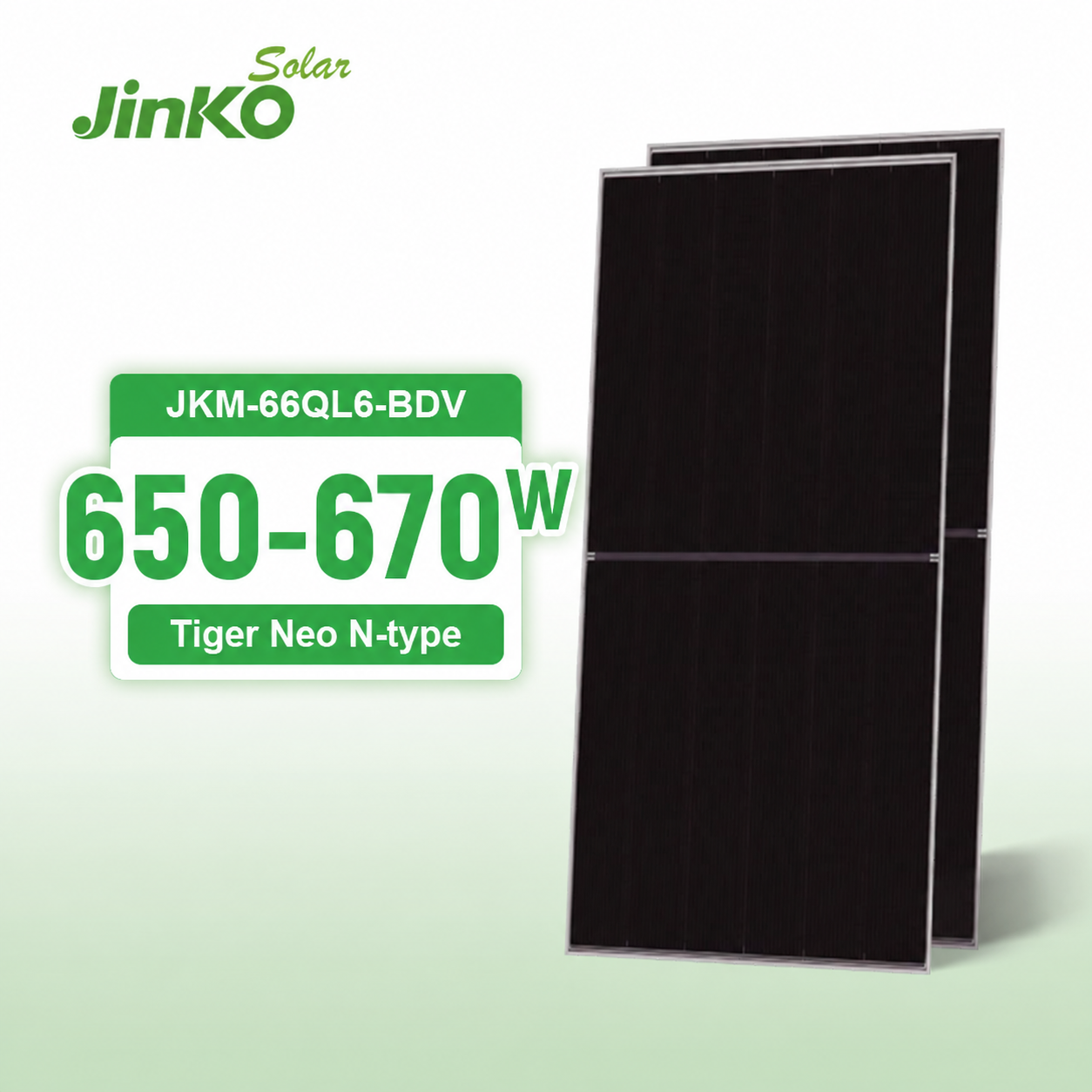
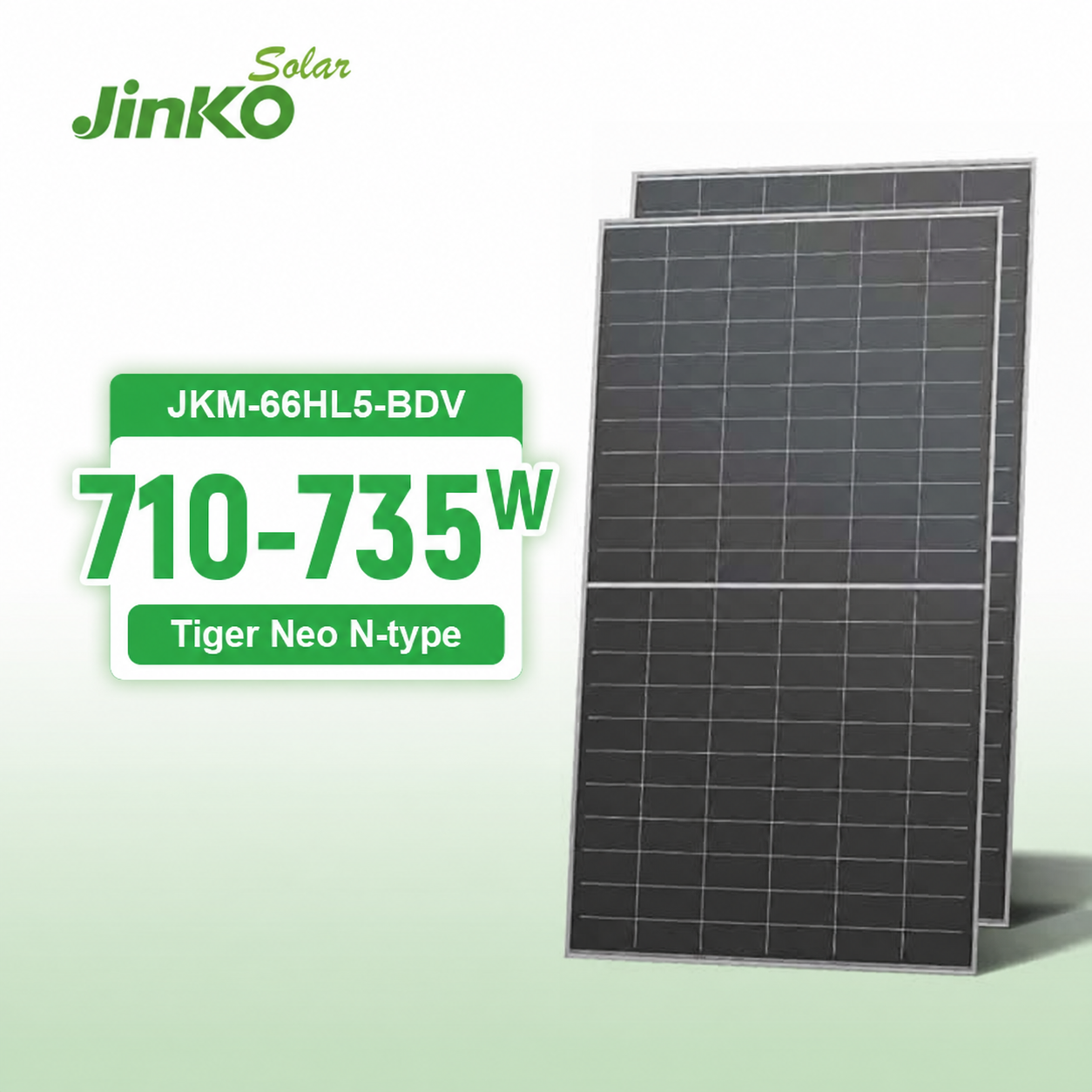
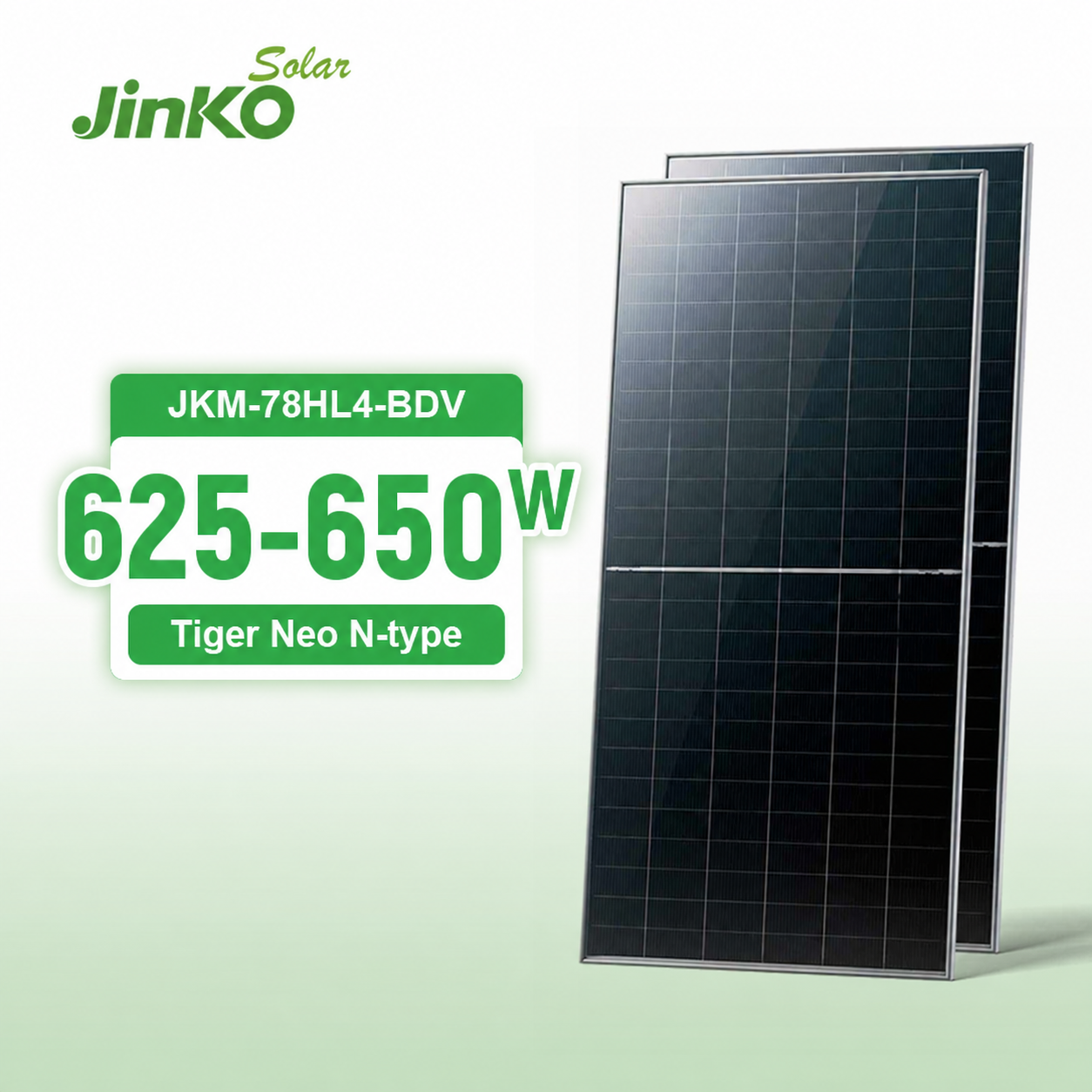
High-Efficiency TOPCon & BESS Generation Hardware
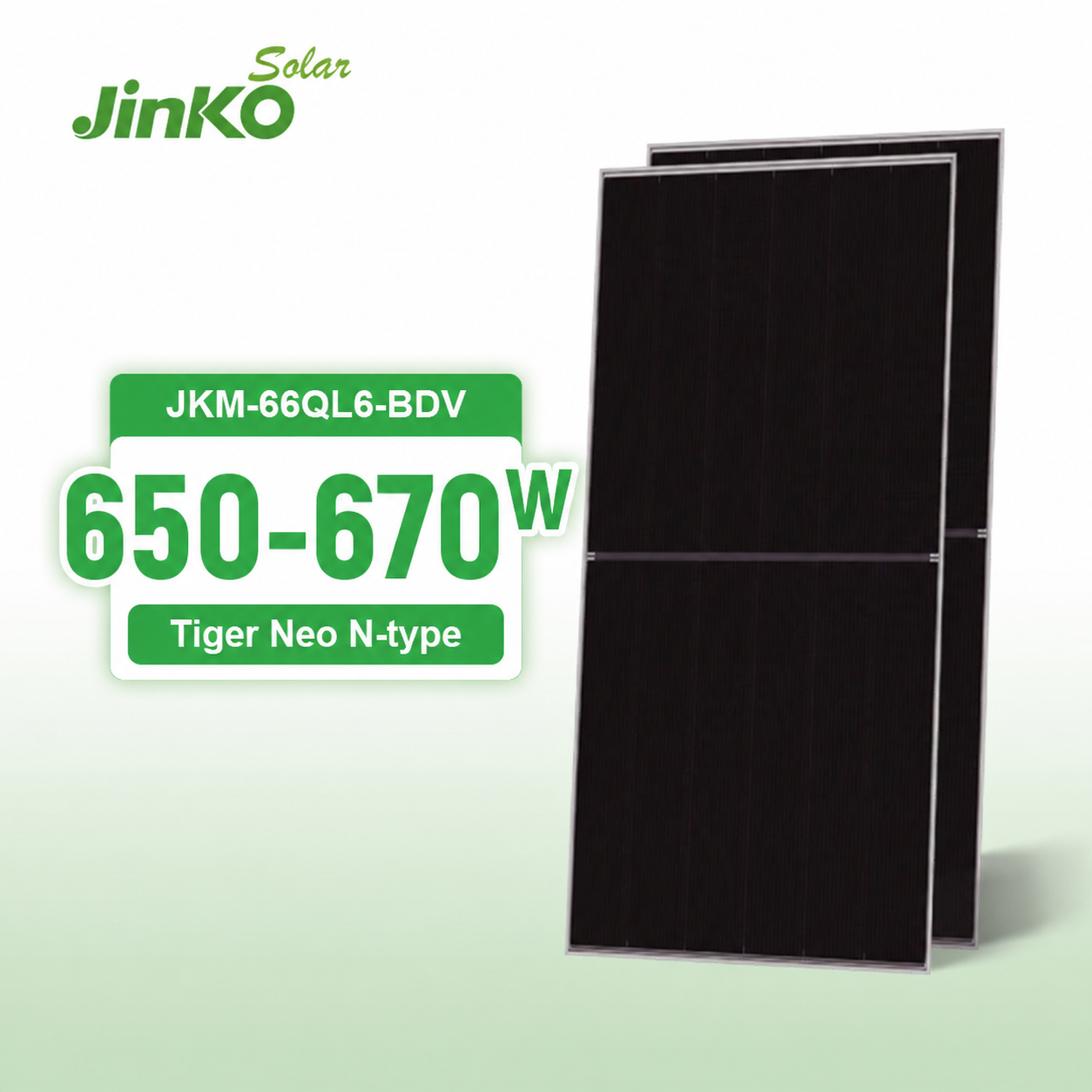
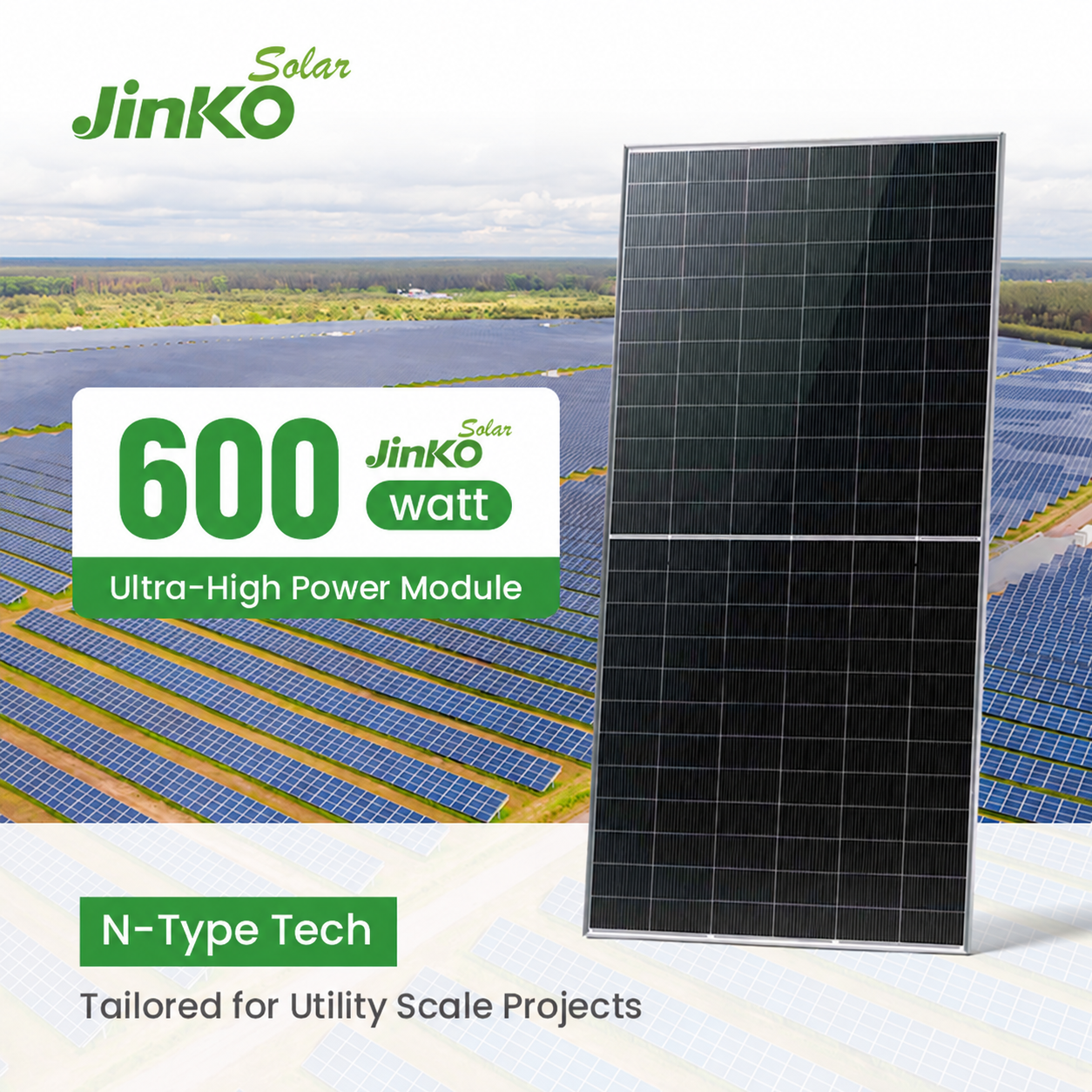
Pre-tested solar modules and matched storage building blocks ready for immediate consolidation and shipment to the Caribbean.
Overcoming Coastal, Thermal & Mechanical Stress in Les Cayes
Why standard residential storage fails in southwestern Haiti and how our enterprise systems are architected for longevity.
Thermal Dissipation and Ambient Humidity Optimization
In Les Cayes, average daytime temperatures consistently hover between 31°C and 36°C, accompanied by relative humidity levels frequently surpassing 85%. Lithium Iron Phosphate (LiFePO4) chemistry exhibits exceptional thermal runway threshold safety (exothermic reaction onset occurs above 270°C, compared to 150°C for NMC chemistries). However, continuous operational cycling in ambient tropical heat induces parasitic solid electrolyte interphase (SEI) layer growth, accelerating capacity decay if active thermal dissipation is absent.
VOLT New Energy integrates multi-zone smart liquid-cooling or positive-pressure HVAC climate control modules inside our 100kWh to 2MWh containerized battery systems. This ensures core prismatic cell temperatures maintain an optimal operating window (22°C to 28°C), suppressing internal thermal gradient variance to less than 2.5°C across all serial cell connections. This precise thermal regulation preserves an authentic 6,000+ lifecycle benchmark at 80% Depth of Discharge (DoD), guaranteeing 12 to 15 years of uninterrupted cycling under Les Cayes climatic conditions.
C5-M High-Salinity Marine Anti-Corrosion Protection
The city's proximity to the Caribbean Sea means airborne chloride ion concentrations are intense. Standard galvanized metal enclosures suffer severe galvanic degradation and insulation breakdown within 18 to 24 months. Our export-tier industrial BESS outdoor enclosures and battery racks are manufactured from high-tensile structural steel coated with electrostatic epoxy zinc primers and fluorocarbon finishes certified to ISO 12944 C5-M extreme marine standards. Power distribution busbars are electroplated with thickened tin/nickel layers, while all printed circuit boards (PCBs) within our Battery Management Systems (BMS) and Deye inverter cabinets receive triple conformal coating to prevent condensation-induced dendritic short-circuiting.
| Design Parameter | Standard Low-Cost Import | VOLT Industrial C&I BESS Specification | Engineering Benefit for Les Cayes Buyers |
|---|---|---|---|
| Cell Chemistry & Grade | Repurposed / Tier-2 LiFePO4 or Lead-Carbon | Brand New Tier-1 EVE / CATL Prismatic LiFePO4 | Zero second-life cell risk; true 6,000 cycle lifespan |
| Thermal Control Method | Passive convective fan ventilation | Intelligent Inverter Liquid Cooling / Dual HVAC | Maintains cell core at 25°C ± 2°C under 38°C ambient heat |
| Corrosion Barrier Rating | C2/C3 Powder Coat, standard seals | C5-M High Marine Barrier + IP55/IP65 Enclosure | Withstands Atlantic trade winds and high salt-mist ingress |
| Inverter Synchronization | Manual transfer switch, >100ms disruption | Deye Industrial PCS <10ms Seamless Islanding | Prevents plant reset; supports auto-start genset dry contacts |
| Communication Protocol | Unverified RS485 generic string | Pre-commissioned Dual CAN / Modbus TCP Architecture | Zero "BMS Communication Error" lockouts on initial setup |
High-Impact Local Applications in Southern Haiti
Engineered to solve concrete industrial challenges across manufacturing, healthcare, and infrastructure sectors.
Vetiver Essential Oil Distilleries
Les Cayes processes over 50% of the world’s vetiver perfume oil. Distillation plants require continuous, uninterruptible electrical drives for high-pressure steam boilers, water condensing chillers, and centrifugal separators. A microgrid combining our 650W TOPCon dual-glass arrays with 250kW / 500kWh battery containers offsets up to 78% of daily diesel expenditure, ensuring continuous batch extraction without thermal shock interruptions.
Seafood & Agricultural Cold Storage
Regional fisheries operating along the southern coast require rapid deep-freezing for catch preservation prior to transit. Compressor motors exert massive inductive start-up surge currents (up to 3x nominal amperage). Our Deye industrial hybrid PCS configurations deliver 200% peak overload endurance for 10 seconds, seamlessly absorbing compressor inrush currents without destabilizing auxiliary facility loads.
Medical Centers & Humanitarian Field Bases
Hospitals, diagnostic clinics, and NGO operations in Les Cayes cannot tolerate a 5-second blackout. Our LiFePO4 battery banks feature UPS-grade microsecond automatic transfer switches (ATS) that island critical circuits instantaneously (<10ms), providing clean sine-wave electricity to surgical suites, ventilators, pathology incubators, and satellite telecommunications nodes.
Energy Transition Trends in Haiti's Southern Peninsula
Key technological, economic, and logistical movements shaping electrical equipment procurement through 2030.
1. The Accelerated Obsolescence of Traditional Gel / Lead-Acid Banks
Historically, off-grid projects in Haiti favored 12V deep-cycle gel batteries due to low initial purchase costs. However, EPC contractors across Les Cayes are rapidly retiring lead-based systems. Under real ambient conditions of 33°C, deep-cycle GEL chemistry suffers thermal degradation that collapses useful service life to under 18–24 months when subjected to daily 70% discharges. By contrast, factory-direct LiFePO4 battery packs deliver over 10 to 12 years of daily 80% to 90% DoD cycling. The dramatically lower Levelized Cost of Storage (LCOS per kWh throughput) has made lithium the undisputed commercial choice across southern Haiti.
2. Rise of Hybrid Diesel-Solar Microgrids with Smart Genset Coordination
Total diesel abandonment is rarely practical for heavy operations in year one. As a result, the dominant growth sector is intelligent microgrid integration. Modern C&I installations pair high-output bifacial PV arrays with Deye hybrid PCS units that feature multi-input genset dry-contact automation. The battery acts as the primary buffer, absorbing sudden motor spikes and solar variability. The diesel generator is only commanded to start when the battery reaches a low state-of-charge (SoC) threshold, operating purely at its peak fuel-efficiency curve (85% load) rather than idling inefficiently at 20% load, cutting plant diesel burn by 65% to 80%.
3. Decentralization Driven by Highway Logistics Vulnerabilities
Because maritime and land transport through Port-au-Prince security corridors can experience periodic logistical delays, commercial entities in Les Cayes prioritize autonomous, self-sustaining installations. Facilities that maintain complete on-site energy independence insulated from central distribution failures secure a decisive competitive advantage, uninterrupted output, and lower insurance overhead.
Why International EPCs Partner with VOLT New Energy
Bridging Chinese Tier-1 manufacturing excellence with rigorous export-ready compliance and field engineering.
Verified Hardware Protocol Compatibility
Every industrial storage order undergoes pre-shipment bench testing. We flash and verify the CAN/RS485 communication protocols between our LiFePO4 battery BMS and Deye hybrid inverters to eliminate on-site commissioning delays.
Consolidated Multi-Component Shipments
Save substantial freight expense by combining Jinko solar modules, Deye hybrid inverters, LiFePO4 battery racks, DC disconnects, surge arrestors, and cables into unified, properly balanced export shipping containers.
Full Dangerous Goods (Class 9) Compliance
Lithium freight demands absolute documentation rigor. We issue genuine UN38.3 test reports, full Material Safety Data Sheets (MSDS), and sea-worthy certified Dangerous Goods (DG) crating to guarantee frictionless customs clearance.
Remote Engineering & Sizing Support
From initial hourly load profile reviews to full one-line electrical schematics and breaker sizing, our technical department provides end-to-end engineering assistance to ensure trouble-free integration for local technicians.
Frequently Asked Questions for Les Cayes Importers
Clear, direct answers regarding shipping logistics, customs documentation, and field engineering in Haiti.
How are lithium battery systems shipped from China to Les Cayes, and what ports are used?
Lithium Iron Phosphate (LiFePO4) batteries are classified as Class 9 Dangerous Goods (UN 3480). Direct international container vessels typically route from Ningbo or Shanghai port through major regional transshipment hubs (such as Kingston, Jamaica or Caucedo, Dominican Republic) before calling at Port-au-Prince or the port of Miragoâne. From Miragoâne, equipment is moved via secured ground transport along the southern highway to Les Cayes. Hangzhou VOLT New Energy handles full DG maritime packaging, UN boxes, container placard verification, and issues authentic UN38.3 test summaries, MSDS, and sea-freight transport condition certificates to facilitate hassle-free customs clearance by your licensed local broker.
Can our existing diesel generator be integrated into a new solar + battery system?
Yes. The Deye hybrid inverters we supply feature dedicated auxiliary generator inputs and built-in programmable dry contact relays. When battery state-of-charge (SoC) drops below your configured threshold (e.g., 20%), the inverter automatically closes the dry contact to start your diesel genset, synchronizes AC voltage and frequency, powers your facility loads, and simultaneously bulk-charges the LiFePO4 battery bank at high efficiency. Once the battery reaches 80% or solar production resumes, the generator is gracefully throttled down and stopped, maximizing fuel savings.
Why are Jinko N-Type TOPCon bifacial modules recommended over standard monofacial panels?
In high-temperature tropical areas like Les Cayes, standard P-type monocrystalline panels suffer severe power degradation as surface temperatures rise above 25°C (often reaching 65°C on rooftops). Jinko N-Type TOPCon panels feature a significantly superior temperature coefficient (-0.29%/°C vs -0.35%/°C for older tech), yielding substantially more kilowatt-hours per installed watt. Furthermore, bifacial dual-glass architecture captures albedo radiation reflected from concrete roofs or light soil (adding 10% to 25% extra energy generation) while providing hermetic, zero-moisture ingress armor against coastal salt mist.
How does Hangzhou VOLT handle factory warranty and spare parts replacement in Haiti?
All core components carry original manufacturer warranties: 5 to 10 years on LiFePO4 battery systems, 5 years on Deye hybrid inverters, and 25 to 30 years performance warranties on Jinko TOPCon modules. Because physical return shipments from Haiti to China are cost-prohibitive, we maintain serial-number tracking for every export unit and ship a critical spare-parts safety kit (replacement BMS master/slave boards, power switches, cooling fans, and surge protection devices) directly inside full container orders. Fault diagnostics are conducted rapidly via inverter Wi-Fi/4G data logs with our engineering team.
Can we mix and match solar panels, inverters, and batteries in a single container?
Absolutely. One of Hangzhou VOLT New Energy’s core service advantages is container load consolidation. We calculate pallet weights, cubic dimensions, and weight distribution balances to load heavy LiFePO4 battery racks, delicate double-glass solar pallets, inverters, and aluminum racking systems into a single 20ft or 40ft high-cube (HQ) container, maximizing your shipping freight investment and simplifying customs brokerage upon arrival.
Request an Engineered Microgrid Quote for Les Cayes
Provide your estimated daily kWh load profile, peak surge power requirements, and generator specifications. Our system integration engineers will return an optimized technical schematic, bill of materials, and direct FOB/CIF container quotation within 24 hours.