High-Yield Generation Matched for Server Rack ESS Deployments
Procure premium Tier-1 PV modules rigorously paired to charge 48V/51.2V low-voltage and 400V+ high-voltage Lithium Iron Phosphate (LiFePO4) server rack banks across Al Hudaydah Governorate.
Al Hudaydah Grid Realities & The Strategic Shift to Server Rack LiFePO4 Energy Storage
The coastal port hub of Al Hudaydah (Hodeidah) presents one of the world's most demanding operating envelopes for stationary energy storage systems (BESS). Situated along the Red Sea coast within the arid Tihama coastal plain, energy infrastructure in Al Hudaydah faces a severe convergence of extreme climatological stressors and chronic electrical transmission deficits. With ambient summer temperatures regularly hovering between 38°C and 45°C, accompanied by relative humidity levels surging past 85%, traditional lead-acid (VRLA, AGM, and tubular OPzV) storage batteries historically utilized in Yemen suffer from catastrophic plate sulfation, thermal runaway, and accelerated electrolyte boil-off—frequently degrading to complete failure within 10 to 18 months of commissioning.
Compounding this extreme thermodynamic challenge is the structural instability of the local grid. Municipal grid electrification remains severely curtailed, forcing commercial processing plants, medical centers, port logistic terminals, and residential estates to depend on localized, privately operated diesel generator microgrids (local "commercial electricity" networks). The astronomical cost of diesel fuel, alongside supply volatility and maintenance overhead, has elevated localized levelized cost of energy (LCOE) to unsustainable levels. In response, engineering procurement contractors (EPCs), industrial facility engineers, and commercial solar distributors in Al Hudaydah are aggressively transitioning to factory-assembled, modular 19-inch Server Rack Lithium Iron Phosphate (LiFePO4) Battery systems sourced directly from Tier-1 Chinese manufacturers.
A server rack battery architecture delivers distinct structural advantages over legacy chemistries and wall-mounted domestic packs. Standardized in 3U, 4U, or 5U form factors (typically 48V/51.2V 100Ah or 200Ah per module), server rack batteries allow linear, non-disruptive capacity expansion inside heavy-duty, corrosion-treated NEMA/IP-rated ventilated server enclosures. When paired with high-efficiency bifacial N-type PV arrays and hybrid three-phase inverters (such as Deye 8kW to 50kW commercial units), server rack lithium systems provide the high discharge current (1C continuous capability), thermal resilience up to 55°C ambient, and multi-protocol CAN/RS485 closed-loop communication essential to eliminate diesel runtime during peak daylight and evening cooling hours.
Thermal Cycle Longevity
Automotive-grade Grade-A LiFePO4 prismatic cells guarantee 6,000+ deep charge-discharge cycles at 80% Depth of Discharge (DoD) even under elevated Tihama coastal ambient temperatures, outperforming lead-acid lifespan by a factor of 6x.
Marine Atmosphere C5 Protection
Our server rack modules incorporate triple-proof conformal coating (anti-salt, anti-moisture, anti-dust) across BMS circuit boards, combined with gold-plated terminal connectors to arrest corrosive Red Sea coastal degradation.
Modular Rack Scalability
Deploy standard 5.12kWh modules stacked inside 15U to 42U cabinets. Seamlessly parallel up to 15 to 32 battery packs via Master-Slave DIP switch addresses without needing external busbar engineering.
Engineering Deployments Across Al Hudaydah Port & Regional Industries
The commercial and humanitarian landscape in Al Hudaydah requires energy architectures tailored to continuous high-load operations under unpredictable operating schedules. Off-the-shelf residential storage systems frequently fail under the sustained continuous loads demanded by local commercial buyers. Below are the verified primary application vectors where server rack LiFePO4 batteries deliver maximum economic return.
Red Sea Fishery & Cold Storage Logistics
Al Hudaydah serves as Yemen’s primary marine seafood corridor. Commercial blast freezers, ice-making plants, and refrigerated fish processing facilities along the Corniche and port districts operate 24/7. An array of 51.2V 200Ah server rack batteries paralleled into 100kWh–500kWh configurations buffers continuous refrigeration compressors, preventing costly fish spoilage during frequent local grid disconnects and diesel outages.
Tihama Agricultural Agro-Solar Pumping
The surrounding Tihama basin represents Yemen’s agricultural heartland, producing dates, grain, and vegetables. Massive diesel pump operations are transitioning to hybrid solar setups. Rack-mounted batteries provide immediate high surge currents required to start deep submersible well pumps without tripping inverter overload protection, enabling extended evening crop irrigation cycles.
Humanitarian, NGO & Medical Clinical Hubs
Regional healthcare clinics, UN field logistics bases, and vaccine cold-chain repositories throughout Al Hudaydah require zero-millisecond power transfer. High-reliability server rack modules integrated with low-frequency or high-frequency hybrid inverters eliminate brownouts, protecting sensitive medical laboratory instruments and surgical suite equipment.
Port Automation & Maritime Freight Forwarding
Al Hudaydah Port container terminals, crane controls, customs inspection scanning facilities, and marine dispatch towers cannot afford electrical intermittency. Centralized 48V/100Ah server racks stationed inside climate-controlled server rooms maintain continuous operational telemetry, weighing systems, and cargo data logging without risk of data corruption.
Commercial Shopping Centers & Supermarkets
Modern commercial retail complexes across Sana'a Street and Main Street in Al Hudaydah deploy hybrid PV systems with 600W+ bifacial panels. Pairing them with centralized rack batteries drastically diminishes daytime grid fees from private local generator stations, yielding rapid equipment payback inside 24 to 30 operating months.
Telecommunications & Remote Microwave Relays
Telecom operators across coastal Tihama and island relays face extreme maintenance access hurdles. LiFePO4 server rack units deliver remote RS485 telemetry and SNMP monitoring, allowing engineers in central network operating centers (NOC) to monitor individual cell voltages, state of charge (SoC), and internal temperature without on-site dispatch.
Emerging Technology Shifts in Al Hudaydah's Renewable Energy Sector
The solar procurement sector in western Yemen is experiencing an aggressive technological leap. Historically dominated by unbranded lead-acid batteries and low-efficiency polycrystalline panels imported via indirect transshipment routes, Yemeni importers and B2B buyers now demand direct factory compliance with certified international standards.
1. Obsolescence of Gel/Lead-Acid in Favor of 51.2V Rack LFP
While deep-cycle GEL batteries once dominated due to low upfront capital costs, local EPC contractors recognize that lead-acid chemistry derates drastically when ambient temperatures exceed 30°C. In Al Hudaydah's sustained 40°C environment, an AGM/GEL battery loses 40% of its rated lifespan. Conversely, prismatic LiFePO4 cells tolerate sustained thermal operations without phase breakdown. The transition reduces lifetime cost per kilowatt-hour cycled by over 65%.
2. Standardization on Deye Closed-Loop Inverter Protocols
The Deye hybrid inverter series (SUN-5K-SG04LP3, SUN-12K-SG04LP3, SUN-30K-SG01HP3, and SUN-50K-SG01HP3) has achieved widespread dominance in Yemen due to its rugged dual-MPPT design, generator cut-in port, and programmable peak-shaving functionality. To prevent system errors, Yemeni buyers insist that server rack battery management systems (BMS) provide plug-and-play CAN communication. A factory-verified baud rate (500kbps) and native CAN protocol mapping (Pylontech / Deye protocol profile) ensure instant synchronization of State of Charge (SoC), charge current limits (CCL), and discharge voltage protection.
| Technical Metric | Legacy Gel / Lead-Acid Bank | Standard Low-Cost Lithium | Hangzhou VOLT Server Rack LiFePO4 |
|---|---|---|---|
| Cycle Life (@ 80% DoD, 35°C) | 500 - 800 cycles | 2,500 - 3,500 cycles | 6,000+ Deep Cycles |
| Usable Energy Efficiency | 60% - 70% Round-trip | 85% - 88% | > 95% High Efficiency |
| Thermal Degradation Limit | Severe capacity loss > 30°C | Unmanaged, risk of cell drift | Active Balancing up to 55°C |
| Corrosion Resistance | Corrosive terminal venting | Standard PCB exposure | Triple-Proof Conformal C5 Marine |
| Parallel Modularity | Unbalanced string resistance | Max 4 to 8 units | Up to 32 Units Auto-Addressing |
| Communication Telemetry | None (voltage-based guesswork) | Basic RS485 (frequent drops) | Dual CAN / RS485 Dual Bus |
3. Integration with Ultra-High-Power N-Type TOPCon Solar Modules
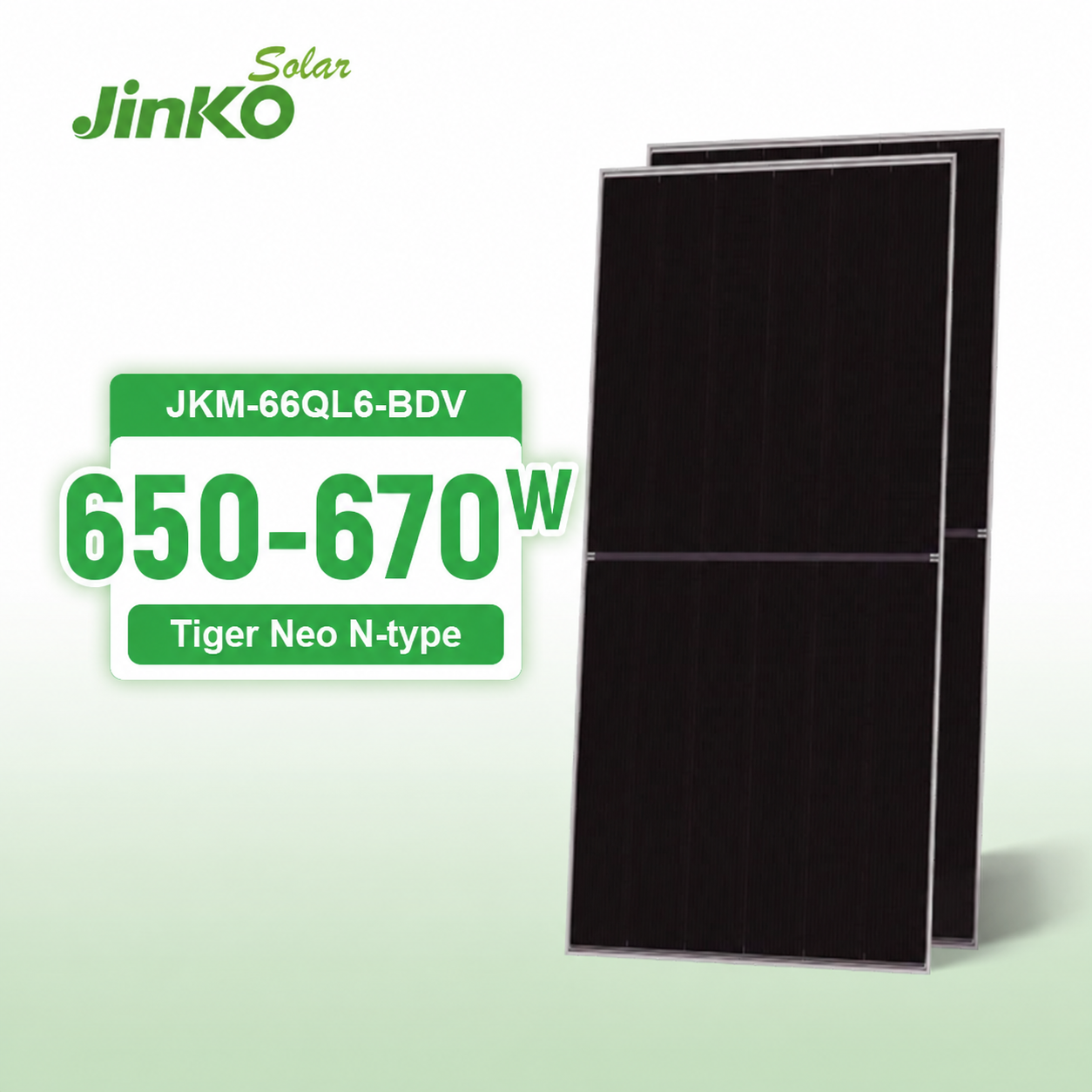
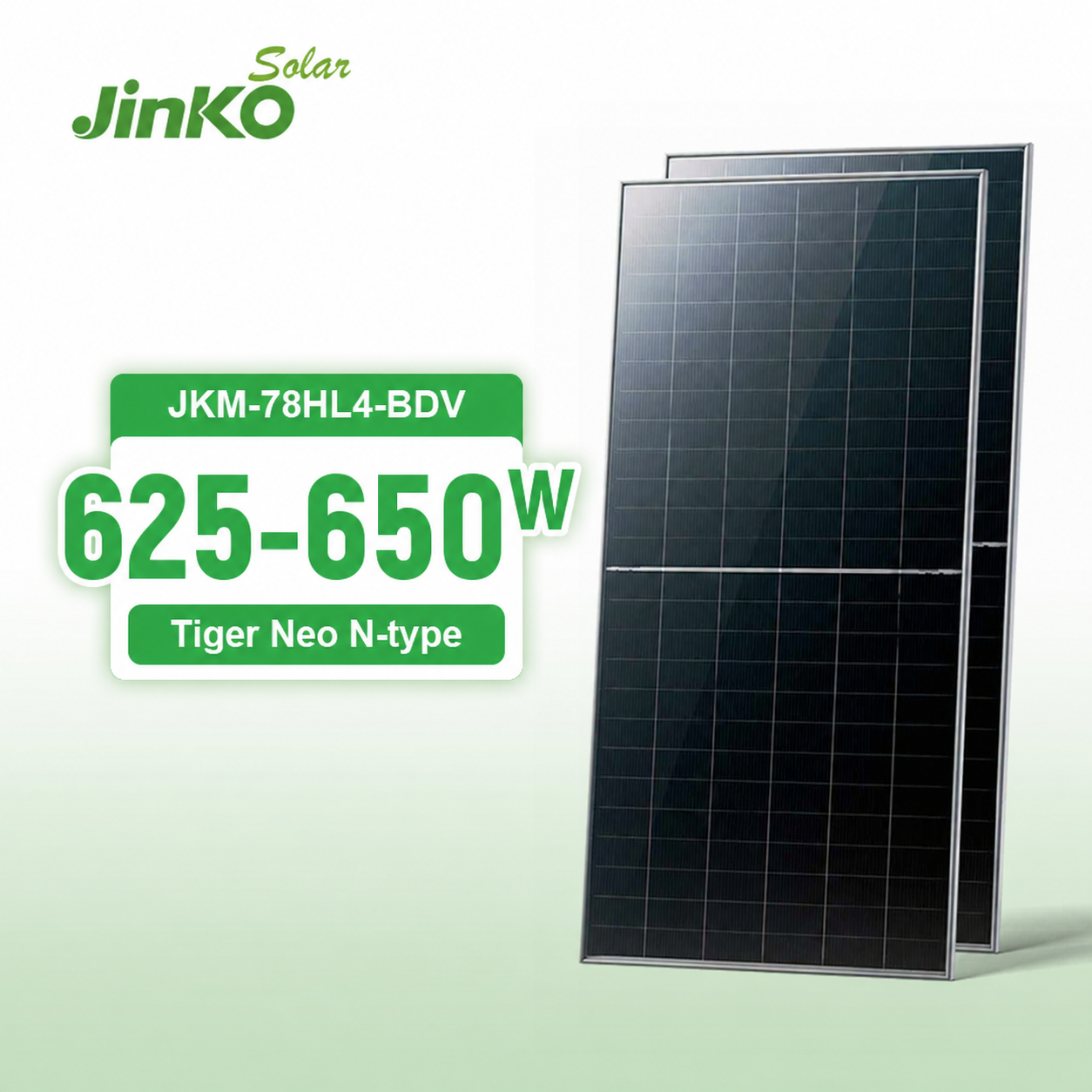
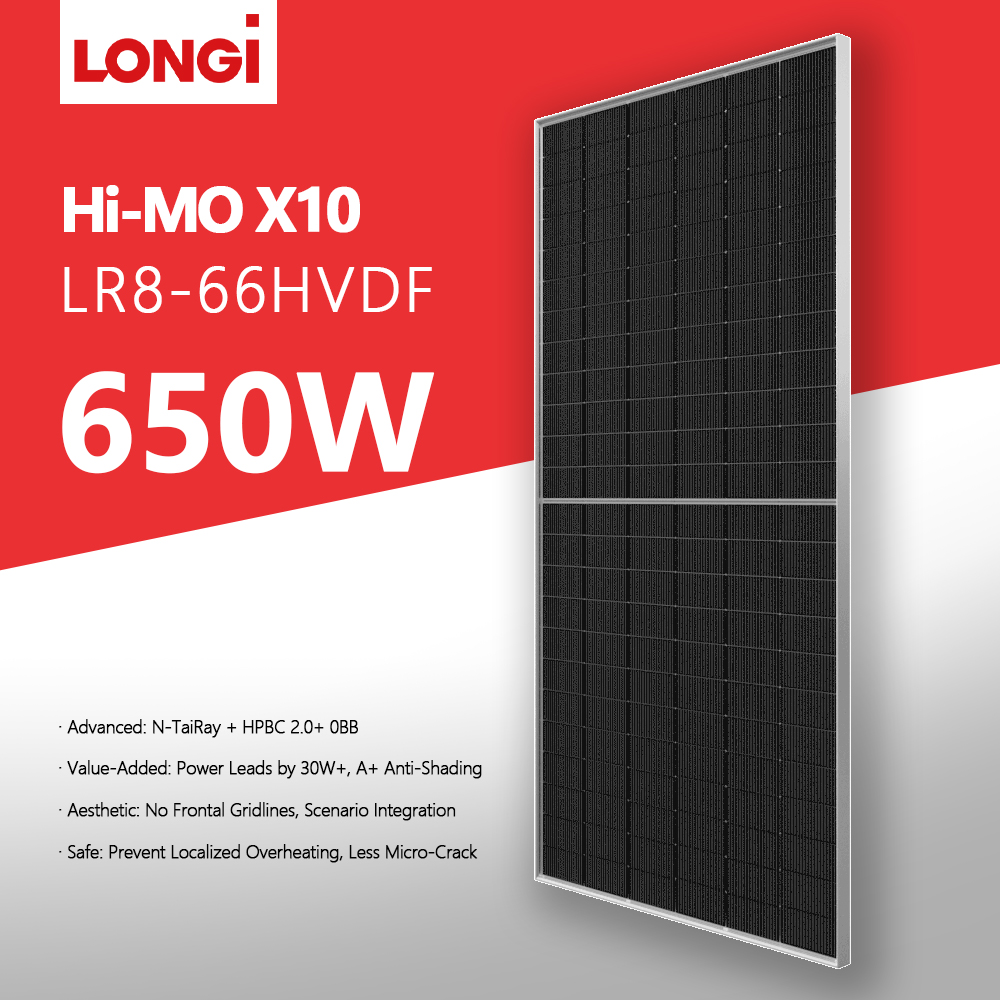
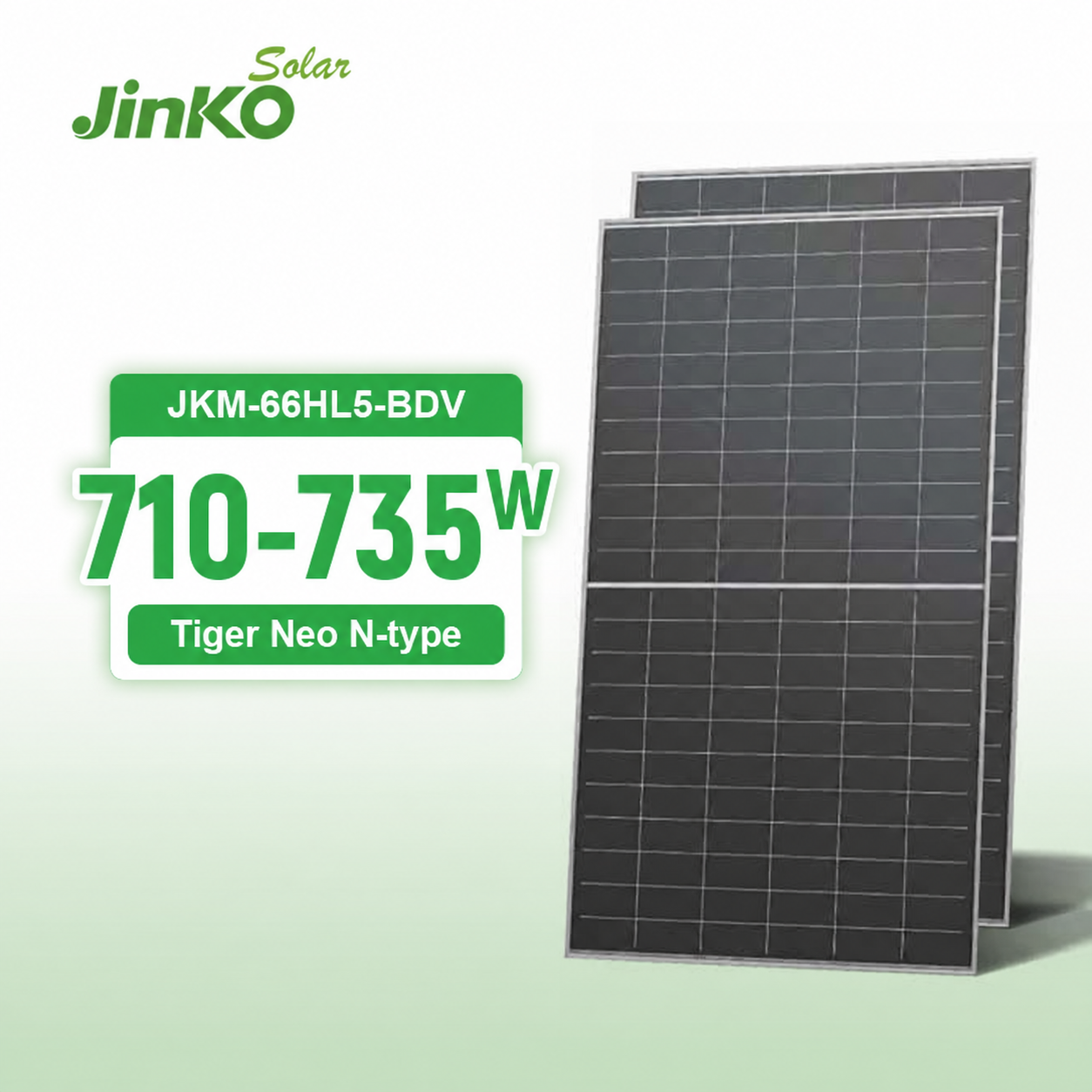
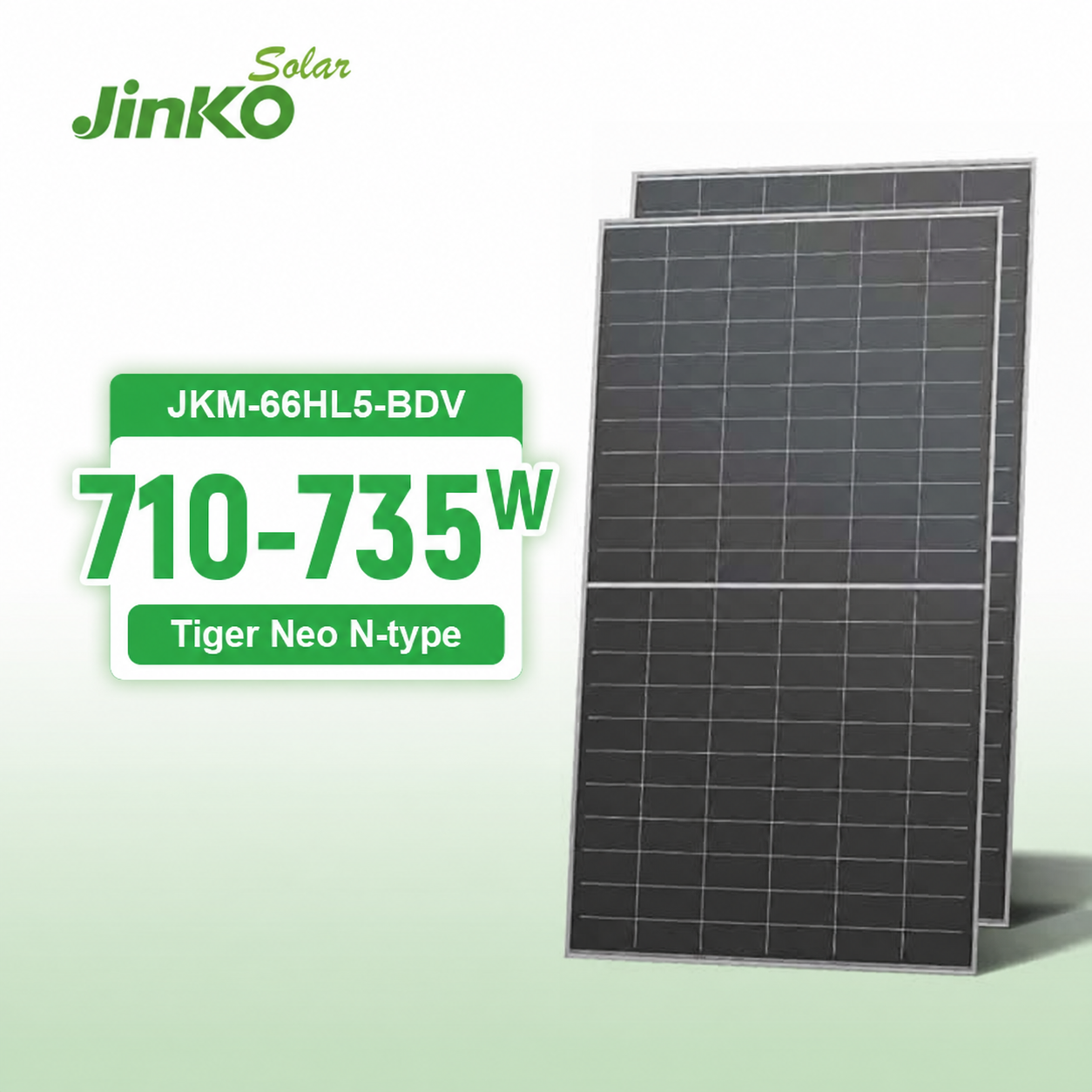
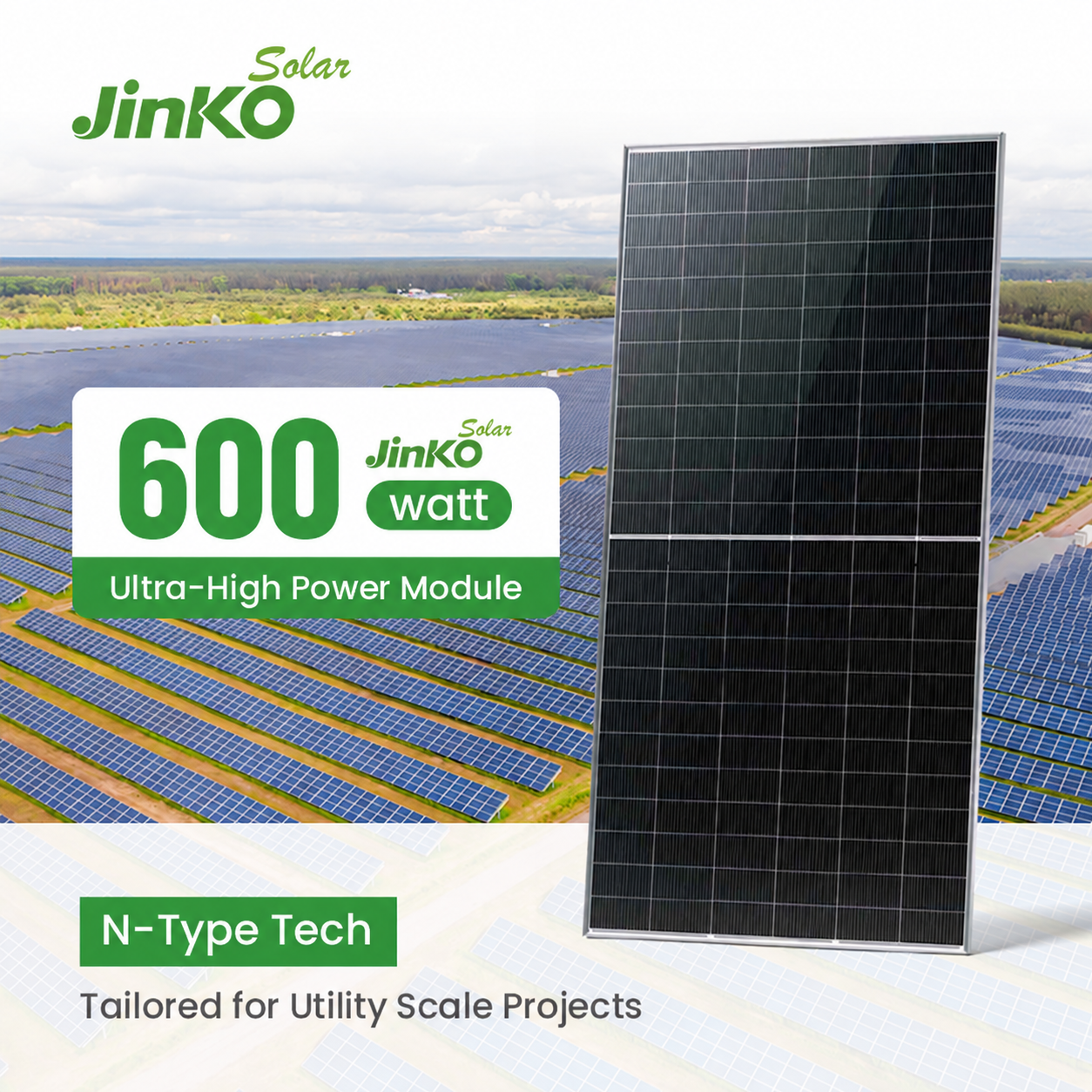
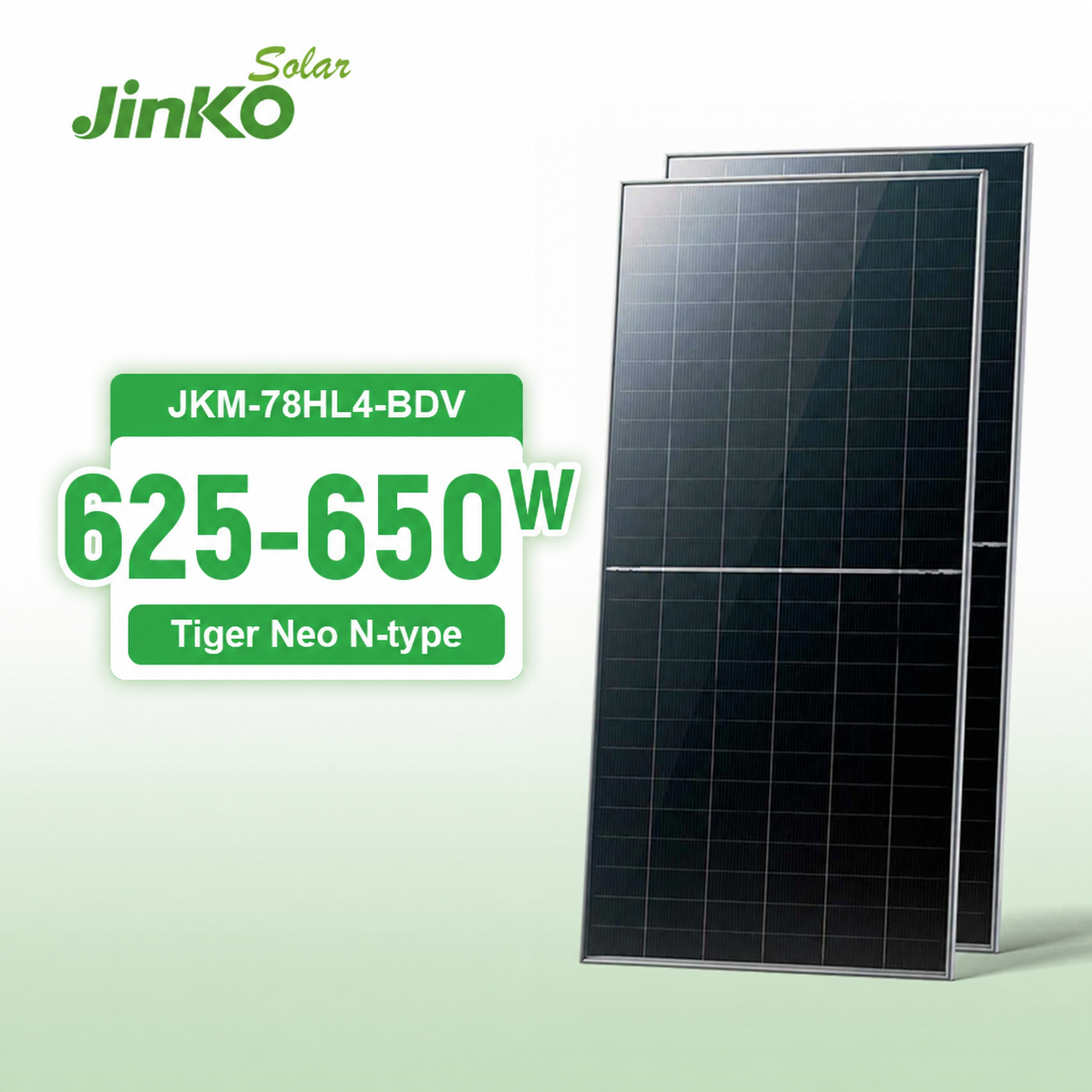
Because physical rooftop space is frequently limited in Al Hudaydah's urban commercial zones and port facilities, PV panel efficiency is paramount. Importers are pairing server rack systems with 630W to 730W N-type TOPCon dual-glass bifacial panels (such as Jinko Tiger Neo and LONGI series). The lower temperature coefficient of N-type silicon (-0.29%/°C compared to -0.35%/°C for older P-type modules) ensures that generation remains elevated during the sweltering noon hours when energy storage systems require maximum charging current.
Industrial-Grade Supply Chain Strengths for the Yemeni Market
Hangzhou VOLT New Energy Technology Co., Ltd. operates as a dedicated renewable energy manufacturer and system integrator based in Zhejiang, China. We bridge the critical gap between raw Chinese manufacturing output and the specific on-the-ground engineering realities of international B2B importers in complex markets like Al Hudaydah.
Pre-Shipment Hardware & BMS Protocol Matching
Importers cannot risk receiving lithium packs that fail to communicate with their inverter stocks. Before any container is sealed, our technicians perform closed-loop communication FAT tests between the server rack BMS and Deye/Growatt inverters. We match cable pinouts, CAN bus baud rates, and DIP switch assignments prior to export.
Full Dangerous Goods (Class 9 DG) Logistics Compliance
Lithium battery export requires strict regulatory documentation. We provide verified UN38.3 test summaries, Material Safety Data Sheets (MSDS), and drop-tested UN-approved packaging. We coordinate with shipping lines accepting dangerous cargo transshipments to Hodeidah Port or via Aden/Djibouti hubs.
Turnkey Consolidation & System Sizing
Avoid fragmented sourcing from dozens of disparate vendors. Hangzhou VOLT consolidates Tier-1 Jinko/LONGI PV panels, Deye hybrid inverters, rack lithium batteries, DC circuit breakers, surge protectors, and pre-crimped solar cabling into balanced container loads, complete with customized wiring blueprints.
Frequently Asked Questions: Sourcing Server Rack Batteries for Al Hudaydah
Detailed answers addressing customs clearance, extreme heat mitigation, inverter protocol pairing, and warranty enforcement in Yemen.
How do server rack batteries survive Al Hudaydah's 45°C ambient summer heat?
Our batteries utilize high-grade LiFePO4 cells designed with high thermal decomposition thresholds (above 270°C). Furthermore, our smart BMS includes multi-point internal thermal sensors with an active high-temperature protection cutoff set at 55°C. For optimal installation in Al Hudaydah, we advise housing racks in shaded, well-ventilated rooms or incorporating low-draw DC cooling fans connected directly to the inverter AUX port.
Are Hangzhou VOLT rack batteries fully compatible with Deye hybrid inverters?
Yes. Our server rack BMS firmware comes pre-flashed with native Deye and Pylontech CAN and RS485 communication protocols. Before shipment from our Hangzhou facility, our engineers verify communication on test inverters to guarantee that battery parameters (charge voltage 56.4V, cut-off voltage 46.4V, max charge/discharge rates) auto-populate on the Deye LCD screen upon powering up.
What shipping methods and documentation apply for containers entering Yemen?
Lithium batteries are classified as Class 9 Dangerous Goods (UN3480). We furnish full export documentation, including UN38.3 test reports, MSDS, sea freight inspection certificates, and commercial invoices stamped according to destination customs requirements. Goods can be routed through international feeder lines serving Hodeidah Port (subject to local port status) or transshipped via regional hubs like Djibouti, Jeddah, or Aden.
Can we mix existing GEL batteries with new server rack LiFePO4 batteries?
No, you should never parallel LiFePO4 lithium batteries directly with GEL or lead-acid batteries. Their internal resistances, charge/discharge curves, and cell voltages differ fundamentally. Paralleling them will cause massive cross-currents and destroy both banks. If retrofitting a site, we recommend transferring the GEL bank to a secondary non-critical inverter or fully replacing it with modular lithium racks.
How are warranty claims handled for B2B distributors inside Yemen?
We back our server rack batteries with a standard 5-to-10-year manufacturer warranty supported by strict serial number tracking. Because returning heavy batteries to China is cost-prohibitive, we provide distributor warranty packages: we supply spare BMS control boards, cell balancing modules, and replacement circuit components in each container order, complemented by remote video diagnostics with our senior engineering staff.
Can we order mixed containers with solar panels, inverters, and battery racks?
Yes. Consolidated mixed loading is one of Hangzhou VOLT's core competitive edges. We pack Tier-1 Jinko or LONGI PV panels, Deye inverters, and server rack battery cabinets securely inside the same 40ft HQ container under strict Dangerous Goods segregation standards, maximizing container volume and dramatically lowering your freight cost per kilowatt-hour.
Power Your Projects in Al Hudaydah With Matched Chinese Engineering
Whether you are bidding on UN humanitarian tenders in Hodeidah, retrofitting seafood processing blast freezers, or stocking wholesale inventory for western Yemen's solar trade, our Hangzhou engineering team delivers verified, pre-tested server rack battery systems and tier-1 PV solutions.