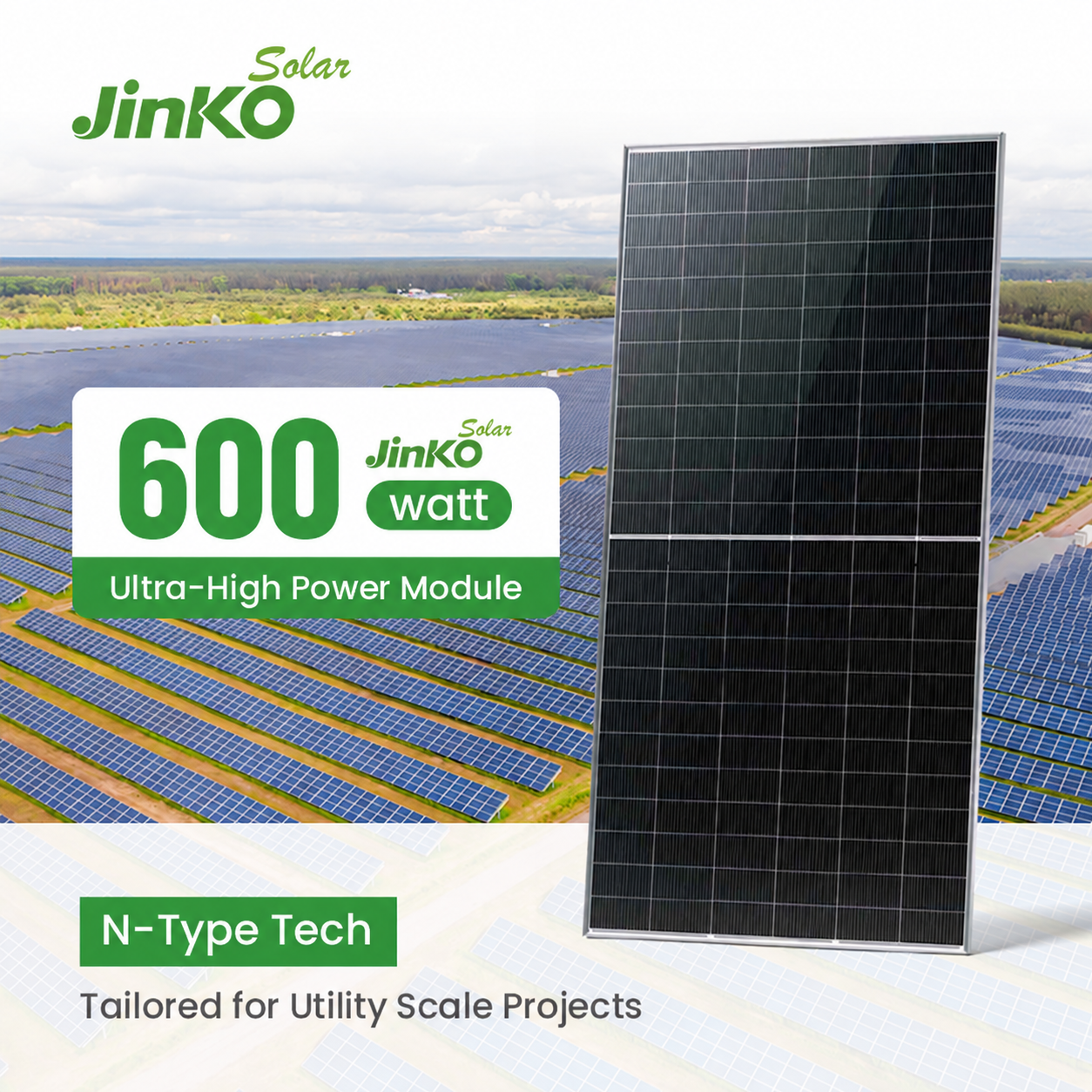
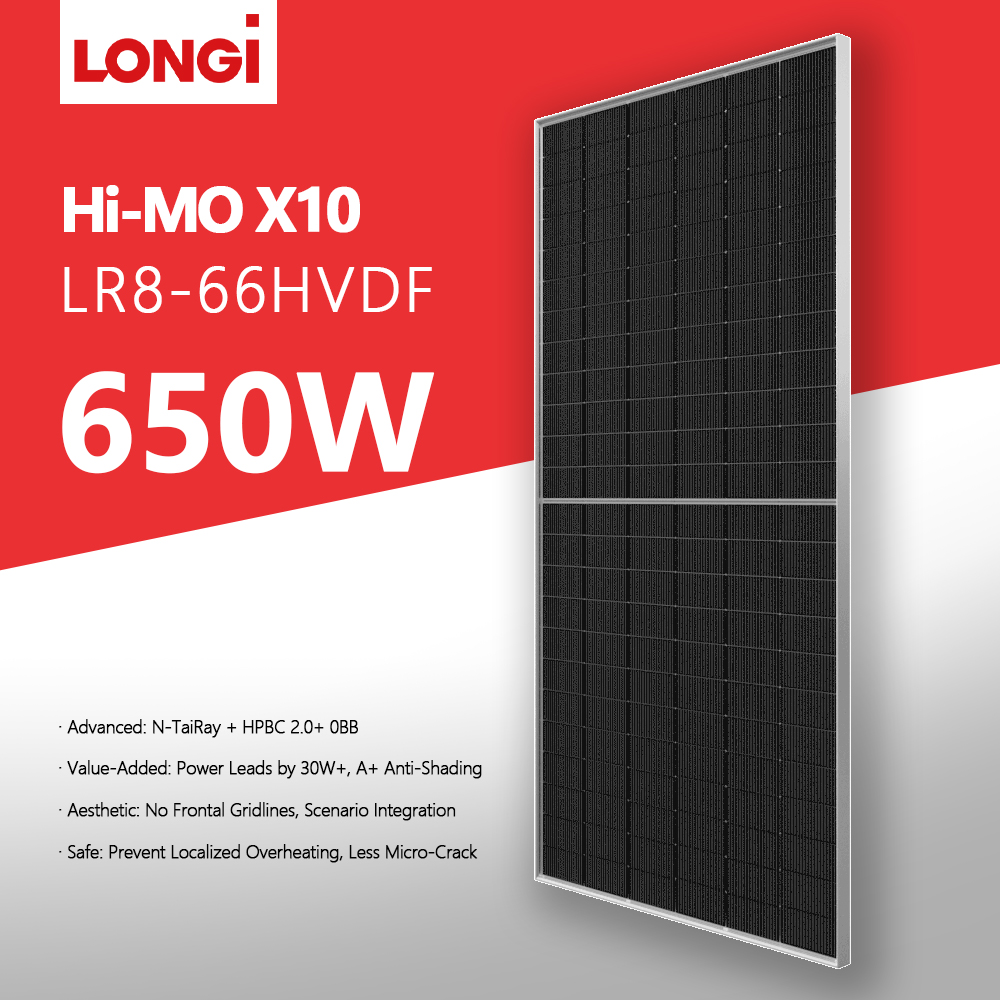
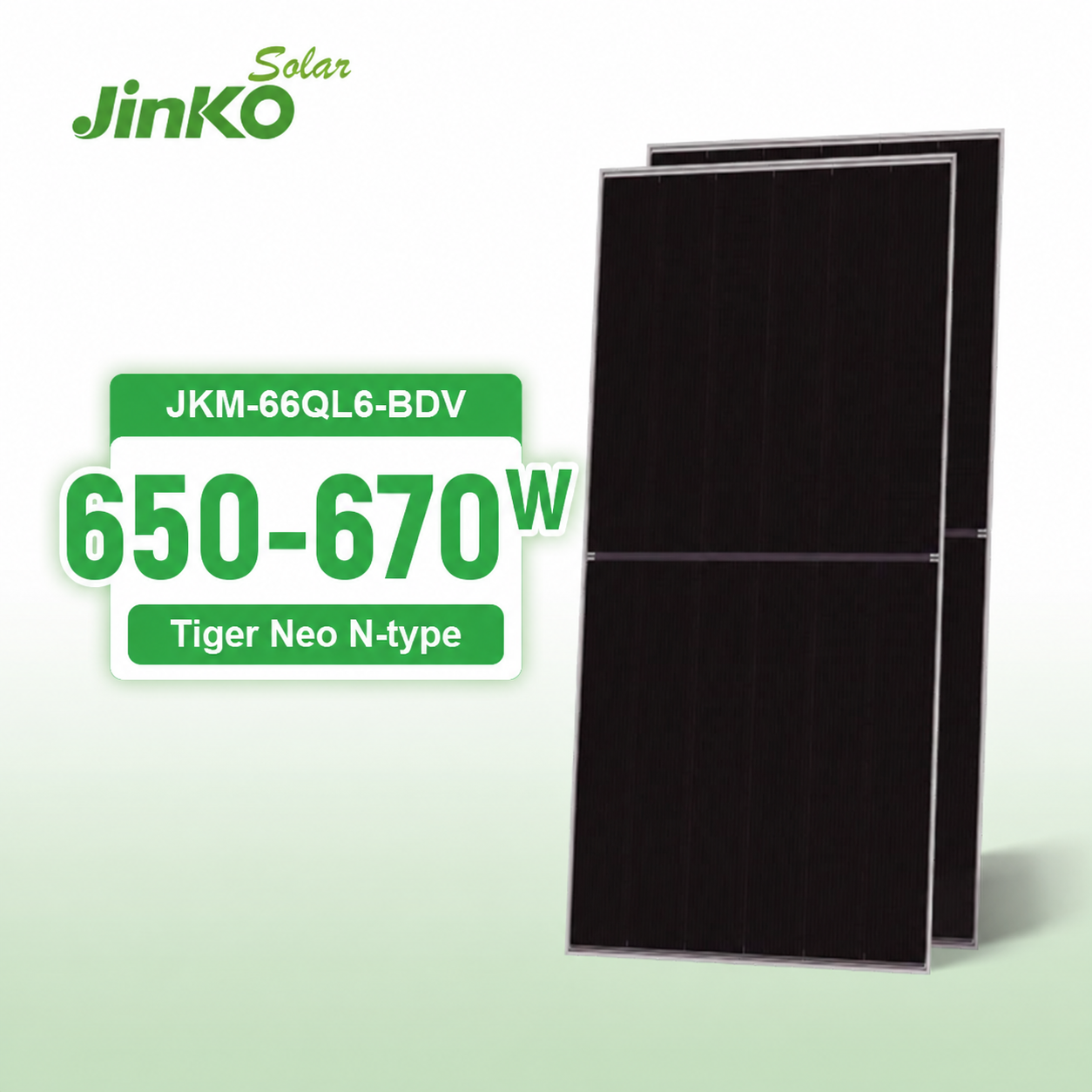
Industrial N-Type
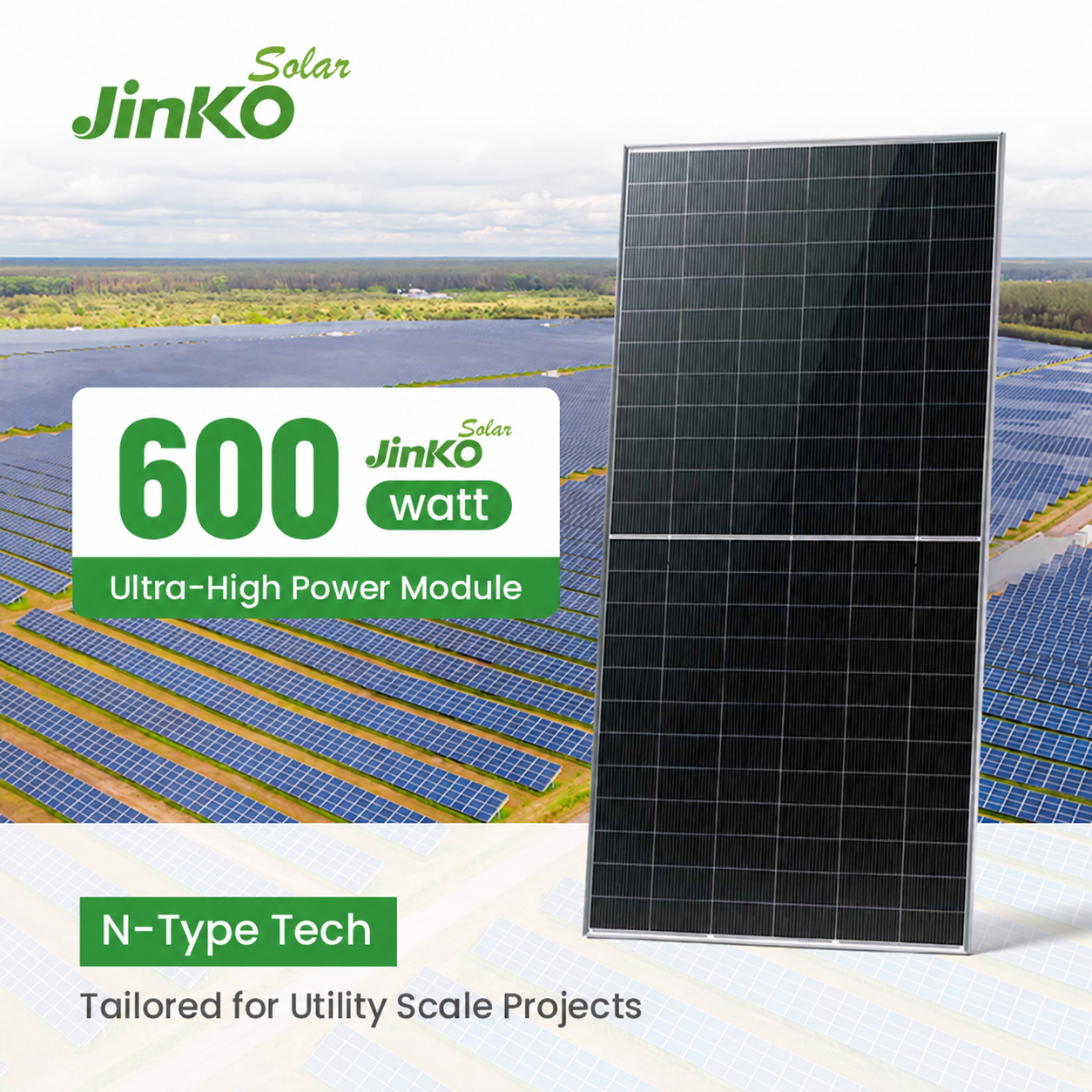
600W Max
Dual Glass
TOPCon
Pre-inspected Tier-1 solar panels and integrated battery systems matching Spanish Town commercial, industrial, and microgrid requirements with CAN/RS485 handshake validation.
Deploying solar energy storage in Spanish Town requires balancing upfront procurement economics, continuous thermal loading, and rigorous discharge curves under erratic grid conditions.
Hangzhou VOLT’s lithium iron phosphate modules incorporate prismatic Grade-A automotive cells paired with programmable Battery Management Systems (BMS). Specifically designed for heavy daily cycling in urban St. Catherine.
For rural perimeter installations, telecommunications standby, and cost-sensitive off-grid farms around the Rio Cobre Basin, VOLT deep-cycle GEL batteries deliver exceptional tolerance against float-charge drift and partial state of charge (PSoC).
The core barrier faced by Spanish Town installers is communication mismatch causing inverters to trip into open-loop voltage sensing. VOLT pre-configures DIP switches, baud rates, and cable pinouts for plug-and-play integration before container dispatch.
| Performance Parameter | VOLT ANTOFO LiFePO4 Rack/Wall Mount | VOLT Deep-Cycle Heavy GEL Battery | Conventional Wet Lead-Acid |
|---|---|---|---|
| Cycle Life (80% DoD @ 25°C) | 6,000+ Cycles | 1,200 - 1,500 Cycles | 350 - 500 Cycles |
| Operating Thermal Tolerance | -10°C to 55°C (Internal BMS Sensor) | -20°C to 50°C (Stable Gel Matrix) | 0°C to 40°C (High Acid Evaporation) |
| Round-Trip Energy Efficiency | 95% to 98% | 82% to 85% | 70% to 75% |
| Usable Depth of Discharge (DoD) | 90% Nominal without degradation | 50% Standard (Up to 70% emergency) | 50% Strict Maximum |
| Shipping Classification (IMO/IMDG) | Class 9 Hazmat (UN38.3 Certified) | Non-Spillable / Non-Hazardous | Class 8 Corrosive Liquid |
| BMS Protocol Handshake | CAN Bus / RS485 Native to Deye & Growatt | N/A (Voltage Curve Dependent) | N/A (Manual Float Calibration) |
From industrial facilities along the Nelson Mandela Highway to residential estates in Angels and rural agricultural hubs, energy independence in Jamaica requires purpose-built engineering.
Spanish Town serves as the pivotal distribution axis connecting Kingston to the central interior. Warehouses, light factories, and bottling works face heavy demand charges and high JPS tariffs exceeding $0.35/kWh.
Caribbean tropical storms and Category 4+ hurricanes (such as Hurricane Beryl) routinely cripple overhead power infrastructure for weeks. Homeowners need systems capable of sustained off-grid islanding.
Farming clusters around Spanish Town cultivating vegetables, citrus, and poultry rely heavily on continuous borehole pumping and chilled cold rooms. Grid outages quickly spoil harvests.
Understanding local regulatory structures, fiscal incentives, and maritime supply chains gives Jamaican project developers an unmatched financial advantage.
Under Jamaica’s National Energy Policy, approved renewable energy components qualify for exemption from Common External Tariff (CET) import duties and General Consumption Tax (GCT). Importers in Spanish Town work with the Ministry of Science, Energy, Telecommunications and Transport (MSETT) to certify shipments prior to Kingston harbor clearance.
Hangzhou VOLT provides itemized commercial invoices with exact HS Codes (8507.60 for LFP batteries, 8504.40 for inverters, 8541.43 for PV modules) ensuring seamless customs classification.
Jamaica Public Service electricity invoices consist of a base rate combined with a volatile Fuel & Independent Power Producer Charge (FIPPC) tied directly to global crude prices. With localized kilowatt-hour costs persistently fluctuating between $0.28 and $0.42 USD, private energy storage yields a rapid payback of 3.2 to 4.5 years for commercial operations across St. Catherine.
Investing in durable 6,000-cycle LFP systems lowers the Levelized Cost of Storage (LCOS) to below $0.07 USD/kWh cycled.
Spanish Town is situated just 20 kilometers west of the Port of Kingston (Kingston Freeport Terminal / Kingston Wharves). Cargo routed via major shipping lines (COSCO, CMA-CGM, Maersk) lands directly in Kingston before moving swiftly down the Nelson Mandela Highway corridor without intermediate inland re-handling.
Consolidating containers with mixed loads of Jinko modules, Deye inverters, and VOLT storage racks slashes ocean freight costs per watt significantly.
System integrators lose margin when batteries fail to communicate with inverters, or cargo is delayed due to missing dangerous goods certifications. Our pre-shipment validation eliminates those risks.

Every single battery order undergoes live testing with the client's chosen inverter model. We confirm CAN/RS485 baud rates, custom wiring crimps, and firmware profiles before crating.

Exporting lithium batteries to Kingston requires strict UN38.3 compliance, explosion-proof pressure relief valves, certified outer cardboard wooden cases, and comprehensive MSDS dossiers.
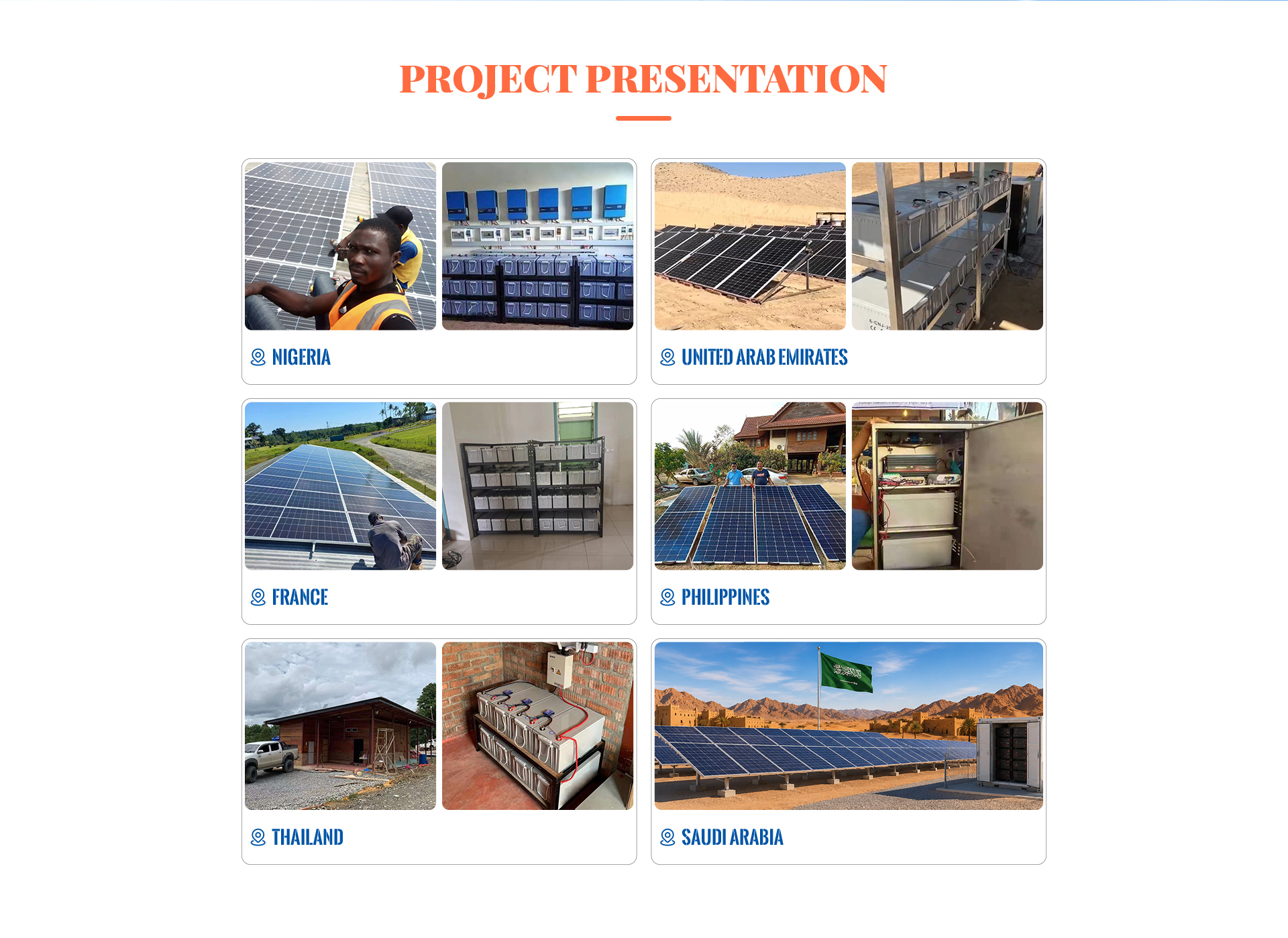
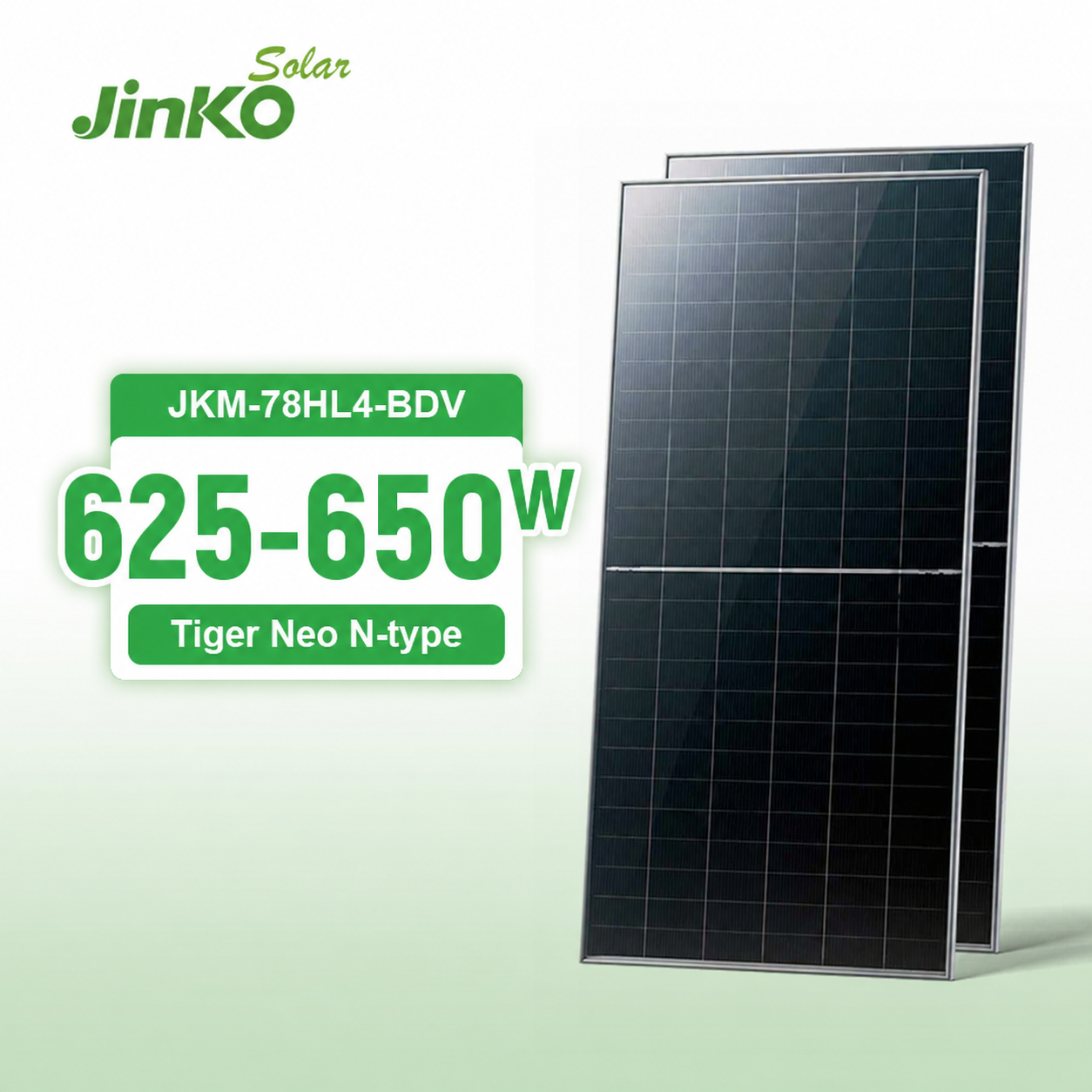
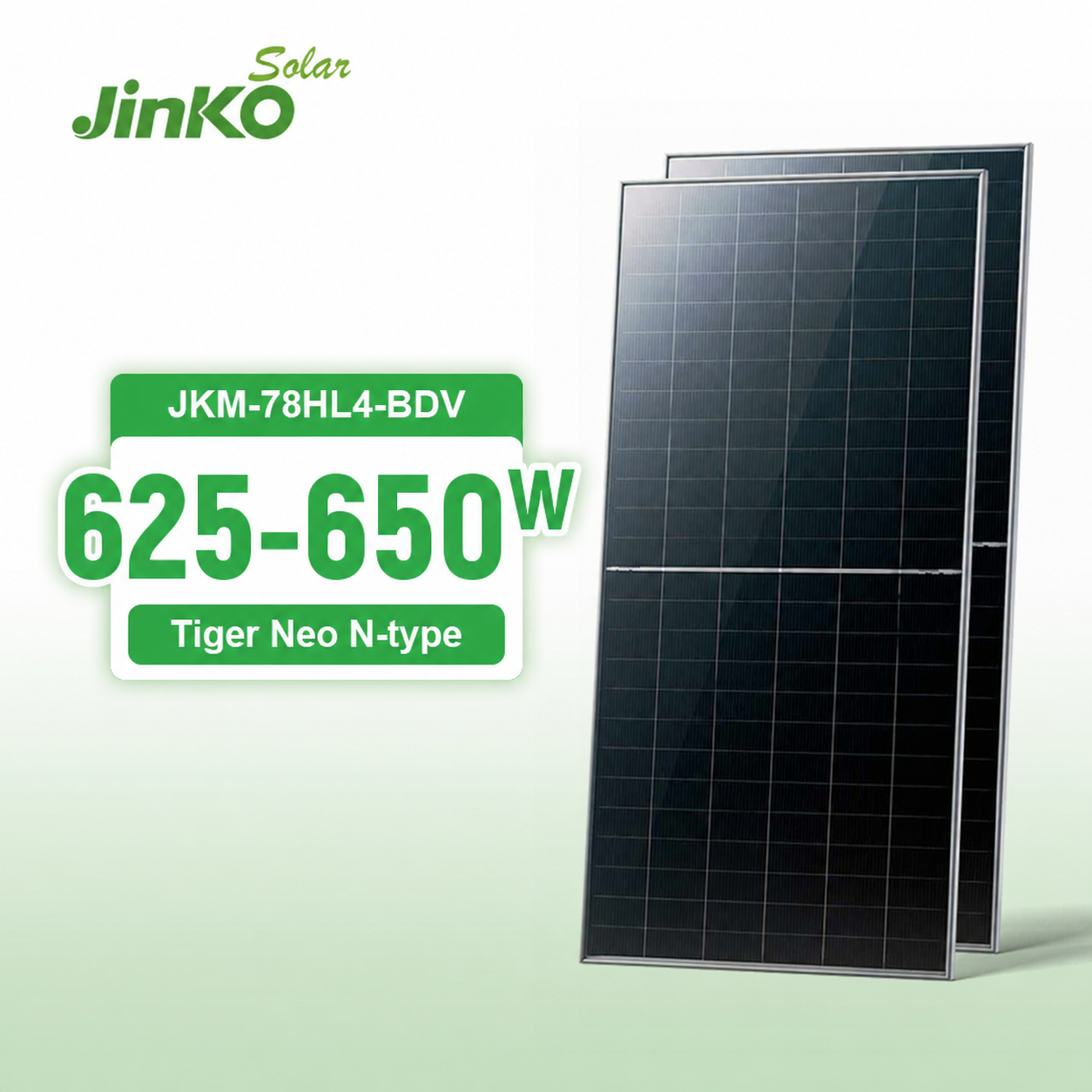
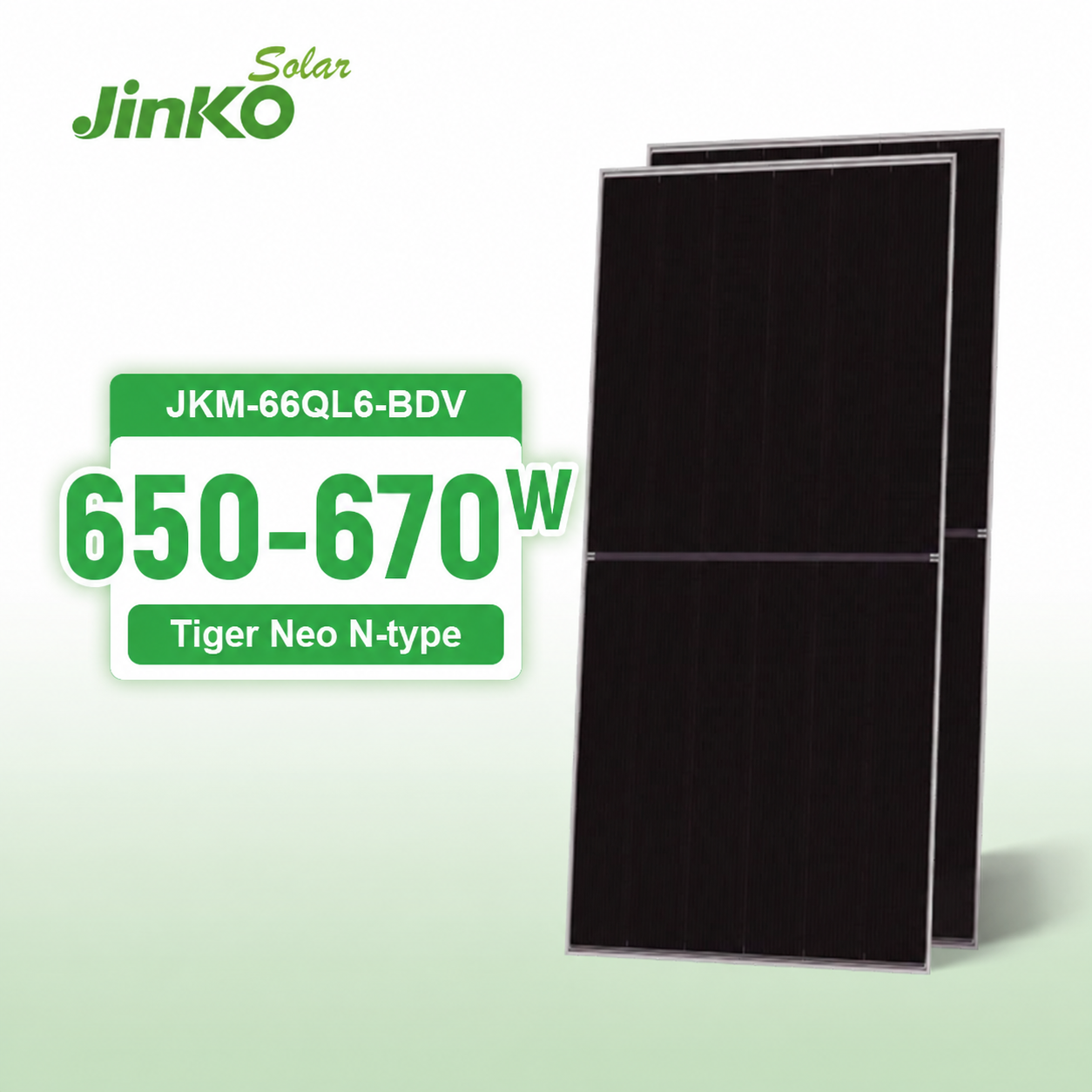
Save shipping overhead by consolidating high-efficiency Jinko N-Type panels, Deye hybrid inverters, and VOLT LFP battery modules into one balanced, structurally braced 20GP or 40HQ container.

Compliant with IEC 62619, IEC 61215, CE, and UL 1973 standards. Certified test reports facilitate expedited clearance with the Jamaica Customs Agency and local municipal inspectors.
Practical answers addressing import logistics, high-ambient heat longevity, customs documentation, and warranty administration for B2B buyers.
Lithium Iron Phosphate (LiFePO4) is the safest chemistry for tropical climates, with a thermal runaway point exceeding 270°C. While continuous ambient heat of 32°C–36°C can accelerate cell aging in standard batteries, VOLT LFP batteries feature internal aluminum heat sinks, programmable thermal cutoffs, and smart cell balancing. Installed in a ventilated or shaded room, our cells retain 80%+ capacity after 10+ years of daily cycling.
Yes. That is our primary competitive service. We consolidate Tier-1 Jinko TOPCon modules, matched Deye hybrid inverters, VOLT LFP or GEL battery packs, mounting rails, and DC disconnects into a single factory-inspected container. This lowers freight costs per watt and ensures all components arrive with pre-tested wiring harnesses and matching communication protocols.
To support your customs broker and ensure duty concessions through MSETT and the Jamaica Customs Agency, we supply itemized Commercial Invoices with designated HS codes, Packing Lists detailing net/gross cell weights, Bill of Lading (B/L), UN38.3 Lithium Battery Safety Test Reports, Material Safety Data Sheets (MSDS), and Certificate of Origin (C/O) documentation.
Before packing, our technicians connect your ordered battery bank to your specified inverter model on our testing line. We select the correct protocol profile (e.g., Deye CAN protocol 00), test the closed-loop communication handshake, confirm charge/discharge parameters, and label each communication cable pinout to guarantee immediate plug-and-play installation on site.
All units are tagged with unique traceable serial numbers. In the rare event of a component failure, we conduct remote diagnosis via inverter data logs. Rather than requiring the physical return of heavy battery packs to China, we provide replacement BMS modules, balancing boards, or complete battery packs directly shipped with your next order or via express air courier.
Ocean freight from Ningbo or Shanghai to Kingston Freeport Terminal typically averages 30 to 42 calendar days depending on shipping route and transshipment hubs (such as Panama or Cartagena). Once cleared at Kingston Wharves, transit to Spanish Town warehouses via the Mandela Highway takes less than two hours.
Send our senior engineering team your target project capacity (kWh), inverter preference, and container volume. We will return an itemized quote, wiring layout, and customs documentation checklist within 24 hours.