Industrial Energy Storage • Alborz Province Distribution

Colloidal Battery Supplier & Suppliers for Karaj

Precision-Engineered Deep Cycle GEL & Colloidal Energy Storage Systems Matched with Tier-1 PV Arrays and Hybrid Inverters for Iranian Industrial, Telecom, and Commercial Microgrids

Engineered Resilience for Alborz

Turnkey Colloidal & PV Power Components for Karaj Infrastructure

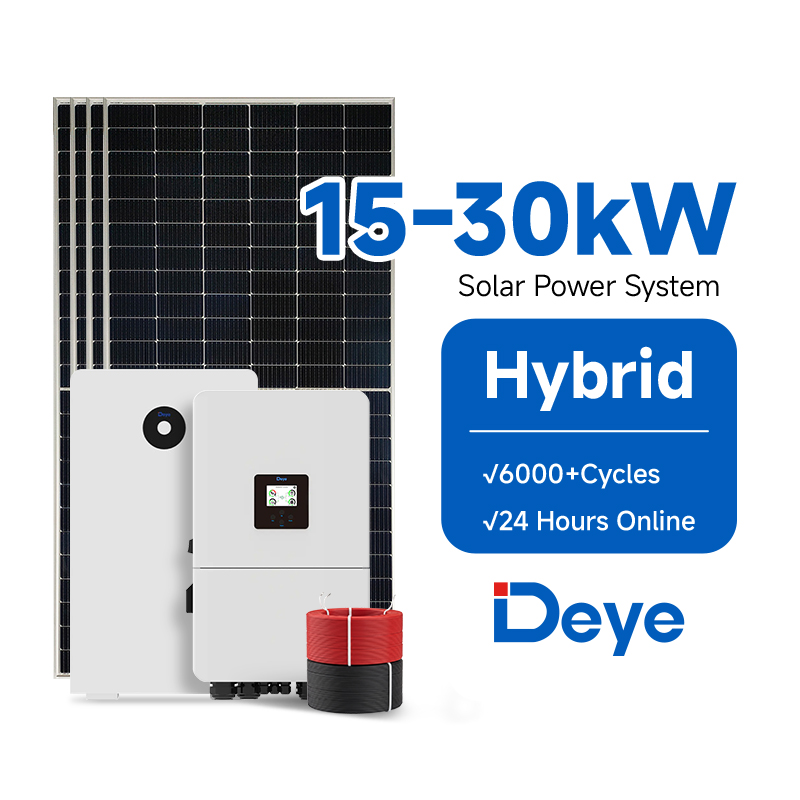
Every industrial plant in Simin Dasht, data rack along the Karaj–Qazvin expressway, and alpine agricultural greenhouse across Hashtgerd requires high thermal tolerance and verified electrical compatibility. Explore our coordinated lineup of high-efficiency N-Type solar panels, Deye low-voltage hybrid inverters, and heavy-duty colloidal storage banks.

Inquire Now
Engineering Analysis • Semantic Whitepaper

Electrochemical Superiority of Colloidal (Gel) Batteries in Karaj's Semi-Arid, High-Altitude Climate

Industrial installations in Karaj—situated at an elevation of over 1,300 meters along the southern foothills of the Central Alborz mountains—operate under demanding thermodynamic extremes. Conventional flooded lead-acid and standard AGM batteries face premature dry-out, thermal runaway, and rapid positive plate corrosion when subjected to summer ambient peaks exceeding 42°C alongside chronic power-shedding cycles. Colloidal gel chemistry provides the decisive electrochemical barrier against these specific degradation mechanisms.

Unlike standard absorbent glass mat (AGM) cells where liquid sulfuric acid is held within fine micro-fiberglass separators, a colloidal battery (frequently designated as a nanogel or fumed-silica gel battery) features an immobilized, thixotropic electrolyte matrix. Premium fumed silica (SiO2) is homogeneously blended with sulfuric acid during the vacuum-filling phase. Upon stabilization within the container, this mixture forms a 3-dimensional physical cross-linked gel network. In high-demand solar energy storage systems across the Alborz Province, this structural immobilization delivers distinct operating virtues:

Elimination of Acid Stratification

During partial-state-of-charge (PSoC) operation—common when Iranian factories endure 4-to-8-hour rotating blackouts without full recharging opportunities—standard battery acid separates by density, concentrating heavily at plate bottoms. The thixotropic colloidal network permanently holds the electrolyte in uniform concentration from top to bottom, preventing base-plate corrosion and sulfur deposition.

Immunity to Thermal Runaway

Unconditioned outdoor battery cabinets and rooftop electrical rooms in Karaj reach temperatures upwards of 45°C in mid-summer. Colloidal gel possesses a heat capacity substantially higher than liquid-starved AGM systems. The entire gel volume behaves as an efficient thermal sink, transferring exothermic charging heat directly to the thick ABS housing walls and preventing catastrophic container swelling.

Sub-Zero Dynamic Recovery

During harsh Alborz winter cold snaps, temperatures around Karaj, Taleghan, and higher industrial estates plunge to -10°C to -15°C. In flooded batteries, diluted electrolyte freezes and shatters active grids. Colloidal gel retains micro-porous channels through which ionic diffusion continues even at -20°C, preventing crystal expansion damage and guaranteeing uninterrupted cold-cranking and power-reserve discharge.

Chemical Formulation & Heavy-Duty Grid Metallurgy

Our colloidal deep-cycle series supplied to Karaj EPCs and contractors uses high-tin, low-calcium lead alloy grids (Pb-Ca-Sn-Al). Lead-antimony alloys commonly found in locally assembled flooded units suffer from intense internal water loss and self-discharge rates reaching 1% per day. Our low-calcium formula throttles self-discharge to less than 1.5% per month at 25°C, providing vital shelf-life security for Iranian import logistics across Bandar Abbas or overland northern freight channels.

Electrochemical Parameter Standard Flooded Lead-Acid Standard VRLA / AGM Fumed Silica Colloidal GEL
Electrolyte Physical State Free liquid sulfuric acid (stratifies) Absorbed in micro-glass fleece Thixotropic Fumed Silica Gel
Deep Discharge Cycles (50% DoD) 400 – 600 cycles 500 – 750 cycles 1,200 – 1,600 cycles
PSoC (Partial State of Charge) Life Poor (Rapid plate sulfation) Moderate (Vulnerable to dry-out) Superior (Resists crystallizing)
Operating Temperature Window -5°C to +40°C (Requires water checks) -15°C to +45°C (Prone to swelling) -25°C to +55°C (Stable thermal sink)
Electrolyte Leakage / Gassing High corrosive mist emission Very low (Self-resealing valve) Zero emission / Hermetic seal
Maintenance Requirement Distilled water refills every 30 days Maintenance-free 100% Maintenance-Free Seal
Critical Regional Implementations

Tailored Colloidal Battery Deployments Across Karaj & Alborz Hubs

Karaj is not merely a residential satellite of Tehran; it is an industrial titan harboring thousands of active manufacturing plants, high-yield agricultural belts, and strategic transport networks connecting central Iran with the northwest border corridors. Here is how our supplied energy solutions resolve distinct local operational vulnerabilities.

Simin Dasht & Eshtehard Industrial Parks

Frequent summer power rationing disrupts plastic extrusion lines, chemical synthesis, and precision CNC machinery in Alborz industrial complexes. Sizing our 12V 200Ah or 250Ah colloidal batteries in 48V/96V configurations alongside Deye Low-Voltage Hybrid Inverters (5kW to 30kW) gives automated facilities immediate, smooth sub-4ms transfer to reserve power, safeguarding valuable machinery without relying on diesel generators for short interruptions.

Alborz Alpine Telecom & Microwave Relays

Cell towers and digital transmission relays perched along the Karaj–Chalus corridor endure sub-zero blizzards, isolated access roads, and erratic utility feeds. Flooded batteries dry out or freeze, while lithium modules often demand supplemental heating blankets. Our deep-cycle colloidal gel packs maintain stable cyclic discharges down to -20°C without auxiliary heating, assuring continuous communication signals for emergency and transit infrastructure.

Hashtgerd & Chaharbagh Agri-Cold Chains

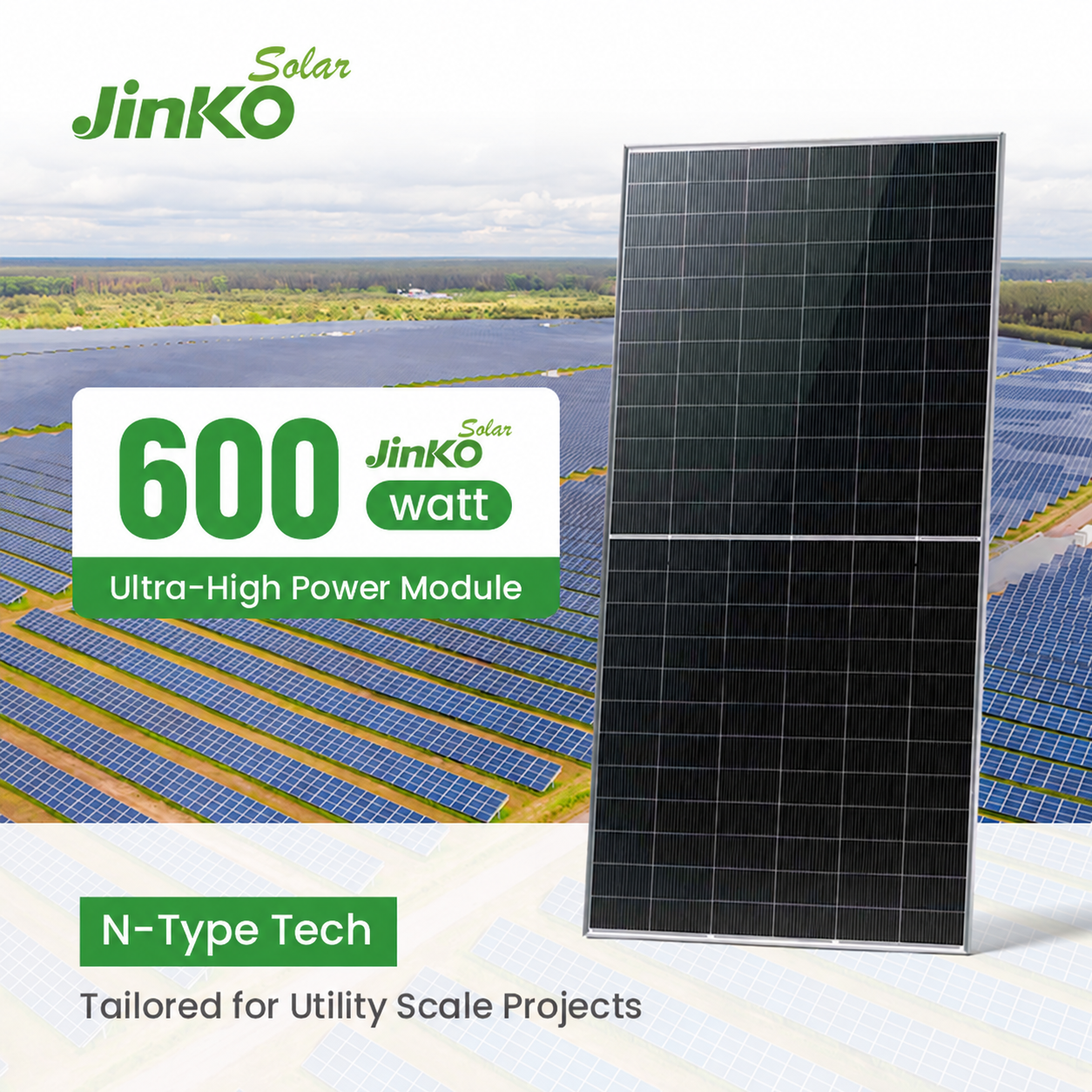
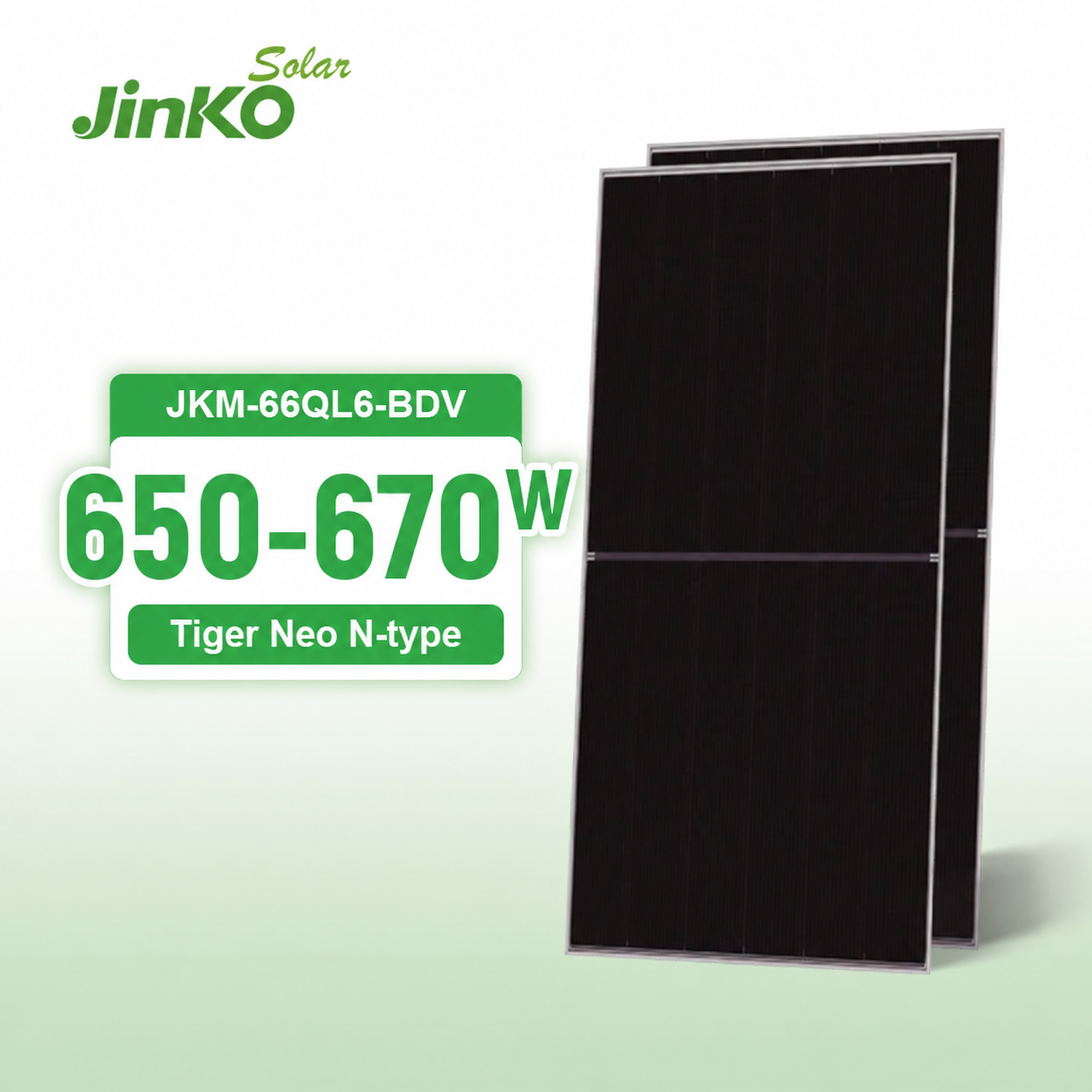
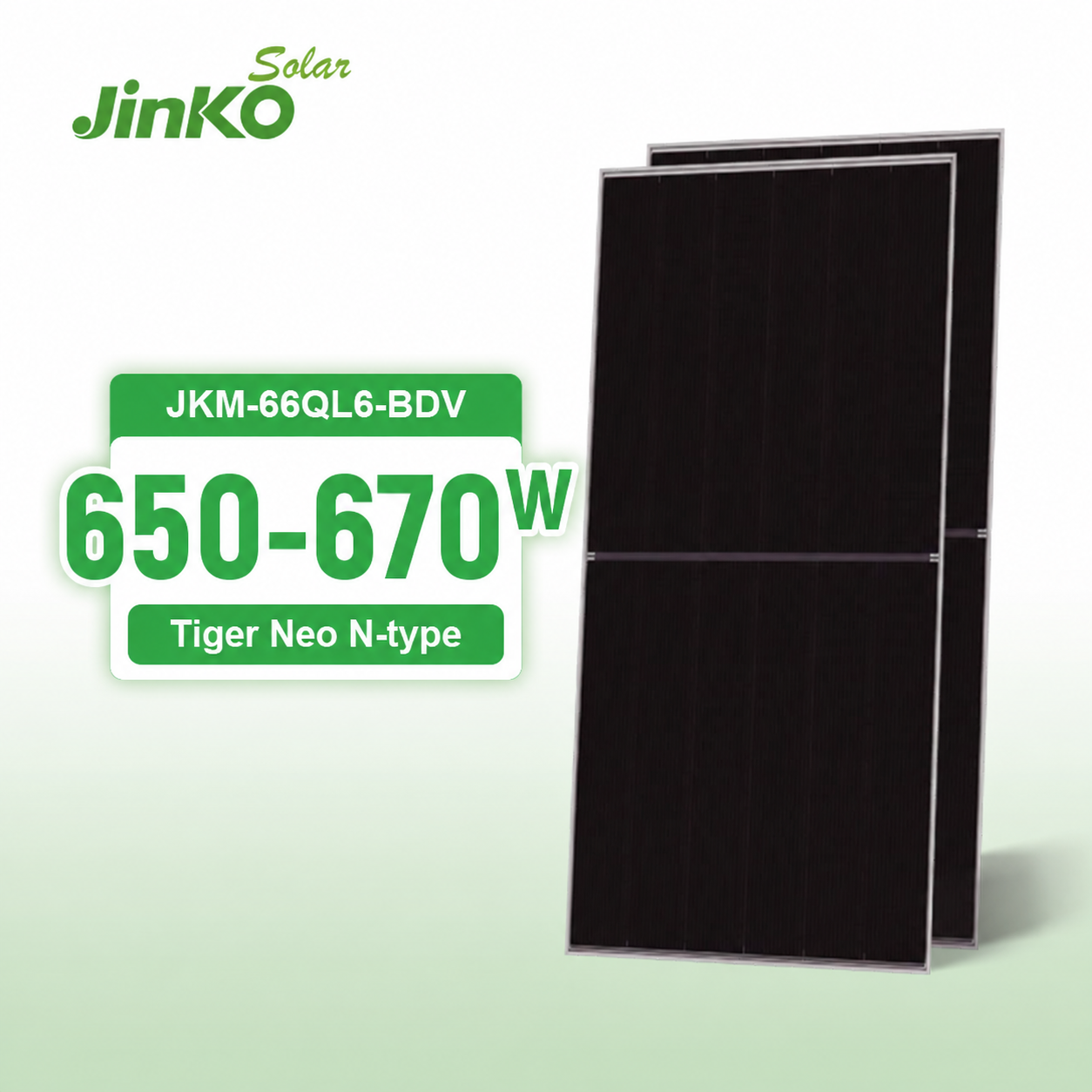
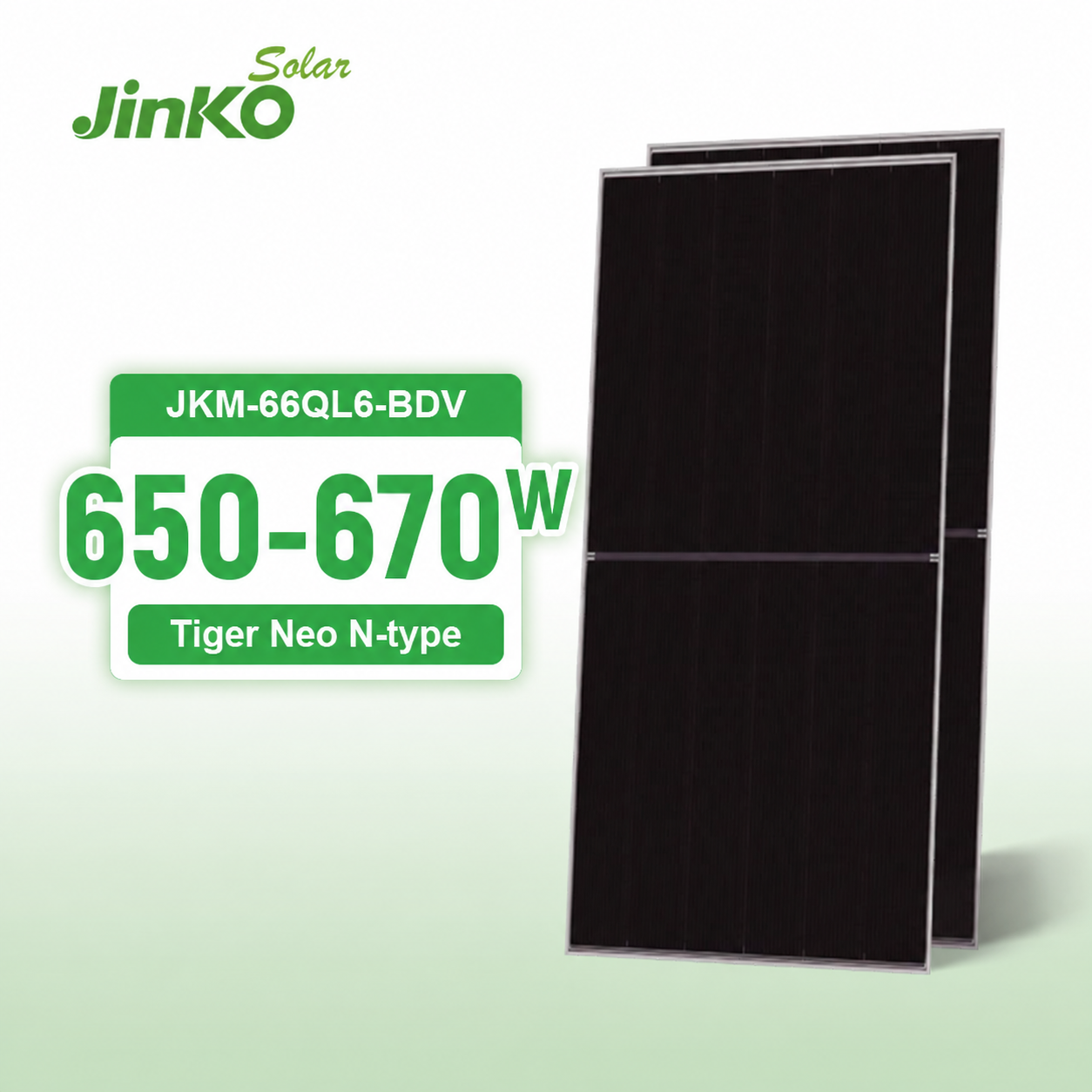
Alborz Province produces significant floral, orchard, and mushroom yields requiring climate-controlled greenhouses and refrigerated pack-houses. Power dips cause rapid temperature swings that damage perishable crops. Pairing Jinko 650W TOPCon Bifacial Solar Panels with colloidal battery storage banks provides reliable backup for circulation pumps, ventilation motors, and automated nutrient delivery independent of peak grid tariffs.

Mehrshahr & Kordan Villa Energy Systems

The exclusive residential and villa districts around Mehrshahr and Kordan feature large private properties with significant loads, including pool filtration systems, security rings, and high-capacity air conditioning. Property owners choose colloidal energy systems coupled with dual-glass solar arrays for noiseless, zero-fume operation that seamlessly covers recurring neighborhood grid outages without the noise, smells, and maintenance of diesel engines.

Strategic Energy Outlook

Macroeconomic Trends Reshaping Energy Storage Adoption in Karaj (2025–2030)

The intersection of national energy reforms, utility capacity limitations, and renewable mandates is transforming how Alborz enterprise leaders and EPC project managers approach distributed electrical storage.

SATBA Mandates & Industrial Solar Quotas

Under Renewable Energy and Energy Efficiency Organization (SATBA) regulations, large industrial power consumers across Iran are encouraged to supply a rising percentage of their electrical demand via self-generation or face escalating peak surcharges. Deploying high-output bifacial modules with deep-cycle colloidal reserves lets Alborz enterprises hit clean energy targets while ensuring operational continuity.

Fossil Fuel Disincentives & Gen-Set Replacement

Diesel fuel allocations for auxiliary generators are subject to stricter oversight and rising real costs. The amortized operating cost of diesel units—factoring in fuel filtration, crankcase maintenance every 250 hours, and noise-muffling compliance—far exceeds a solar hybrid colloidal installation amortized over 1,200 deep cycles.

Capital-Efficient Storage (Colloidal vs. LFP)

While Lithium Iron Phosphate (LiFePO4) offers elevated energy density, colloidal batteries avoid complex battery management system (BMS) communications failures and costly initial balance-of-system setups. For stationary backup installations with ample ground space or battery rooms, colloidal gel delivers the lowest capital expense per kilowatt-hour available today.

100+
Global Export Markets
< 4ms
Inverter UPS Switchover
1,400+
Colloidal Cycles at 60% DoD
24h
Engineering Support Turnaround
Direct Answers for Importers

Frequently Asked Questions: Sourcing Colloidal Batteries for Karaj

Clear, practical guidance addressing the logistical, technical, and regulatory questions Iranian solar distributors, EPC contractors, and factory engineers encounter when ordering from Hangzhou VOLT New Energy.

What makes colloidal (gel) batteries safer and more practical for Karaj factories than flooded lead-acid models?
Flooded lead-acid batteries emit flammable hydrogen and corrosive sulfuric acid fumes during charging, requiring specialized, well-ventilated battery rooms with dedicated exhaust scrubbers. Furthermore, they demand monthly distilled water replenishment—a process easily neglected during peak production cycles. Colloidal batteries utilize sealed valve-regulated recombinant technology: oxygen produced at the positive plate diffuses through micro-fissures in the gel to the negative plate, where it recombines into water with over 99% internal efficiency. This creates an entirely maintenance-free, non-spillable battery that can safely sit inside machinery halls, server rooms, and basements without venting toxic vapors.
How does summer heat in Alborz affect battery cycle life, and how is it mitigated?
According to Arrhenius's rule, the rate of internal electrochemical reaction doubles—and service life is cut in half—for every 10°C elevation in operating temperature above 25°C. In standard AGM batteries, dry-out is rapid because the small volume of liquid electrolyte quickly evaporates through safety vents. Our colloidal gel series incorporates substantial excess electrolyte volume held firmly in the silica gel matrix, protecting internal active masses against dehydration. When paired with our Deye Hybrid Inverters, the inverter’s external battery temperature sensor automatically adjusts float and absorption charge voltages downward (typically -3mV to -5mV/°C/cell), preventing high thermal currents and keeping cells in prime condition through hot spells.
How are shipments transported to Karaj, and what shipping documents are provided?
Shipments originate from our consolidation logistics facilities in Ningbo and Shanghai. Ocean cargo is booked to the Port of Shahid Rajaee (Bandar Abbas), from where consignees use bonded trucking corridors northward across Tehran directly into Alborz customs zones (such as Payam Special Economic Zone or Karaj West Customs). Unlike Lithium Iron Phosphate batteries which ship under strict Class 9 Dangerous Goods (UN3480) maritime regulations, our sealed colloidal gel batteries are certified under Special Provision A67 / Non-Spillable classifications, facilitating smoother shipping and reduced transit costs. We provide commercial invoices, packing lists, clean bills of lading, Certificates of Origin (CO), and manufacturer-issued MSDS testing documentation.
Can we mix-load solar panels, inverters, and colloidal batteries in one container?
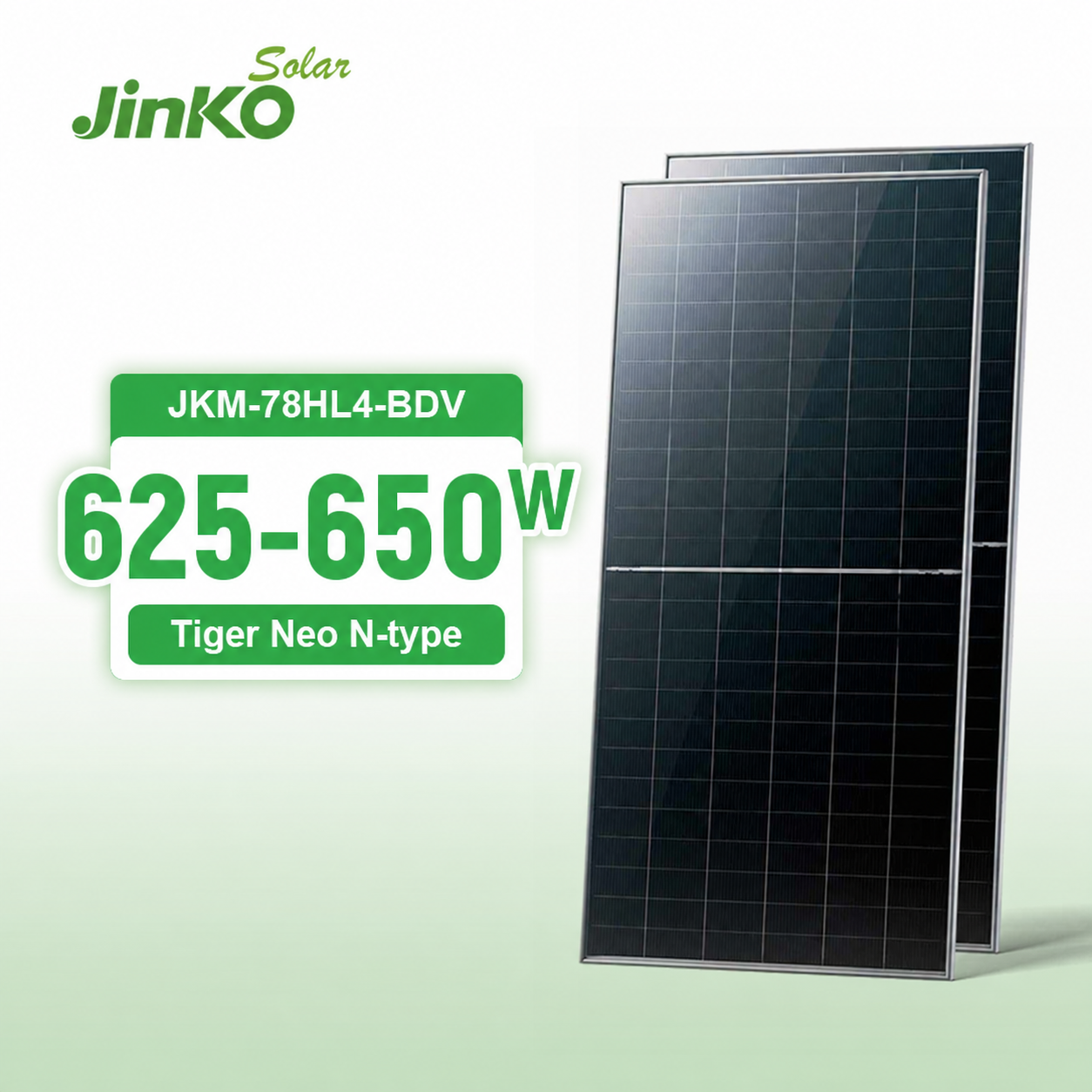
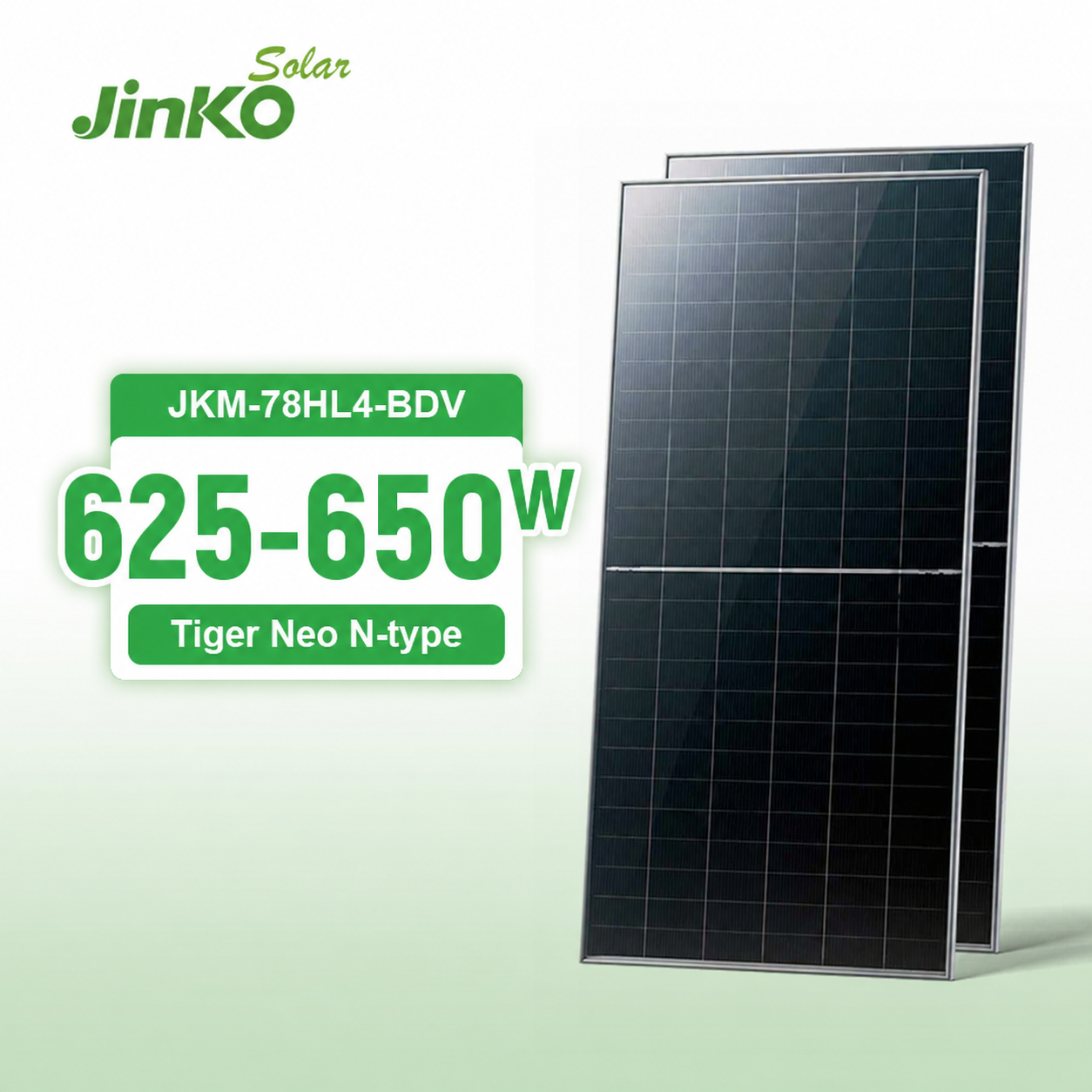
Yes. Consolidated container shipments are our primary logistical specialty. Importers in Iran often face unnecessary overhead when ordering panels from one supplier, inverters from another, and batteries from a third. Hangzhou VOLT New Energy consolidates pallets of Jinko 600W–650W TOPCon Bifacial Panels, Deye Hybrid Inverters (5kW–30kW), and matched banks of 12V colloidal storage inside single 20ft or 40ft HQ sea containers. This consolidation minimizes overall freight fees, avoids mismatched arrivals, and guarantees full electrical compatibility out of the box.
What charging parameters should be configured on Deye inverters for colloidal gel banks?
Colloidal gel batteries require precise voltage thresholds to prevent over-gassing while achieving full active mass saturation. For a nominal 48V bank (composed of four 12V colloidal batteries in series), the Deye inverter should be set to "Lead-Acid / GEL Mode" with an Absorption/Equalization voltage of 56.4V to 56.8V (14.1V–14.2V per 12V unit) and a Float voltage of 54.0V (13.5V per 12V unit). Equalization frequency should be set to once every 60–90 days with a restricted duration of 1 to 2 hours. Maximum charge current should be limited to 0.15C to 0.20C (e.g., 30A–40A for a 200Ah battery bank) to prevent premature drying of the gel structure.
How does Hangzhou VOLT verify component compatibility and quality before shipment?
Every production lot undergoes rigorous multi-step inspection before palletizing: open-circuit voltage (OCV) matching, internal impedance analysis with automated milliohm meters to ensure balance across series cells, and high-rate discharge sampling. Inverters and batteries ordered together undergo protocol mapping tests to verify voltage limits and cutoff signals before export packing, preventing difficult troubleshooting on remote job sites.
Hangzhou VOLT New Energy

Why International B2B Buyers & Iranian Integrators Rely on Us

As an experienced solar trading company and system integrator based in Hangzhou, Zhejiang, we streamline clean energy imports, engineering coordination, and multi-component logistics for distributors in over 100 countries.

Pre-Shipment Protocol Verification

We eliminate system mismatch issues before cargo departs China. Voltage ranges, cable pinouts, charging curves, and safety settings are confirmed between solar panels, hybrid inverters, and battery banks so your local installers in Karaj enjoy clean, problem-free first-time commissioning.

Tier-1 Consolidation & Warehousing

By coordinating direct factory shipments of authentic Jinko Solar modules, Deye hybrid/off-grid inverters, and our specialized deep-cycle colloidal lines, we give regional buyers bulk manufacturer pricing, single-point accountability, and unified ocean container logistics.

Comprehensive Engineering Backing

Our experienced solar technical team reviews your specific load requirements—from peak starting kilowatts on industrial compressors to required backup hours during regional load-shedding—and supplies full string diagrams, electrical layouts, and parameter adjustment guides within 24 hours.

Request a Matched Solar & Colloidal ESS System Quote

Provide your estimated daily kWh demand, peak surge current, and preferred inverter configuration. Our technical sales engineers will send you a matched system schematic, complete bill of materials, and direct FOB or CIF shipping plan within one business day.

Inquire Now