High-Yield Energy Storage & TOPCon PV Systems
Precision-engineered N-Type bifacial solar panels and modular containerized balance-of-plant hardware for microgrids, commercial facilities, and utility substations.
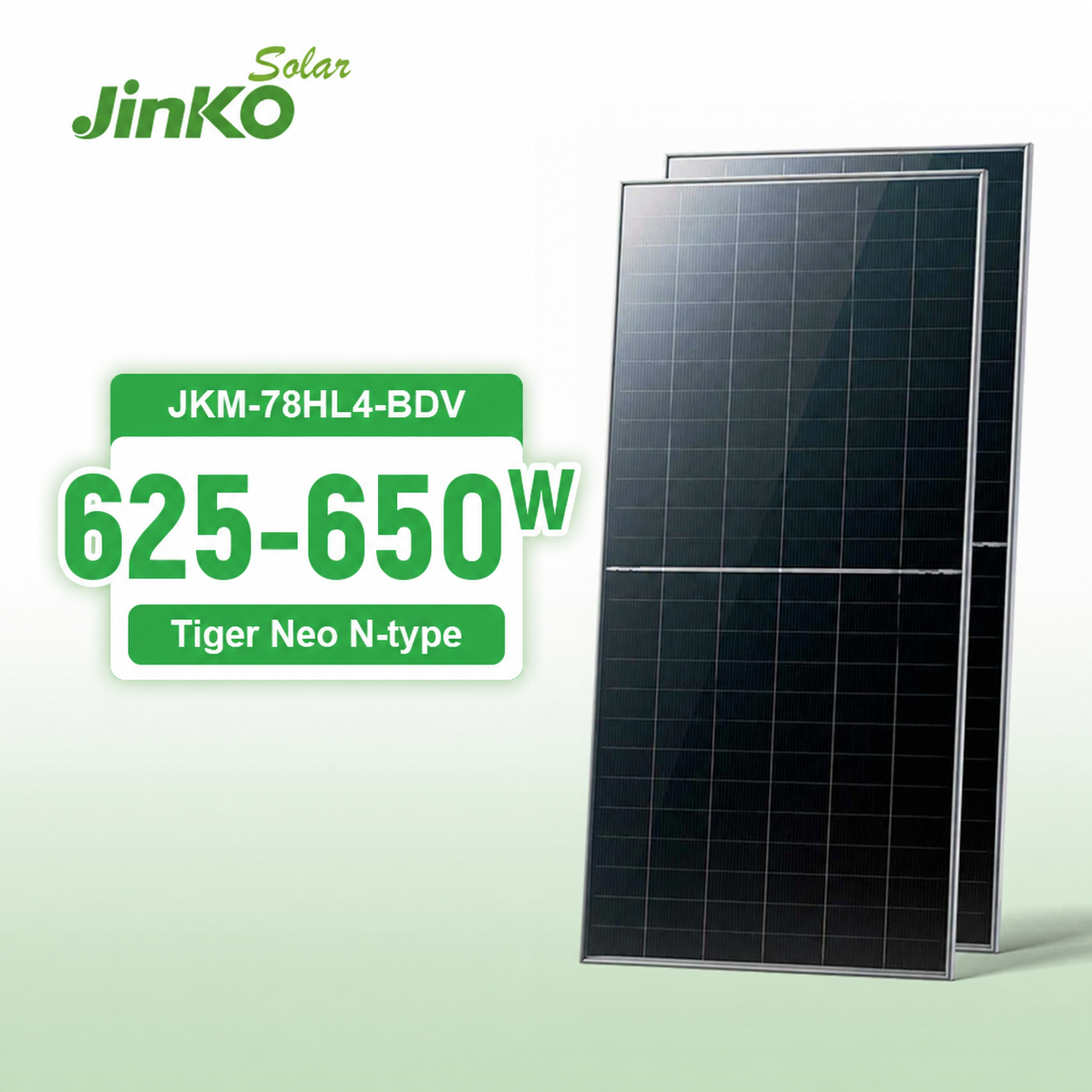
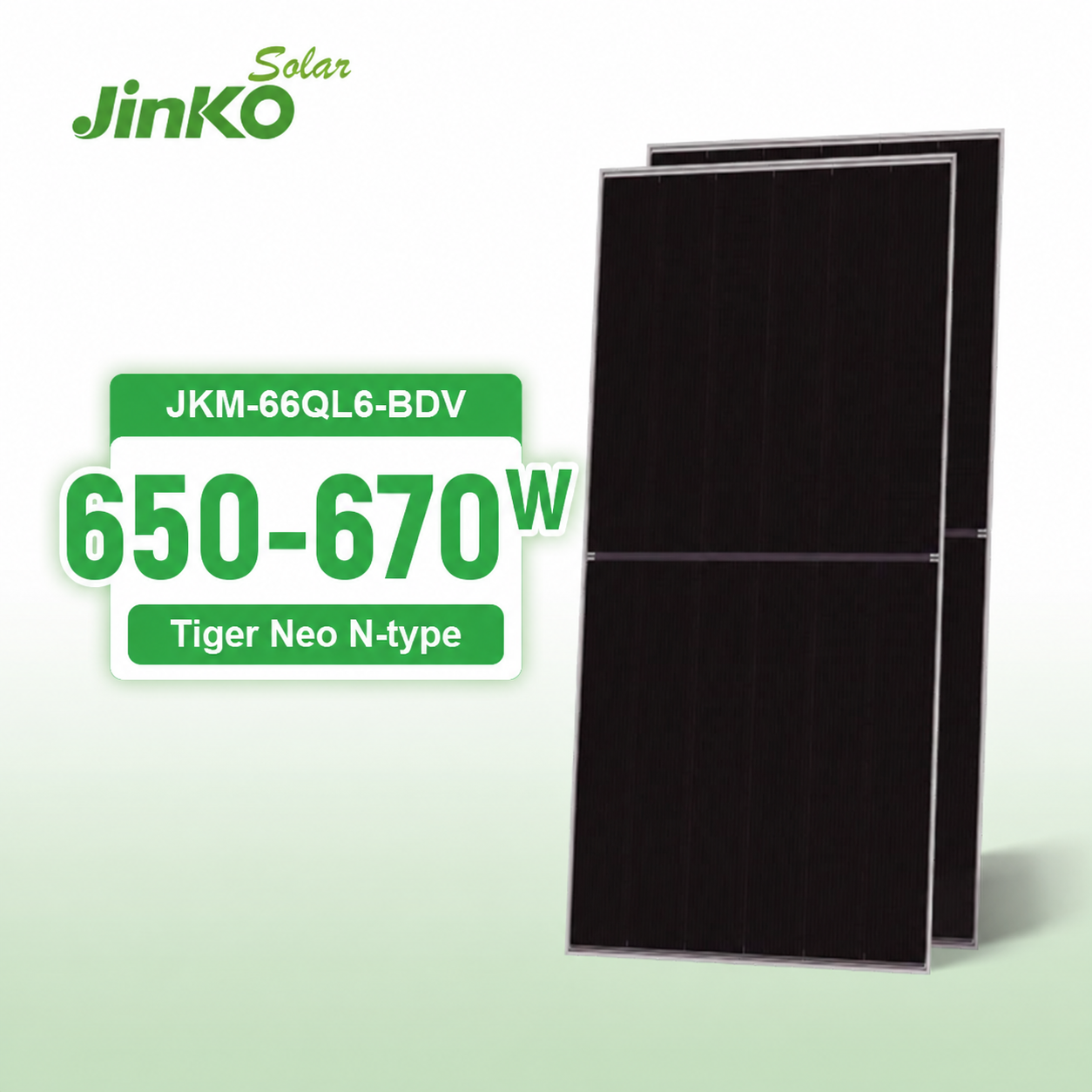
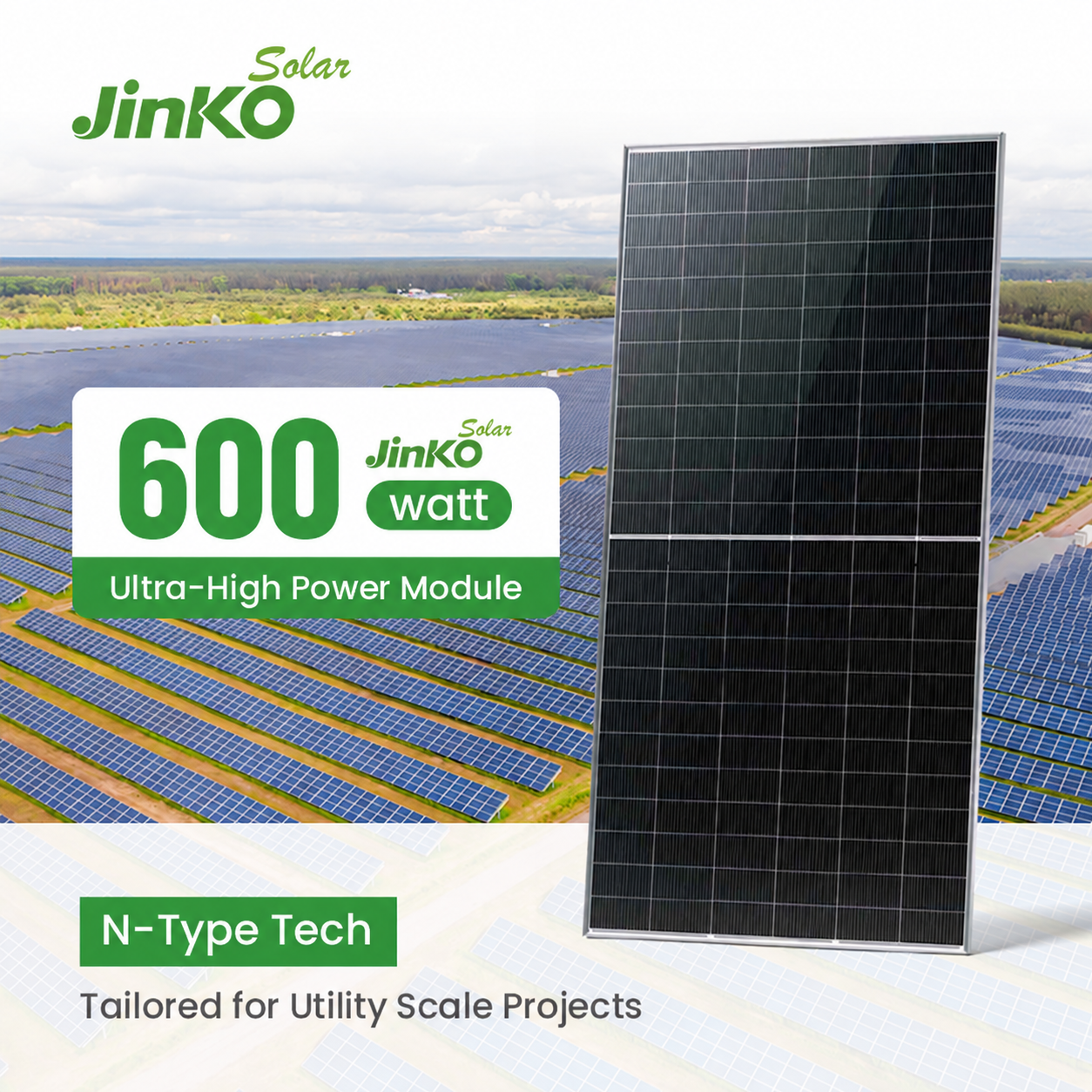
Engineering Containerized Battery Energy Storage (BESS) for Portmore & Greater Kingston
As the largest dormitory municipality in the English-speaking Caribbean, Portmore, Jamaica, stands at a precarious nexus of escalating residential power demand, expanding light industrial zones along the Dawkins Pen industrial belt, and intense exposure to maritime sub-tropical grid vulnerabilities. The local municipal network, closely coupled with the Jamaica Public Service (JPS) South Coast 138kV/69kV transmission corridor, faces distinct power quality anomalies. These include frequency excursions caused by abrupt changes in cloud cover over massive rooftop solar setups, persistent low power factor from high commercial HVAC inductive loads, and vulnerability during extreme Category 3 to 5 Atlantic hurricane seasons.
Establishing or specifying a containerized battery storage factory & factory-integrated BESS in Portmore requires abandoning generic temperate-zone container parameters. Standard 20ft and 40ft high-cube ISO shipping structures cannot endure coastal salt spray, prolonged 90%+ relative humidity, and high daytime ambient temperatures (exceeding 36°C) without specialized thermodynamic isolation and environmental safeguards. Our factory direct containerized solutions (ranging from 500kWh C&I enclosures to multi-megawatt-hour 20ft/40ft modular liquid-cooled stations) integrate Tier-1 prismatic Lithium Iron Phosphate (LiFePO4) chemistries, robust Power Conversion Systems (PCS), and industrial-grade liquid cooling chillers configured precisely for coastal tropical deployment.
ISO 12944 C5-M Marine Coating
Every BESS container built for Portmore and St. Catherine coastal zones receives heavy-duty epoxy zinc-rich primer and polyurethane topcoats tested under 1,440 hours of salt spray exposure to prevent structural corrosion from Kingston Harbour sea breezes.
Smart HVAC & Liquid Loop Cooling
Cell-to-cell temperature differentials are strictly held below 2.5°C using multi-channel water-glycol cold plates. This thermal equilibrium mitigates thermal runaway, stabilizes internal impedance, and prolongs battery lifespan beyond 6,000 standard cycles.
Four-Tier NFPA 855 Fire Suppression
Incorporates localized off-gas detection (CO, H2), aerosol or clean-agent total flooding (Novec 1230 / FM-200), integrated explosion vents, and an external direct-water injection manifold according to UL 9540 and UL 9540A large-scale fire validation test standards.
Technical Matrix: Containerized BESS Engineering Parameters
For Jamaican energy developers, EPC contractors, and private commercial enterprises (such as cold chain hubs, supermarkets, and BPO call centers in Portmore), selecting the right BESS configuration depends on cycle requirements and system capacity. The following matrix illustrates the standard factory builds available for direct export and local commissioning:
Portmore Microgrid Synchronization & Hurricane Hardening
A critical consideration for containerized battery deployment in Portmore is wind load engineering and galvanic isolation. Given Jamaica's vulnerability to severe Caribbean weather systems, all external balance-of-plant structural hardware meets or exceeds Category 5 hurricane wind velocity ratings (exceeding 160 mph / 72 m/s). This resilience is achieved through reinforced high-strength marine steel anchors, structural internal bracing, and recessed IP66-rated exterior wiring compartments.
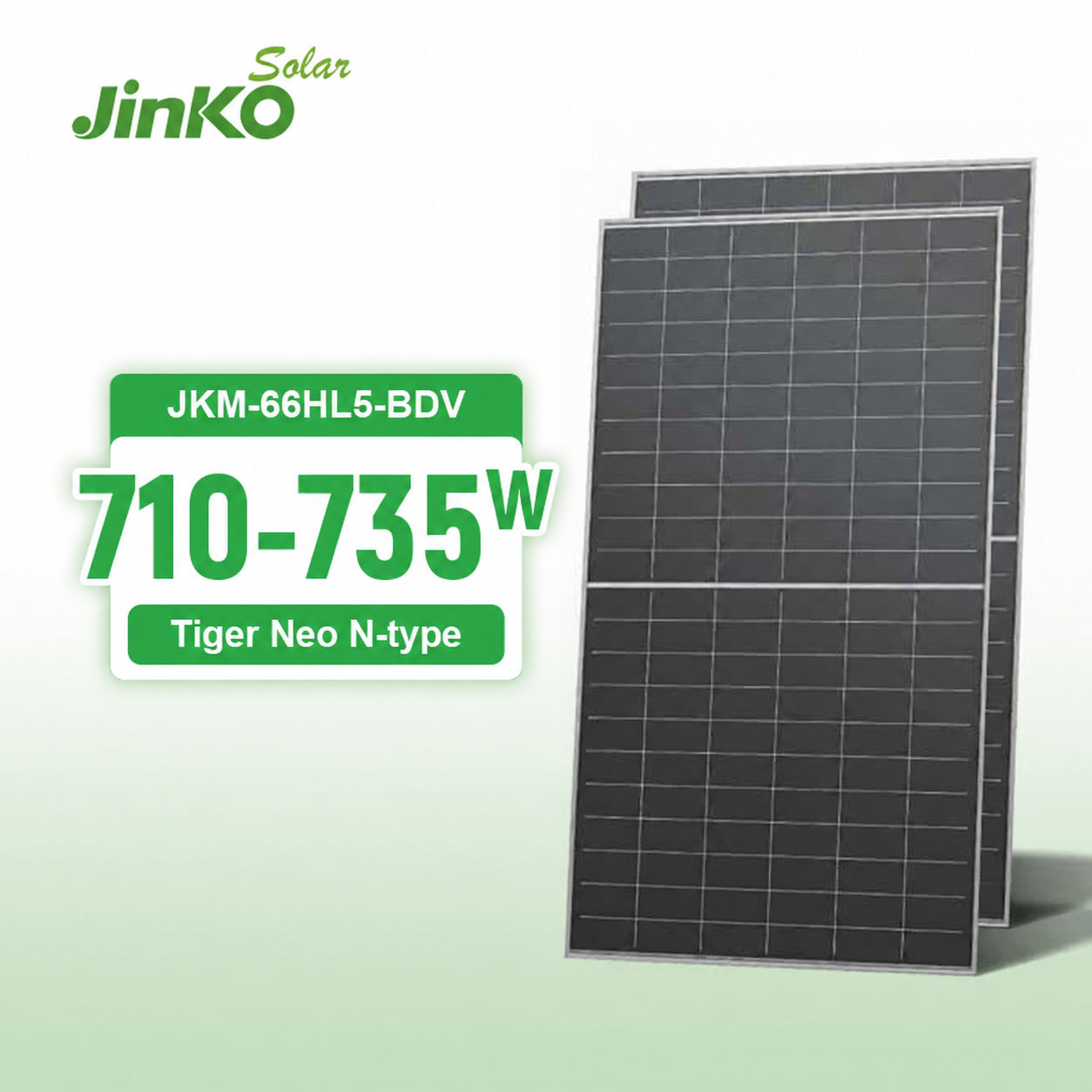
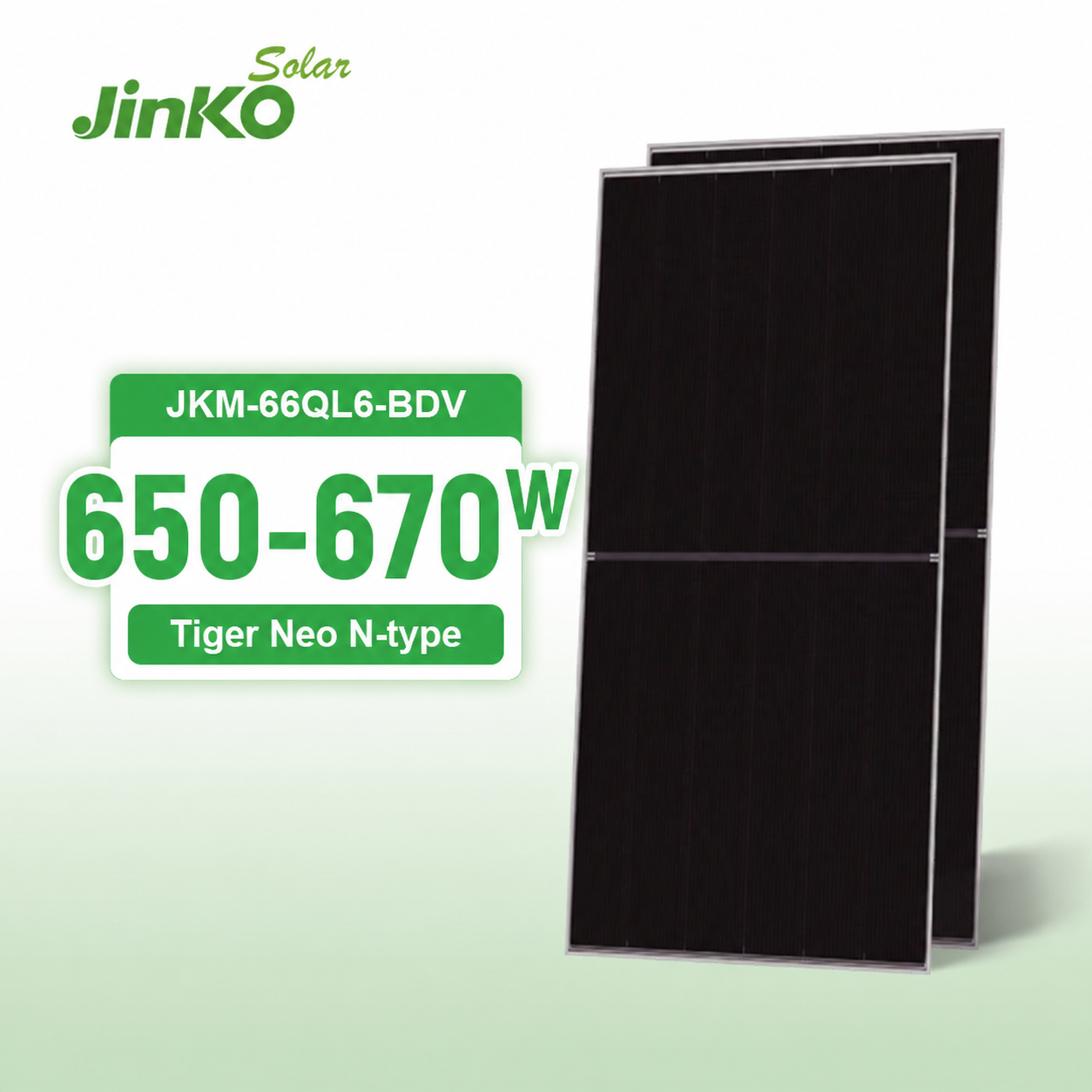
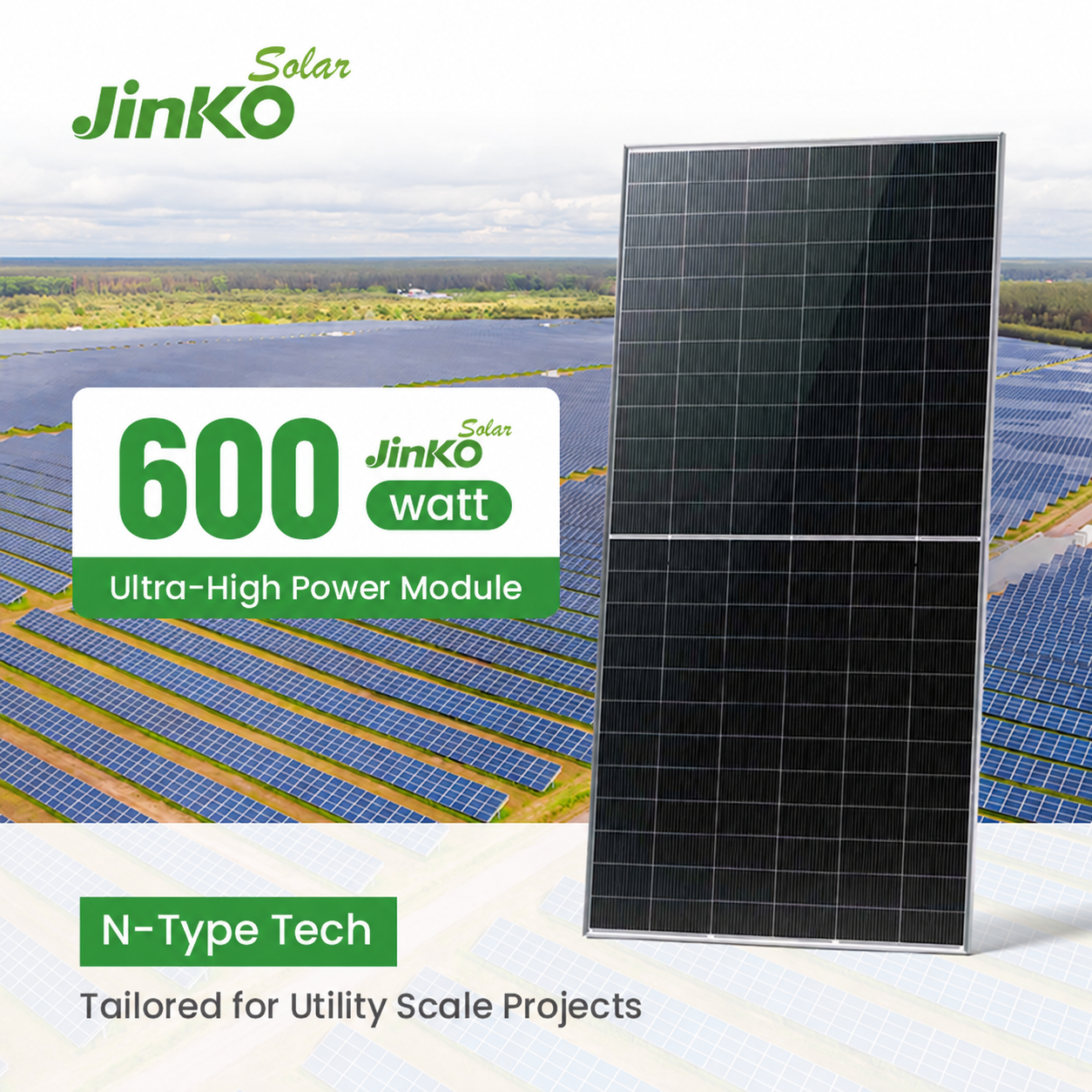
Furthermore, when integrated alongside Jinko Solar’s N-Type dual-glass bifacial modules (such as the 600W to 720W panels featured above), our factory containerized battery storage setups achieve high round-trip efficiency (RTE > 88% AC-to-AC). During grid faults or scheduled load interruptions along the Portmore-Kingston Causeway infrastructure, our advanced hybrid PCS units transition seamlessly from grid-following to grid-forming mode in less than 20 milliseconds, providing essential uninterrupted power to mission-critical infrastructure, logistics facilities, and community health centers.
Why Partner With Our Factory & Integration Hub?
Eliminating supply chain mismatch, component failure, and customs delays with strict pre-shipment quality assurance, comprehensive certification, and turnkey support.
Pre-Shipment Protocol Matching
Before leaving China, every battery module, BMS, and hybrid inverter undergoes rigorous CAN and RS485 communication testing. We adjust parameter curves and DIP settings so hardware arrives fully plug-and-play.
Multi-Point Strict QC
100% capacity grading, internal resistance sorting, thermal cycling, and high-voltage insulation tests. Comprehensive inspection photos and testing logs are generated for your approval before container sealing.
Compliant DG Marine Logistics
International shipments of LiFePO4 batteries are categorized as Class 9 dangerous goods. We manage UN38.3 test reports, full MSDS dossiers, and certified packing for safe ocean freight directly into Kingston Port.
Complete Sizing & Engineering
Our engineering group assists Jamaican project managers from initial irradiance and load-curve analysis to complete single-line wiring diagrams (SLD) and remote startup monitoring.
Frequently Asked Questions: BESS Procurement in Portmore
Crucial commercial, technical, and regulatory information for Jamaican solar installers, industrial facility heads, and renewable energy procurement directors.
What logistics route is used to ship containerized battery storage systems into Portmore?
How do your containerized BESS setups withstand Portmore’s coastal climate?
Can containerized BESS be integrated with existing diesel or heavy-fuel generators in Jamaica?
Do your systems comply with JPS (Jamaica Public Service) grid interconnection codes?
Why pair N-Type TOPCon bifacial modules with containerized battery systems in Portmore?
Ready to Deploy Containerized Energy Storage in Portmore?
Submit your facility's load profile, target storage capacity, or commercial solar installation schematics. Our technical integration team will design a fully matched BESS system, verify equipment compatibility, and provide a competitive CIF Kingston port quotation.