Procurement-Grade Solar Modules for Riyadh Commercial & BIPV Deployments
Engineered for high-ambient operating conditions, severe sand abrasion resistance (IEC 60068-2-68), and optimized albedo bifaciality across Najd limestone facades, structural roofs, and urban solar carports.
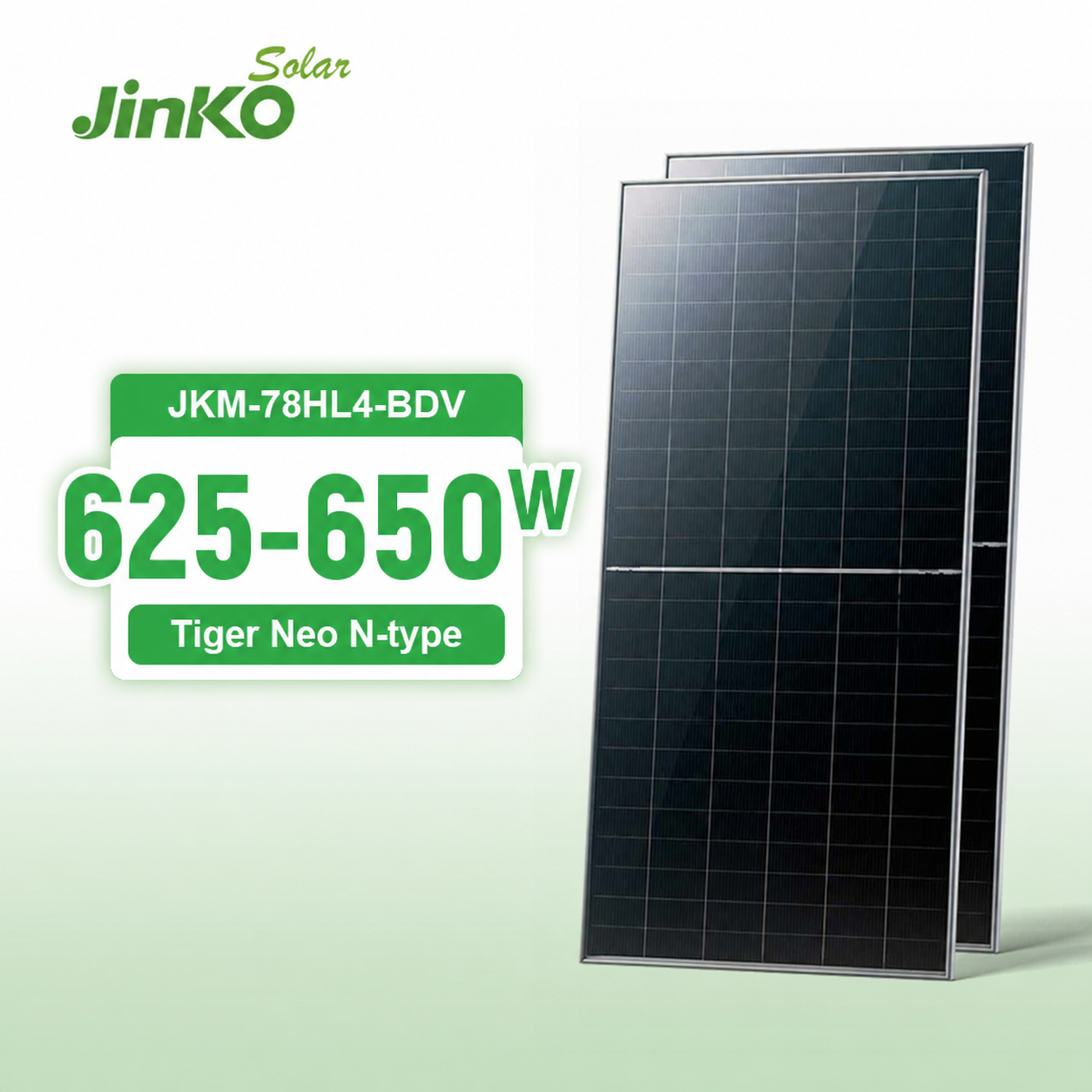
Jinko N-Type Bifacial PV Panels 650W 630W 645W Double Glass Module
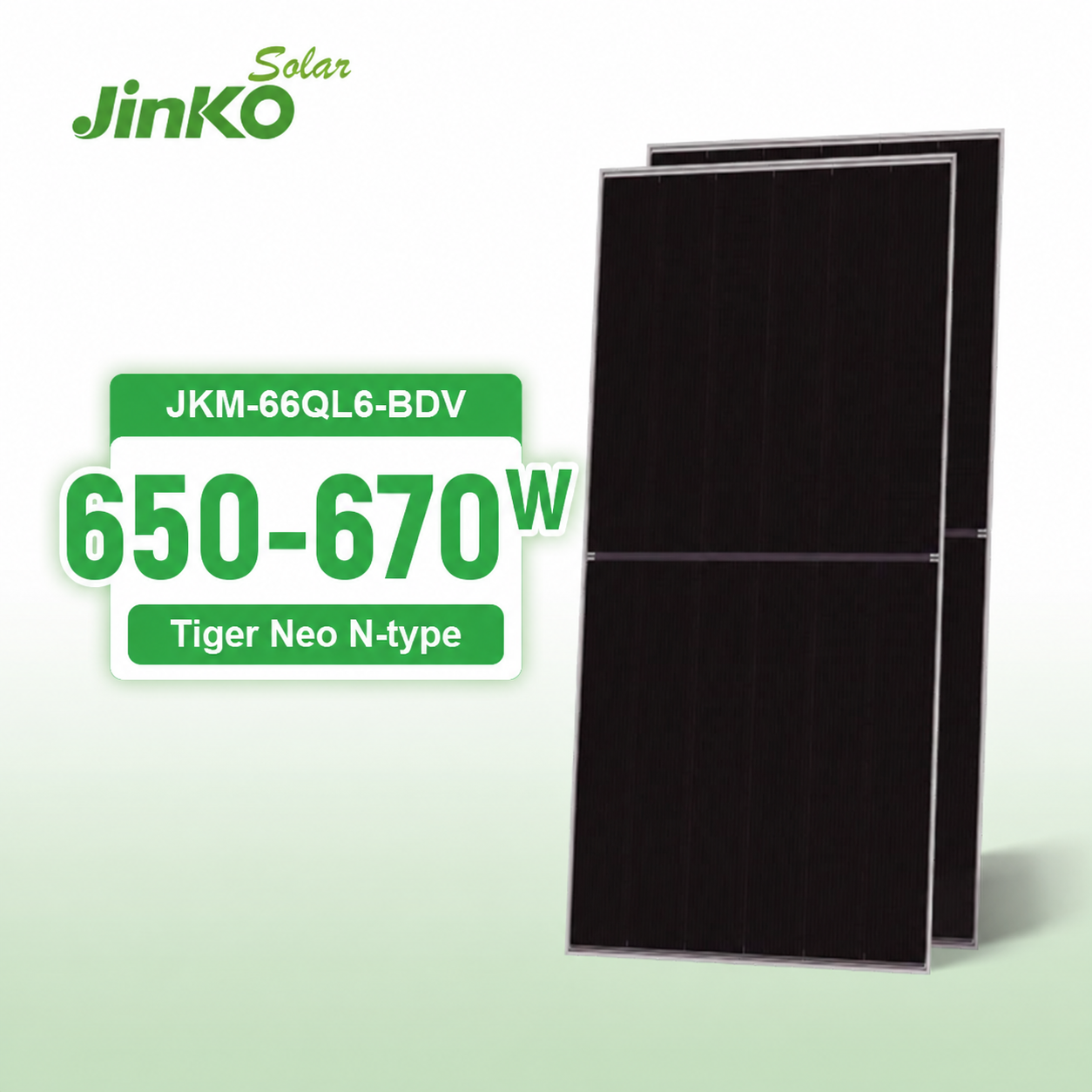
Jinko N-Type 650W 660W 670W TOPCon Bifacial High-Power Module
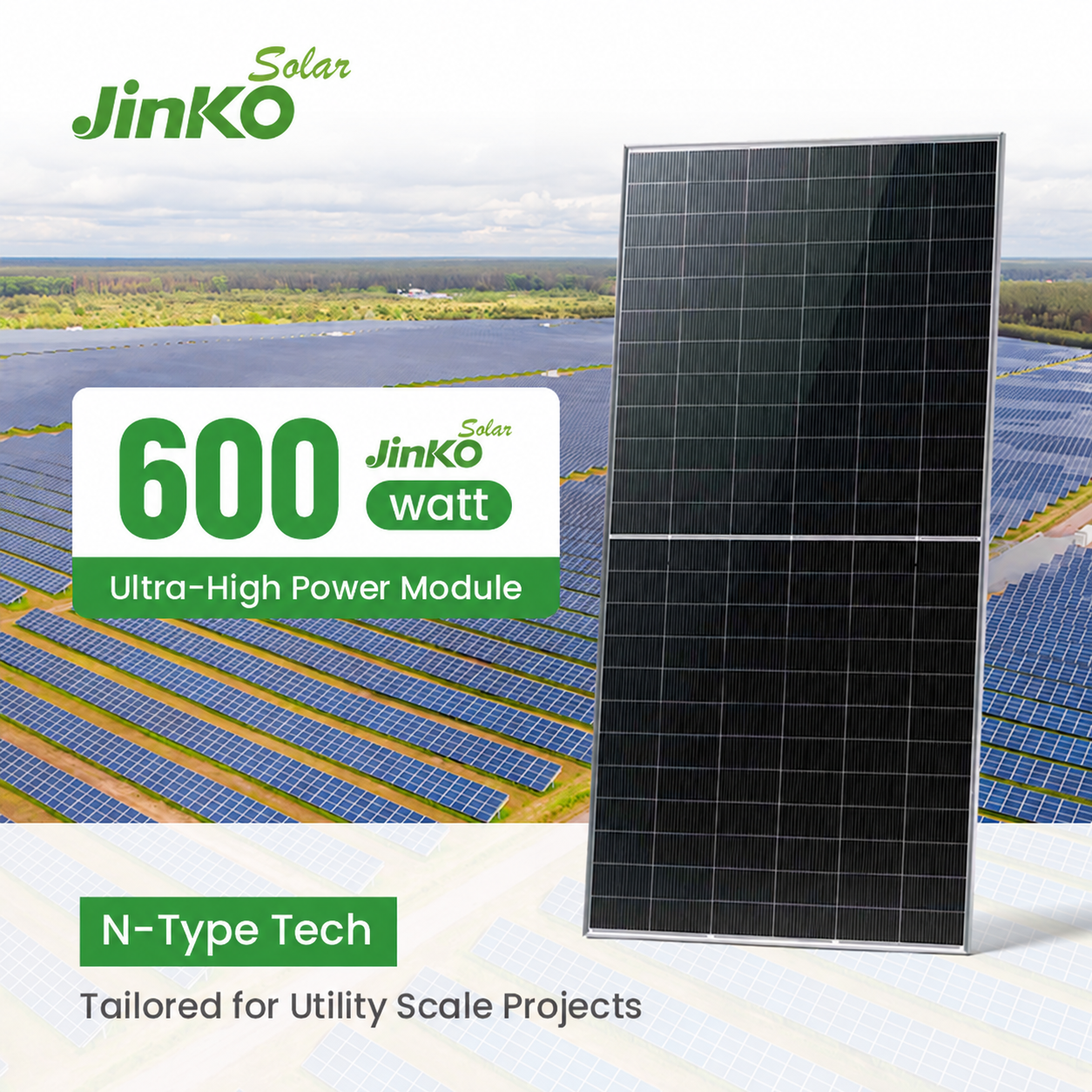
Jinko Bifacial Dual Glass 600W 585W 590W Monocrystalline Module
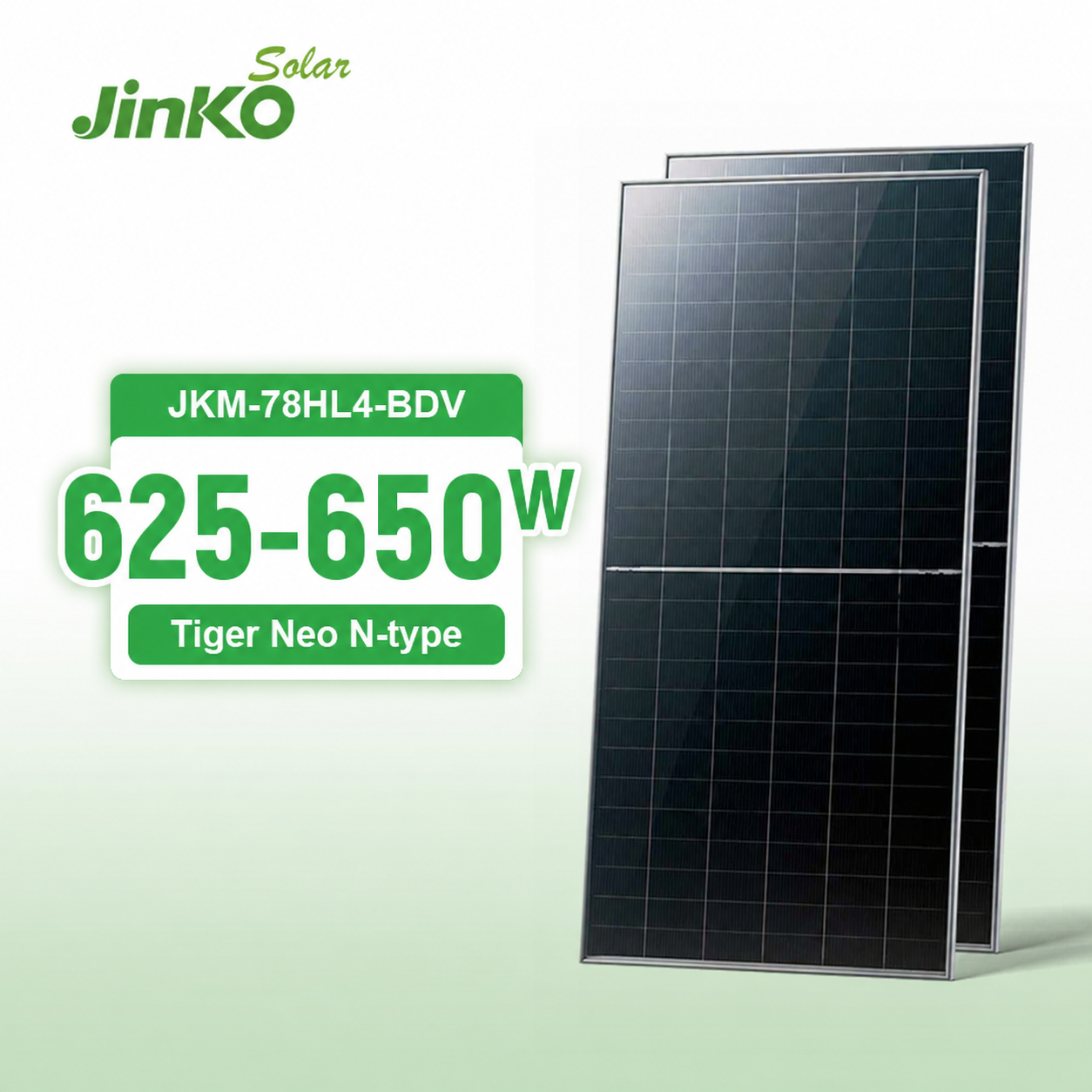
Jinko Bulk 630W 625W 640W TOPCon Bifacial High-Efficiency PV Panel

Jinko N-Type Bifacial 585W 590W 575W TOPCon Monocrystalline Module

Jinko N-Type Bifacial 600W 585W 595W TOPCon Commercial Solar Module
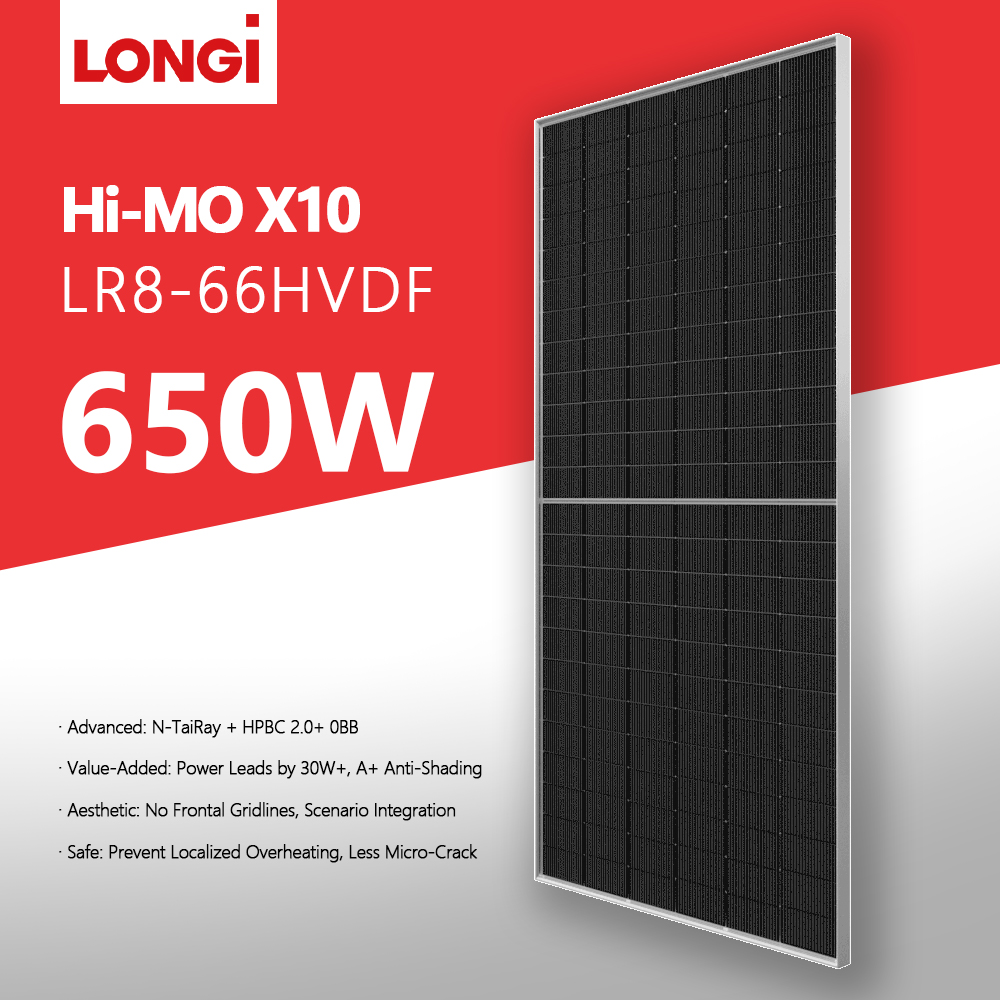
Commercial Grade LONGI Solar Panel 650W N-Type for Shopping Malls
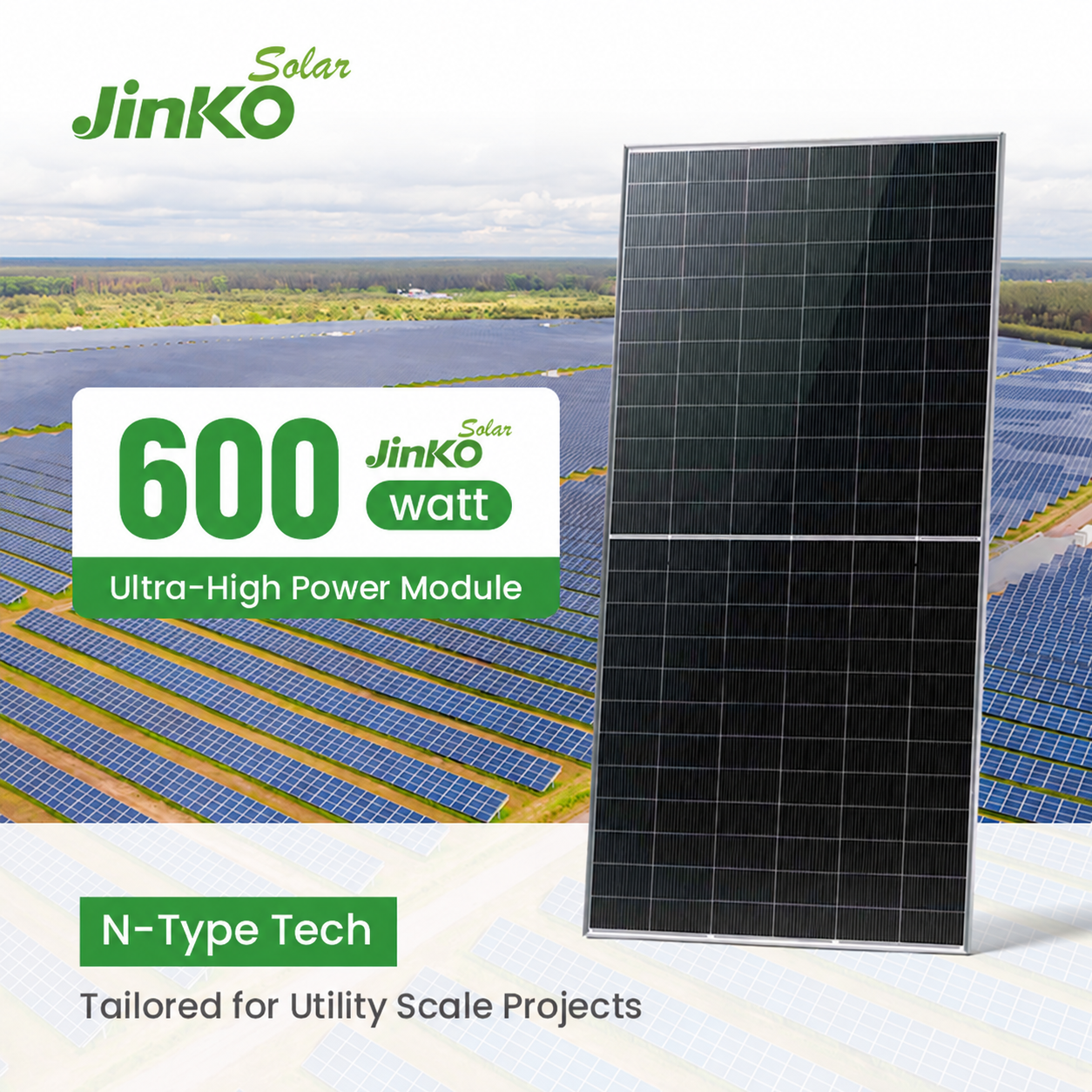
Jinko 580W 590W 600W N-Type Double Glass High-Efficiency Module
The Architectural Photovoltaic & BIPV Revolution across the Riyadh Metropolitan Area
As the capital city of Saudi Arabia accelerates toward the ambitious targets of Saudi Vision 2030, the urban landscape of Riyadh is experiencing an unprecedented structural transformation. Driven by the Saudi Green Initiative (SGI), the National Renewable Energy Program (NREP), and massive giga-developments—including the King Salman Park, the New Murabba Development, and preparation for Expo 2030—architectural specifications in Riyadh have transitioned rapidly from legacy, tacked-on rooftop solar racking to seamless, high-performance Building-Integrated Photovoltaics (BIPV) and architectural dual-glass solar facades.
Riyadh is situated on the Najd Plateau at an elevation of approximately 612 meters above sea level. While the capital commands one of the world's most prolific solar resource envelopes—exceeding 2,200 kWh/m² of Global Horizontal Irradiance (GHI) and upward of 3,300 hours of peak sunshine per annum—its atmospheric conditions present some of the most aggressive environmental stress profiles globally for photovoltaic materials. Standard p-type PERC monocrystalline panels, historical vinyl encapsulants (EVA), and legacy single-glass backsheet configurations face severe premature degradation when exposed to Riyadh’s sustained 48°C to 52°C ambient summer peaks, localized rooftop microclimates exceeding 80°C, and abrasive airborne particulate matter transported by Shamal dust storms.
Architectural Cohesion Meets the Saudi Building Code (SBC)
Building-Integrated Photovoltaics in Riyadh represent the convergence of structural glass engineering, facade building physics, and localized photovoltaic generation. Unlike conventional utility solar farms outside Al-Kharj or Sudair, architectural BIPV installations along King Fahd Road, the King Abdullah Financial District (KAFD), and upscale residential complexes in Al-Malqa and Al-Nakheel must comply strictly with the Saudi Building Code (SBC 201 for Architectural, SBC 301 for Structural Loads, and SBC 801 for Fire Safety).
Our custom OEM BIPV manufacturing solutions engineer solar photovoltaic laminates directly into the envelope of modern Riyadh architecture: replacing inactive structural curtain wall panels, spandrel glass, skylight canopies, acoustic perimeter barriers, and villa shading pergolas. By treating photovoltaic modules as primary building materials, developers achieve three simultaneous milestones: onsite clean power generation that offsets the city's punitive peak-summer commercial cooling loads, substantial reduction of building solar heat gain coefficients (SHGC), and maximum points under the Mostadam Sustainable Building System.
| Performance Parameter | Legacy P-Type PERC Single Glass | Standard TOPCon Bifacial | OEM Custom BIPV Double-Glass (Riyadh Spec) |
|---|---|---|---|
| Pmax Temperature Coefficient | -0.35% to -0.38% / °C High Derating | -0.30% / °C | -0.28% to -0.29% / °C Optimal Najd Spec |
| Encapsulant Material | Standard EVA (Risk of acetic acid) | EVA / POE Composite | Pure POE (Polyolefin Elastomer) - Zero PID |
| Glass Specification | 3.2mm Single Annealed + Polymer Back | 2.0mm + 2.0mm Dual Semi-Tempered | 2.0mm to 6.0mm Fully Tempered Low-Iron Ceramic Fritted |
| Sand Abrasion (IEC 60068-2-68) | Standard AR Coating (Scratches easily) | Standard Tempered Glass | Diamond-Hard Nanocoat / High Silica Resistant |
| Bifaciality Albedo Factor | N/A (Monofacial 0%) | 70% ± 5% | 80% to 85% (Ideal for Riyadh Desert Sand/Light Stone) |
| Fire Hazard Classification | Class C (Polymer backsheet combustible) | Class B | Class A (Non-combustible dual glass structure) |
Engineering OEM BIPV for Hyper-Arid Najd Mechanics: Heat, Sand, & UV
Deploying architectural photovoltaic facades and rooftop arrays across Riyadh requires solving three unforgiving physical phenomena: high cell operating temperatures ($T_{cell}$), potential-induced degradation accelerated by hyper-intense UV radiation, and severe mechanical abrasion caused by fine silica particles.
Mitigating Thermal Degradation
During Riyadh summers, cell temperatures routinely exceed 75°C to 80°C. Standard modules with a -0.38%/°C coefficient suffer up to 20.9% power loss ($55°C \times 0.38\%$). Our custom OEM N-Type TOPCon architecture features a low temperature coefficient of -0.29%/°C, recovering 5% to 7% more kilowatt-hours during the peak tariff daytime window.
Pure POE Encapsulation Matrix
Traditional EVA sheets release acetic acid when subjected to Riyadh’s sustained heat and extreme UV index (>11+), leading to gridline corrosion and yellowing. Our custom OEM exporter specifications require 100% cross-linked Polyolefin Elastomer (POE), safeguarding cells from Potential Induced Degradation (PID) for over 30 years.
Silica Dust & Soiling Resilience
Riyadh experiences regular sand and dust events that deposit fine silica ($SiO_2$) on PV surfaces, causing soiling and physical scratching during dry cleaning. Our BIPV glass uses customized anti-static, hydrophobic nanocoatings with low tilt angle resistance, facilitating dry wind cleaning and reducing maintenance cycles by 40%.
Bifacial Albedo Capture
Riyadh's surrounding terrain, light-colored limestone building finishes, and white reflective TPO/PVC cool roofs yield an albedo reflectance coefficient between 30% and 55%. Our bifacial OEM panels capture rear-side radiance, boosting overall yield by an additional 12% to 22% without expanding the roof area.
Tailored Application Scenarios Across Riyadh's Urban Sectors
Our custom OEM BIPV solar modules, Tier-1 Jinko/Longi PV systems, and matched Deye hybrid inverter packages are custom-engineered for specific architectural typologies in the Riyadh region:
1. Commercial Curtain Walls & Spandrels (KAFD & Olaya)
Integrated double-glazed BIPV glass serving as active acoustic and thermal building skins. Engineered with customized optical transmittance (10% to 40% light pass-through) to provide interior daylighting while reducing central HVAC chiller loads across corporate towers along King Fahd and Olaya streets.
2. Premium Residential Villas & Shading Canopies
Bifacial dual-glass solar pergolas and parking carports for contemporary villas in Al-Malqa, Al-Hada, and Hittin. Completely replaces unsightly corrugated tin canopies with sleek frameless glass modules that power daytime residential cooling and charge electric vehicles (EVs) via integrated battery storage.
3. Industrial Hubs & Cold Storage Logistics (Al-Sulay)
Heavy-duty 650W+ commercial modules combined with industrial-scale Deye hybrid inverters and LFP battery banks for temperature-controlled logistics centers in the Sulay and Industrial Area 2 zones, where grid demand charges during summer peak hours drive operational costs.
4. Public Infrastructure & Green Riyadh Walkways
Architectural PV structures for metro station pedestrian bridges, municipal shaded walkways, and community parks under the Green Riyadh initiative, engineered with Class A fire safety ratings and vandal-resistant laminated safety glass (EN 12600 / ISO 14457).
Why Riyadh EPCs & Real Estate Developers Partner With Us
As an established Hangzhou-based solar trading and system-integration specialist, Hangzhou VOLT New Energy Technology Co., Ltd. bridges Chinese Tier-1 manufacturing excellence with the demanding procurement regulations of Saudi Arabia. We solve the three biggest bottlenecks international buyers encounter: component protocol mismatches, customs documentation rejections, and environmental premature wear.

Pre-Shipment Electrical & BMS Protocol Verification
Every bundled system undergoes comprehensive factory acceptance testing. Our engineers verify CAN and RS485 communication protocols between our LFP storage batteries and Deye hybrid inverters before palletizing, guaranteeing immediate plug-and-play commissioning in Riyadh with zero communication fault codes.

SABER Platform & SASO Compliance Support
Importing into Saudi Arabia requires adherence to the SASO IECEE Recognition Certificate (SIRC) and SABER e-portal registration. We supply full technical documentation files, IEC 61215/61730 certificates, and factory audit records to guarantee customs clearance through Dammam Port and Riyadh Dry Port.

Consolidated Containerized Shipping
Save shipping freight and handling overheads. We consolidate high-wattage Jinko/Longi solar modules, Deye hybrid inverters, LFP lithium battery banks, DC combiner boxes, and mounting structures into unified 40ft HQ containers with Class 9 Dangerous Goods (DG) certified packing.
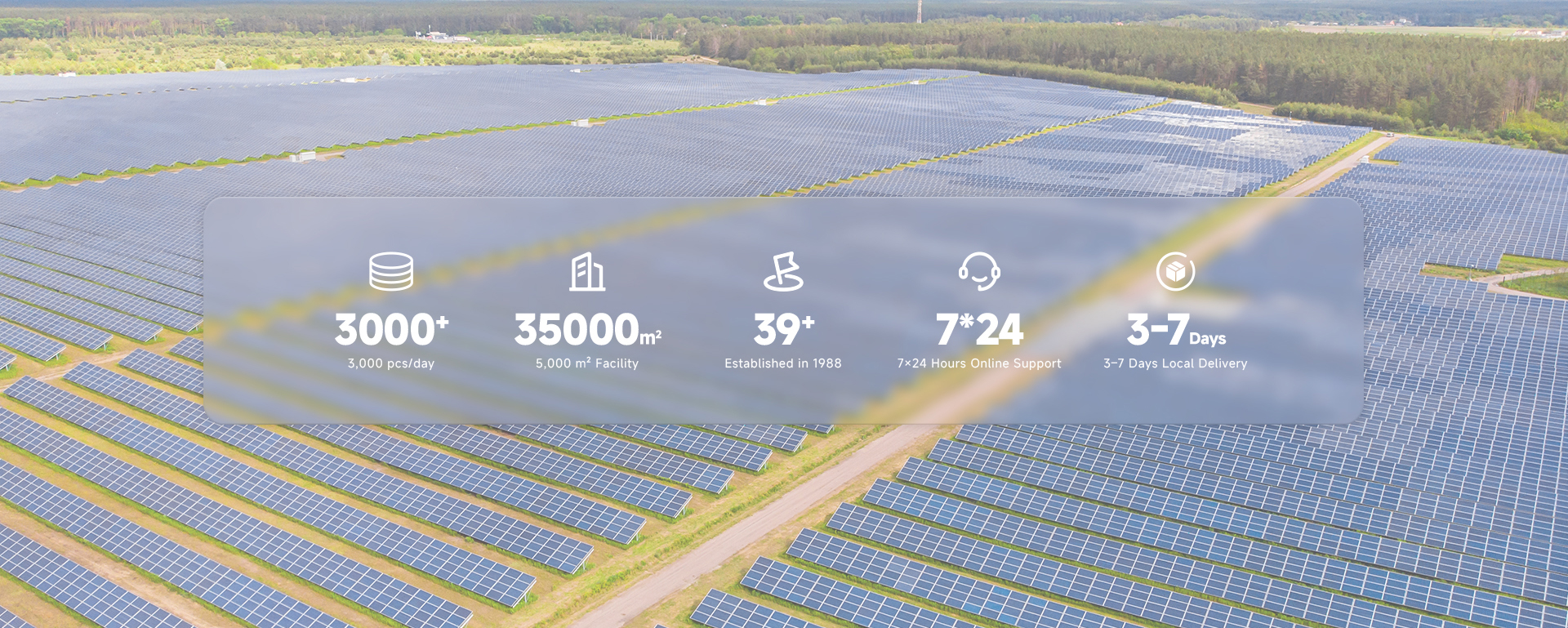
Full OEM Tailoring: Glass, Dimensions, Cell Density
From custom module sizing matching structural facade mullions to specific solar cell spacing for natural light filtration and silk-screened architectural frit patterns matching Saudi Najdi architectural heritage motifs—our OEM line fulfills challenging architectural specs.
Riyadh B2B Solar Procurement: Frequently Asked Questions
Authoritative technical, commercial, and regulatory answers addressing the primary concerns of engineering consultants, EPC contractors, and solar distributors in the Kingdom.