Agri-PV & Commercial
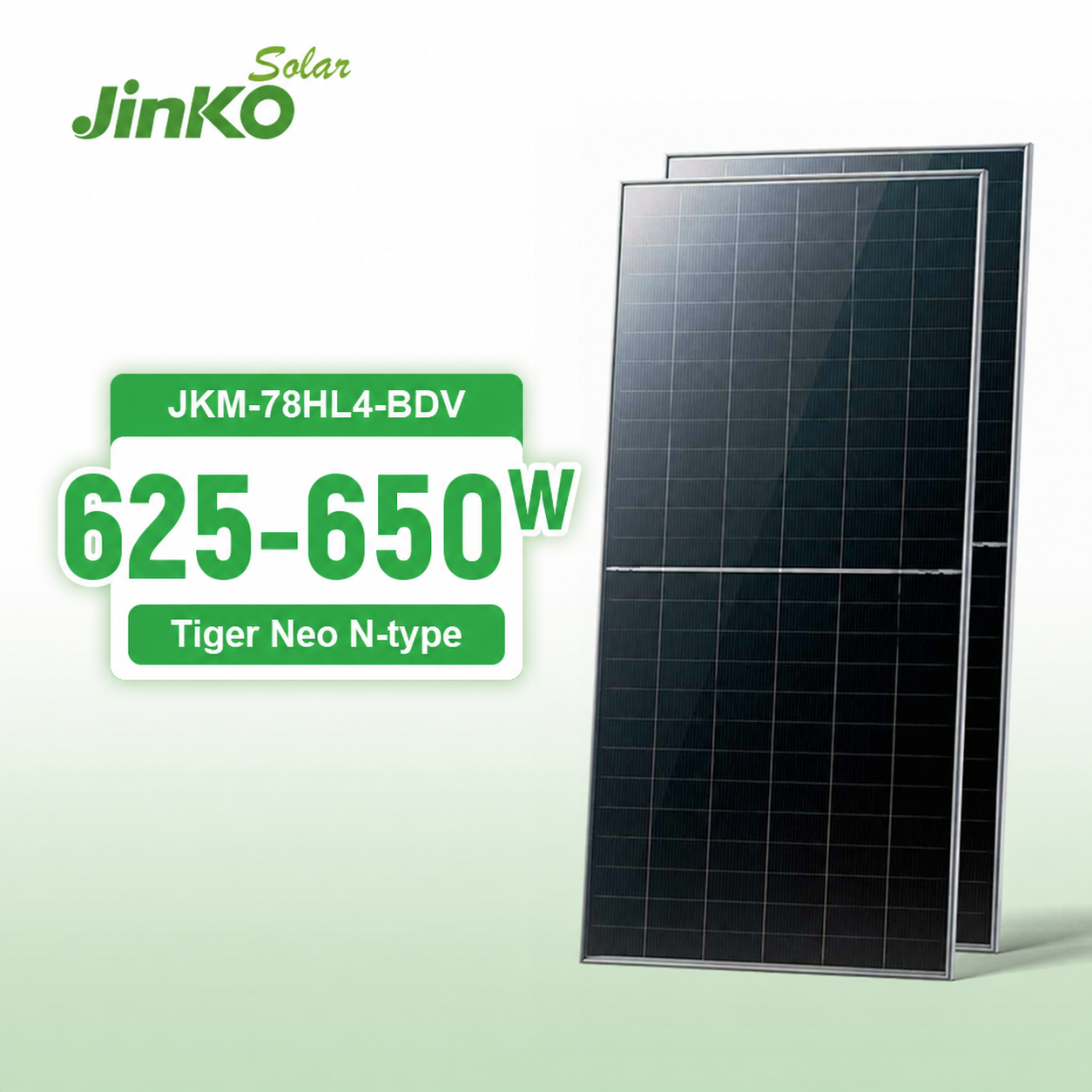
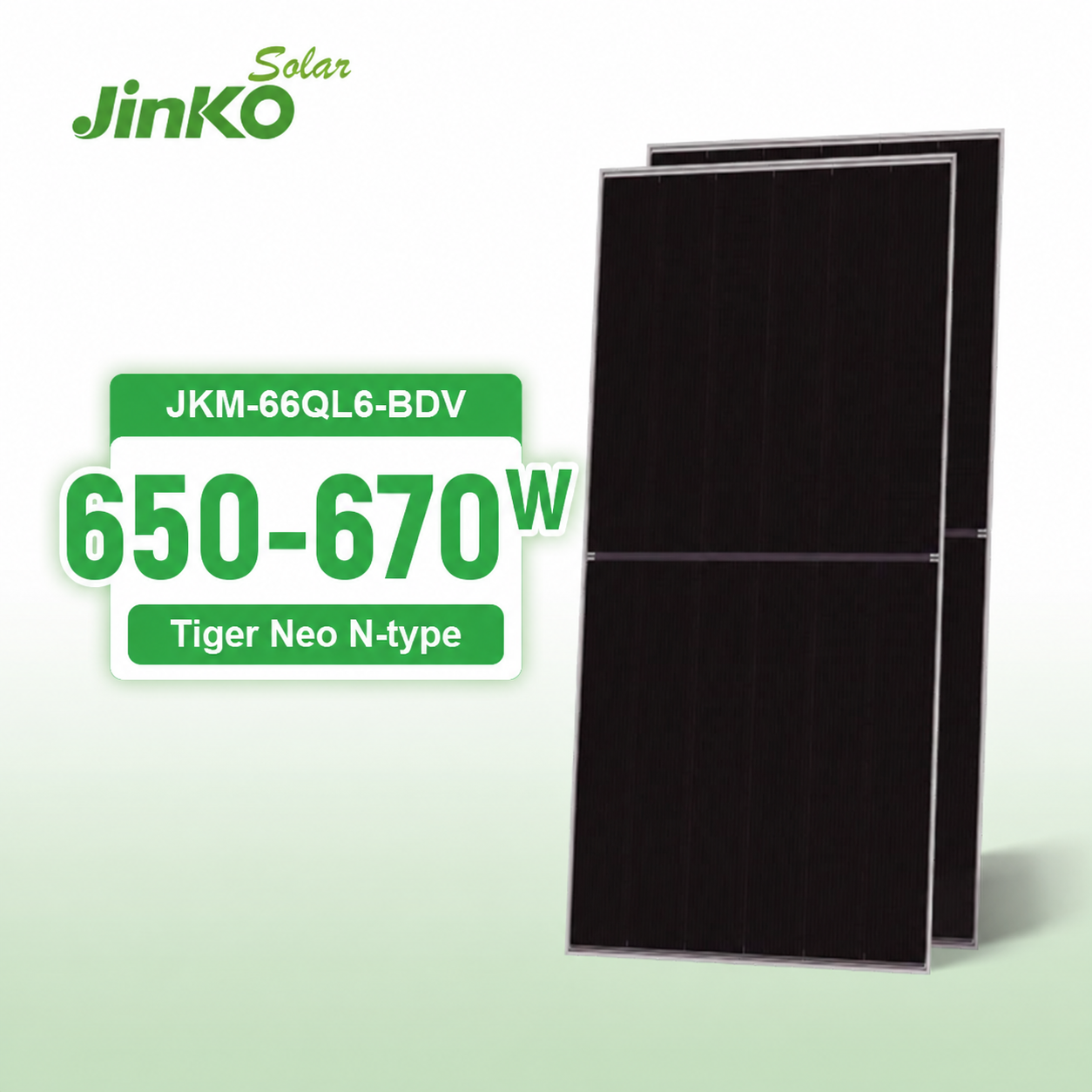
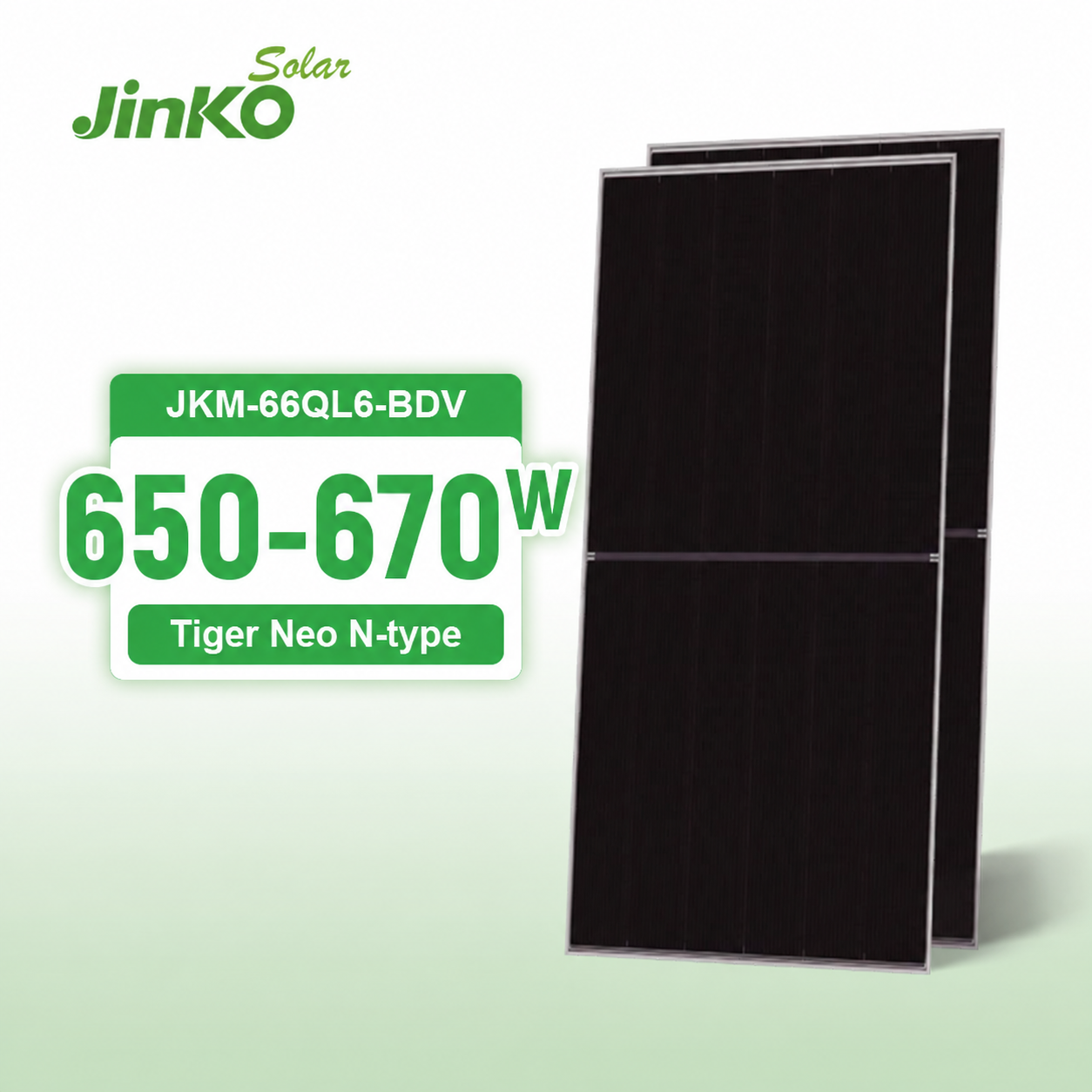
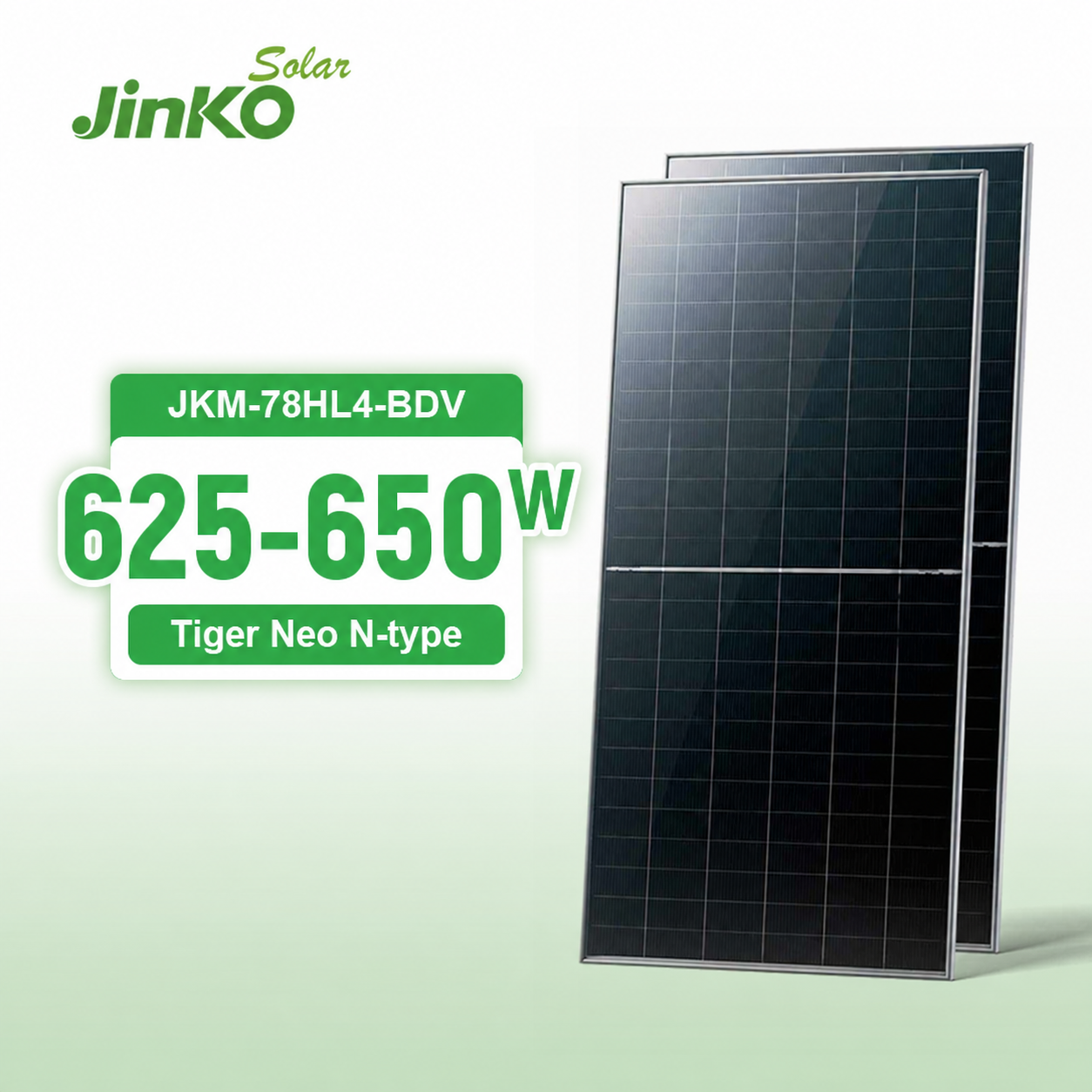
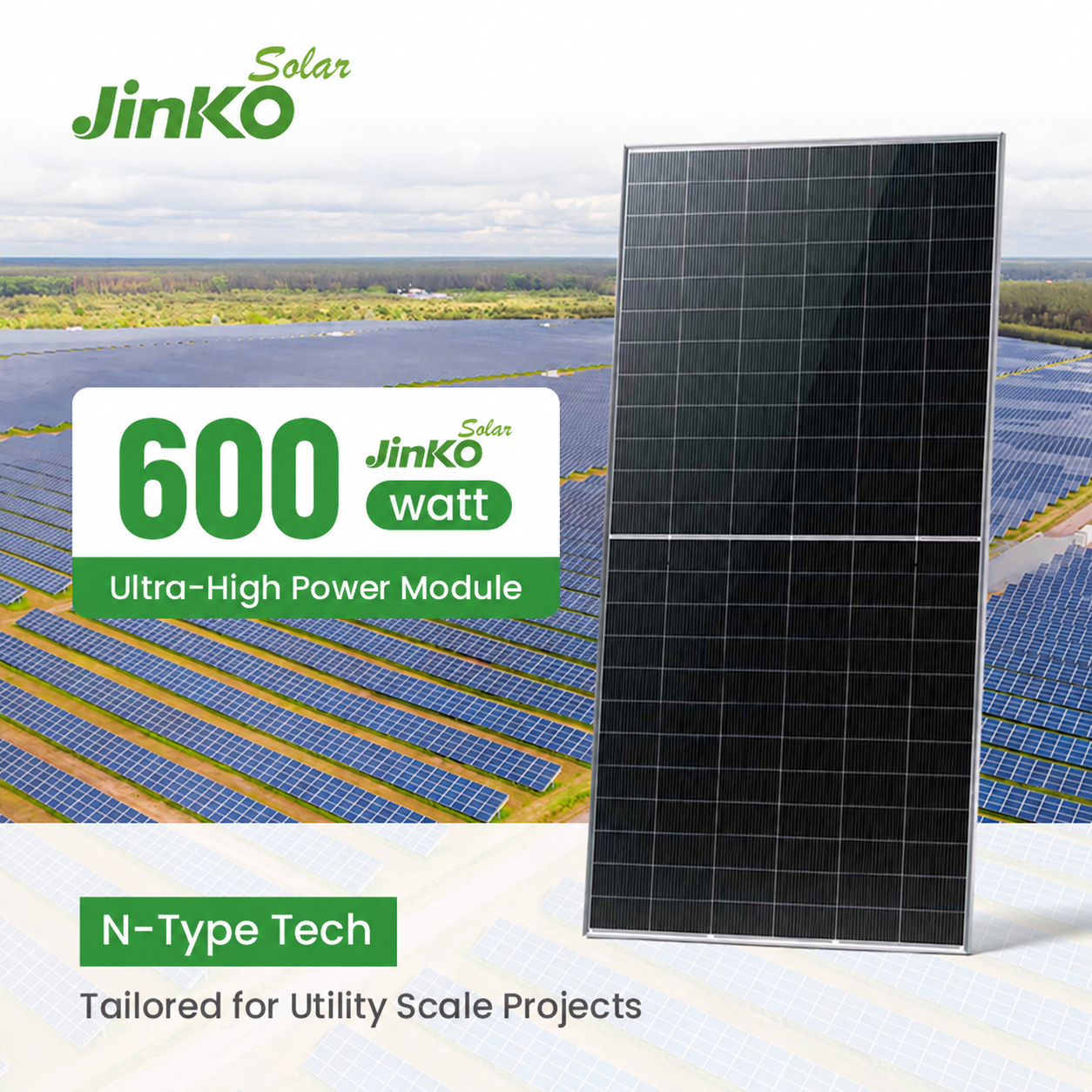
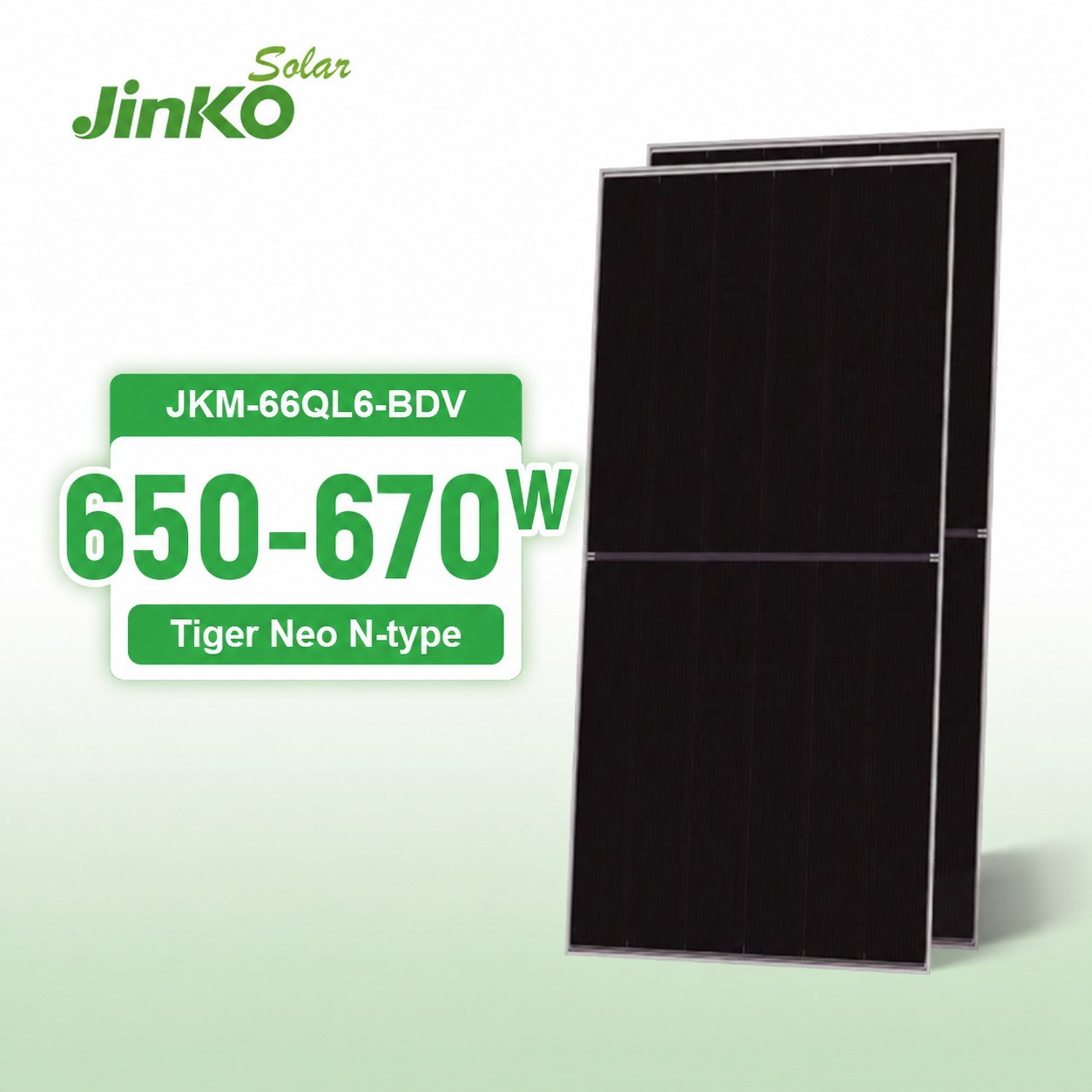
Jinko High Efficiency Bifacial Pv Panels 625W 635W 645W Double Glass Solaire Panneau N Type Solar Panel for Farm
Dual Glass Monofacial+
Get a Quote
Pairing high-yield N-Type TOPCon and dual-glass monocrystalline PV modules with custom deep-cycle colloidal GEL battery banks ensures peak thermal stability, zero electrolyte boil-off, and maximum levelized cost of energy (LCOE) efficiency in coastal Central American operations.

The operational landscape of Colón, Panama, presents one of the most chemically challenging operating environments for electrochemical energy storage anywhere in the Americas. Situated at the Atlantic entrance of the Panama Canal, Colón is characterized by continuous tropical humidity exceeding 85%, corrosive airborne sodium chloride ions (salt spray), high ambient temperatures consistently hovering between 30°C and 38°C, and prolonged overcast monsoon cycles. In this demanding ecosystem, standard Absorbed Glass Mat (AGM) and entry-level lead-acid batteries suffer premature thermal degradation, dry-out, and rapid positive plate corrosion.
As a leading China-based manufacturer and exporter of custom OEM deep cycle GEL batteries, Hangzhou VOLT New Energy Technology Co., Ltd. supplies high-integrity energy solutions specifically modified for the Caribbean coastline and the high-turnover logistics demands of the Zona Libre de Colón (Colón Free Trade Zone). Our colloidal GEL technology utilizes nano-silicon dioxide ($SiO_2$) fumed silica electrolytes to ensure that the acid remains immobilized in a three-dimensional thixotropic gel matrix. This structural advantage guarantees consistent volumetric ion conduction without the liquid stratification, dry-out, and thermal runaway risks typical of standard VRLA configurations.
The failure mode of traditional secondary lead-acid cells in tropical ports is overwhelmingly driven by Arrhenius degradation: for every 10°C elevation above 25°C, chemical reaction rates double, effectively slashing operational service life by 50%. In unconditioned inverter sheds throughout Colón, Cristobal, and Cativa, internal temperatures routinely exceed 40°C. Standard AGM separators quickly dry out as moisture vents through internal pressure valves during cyclic overcharging.
Our OEM Deep Cycle GEL Batteries solve this challenge through three specific metallurgical and chemical innovations:
Imported gas-phase pyrogenic silica forms a homogeneous microporous gel network. Because the electrolyte is fully solidified, acid density stratification is virtually eliminated, guaranteeing uniform chemical reaction along the entire active plate surface.
Thick positive plates engineered with proprietary high-tin, low-calcium quaternary alloy matrices resist intergranular corrosion, reducing grid growth and water consumption by 98% compared to conventional automotive or low-grade deep-cycle alloys.
During the Atlantic rainy season when PV arrays generate sub-optimal charge, our GEL formulation resists lead sulfate recrystallization, enabling 100% capacity recovery even after being held at partial state of charge for extended intervals.
To assist energy engineers, solar installers, and Colón Free Zone procurement directors in selecting the exact storage technology for their projects, the following matrix benchmarks our deep-cycle GEL against competing technologies under tropical conditions:
| Evaluation Parameter | VOLT Deep Cycle GEL | Standard AGM Battery | Industrial Tubular OPzV | LFP (LiFePO4) Battery |
|---|---|---|---|---|
| Cycle Life @ 50% DoD (25°C) | 1,600 – 1,850 Cycles | 600 – 800 Cycles | 2,500 – 3,200 Cycles | 4,000 – 6,000 Cycles |
| Thermal Stability (35°C–45°C) | Exceptional (No dry out) | Poor (High thermal runaway) | Exceptional | Moderate (Requires active BMS) |
| PSoC Tolerance (Extended) | High Resistance to Sulfation | Low (Rapid passivation) | Very High | Excellent |
| Transport Classification | Non-Spillable (Class 8 Exemption) | Non-Spillable | Non-Spillable | Class 9 Dangerous Goods (DG) |
| Initial Capital Outlay (Capex) | Economic / Optimal | Lowest | High | Highest Initial Cost |
| BMS Electronic Failure Risk | Zero (Passive chemical balance) | Zero | Zero | Requires electronic protection |
Procurement demands in the province of Colón are intimately tied to its maritime, commercial re-export, and logistical positioning. Our custom OEM deep cycle GEL batteries are specifically tailored to the following local operations:
As the second largest free zone in the world, the ZLC handles vast volumes of trade moving between North America, South America, and the Caribbean basin. Warehousing, customs brokerage offices, automated scanning bays, and cold storage monitoring facilities require uninterrupted energy continuity. The local electrical distribution grid periodically experiences transient voltage spikes, rolling sags, and blackout conditions due to tropical storm activity. VOLT deep cycle GEL banks connected to industrial UPS systems and hybrid solar inverters provide resilient, maintenance-free reserve capacity that instantly takes over critical loads without the explosive hazard of flammable chemistries in dense warehouse environments.
The Port of Cristobal, Manzanillo International Terminal (MIT), and Colón Container Terminal (CCT) host intense 24/7 container transshipment schedules. Aids to Navigation (AtoN)—including maritime channel buoys, breakwater beacons, coastal AIS transponders, and tide measuring stations—are isolated from utility grids. They endure perpetual sea salt mist and wave vibration. Our ABS flame-retardant (UL94-V0) sealed GEL batteries with sealed copper-insert terminal posts completely resist electrolytic corrosion and can be mounted at angles without the danger of acid leakage.
Expanding wireless and fiber telecommunications into the remote coastal communities of Costa Arriba (Portobelo, Palenque) and Costa Abajo (Chagres, Miguel de la Borda) involves difficult terrain and absent grid connections. Telecom EPC contractors rely on our 12V 100Ah, 150Ah, 200Ah, and 250Ah GEL blocks paired with Jinko bifacial solar modules to power remote Base Transceiver Stations (BTS). The batteries sustain continuous deep-discharge profiles during nighttime hours, operating reliably in unconditioned outdoor cabinets without air conditioning.
From the San Blas archipelago to coastal jungle retreats near the San Lorenzo protected area, tourism operators operate purely off-grid. Custom GEL battery banks provide the quiet, fumeless evening energy needed to run refrigeration, water pumps, lighting, and guest room electronics. Because gelled electrolytes do not off-gas toxic hydrogen under recommended charge voltages, they can be housed safely within utility utility rooms adjacent to accommodations.
Panama's National Energy Plan 2015-2050 (Plan Energético Nacional) and the subsequent Energy Transition Agenda have dramatically accelerated the decentralized integration of renewable power. Key drivers affecting Colón battery procurement include:
Hangzhou VOLT New Energy Technology Co., Ltd. does not simply act as a merchant broker; we provide comprehensive engineering and OEM manufacturing tailored for commercial importers, government tenders, and brand owners:
International procurement requires technical certainty, factory-grade quality management, and flawless export documentation. We remove operational risk from order placement to terminal discharge.
100% automated internal resistance matching, high-rate discharge testing, and zero-leakage nitrogen pressure sealing verification before packaging.
Exact charge voltage curves (Bulk, Absorption, Float, Equalize) pre-configured and tested for Deye, Victron, and Schneider hybrid inverters.
Fully compliant with IMDG Special Provision 238 and DOT CFR 49 regulations. Certified non-hazardous for lower freight rates and swift customs clearance.
Complete export documentation packages including Certificate of Origin, Bill of Lading, MSDS, and commercial packing lists tailored for duty-free transshipment.
Practical technical, logistical, and commercial answers addressing real-world energy storage deployment across Panama.
Whether you require full container consolidation of Jinko high-power bifacial modules, Deye hybrid inverters, or custom OEM deep-cycle GEL batteries engineered for the tropics, our technical sales engineers are on hand to finalize your Bill of Materials (BOM) and deliver competitive CIF Colón quotations.