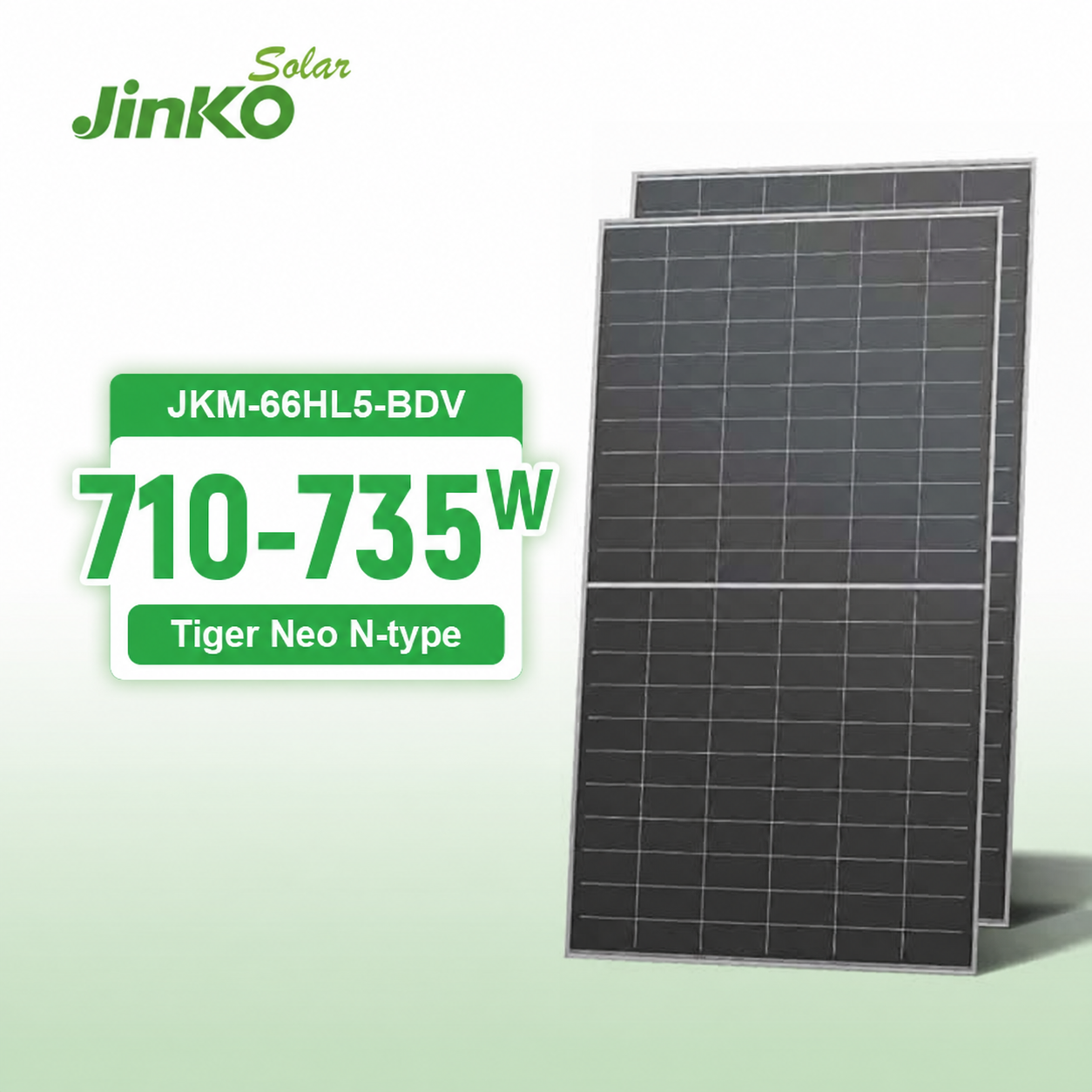
TOPCon Bifacial
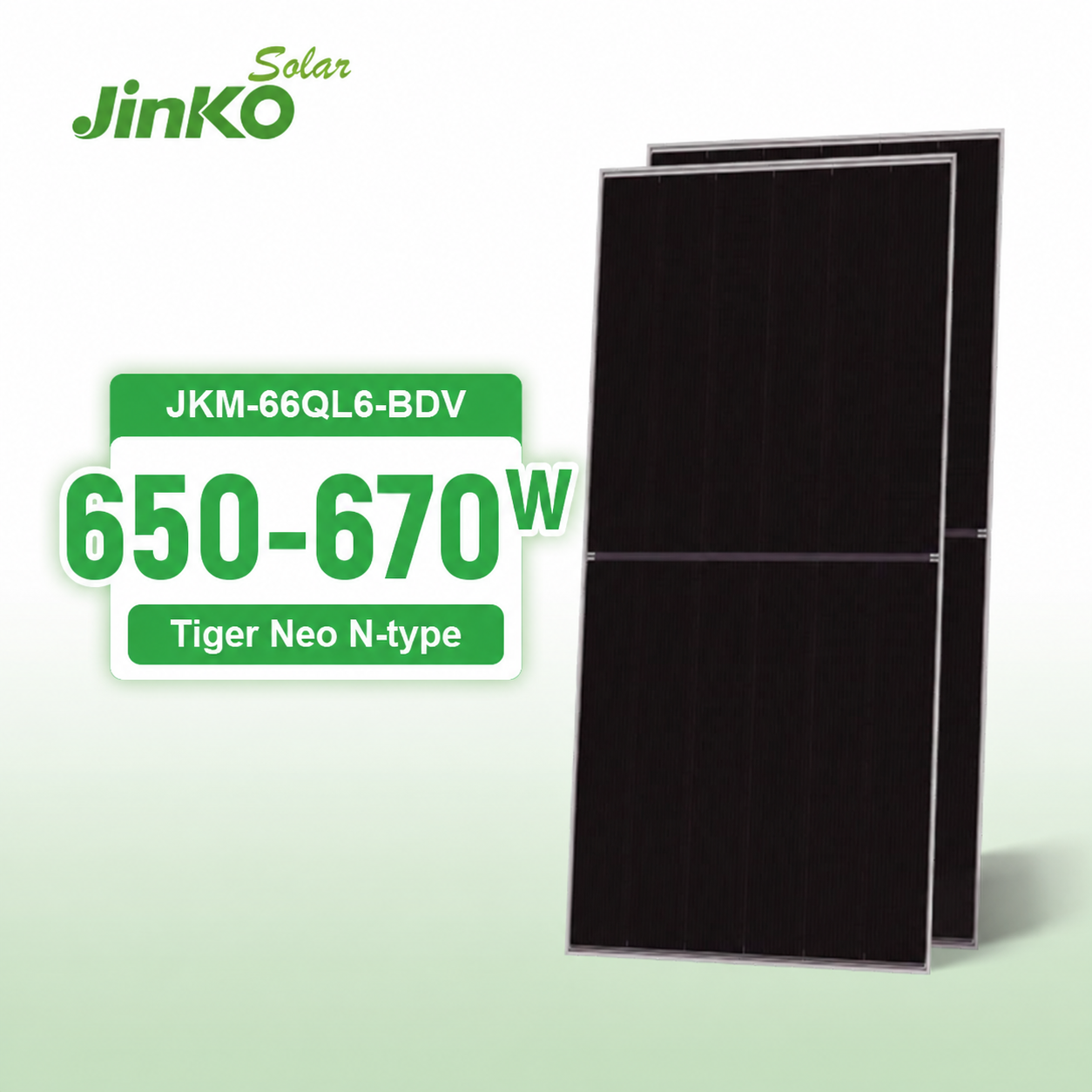
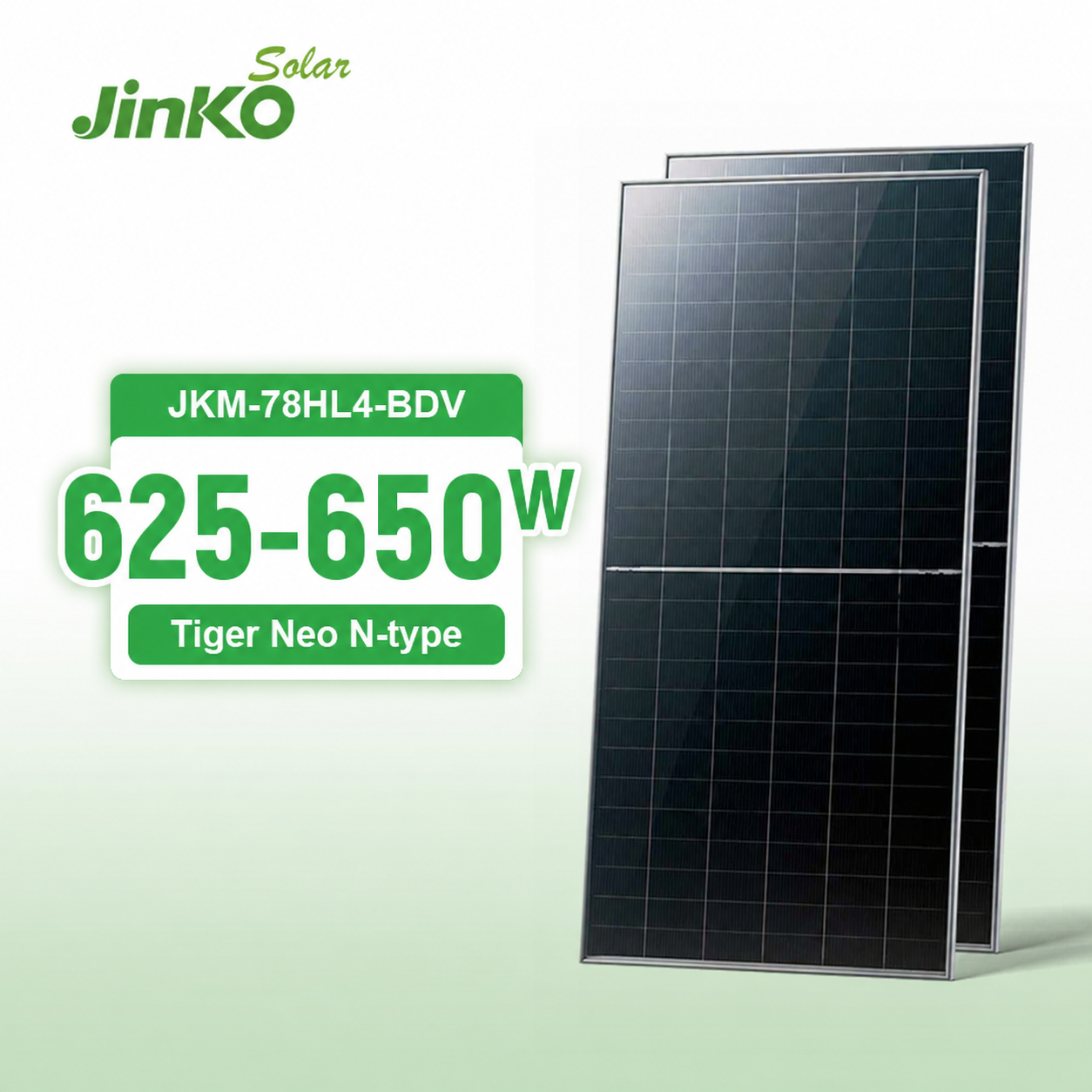
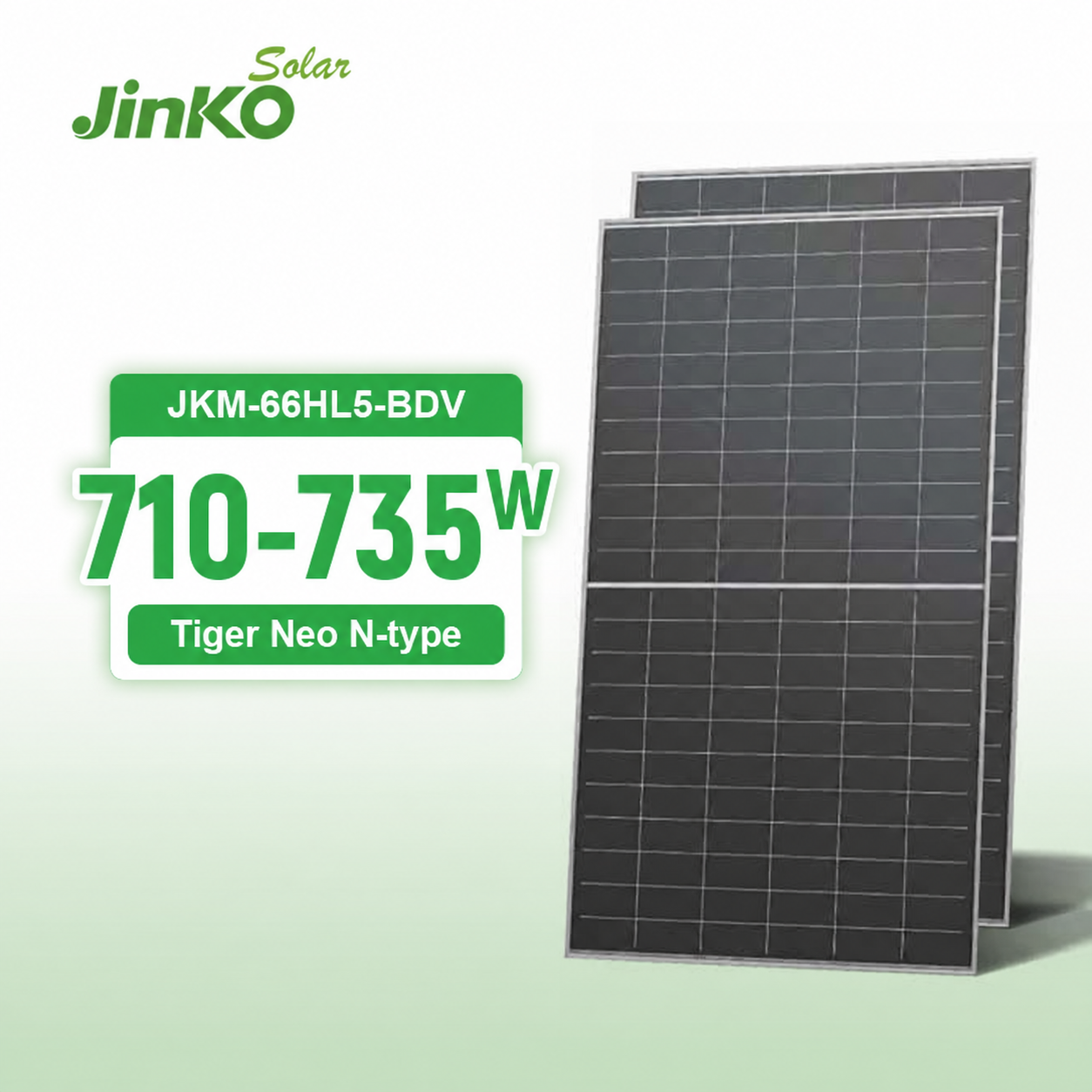
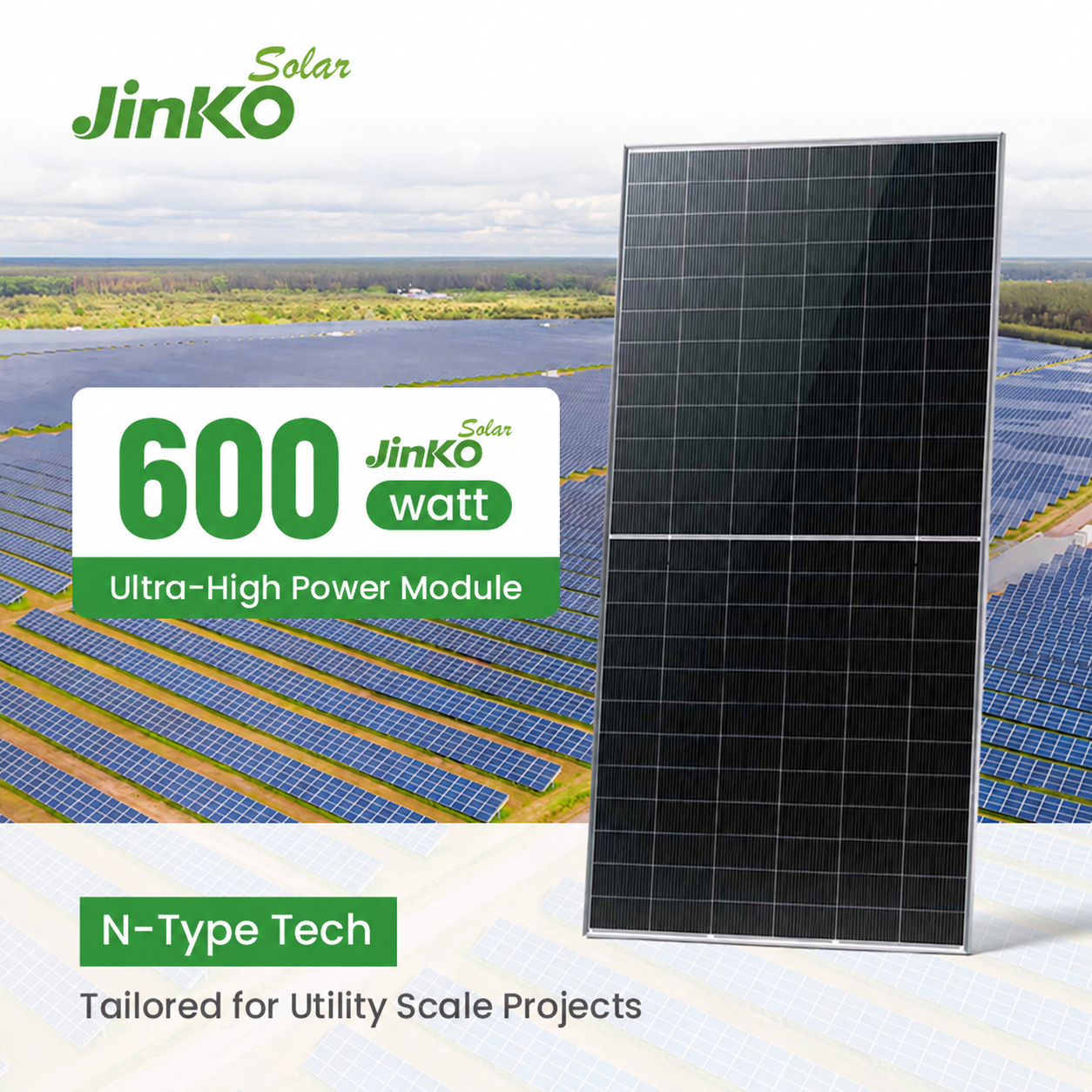
Jinko N Type Solar Panels 700W 710W 730W 725W Wholesale Price TOPCon Bifacial Photovoltaic Module for Commercial
Power: Up to 730W
Details →
Combining heavy-duty dual-glass architectural durability with Tier-1 bifacial generation. Specifically adapted for Caribbean irradiance profiles and high-salinity trade winds.
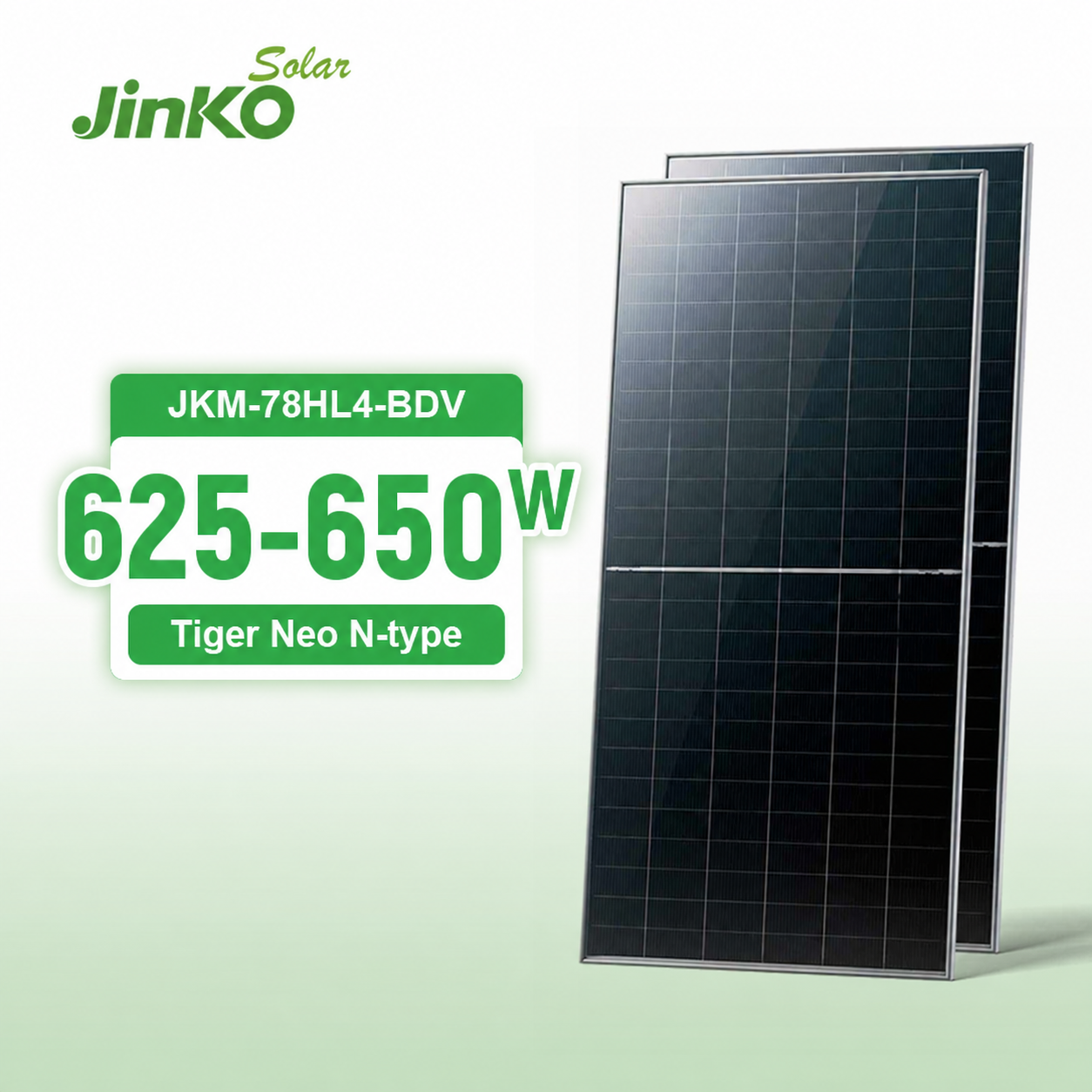
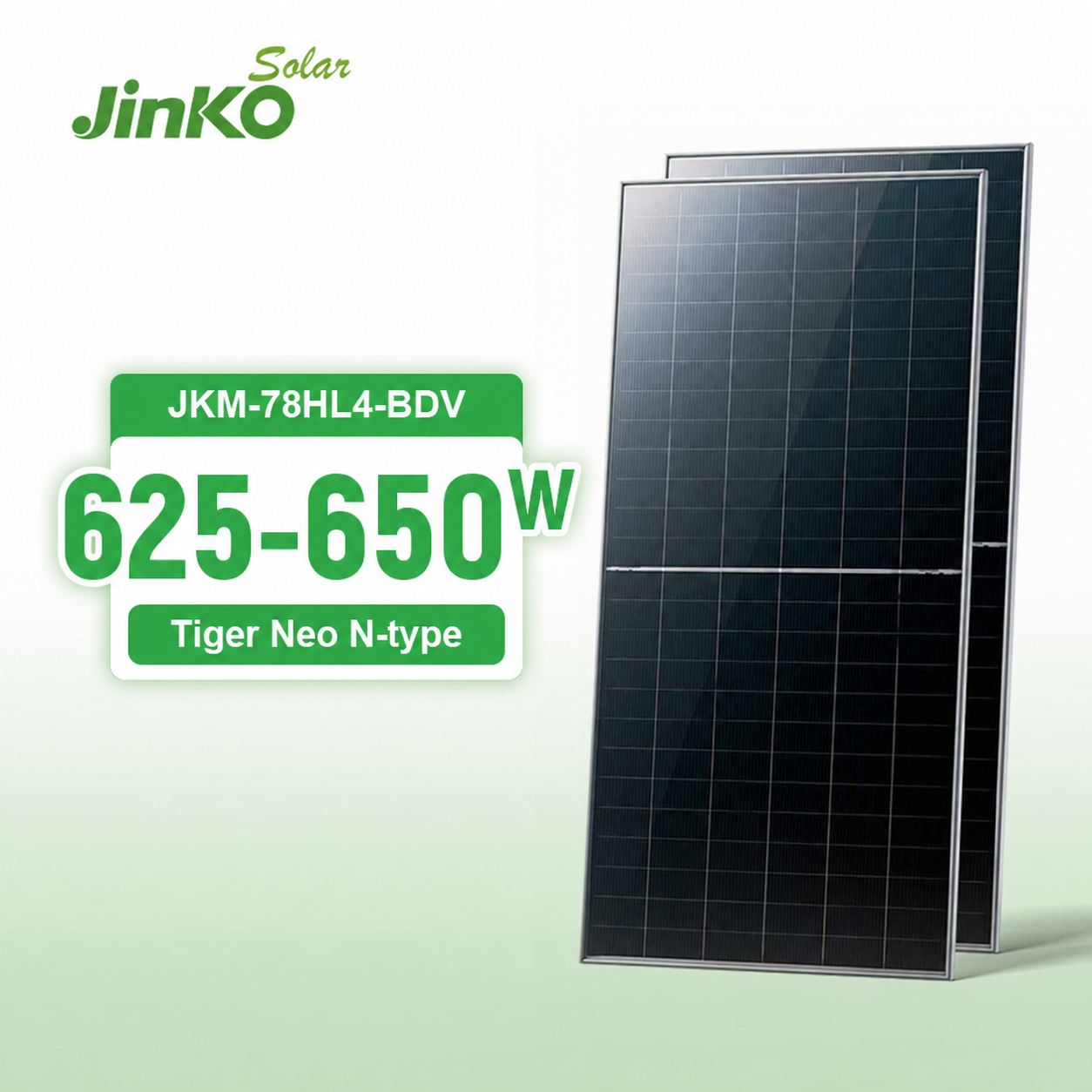
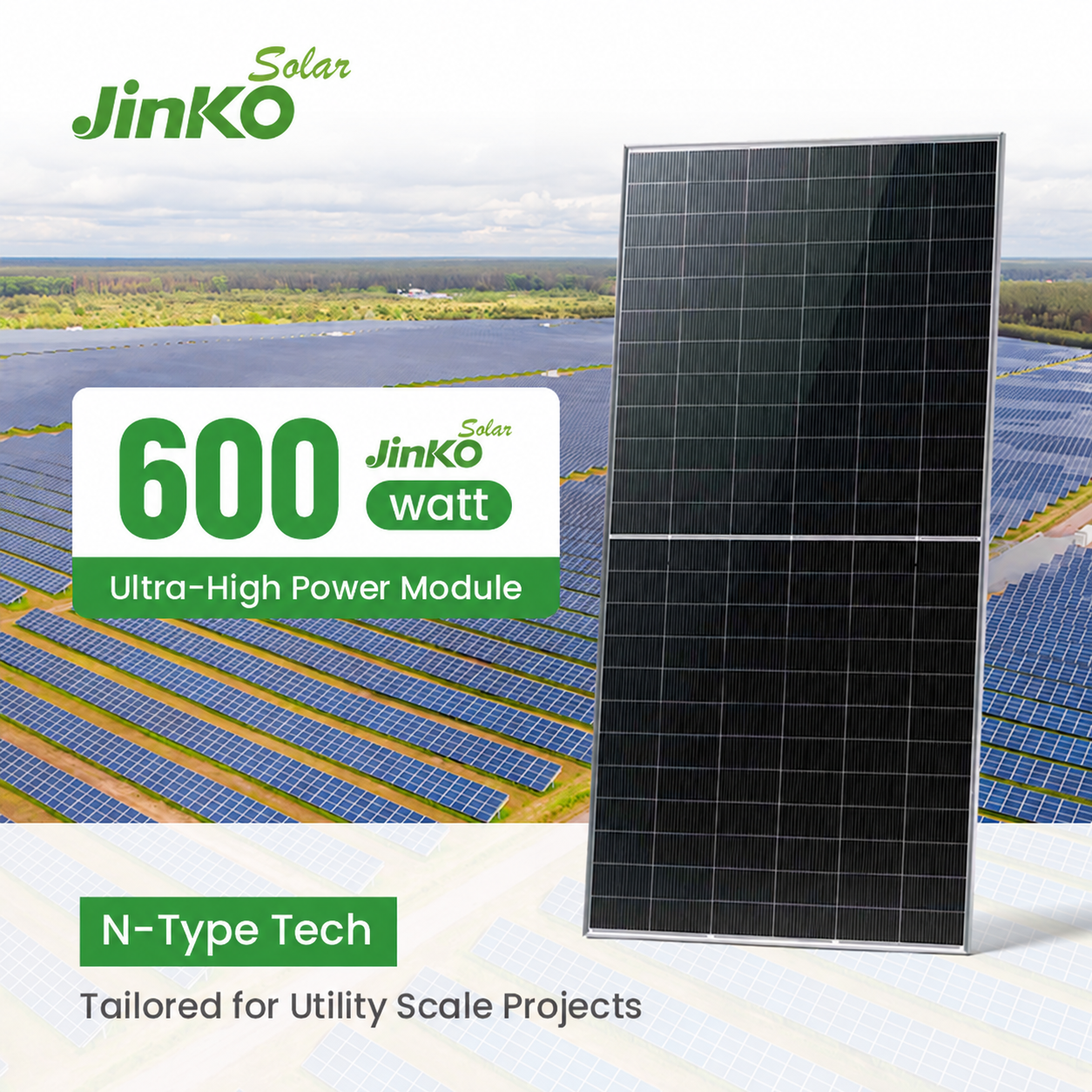
A rigorous engineering breakdown of ETFE surface chemistry, multi-fold textile ergonomics, and composite substrate resilience under tropical UV exposure.
International procurement managers, marine outriggers, and Bahamian commercial engineering contractors face an operational obstacle common to tropical maritime latitudes: rapid material breakdown caused by heavy saline mist, intense ultraviolet index ratings exceeding UV 11+, and cyclic thermal shocks. Off-the-shelf portable solar kits manufactured with standard PET (polyethylene terephthalate) coatings degrade and yellow within 12 to 18 months, suffering severe polymer embrittlement, delamination, and subsequent moisture ingress into internal busbars.
As a seasoned custom OEM foldable solar panel exporter catering to the Commonwealth of The Bahamas, Hangzhou VOLT New Energy Technology Co., Ltd. resolves these field challenges through military-grade encapsulation architectures. Our custom OEM foldable photovoltaic matrices substitute legacy PET materials with multi-layer Fluoropolymer ETFE (Ethylene Tetrafluoroethylene) membranes. ETFE displays chemically inert non-stick properties, self-cleans with tropical rain cycles, offers high light transmittance (>95%), and resists degradation from intense Atlantic UV radiation over prolonged operational cycles.
Technical Note on Salt Spray Corrosion: In our engineering qualification protocol, every OEM foldable photovoltaic array and rigid modular assembly undergoes IEC 61701 Severity 6 Salt Mist testing. This multi-phase cyclic test alternates marine atmospheric immersion with hot humidity chambers to ensure that terminal junctions, Anderson/MC4 connect interfaces, and integrated bypass diodes remain impervious to electrolytic galvanization.
Fabricated with hot-pressed fluoropolymer layers over puncture-proof fiberglass PCB backing boards. Eliminates bubbling, delamination, and module thermal hotspots when operating in ambient temperatures above 40°C.
Constructed using 1200D waterproof, puncture-resistant Cordura nylon coatings. Integrated magnetic catch latches, reinforced marine-grade copper eyelets, and ergonomic rubber carry grips provide rugged portability across marine craft and island camps.
Configured with onboard IP67 junction boxes, MPPT matching controllers, Type-C 100W PD outputs, and DC 18V-36V step connectors. Fully verified for direct integration into Deye hybrid power stations and portable LiFePO4 batteries.
Evaluating localized requirements across New Providence, Grand Bahama, the Abacos, Eleuthera, and the Exuma Cays.
With hundreds of thousands of recreational vessels, charter catamarans, and commercial fishing fleets docking across Nassau Harbour, Marsh Harbour, and Georgetown, auxiliary electrical loads are a continuous challenge. Running diesel generator sets during mooring creates noise, toxic diesel fumes, and unnecessary engine hour accumulation.
Custom OEM foldable solar panels provide a storable, high-density generation medium. Deployed across bimini tops, deck canvasses, and boat covers during anchorage, these panels charge onboard 24V or 48V auxiliary marine LFP lithium storage banks. Their salt-resistant outer layers withstand brine exposure, while flexible magnetic mounts keep panels secure during sudden Atlantic squalls.
Get a Quote

Following catastrophic weather events like Category 5 Hurricane Dorian, centralized overhead grid infrastructures across the Family Islands can be disabled for months. Conventional rooftop installations can experience mechanical roof-tear failures under continuous wind shears above 160 mph (257 km/h).
OEM foldable and rapidly stowable solar panels, coupled with portable LiFePO4 battery modules, serve as standard equipment for emergency clinics, telecommunication repeaters, and residential survival shelters. When a tropical cyclone approaches, field crews pack the folding array into a protective hard-case within 90 seconds. Once the storm passes, full recharging capacity is restored immediately without fuel supply reliance.
Get a QuoteUnderstanding the interplay between URCA regulatory frameworks, surging fuel surcharges, and decentralized clean energy goals.
The energy economy in The Bahamas has historically relied on imported liquid fuel oil, leaving New Providence and the Family Islands exposed to global petroleum price shocks. Commercial and residential utility tariffs from Bahamas Power and Light (BPL) often climb past $0.35 to $0.42 per kilowatt-hour during peak summer cooling months due to fuel adjustment charges. In response, the Utilities Regulation and Competition Authority (URCA) has accelerated frameworks for Small-Scale Renewable Generation (SSRG) and off-grid microgrid development under the National Energy Policy 2013-2030, targeting 30% renewable capacity.
This economic pressure has catalyzed widespread private demand for decentralized photovoltaic storage across private cays, eco-resorts, and residential estates. Local developers are prioritizing modular systems that pair Tier-1 high-wattage PV panels—such as Jinko TOPCon bifacial modules—with commercial inverters and LFP battery banks, alongside rapidly portable folding PV sets for eco-tourism excursions, telecommunication relays, and emergency backup sets.
Rising imported diesel costs incentivize solar capital investment, delivering typical commercial payback periods under 3.5 years across the Out Islands.
Exuma, Eleuthera, and Abaco luxury resorts are transitioning to silent, self-sustaining hybrid power systems that lower long-term maritime fuel transport costs.
Compliance with UL 1741, IEEE 1547, and IEC 61215 ensures quick grid tie approvals and SSRG metering permissions across Bahamian regional substations.
Bahamas Customs duty exemptions on approved solar equipment encourage contractors to import turnkey container shipments direct from reliable source factories.
Hangzhou VOLT New Energy eliminates procurement risk through pre-shipment compatibility protocols, dangerous goods logistics certification, and complete system matching.
When engineering and sourcing solar systems across island nations, component mismatch can lead to expensive project delays. Importers frequently lose project margins when third-party inverters fail to handshake with battery management systems (BMS), or when solar modules arrive without verified marine documentation.
At Hangzhou VOLT New Energy Technology Co., Ltd., our engineering methodology is anchored on verified integration: every system order is pre-assembled and bench-tested in our workshop prior to dispatch. We verify CAN/RS485 protocol pinouts between Deye hybrid platforms, our proprietary LFP rack modules, and Tier-1 solar arrays. We coordinate Class 9 dangerous goods sea freight, UN38.3 compliance, and export crating tailored to tropical ocean transit, ensuring cargo arrives ready for rapid commissioning.

Every hybrid inverter and LiFePO4 battery combination undergoes communication mapping before export, eliminating BMS fault codes during island commissioning.
Comprehensive EL imaging tests, thermal insulation verification, and detailed video documentation provide total visibility before crates leave our facility.
We pack custom OEM foldable modules, Jinko bifacial panels, Deye inverters, and battery racks into single consolidated containers to minimize port handling overhead.
Fully compliant with IMDG rules. We supply verified UN38.3 reports, material safety data sheets (MSDS), and sea freight approvals to streamline clearance through Nassau and Freeport customs.
Addressing core technical, customs, shipping, and warranty inquiries for projects across New Providence and the Family Islands.
Connect with our technical team in Hangzhou to discuss custom OEM branding, ETFE foldable panel specifications, containerized pricing, and compatibility-verified energy storage solutions.
Get a Quote