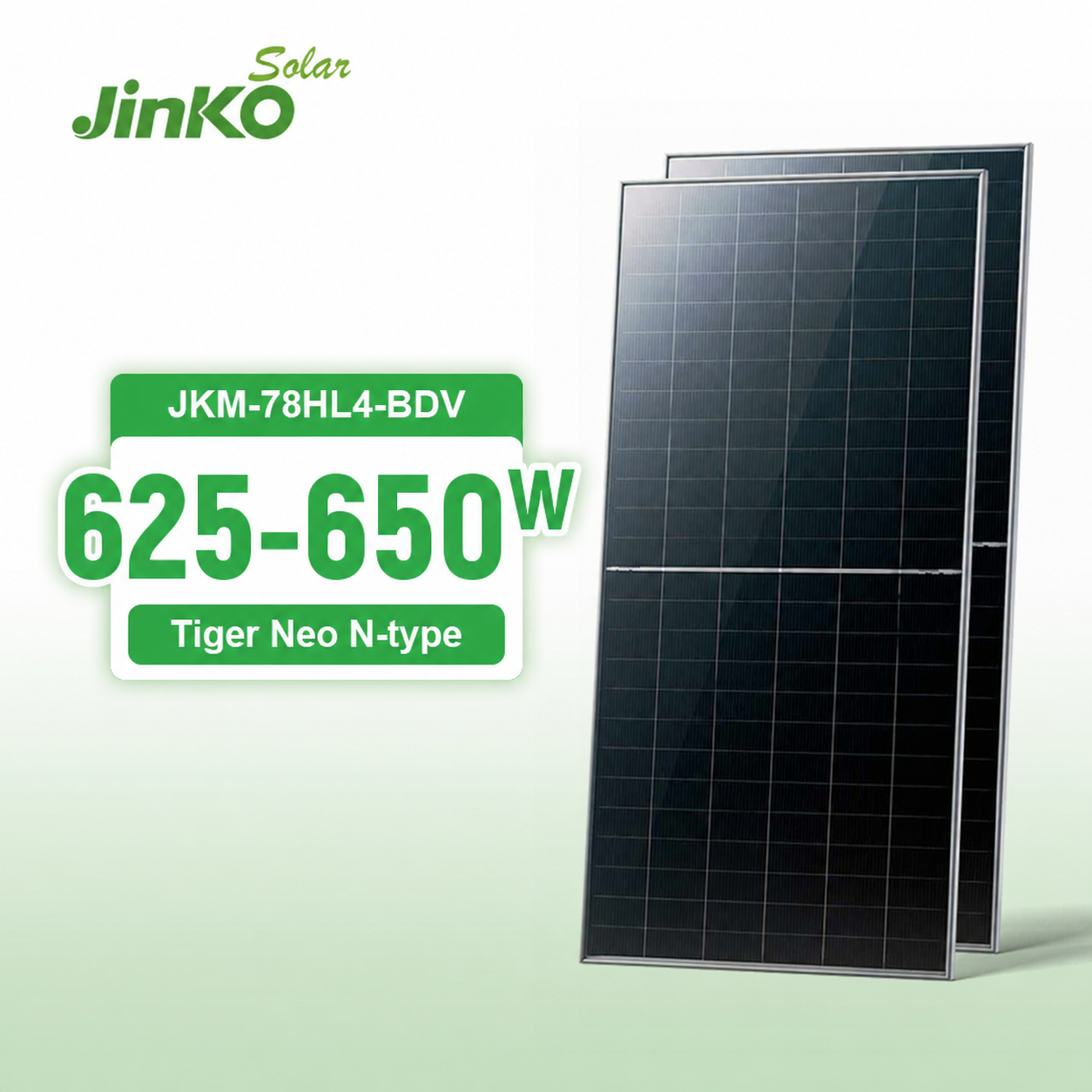
High-Yield Solar Harvesting Equipment
Matched Photovoltaic Arrays for High-Capacity OPzS Storage Banks
Tubular stationary lead-acid (OPzS) battery systems require high-efficiency, multi-busbar solar modules capable of delivering consistent bulk charging currents under intense Levant solar irradiation. Explore our factory-matched photovoltaic modules.
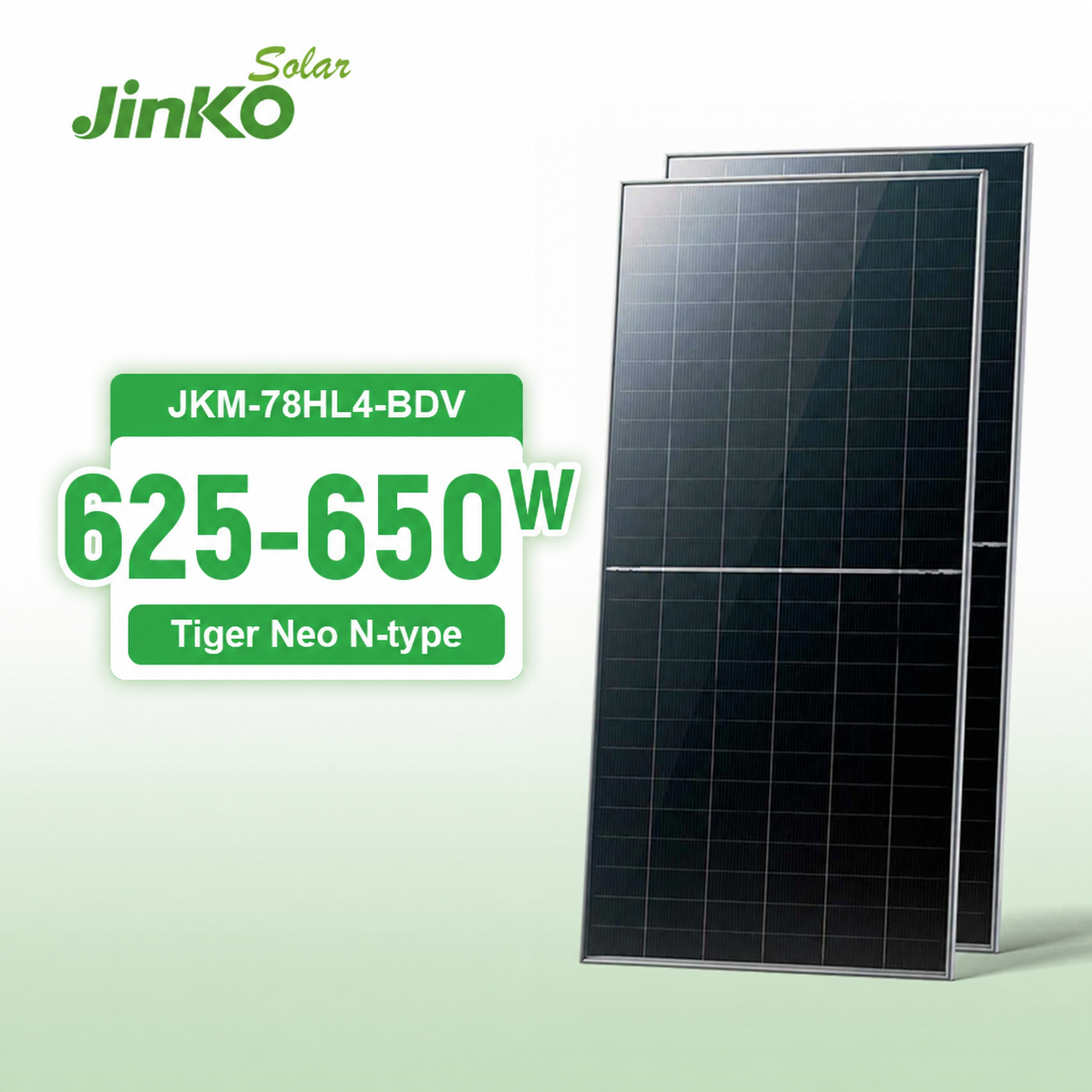
Jinko Monocrystalline Pv Panels 650W 625W 640W High Efficiency Bifacial Dual Glass Solar Module
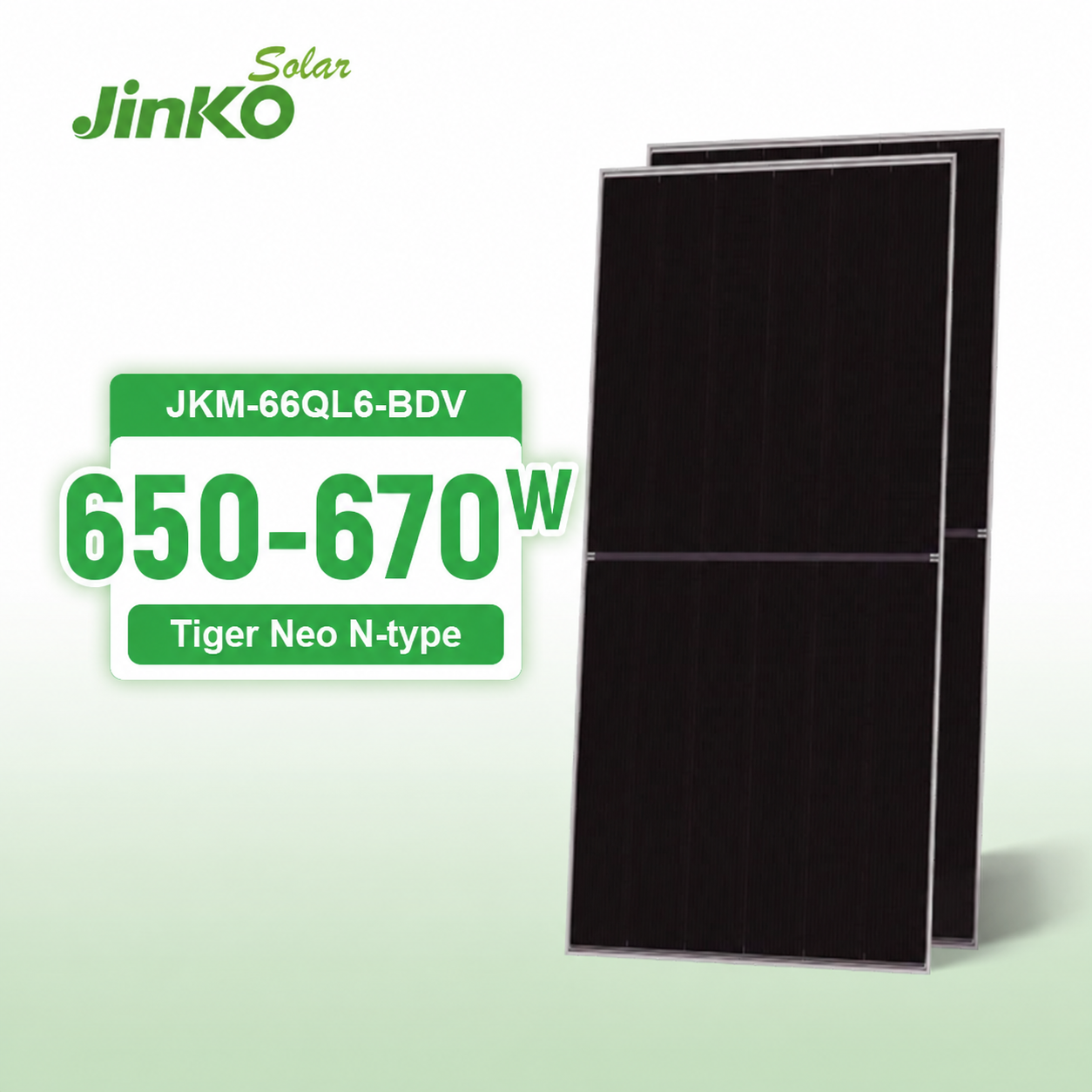
Jinko N Type 650W 660W 670W Wholesale TOPCon Bifacial Photovoltaic Module for Commercial
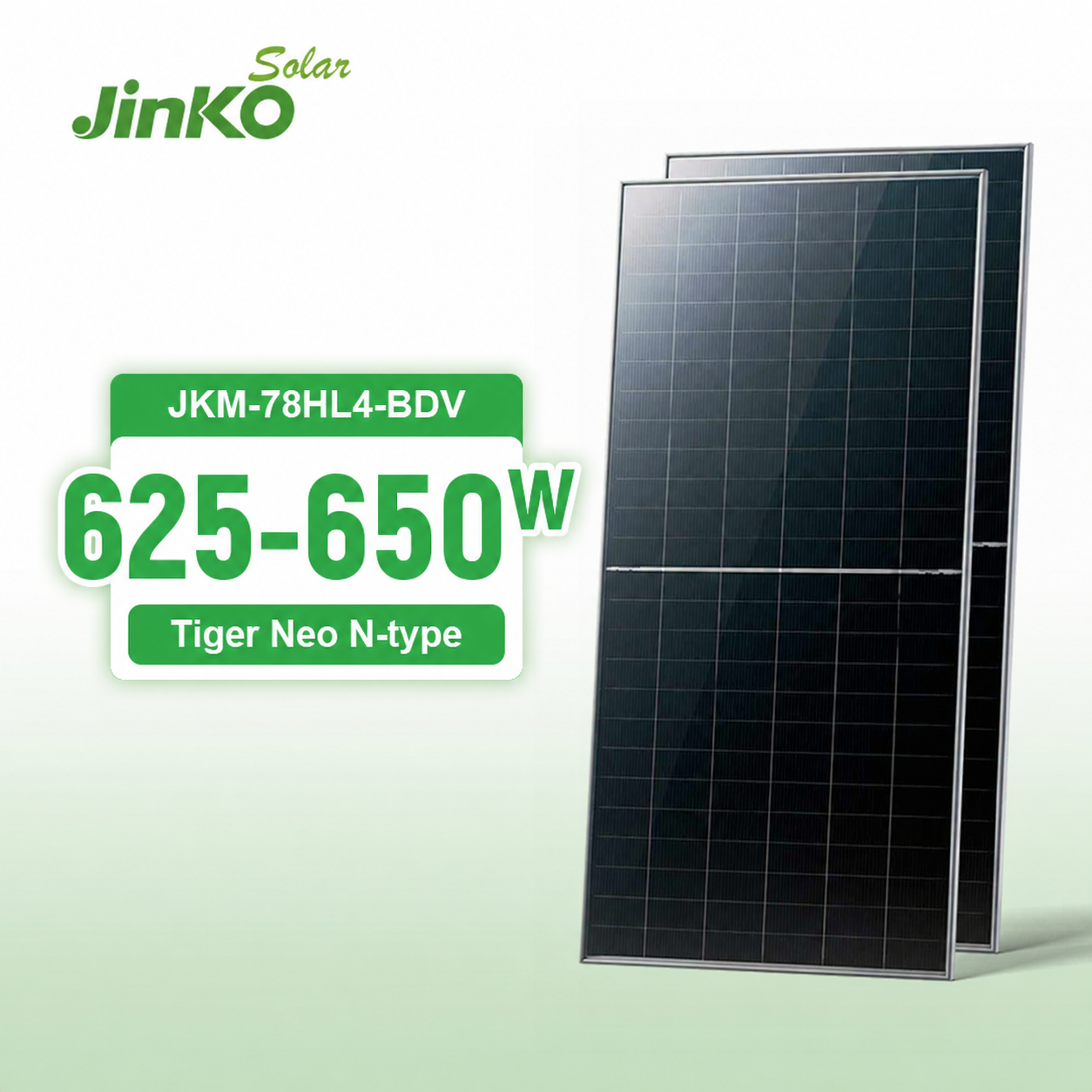
Jinko Bifacial Pv Panels 630W 640W 635W Dual Glass Panneau Solaire Monocrystalline Solar Module
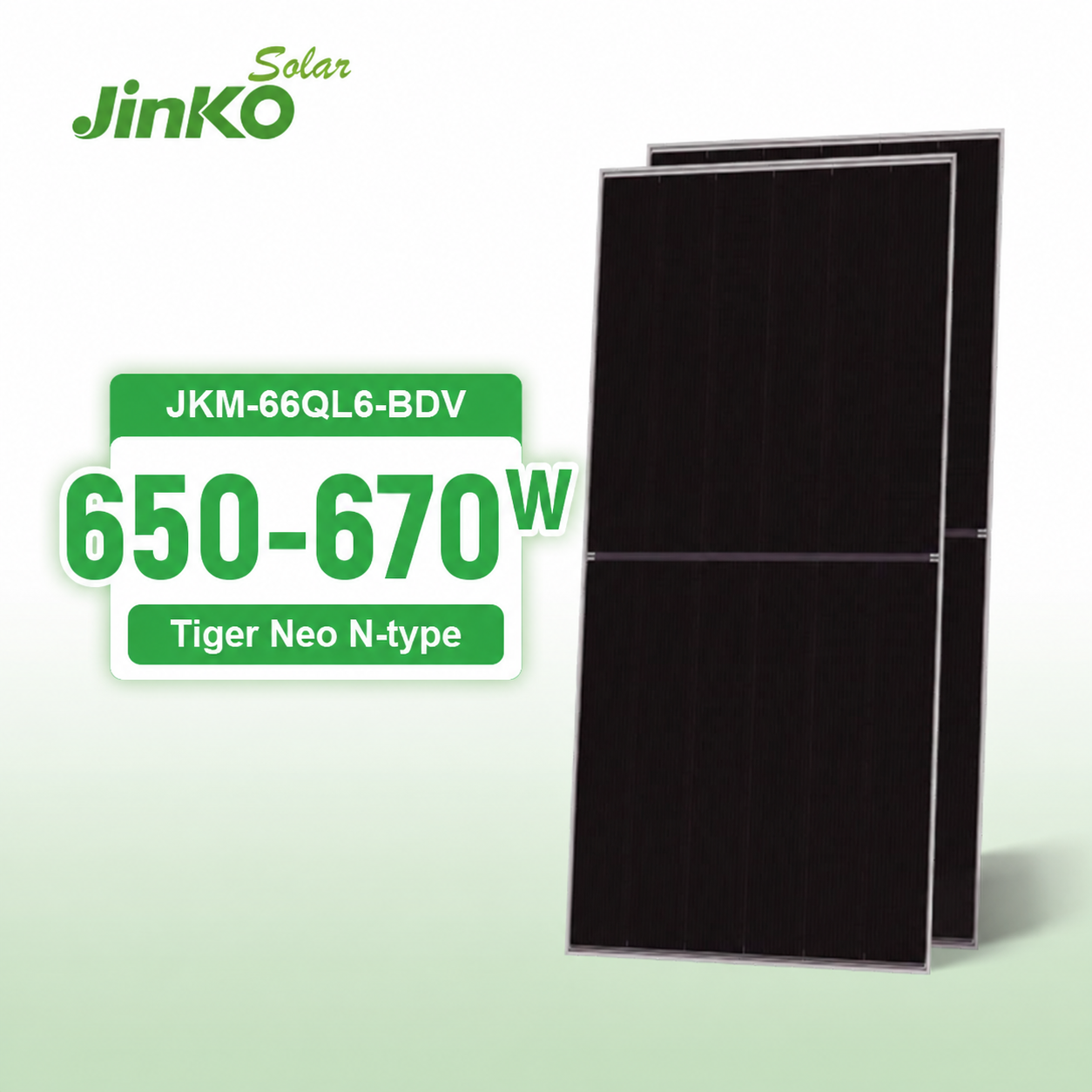
Jinko Monocrystalline Solar Panels 650W 660W 670W Bifacial High Efficiency Dual Glass Module
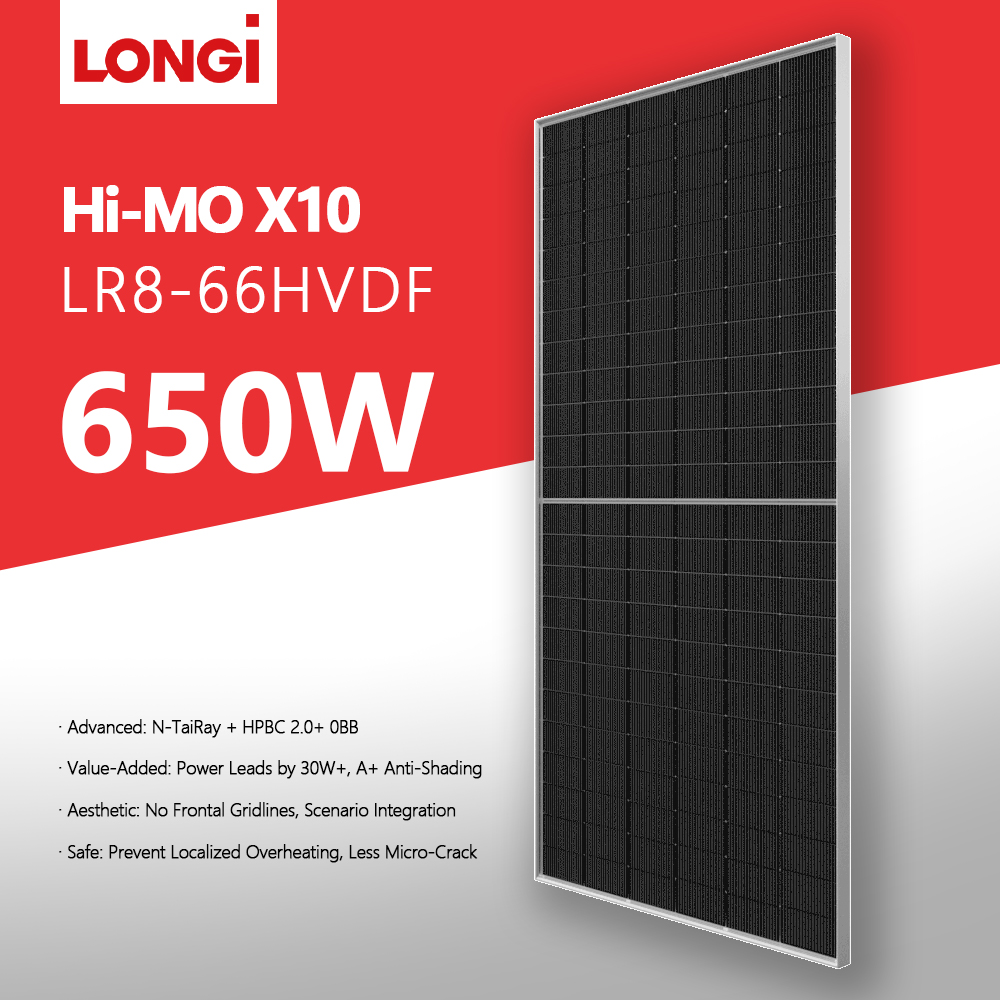
Commercial Grade LONGI Solar Panel 650W N-Type Solar Module with Battery and Inverter
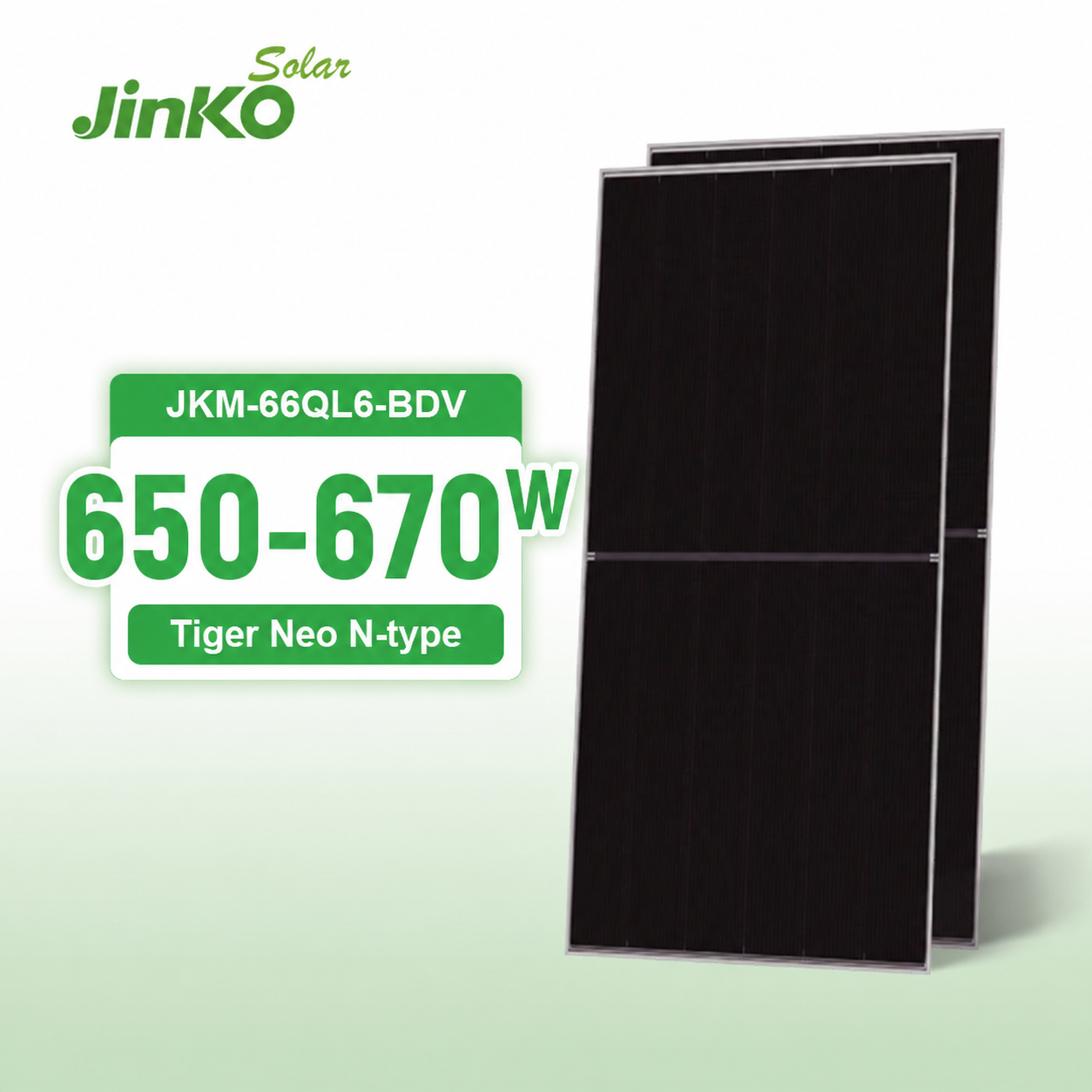
Jinko N Type Bifacial Pv Modules 650W 660W 670W Double Glass Photovoltaic Panel for Commercial

Jinko N Type Bifacial Solar Panels 585W 590W 575W TOPCon Monocrystalline High Efficiency Module
20+ Years
Design Float Life (20°C)
2,800+
Cycles at 60% DoD
DIN 40736-1
Standard Compliance
0% Risk
Thermal Runaway Propagation
Electrochemistry Whitepaper
Tubular Plate Metallurgy & Chemical Robustness for High-Capacity Solar
Stationary OPzS (Ortsfest Panzerwplatten Flüssig) cells represent the global benchmark for deep-cycling resilience and operational longevity in isolated power networks. Unlike flat-plate pasted lead-acid or even standard AGM systems, OPzS cells utilize pressure-die-cast tubular spine grids manufactured from antimony-lead alloys with selenium grain refiners (low antimony < 2%). The positive active material is securely encapsulated within porous woven polyester gauntlets, completely eliminating active mass shedding during vigorous daily solar cycling.
In high solar irradiance zones like the Jerusalem District, where ambient temperatures fluctuate between montane winter lows and extreme summer heatwaves, stationary storage faces severe electrochemical stresses. Standard VRLA batteries dry out prematurely due to internal gas recombining thermal traps, while lithium-based chemistries require continuous parasitical HVAC cooling to prevent accelerated calendar degradation. OPzS flooded cells feature a massive liquid electrolyte reserve (dilute sulfuric acid, specific gravity 1.240 ± 0.010 kg/l at 20°C) that acts as an integrated thermal buffer, permitting reliable operation in ambient environments up to 55°C without risk of thermal runaway.
Key Engineering Metric: DIN 40736-1 compliant tubular plates provide up to 2,800 cycles at 60% Depth of Discharge (DoD) and over 1,800 cycles at 80% DoD, translating to 15 to 20 years of continuous daily renewable charging when correctly floated at 2.23 to 2.25 V/cell.

| Performance Vector | Custom OEM OPzS (Tubular Flooded) | Standard Deep-Cycle GEL (OPzV) | Lithium Iron Phosphate (LFP) |
|---|---|---|---|
| Electrode Structure | Pressure-cast tubular positive gauntlet (Pb-Sb-Se) | Tubular or flat plate with immobilized gel | Prismatic/cylindrical wound LiFePO4 cathode |
| Design Float Life (20°C) | 20 Years (Industrial DIN standard) | 15–18 Years | 10–15 Years (Calendar dependent) |
| Thermal Runaway Tolerance | Immune; massive thermal inertia via free electrolyte | Moderate; sensitive to high-voltage overcharging | Requires active BMS balancing & safety cutouts |
| Deep Discharge Recovery | Superior; fully recoverable from prolonged deep states | Good; requires prompt recharging | Risk of BMS low-voltage lock-out if uncharged |
| Electrolyte Visual Check | Direct observation through transparent SAN jars | None (Sealed casing) | None (Solid/liquid hermetic enclosure) |
Deployment Scenarios
Critical Solar Storage Infrastructure Across the Jerusalem District
Deploying solar-plus-storage in the Jerusalem corridor and Judean mountain ridges presents unique topographical, climatic, and regulatory challenges. Our OEM OPzS solutions are specifically configured to address local operating criteria.
Heritage Roofs & Urban Microgrids
Jerusalem's dense municipal and historic stone masonry buildings often impose strict fire clearance regulations prohibiting large indoor lithium banks. OPzS cells, equipped with ceramic flame-arrestor vent plugs, generate no volatile thermal runaways, making them the safest utility backup choice in historical basements and municipal substations.
Commercial Peak-Shaving & TOU Shifting
Commercial shopping facilities, cold-storage warehouses, and light industrial enterprises across Atarot and Talpiot experience steep Time-of-Use (TOU) power tariffs during peak summer cooling hours. High-capacity 2V OPzS strings allow large-scale daily cycling to shave multi-megawatt demand spikes without thermal degradation.
Isolated Telecom Towers in Judean Hills
Remote telecommunication relay stations located across high-elevation ridges between Jerusalem, Ramallah, and Bethlehem endure extreme diurnal temperature spreads. Unmanned telecom sites powered by bifacial PV arrays rely on 48V OPzS battery banks for up to 5 days of autonomous reserve without requiring constant site servicing.
Market Intelligence & Trends
Navigating the Levant Renewable Energy Transition

The energy architecture in Jerusalem and adjacent Levant territories is characterized by an accelerating shift toward decentralized generation alongside intense grid capacity constraints. As national solar targets drive rooftop PV adoption beyond existing medium-voltage substation capacities, distribution operators are enforcing stringent grid-injection limits and feed-in tariff curtailments. Consequently, solar storage has transitioned from an optional backup asset to an essential operational requirement.
Furthermore, energy security mandates have intensified demand for localized long-duration energy storage (LDES). Systems requiring 8 to 24 hours of sustained discharge cannot economically rely on lithium technology due to high per-kWh cell costs and mandatory climate-controlled battery containment shelters. Industrial OPzS wet cells offer the lowest Levelized Cost of Storage (LCOS) for multi-hour stationary reserve, operating efficiently in natural-convection ventilated battery rooms without expensive liquid cooling or specialized fire-suppression infrastructures.
Exporting to Jerusalem demands adherence to stringent international standards, including IEC 60896-11, CE mark conformity, and UN 2794 dangerous goods maritime transport protocols through the ports of Ashdod and Haifa. Our engineering dispatch ensures all compliance documentation is coordinated seamlessly with regional customs clearing authorities.
Why Partner With Us
Manufacturing Precision, Compatibility Testing & Export Excellence
Drawing from decades of technical leadership in high-output power systems, Hangzhou VOLT New Energy Technology Co., Ltd. delivers engineered reliability from cell metallurgy to site turn-on.
Pre-Matched Inverter Synchronization
Every OPzS battery bank is pre-configured with exact charging profiles (Bulk, Absorption, Float, and Equalization voltages) tailored for leading three-phase hybrid inverters like Deye, avoiding site commissioning errors and premature sulfation.
Flexible Dry-Charged / Wet Export
We supply OPzS cells in either dry-charged condition (with 2-year shelf life before acid filling) or factory-filled and formed wet condition. Fully certified UN-approved wooden crating ensures zero leakage and complete maritime DG compliance.
Transparent SAN Containers & Venting
Cased in ultra-durable, injection-molded Styrene Acrylonitrile (SAN), our cells feature visible electrolyte min/max levels and patented ceramic filter plugs that prevent acid mist escape while keeping hydrogen emissions safely diffused.
Rigorous Pre-Shipment Quality Testing
Every cell batch undergoes open-circuit voltage verification, internal impedance spectroscopy, capacity discharge testing, and post-seal pressure checks prior to container loading. Our quality assurance protocol includes complete photographic and video documentation furnished to EPC engineers prior to dispatch.
- 100% cell impedance and polarity testing before pallet packing
- Supplied with flexible insulated copper inter-cell connectors and stainless steel hardware
- Custom earthquake-resistant steel tier racking designed for seismic zone ratings
- Turnkey consolidated shipments including bifacial TOPCon modules, inverters, and DC combiners

Procurement & Engineering Intelligence
Frequently Asked Questions by Local Solar Contractors & EPCs
Direct technical and operational answers to common procurement, compliance, and engineering queries from buyers in the Jerusalem region.
Q:
Why choose flooded OPzS over sealed OPzV (GEL) for high-ambient solar sites?
While OPzV batteries eliminate topping up, OPzS flooded cells provide a significantly higher volume of liquid electrolyte. This massive thermal sink prevents localized thermal runaway in un-airconditioned outdoor enclosures across the Judean desert hills. Furthermore, dry-out cannot occur with OPzS because distilled water can be easily replenished, extending service life beyond 20 years.
Q:
How are OPzS batteries shipped to Jerusalem via Israeli or regional ports?
Cells can be exported dry-charged with pre-formed plates (Class 8 non-spillable / non-hazardous status in many jurisdictions, eliminating high DG ocean premiums) or wet-charged as Class 8 corrosive UN 2794. Most regional EPCs prefer dry-charged shipments for extended shelf storage, adding local battery-grade electrolyte on site prior to commissioning.
Q:
What charging parameters are recommended when paired with Deye hybrid inverters?
For a nominal 48V bank (24 cells in series): Float voltage should be set to 53.5V – 54.0V (2.23 – 2.25V/cell at 20°C). Boost/Absorption charging should be set to 57.6V (2.40V/cell) with a maximum current limit of 0.15C to 0.20C (A). Equalization charging at 58.8V (2.45V/cell) is recommended once every 30 to 60 days to prevent acid stratification.
Q:
What maintenance routine is required for OPzS installations in Jerusalem?
With standard ceramic flame-arrestor vent plugs, water replenishment is typically required only once every 2 to 3 years under normal float conditions. When equipped with optional catalytic recombination plugs, the recombining efficiency of hydrogen and oxygen exceeds 95%, extending watering intervals up to 5 to 8 years.
Q:
What are the minimum ventilation requirements for indoor battery rooms?
Per EN 50272-2 / IEC 62485-2, battery rooms must provide adequate air exchange calculated by the formula Q = 0.05 × n × Igas × Crt × 10^-3 [m³/h]. Natural draft ventilation with high and low louvered air openings is usually sufficient for residential and light-commercial OPzS banks, completely avoiding forced explosion-proof mechanical exhaust systems.
Q:
Can VOLT New Energy consolidate PV panels, inverters, and OPzS banks in one container?
Yes. We specialize in consolidated mixed-load engineering kits. We pack Tier-1 high-efficiency bifacial PV modules (e.g., Jinko 650W TOPCon), single/three-phase hybrid inverters, OPzS cells, steel seismic racks, interconnecting cables, and DC breakers into a single maritime container, fully checked for compatibility before sealing.
Plan Your High-Reliability Solar Storage Project in Jerusalem
Consult with our senior energy storage engineers to size your OPzS battery banks, verify inverter charging protocols, and request factory direct proforma quotations with full customs clearing documentation.