Featured Photovoltaic Arrays Matched for 10kW Inverters
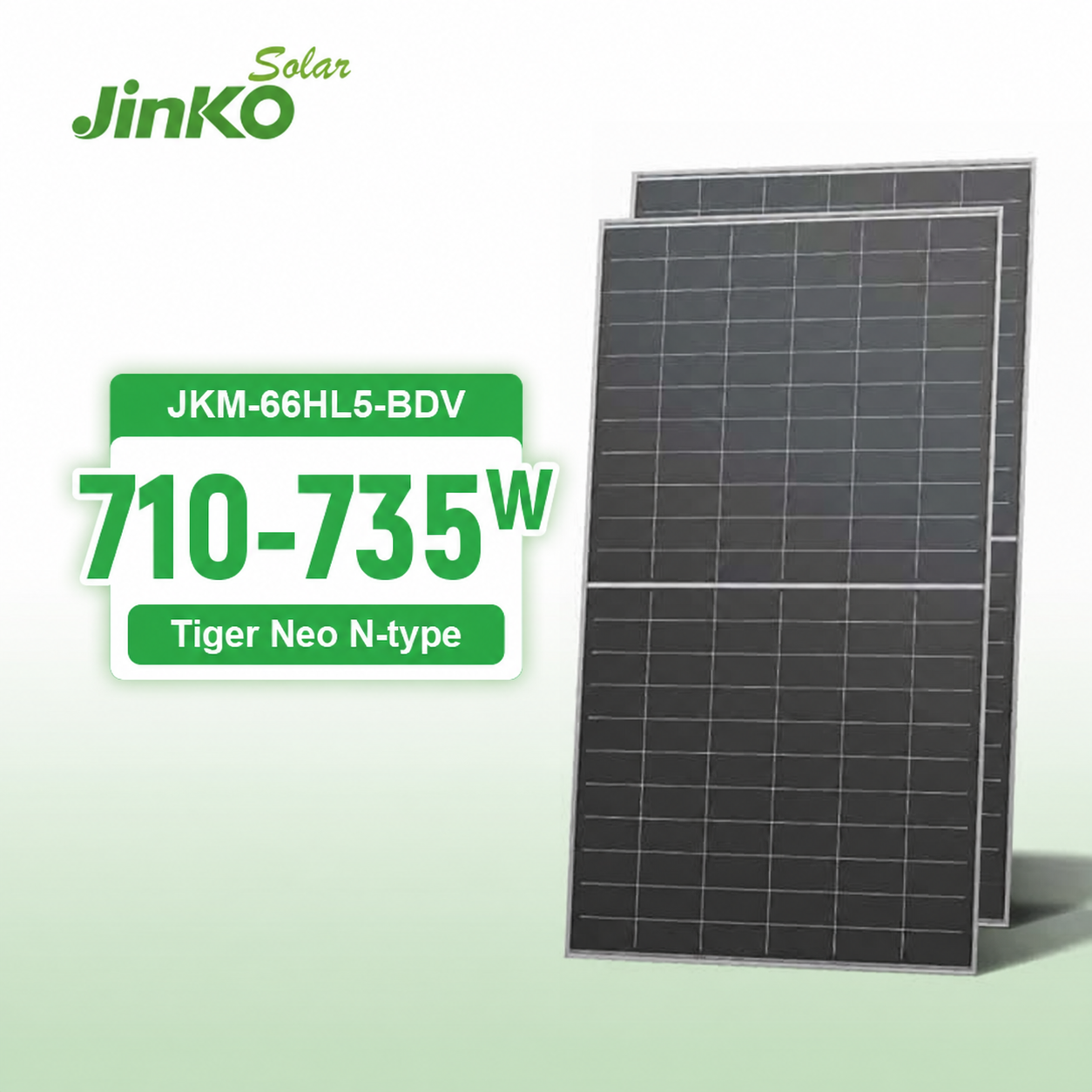
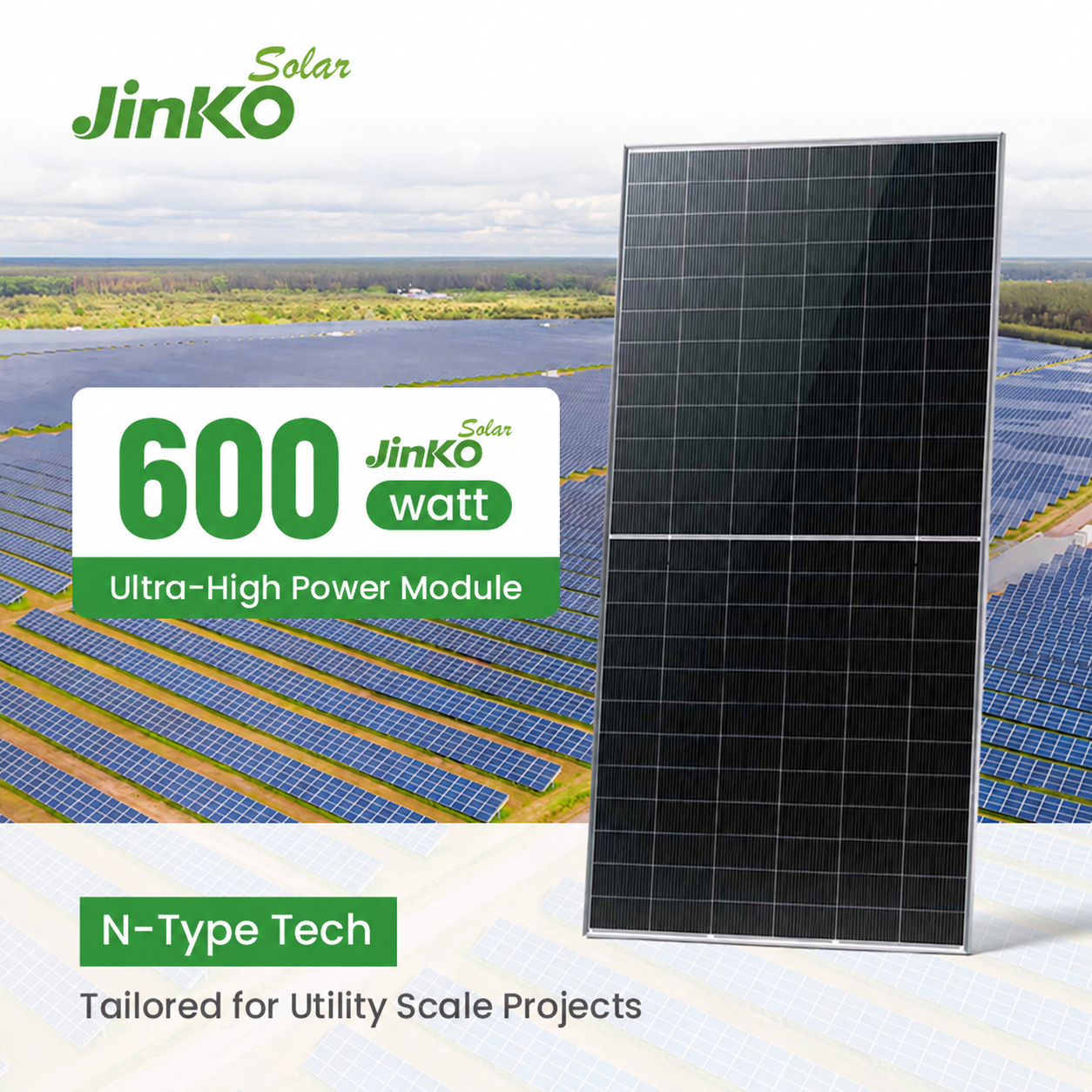
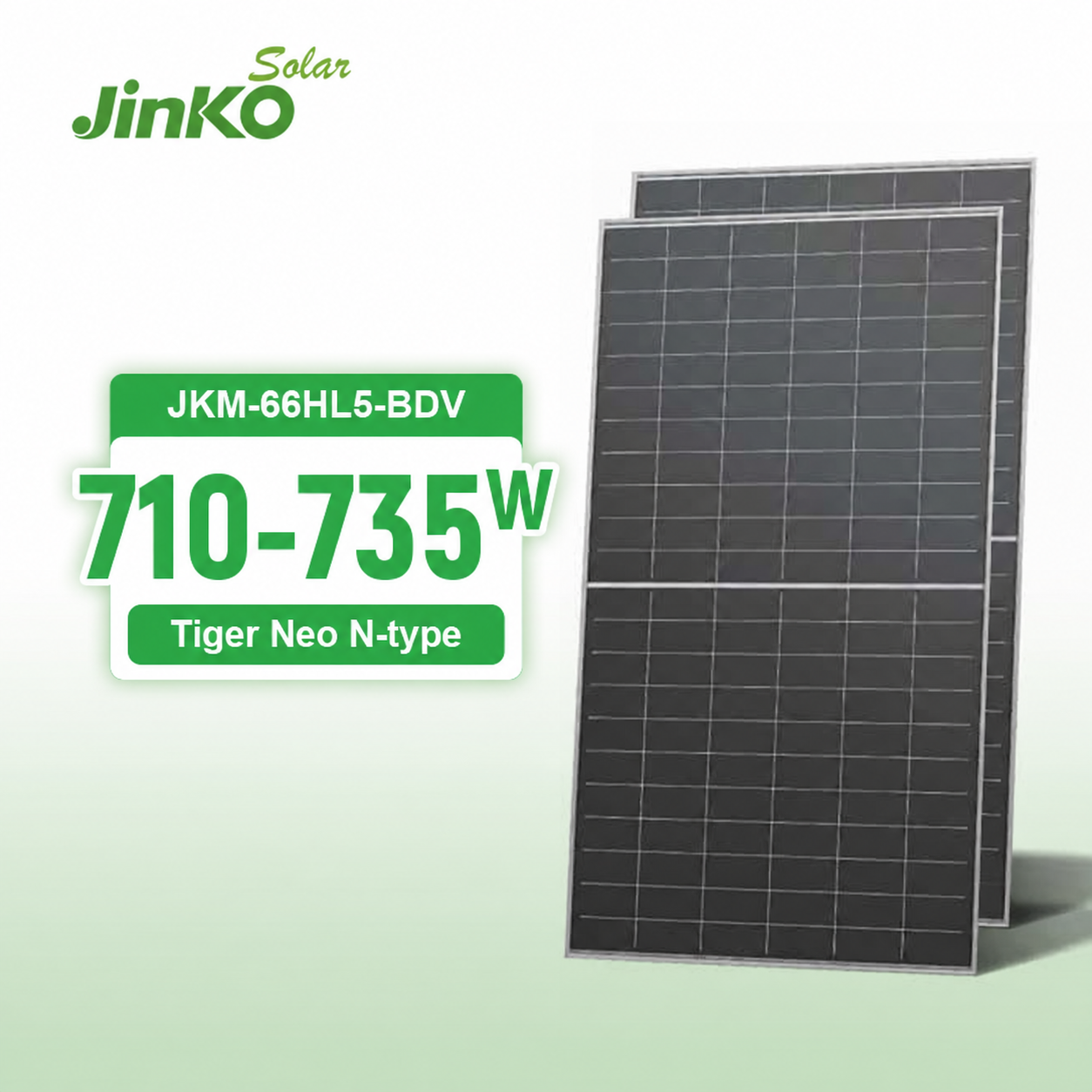
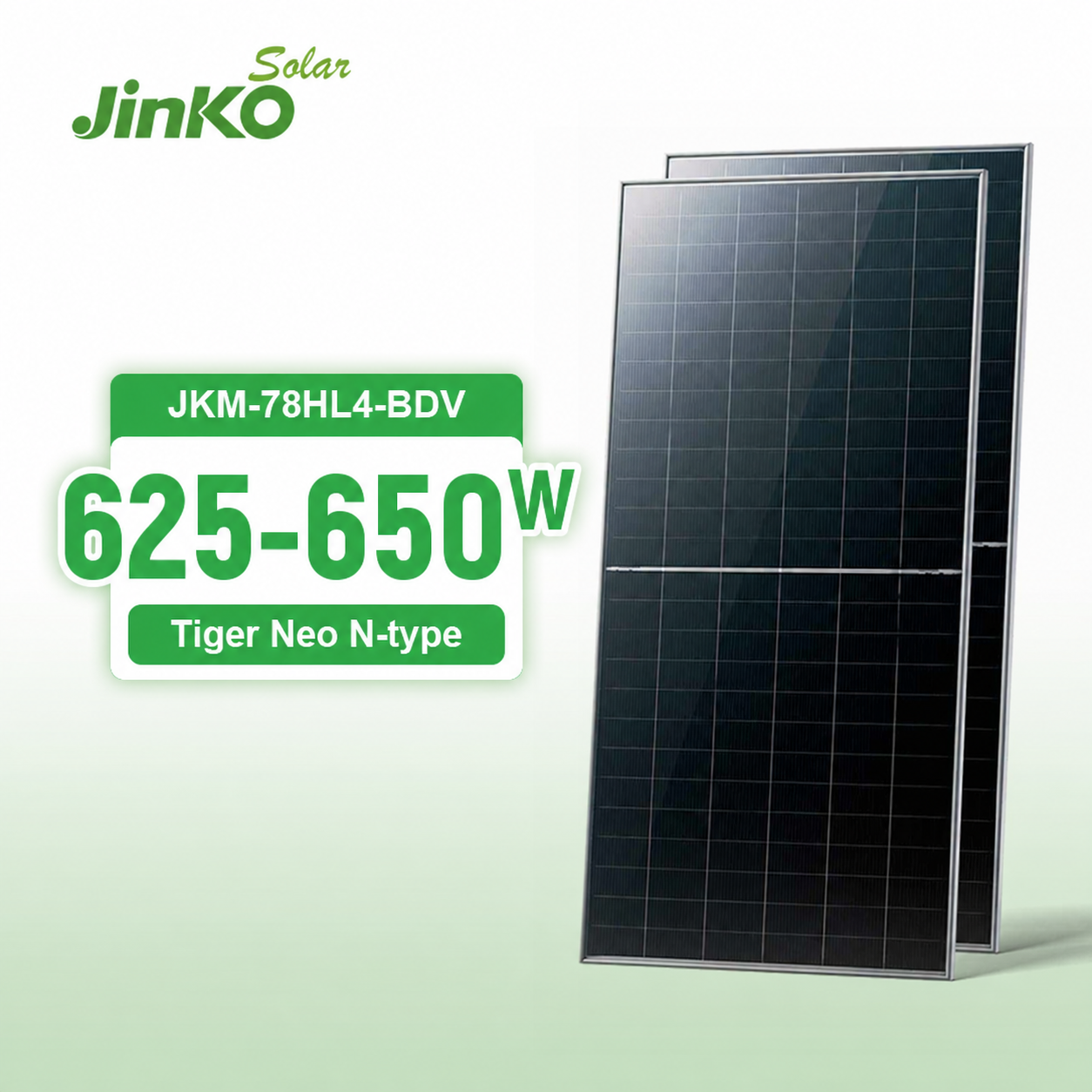
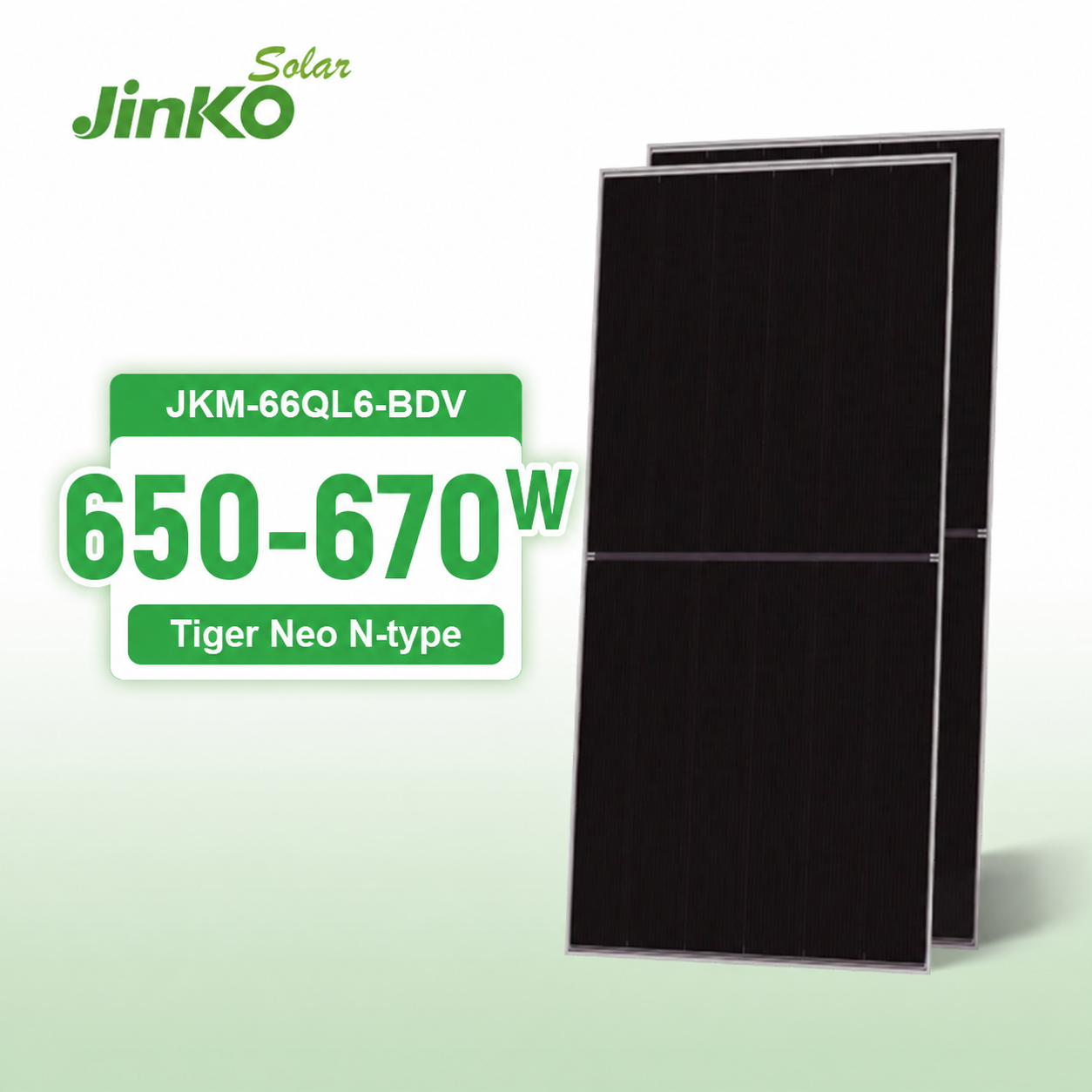
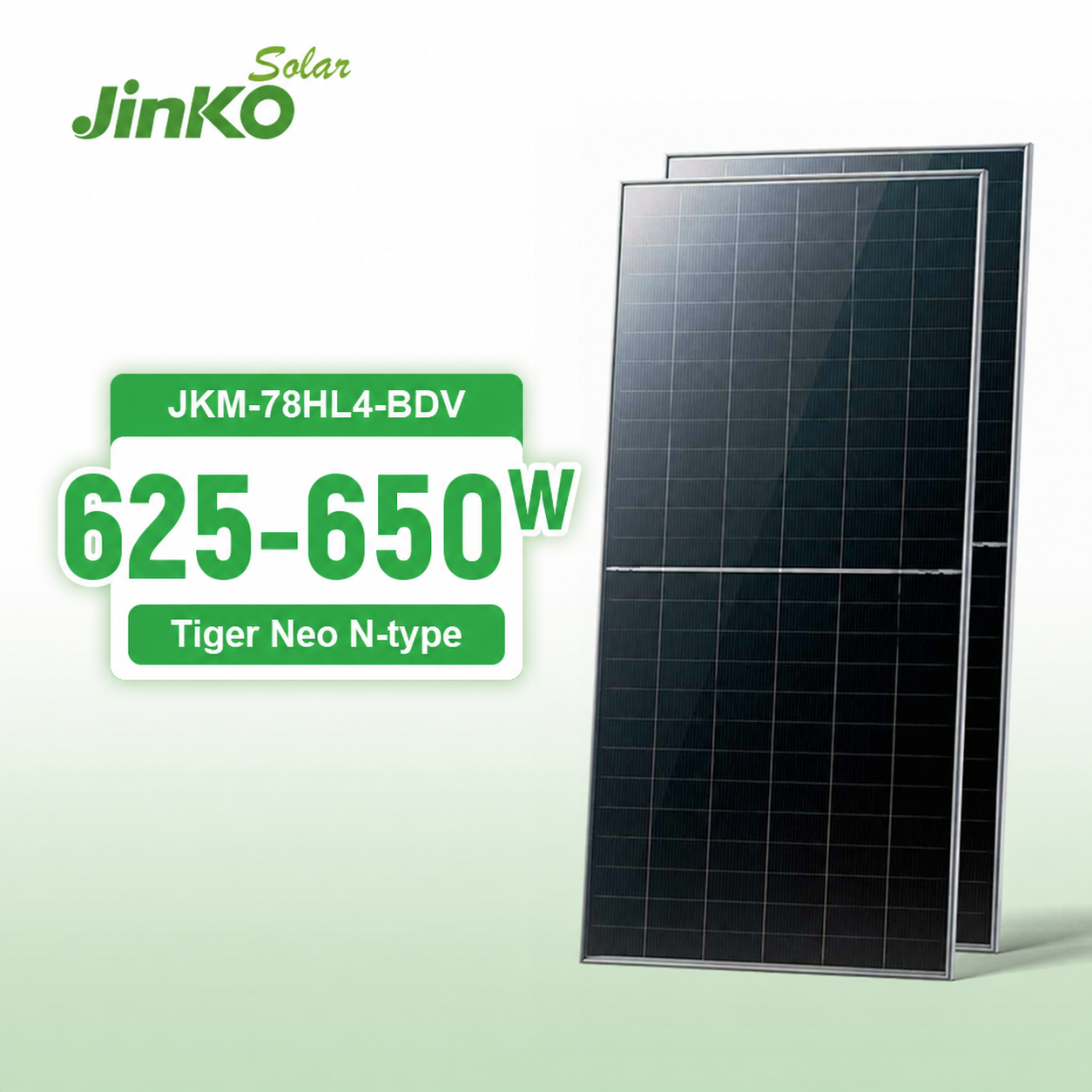
Achieving optimum Levelized Cost of Electricity (LCOE) in Saudi Arabia requires seamless impedance and voltage curve alignment between the 10kW inverter's Maximum Power Point Trackers (MPPT) and high-efficiency bifacial PV modules. Below are 8 proven N-Type TOPCon panels engineered for high-temperature albedo performance.


Engineering Whitepaper: Designing 10kW Solar Inverters for the Arabian Peninsula
The Kingdom of Saudi Arabia (KSA) boasts one of the most intense solar irradiance footprints globally, receiving an average global horizontal irradiance (GHI) exceeding 2,200 kWh/m² per annum. However, exploiting this abundant resource poses rigorous electro-thermal challenges. Standard commercial grid-tied and hybrid inverters calibrated for temperate European or Asian environments experience severe thermal throttling, premature electrolytic capacitor dry-out, and catastrophic dust ingress when deployed in regions like Riyadh, Al-Ahsa, or Tabuk.
As an established OEM/ODM manufacturer and international system integrator, Hangzhou VOLT New Energy Technology Co., Ltd. re-engineers the 10kW solar power inverter from the component level up. Our Saudi-dedicated 10kW platform integrates cutting-edge Silicon Carbide (SiC) power semiconductors, proprietary multi-stage thermal management tunnels, dual independent MPPT controllers with ultra-wide voltage windows (150V–850V DC), and galvanic isolation architectures designed to operate continuously under ambient temperatures reaching up to 55°C without drastic power derating.
Whether supplying local EPC contractors executing distributed rooftop solar on commercial warehouses in Dammam or engineering plug-and-play hybrid storage packages for private luxury estates in Jeddah, our OEM services allow regional distributors to private-label equipment with customized firmware conforming to the Saudi Electricity Company (SEC) Distribution Code, complete with Arabic-language graphical user interfaces and localized cloud-monitoring server compliance.
Technical Specification Benchmark: Standard 10kW Inverter vs. OEM Desert-Grade Architecture
Procurement teams in Saudi Arabia must evaluate inverters based on true lifetime thermal resilience and grid stability metrics rather than nominal factory nameplate figures measured in clean laboratories at 25°C:
| Engineering Parameter | Standard Commercial 10kW Inverter | VOLT OEM Desert-Grade 10kW Inverter (KSA Edition) |
|---|---|---|
| Ambient Derating Threshold | Derating begins sharply at 40°C - 45°C | Zero derating up to 50°C; Linear max derating only 1.2%/°C to 55°C |
| Chassis Ingress Protection | IP65 (Vulnerable to micro-silica sand) | IP66 / NEMA 4X Dual-Chamber Vacuum Gasket Enclosure |
| Semiconductor Topography | Standard Silicon IGBTs | AEC-Q101 Qualified Silicon Carbide (SiC) MOSFETs (Lower RDSon) |
| Cooling System Dynamics | Natural convection or low-grade exhaust fan | Smart Redundant Dual-Ball-Bearing IP68 Fans + Anodized Heat Fin Array |
| MPPT Input Voltage Window | 200V – 650V DC (Narrow low-light tracking) | 150V – 850V DC (Accommodates severe thermal voltage drop) |
| Grid Interconnection Protocol | Generic IEC 62109 / EN 50549 | Full SASO / SABER Conformity & SEC Net-Metering Interconnection Code |
| BMS Communication Protocol | Proprietary closed CAN/RS485 | Universal Auto-Matching CAN/RS485 (Deye, Pylontech, VOLT LFP, GEL) |
Localized Deployment Scenarios Across the Kingdom
From the extreme ambient heat of the central desert plateau to the hypersaline coastal humidity of the Arabian Gulf and Red Sea, the 10kW solar inverter functions as the critical node for power conversion and microgrid resilience.
Riyadh & Central Province: Residential Villa Net-Billing
Residential electricity consumption in Riyadh spikes dramatically during summer months due to multi-zone air conditioning running 24/7. Our three-phase 10kW on-grid and hybrid OEM inverters synchronize flawlessly with SEC bi-directional meters. Dual MPPT architecture permits asymmetric rooftop layouts across east-west orientations common in urban Saudi villas, maximizing midday self-consumption and exporting surplus power under the regulatory framework of the Water and Electricity Regulatory Authority (WERA).
Al-Qassim & Al-Jouf: Agricultural Solar-Diesel Hybrids
In remote farming regions specializing in date palms, wheat, and greenhouses, deep-well submersible water pumps frequently rely on costly diesel generator sets. Our 10kW hybrid inverters incorporate automated auxiliary generator management ports (dry contacts) and wide frequency acceptance (45Hz–65Hz). By coupling the inverter with 15kWh–30kWh LFP or deep-cycle GEL battery banks, agricultural operators decrease diesel fuel consumption by up to 78% through intelligent solar peak shaving.
Jeddah, Yanbu & Dammam: Coastal Marine Environments
Coastal facilities along the Red Sea and Arabian Gulf experience extreme airborne salinity combined with ambient humidity exceeding 85%. Standard electronic components quickly suffer from galvanic pitting and electrolytic track failure. Our custom OEM units feature circuit boards protected by tri-proof conformal coatings conforming to IPC-A-610 Class 3, housed inside anti-corrosion die-cast aluminum chassis certified to C5-M marine atmospheric corrosivity standards.
NEOM, Red Sea Project & Remote Border Infrastructure: Mission-Critical Power
Off-grid border surveillance hubs, highway cellular base transceiver stations (BTS), and eco-tourism resorts across the Tabuk and Al-Ula development zones mandate continuous 24/7 power without human operational intervention. Our OEM 10kW systems support parallel scalability (up to 16 units for 160kW combined capacity), remote satellite-linked 4G/GPRS telemetry modules, and seamless sub-10ms automatic transfer switching (UPS class) to safeguard sensitive electronic loads against dropouts.

Saudi Vision 2030: The Distributed Solar Transformation
Under the directives of the Saudi National Renewable Energy Program (NREP) and the broader economic vision outlined by Crown Prince Mohammed bin Salman, the Kingdom is actively targeting 58.7 GW of renewable generation by 2030. While mega-utility projects like Sudair and Sakaka capture international headlines, the most lucrative growth curve for electrical distributors and EPC contractors lies in the distributed small-scale solar photovoltaic (SSPV) sector.
With the progressive restructuring of municipal electricity tariffs across residential, commercial, and industrial segments, the payback period for a 10kW solar installation has dropped from over 8 years to approximately 3.4 to 4.2 years. The recent implementation of the regulatory clearinghouse mechanism through the Shamsi Portal has streamlined net-billing permits, opening an unprecedented channel for 10kW residential and commercial rooftop inverters. Importers who align with certified, high-reliability OEM manufacturers stand to capture dominating market share as adoption accelerates across Tier-1 and Tier-2 Saudi cities.
Why Saudi Importers Partner with Hangzhou VOLT New Energy
We don't merely ship boxed hardware. We operate as an engineering partner, handling firmware customization, pre-shipment communication testing, and turnkey logistics for distributors in over 100 countries.
Pre-Shipment Protocol Verification
The #1 issue reported by Saudi solar installers is BMS communication faults between inverters and energy storage batteries. At our Hangzhou integration facility, every OEM 10kW inverter undergoes closed-loop CAN/RS485 protocol matching tests with our LFP storage batteries and Deye platforms prior to container sealing, ensuring flawless plug-and-play installation.
SABER & SASO Customs Clearance
Entering the Saudi market demands uncompromising regulatory compliance. We provide complete documentation dossiers including IECEE test reports, IEC 62109-1/-2, IEC 61000 EMC certificates, and RoHS declarations. Our export operations team coordinates directly with SABER-accredited conformity assessment bodies (such as TÜV, Intertek, and SGS) to expedite Shipment Certificates (SCoC).
Consolidated Mixed-Container Logistics
Optimize your freight economics by avoiding single-item imports. We bundle our OEM 10kW inverters with Tier-1 Jinko N-Type TOPCon panels, wall-mounted 51.2V LiFePO4 batteries, deep-cycle GEL storage modules, PV DC cabling, and circuit breakers into consolidated 20GP or 40HQ containers, complete with certified Class 9 dangerous goods (DG) maritime handling.
Rigorous Factory QC & High-Temperature Burn-In
To satisfy our 5-to-10-year factory warranty commitments, every 10kW inverter unit produced on our OEM lines undergoes a strict 4-hour 100% full-load burn-in cycle inside a thermal environmental test chamber at 50°C. Transient surge withstand tests (6kV according to IEC 61000-4-5), insulation resistance measurements, and simulated grid harmonic distortions are logged against the unit’s unique serial number before palletization.

Frequently Asked Questions by Saudi Importers
Essential technical, regulatory, and logistical answers compiled from our daily work with solar distributors, project developers, and EPC engineering teams across the Kingdom.
Are your 10kW solar inverters fully compliant with the Saudi Electricity Company (SEC) grid code?
What documentation is provided to clear the SABER platform and SASO inspection?
How does the 10kW inverter prevent thermal throttling during peak Saudi summer heat (50°C+)?
Can your 10kW hybrid inverter seamlessly communicate with both LFP and GEL battery banks?
What OEM and white-label customization options are available for Saudi distributors?
How do you handle warranty support, spare parts, and RMA in Saudi Arabia?
What is the typical shipping lead time to Saudi Arabian ports (Jeddah Islamic Port / King Abdulaziz Port Dammam)?
Accelerate Your Solar Distribution in KSA
Partner with an experienced OEM manufacturer dedicated to the Middle Eastern renewable transition. Connect directly with our solar engineering specialists to request wholesale pricing, technical data sheets, and custom firmware consultation for your brand.