Direct Manufacturer Supply for Asunción Solar & Storage Integrators
High-efficiency N-Type bifacial solar panels and matched deep-cycle battery storage systems. Tested for thermal resilience under Gran Asunción’s demanding subtropical conditions.
Countries & Global Jurisdictions Supplied with Tier-1 Clean Energy Equipment
Rated Deep Cycles at 80% DoD for Our LiFePO4 Energy Storage Systems
Pre-Dispatch Inverter-to-BMS CAN/RS485 Protocol Matching & Bench Testing
Dedicated Engineering Support Response for Asunción EPCs & Contractors
1. Asunción’s Power Grid Paradox: Grid Volatility in an Electricity-Rich Nation
Paraguay occupies a globally unique macroeconomic position in the renewable energy sector: virtually 100% of its domestic electricity generation stems from massive bi-national hydroelectric installations, notably the Itaipú Dam on the Paraná River (shared with Brazil) and the Yacyretá Dam (shared with Argentina). However, despite possessing one of the highest per-capita hydroelectric generation surpluses on the planet, the capital city of Asunción and the broader Gran Asunción metropolitan area (including dense economic nodes such as Luque, Fernando de la Mora, San Lorenzo, and Lambaré) experience acute electrical reliability vulnerabilities.
The structural dilemma confronting commercial facilities, critical telecom towers, cold storage warehouses, and affluent residential estates across Asunción is not generation scarcity, but severe transmission and distribution (T&D) bottlenecks managed by the national utility, Administración Nacional de Electricidad (ANDE). During the peak southern hemisphere summer months (November through March), ambient temperatures in Asunción routinely exceed 40°C (104°F) with high relative humidity. The resulting surge in HVAC cooling loads triggers acute thermal overloading on sub-transmission transformers, voltage sags below 180V on nominal 220V/380V circuits, transient phase unbalances, and recurrent unscheduled blackouts lasting from thirty minutes to over twelve hours.
Consequently, the demand for industrial deep-cycle batteries and hybrid solar storage systems across Asunción has transitioned from an optional green alternative to an indispensable operational resilience asset. Importers, electrical contractors, and EPC engineers cannot rely on standard consumer-grade standby batteries; they require heavy-duty deep-cycle chemistries capable of enduring daily thermal stress, high-rate discharge cycles, and continuous float charging without accelerated electrolyte dry-out or premature capacity loss.
Chemistry Benchmark: Deep-Cycle GEL vs. LiFePO4 in Subtropical Environments
Selecting the optimal electrochemical architecture for Central Paraguay’s extreme ambient operating temperatures.
| Technical Parameter | Industrial Deep-Cycle GEL (Colloidal) | Lithium Iron Phosphate (LiFePO4 / LFP) | Asunción Engineering Implications |
|---|---|---|---|
| Operating Ambient Window | -20°C to +55°C (High thermal inertia) | 0°C to +55°C (Requires active BMS cutoff) | GEL excels in unconditioned outdoor cabinets; LiFePO4 requires shaded/ventilated housing during 42°C summer heatwaves. |
| Cycle Life (at 80% DoD) | 1,200 – 1,800 cycles @ 25°C | 5,000 – 7,000 cycles @ 25°C | LiFePO4 delivers superior levelized cost of storage (LCOS) for daily solar cycling; GEL offers economical CAPEX for intermittent standby. |
| Partial State of Charge (PSoC) | High tolerance; silica gel immobilizes acid | Immune to sulfation; optimal cycle efficiency | Critical during Asunción’s stormy spring seasons when overcast periods prevent full daily absorption saturation. |
| Thermal Runaway Safety | Non-combustible silica matrix, self-resealing | Extremely stable; decomposition >270°C | Both options prevent catastrophic fires compared to legacy ternary lithium (NMC) chemistries in residential installations. |
| BMS & Inverter Integration | Lead-acid voltage curve; no comms line needed | CAN / RS485 communication with Deye, etc. | LiFePO4 requires strict protocol mapping to eliminate inverter tripping; VOLT pre-configures baud rates and pin-outs before export. |
| Transport Classification | Non-Spillable, Non-Hazardous (Standard Freight) | Class 9 Dangerous Goods (UN3480 / UN38.3) | GEL saves inland river barge handling surcharges; LFP requires full DG documentation through Argentine/Uruguayan waterways. |
Core Deployment Scenarios Across Gran Asunción & Regional Corridors
Tailored energy storage designs engineered for the specific load profiles and infrastructure demands of Paraguay.
Urban Villa & Gated Community Micro-Backup
In high-income suburbs such as Carmelitas, Villa Morra, and gated communities in Luque, residential consumers face sudden transformer cutoffs during evening heatwaves.
- System Architecture: 8kW–12kW Deye Single/Split-Phase Hybrid Inverter + 15kWh–30kWh Wall-Mounted LiFePO4.
- Functional Role: Sub-20ms uninterruptible switchover to power multiple inverter-driven air conditioning units, refrigeration, and security systems.
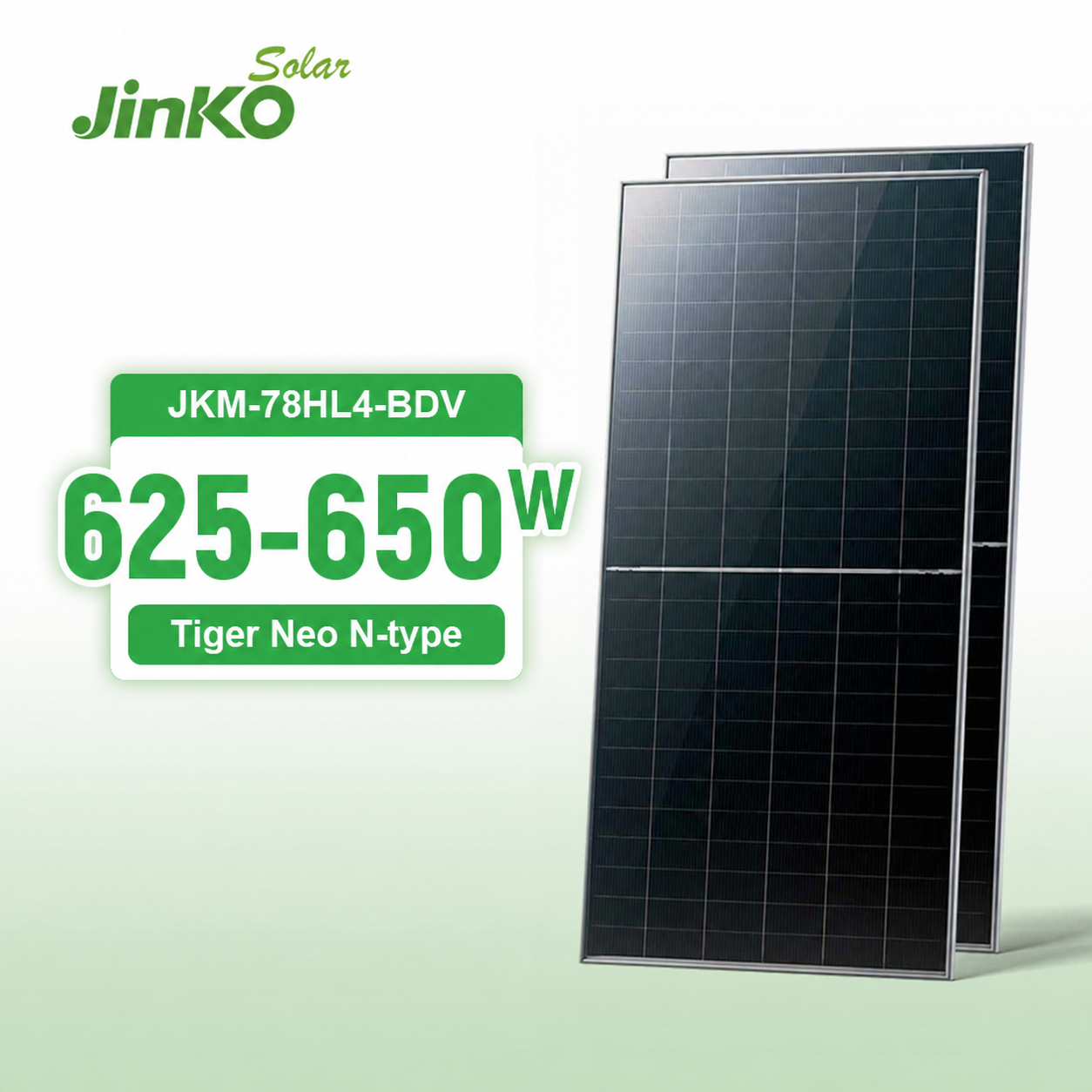
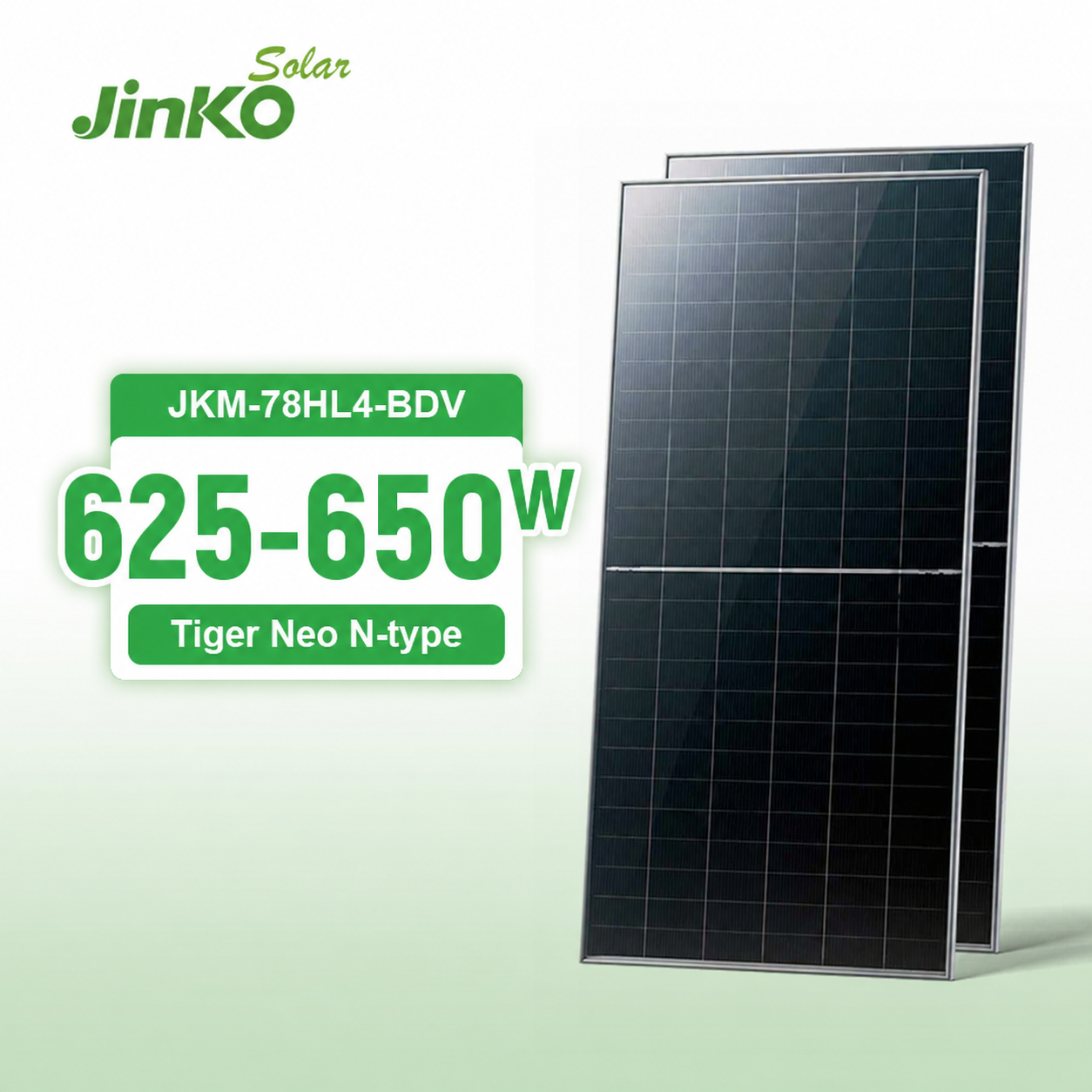
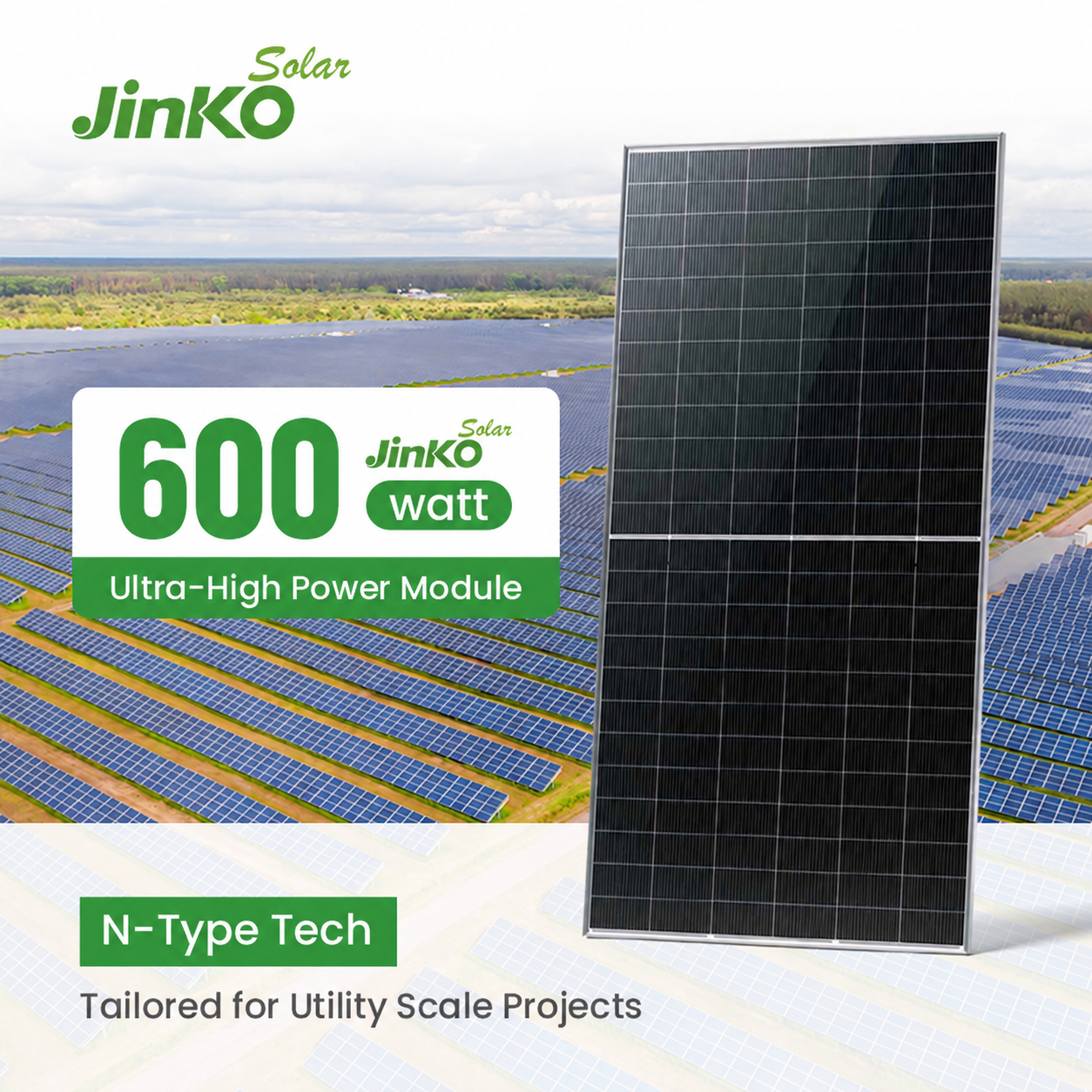
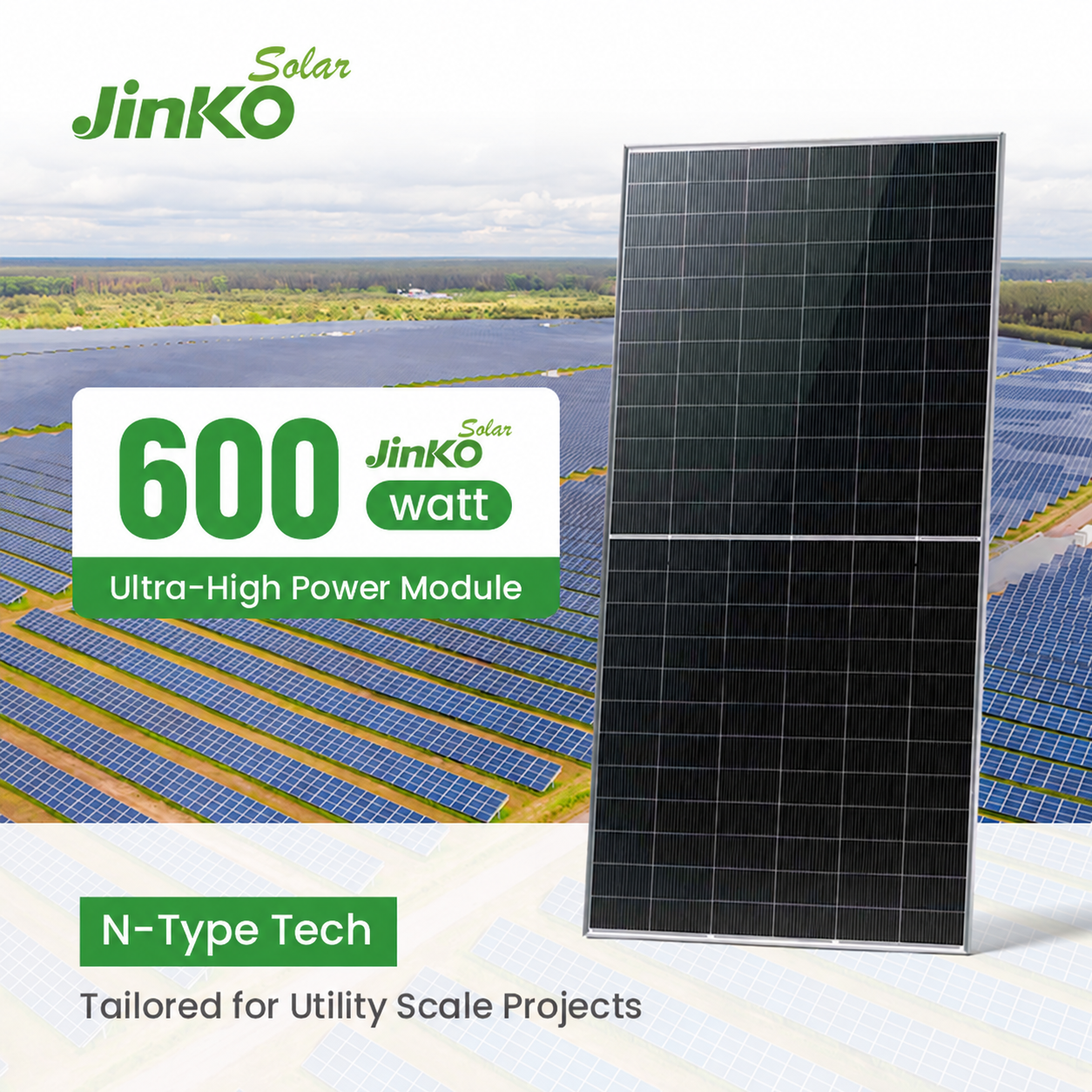
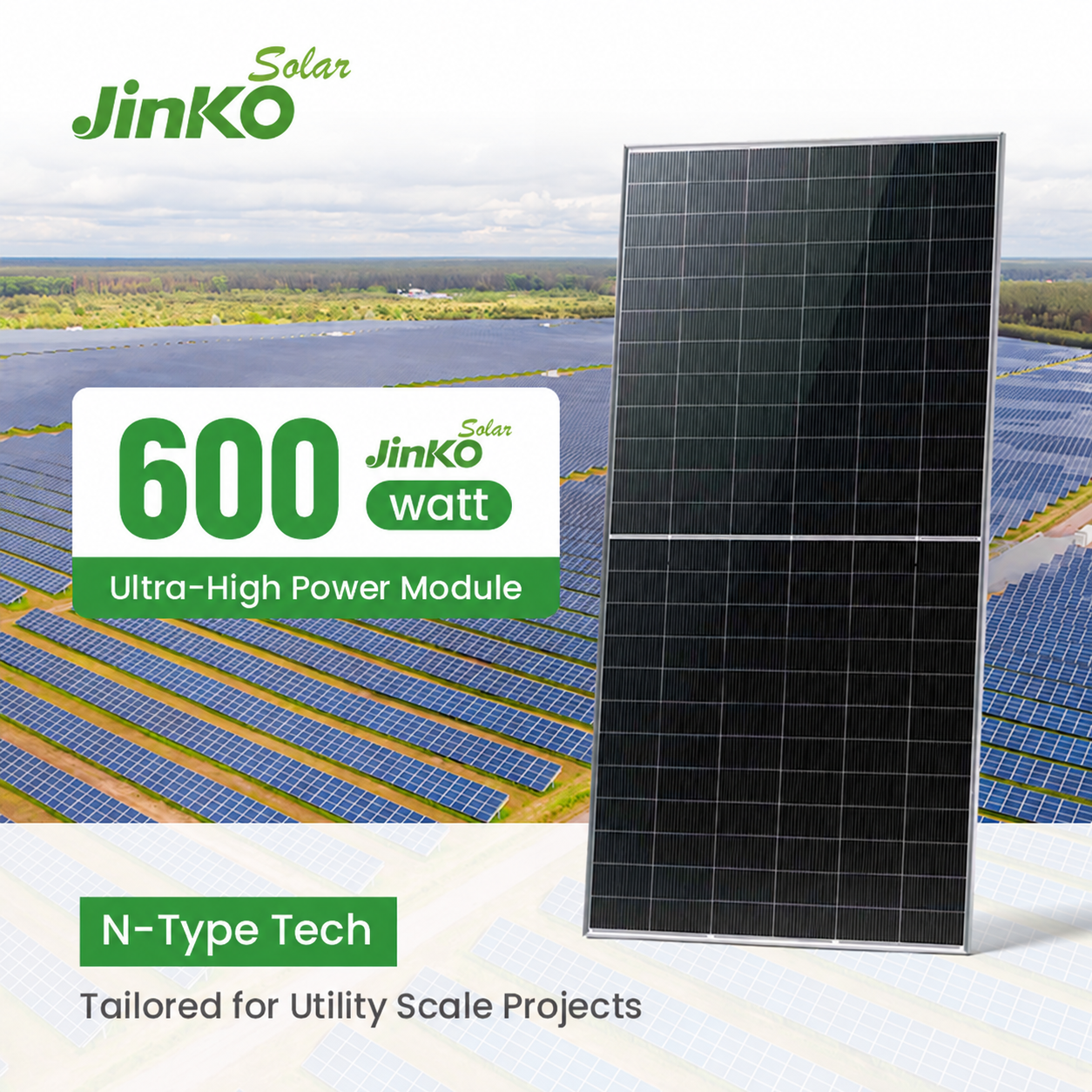
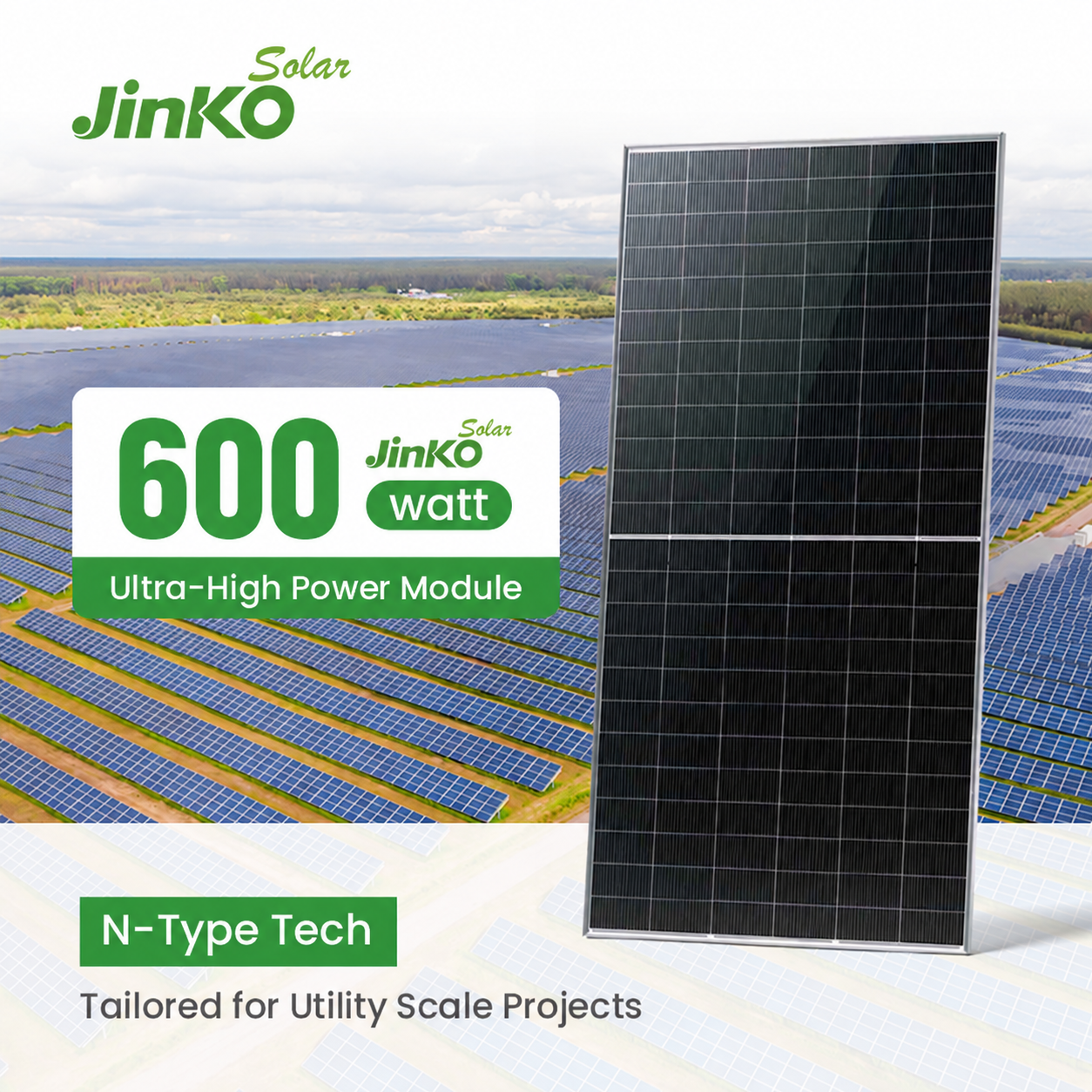
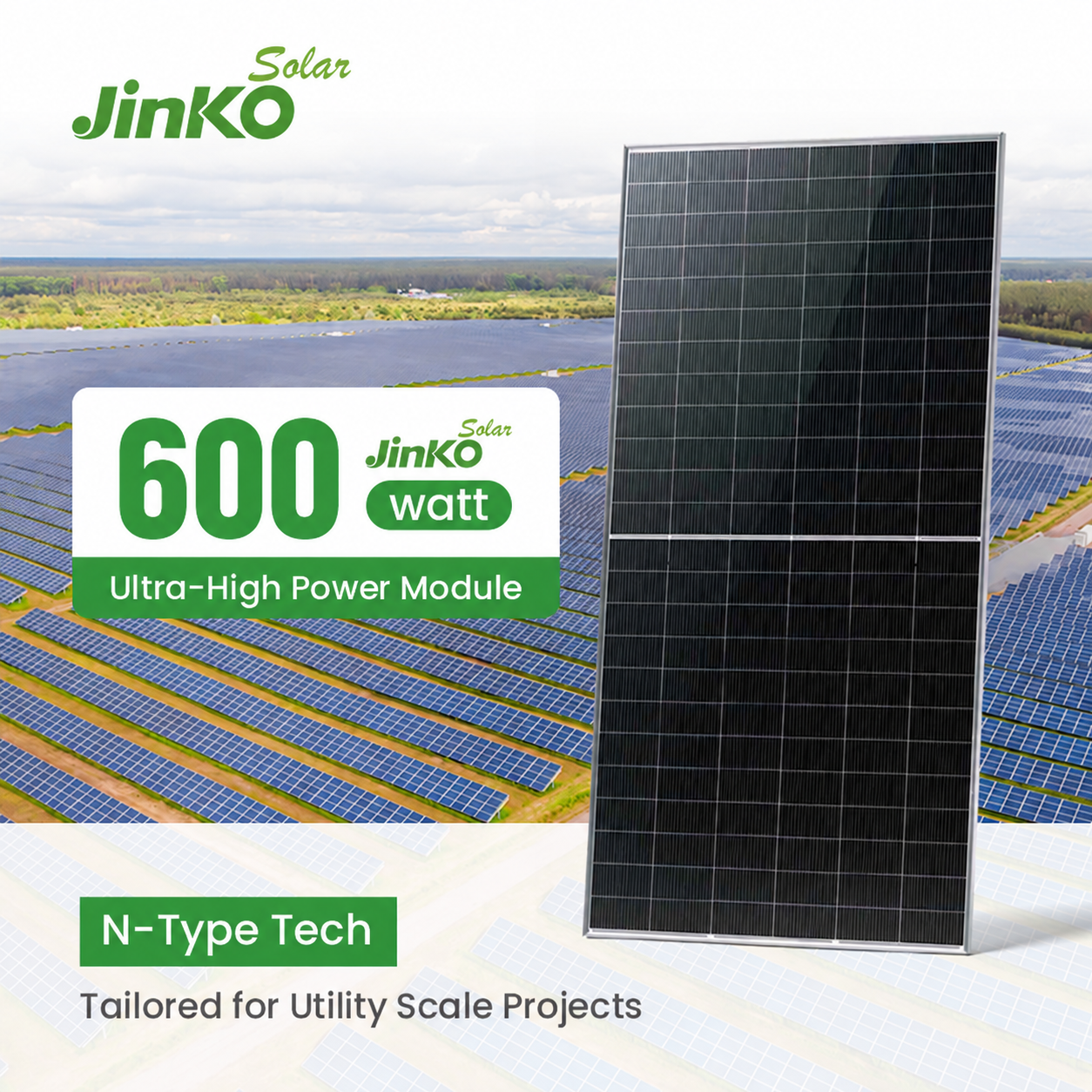
- PV Integration: Jinko 600W Bifacial modules rooftop-mounted to maximize generation under morning and late-afternoon diffuse sunlight.
Commercial Logistics & Cold Storage Centers
Industrial corridors flanking the Ruta Transchaco and Mariano Roque Alonso house sensitive agricultural, meat processing, and pharmaceutical cold storage facilities.
- System Architecture: 50kW–100kW Commercial Hybrid Inverter clusters + High-Voltage (HV) rack battery banks (100kWh–250kWh).
- Functional Role: Peak-shaving during ANDE's punitive peak-hour industrial tariffs and immediate emergency backup protecting perishable inventory.
- Battery Selection: Heavy-duty deep-cycle GEL banks or high-voltage LiFePO4 stacks with automated fire aerosol suppression.
Cellular Telecom Towers & Remote Microwave Relays
Cellular carriers (Tigo, Claro, Personal) operating suburban and outer-ring repeaters across the Central Department experience unstable grid feeds.
- System Architecture: 48V 200Ah–800Ah pure GEL or LiFePO4 telecom battery banks installed in unconditioned IP55 outdoor enclosures.
- Functional Role: Continuous cycle resilience against cyclic brownouts with zero maintenance requirements or electrolyte watering.
- Harsh Environment Protection: Thick alloy positive plates resistant to high ambient corrosion and elevated float temperatures up to 45°C.
Agro-Industrial Estancias in the Lower Chaco
Directly across the Paraguay River from Asunción lies the Bajo Chaco cattle and agricultural zone, where properties often sit at the very end of unstable single-phase rural ANDE lines.
- System Architecture: Off-grid solar-diesel hybrid systems featuring 15kW off-grid inverters paired with 40kWh deep-cycle storage.
- Functional Role: Powering deep-well water extraction pumps, electric fences, and telemetry while slashing diesel generator runtime by up to 75%.
- Thermal Durability: Deep-Cycle GEL battery arrays withstand unconditioned shed ambient conditions without thermal run-off hazards.
Financial Institutions & Data Centers
Banking headquarters along Avenida Aviadores del Chaco and Santa Teresa demand zero-downtime power continuity for server farms and core financial switching infrastructure.
- System Architecture: Double-conversion high-power UPS configurations coupled with smart rack-mounted LiFePO4 batteries.
- Functional Role: Eliminating micro-interruptions, total harmonic distortion (THD), and voltage spikes that bypass conventional grid filters.
- BMS Monitoring: SNMP and Modbus TCP/IP protocols reporting state of health (SoH), cell internal resistance, and thermals in real time.
Distributed Generation Under Law 6977/2023
Paraguay’s updated regulatory framework for Non-Conventional Renewable Energy (FNCER) incentivizes self-consumption and micro-generation grid injection.
- System Architecture: Bi-directional grid-tied solar plus storage systems operating in zero-export or regulated self-generation modes.
- Functional Role: Optimizing financial returns by storing low-cost daytime solar energy for deployment during evening peak tariff windows.
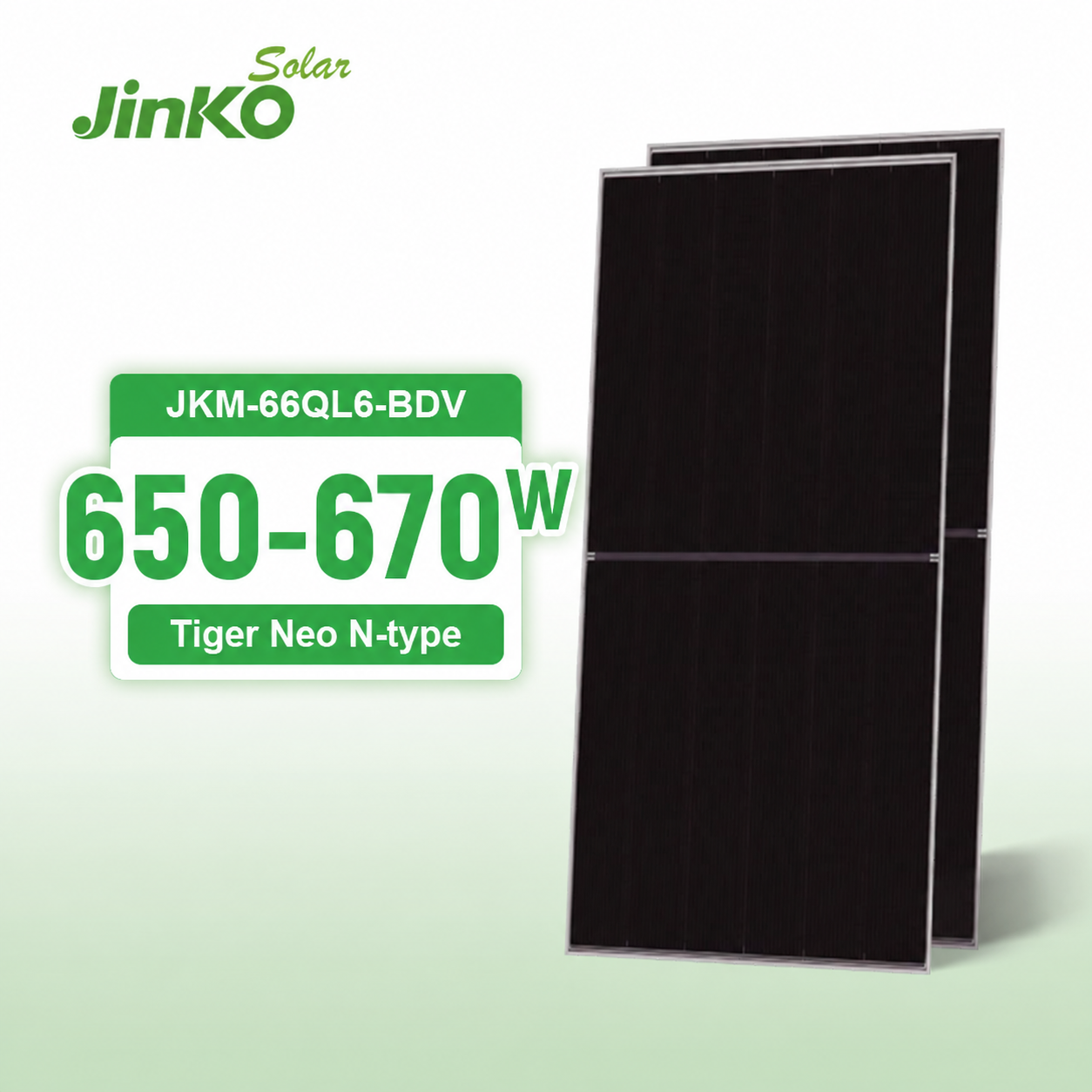
- System Matching: Tier-1 Jinko TOPCon double glass PV modules matched to Deye hybrid inverters and factory-certified battery packs.
2. Market Dynamics: Paraguay’s Legislative Evolution & Energy Transition Trends
The renewable energy and battery storage landscape in Paraguay is undergoing a profound structural shift driven by legislative reforms, industrial modernization, and changing climatic realities:
Enactment of Law No. 6977/2023: For decades, private solar installations existed in a quasi-informal regulatory zone because ANDE retained a statutory monopoly over generation, transmission, and retail distribution. The promulgation of Ley Nº 6977/2023 "De fomento y desarrollo de las fuentes no convencionales de energías renovables" marked a historic watershed. The law formally legalizes distributed generation, micro-generation concessions, and independent energy storage systems. As the Vice Ministry of Mines and Energy (VMME) finalizes technical operating norms, Asunción EPC contractors are rapidly positioning themselves to supply hybrid solar-plus-storage systems that comply with national grid interconnection codes.
Itaipú Annex C Negotiations & Tariff Volatility: The ongoing renegotiation of Annex C of the Itaipú Treaty between Paraguay and Brazil is systematically altering domestic energy economics. Historically, Paraguay absorbed only a fraction of its 50% hydro entitlement, selling the remainder to Brazil at nominal cost. As domestic industrialization accelerates—particularly in electro-intensive industries, agro-processing, and light manufacturing around Villeta and Gran Asunción—domestic power consumption is projected to fully absorb surplus hydro energy within the next decade. Consequently, ANDE’s retail and commercial tariffs are experiencing upward adjustments, rendering self-generation paired with deep-cycle storage increasingly viable financially.
Substitution of Lead-Antimony Batteries with Sealed GEL and LiFePO4: The traditional Paraguayan market historically relied on flooded lead-acid automotive batteries repurposed for power backup. These units suffer catastrophic failure within 6 to 12 months when subjected to deep discharges and high ambient heat, releasing corrosive acid fumes and requiring constant distilled water replenishment. Commercial users and integrators across Asunción are decisively abandoning flooded technology in favor of sealed valve-regulated lead-acid (VRLA) colloidal GEL batteries for budget and telecom installations, and lithium iron phosphate (LiFePO4) for high-performance commercial and residential applications.
Hangzhou VOLT New Energy: Your Proven Engineering & Export Partner
Bridging Chinese manufacturing excellence with the technical realities of Asunción’s energy infrastructure.
Pre-Shipment Protocol Verification (CAN / RS485)
The single greatest cause of equipment failure and contractor margin loss in Latin American solar projects is the dreaded "BMS Communication Error" between third-party lithium batteries and hybrid inverters. At Hangzhou VOLT New Energy, we eliminate this risk entirely before your cargo leaves China.
Our onsite engineering team physically mounts the selected battery models with your designated inverter brand (such as Deye single-phase and three-phase hybrid inverters), verifies firmware matching, sets protocol addresses, checks custom pin-out patch cables, and executes live load charge/discharge tests. When your container arrives in Asunción, your installation crews experience plug-and-play commissioning on day one.
Consolidated Multi-Component Containerized Logistics
Sourcing solar panels from one factory, lithium batteries from another, and hybrid inverters from a third leads to fragmented freight costs, disparate customs clearing documentation, and shipping delays. VOLT operates unified warehousing and logistics consolidation in Zhejiang.
We pack full 20ft and 40ft High Cube containers combining Tier-1 Jinko TOPCon solar modules, Deye hybrid and off-grid inverters, and heavy-duty deep-cycle GEL or LFP battery banks. We provide complete Class 9 Dangerous Goods (DG) documentation, UN38.3 vibration/shock testing reports, MSDS, and seaworthy reinforced palletizing engineered specifically to withstand river barge transit up the Paraná-Paraguay waterway.
3. Logistics & Customs Blueprint: Sea Freight Transshipment to Asunción Port Terminals
Paraguay is a landlocked nation; international containerized ocean freight originating from Chinese ports (Ningbo-Zhoushan, Shanghai, Shenzhen) does not call directly at Asunción. Importers and procurement directors must manage a multi-modal transit chain:
The Transshipment Hub Route: Ocean container vessels transport cargo across the Atlantic/Pacific maritime lanes to key South American transshipment feeder ports—primarily Montevideo (Uruguay) or Buenos Aires (Argentina). At these deep-water hubs, containers are discharged and loaded onto specialized shallow-draft river push-barges navigating the Hidrovía Paraná-Paraguay inland waterway.
Arrival Ports in Asunción: River convoys traverse approximately 1,200 kilometers north to terminal concessions within the Gran Asunción customs perimeter. The primary commercial discharge facilities include:
- Puerto Fénix (Mariano Roque Alonso): One of Paraguay’s most advanced private container terminals, equipped with modern gantry cranes, bonded customs yards, and seamless heavy-truck access to the northern industrial corridor.
- Puerto Caacupemí (Zeballos Cué): A high-volume multimodal facility handling high throughput of clean tech, electrical components, and industrial equipment.
- Puerto Terport Villeta: Located downriver from Asunción, Villeta maintains deeper draft access during dry seasonal river level drops, preventing navigational low-water surcharges and barge groundings.
Dangerous Goods (DG) Compliance for Lithium Batteries: LiFePO4 batteries are categorized internationally as Class 9 Miscellaneous Dangerous Goods (UN 3480). Transshipment through Argentine and Uruguayan territorial waters requires meticulous adherence to maritime hazardous cargo codes. Missing or inaccurate UN38.3 test summaries, incorrect packaging markings, or non-compliant Material Safety Data Sheets (MSDS) will result in transit holds at Montevideo or Buenos Aires, accumulating severe demurrage fees. VOLT supplies pre-cleared, carrier-approved DG documentation packets with every consignment, ensuring seamless transit straight to Asunción customs release.
Frequently Asked Questions by Asunción Buyers & Solar Contractors
Practical answers to essential questions regarding battery sizing, climate compatibility, shipping timelines, and customs clearance.