Curated Deep Cycle & Tier-1 Solar Solutions for Managua
Engineered to withstand the demanding thermal and electrical stresses of Central America. Seamlessly integrate our deep-cycle colloidal gel systems with high-efficiency bifacial N-type PV architectures for zero-downtime reliability.
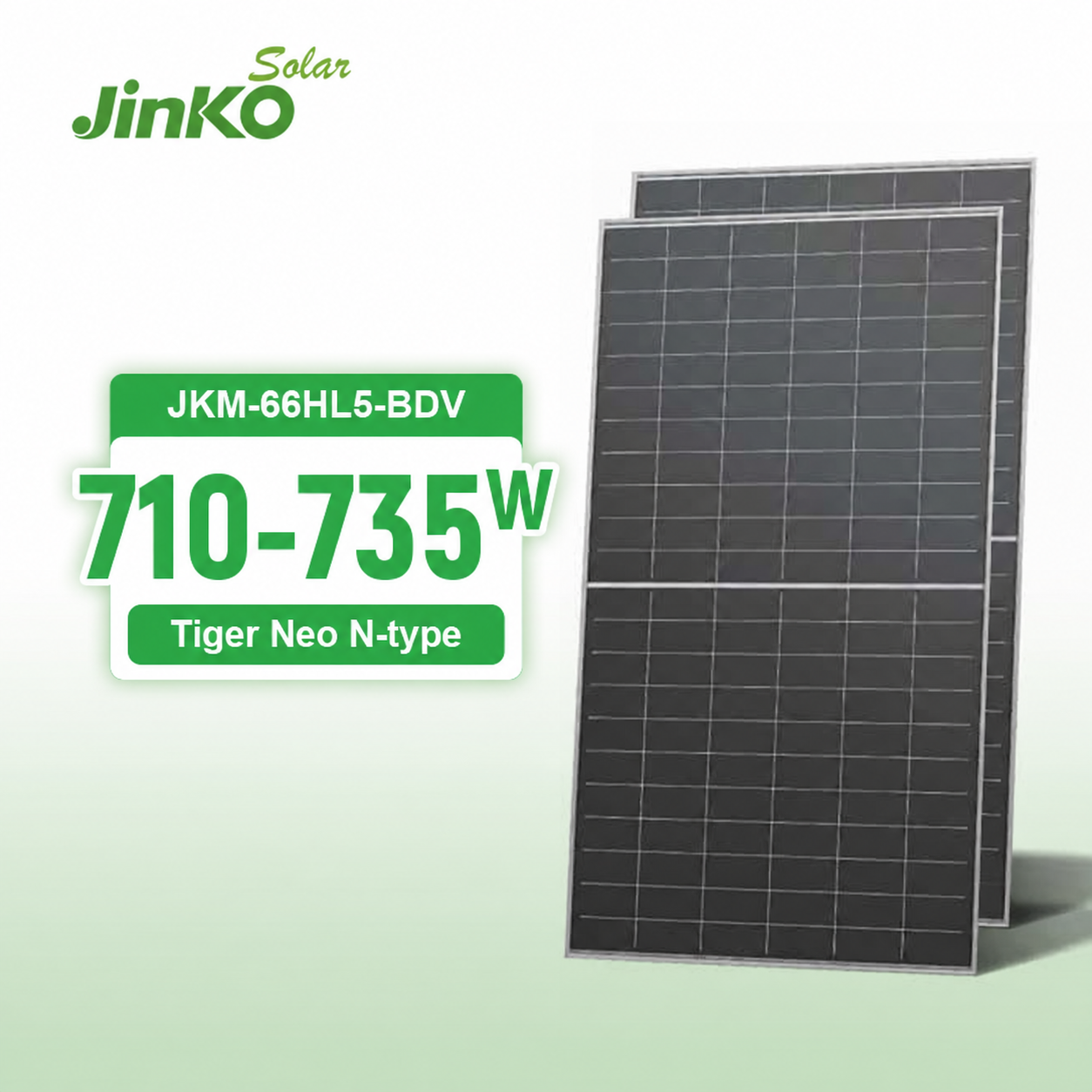
Jinko 700W-730W Bifacial TOPCon Double Glass High Efficiency Module
Ultra-high wattage dual-glass TOPCon module offering optimal performance ratios under Managua's high ultraviolet and irradiance indices. Delivers up to 85% rear-side bifacial yield.
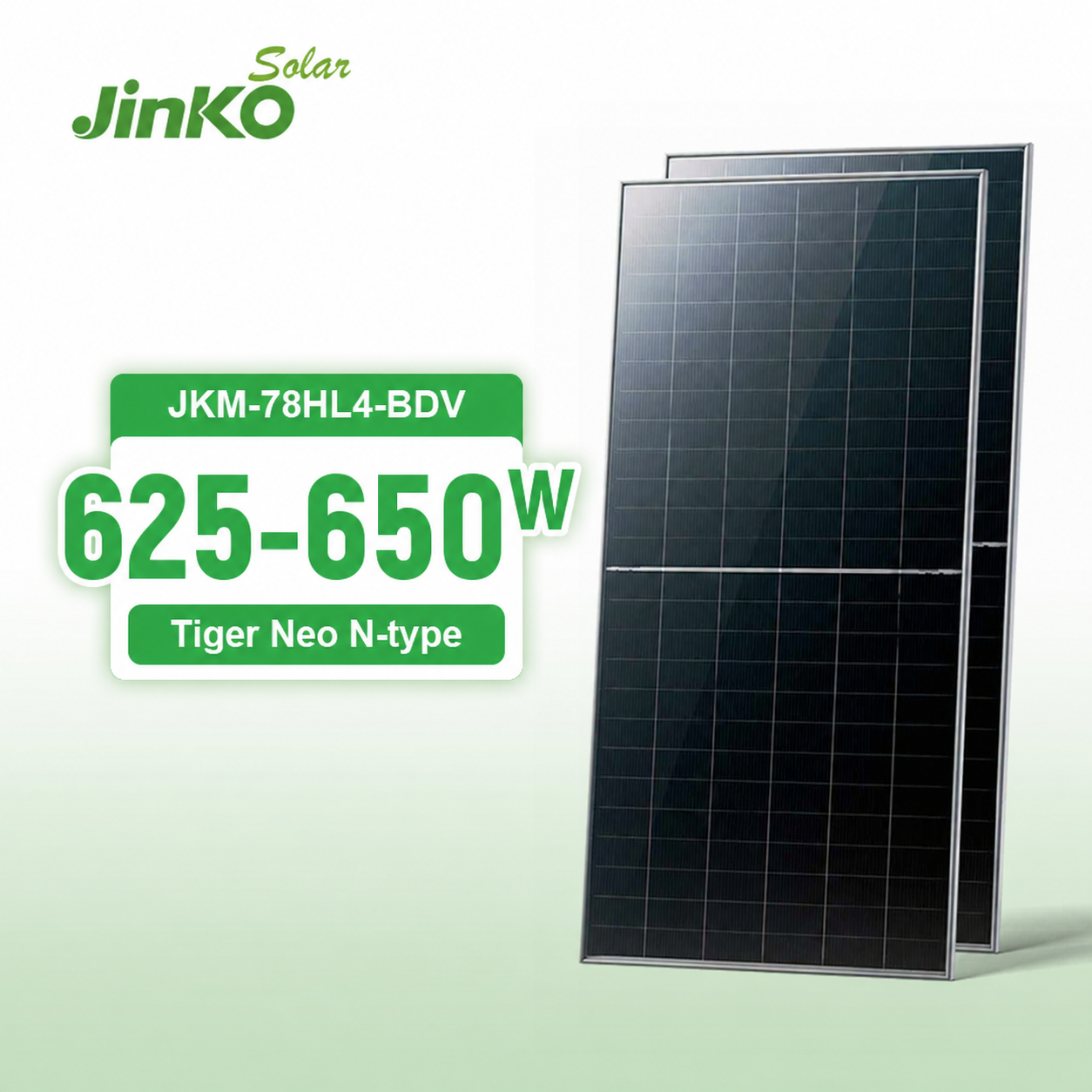
Jinko Bulk 630W-640W TOPCon Bifacial Monocrystalline PV Panel
Engineered for commercial rooftop distribution and hybrid microgrids. Low temperature coefficient ensures minimal degradation under tropical mid-day thermal surges.
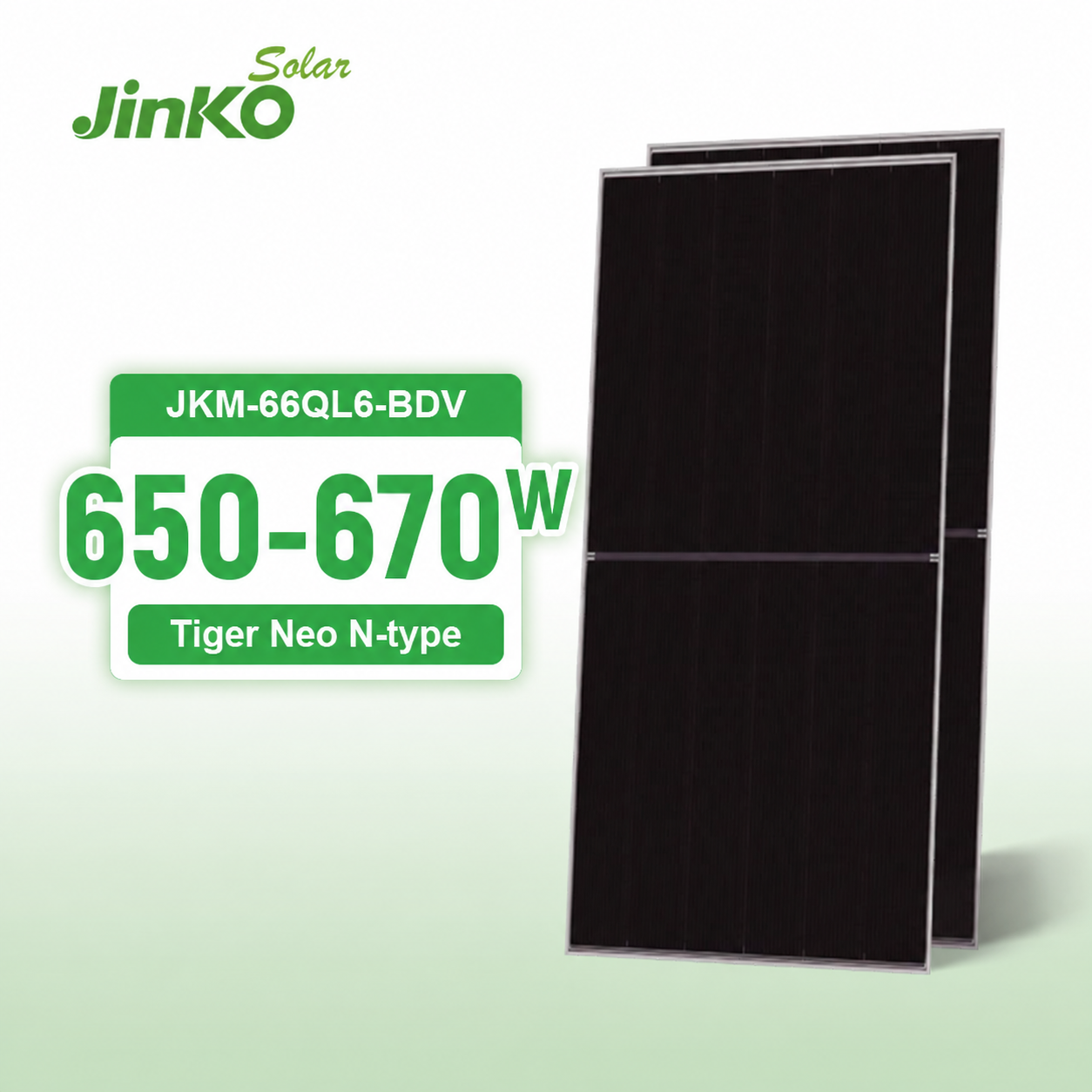
Jinko Bifacial 650W-670W Dual Glass Monocrystalline Solar Module
Reinforced dual-glass design built for harsh conditions, providing physical resistance against volcanic dust deposits, severe tropical rains, and strong winds common along Lake Managua.
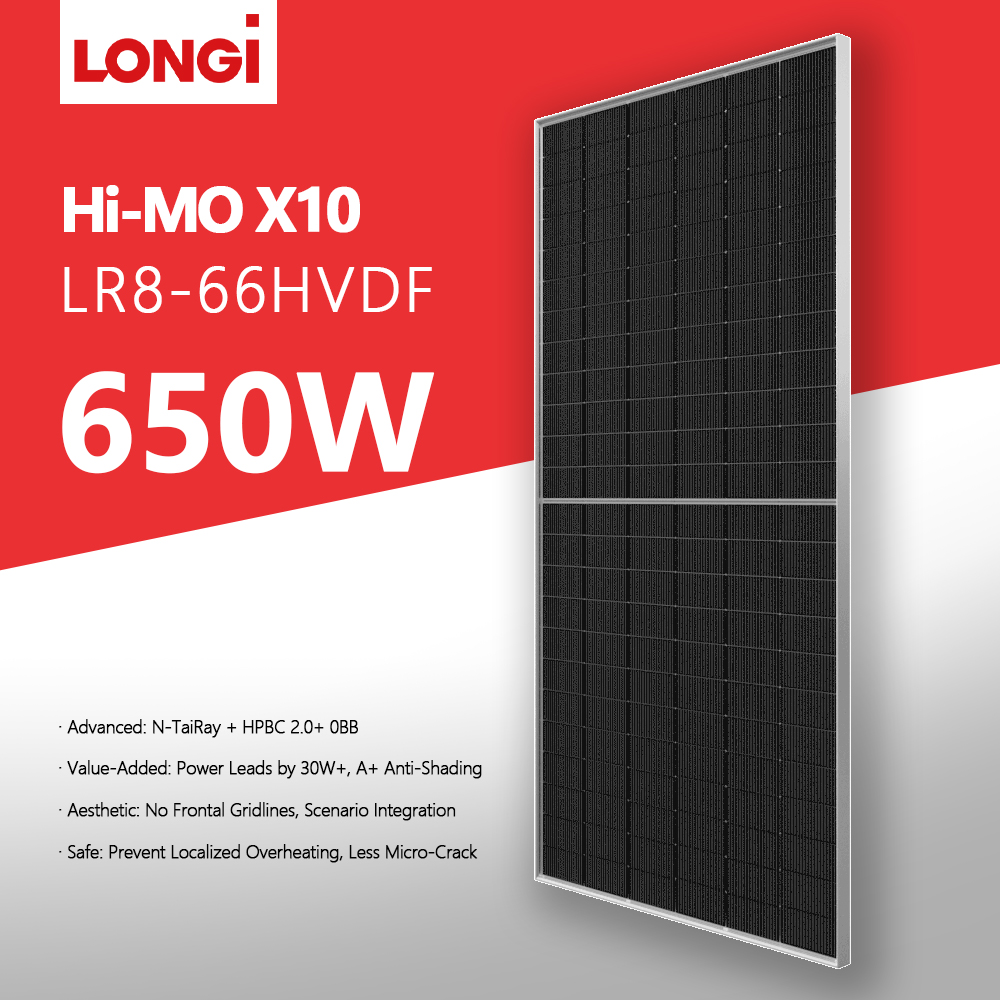
Commercial Grade LONGi 650W N-Type Solar System with Battery & Inverter
Comprehensive B2B packaged storage kit pairing Tier-1 generation with deep-cycle storage banks. Custom-configured for shopping centers, cold storage, and manufacturing plants.
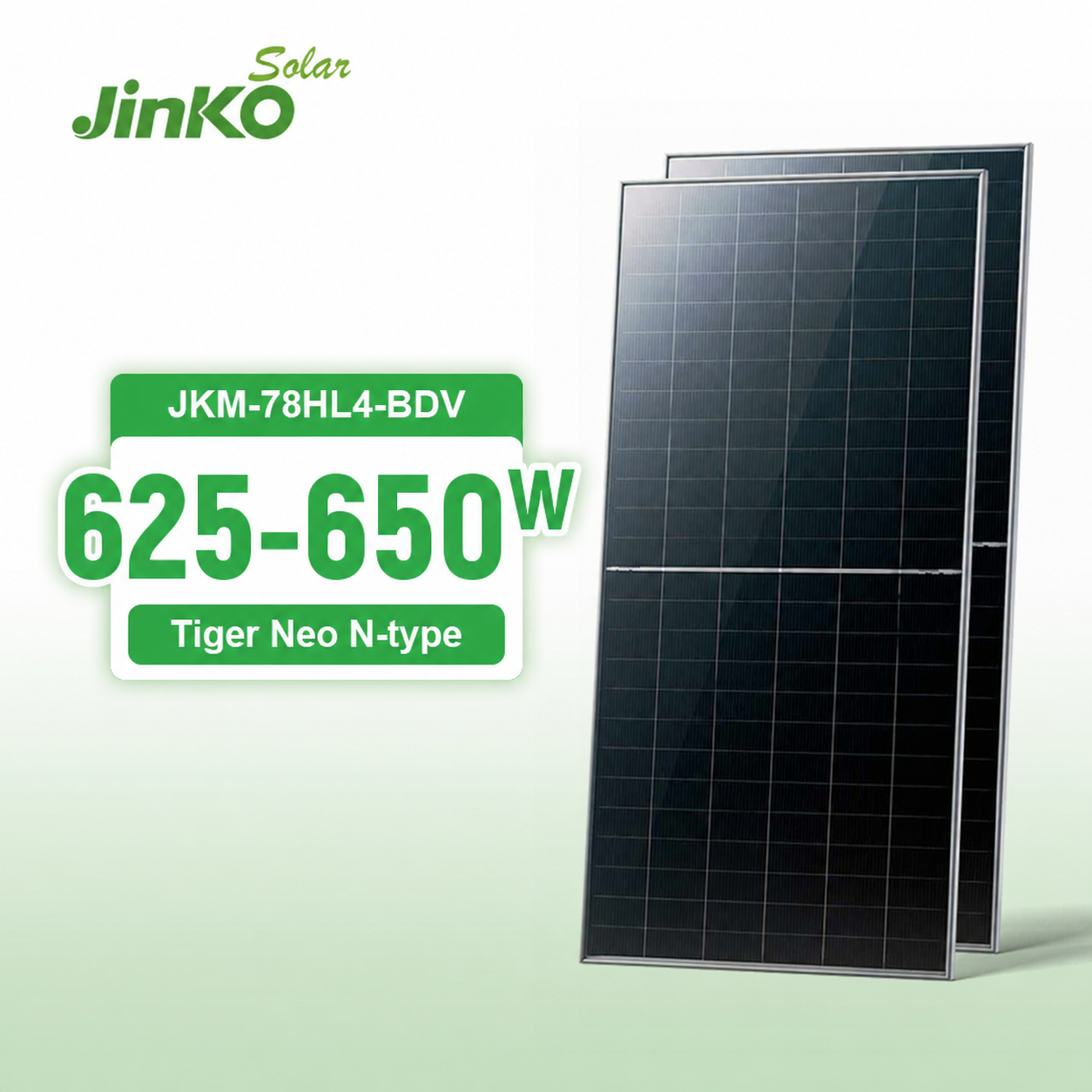
Jinko N-Type Bifacial PV Panels 630W-650W Double Glass Module
Architectural-grade double-glass solar modules engineered to eliminate PID (Potential Induced Degradation), delivering consistent cycling yields for residential estate storage systems.

Jinko N-Type Bifacial PV Panels 585W-600W TOPCon Commercial Module
Optimized footprint with industry-leading multi-busbar technology. Provides balance-of-system cost advantages for large logistics hubs and agro-industrial setups in Tipitapa and Managua.
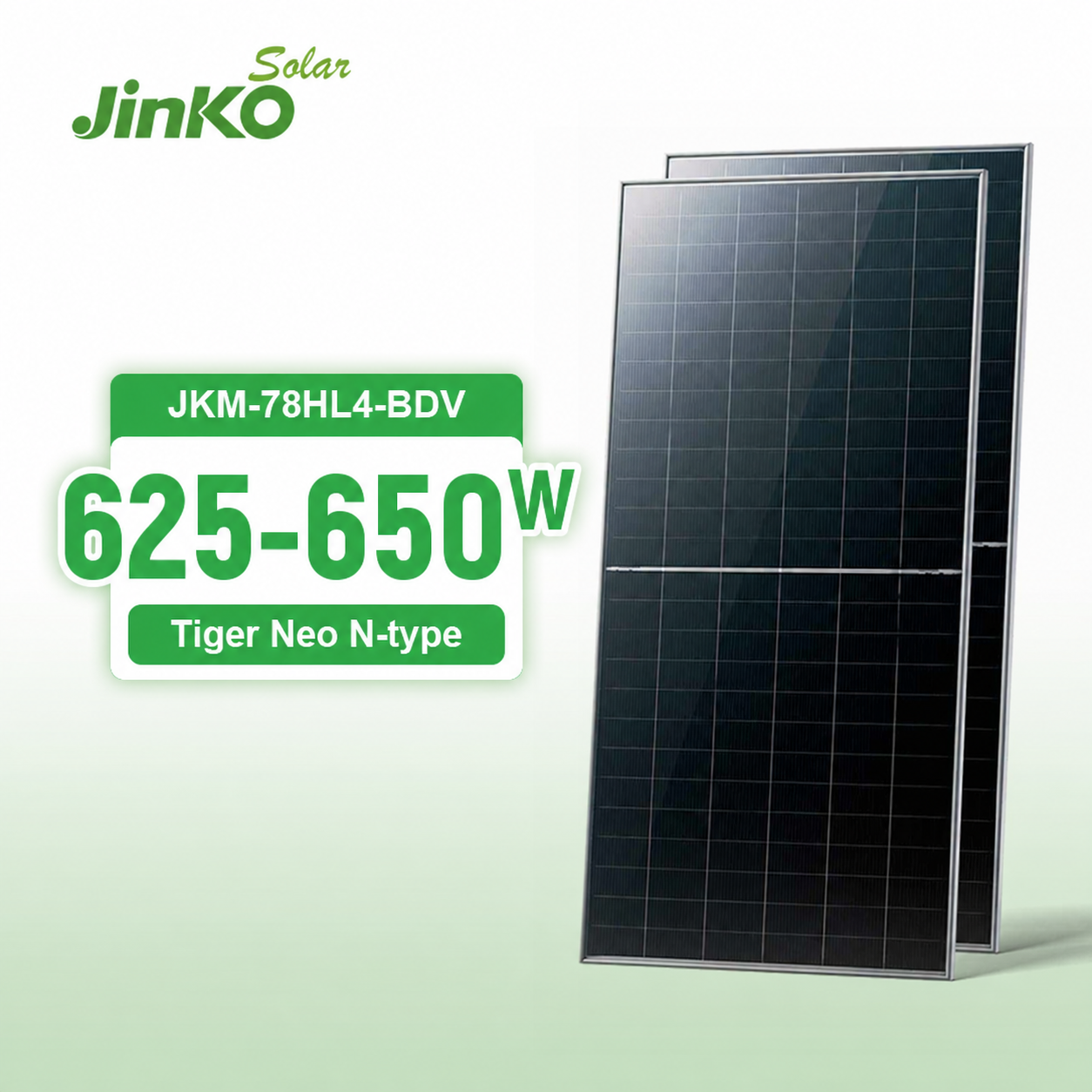
Jinko N-Type Bifacial 630W-650W Dual Glass Photovoltaic Panel
Heavy-duty photovoltaic module with exceptional mechanical load ratings (5400 Pa snow / 2400 Pa wind). Matched with heavy industrial GEL battery arrays for uninterrupted operations.
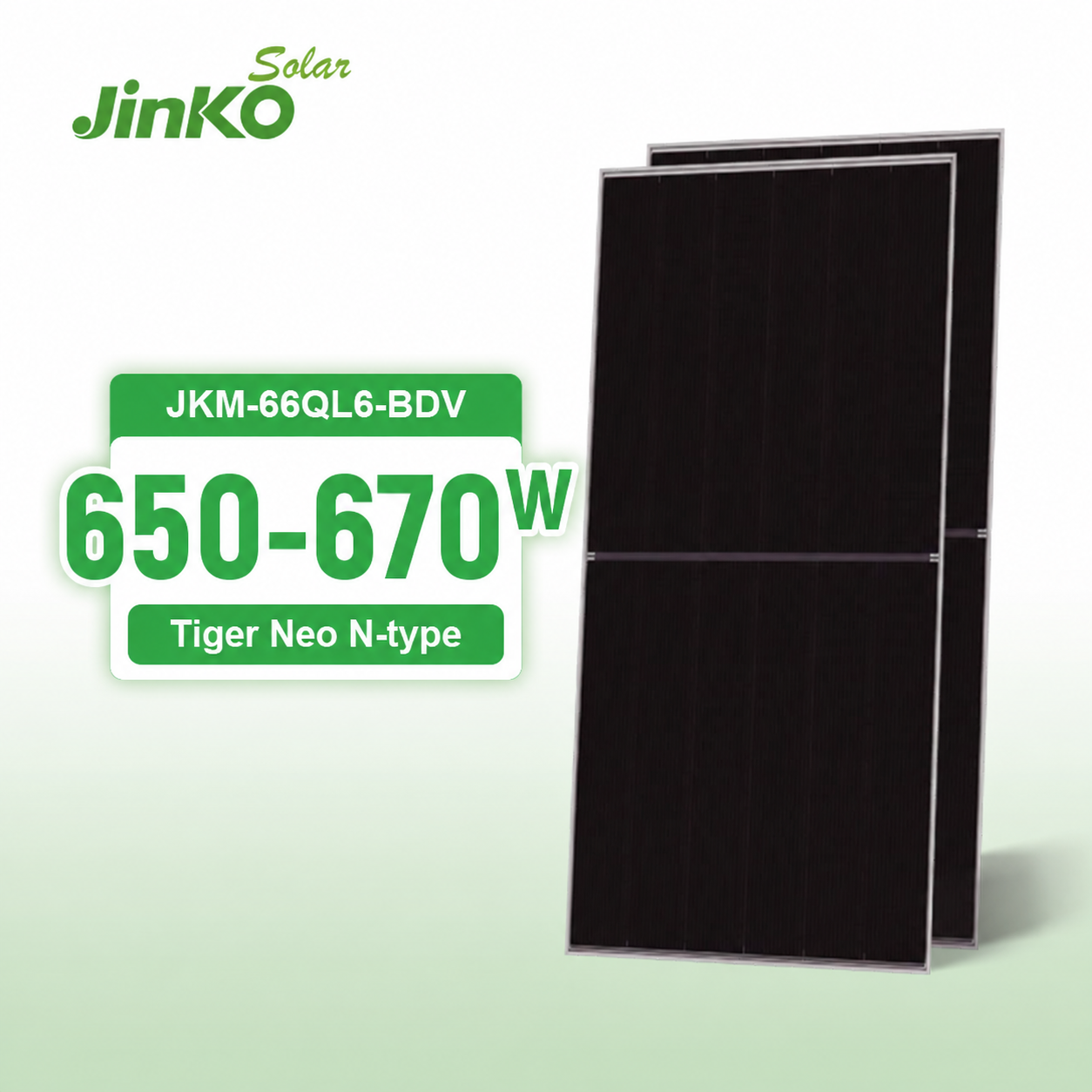
Jinko N-Type Bifacial 650W-670W TOPCon Double Glass Solar Module
Premium efficiency tier-1 module with proprietary cell passivating contact technology. Maximum energy harvest even under low morning haze and diffuse cloud covers.
Technical Whitepaper: Why Colloidal GEL Remains Crucial for Managua's Grid
In the Department of Managua, electrical engineers and solar contractors face a unique convergence of operating stressors: continuous ambient temperatures exceeding 34°C, intermittent humidity swinging from dry volcanic dust seasons to intensive tropical monsoons, and notorious voltage instability along municipal distribution lines. While modern Lithium Iron Phosphate (LiFePO4) systems represent an exceptional technology for high-density daily cycling, true deep-cycle silica GEL (Colloidal) batteries serve as the indispensable workhorse for heavy industrial uptime, telecommunication repeaters, and cost-optimized rural electrification.
Unlike standard absorbed glass mat (AGM) or standard flooded lead-acid accumulators, deep-cycle GEL batteries incorporate thixotropic sulfuric acid immobilized with nano-scale fumed silica gel. This design creates a uniform, paste-like electrolytic mass that chemically prevents acid stratification, eliminates internal thermal runways, and withstands repetitive deep discharges (down to 80% DoD) without permanent sulfation.
Thermal Resiliency (Up to 55°C)
Silica gel's high thermal mass effectively dissipates internal exothermic heat during rapid charging phases, mitigating catastrophic plate warping in non-air-conditioned battery shelters common across Central America.
Partial State of Charge (PSoC) Tolerance
During the rainy season in western Nicaragua, solar arrays rarely achieve 100% absorption cycles daily. GEL formulations protect grid-tied and off-grid arrays from accelerated sulfation during sustained partial discharge.
Zero Hazard Logistics & Clearance
GEL accumulators are non-spillable and rated as non-hazardous cargo under standard maritime freight guidelines, avoiding hazardous cargo surcharges and speeding up clearance at Port of Corinto.
| Engineering Metric | Hangzhou VOLT Deep Cycle GEL | Standard Flooded / AGM | LFP Lithium Battery |
|---|---|---|---|
| Thermal Range Stability | Optimal (-15°C to 50°C) | Poor (Degrades rapidly above 30°C) | Requires Active BMS Derating >45°C |
| Capital Expenditure (CapEx) | Low - Highly Cost Effective | Lowest (Shortest Field Lifespan) | Higher Initial Investment |
| Sensitivity to Voltage Surges | Immune to Digital BMS Trip-Outs | Immune to BMS Lockouts | Requires Precision Transient Suppression |
| Maintenance Requirements | 100% Sealed Maintenance-Free | Frequent Specific Gravity & Acid Checks | Zero Electrolyte (BMS Firmware Balancing) |
| Corinto Customs Clearance | Standard Commercial Cargo (Fast Track) | Corrosive Liquid Restrictions (Flooded) | Class 9 Dangerous Goods (UN38.3 Required) |
Managua System Architectures & Energy Scenarios
Tailored energy resilience models addressing specific logistical, geographic, and economic challenges across the greater Managua metropolitan zone and neighboring industrial corridors.
Zona Franca & Industrial Estate Backups
For textile manufacturers, light fabrication, and assembly facilities along the Carretera Norte, unanticipated grid fluctuations destroy sensitive automated machinery and interrupt production schedules.
- Large 48V-384V deep cycle GEL banks paired with commercial hybrid inverters
- Zero latency transfer during brownouts and severe under-voltage events
- Absorbs industrial inductive kickback currents from heavy electric motors
Agro-Industrial Cold Storage & Processing
Surrounding areas like Tipitapa and Mateare require constant temperature control for agricultural yields, dairy processing, and perishable food storage facilities.
- High-capacity Jinko bifacial modules paired with deep-cycle storage banks
- Daytime peak-shaving to minimize peak energy tariff burdens
- Full overnight run capabilities independent of diesel genset fuel supply issues
Telecommunications & Remote Radar Links
Cellular towers and microwave repeaters situated on elevated volcanic hills and mountain ranges require standalone off-grid power systems resistant to lightning spikes and thermal cycling.
- Deep-cycle GEL ensures zero battery downtime in remote, unstaffed stations
- No delicate electronic balancing circuit boards susceptible to lightning surges
- Continuous cycling in ambient conditions up to 50°C without active chilling
Renewable Energy & Storage Projections in Nicaragua
Analyzing grid modernization initiatives, decentralized microgrid investments, and the shift toward integrated hybrid battery-solar power across Central America.
Government Clean Energy Mandates
Nicaragua generates over 70% of its generation mix via renewable sources (geothermal, wind, biomass). Regulatory bodies increasingly favor private behind-the-meter storage systems to stabilize distribution infrastructure.
Diesel Displacement Economics
With volatile fuel import logistics, industrial operators are accelerating investments in deep-cycle storage, achieving return-on-investment timelines within 28-36 months while eliminating noise and maintenance costs.
Hybrid Commercial Microgrids
New enterprise projects increasingly rely on dual-tier architectures: pairing LFP batteries for rapid cycling alongside resilient deep-cycle GEL reserves to build high-capacity, economically viable backup banks.
Why International EPCs & Nicaraguan Importers Choose VOLT
Hangzhou VOLT New Energy eliminates the supply-chain vulnerabilities, customs headaches, and protocol mismatches that cause delays for overseas buyers.

Verified Electrical Compatibility
Every battery profile, charging curve, absorption voltage, and temperature coefficient is matched to your hybrid or off-grid inverters before leaving China, eliminating field commissioning errors.

Rigorous Pre-Shipment Quality Control
Comprehensive batch testing includes open-circuit voltage verification, internal resistance screening, thermal imaging, and high-rate discharge sampling documented via high-resolution inspection videos.

Export Logistics & Consolidations
We provide full container load (FCL) mixed shipments combining Jinko panels, Deye inverters, and GEL or LFP battery banks on reinforced, moisture-barrier treated pallets tailored for sea transport to Corinto.

Direct Engineering Support
From initial daily kilowatt-hour load profiling to single-line diagrams (SLDs), breaker sizing, and cable gauge determinations, our bilingual engineering team stands ready to assist your field technicians.
Frequently Asked Questions by Importers in Managua
Key technical, commercial, and logistical questions resolved for solar installers, enterprise purchasers, and project engineers.
Under the elevated ambient operating temperatures common to Managua, standard AGM batteries suffer rapid electrolyte dry-out and micro-short circuits from positive grid growth. Silica GEL immobilizes the electrolyte, reducing water evaporation and micro-cracking while delivering superior cycle endurance under prolonged tropical heat.
Ocean freight vessels depart Ningbo or Shanghai directly to the Port of Corinto, Nicaragua, typically taking 28 to 35 days on the water. Following customs clearance at Corinto, bonded transport delivers cargo directly to warehouses across Managua, Tipitapa, and Masaya in under 48 hours.
Yes. Deye hybrid inverters include user-programmable charge settings (Lead-Acid / AGM / GEL profiles) that allow you to set specific bulk, absorption, and float voltages. Our engineers deliver matched configuration sheets with every order to prevent battery overcharging or undercharging.
All products carry verified factory warranties backed by original manufacturer serial registries. In the event of a technical issue, our bilingual engineers review your field logs and diagnostic readings, shipping replacement components or units promptly within the warranty schedule.