High-Efficiency Photovoltaic Modules & System Hardware
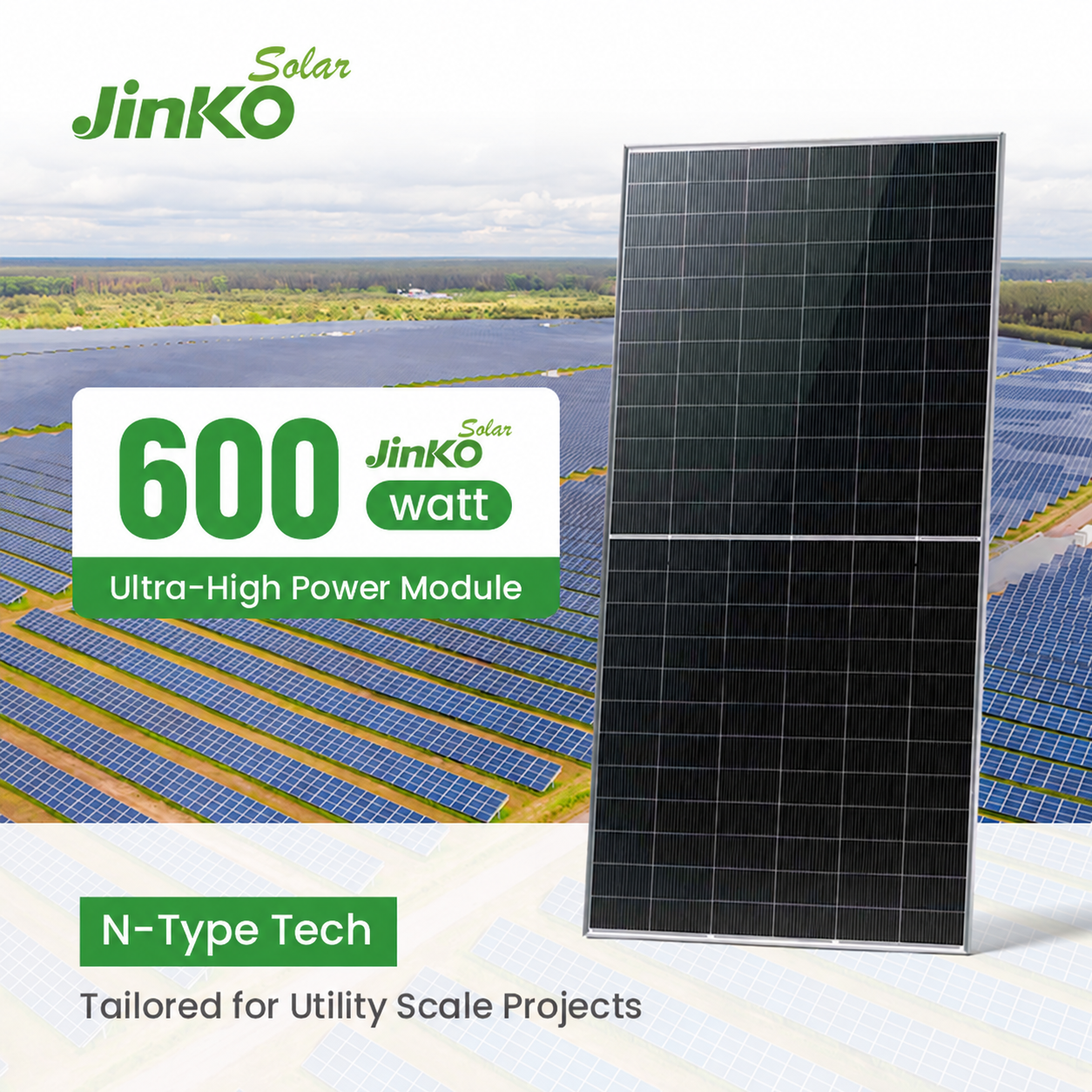
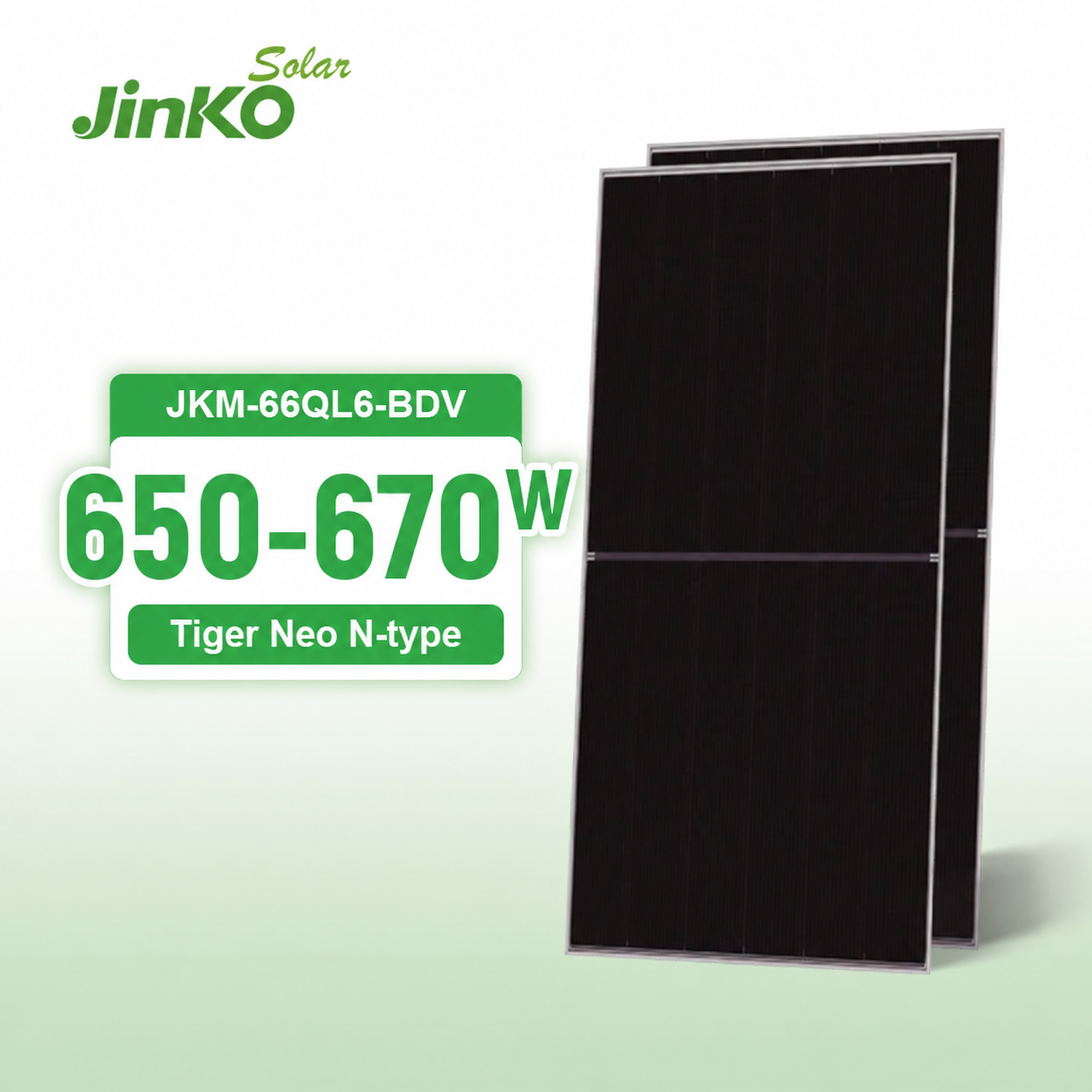
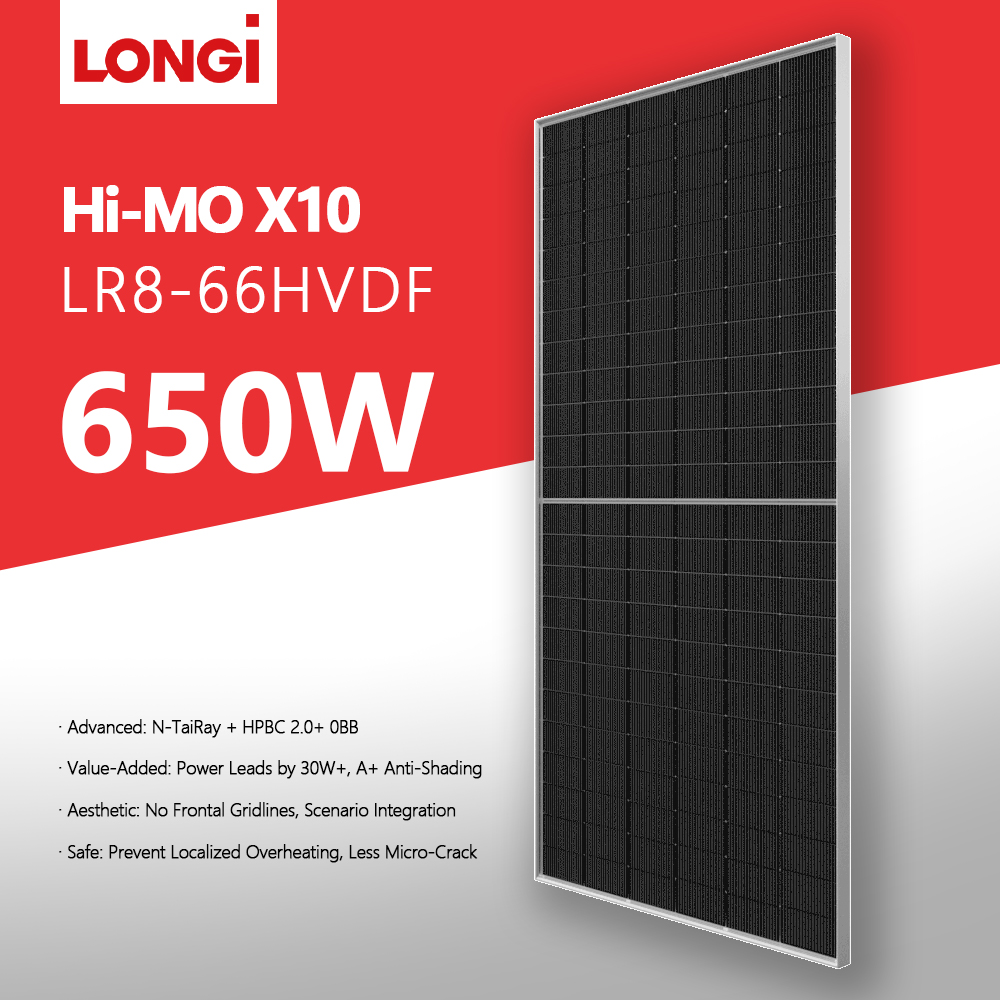
Curated for seamless integration with Deye hybrid and off-grid inverter platforms. Selected for ultra-low degradation under high ambient temperatures and dual-glass hermetic protection against maritime saline corrosion across the Santiago de Cuba coastline.
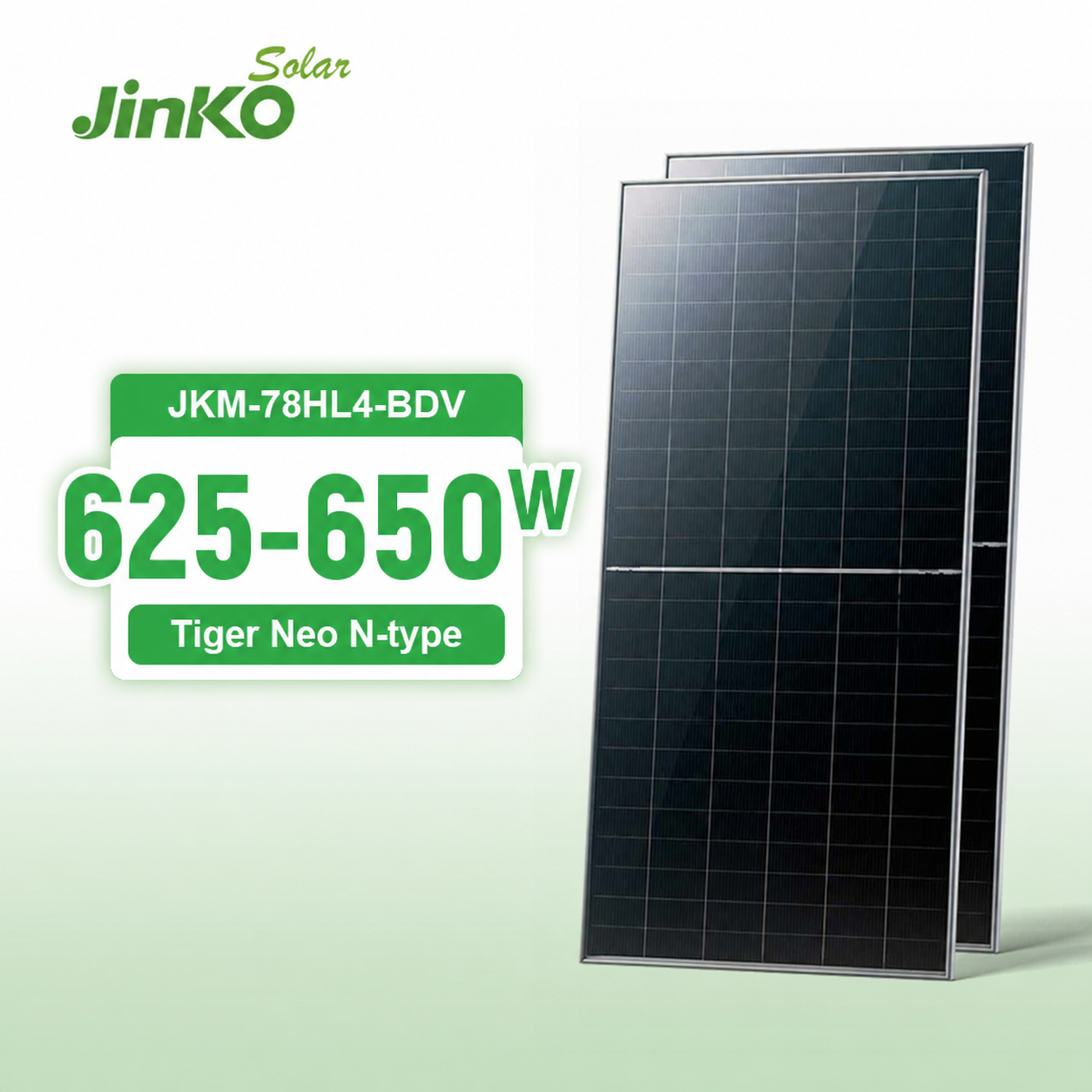
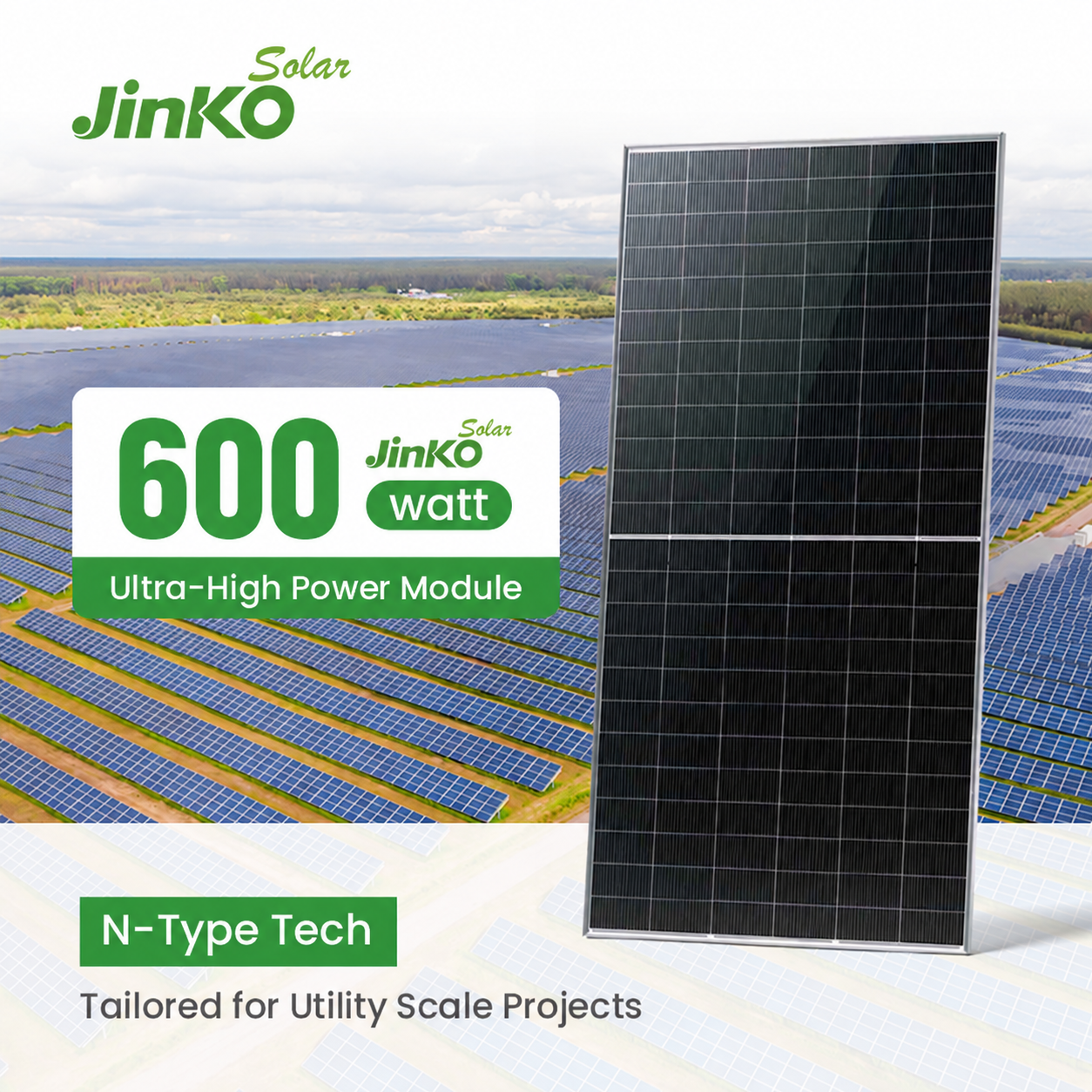
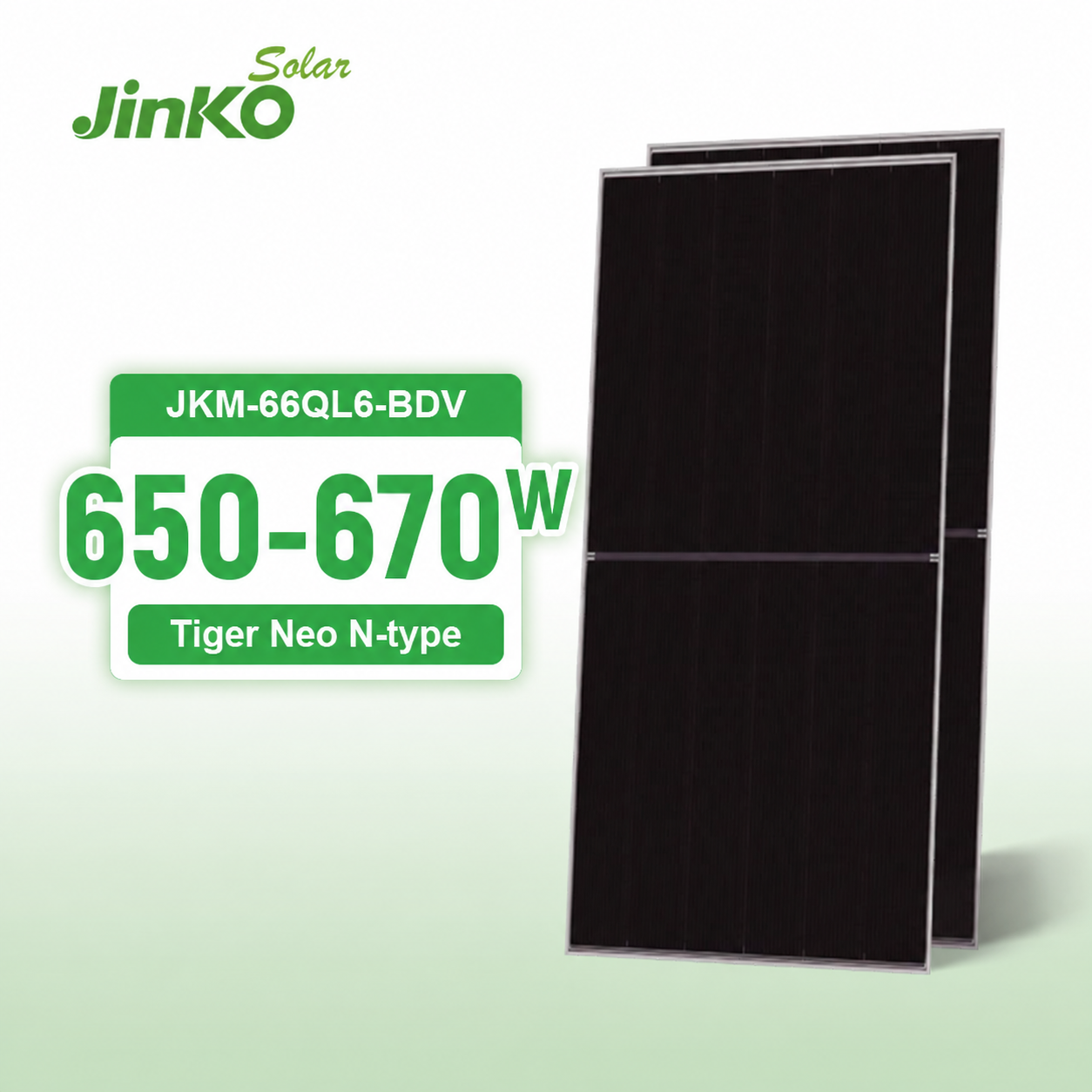
Overcoming Grid Fragility in Santiago de Cuba with Deye Hybrid Inverters
Santiago de Cuba sits at the eastern epicenter of Cuba's electric supply challenges. The regional transmission lines connecting the National Electric System (SEN - Sistema Electroenergético Nacional) to the Oriente provinces suffer from generation shortfalls at thermoelectric complexes such as Central Termoeléctrica Antonio Maceo (Renté). As rolling blackouts (apagones) frequently extend between 12 and 20 hours daily, standard grid-tied string inverters without storage fail completely. For private enterprises (mipymes), food storage facilities, and residential owners, installing a precision-matched Deye inverter paired with lithium iron phosphate (LiFePO4) storage is not simply an energy-saving upgrade—it is fundamental survival infrastructure.
| System Architecture | Deye Inverter Models | Battery Topology | Target Application in Santiago | Operational Status During SEN Outage |
|---|---|---|---|---|
| Split-Phase Low-Voltage Hybrid | SUN-5K / 8K-SG01LP1-US/EU (48V) | 51.2V Wall-Mount / Rack LFP (CAN/RS485) | Urban Residential & Micro-Enterprises (Vista Alegre, Reparto Sueño) | Instant 4ms Backup (Full Autonomy) |
| Commercial Three-Phase Hybrid | SUN-10K / 12K / 15K-SG04LP3-EU | 160V - 800V High-Voltage Lithium Stack | Cold Storage, Bakeries, Private Hotels (Casas Particulares) | 100% Phase Unbalanced Motor Support |
| Utility-Scale Agri-PV Off-Grid | SUN-30K / 50K-SG01HP3-EU-BM4 | Custom High-Capacity Containerized BESS | Coffee Processing, Irrigation & Agro-Industrial Facilities (Sierra Maestra) | Dedicated Microgrid with Gen-Set Control |
| Pure Off-Grid Sine Wave | SUN-3.6K / 5K-SG02LP1 (Off-Grid) | 48V Deep-Cycle GEL or LiFePO4 | Rural Clinics, Telecommunications, Outlying Coastal Fishing Hubs | Zero Grid Dependency / Pure Solar Priority |
Localized Application Scenarios in Eastern Cuba
The Caribbean environment presents severe operating hurdles: extreme ambient temperatures reaching above 36°C, airborne salt mist penetrating deep inland from the Bay of Santiago de Cuba, and sudden electrical voltage surges when the national grid reconnects. Here is how our Deye inverter configurations resolve specific operational friction points.
Urban Residential & Remittance-Funded Homes
Private homeowners in Santiago de Cuba (Reparto San Pedrito, Santa Bárbara) face intense cooling demands and perishable medication/food storage risks during recurrent grid failures. Deye low-voltage single/split-phase hybrid inverters (5kW to 8kW) pair seamlessly with 48V wall-mounted LFP batteries.
- Seamless 4ms switchover avoids computer & router reboots
- Smart load shedding preserves battery reserves for refrigeration
- Dual MPPT accommodates split east-west roof orientations
Private Enterprise (Mipymes) & Cold Storage
Emerging private businesses, grocery distributors, and culinary establishments lose tens of thousands of dollars in spoiled meat and dairy when commercial refrigeration shuts down. Deye 8kW to 12kW units offer three-phase unbalance capabilities and high surge power.
- Starts compressor motors with up to 2x nominal surge peak
- Smart diesel generator auto-start integration via dry contacts
- Peak shaving feature prevents breaker tripping during grid return
Agri-Industrial & Coastal Microgrids
From coffee processing operations in the foothills of the Sierra Maestra to coastal aquaculture along Baconao, fuel scarcity limits generator operation. Deye high-voltage three-phase inverters operate as grid masters, driving variable-frequency water pumps.
- Supports up to 16 units connected in parallel on a single AC bus
- Microgrid frequency coupling for AC retrofit of existing PV
- Marine-grade IP65 enclosure with C5 anti-corrosion coating
Santiago de Cuba Solar Market Trends & Regulatory Shift
The transformation of Cuba's energy policy under Decree-Laws aimed at eliminating customs tariffs on non-commercial renewable energy imports has fundamentally altered market velocity.
The Private Sector Engine (Mipymes)
The expansion of registered micro, small, and medium-sized enterprises in Santiago de Cuba has introduced institutional capital into solar procurement. With grid failures halting assembly, packaging, and digital transactions, independent companies are investing in hybrid storage systems as operational capex rather than luxury assets.
Remittance-Driven Direct Hardware Flow
A significant percentage of residential PV and storage systems deployed in Santiago are purchased by relatives residing in South Florida, Spain, Mexico, and Panama. These overseas buyers demand reliable, internationally recognized brands like Deye, Jinko, and Grade-A LiFePO4 cells to ensure their families back home do not encounter unrepairable failures.
Tariff Exemption & Port Clearance
The Cuban government has reiterated customs duty exemptions for photovoltaic systems, batteries, and inverters imported by natural persons. Shipments arriving through the commercial maritime docks at the Port of Santiago de Cuba (Guillermón Moncada) benefit from accelerated clearance when accompanied by compliant technical datasheets.
Engineered Supply Chain Integrity from Hangzhou to Santiago de Cuba
Hangzhou VOLT New Energy Technology Co., Ltd. eliminates the technical and logistical pain points that plague international solar hardware buyers. We do not simply drop-ship crates; we architect, test, and guarantee every component before export.
Pre-Shipment Protocol Matching
We eliminate "BMS Communication Error" on site. Our Hangzhou testing facility configures and physically connects your Deye inverter with the specified LFP battery rack over CAN/RS485 prior to packaging, verifying DIP switch mappings and firmware handshakes.
Consolidated Mixed Loads
Importing inverters, panels, and batteries from separate suppliers creates customs headaches and mismatched arrival dates. We consolidate Tier-1 Jinko solar panels, genuine Deye hybrid inverters, LFP batteries, DC breakers, and cabling into unified, secure ocean containers.
Class 9 DG Dangerous Goods Mastery
Lithium iron phosphate batteries require specialized UN38.3 test summaries, MSDS documentation, and IMO-compliant Class 9 ocean packaging. Our export division manages full dangerous goods maritime logistics to Caribbean transit points, ensuring cargo is never impounded.
Verified Track Record
With an onsite-verified supplier status, a perfect 5.0/5 buyer rating, and active projects spanning over 100 countries and territories, our global engineering and trade capacity gives commercial importers absolute purchasing certainty.
Frequently Asked Questions for Santiago de Cuba Importers
Concrete engineering, regulatory, and shipping answers to address common queries before dispatching your first solar storage consignment.
Are Deye hybrid inverters compatible with Cuba's 110V/220V 60Hz split-phase electrical infrastructure?
Can the system withstand high ambient temperatures and hurricane-force winds in Santiago?
How do you ship solar panels, inverters, and lithium batteries to the Port of Santiago de Cuba?
Should a Santiago de Cuba buyer choose LiFePO4 (LFP) or Deep-Cycle GEL batteries?
Can the Deye inverter run in parallel with a traditional diesel generator during prolonged blackouts?
How is warranty and technical after-sales handled when equipment is installed in Cuba?
Secure Your Energy Autonomy in Santiago de Cuba
Whether you are procuring commercial containers for retail distribution, engineering an off-grid cold chain for an agricultural enterprise, or assembling a reliable split-phase backup system for your family home, our engineers provide complete sizing calculations, verified wiring schematics, and factory-direct pricing.