Verified Solar & Storage Modules for Arizona Applications
Deploying energy storage systems across Phoenix, Scottsdale, Mesa, and Chandler requires high-efficiency PV generation capable of withstanding extreme ambient rooftop and ground temperatures. The following Tier-1 bifacial and dual-glass modules are matched to our high-voltage battery racks and multi-MPPT commercial hybrid inverters.
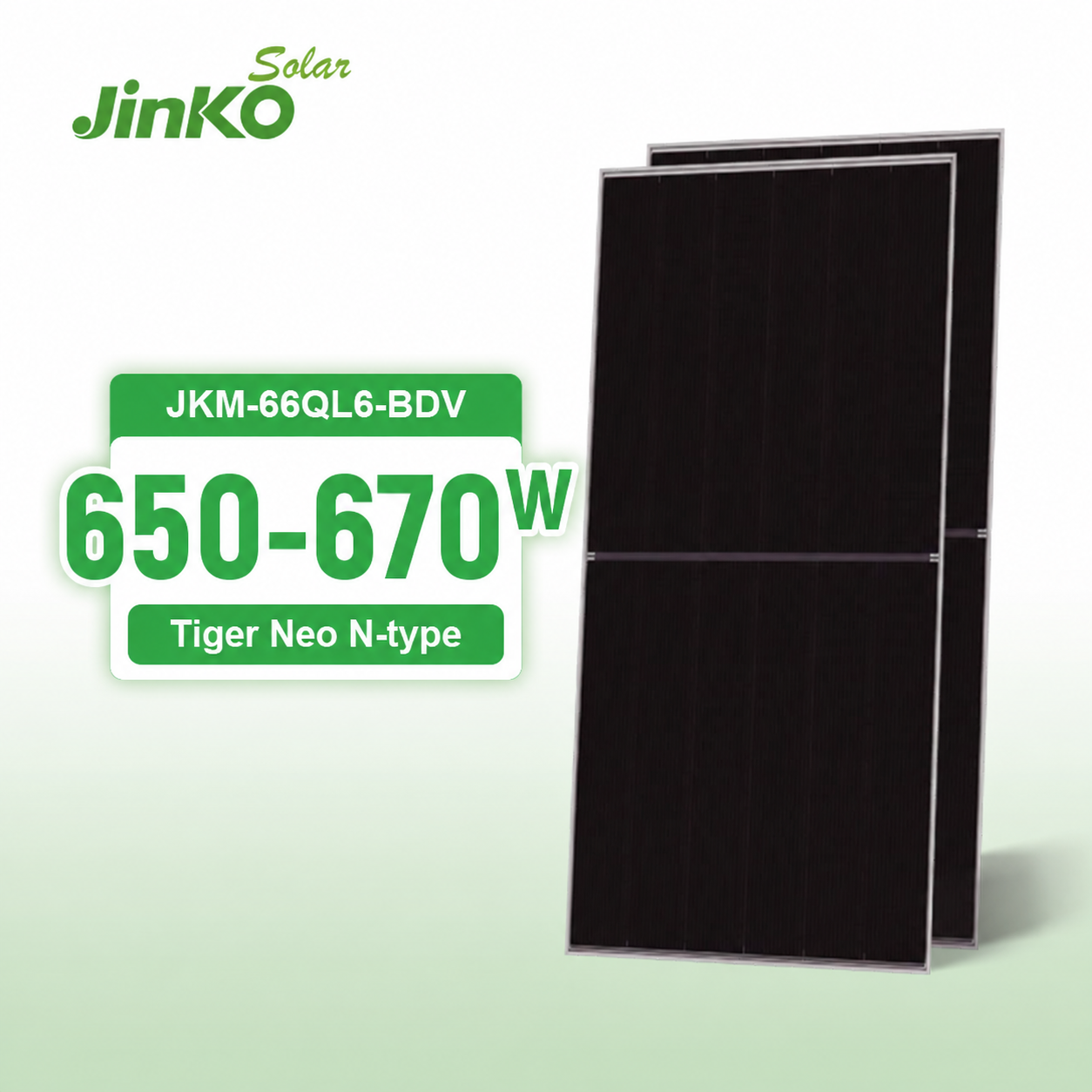 TOPCon Dual-Glass
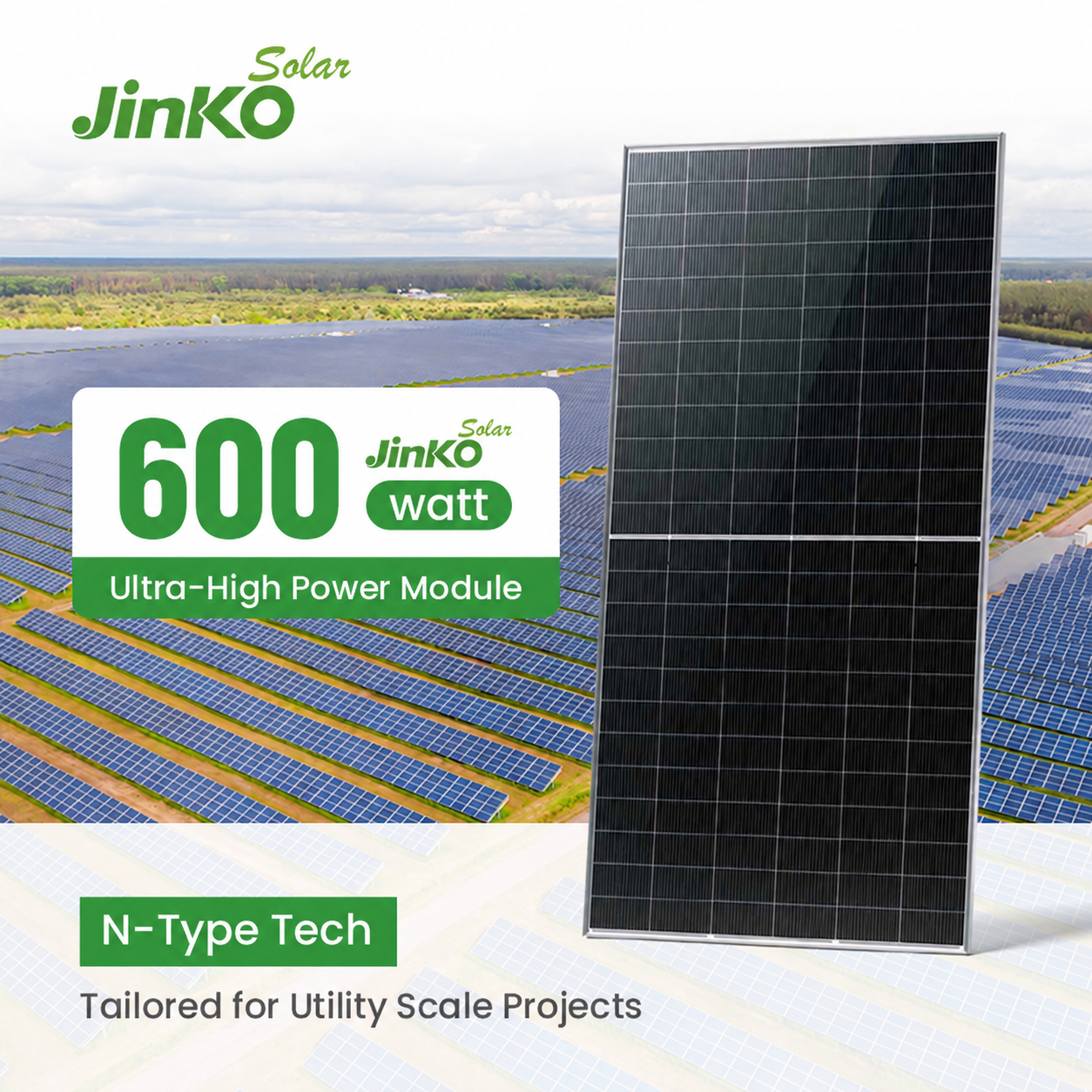 High Albedo Yield
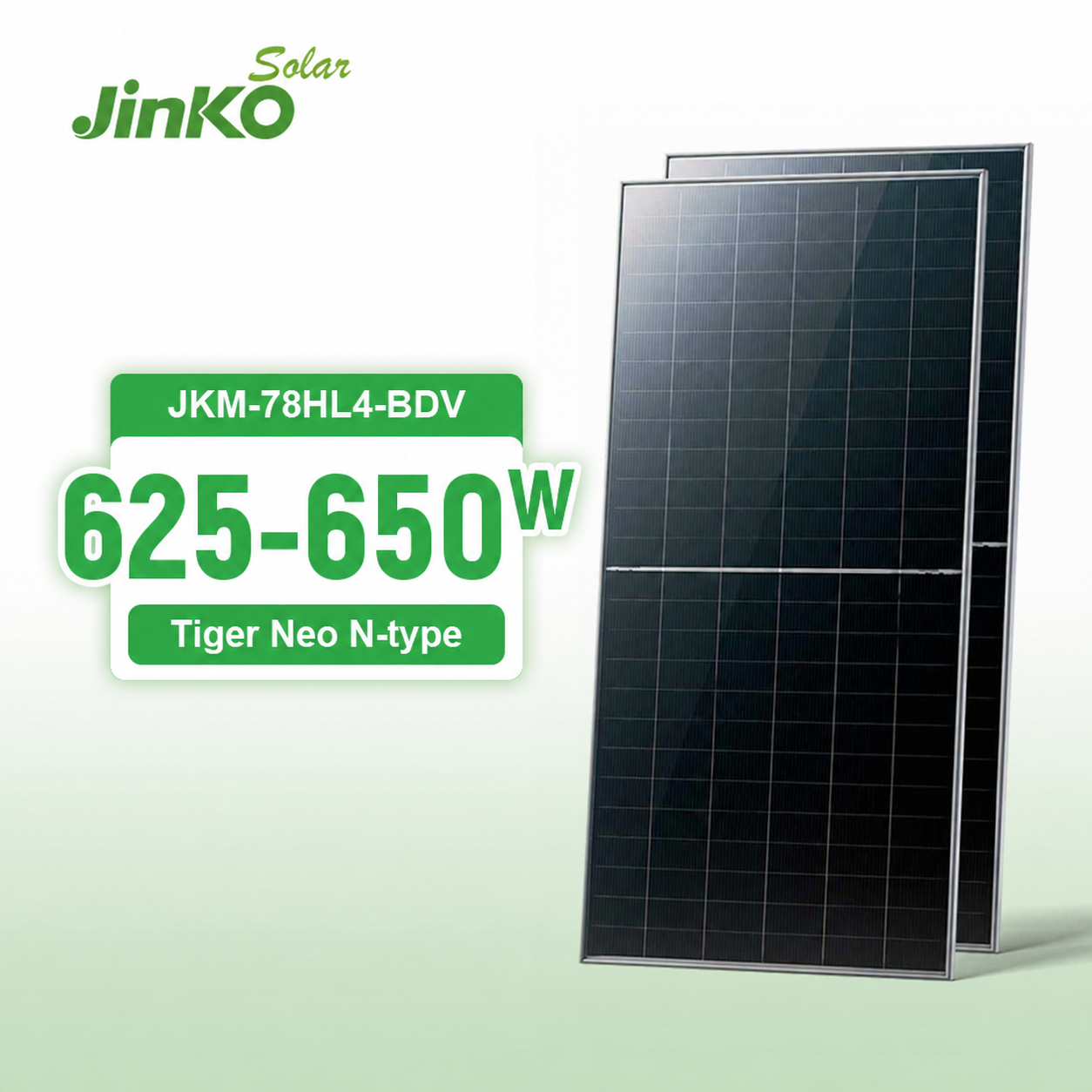 Residential & C&I
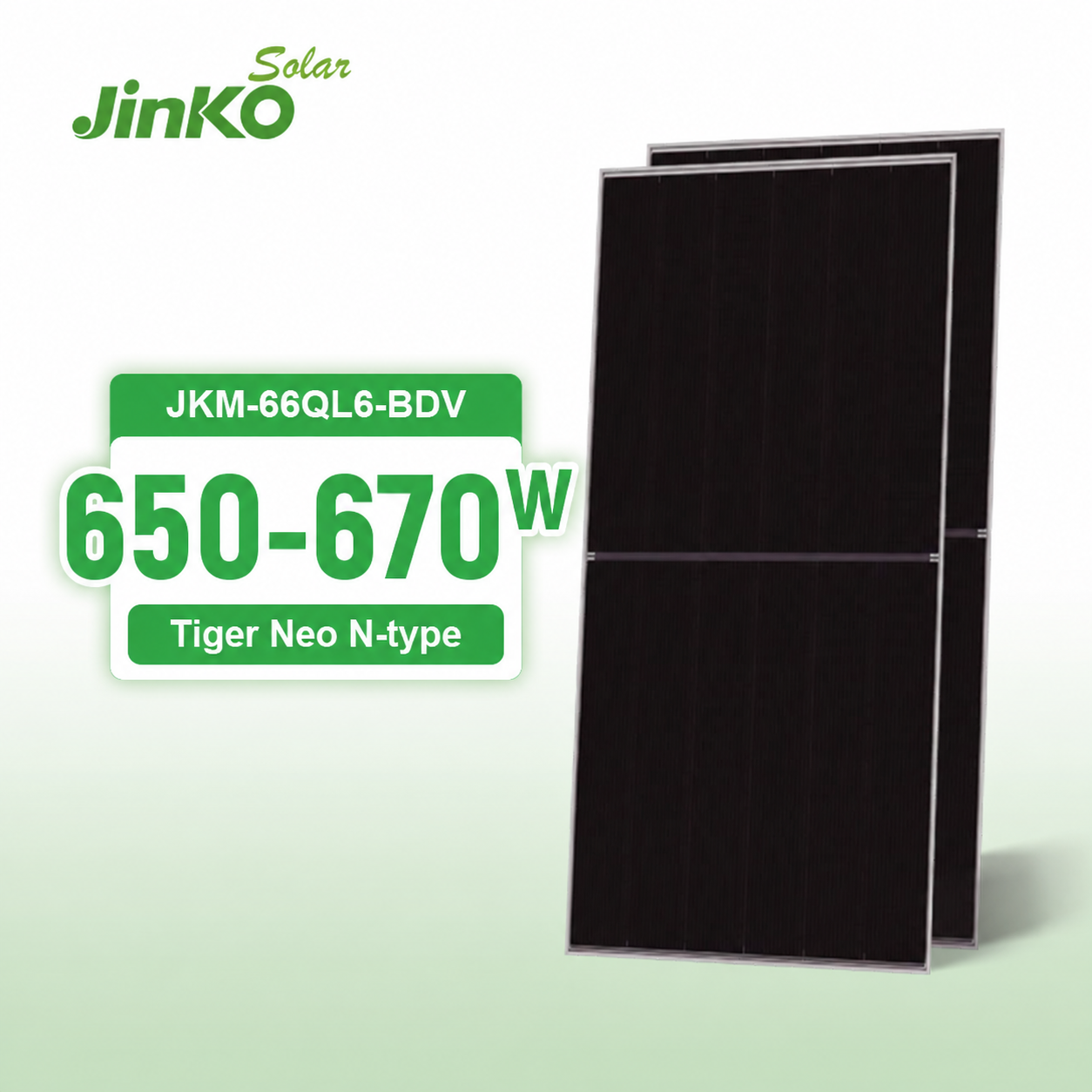 Heavy-Duty Frame
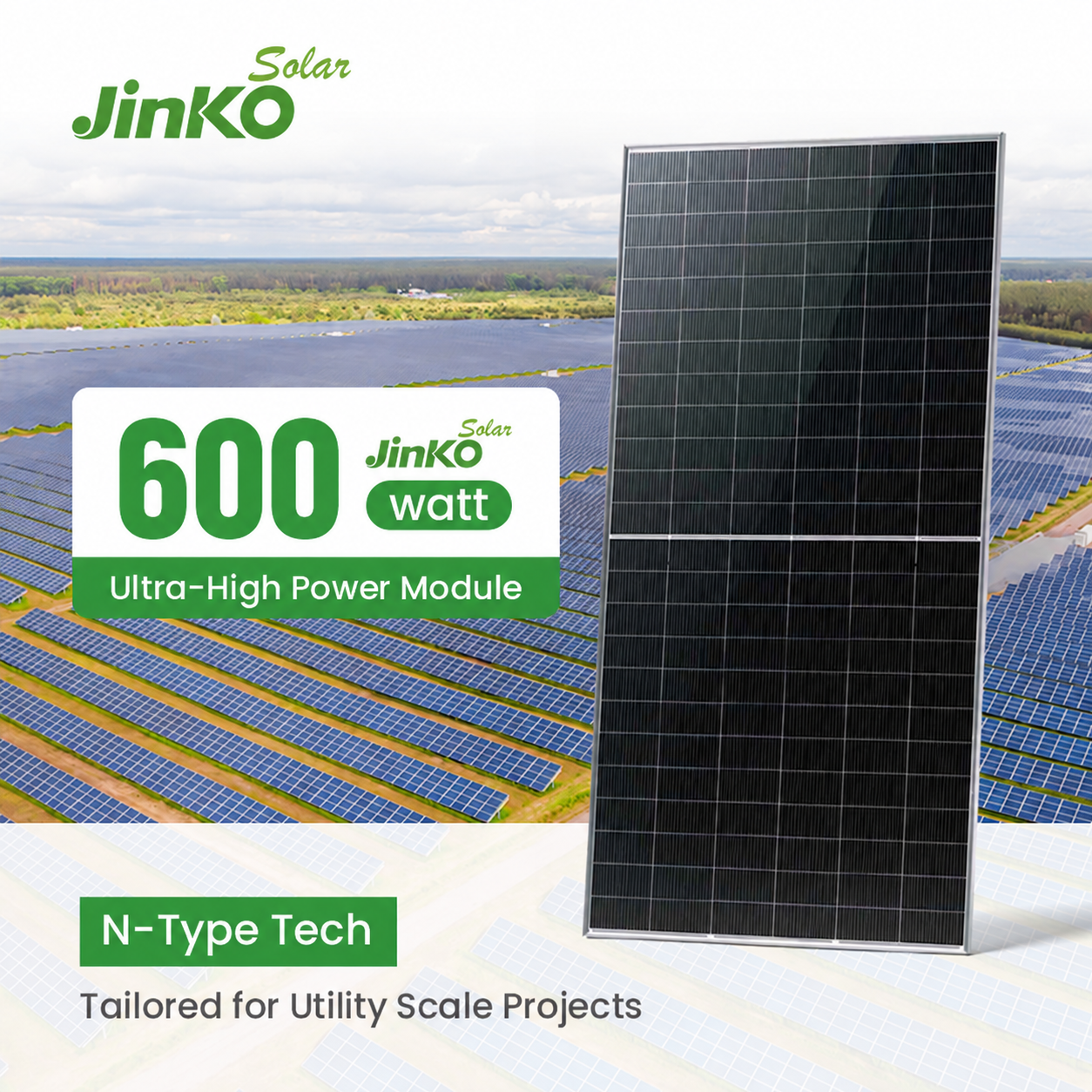 Commercial Array
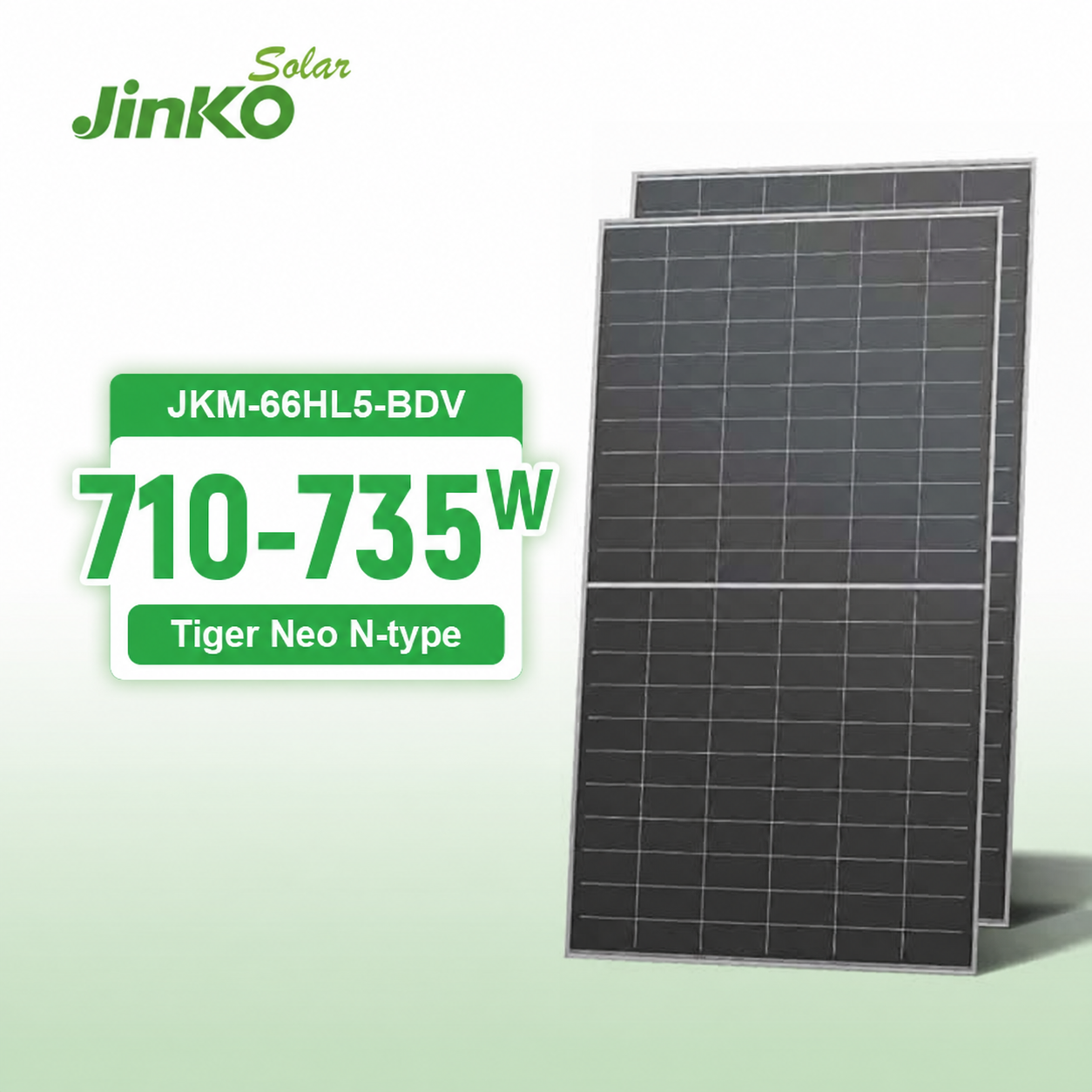 Utility Heavyweight
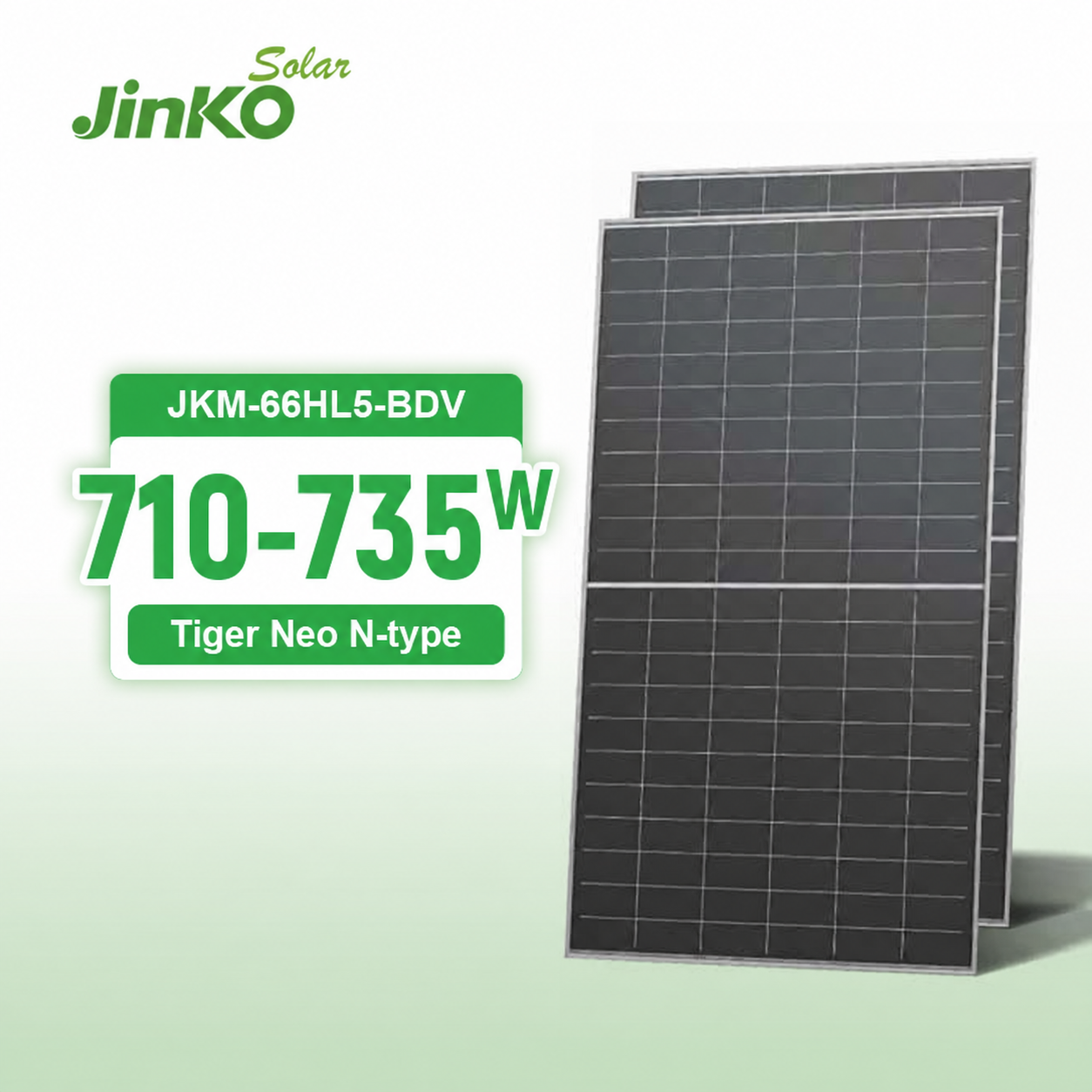 Container Bulk
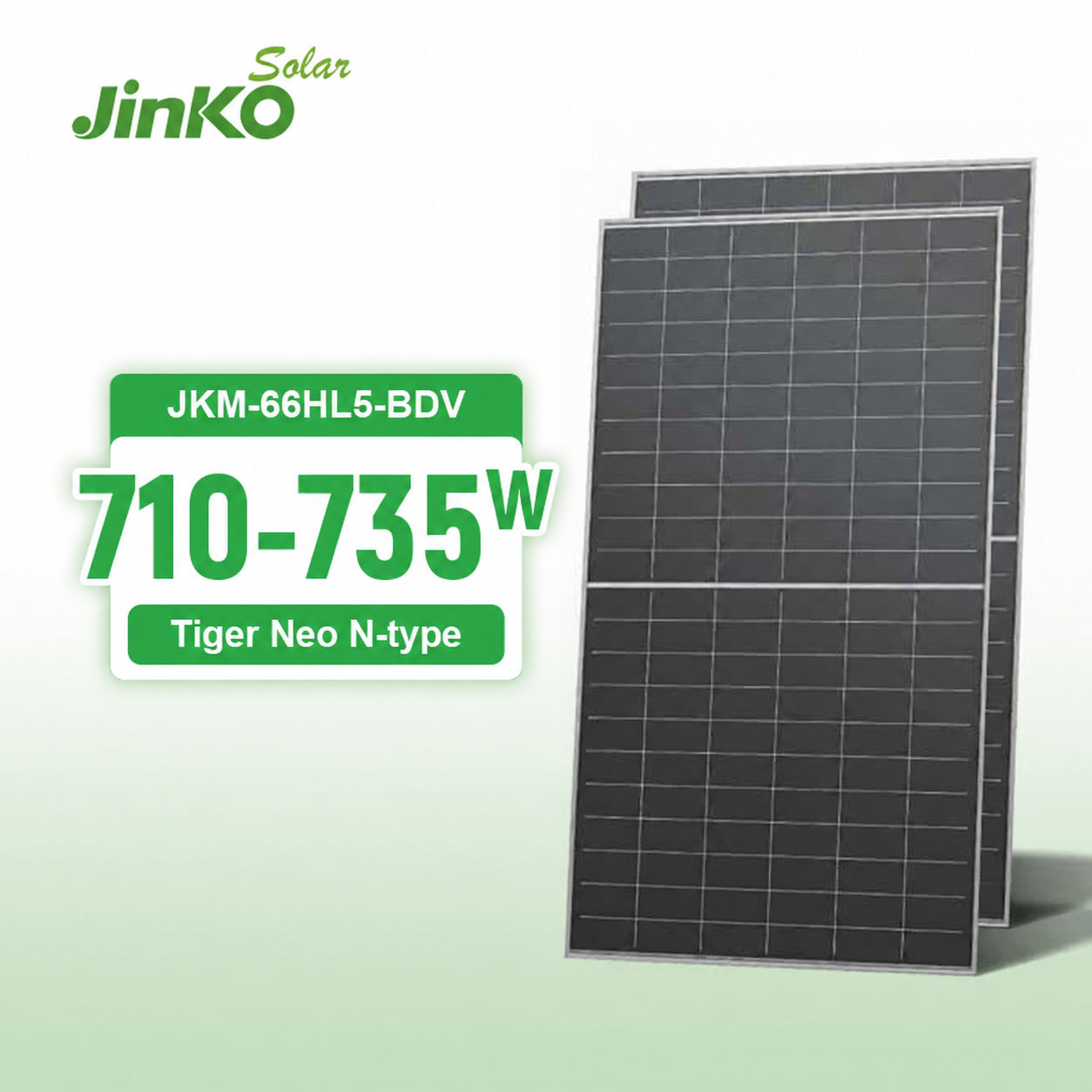 Industrial Microgrid
Sonoran Desert Operating Parameters: Engineering ESS for Phoenix Ambient Heat
Procuring stationary battery storage for Maricopa County presents thermal and electrical challenges found in few other metropolitan markets worldwide. Phoenix experiences an average of over 110 days per year with temperatures exceeding 100°F (37.8°C), and summer peak spikes regularly surpassing 115°F to 118°F (46°C to 48°C). On commercial rooftops and outdoor unshaded equipment pads across Phoenix, Chandler, Glendale, and Tempe, ambient metallic enclosures frequently record operating boundaries exceeding 145°F (63°C).
Under these rigorous Sonoran conditions, conventional Lithium Nickel Manganese Cobalt Oxide (NMC) chemistries present unacceptable thermal runaway acceleration risks. Consequently, Lithium Iron Phosphate (LiFePO4 / LFP) has become the mandatory baseline chemistry for EPCs, grid operators, and electrical contractors throughout Arizona. LFP exhibits intrinsic chemical stability, maintaining an exothermic decomposition threshold of approximately 270°C (518°F), compared to NMC's fragile 150°C–210°C envelope.
However, chemistry selection alone does not guarantee system longevity. Standard forced-air cooling racks experience severe parasitic efficiency loss when ambient temperatures eclipse 40°C. In the Phoenix market, advanced thermal management architectures, such as closed-loop industrial liquid cooling with redundant variable-frequency chillers, are vital for maintaining uniform cell-to-cell delta-T below 3°C. Maintaining cell core temperatures within the optimal 20°C to 30°C window prevents accelerated Solid Electrolyte Interphase (SEI) growth, lithium plating during high C-rate charging cycles, and premature capacity fade.
| Thermal & Operational Attribute | Standard Air-Cooled LFP (Generic Import) | Industrial Liquid-Cooled LFP (VOLT Engineering) | Impact on Maricopa County Installations |
|---|---|---|---|
| Thermal Runaway Onset Point | 230°C – 250°C | > 270°C (Cell Level) | Compliance with UL 9540A large-scale fire propagation tests |
| Cell-to-Cell Temperature Delta (ΔT) | ± 6°C to 9°C in 45°C Ambient | ± 2°C to 3°C Regulated | Prevents unbalanced string capacity drop & localized cell burnout |
| Parasitic HVAC Auxiliary Load | 14% – 18% of Total System Throughput | 4.5% – 6.8% via Dynamic Chiller Inverters | Retains usable kWh capacity during SRP 4 PM–7 PM peak billing |
| Inverter High-Temp Derating Curve | Linear Derating Starting at 40°C (104°F) | Full Continuous Output up to 50°C (122°F) | Ensures commercial operations avoid heavy peak utility ratchet charges |
| PV Module Temperature Coefficient | -0.35% / °C (Standard P-type PERC) | -0.29% to -0.30% / °C (Jinko N-Type TOPCon) | Delivers 4.5% to 6.2% more real summer kWh generation into the DC bus |
Mitigating Inverter Thermal Derating with Deye Multi-MPPT Architectures
In high-ambient environments, inverter power electronics present equal vulnerability to thermal bottlenecks. Typical European or domestic US string inverters implement aggressive thermal rollbacks beginning at 104°F (40°C), curtailing output by 1.5% to 2.5% per degree Celsius above nominal thresholds. For a Phoenix commercial manufacturing plant relying on peak-shaving during a 115°F July afternoon, an unexpected 25% drop in inverter capacity forces the facility to pull power directly from the utility grid during maximum tariff windows.
VOLT New Energy engineers address this vulnerability by pairing Tier-1 Deye hybrid inverters featuring dual-stage oversized heatsinks and intelligent brushless fan ventilation. The electronic layout maintains zero derating up to 45°C ambient and sustains 85% rated throughput at 50°C continuous operation, providing industrial buyers across the Phoenix Valley with reliable peak-demand protection.
Engineered ESS Application Scenarios Across Maricopa County
From the industrial corridors of Goodyear and Tolleson to agricultural water distribution along the Gila River Valley, energy storage configurations must address hyper-local tariff structures, load dynamics, and environmental variables.
C&I Peak Demand Shaving (Tolleson Logistics Corridor)
Warehousing, cold storage, and e-commerce distribution facilities spanning the I-10 corridor incur massive non-coincident demand charges under Arizona Public Service (APS) E-32 schedules. Installing containerized 500kW / 1MWh liquid-cooled ESS allows facility operators to cap peak demand spikes during simultaneous HVAC and commercial conveyor cycling, delivering payback cycles inside 4.2 years without disrupting baseline logistics operations.
SRP Customer Generation Solar+Storage Retrofits
Under Salt River Project's (SRP) Customer Generation Price Plan, daytime export credits to the grid yield marginal financial returns (approx. 2.81¢/kWh), while on-peak summer demand fees surge dramatically. Residential installers across Mesa, Gilbert, and Chandler utilize our 51.2V rack-mount and wall-mounted LFP stacks coupled with Jinko 650W TOPCon bifacial arrays to store 100% of daytime generation, shifting discharge to cover home AC loads between 2 PM and 8 PM.
Agricultural Irrigation Microgrids (Pinal & Maricopa Basins)
Commercial farms and citrus growers require reliable 480V 3-phase pump operation throughout intense drought conditions where rural grid lines suffer voltage sag and brownouts. By deploying ground-mounted bifacial Jinko 720W panels on caliche soil (achieving a 22% albedo boost) paired with deep-cycle gel or heavy-duty LFP banks, irrigation schedules run independently from fluctuating utility peak prices.
Navigating Arizona Interconnection, Fire Safety Codes & Compliance
Procurement teams sourcing energy storage hardware into Phoenix must comply with an intricate matrix of utility mandates and municipal fire regulations enforced by the City of Phoenix Fire Department, Maricopa County Building Safety, and regional utilities (APS, SRP, and ED3). Securing approvals requires deep compliance documentation at the factory level prior to bill-of-lading generation.
UL 9540 & UL 9540A
Comprehensive system listing verifying thermal runaway propagation limits. Maricopa County requires unit-level test reports for indoor installations and setbacks under 3 feet from property lines.
NFPA 855 Stationary ESS
Prescribes maximum allowable energy densities (50kWh residential, 600kWh commercial enclosures) with dedicated deflagration venting and gas-detection interlocks.
IEEE 1547-2018 Interconnect
Mandatory smart inverter controls for Volt-VAR, Frequency-Watt, and ride-through profiles validated across APS and SRP distribution substations.
UN 38.3 Dangerous Goods
Class 9 DG maritime shipping certification. Essential for direct container rail clearance through Port of Long Beach to the Phoenix intermodal rail yard.
Notice: Hangzhou VOLT New Energy coordinates full laboratory dossier packages, factory testing certificates, and UL/IEC documentation directly with engineering consulting firms representing EPC buyers across Arizona.
Why Southwestern EPCs & Wholesalers Partner with VOLT New Energy
Direct supply agreements require more than commodity component sales. Hangzhou VOLT New Energy Technology Co., Ltd. functions as an end-to-end system integrator, resolving technical communication, pre-commissioning, and logistics hurdles before goods arrive at US ports.

BMS-to-Inverter Protocol Pre-Commissioning
Every commercial battery rack and residential wall-pack undergoes live electrical integration testing against matching Deye hybrid inverters prior to export. We eliminate "BMS Error 01" communications failures by flashing matching CAN 2.0B / RS485 protocols, calibrating custom shunt resistances, and standardizing pin-out wiring harnesses at the factory.

Consolidated Multi-Component Containerization
Sourcing panels from one supplier, batteries from another, and inverters from a third creates excessive freight overhead and uncoordinated delivery schedules. We engineer complete mixed 40ft High Cube containers: stacking Tier-1 Jinko N-Type dual glass modules, Deye hybrid units, mounting brackets, and Class 9 hazmat-certified LFP racks into synchronized logistical shipments.

End-of-Line Thermal & Insulation Validation
Every battery module off our production line undergoes rigorous Hi-Pot insulation resistance testing, secondary overcharge safety verification, and a 100% full-cycle capacity test. Detailed factory flash test reports and individualized cell IR curves are cataloged by QR serial number for rapid warranty tracking.
Dedicated B2B Engineering Support for American EPCs
Our bilingual technical engineering desk works in close alignment with licensed Arizona electrical designers. From calculating DC/AC oversizing ratios and string voltage drops at 45°C to generating AutoCAD single-line diagrams (SLD) for local building permit submissions, our technical division supports your projects from specification to PTO.
Frequently Asked Questions: Sourcing ESS for Phoenix & Arizona
Key technical, regulatory, and logistics answers compiled by our solar engineers for procurement heads, system designers, and EPC executives.
Engineer Your Phoenix Solar & Storage Project Today
Connect directly with Hangzhou VOLT New Energy's system design engineers. Whether you require a full container load of Jinko 650W TOPCon panels, matched Deye hybrid inverters, or custom high-ambient liquid-cooled LFP battery storage cabinets for Arizona deployment, we return comprehensive single-line diagrams, factory direct pricing, and logistics quotes within 24 hours.