TOPCon Mono
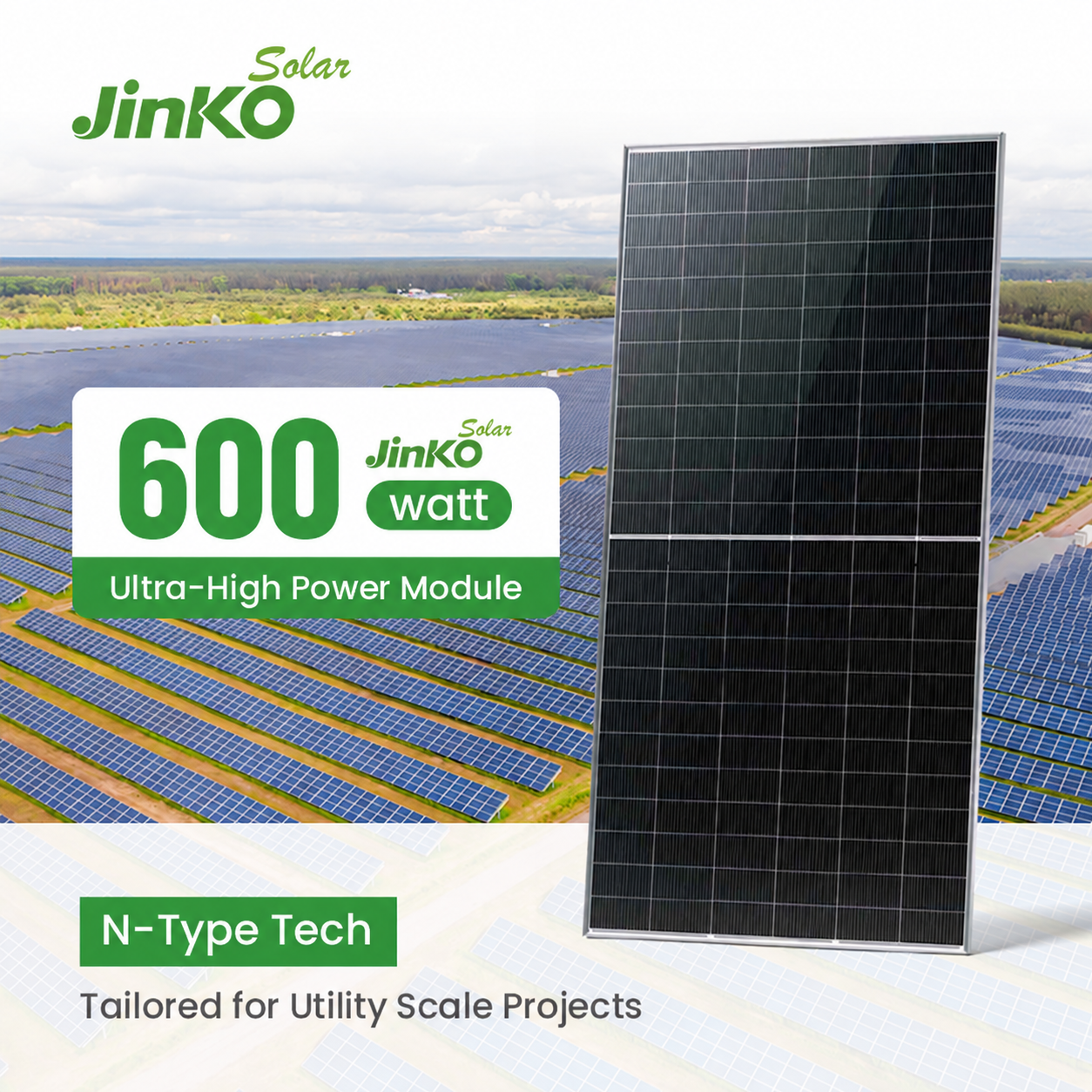
Jinko N-Type Bifacial 600W Commercial Module
Optimized temperature coefficients specifically engineered to combat high-heat yield drops in Central American solar farms.
Industrial-grade BESS architectures, Tier-1 Jinko N-Type TOPCon integration, and precision CAN/RS485 Deye protocols customized for Cayo District's microgrids and high-ambient operations.
Engineered for seamless integration with commercial and residential lithium battery storage banks across the sub-tropical climates of San Ignacio and the broader Cayo basin.
Optimized temperature coefficients specifically engineered to combat high-heat yield drops in Central American solar farms.
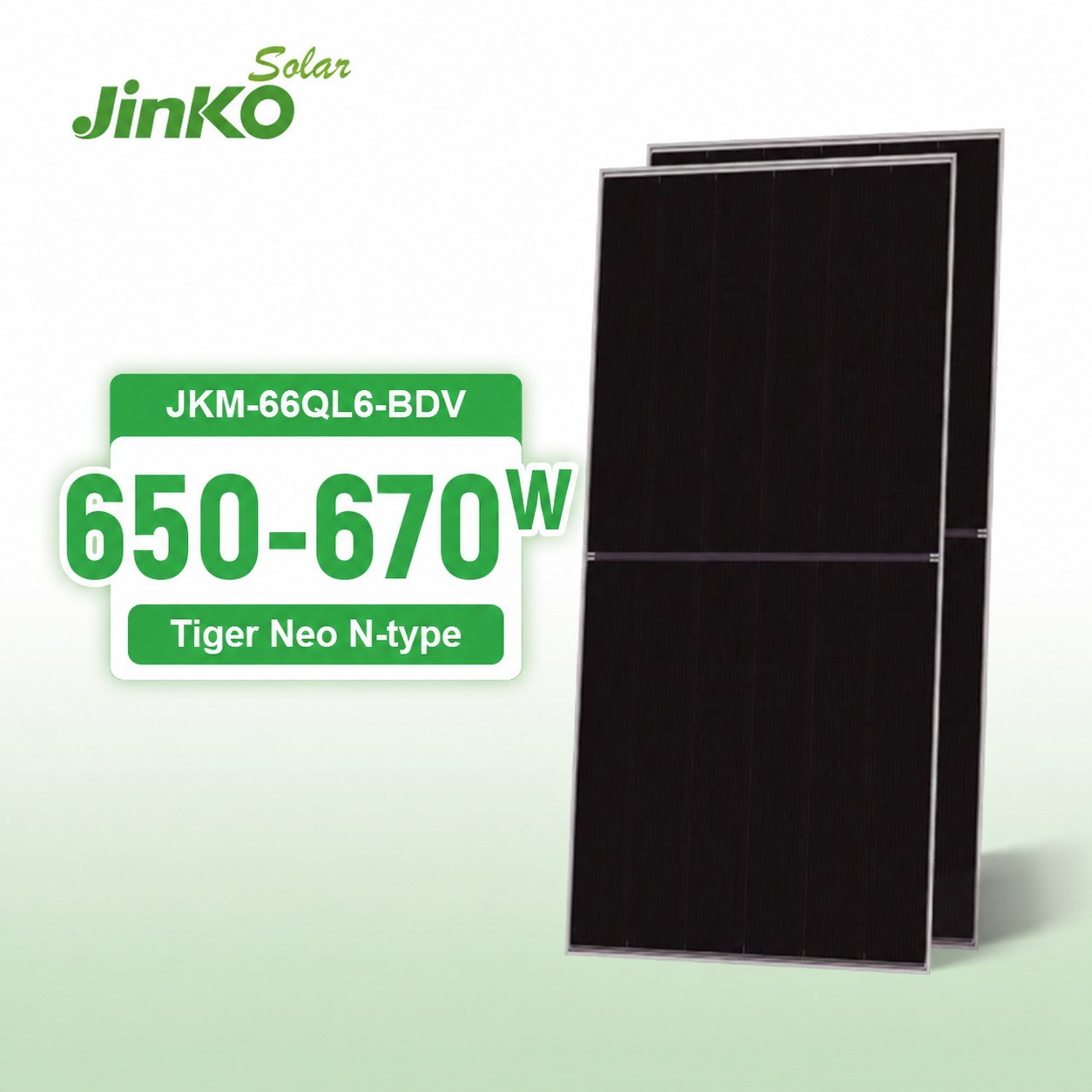
Dual-glass encapsulation resisting high humidity and salt-mist ingress for rugged off-grid eco-resorts and utilities.
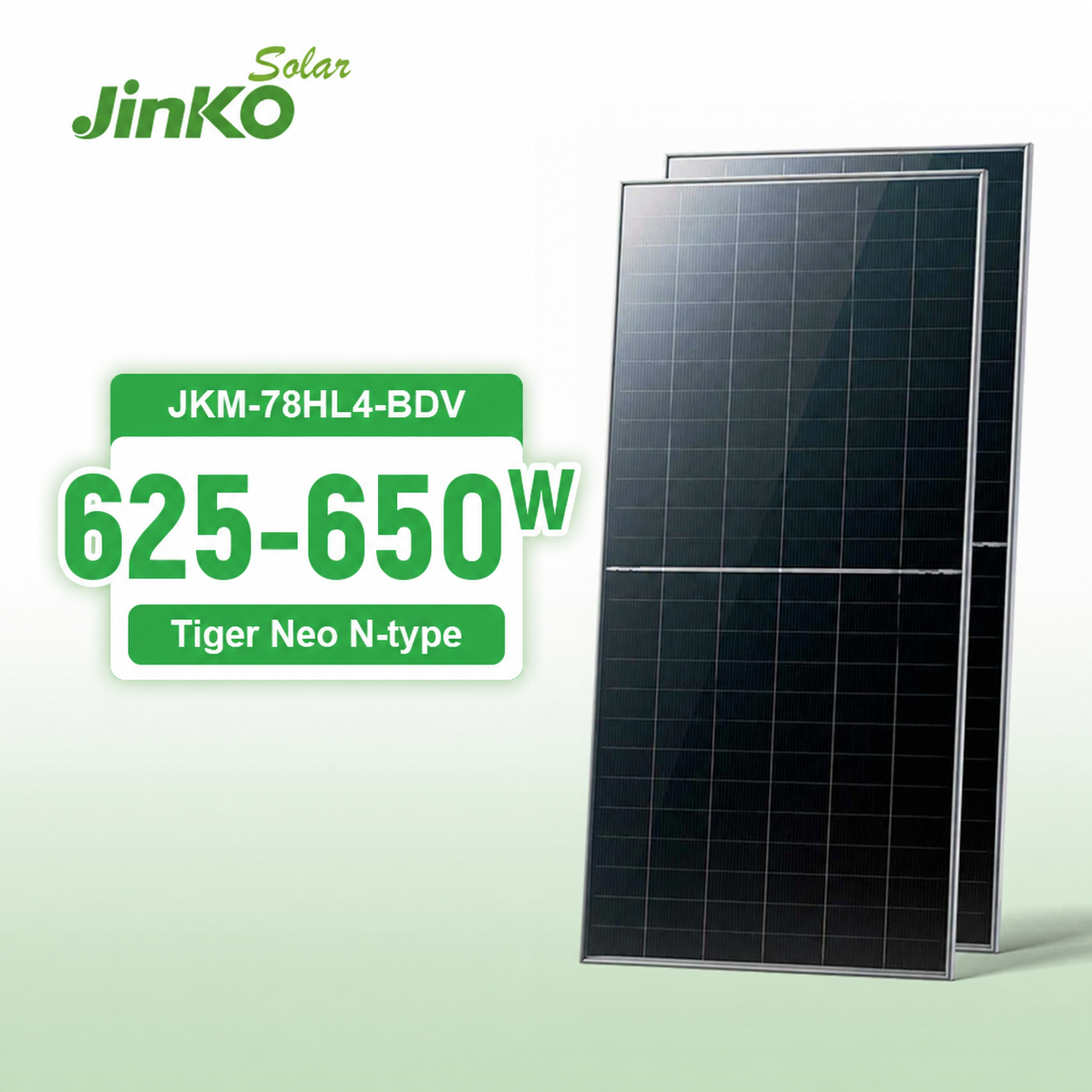
Maximum rooftop space utilization delivering peak kWh yields to rapid-charge residential 48V LFP battery configurations.
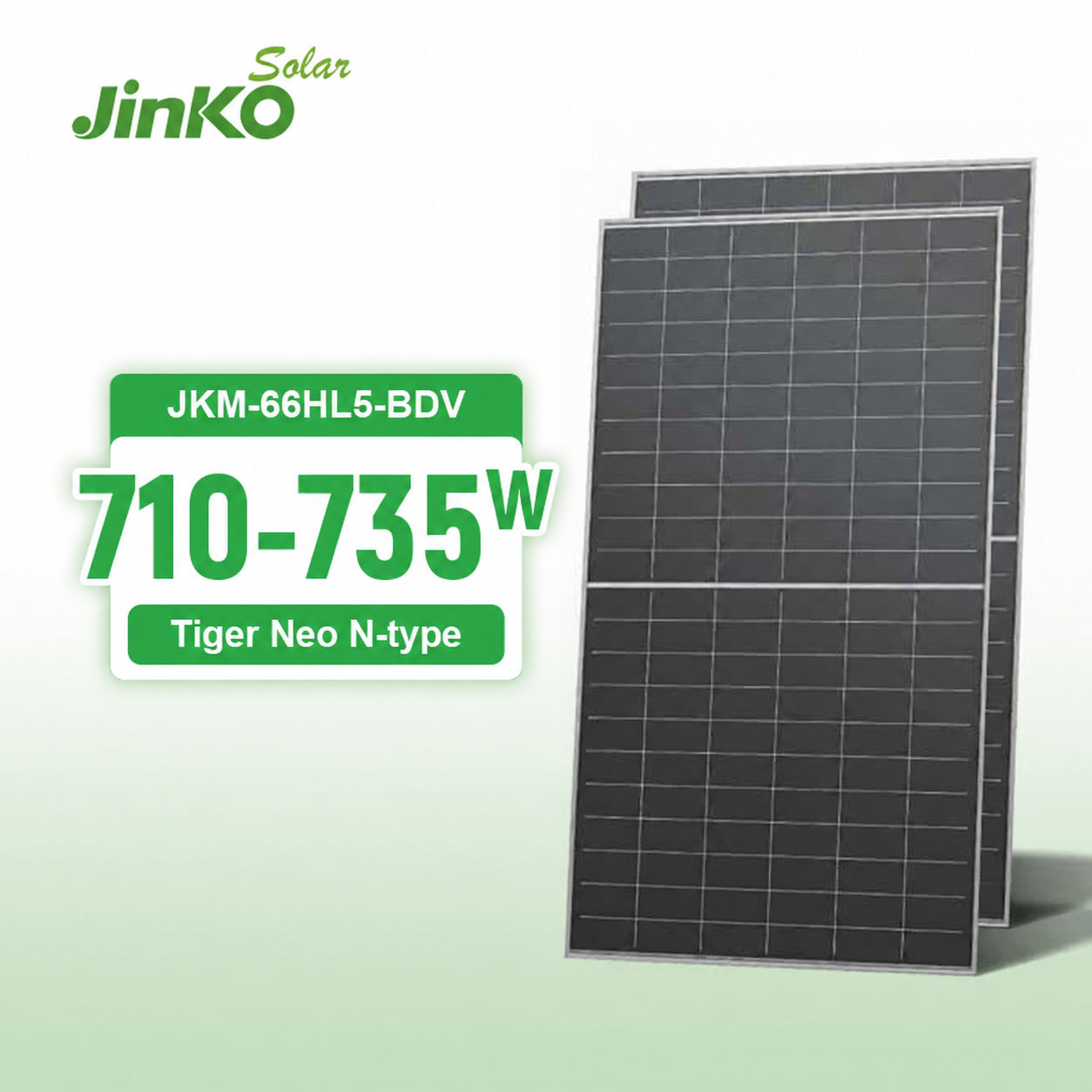
Designed for large ground mounts and mini-grid installations with up to 80% bifaciality for ambient ground albedo.
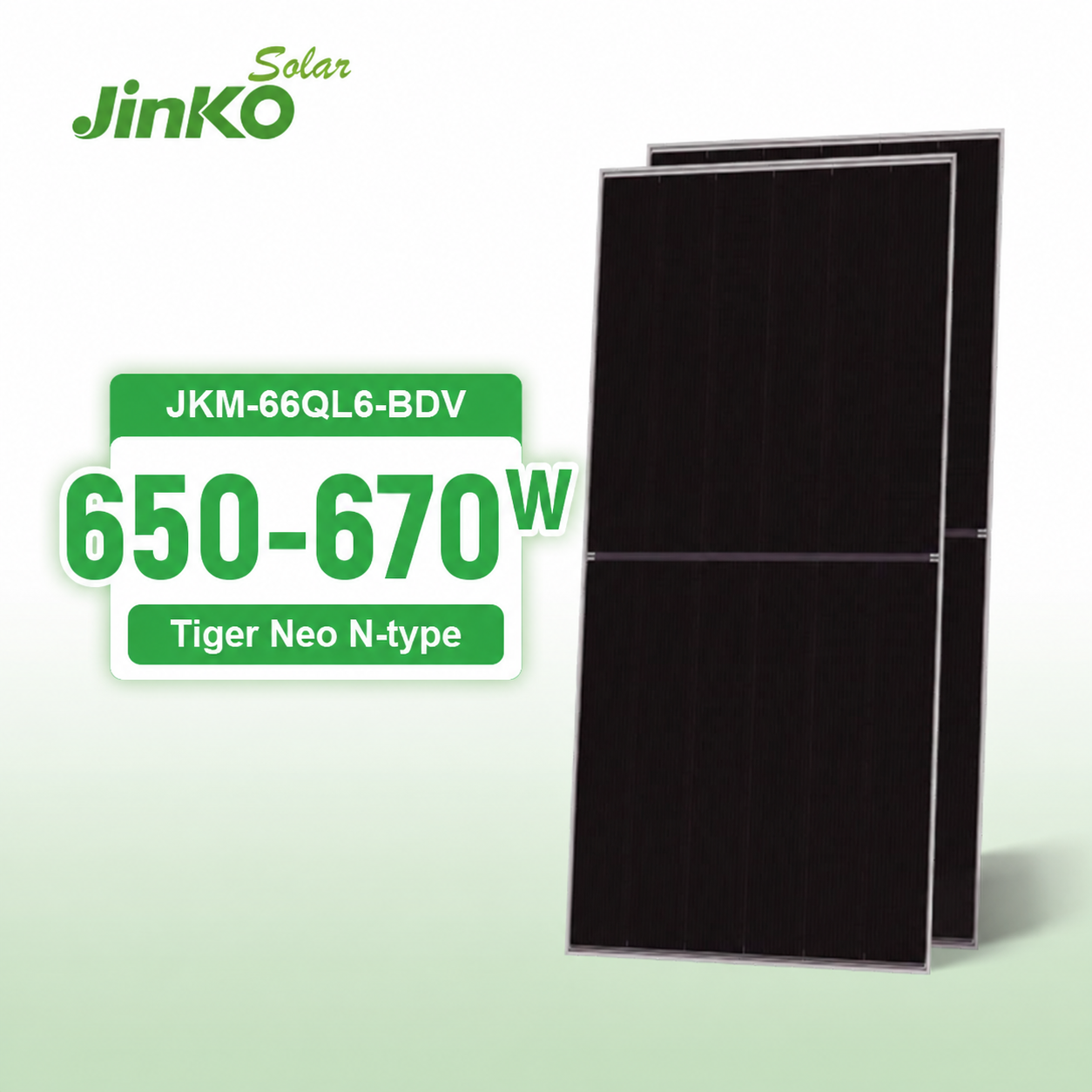
Precision multi-busbar technology mitigating micro-crack risks during rough transshipments to remote Belize job sites.
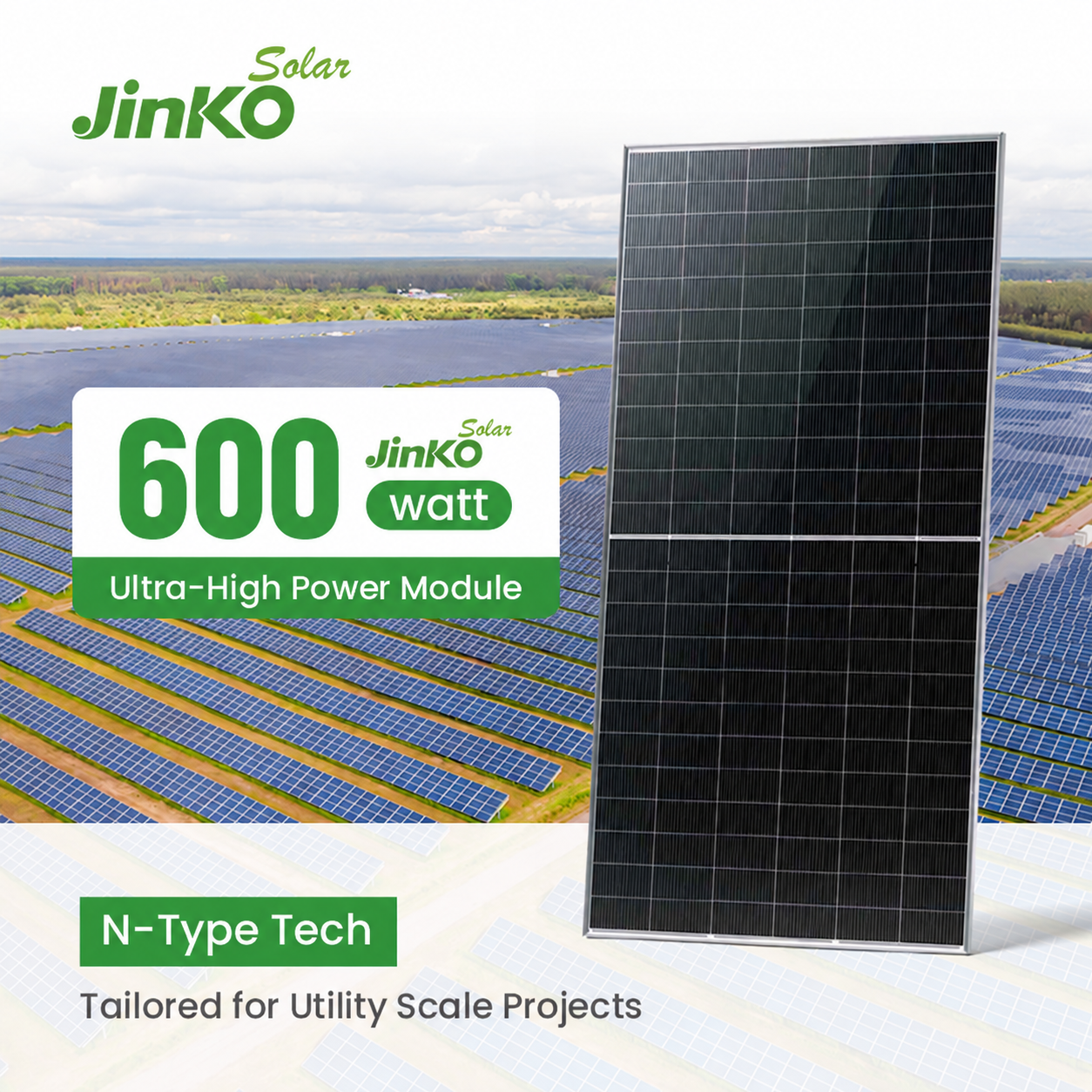
Perfect current density alignment with single-phase 5kW and 8kW hybrid inverters for villas and small retail shops.
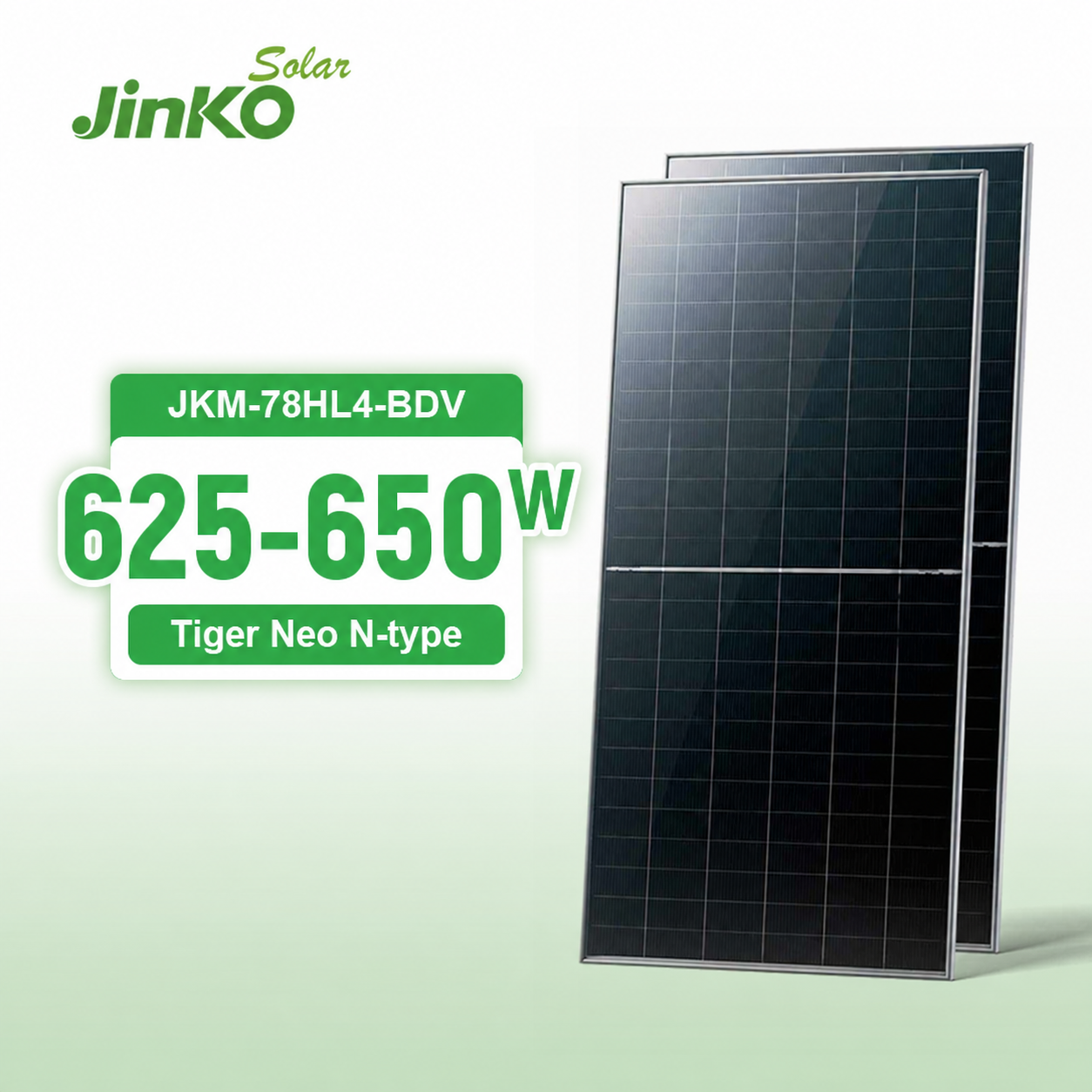
Low degradation rates ensuring consistent 30-year operational energy feed into high-voltage energy storage systems.
Factory-tested impedance matching intended for multi-string arrays coupled with modular C&I energy storage containers.
A rigorous examination of grid instability mitigation, thermodynamic battery degradation in humid rainforest environments, and the localized economics of energy storage across Belize's western frontier.
Situated in the heart of the Cayo District along the Macal River, San Ignacio functions as both the commercial capital of western Belize and the primary operational launchpad for the country’s eco-tourism, agro-forestry, and biotechnology sectors. In spite of this economic dynamism, the local energy landscape remains vulnerable to the vagaries of cross-border transmission interconnections, seasonal hydrological curtailments from local dams, and transmission bottlenecks across the national grid. Distributed energy users in San Ignacio frequently encounter fluctuating voltage frequencies, sustained brownouts during peak tourism seasons, and exorbitant commercial electricity tariffs exceeding $0.22 to $0.26 USD per kWh.
For local resort operators, commercial cold-chain facilities, and rural agricultural communities, relying solely on utility line delivery is no longer an acceptable operational strategy. The implementation of modern Battery Energy Storage Systems (BESS)—paired with high-efficiency bifacial N-type photovoltaic arrays—has shifted from an experimental environmental posture into an urgent operational necessity. As specialized manufacturers and turnkey exporters based in Hangzhou, China, our manufacturing plant delivers engineered balance-of-system solutions, bridging Tier-1 lithium iron phosphate (LiFePO4) modular battery packs, Deye multi-mode hybrid power conversion units, and Jinko TOPCon modules directly to project stakeholders throughout San Ignacio, Santa Elena, and the Mountain Pine Ridge corridor.
Deploying energy storage hardware within San Ignacio presents unique engineering challenges, specifically relative humidity values routinely averaging above 85% and diurnal ambient temperatures fluctuating between 24°C and 38°C. Sub-standard lithium batteries utilizing inferior prismatic cells or unsealed lead-acid/GEL formulations encounter rapid thermal degradation and internal dendrite formation under continuous daily deep cycling in these environments.
Our manufacturing line deploys strictly Grade-A Automotive LiFePO4 cells housed in conformal-coated, IP54 and IP65 rack-mountable and wall-hung enclosures. LiFePO4 chemistry presents inherently superior thermal stability compared to nickel-cobalt formulations, exhibiting an exothermic run-away ceiling beyond 270°C. Furthermore, each battery pack is equipped with our customized high-current Battery Management System (BMS), featuring multi-point passive balancing, programmable high-temperature cut-offs, and conformal board coatings that prevent condensation short-circuits caused by rapid humidity changes during wet season convective downpours.
Zero-emission off-grid hybrid setups integrating 50kW/100kWh LFP storage banks to silence loud, expensive diesel gen-sets, maintaining 24/7 silent hospitality operations without air quality compromise.
Peak shaving and load-shifting configurations for citrus and cattle farming processing nodes, guaranteeing continuous refrigeration during unexpected utility blackouts.
Supermarkets and distribution hubs in downtown San Ignacio capitalizing on daytime solar generation to avoid high-tier grid rate bands while securing instantaneous UPS failover.
The most prevalent vulnerability in decentralized renewable deployments across emerging markets is protocol mismatch—the failure of the inverter’s microprocessor to accurately decode the state of charge (SoC), voltage thresholds, and alarm flags from the battery management system over CAN or RS485 communication buses. Field technicians in San Ignacio often find themselves stranded with imported equipment that defaults to crude lead-acid lead profiles, cutting cycle lifespans by up to 60%.
At Hangzhou VOLT New Energy Technology Co., Ltd., we eradicate this failure point entirely. Prior to packing, our testing engineers wire every battery rack to its matching Deye hybrid inverter (single-phase 5kW–16kW, three-phase 8kW–50kW). We run complete bench validations, synchronizing baud rates, DIP switch configurations, and register maps to ensure that when your system is uncrated in San Ignacio, commissioning involves plug-and-play handshaking with instant closed-loop communication.
Belize is actively updating its national distributed energy policies, opening clear regulatory pathways for net-billing and commercial solar self-consumption. As the Public Utilities Commission (PUC) modernizes grid interconnection frameworks, private enterprises that deploy storage-ready hybrid topologies today will maintain the flexibility to participate in future ancillary grid stabilization schemes. The trend is moving rapidly away from standalone off-grid DC setups toward AC-coupled and DC-coupled hybrid microgrids capable of seamless grid-tie islanding—ensuring energy independence regardless of regional geopolitical or power supply challenges.
Eliminating supply chain uncertainty, compliance hurdles, and field errors through rigorous pre-shipment engineering.
Every LFP module is physically linked to Deye inverters and verified across CAN/RS485 networks to confirm communication protocols before packaging leaves Hangzhou.
We provide full UN38.3 test summaries, MSDS documentation, and certified hazardous-cargo container crating for smooth customs clearance through Belize City ports.
Mix Jinko TOPCon bifacial modules, hybrid inverters, rack batteries, balance-of-system breakers, and DC cabling into a single consolidated ocean container.
Full access to factory system sizing engineers, complete CAD electrical schematics, and bilingual technical support for local San Ignacio electrical contractors.
Clear, unvarnished guidance on logistics, environmental protection, compatibility, and sizing for Cayo District installations.
Submit your site load profile (kWh/day), grid-coupling requirements, or PV array capacity. Our engineering desk will deliver a fully matched system schematic, factory proforma invoice, and ocean freight logistics plan within 24 hours.
Send an Inquiry