High-Efficiency Photovoltaic Modules for Hybrid Gel Systems
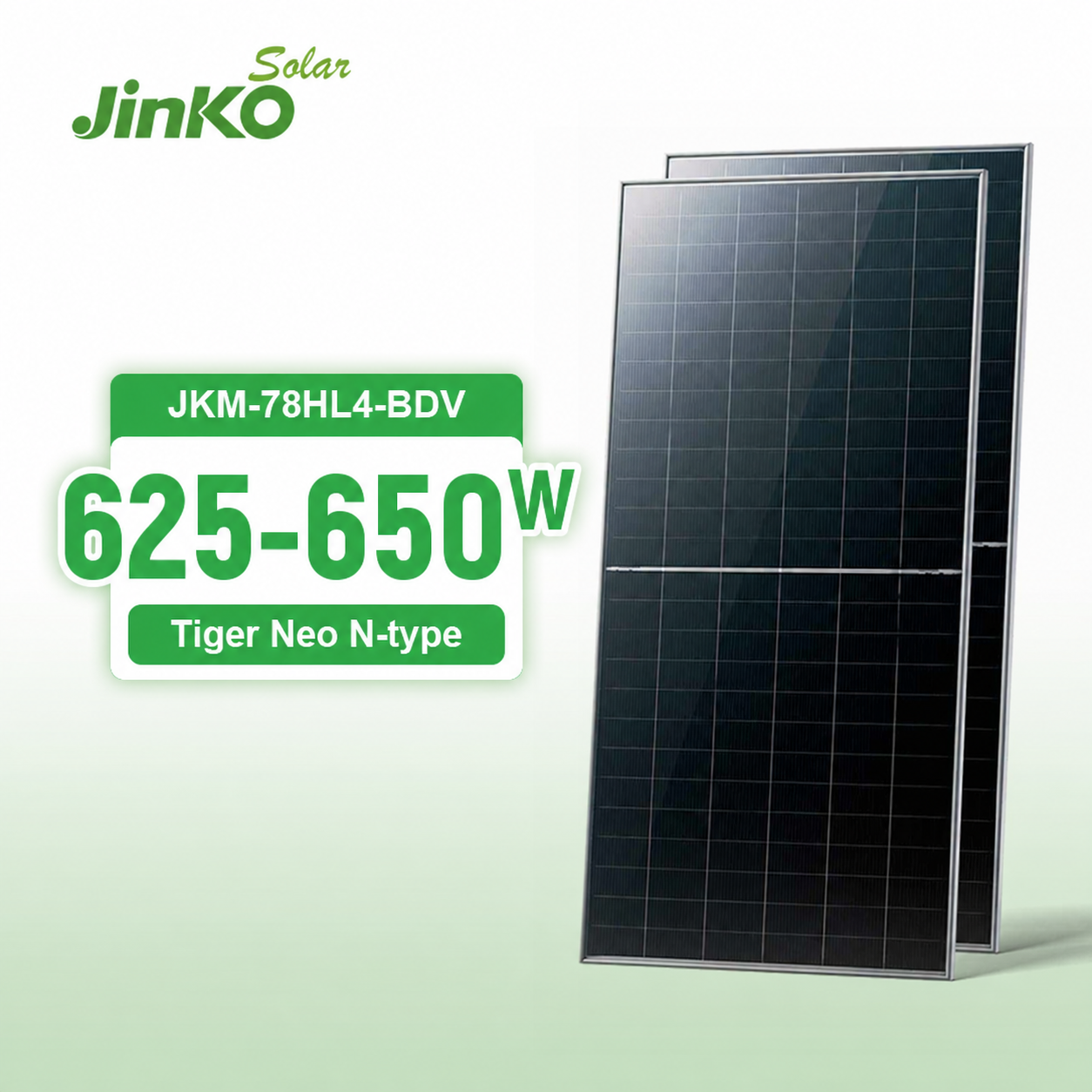
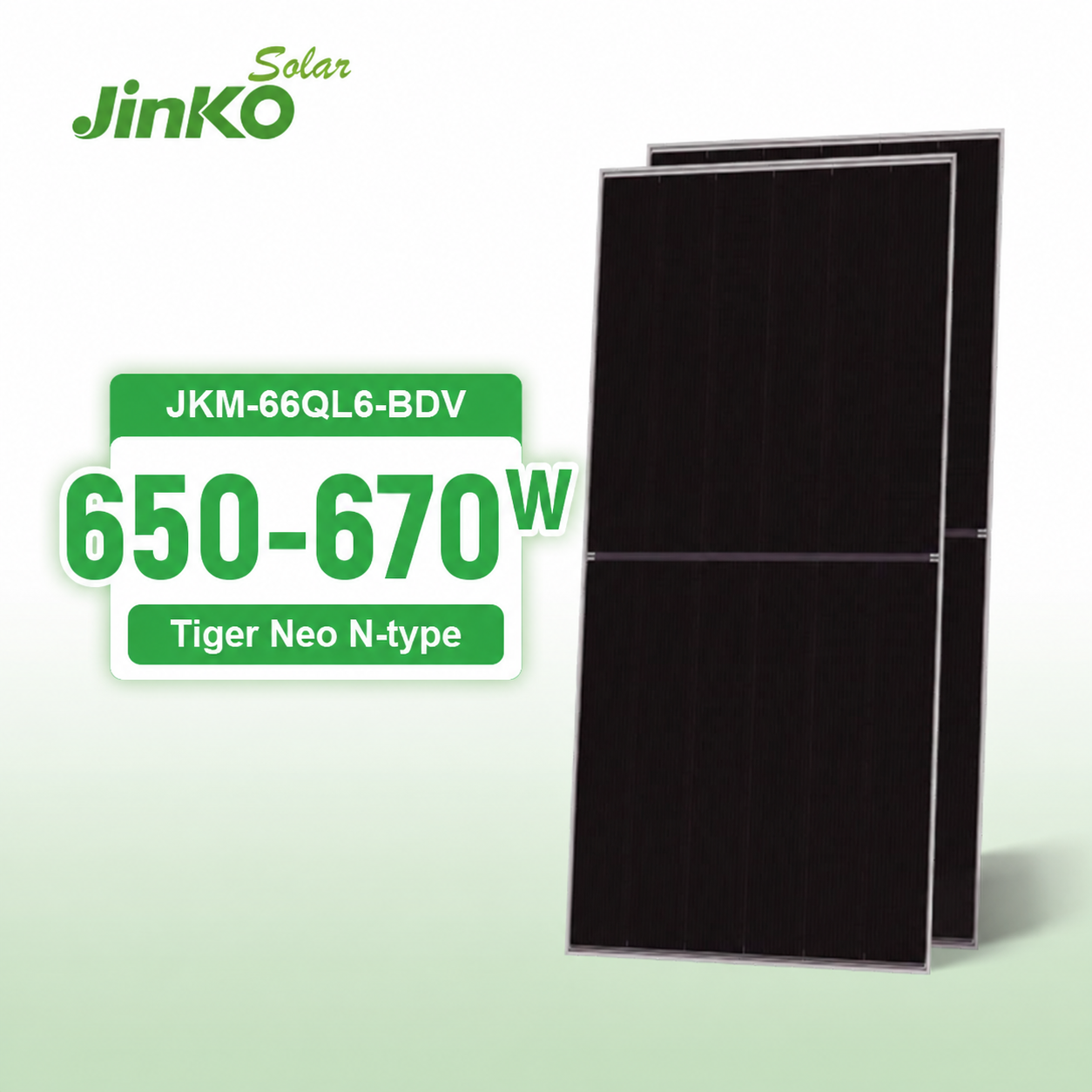
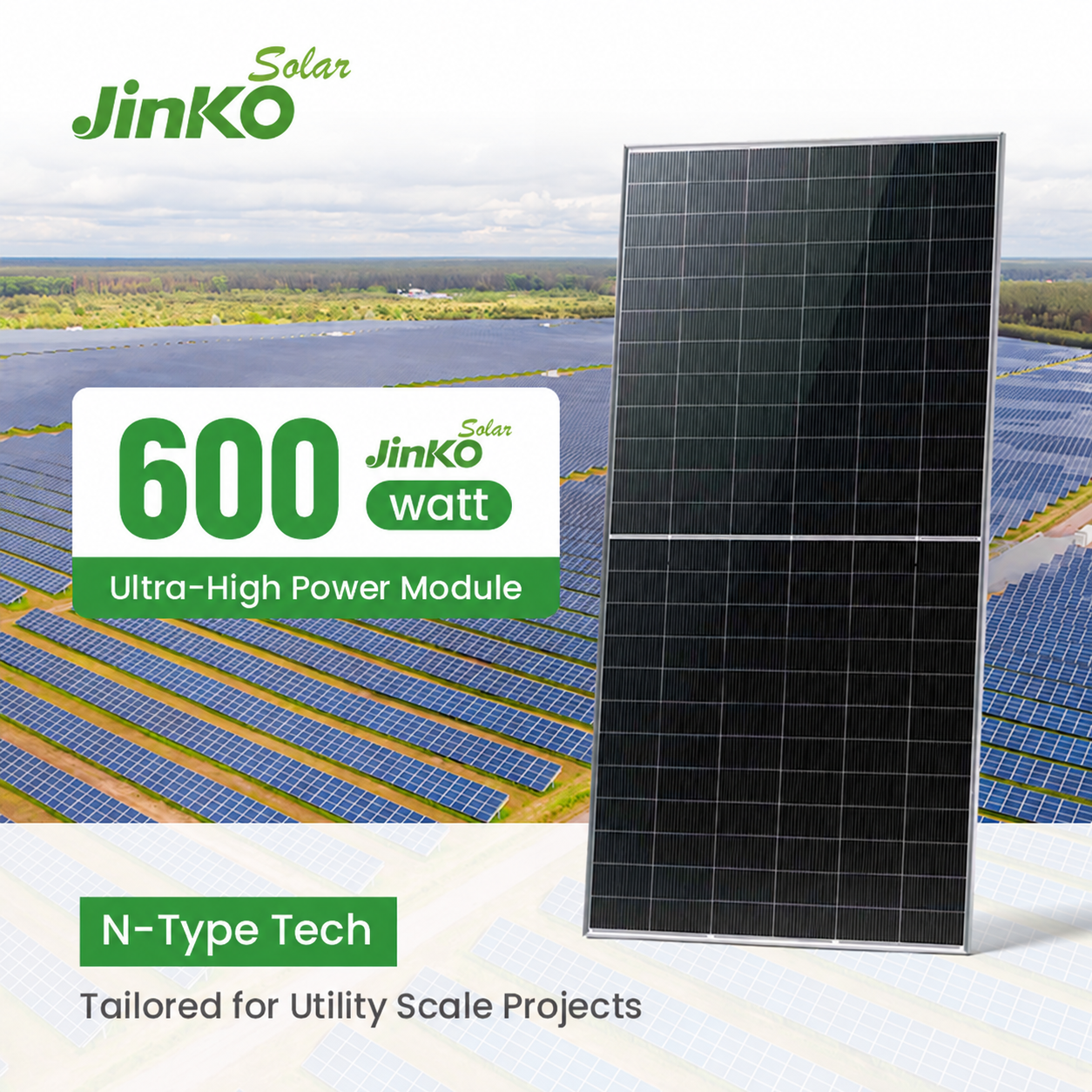
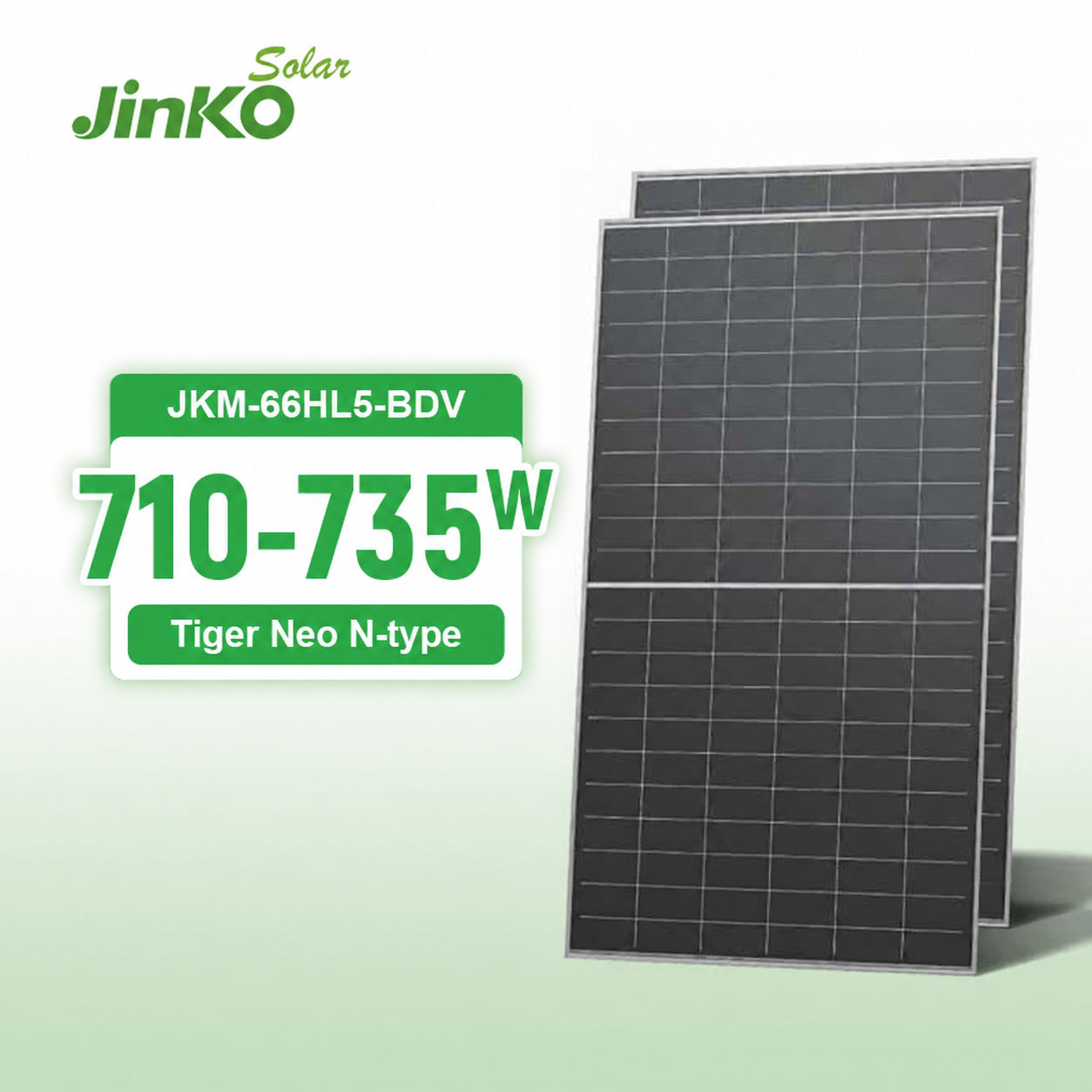
Combining heavy-duty deep-cycle gel battery energy storage systems (BESS) with industry-leading dual-glass TOPCon solar panels ensures uninterruptible baseline resilience across San Francisco and Bay Area commercial facilities.
Deep-Cycle Thixotropic Silica GEL Battery Manufacturing Excellence
A rigorous metallurgical and chemical breakdown of why specialized gelled valve-regulated lead-acid (VRLA) batteries remain the primary defense mechanism against coastal humidity, corrosive salt fog, and sub-surface grid disruption.
Advanced Electrochemical Architecture for Harsh Ambient Environments
Unlike standard Absorbent Glass Mat (AGM) or traditional flooded liquid lead-acid cells, genuine deep-cycle GEL batteries rely on a three-dimensional cross-linked network formed by mixing premium pyrogenic fumed silica (SiO2) into diluted sulfuric acid (H2SO4). The resulting thixotropic gel electrolyte immobilizes the active sulfuric solution, entirely preventing acid stratification, electrolyte leakage, and internal plate corrosion.
For engineering applications across the San Francisco Bay Area—such as the coastal microclimates extending from the Outer Sunset and Pacifica to the industrial corridors of South San Francisco—atmospheric moisture saturated with chloride ions poses rapid degradation hazards. Gelled lead-acid systems operate via an airtight, valve-regulated recombination process where oxygen generated at the positive plate diffuses through micro-fissures in the gel to the negative plate, recombining into water at greater than 99% recombination efficiency.
- Corrosion-Resistant Pb-Ca-Sn Alloy Grids: Formulated with high-tin, low-calcium continuous-cast radial grids to inhibit positive plate creep and maximize cyclic endurance up to 1,600 cycles at 50% Depth of Discharge (DOD).
- Microporous Phenolic / PVC-SiO2 Separators: Low internal resistance combined with ultra-high mechanical puncture resistance prevents dendrite short-circuits during chronic Partial State of Charge (PSoC) operation.
- Zero Thermal Runaway Predisposition: The high thermal capacity of gelled mass acts as an intrinsic heat sink, preventing catastrophic thermal drift commonly observed in tight battery cabinets during unexpected peak ambient heatwaves.
Through our dedicated manufacturing facilities, Hangzhou VOLT New Energy enforces ISO 9001, ISO 14001, and UL 1989-compliant automated assembly lines. Every cell undergoes negative-pressure vacuum gel filling, temperature-controlled curing chamber seasoning (72 hours at 50°C and 98% relative humidity), and computer-monitored helium mass spectrometry leak detection, guaranteeing field reliability in mission-critical San Francisco telemetry, substations, and marine installations.
| Electrochemical Parameter | Gel Battery Factory Benchmark |
|---|---|
| Electrolyte Formulation | Degussa Nano Fumed Silica + Ultra-Pure H2SO4 |
| Self-Discharge Rate (25°C) | < 2.5% per month (allows 9-month shelf life) |
| Float Charging Voltage | 13.50V to 13.80V per 12V block @ 25°C |
| Cycle Charging Voltage | 14.10V to 14.40V per 12V block @ 25°C |
| Case & Cover Flame Retardance | UL94-V0 High-Impact ABS Resin Option |
| Terminal Torque Integrity | M8 Copper Insert (8.5 - 10.5 N·m tolerance) |
| Storage Chemistry | PSoC Cyclic Stability | Salt-Fog Corrosion Tolerance | Thermal Runaway Risk | Seismic & Impact Resilience | Initial Project CapEx |
|---|---|---|---|---|---|
| Industrial GEL (VOLT Specification) | Superior (No Stratification) | Hermetic (Zero Vent Leakage) | Extremely Low (Heat Sink Mass) | High (Immobilized Structure) | Moderate / Cost-Optimized |
| Standard AGM Lead-Acid | Moderate (Prone to drying out) | Medium (Acid mist venting) | Moderate under continuous float | Medium | Low |
| Flooded Deep-Cycle Lead | Poor (Severe acid stratification) | Vulnerable (Constant off-gassing) | Low (Requires active top-up) | Low (Spill hazard in tremors) | Lowest |
| Lithium Iron Phosphate (LFP) | Exceptional | Requires IP67 Sealed NEMA enclosures | Requires Active BMS Protection | High (Requires rigid cell bracing) | Higher Initial Outlay |
Engineered for San Francisco's Microclimates & Seismic Codes
From PG&E grid resilience mandates to marine offshore fog corridors along the Golden Gate, our factory-direct gel battery assemblies solve specific geographic and operational hurdles across the Northern California region.
Coastal Marine & Port Infrastructure
San Francisco's Embarcadero, Fisherman's Wharf, and the Port of Oakland face non-stop exposure to damp salt air. Our gel batteries utilize copper-core silver-plated terminals and hermetically sealed post-bushings that eliminate lead-sulfate creep and contact resistance, providing continuous 24V/48V power for navigation aids, harbor telemetry, and dockside automated cranes.
PSPS & Seismic Wildfire Resilience
PG&E's Public Safety Power Shutoff (PSPS) initiatives regularly interrupt utility power during dry offshore wind events. In earthquake-prone zones across the San Andreas and Hayward faults, gel batteries offer superior vibration integrity over flooded designs, guaranteeing instantaneous backup for municipal emergency operation centers, water pumping stations, and fire dispatch hubs.
Silicon Valley Telecommunications Hubs
Data transmission lines and remote 5G cellular repeaters spanning San Francisco down to San Jose require clean, ripple-free direct current. The thixotropic gel electrolyte absorbs high floating charge currents without drying out, maintaining battery capacity over 10-to-15-year float cycles even in unconditioned rooftop enclosures subject to dense fog and afternoon solar irradiance.
Off-Grid Bay Area Hillside Microgrids
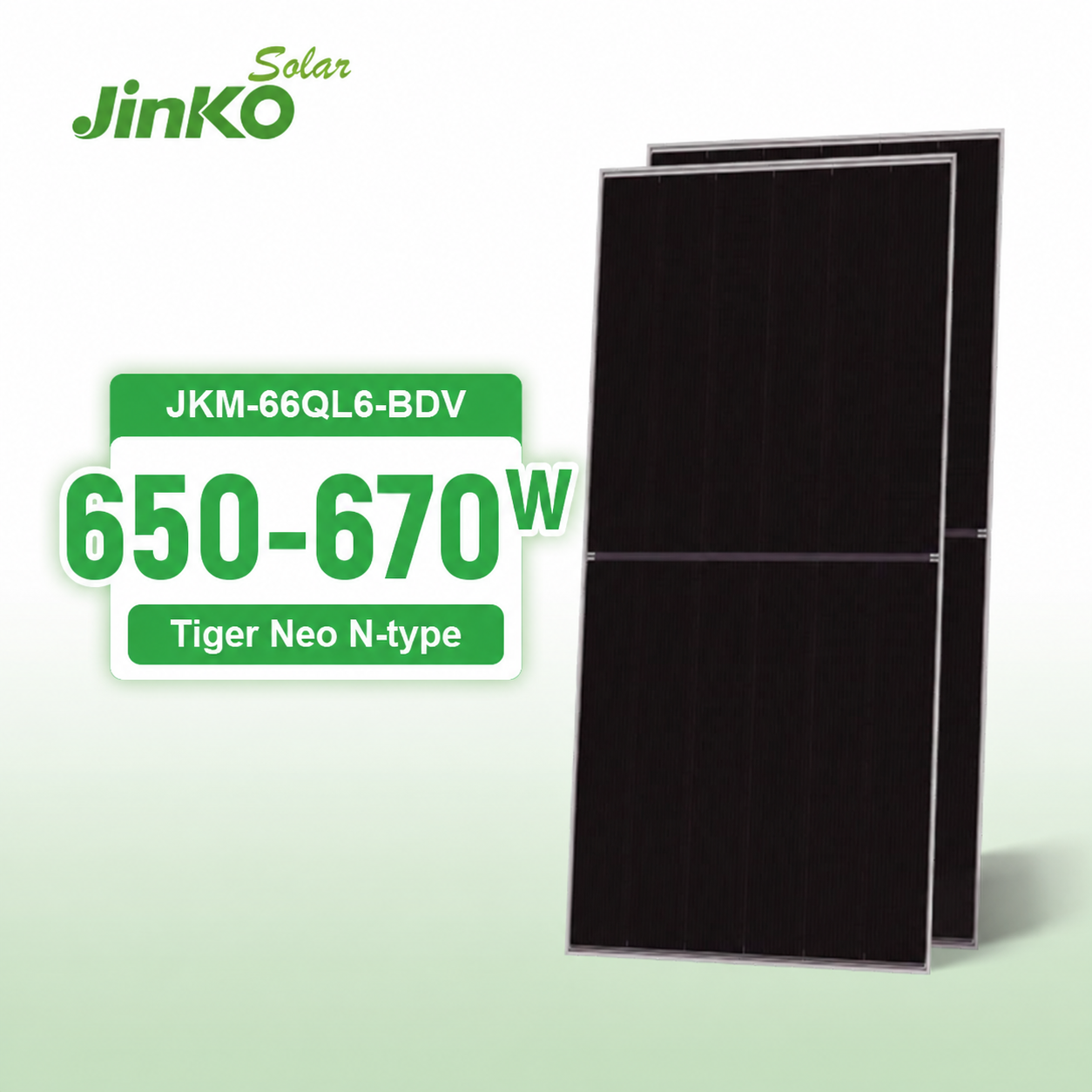
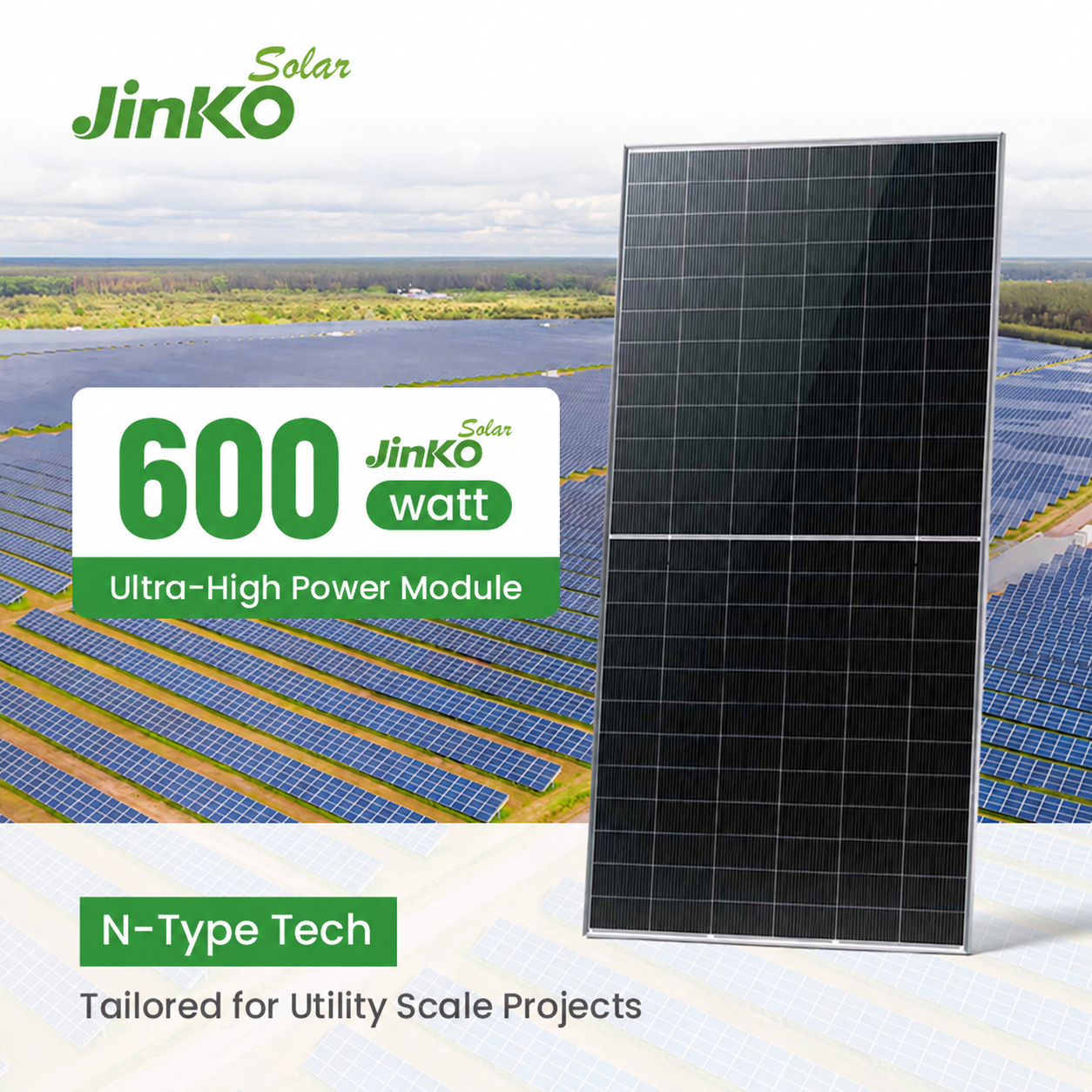
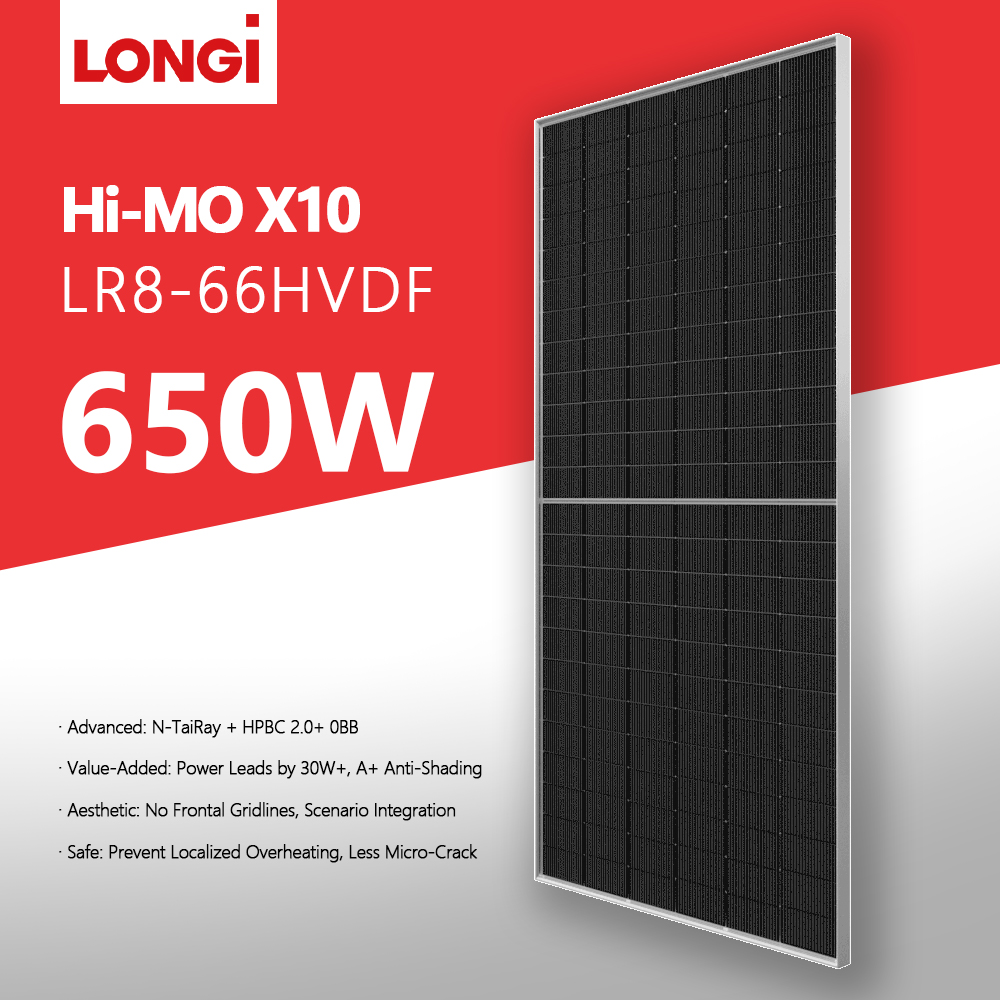
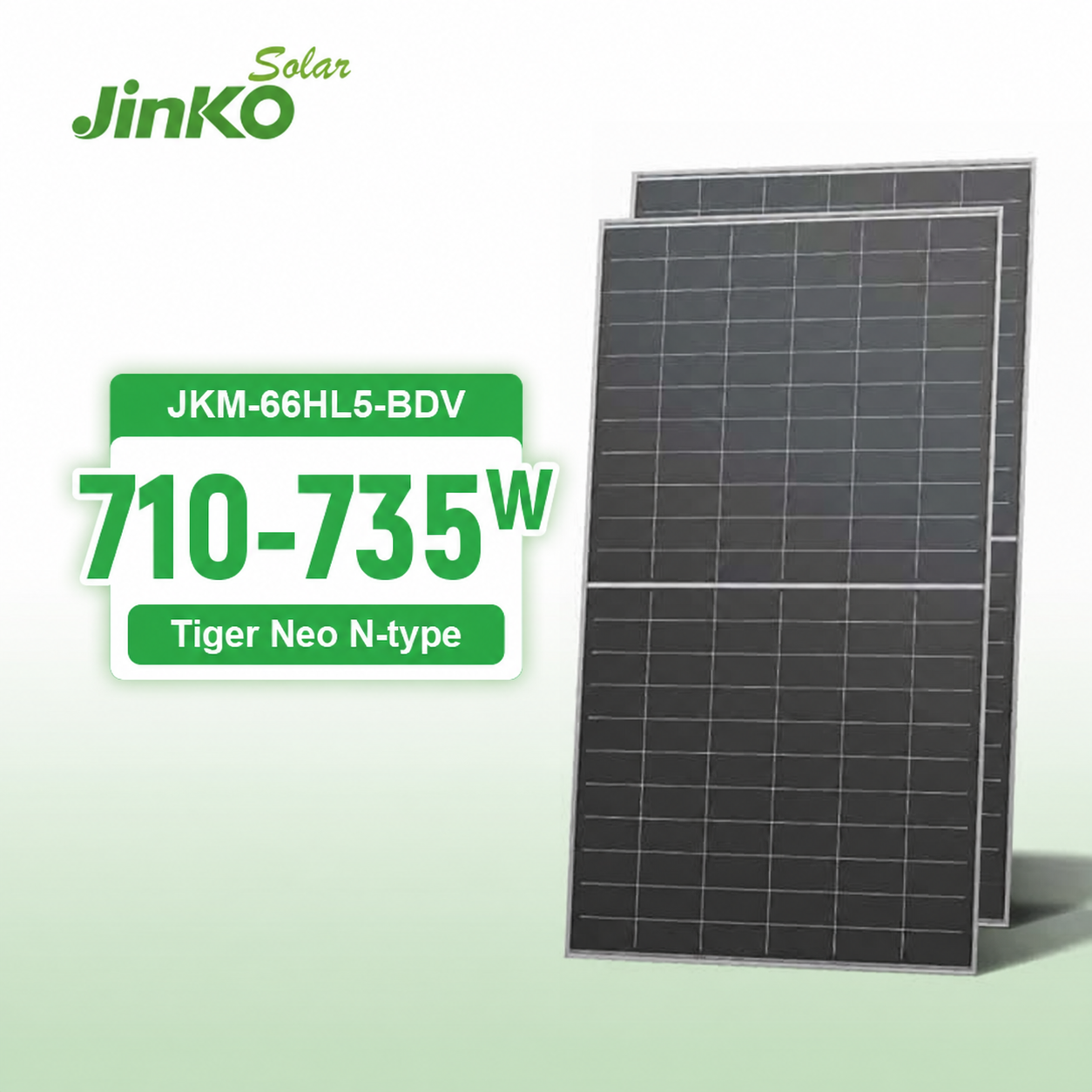
Residential and light agricultural estates situated along the Marin Headlands, Twin Peaks, and Napa Valley microclimates utilize off-grid solar-plus-storage. Paired with hybrid inverters and our Jinko N-Type 650W/720W PV panels, our gel banks handle deep night-time discharges without requiring complex software BMS handshakes or active liquid cooling compressors.
San Francisco & California Energy Storage Trends
Understanding the statutory, environmental, and financial mechanisms transforming energy procurement for Bay Area commercial facility directors, EPC contractors, and system engineers.
NEM 3.0 & Storage Pairing Mandate
Under the California Public Utilities Commission (CPUC) Net Billing Tariff (NEM 3.0), the export compensation rate for excess solar power plunged by roughly 75%. Commercial and residential projects across San Francisco can no longer justify grid-tied solar arrays without storage. Heavy-duty gel battery banks offer an extraordinarily cost-effective Levelized Cost of Storage (LCOS), enabling owners to maximize self-consumption during high-rate PG&E peak hours (4 PM – 9 PM).
California Title 24 & Fire Regulations
The stringent California Title 24 Building Energy Efficiency Standards require solar PV and designated energy storage systems in newly constructed commercial, retail, and multi-family structures. GEL batteries excel in meeting NFPA 855 and California Fire Code (CFC) Chapter 12 criteria due to their intrinsically safe chemistry, negligible off-gassing, zero hazard of cobalt/nickel flame propagation, and compliance with non-combustible indoor storage restrictions.
Microgrid Resilience Infrastructure
Municipal clean-energy mandates across San Francisco County prioritize autonomous microgrid islands capable of powering critical community centers during seismic emergencies. System specifiers increasingly request dual-chemistry architectures: fast-response lithium for frequency regulation, alongside rugged, broad-temperature deep-cycle gel banks delivering reliable, deep-reserve hours when high temperatures or freezing winter storms lock up sensitive electronics.
Why Tier-1 Importers Partner with VOLT New Energy
Hangzhou VOLT New Energy Technology Co., Ltd. bridges the gap between state-of-the-art Chinese electrochemistry manufacturing and international field execution, ensuring seamless logistics to California ports and 100% verified compatibility.
Pre-Shipment Protocol Verification
For combined solar + storage configurations, our engineers pre-program charge absorption voltages, float thresholds, and temperature compensation coefficients on matching hybrid inverters (Deye, Antofo, etc.) prior to export, preventing site commissioning downtime.
Full Automated QC Diagnostics
Each gel production batch is subjected to high-rate discharge tests, internal impedance spectrometry (AC 1kHz), multi-angle helium pressure leak detection, and mechanical torque testing. Complete serial number traceability is archived for every commercial consignment.
Container Consolidation to Port of Oakland
We streamline Pacific transit by offering turnkey full container loads (FCL) or consolidated mixed cargo (combining high-efficiency Jinko bifacial solar modules, gel battery racks, and DC disconnect switchgear in heavy-duty export-grade pallet packaging).
Dedicated Engineering After-Sales
Our bilingual application engineers offer immediate system design support—from AutoCAD single-line wiring diagrams to custom seismic battery rack sizing tailored to Bay Area building departments and local structural engineers.
San Francisco B2B Buyer & Contractor FAQ
Direct technical and operational answers concerning logistics, local codes, shipping classifications, and system sizing for California energy professionals.
Are gel batteries classified as hazardous cargo when shipped through the Port of Oakland?
No. Genuine sealed valve-regulated gel batteries utilizing immobilized silica electrolyte meet the non-spillable battery requirements defined under US DOT 49 CFR 173.159a and IATA/ICAO Special Provision A67. Because the sulfuric acid is solidified into a non-flowable thixotropic gel matrix, the battery can be shipped as ordinary non-hazardous freight without requiring expensive Class 9 HazMat documentation or specialized hazardous cargo vessels, drastically lowering Pacific maritime freight tariffs compared to lithium-ion containers.
How do gel batteries perform in San Francisco's foggy coastal microclimates compared to AGM and Lithium?
San Francisco frequently experiences cold, dense coastal advection fog ("Karl the Fog") followed by sharp microclimate temperature variations across different neighborhoods. Unlike AGM batteries, which are prone to microscopic thermal runaway and electrolyte dry-out when floating in enclosed spaces, gel batteries feature a massive thermal buffer that maintains uniform cell temperature. Furthermore, unlike lithium cells that require integrated electric heaters to charge when temperatures drop near freezing (0°C / 32°F), deep-cycle gel batteries accept normal charging current down to -20°C (-4°F) without lithium plating or catastrophic cell breakdown.
Do your gel battery enclosures and racks meet California seismic and Title 24 building codes?
Yes. Because the San Francisco Bay Area sits directly between active strike-slip seismic faults, equipment installations must comply with stringent anchor calculations and IEEE 693 seismic qualification standards. We manufacture reinforced heavy-gauge powder-coated steel racks equipped with floor-mounting anchoring gussets and vertical retaining bars designed for Seismic Zone 4 (IBC Risk Category IV). Furthermore, our flame-retardant ABS battery casings can be custom ordered with UL94-V0 ratings, satisfying commercial indoor fire safety guidelines under California Fire Code (CFC) Chapter 12.
Can I mix Jinko high-power bifacial solar modules with a gel battery bank on a hybrid inverter?
Absolutely. In fact, pairing high-efficiency Jinko N-Type TOPCon panels (such as the 650W or 720W models showcased above) with a deep-cycle gel bank is an engineering best practice for off-grid and emergency backup systems. Dual-glass bifacial panels capture diffuse irradiance through overcast coastal skies, continuously delivering DC power to MPPT charge controllers. The controller or hybrid inverter is simply configured to the multi-stage Gel charge profile (Bulk: 14.2V, Absorption: 14.4V, Float: 13.6V per 12V block with -3mV/°C/cell temperature compensation), guaranteeing high charging yield and zero battery damage.
What is the typical production lead time and maritime delivery schedule to Northern California?
Standard manufacturing lead time for full container consignments (20GP or 40HQ) is typically 18 to 25 business days from engineering sign-off. Ocean transit directly from Ningbo or Shanghai port to the Port of Oakland typically takes 14 to 18 sailing days. Our logistics operations handle export customs declarations, fumigated sea-freight wooden pallet packaging, and forward arrival documentation to ensure swift customs clearance with your appointed California freight forwarder.
Ready to Engineer Your San Francisco Energy Storage System?
Submit your electrical single-line diagram, daily kilowatt-hour load profile, or municipal procurement tender parameters. Our senior application engineers will return a fully verified, factory-direct BOM with consolidated shipping calculations within 24 hours.
Contact Us