100+
Countries Supplied
1,800+
Cycles @ 50% DOD
100%
Pre-Shipment Tested
24h
Engineering Response
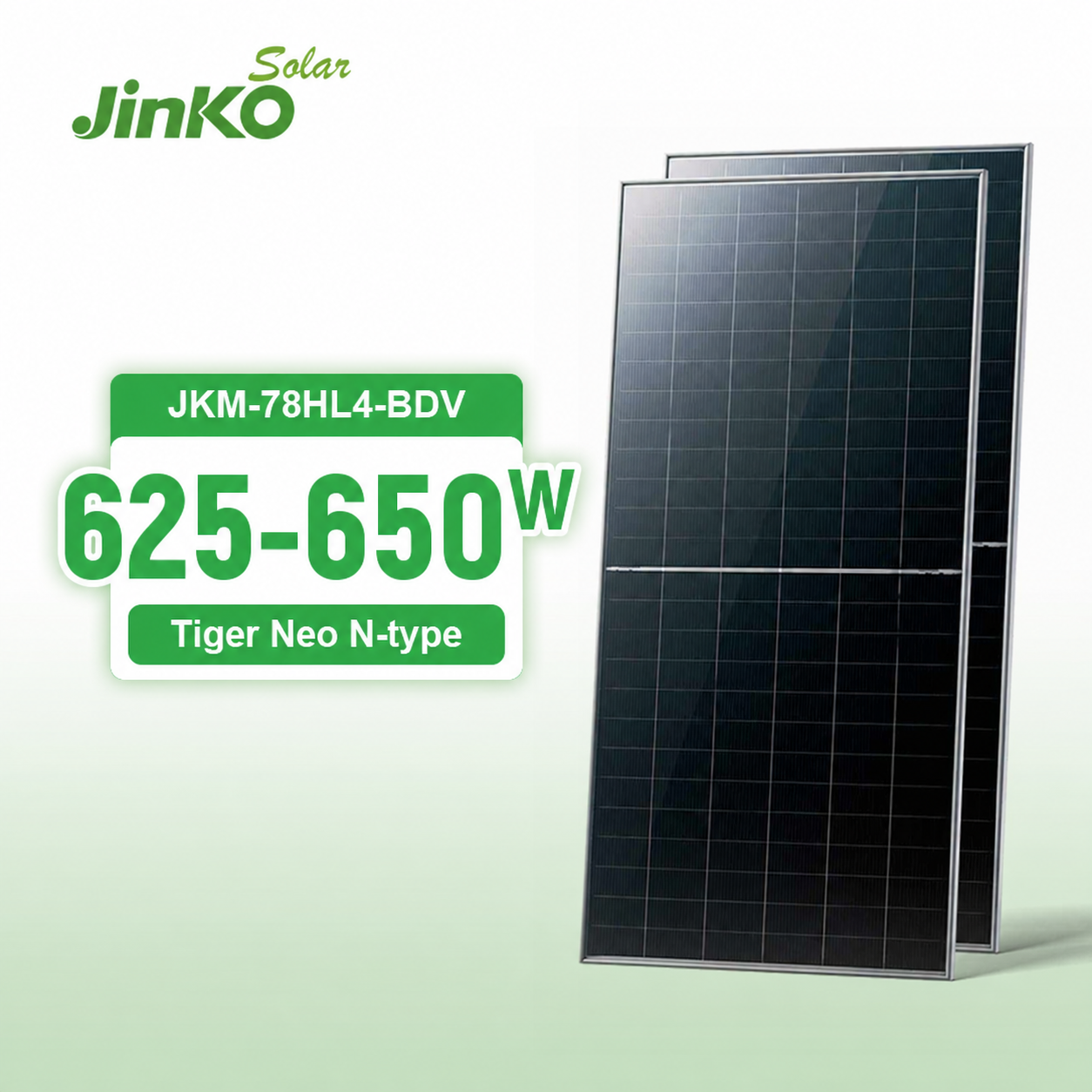
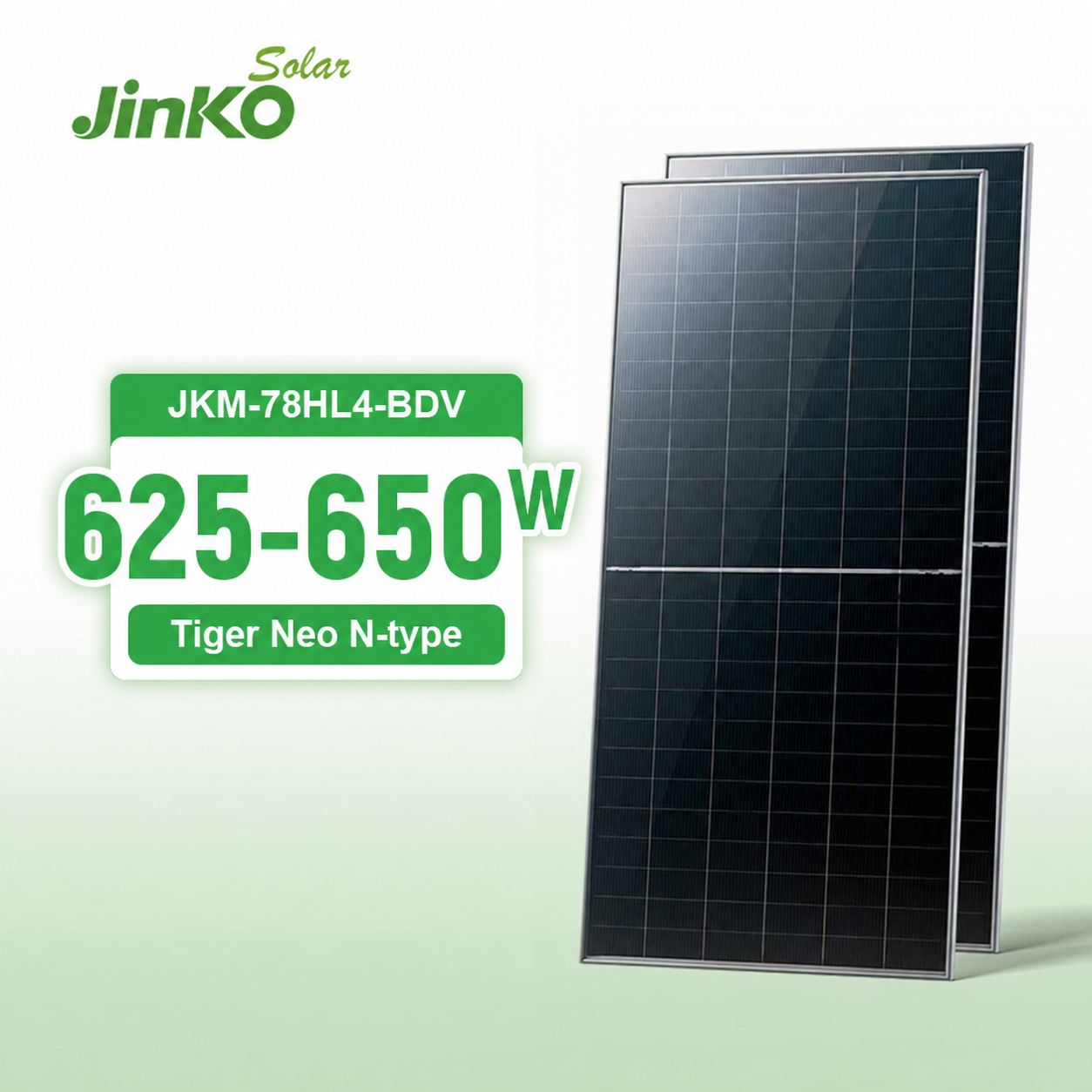
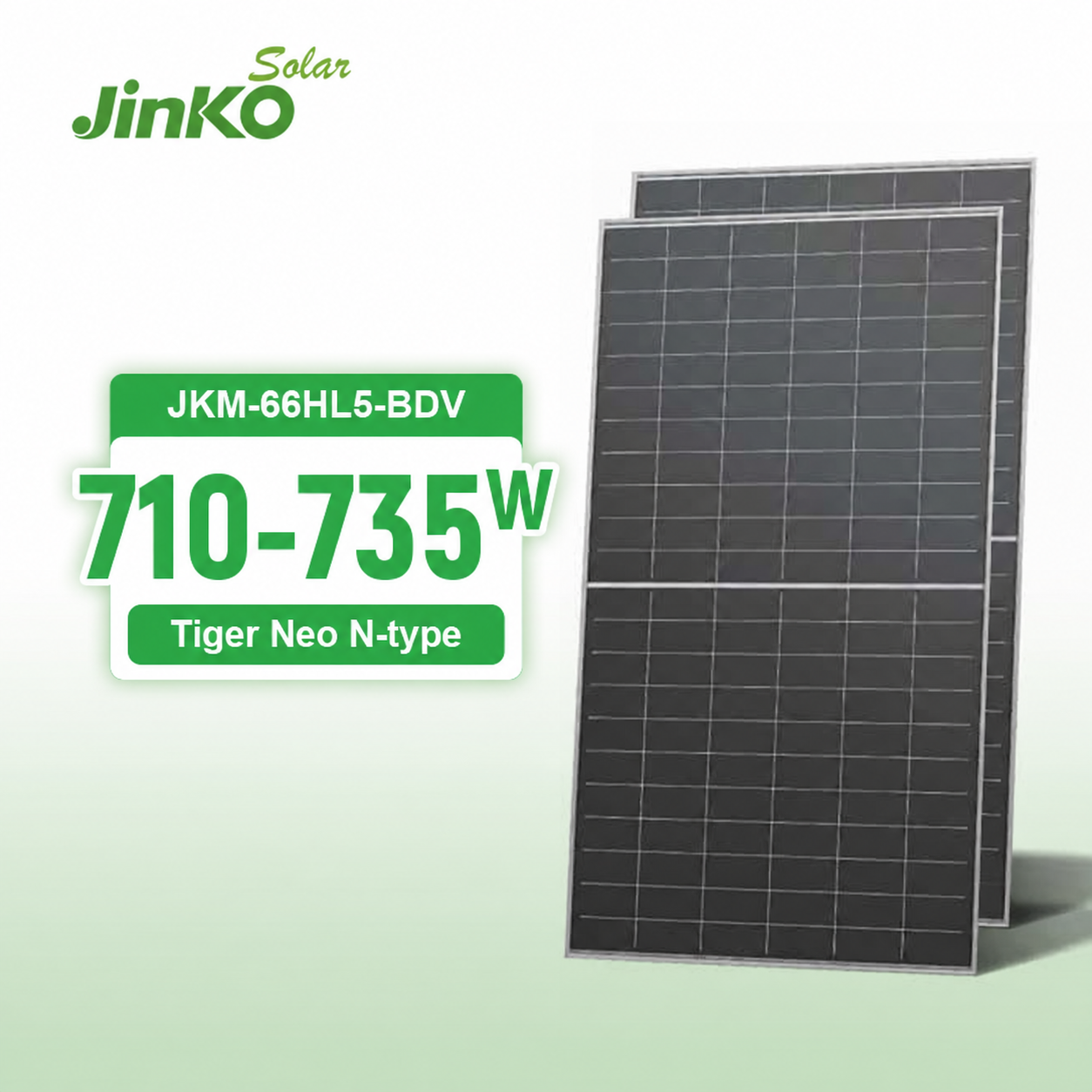
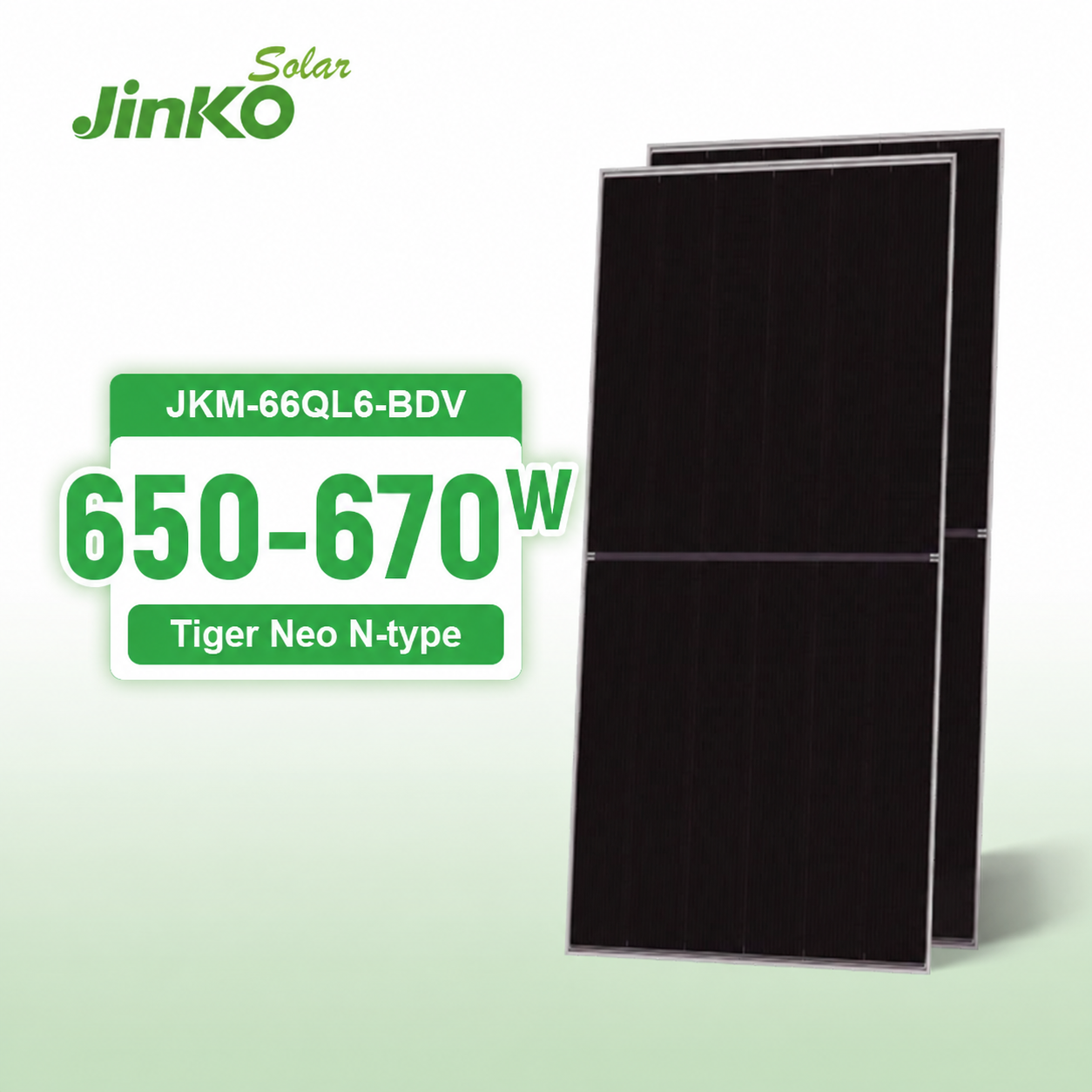
High-Yield Solar Generation Portfolio
Commercial PV & Storage Integrations for Memphis Facilities
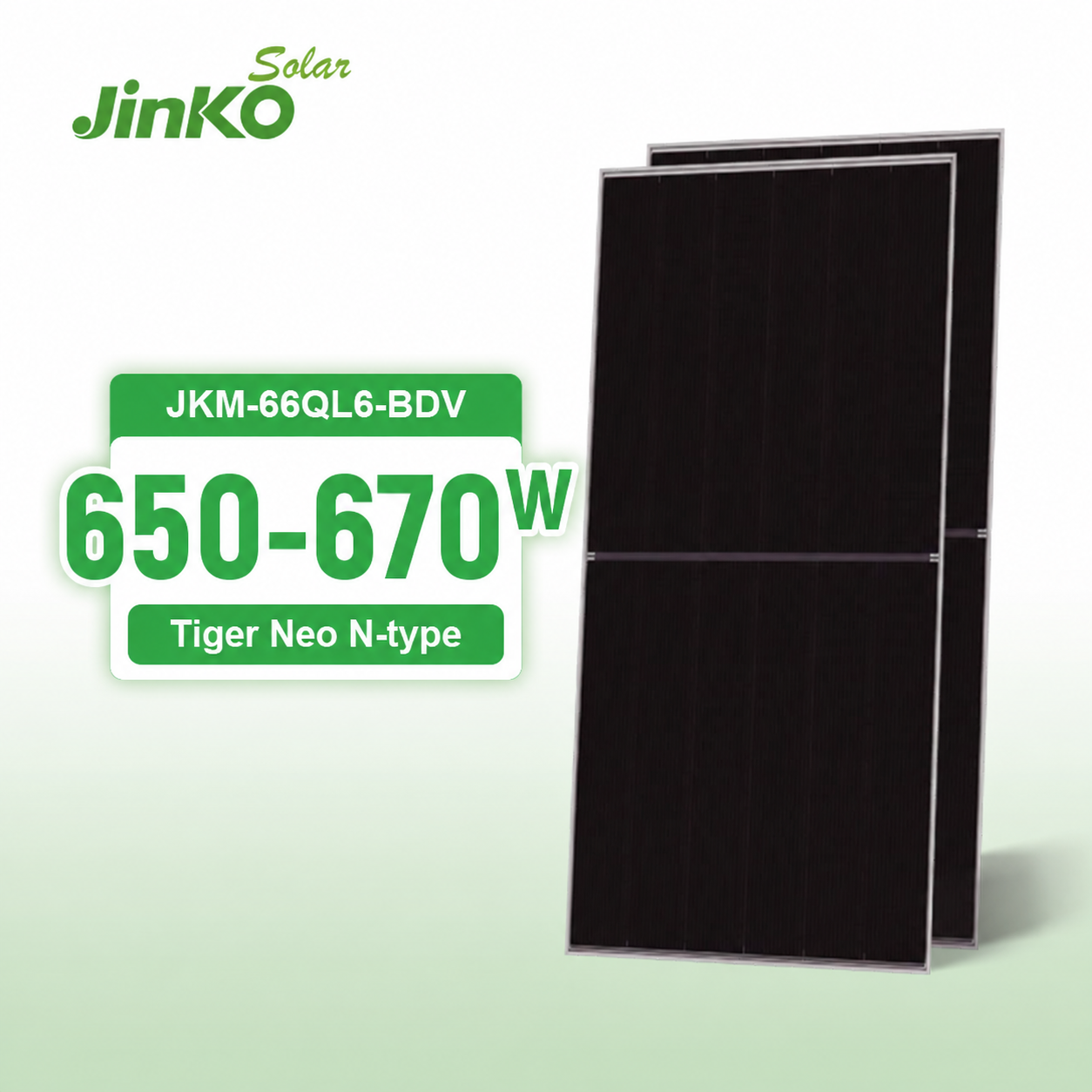
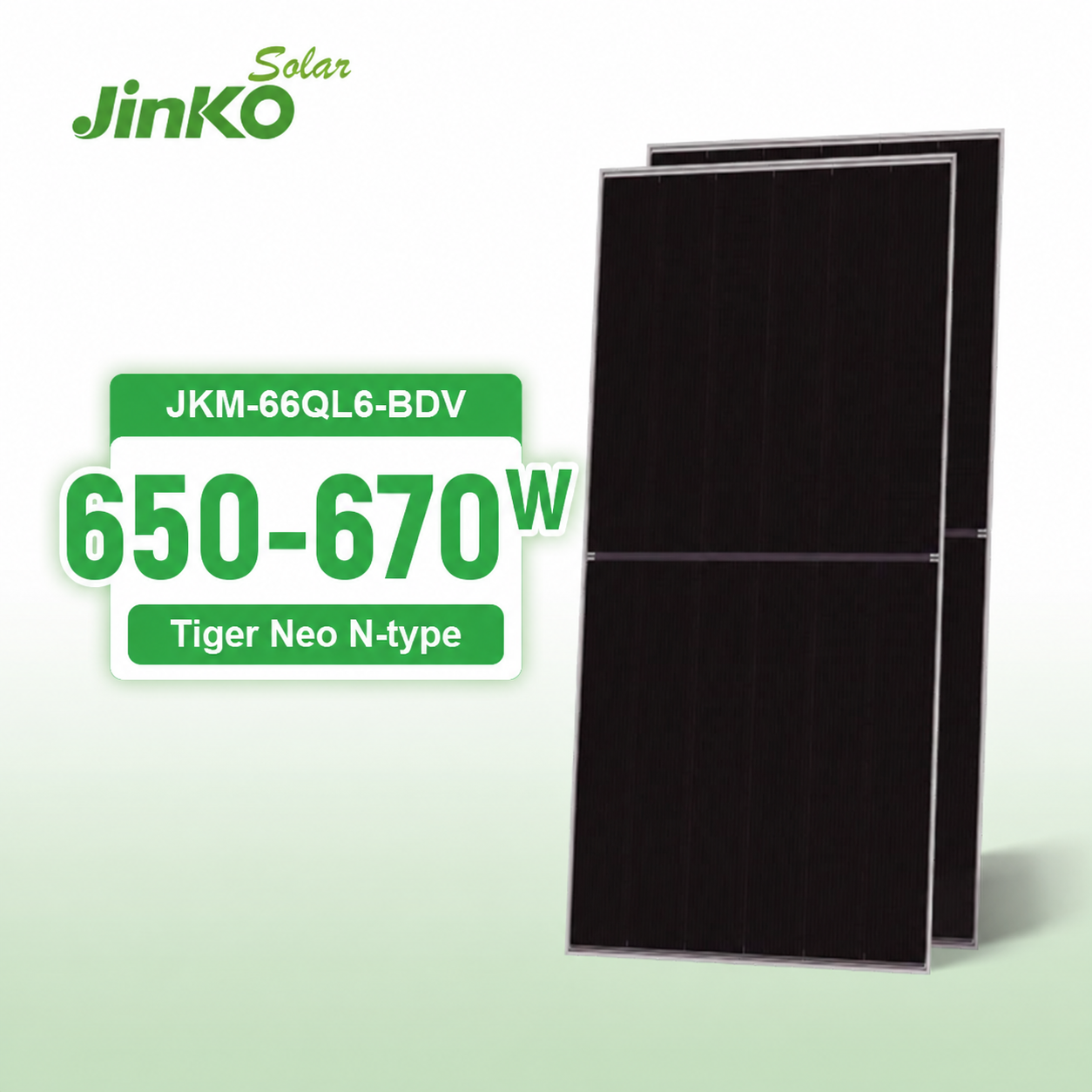
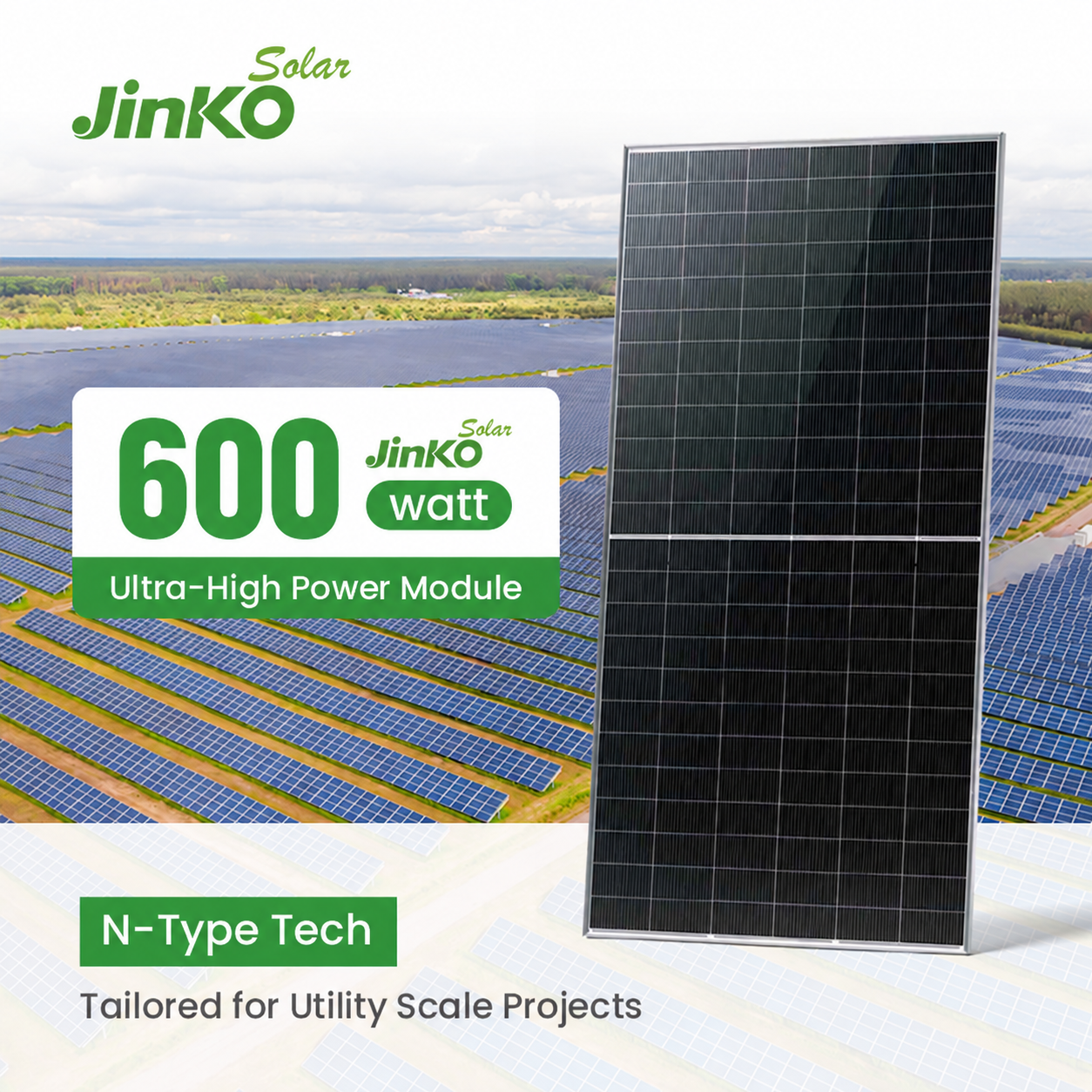
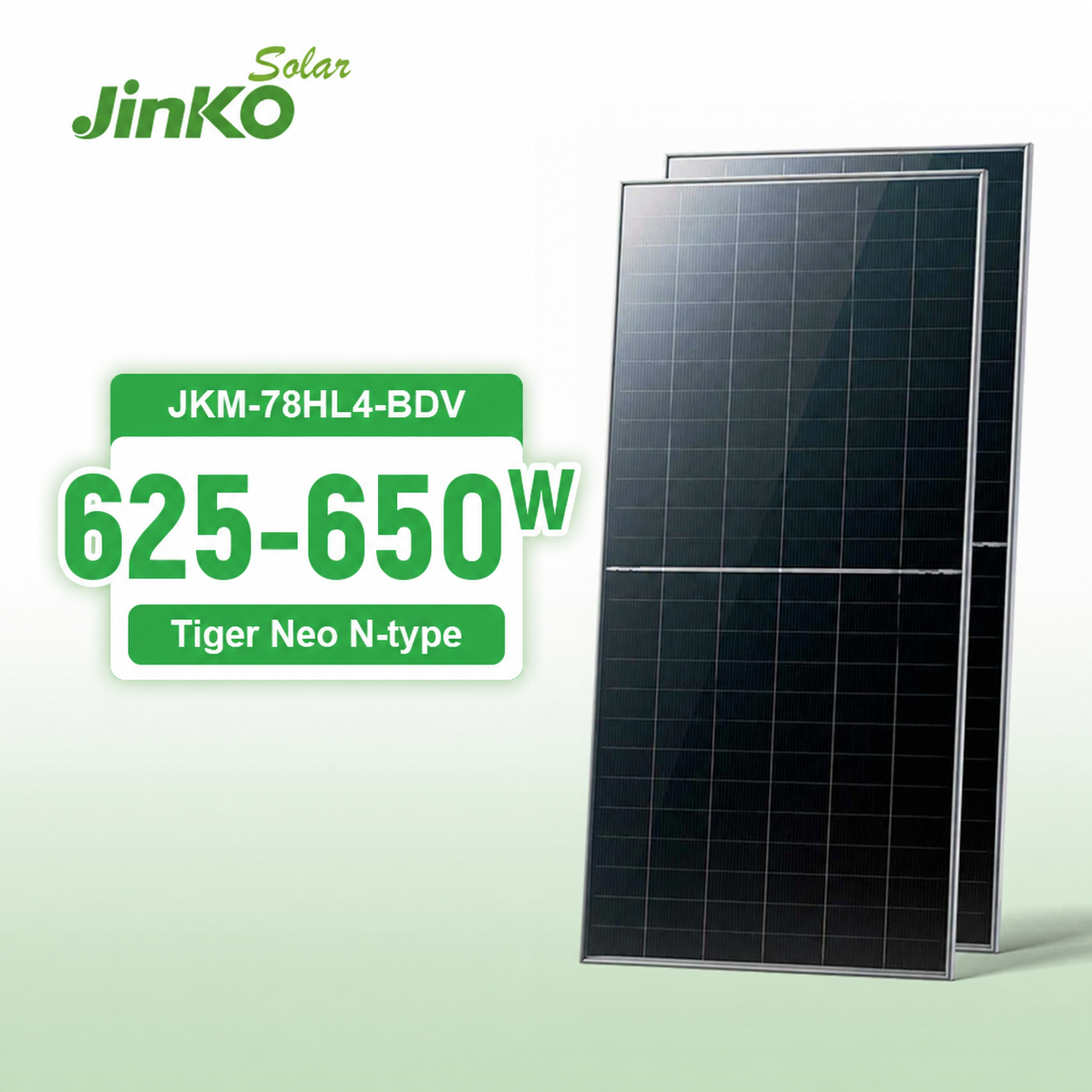
Combining heavy-duty deep-cycle colloidal GEL units with Tier-1 bifacial photovoltaic panels ensures unmatched reliability across Shelby County's utility, distribution, and commercial infrastructure.
Engineering White Paper
Why GEL Chemistry Dominates Critical Infrastructure in Memphis
While lithium chemistries dominate portable consumer electronics, specialized colloidal GEL batteries continue to outclass competing storage technologies in rugged stationary industrial environments across West Tennessee.
Thermal Runaway Immunity
Memphis experiences prolonged summer heat waves where distribution switchyards and containerized equipment exceed 115°F (46°C). Under these conditions, lithium chemistries require active HVAC parasitic cooling. In contrast, thixotropic SiO2 colloidal GEL electrolyte provides immense thermal mass, eliminating thermal runaway risks and internal acid stratification without energy-draining chiller units.
- Operating temperature range: -40°C to 60°C (-40°F to 140°F)
- No hazardous thermal propagation or fire suppression mandates
- Zero risk of thermal runaway from ambient heat spikes
Resilience to Partial State of Charge
Frequent thunderstorm activity in Shelby County leads to erratic solar harvesting profiles where battery banks remain in a partial state of charge (PSoC) for days. Traditional AGM batteries suffer severe lead sulfate crystallization under PSoC conditions. Our colloidal GEL formulations immobilize sulfuric acid within a porous silica matrix, preventing dry-out and micro-short circuits while maintaining deep-cycle reversibility.
- High tin-calcium-lead alloy grids resist grid corrosion
- Exceptional charge acceptance after ultra-deep discharge events
- Up to 15 years designed float service life in standby modes
Non-Hazardous Freight Economics
Navigating strict hazardous material compliance (DOT Class 9 / Hazmat surcharges) adds tremendous friction to logistics operations. Our valve-regulated lead-acid GEL batteries are sealed, leak-proof, and classified as non-spillable electric storage batteries, enabling seamless barge, rail, and freight delivery through the Port of Memphis and regional intermodal corridors without hazardous material penalties.
- Exempt from hazardous materials regulation under 49 CFR 173.159a
- Standard warehouse staging without specialized explosive containment
- Established closed-loop recycling stream with >99% material reclaim
Detailed Engineering Comparison: Energy Storage Chemistries for Shelby County EPCs
When engineering mission-critical backup power or off-grid generation systems around Memphis, procurement directors evaluate total lifecycle cost, safety compliance, and climatic resilience. The comparative analysis below outlines performance metrics across key operational dimensions:
| Performance Metric | Colloidal Deep-Cycle GEL | Standard AGM (Absorbent Glass Mat) | Lithium Iron Phosphate (LFP) |
|---|---|---|---|
| High-Temperature Resilience | Exceptional (Stable up to 60°C without active cooling) | Moderate (Electrolyte drying occurs above 40°C) | Degrades rapidly above 45°C without HVAC cooling |
| Cold Weather Sub-Zero Charging | Safe down to -20°C without plate dendrite formation | High risk of freezing if state-of-charge drops | Cannot charge below 0°C without internal heating elements |
| Safety & Thermal Runaway | Inherently stable, zero fire hazard, no NFPA 855 hurdles | Safe, but prone to venting under sustained overcharge | Requires complex BMS protection & UL 9540A certification |
| Upfront Capital Expenditure (CapEx) | Low to Moderate (Optimized procurement economics) | Lowest upfront cost, but brief replacement cycle | High initial CapEx plus added BMS/HVAC installation costs |
| Recyclability & Circularity | Established domestic network (over 99% scrap reclaim rate) | Established domestic network (>99% scrap reclaim rate) | Limited regional processing; high reclamation cost |
Targeted Regional Applications
Localized Deployment Scenarios Across Greater Memphis
Memphis represents the epicenter of North American logistics, intermodal freight, and agricultural commerce. Our heavy-duty GEL battery arrays and matched hybrid generation systems are customized to protect regional commercial sectors against severe weather outages and volatile utility rate structures.
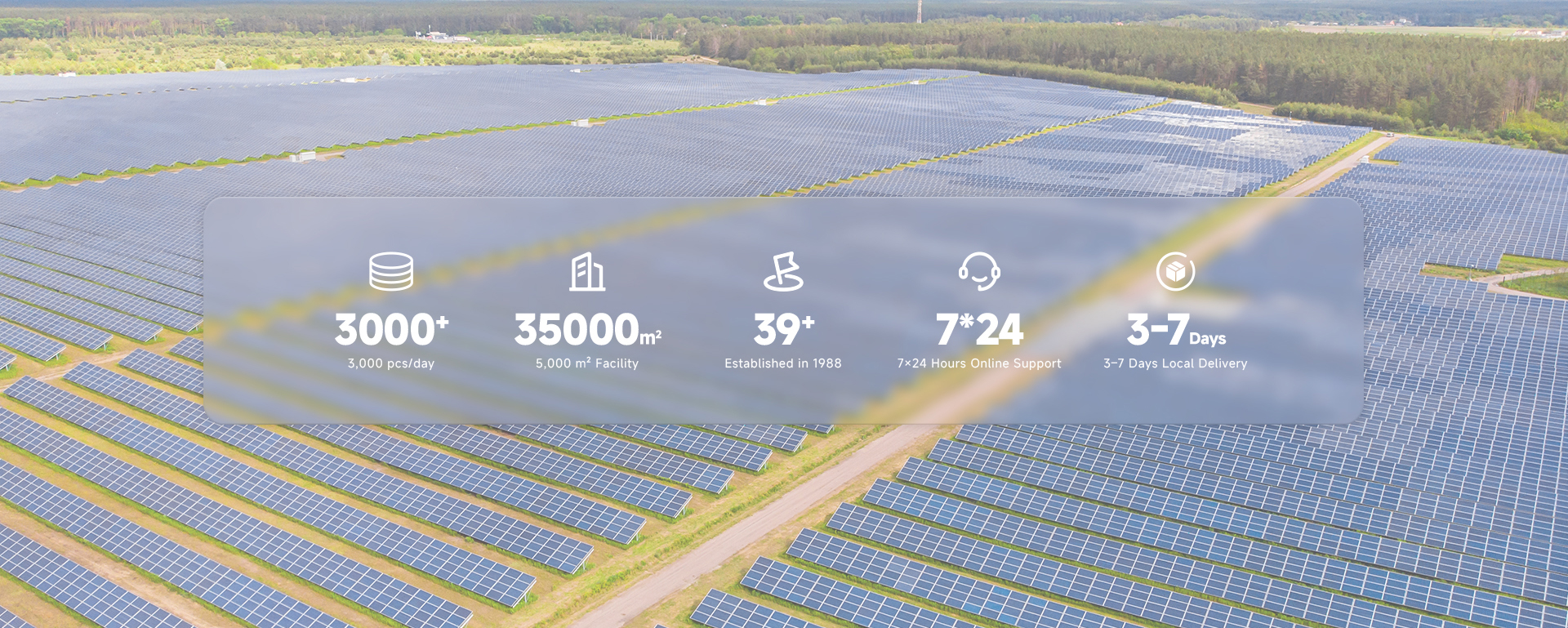
Logistics Hubs & Cold Storage Facilities
Memphis International Airport (the second-busiest cargo airport globally) and surrounding fulfillment corridors host millions of square feet of automated warehouses. Our deep-cycle GEL storage networks paired with commercial solar arrays safeguard continuous inventory management systems, refrigerated cold chain bays, and emergency loading dock operations during severe local grid failures.
Agricultural & Irrigation Microgrids
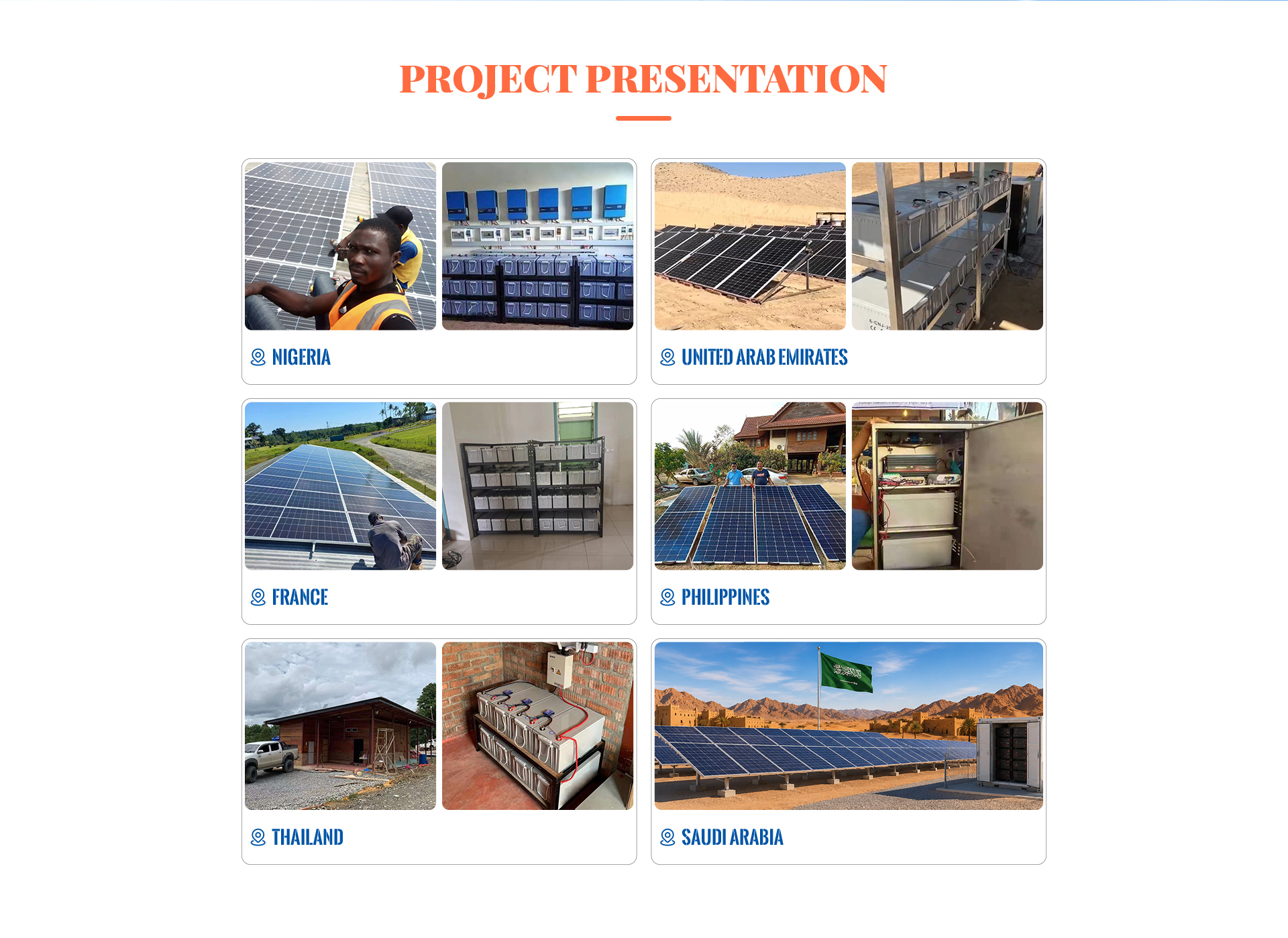
The fertile Mississippi Delta surrounding Memphis relies on heavy agricultural processing, grain drying facilities, and high-volume irrigation pumping stations. In outlying rural areas where grid extensions are cost-prohibitive, our GEL battery installations coupled with bifacial PV modules provide dependable, off-grid power capable of surviving seasonal flooding, extreme mud, and severe humidity.

Telecom Repeaters & Utility Sub-Stations
From Class 1 railroad signaling networks traversing the Mississippi River to 5G cellular communication towers, remote communication backbones demand zero-maintenance energy storage. Because our GEL batteries release no combustible gases during normal operation and require no water replenishment, they function reliably inside remote, unattended outdoor equipment enclosures for decades.
Market Intelligence & Regional Growth
Macro Dynamics Driving the Memphis Energy Storage Market
Strategic economic trends, climate vulnerabilities, and changing electrical utility policies are accelerating enterprise investment into ruggedized stationary storage solutions across the Tennessee Valley.
Grid Modernization Under MLGW & TVA
Memphis Light, Gas and Water (MLGW), purchasing wholesale power from the Tennessee Valley Authority (TVA), continues to confront infrastructure vulnerabilities exposed during winter storms and severe convective thunderstorms. Industrial enterprises are actively installing onsite captive microgrids to mitigate costly production line stoppages caused by feeder line outages.
TVA Time-of-Use & Demand Charge Arbitrage
Commercial electricity rates incorporate substantial demand charges during afternoon peak windows. Facilities equipped with integrated PV and colloidal GEL energy storage utilize automated peak shaving to curtail peak demand spikes, reducing high-tier tariff billing while building energy independence without complex interconnection delays.
Supply Chain Reshoring to the Megasite
With massive electric vehicle and manufacturing capital projects expanding near BlueOval City and West Tennessee, tier-one and tier-two industrial suppliers require dedicated, uninterruptible electrical foundations. Heavy industrial GEL storage banks provide instantaneous transition power, buffering automated CNC machinery and robotics from power sags.
Core Enterprise Strengths
Manufacturing Precision & International Quality Assurance
Hangzhou VOLT New Energy Technology Co., Ltd. serves EPC contractors, municipal operators, and equipment distributors in over 100 countries. Our operations eliminate procurement risks through strict technical verification and pre-shipment validation.
Full Protocol Compatibility
Every energy storage module and hybrid inverter pairing undergoes factory protocol matching (CAN/RS485), busbar voltage calibration, and load testing prior to container dispatch, preventing field startup errors.

Rigorous Pre-Shipment QC
Our quality assurance protocol includes cell impedance spectroscopy, thermal imaging inspection, high-voltage insulation tests, and structural drop audits documented via high-resolution photo and video dossiers.
Consolidated Container Logistics
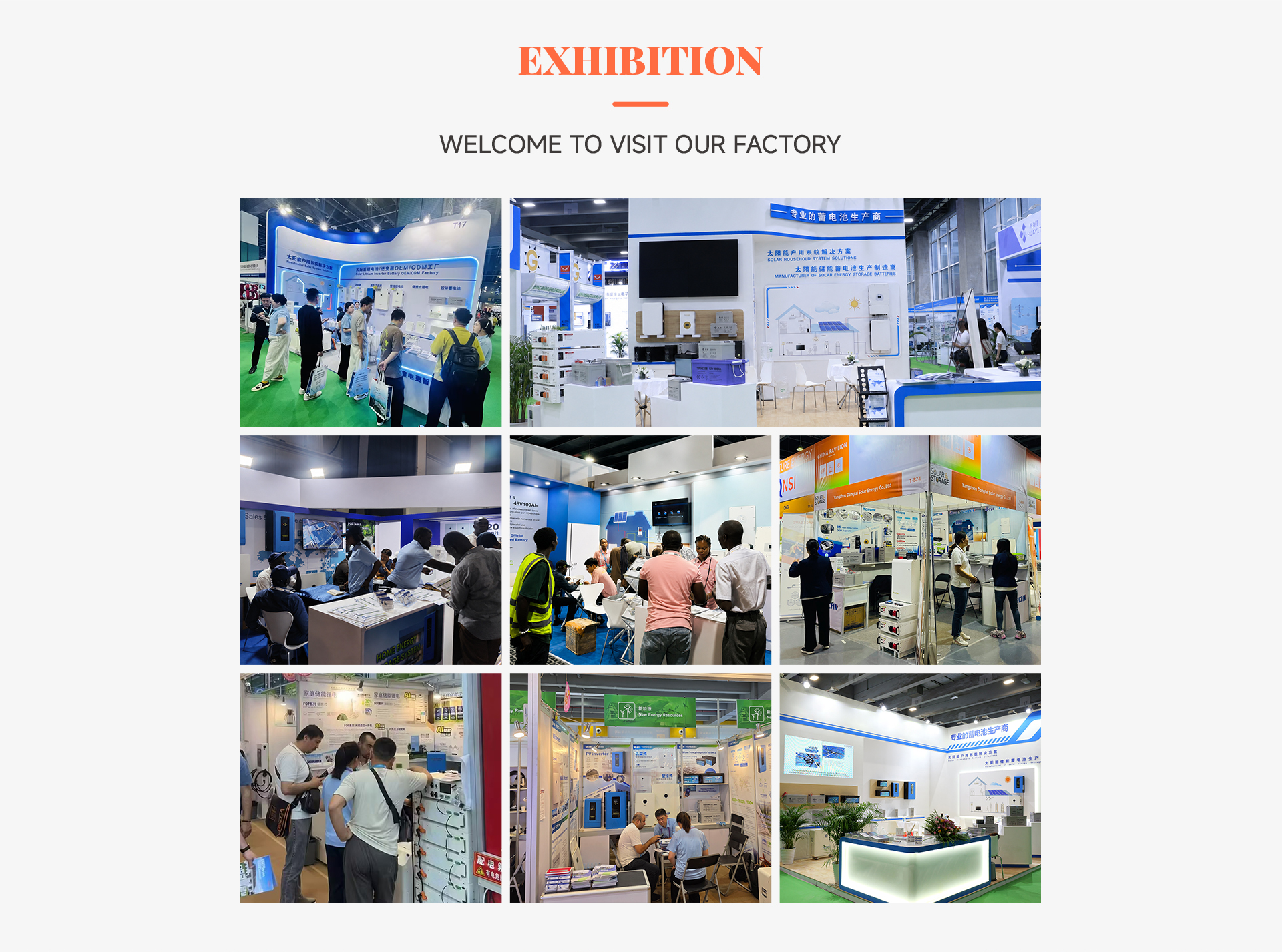
We bundle Tier-1 solar modules, Deye hybrid inverters, colloidal GEL or LFP battery banks, cabling, and protection devices into unified mixed container shipments, minimizing port clearance friction and customs fees.
Direct Engineering Support
Our engineering division delivers comprehensive system sizing calculations, single-line wiring diagrams (SLDs), inverter parameter commissioning schedules, and responsive 24-hour remote technical troubleshooting.
Purchasing Intelligence
Frequently Asked Questions by Memphis B2B Buyers
Clear, definitive engineering answers addressing logistics, permitting, technical compatibility, and product lifecycle considerations for Shelby County energy projects.
Why should a Memphis facility select GEL batteries instead of Lithium-ion?
Colloidal deep-cycle GEL batteries deliver unparalleled safety in high-heat outdoor enclosures and remote installations where active HVAC climate control is impractical. GEL batteries feature zero risk of thermal runaway, do not require complex BMS firmware communication, are exempt from costly Class 9 hazardous materials freight rules, and present much lower upfront CapEx for large standby reserves.
How are deep-cycle GEL batteries shipped into Tennessee intermodal hubs?
Unlike lithium batteries, valve-regulated sealed GEL batteries qualify as non-spillable under international shipping regulations (DOT, IATA, IMDG). They ship through standard freight lanes without hazardous cargo surcharges, arriving via the Port of New Orleans, Savannah, or East Coast ports before being railed directly to Memphis intermodal logistics yards.
Can your GEL batteries interface seamlessly with Deye and hybrid solar inverters?
Yes. Our engineering division pre-programs charging algorithms—including specific bulk, absorption, and float charge voltage limits and temperature compensation coefficients (-3 to -5mV/°C/cell)—directly into the inverter settings before dispatch. This ensures the solar charger optimizes battery lifespan without overcharging the silica gel matrix.
What is the expected operating life of colloidal GEL batteries in Mid-South conditions?
Under float standby conditions, our industrial 2V and 12V series offer a designed service life of 12 to 15 years at standard temperatures. In daily cyclic solar operations at 50% Depth of Discharge (DOD), our units reliably deliver 1,500 to 1,800 full cycles—significantly surpassing conventional flooded or standard AGM lead-acid batteries.
Do GEL batteries require dedicated ventilation rooms under local building codes?
Because our GEL batteries incorporate high-efficiency internal gas recombination technology (over 99% recombination efficiency), hydrogen evolution is negligible under rated charging parameters. While basic room air exchange is always good engineering practice, they do not require the costly explosion-proof exhaust venting systems mandated for flooded lead-acid banks.
Can your engineering team supply turnkey system bundles rather than loose components?
Absolutely. We specialize in consolidating complete balance-of-system (BOS) packages. Based on your electrical load profile, backup duration, and site space, we size and ship matched solar arrays (Jinko N-Type), Deye hybrid inverters, battery banks (GEL or LFP), DC combiners, rack enclosures, and interconnecting cabling in a single coordinated delivery.