High-Efficiency Inverters, LFP Storage & N-Type Photovoltaic Modules
Pre-engineered string architecture, dual-glass TOPCon bifacial modules, and smart hybrid conversion equipment rigorously inspected for Newfoundland coastal conditions and high cold-temperature voltage tolerance.
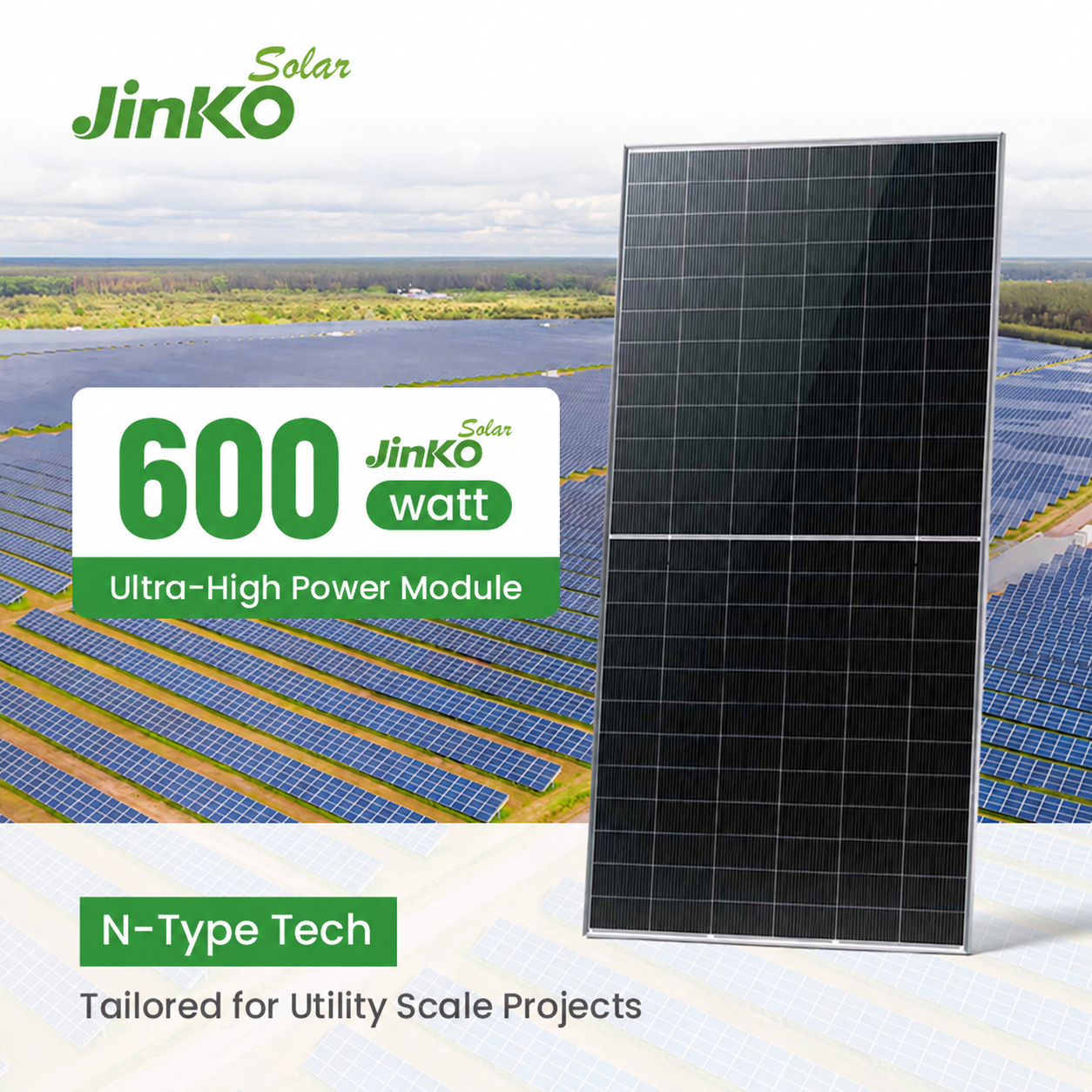
Jinko Pv Panels Wholesale 600w 580W 590W Bifacial Monocrystalline Module
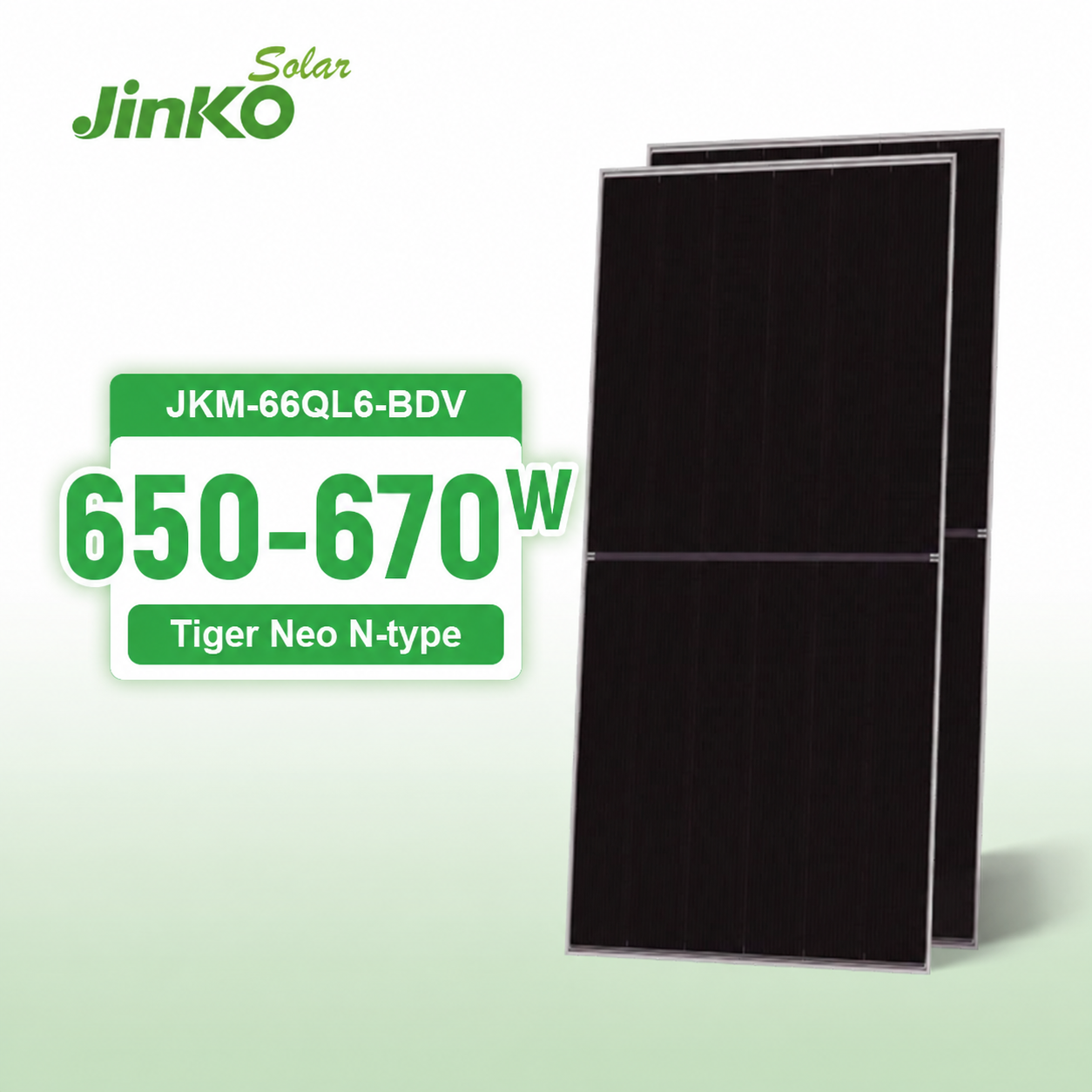
Jinko N-Type Bifacial Panel 650W 660W 670W TOPCon High Efficiency Module
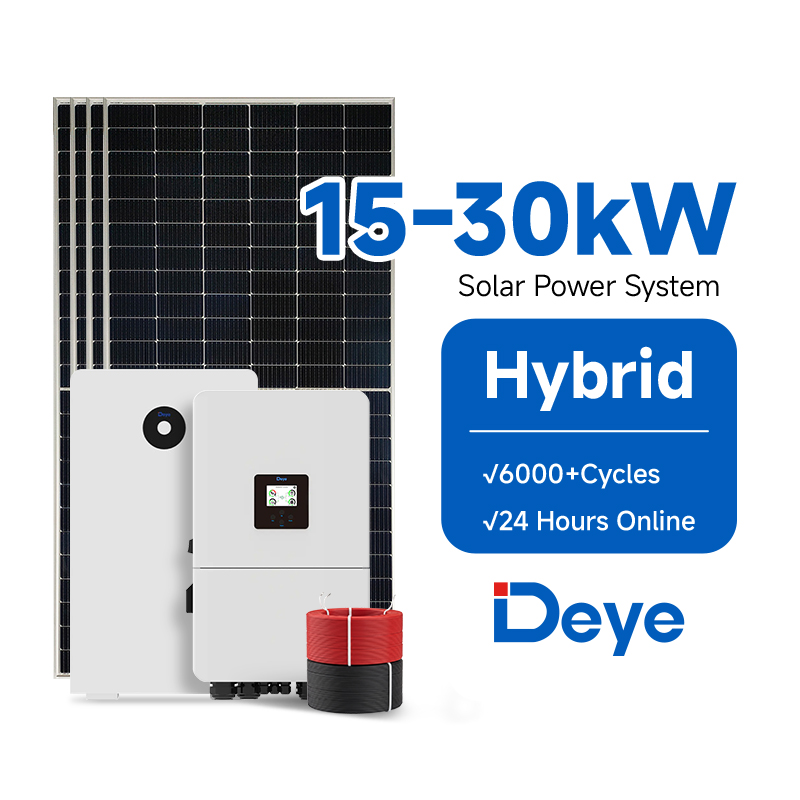
Low DC Voltage Hybrid Inverter ESS 5kW–30kW with LFP Battery Support
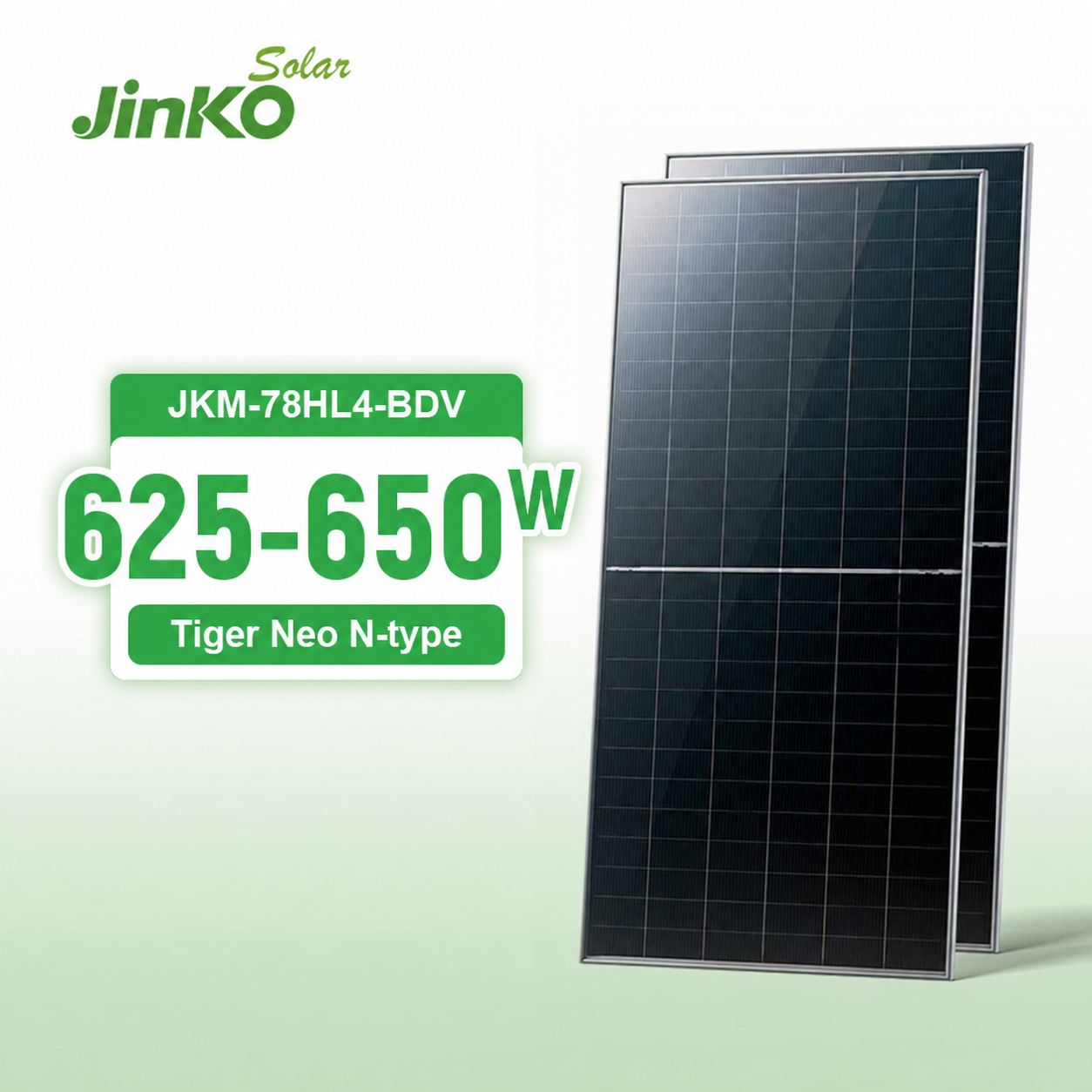
Jinko N-Type Bifacial PV Modules 630W Double Glass High Efficiency Stock
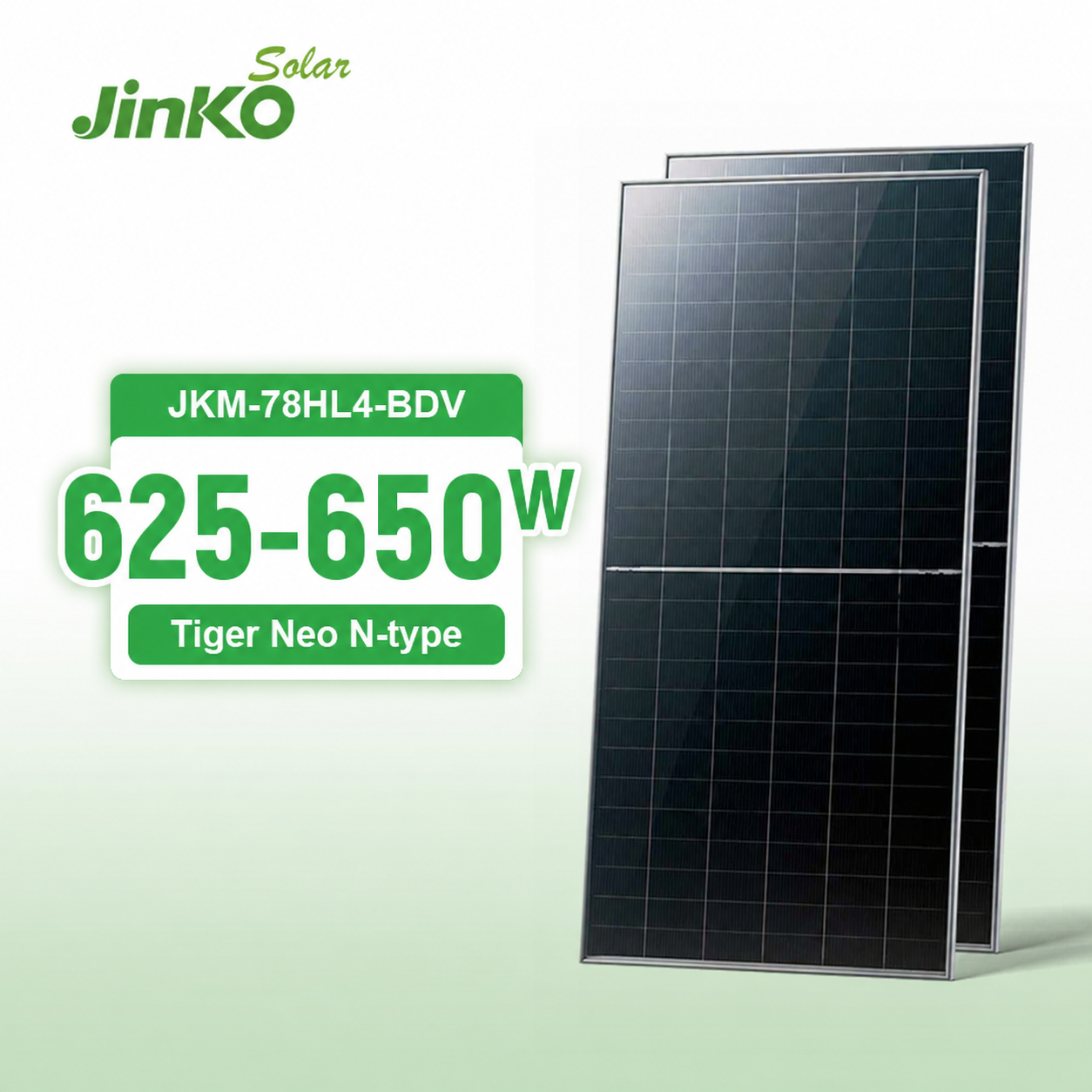
Jinko Bulk 630W 625W 640W TOPCon Bifacial Monocrystalline PV Panel
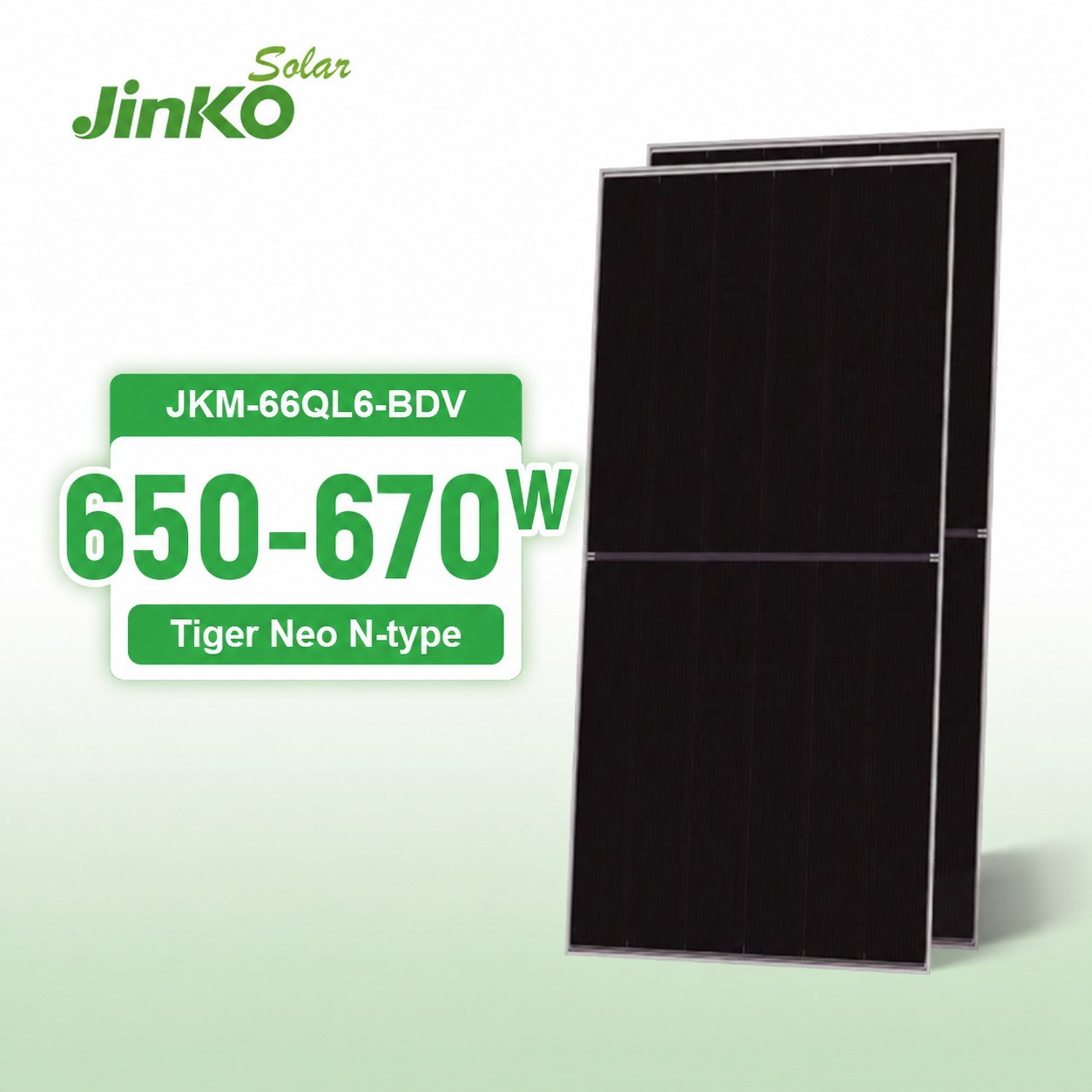
Jinko Industrial 660W 650W 670W N-Type Bifacial Dual Glass Panel
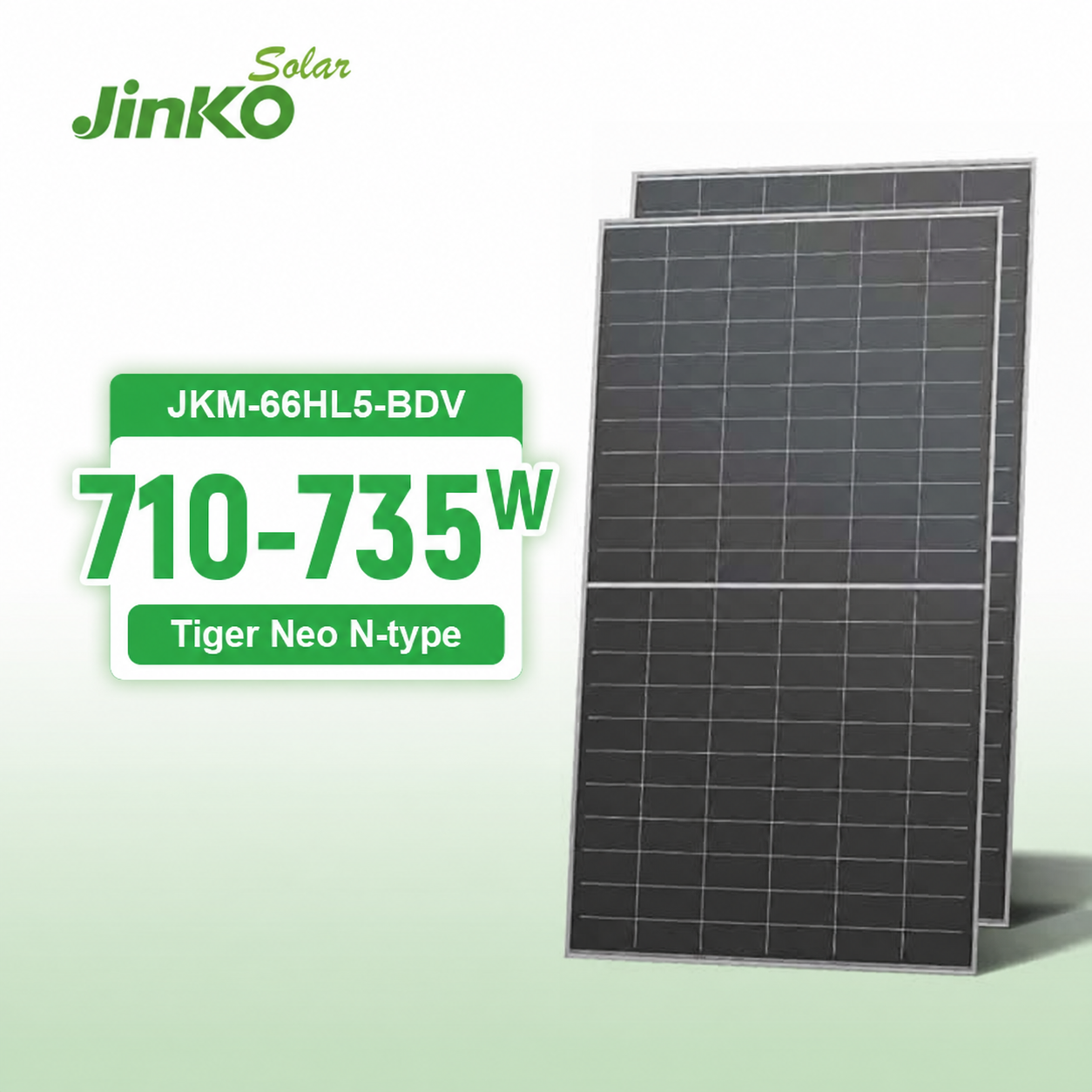
Jinko Commercial TOPCon 700W 710W 730W Bifacial PV Modules
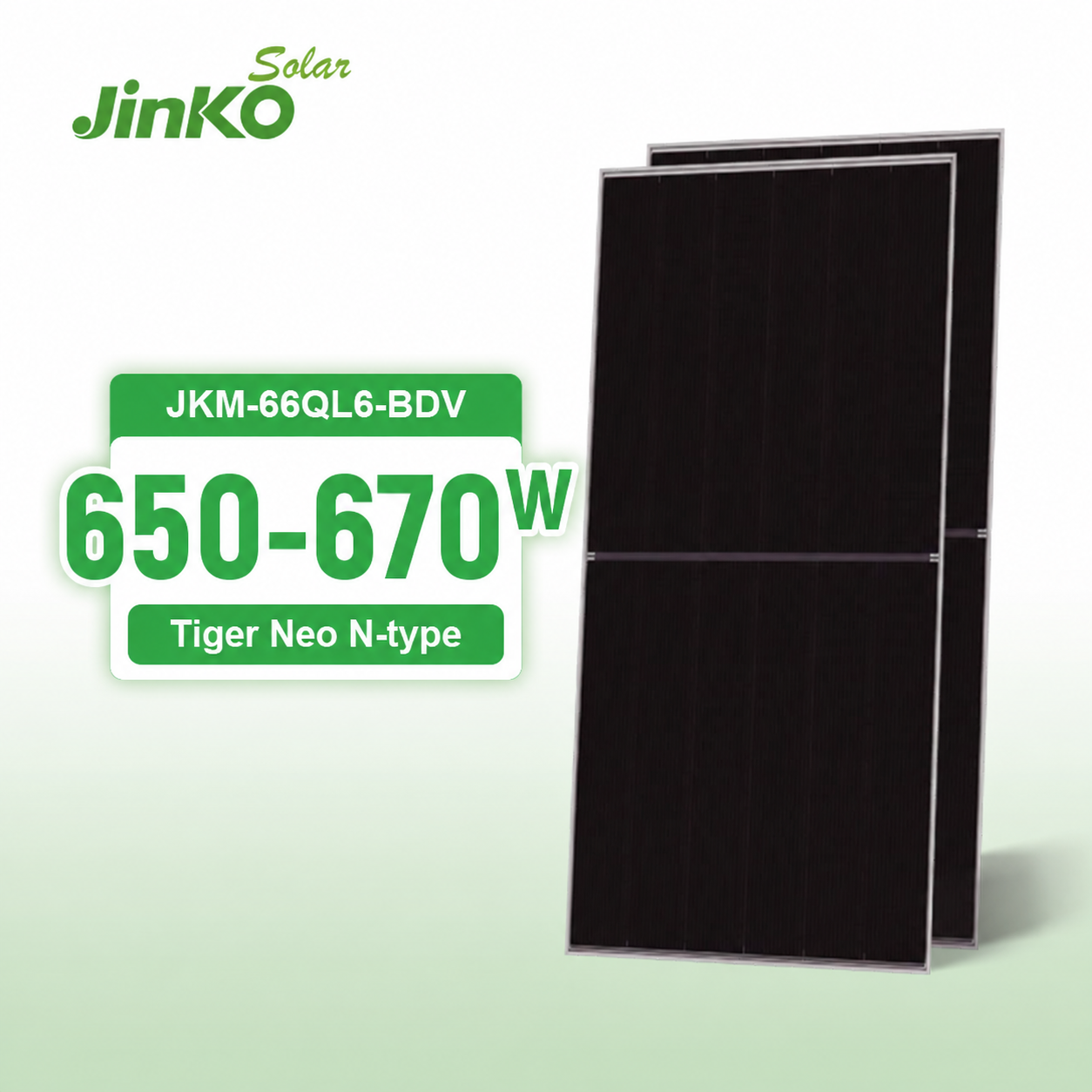
Jinko N-Type Double Glass 650W High Efficiency Module for Roof
Solar Inverter Architecture & Cold-Maritime Microclimates in St. John’s
Navigating sub-zero open circuit voltage expansion, heavy coastal salinity, and grid interconnection with Newfoundland Power.
Deploying distributed solar power in St. John’s, Newfoundland and Labrador, demands engineering considerations substantially distinct from mainland continental installations. Characterized by maritime sub-arctic weather, frequent freezing rain, wind gusts exceeding 130 km/h from Atlantic winter depressions, and dense coastal fog laden with saline electrolytes, the local environment exposes photovoltaic equipment to accelerated mechanical and electrical stress. As a premier source of Tier-1 solar inverter technologies—including factory direct GoodWe and Deye hybrid architectures—Hangzhou VOLT New Energy Technology delivers engineered hardware built specifically to excel under these stringent regional dynamics.
1. Extreme Temperature Coefficient & String Sizing Calculations
Under the Canadian Electrical Code (CEC Part I, Rule 64-102), solar string voltages must be calculated according to the lowest expected ambient temperature recorded for the installation site. In the St. John’s metro area and surrounding Avalon Peninsula municipalities (Mount Pearl, Paradise, Conception Bay South), winter temperatures regularly dip to -20°C to -25°C during cold snaps. Photovoltaic cells experience an inverse relationship between temperature and voltage: as temperatures plummet, the open-circuit voltage ($V_{oc}$) expands dramatically.
When pairing high-capacity modules—such as our Jinko N-Type TOPCon 600W–700W series with temperature coefficients of $V_{oc}$ around -0.25% to -0.29%/°C—standard string designs calculated at STC (25°C) will easily exceed the 600VDC or 1000VDC maximum input voltage thresholds of standard residential or commercial inverters if unadjusted. GoodWe string inverters (such as the DNS G3, MS G2, and commercial SMT/HT series) are engineered with exceptionally wide MPPT tracking windows and high maximum DC input ceilings (up to 1100VDC on commercial three-phase units). This wide operational voltage corridor prevents cold-morning overvoltage shutdowns, enabling St. John's solar systems to generate peak harvest during crisp, cloudless sub-zero winter days when crystalline silicon efficiency peaks.
Net Metering Integration
Full compliance with Newfoundland Power and Newfoundland and Labrador Hydro interconnection standards. Zero-export, anti-islanding protection (IEEE 1547 / UL 1741 SB), and power quality limits matched to regional grid utility feeder lines.
C5-M Salt Fog Resistance
Die-cast aluminum enclosures with specialized epoxy anti-corrosion coatings rated to ISO 12944 C5-M marine conditions. Hermetically sealed IP66/NEMA 4X electronics shielding internal components from North Atlantic salt aerosol.
Blackout Microgrid Resilience
Emergency power supply (EPS) functionality capable of seamless microsecond transfer (<4ms). Supports essential heating pumps, cold-chain refrigeration, and telecommunication loads through severe nor'easters and ice storms.
2. Marine Fog, Saline Condensation & High-Frequency Ingress Protection
St. John’s is renowned for being one of the foggiest and windiest urban areas in North America, with fog rolls sweeping over Signal Hill and Cape Spear throughout both spring and autumn. This atmospheric moisture carries marine salt particles that settle on external heat sinks, DC disconnect switches, and junction enclosures. Standard residential inverters with inadequate ingress ratings face rapid thermal fin degradation and galvanic bridge faults on DC terminal contacts.
Our direct-from-factory inverter solutions boast IP66 and NEMA 4X ingress protection across all external enclosures. Natural convection cooling systems without vulnerable external fans eliminate moving mechanical parts that seize in freezing rain or accumulate salt crust. Furthermore, internal electronic printed circuit boards (PCBs) feature high-grade conformal silicone coatings that resist microscopic condensation formed during rapid day-night freeze-thaw cycles on the Avalon coast.
3. Commercial Net Metering and Remote Industrial Outports
Throughout Newfoundland and Labrador, commercial industrial facilities—including fish processing operations, marine repair shipyards, cold storage warehouses, and municipal facilities—are adopting solar self-consumption to offset escalating block-rate electricity tariffs. GoodWe commercial string inverters (50kW to 125kW) integrated with dual-glass bifacial solar modules generate remarkable returns through rear-side albedo gains when ground installations are blanketed by white snow cover for five continuous months a year.
In off-grid coastal communities and remote resource extraction sites across Labrador, hybrid inverters operating alongside low-voltage or high-voltage LiFePO4 battery banks offer an intelligent alternative to continuous diesel generation. With intelligent generator auto-start contacts (dry contact relays), the inverter balances solar production, battery discharge thresholds, and diesel generator runtime, reducing fuel logistics expenditures by up to 65% in non-integrated microgrids.
Solar & Storage Adoption Trends in Newfoundland & Labrador
From the Muskrat Falls grid transition to federal clean energy tax credits, economic drivers are reshaping Atlantic Canada’s commercial and residential power landscape.
Tariff Restructuring & Net-Metering Caps
With ongoing adjustments in retail electricity rate stabilization across Newfoundland Power territories, commercial rate payers are turning to distributed generation. The provincial Net Metering Program allows interconnected customer-generation up to 100 kW, dramatically expediting ROI for commercial facilities utilizing multi-MPPT high-capacity inverters.
Federal Clean Energy Investment Tax Credits (ITC)
Canadian federal incentives, including the Clean Energy Investment Tax Credit (up to 30% refundable tax credit for capital investments in clean technology property), provide unprecedented balance-sheet incentives for St. John's commercial property managers and agricultural facilities deploying combined PV and ESS systems.
Resilience Against Severe Coastal Weather
The Atlantic Canadian hurricane season and intense winter blizzard systems frequently stress grid transmission lines across the Avalon. Hybrid solar architecture coupled with certified LFP battery banks is transitioning from a luxury addition to essential business continuity infrastructure for St. John's corporate offices and critical logistics hubs.
Direct Factory Sourcing for St. John’s Solar Contractors
Eliminate multiple tiers of middleman distribution markups. Hangzhou VOLT New Energy coordinates direct containerized maritime freight from our manufacturing base to the Port of St. John's, supplying certified GoodWe, Deye, and Tier-1 solar panels with comprehensive bill of materials (BOM) consolidation.
Get CatalogPrecision Factory Quality Assurance & Logistics Integrity
Every inverter and energy storage pack leaves our facility pre-tested, protocol-matched, and packaged to withstand trans-oceanic maritime transport.

Verified CAN/RS485 Protocol Matching
We eliminate "BMS Communication Faults" on site. Before dispatch, battery protocol mapping, operational voltage windows, and charge/discharge handshake parameters are verified between the inverter and battery banks.

Comprehensive Pre-Shipment QC
Every batch undergoes automated insulation testing, ground fault simulation, full-load burn-in stress testing, and visual documentation. Buyers receive exhaustive photo and video QC inspection records prior to palletizing.

Class 9 DG & Ocean Logistics
Complete regulatory compliance with UN38.3, MSDS, and maritime Dangerous Goods (DG) packaging standards. We coordinate full container loads (FCL) combining panels, inverters, racking, and battery banks directly to Newfoundland.
Dedicated Systems Engineering
From initial single-line diagrams (SLD) and cold-weather MPPT sizing tables to string configuration reviews and parameter programming assistance, our senior engineers support Canadian certified master electricians.
Frequently Asked Questions by Newfoundland Solar Contractors
Essential guidance on Canadian grid standards, sub-zero inverter behavior, shipping logistics to St. John's, and warranty governance.
Are GoodWe and Deye solar inverters compliant with Newfoundland Power interconnection rules?
How does extreme cold in St. John's (-25°C) affect solar inverter string sizing?
What measures protect the inverter from Atlantic ocean salt spray and coastal fog?
Can I mix solar panels, inverters, and battery storage inside one sea container?
What is the lead time and maritime shipping route to the Port of St. John's?
How is warranty service and technical RMA handled for equipment deployed in Newfoundland?
Do these hybrid inverters support automatic generator start during winter blackouts?
Request Direct Engineering Specs & Wholesale Price Quotation
Whether configuring a 10kW residential rooftop array in Mount Pearl or a 500kW commercial microgrid along the Avalon coast, our solar technical team delivers matched component designs, pre-shipment testing, and dependable ocean logistics.