B2B Tier-1 Energy Export Infrastructure

Goodwe Solar Inverter Suppliers & Exporter for the Iraq Market

Engineered for extreme desert thermal derating (>50°C), generator-grid micro-synchronization, and turnkey C&I energy independence across Baghdad, Basra, and Erbil.

100+
Global Export Destinations Served
55°C
Full High-Ambient Thermal Tolerance
100%
Pre-Shipment Protocol Verification
<10ms
UPS-Grade Grid-to-Storage Transfer
Tier-1 Product Portfolio

High-Efficiency TOPCon Modules & Matched Goodwe Inverter Systems

Pre-engineered photovoltaic packages optimized for Iraq's high-temperature coefficients, heavy dust soiling, and harsh grid fluctuations. Sourced directly with factory-certified serial tracking.

Engineering Whitepaper & Strategic Localization

Deploying Goodwe Solar Inverters Across Iraq's Complex Grid Ecosystem

The energy infrastructure of the Republic of Iraq represents one of the most mechanically demanding environments in the Middle East and North Africa (MENA) zone. Solar installers, EPC contractors, and private commercial enterprises across Baghdad, Basra, Najaf, Erbil, and Sulaymaniyah confront a distinct trifecta of operating stresses: severe national grid load-shedding lasting between 12 to 18 hours daily during summer peaks, extreme summer ambient surface temperatures regularly exceeding 52°C, and heavy ambient sand and particulate accumulation. Sourcing authentic Goodwe Solar Inverters paired with precision-matched LiFePO4 energy storage bridges the divide between volatile utility power, costly private diesel generator subscriptions, and dependable 24/7 continuous operation.

Critical Iraqi Grid Dynamic: In metropolitan hubs like Baghdad and Basra, the municipal electricity grid alternates continuously with neighborhood shared diesel generators (commonly known as the Mowallida ampere system). Standard string inverters lack the synchronization logic to cope with these unpredictable voltage swings, high total harmonic distortion (THD), and sudden phase dropping. Goodwe hybrid inverters (ES, EM, and ET series) excel by automatically arbitrating multiple energy sources—prioritizing solar PV, utilizing battery buffers, filtering unstable grid feeds, and dry-contact triggering secondary diesel generators when needed.

Localized Application Scenarios in Iraq

Urban Residential Backup

Replacement of monthly "ampere" subscription fees in high-density areas of Baghdad, Mosul, and Kirkuk. Single-phase Goodwe ES (3.6kW–6kW) and three-phase ET (5kW–15kW) hybrid inverters paired with 48V wall-mounted VOLT LFP batteries provide seamless <10ms UPS cutover for air conditioning, water pumps, refrigeration, and electronics without dropouts.

C&I Diesel-Displacement Microgrids

Industrial parks, food processing facilities, and cold storage warehouses in Basra, Karbala, and Erbil facing thousands of liters of monthly fuel burn. Goodwe SMT (25kW–36kW) and MT (50kW–80kW) grid-tied inverters deployed alongside smart microgrid controllers synchronize directly with existing diesel gensets to offset up to 70% of operational fuel burn during sunlight hours.

Agricultural Solar Water Pumping

Remote farming operations along the Tigris and Euphrates river basins where the central utility grid does not reach. Goodwe pumping-compatible inverters and off-grid solutions drive multi-stage deep-well agricultural induction motors without grid power, backed by heavy-duty N-Type TOPCon dual-glass bifacial panels engineered for severe dust exposure.

Technical Matrix: Engineering Matching for Iraqi Operational Realities

Operating photovoltaic equipment in the southern desert plains of Iraq demands careful review of temperature derating curves, maximum input currents (Imp) to handle modern 182mm and 210mm solar cells, and physical ingress protection against particulate dust intrusion.

Goodwe Model Series System Topology PV Input Voltage Range Maximum Ambient Operating Temp Ingress Rating Iraq Application Suitability
Goodwe ES G2 (3kW - 6kW) Single-Phase LV Hybrid 60V – 550V (Dual MPPT) -35°C to +60°C (>45°C derate) IP65 Enclosure Urban residential villas in Baghdad & Erbil; replacement of 15A–30A diesel subscriptions.
Goodwe ET Series (5kW - 30kW) Three-Phase HV Hybrid 180V – 1000V (Dual/Triple MPPT) -35°C to +60°C (Active Cooling) IP66 High Protection Luxury multi-story residences, commercial hospitals, private medical clinics requiring uninterrupted 380V/400V power.
Goodwe SMT Series (25kW - 36kW) Three-Phase Commercial String 200V – 1100V (Triple MPPT) -30°C to +60°C (Smart Fan) IP66 Harsh Ingress Medium commercial rooftops, manufacturing facilities, fueling stations, logistics distribution centers.
Goodwe HT Series (100kW - 250kW) Utility & Large C&I String 180V – 1500V (Up to 12 MPPTs) -30°C to +60°C (Forced Air) IP66 Industrial Ground-mount PV plants, industrial estate zero-export self-generation, heavy oil & gas support facilities.

Localized Market Trends: The Solar Acceleration in Iraq (2025–2030)

The Iraqi market is experiencing an unprecedented structural transition from decentralized hydrocarbon generation to hybrid distributed renewable networks. Driven by both commercial realities and legislative momentum, the key market trajectories include:

  • Rising Private Generator Tariffs: The monthly cost per ampere charged by neighborhood diesel operators in Baghdad has increased significantly due to volatile local fuel allocations and maintenance inflation. Commercial entities operating 100A to 400A feeds achieve full capital expenditure (CAPEX) payback on a Goodwe + Lithium storage system within 24 to 34 months.
  • The National Renewable Energy Drive: The Ministry of Electricity (MoE) and Central Bank of Iraq (CBI) green finance initiatives have stimulated private enterprise and banking interest in certified commercial installations, accelerating demand for TUV, CE, and IEC 62109/62619 certified components.
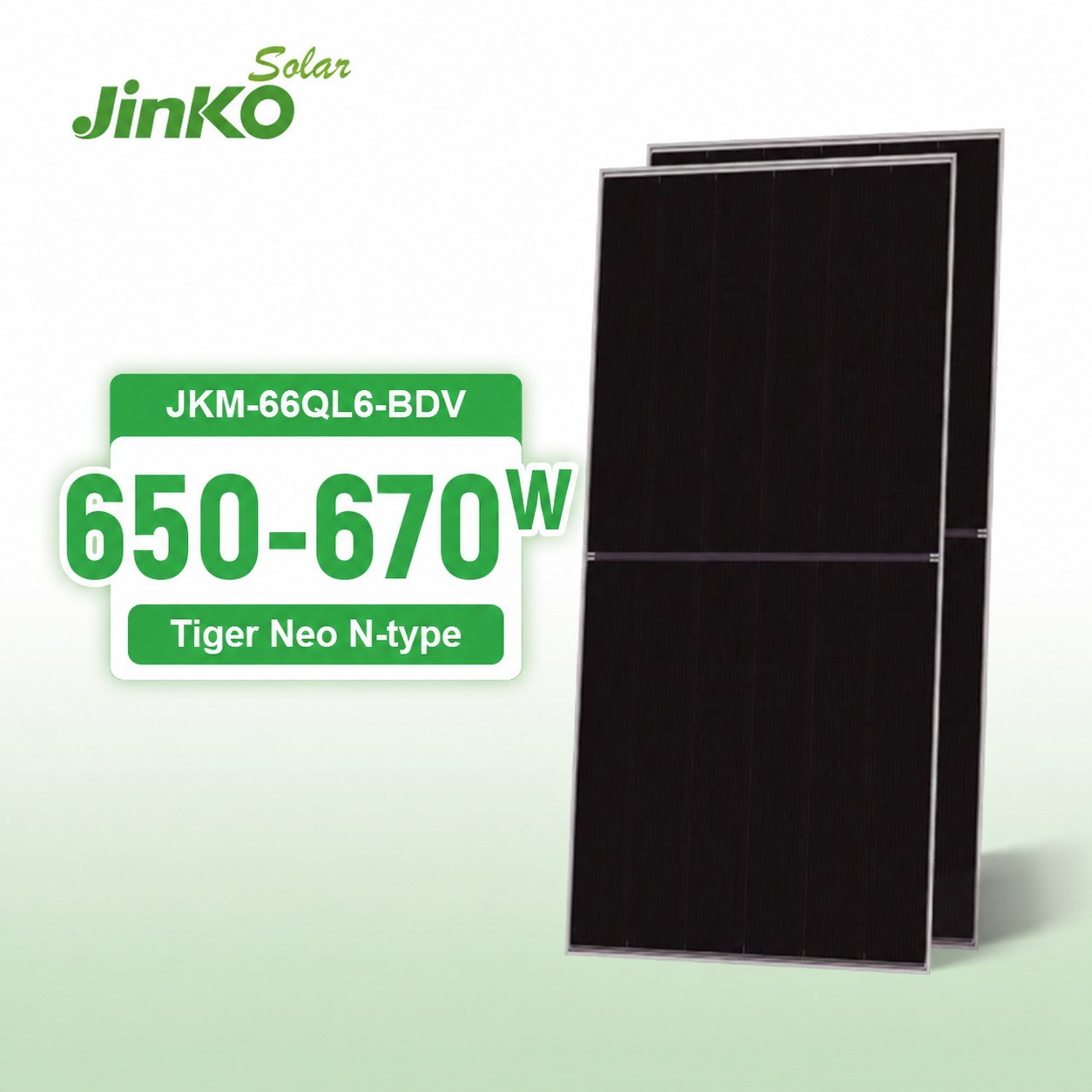
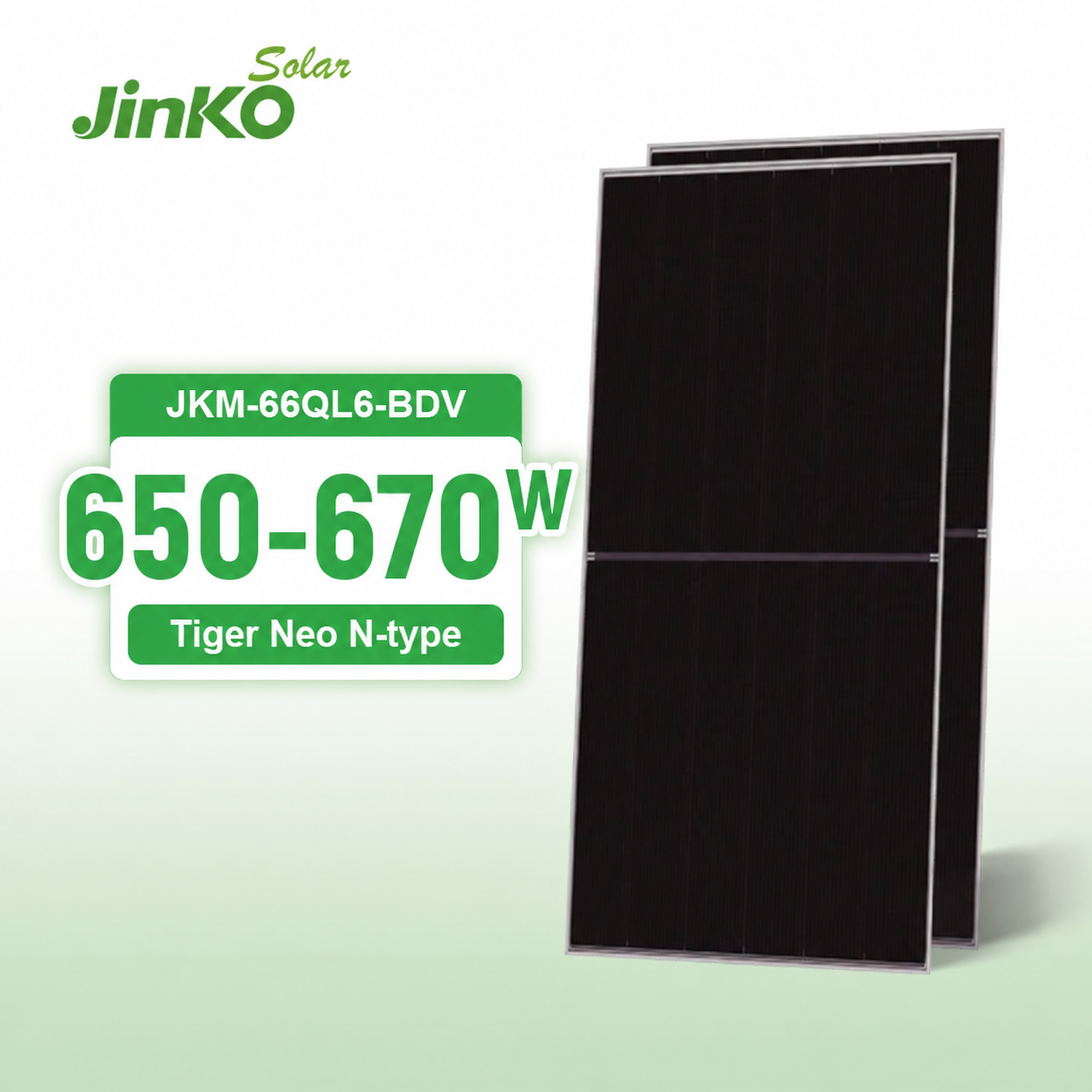
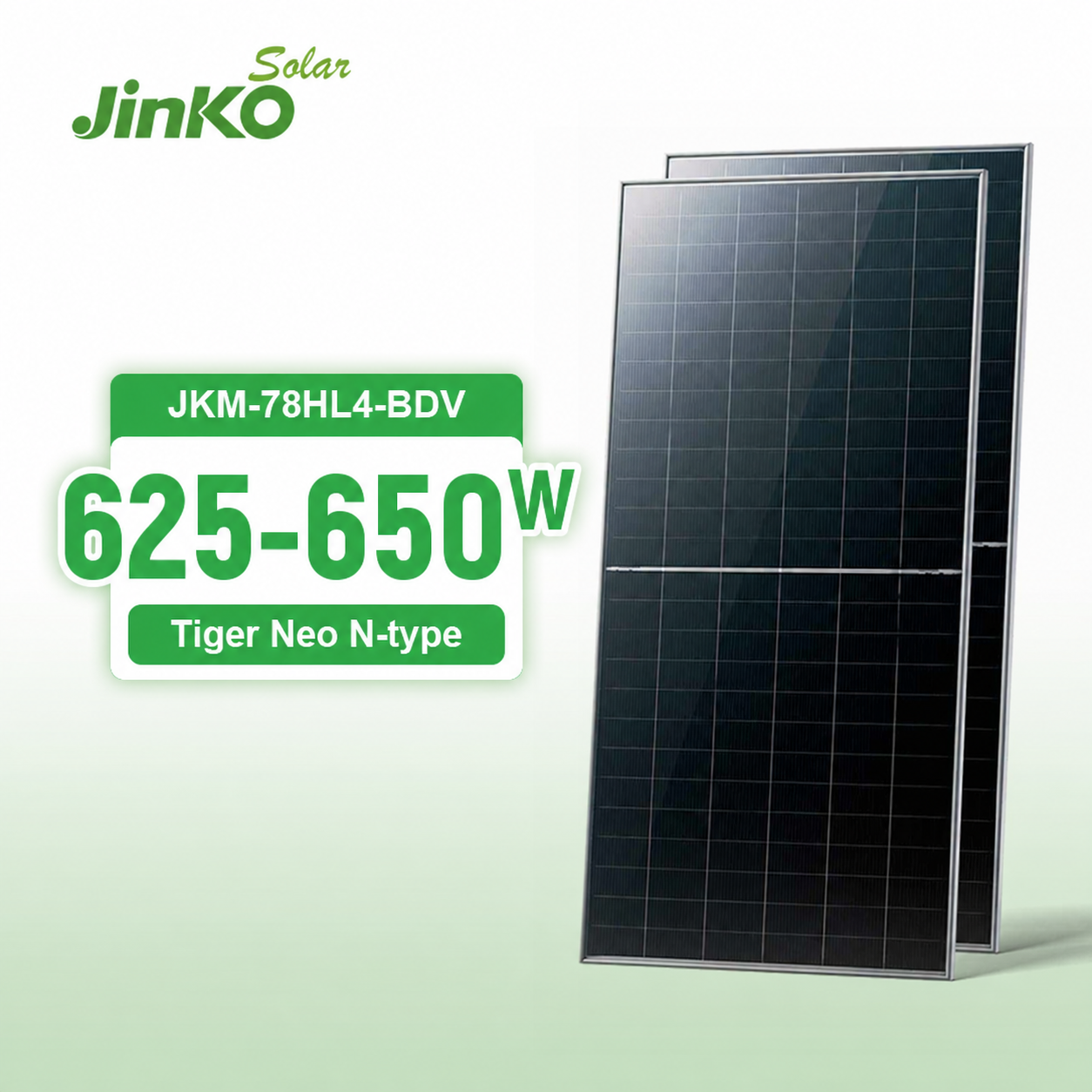
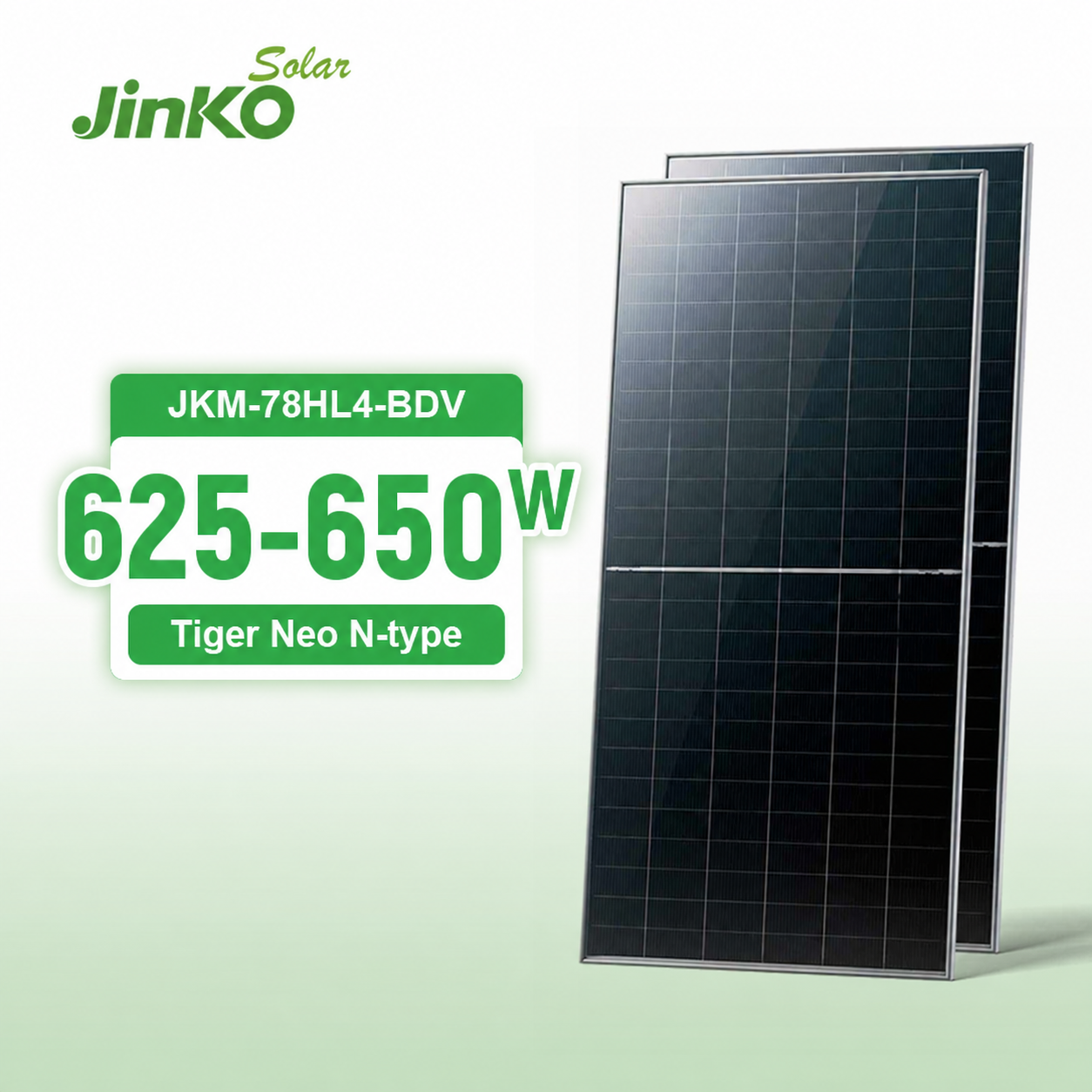
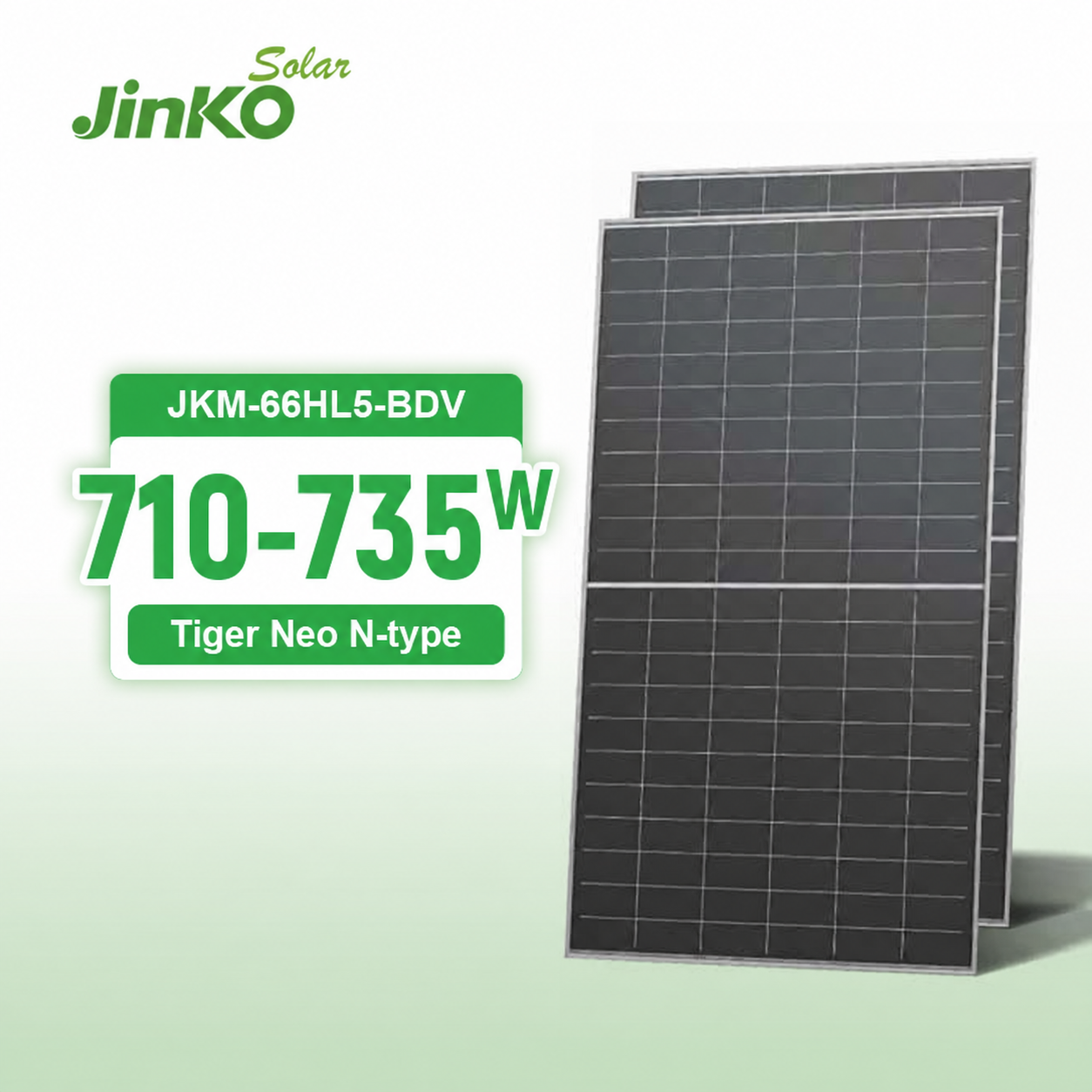
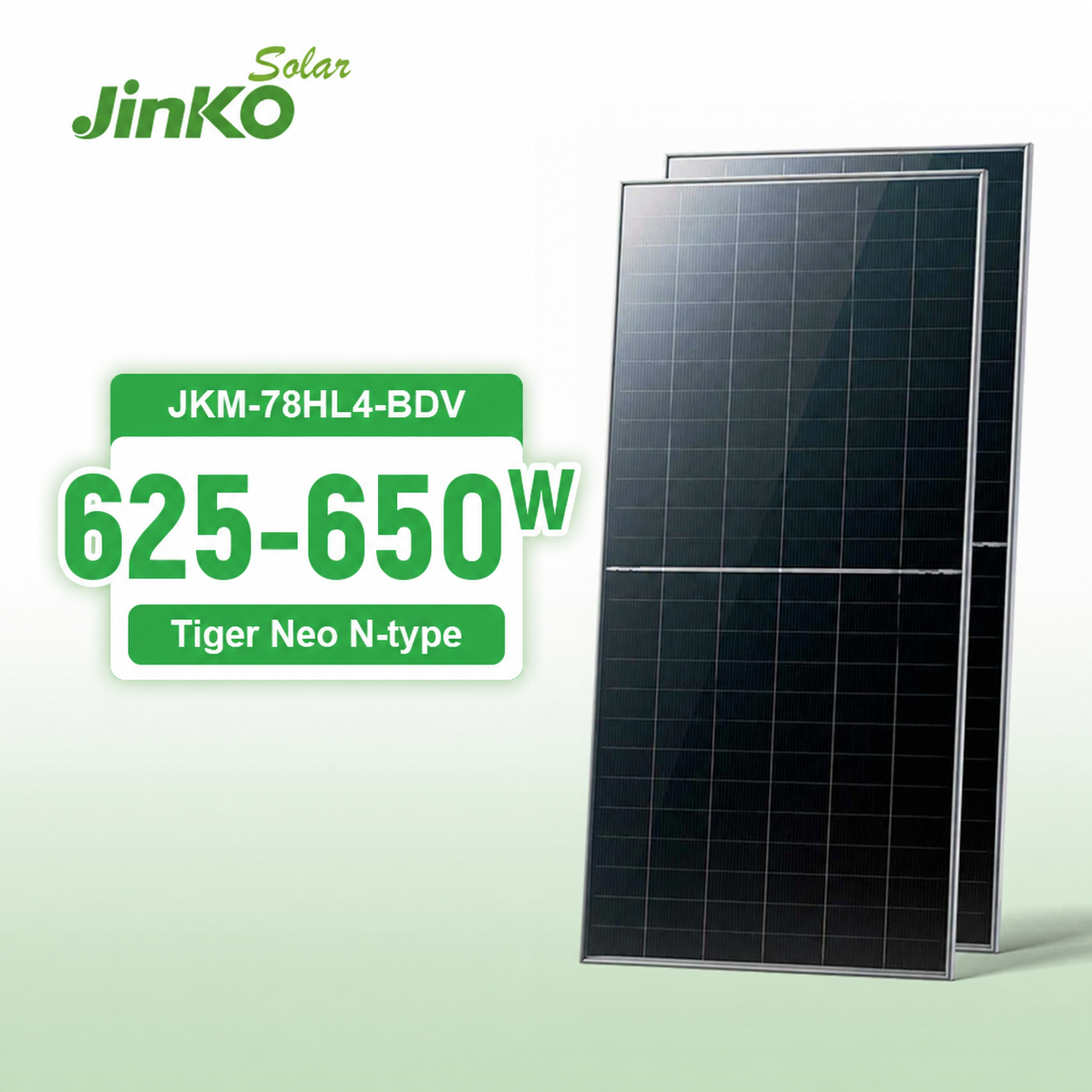
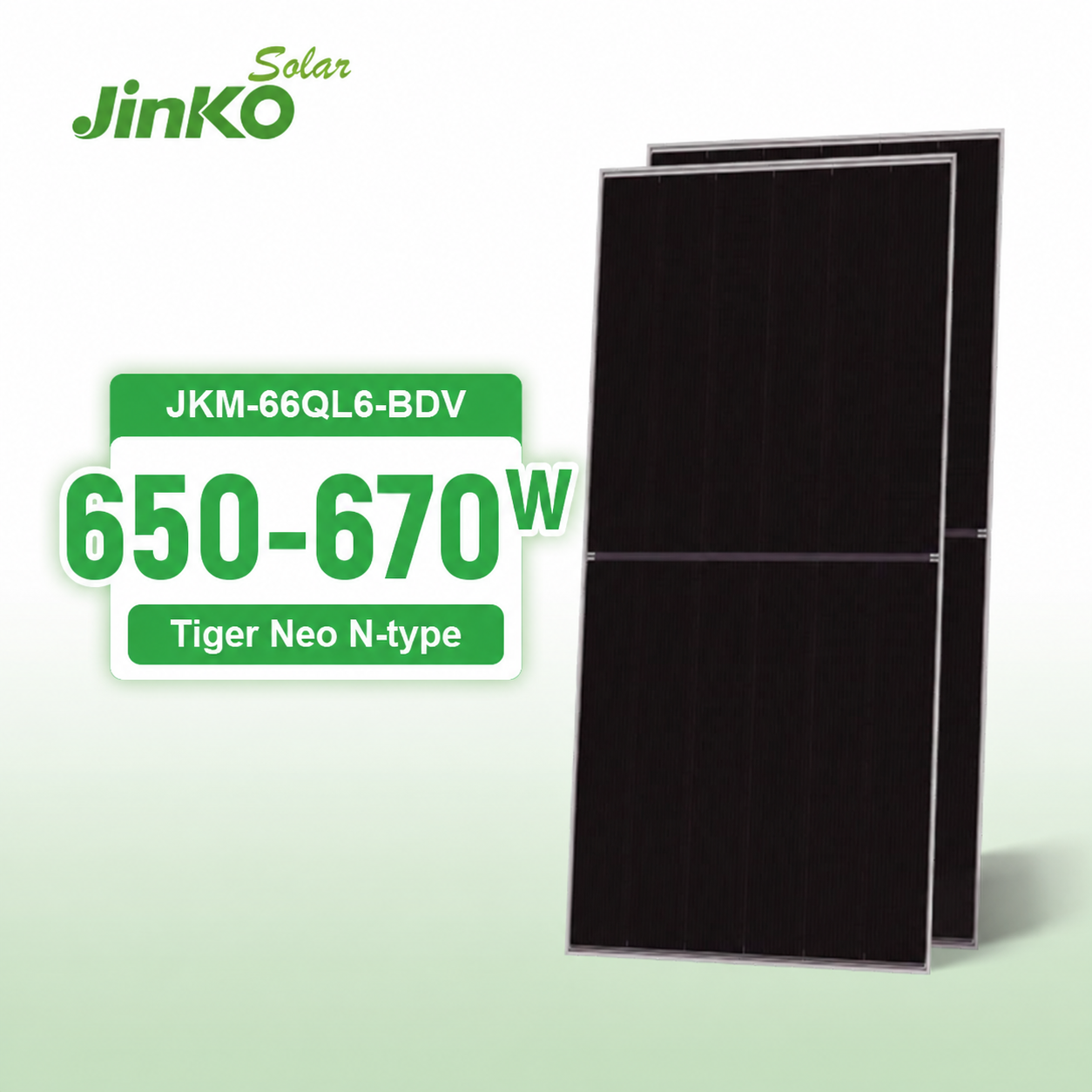
  • N-Type TOPCon Cell Adoption: Bifacial N-Type solar panels (such as Jinko 630W–730W series) have become the de-facto standard in Iraq. Their ultra-low temperature coefficient (-0.29%/°C vs -0.35%/°C for older P-Type) preserves real-world output during summer heatwaves where rooftop panel backsheets can reach 75°C.
  • Shift from Lead-Acid to High-Voltage Lithium: Installers are rapidly phasing out maintenance-heavy tubular flooded and low-cycle GEL batteries in favor of rack-mounted and stackable LiFePO4 energy storage systems equipped with automated CAN/RS485 handshake to Goodwe inverters.
Enterprise Advantages & Reliability

Hangzhou VOLT New Energy: Exporting Engineering Excellence to Iraq

Avoid communication faults, Customs clearance rejections, and shipping delays. Our dedicated export framework integrates precision pre-testing, compliance certification, and direct Middle Eastern logistics.

Pre-Shipment Protocol Verification

Every hybrid Goodwe inverter and lithium battery bank undergoes complete CAN-bus / RS485 communication testing on our test bench in China before packaging, eliminating "BMS Communication Lost" fault codes during on-site commissioning in Iraq.

Iraqi Customs & COC Compliance

We prepare all mandatory international pre-shipment inspection documents, Certificate of Conformity (COC/COSQC), SASO/VOC verification, verified manufacturer commercial invoices, and legalization needed for seamless clearance at Umm Qasr Port or Erbil International Airport.

Consolidated DG Logistics Solutions

Lithium energy storage systems require strict Class 9 Dangerous Goods handling. We provide professional UN38.3 packaging, certified MSDS sets, and optimized mixed-container consolidation (Goodwe Inverters + Jinko Panels + VOLT Lithium Storage) in single maritime shipments.

Full Turnkey System Bill-of-Materials

From DC surge protective devices (SPD Type II) and specialized solar cables designed to endure high UV radiation to circuit breakers and rapid shutdown modules, we supply factory-tested, balanced component packages ready for installer execution.

Commercial solar storage setup with Goodwe inverters
Heavy Commercial Backup

Industrial Warehouse Microgrid (Basra, Iraq)

Dual 50kW commercial Goodwe inverters coupled with 120kWh VOLT LFP battery banks, keeping pharmaceutical cold storage refrigeration active through 14 hours of continuous municipal power collapse.

Solar farm installation with bifacial solar panels
Off-Grid Agriculture

Agricultural Pumping Project (Wasit Governorate)

Ground-mounted N-Type TOPCon bifacial modules with Goodwe high-voltage inverter synchronization powering deep groundwater extraction pumps without requiring diesel refueling runs.

Procurement & Engineering FAQ

Frequently Asked Questions by Iraqi Solar Importers & Installers

Direct technical answers addressing voltage compatibility, generator integration, high-heat derating, and commercial customs procedures in Iraq.

How do Goodwe hybrid inverters handle the Iraqi "Mowallida" (neighborhood diesel generator) inputs?
Private diesel generators in Iraq frequently produce voltage output ranging wildly between 170V to 260V with severe frequency variations (45Hz–55Hz) and dirty total harmonic distortion (THD). Goodwe ES and ET hybrid inverters feature dedicated generator input ports and programmable dry-contact relays. Through the Goodwe PV Master app, engineers can customize the acceptable AC input voltage and frequency windows, or configure the generator purely to charge the battery bank via the inverter's smart AC-charger function rather than feeding loads directly, protecting delicate consumer electronics from voltage spikes.
What happens to Goodwe inverter output when ambient temperatures exceed 50°C in Basra and Baghdad?
Standard inverters suffer severe internal thermal derating above 40°C, often dropping to 50% power capacity or tripping offline completely. Goodwe inverters incorporate oversized aluminum heat sinks, smart fan cooling systems (SMT/MT/HT series), and advanced internal thermal dissipation. While mild linear derating begins between 45°C to 50°C depending on the model series, Goodwe inverters maintain active continuous operation without shutoff up to +60°C. We strongly advise our Iraqi EPC partners to install inverters in shaded, well-ventilated North-facing outdoor walls or covered utility rooms.
Can you guarantee plug-and-play BMS communication between Goodwe inverters and VOLT LFP batteries?
Yes. One of the primary failure points for Iraqi installers is purchasing inverters and batteries from disconnected third-party traders, resulting in "BMS Communication Fault" errors on startup. Hangzhou VOLT New Energy pre-configures the BMS firmware and matching CAN/RS485 pin-outs to match Goodwe communication protocols before cargo leaves our warehouse. When unpacked on-site in Iraq, the system identifies battery state-of-charge (SOC), voltage cut-offs, and charging parameters automatically upon cable connection.
What shipping documentation is required to clear solar equipment into Umm Qasr or Erbil?
Importation into Federal Iraq (via Umm Qasr Port or Baghdad) requires a verified Certificate of Conformity (COC/VOC) issued by an authorized inspection agency (such as Bureau Veritas, TUV, or SGS), certified Commercial Invoice, Packing List, Certificate of Origin (COO), and Bill of Lading. For shipments into the Kurdistan Region (Erbil, Sulaymaniyah), slightly modified regional documentation applies. Our export logistics desk handles the complete compliance portfolio, providing pre-verification before dispatch to prevent detention demurrage at Iraqi borders.
Can high-power 650W+ Jinko bifacial panels be safely connected to Goodwe commercial string inverters?
Yes, modern Goodwe inverters (including SMT, MT, and HT generations) are engineered with high string current capabilities (up to 15A–20A per string, and 30A–40A per MPPT input) specifically designed to accommodate high-power 182mm and 210mm wafer N-Type TOPCon bifacial modules without current clipping or overheating MPPT input stages. Our engineering team provides complimentary string sizing calculation sheets for your specific panel-inverter combination.
What is the typical maritime transit time and payment term structure for Iraqi B2B buyers?
Sea freight transit time from Ningbo or Shanghai port directly to Umm Qasr Port in southern Iraq averages 22 to 28 days. Shipments destined for northern Iraq via Mersin Port (Turkey) or Bandar Abbas typically range between 20 to 25 days. For standard B2B procurement, we offer competitive telegraphic transfer (T/T) structures with deposit and balance against Bill of Lading, alongside verified Letter of Credit (L/C) arrangements for established institutional contractors and government tenders.

Powering Your Next Solar Project in Iraq

Whether you are an established equipment distributor in Baghdad, an EPC contractor in Erbil, or an industrial developer in Basra, collaborate directly with an authorized export partner. Request complete system quotes, string sizing verifications, and direct container pricing today.

Technical Response Guarantee: Connect with our senior photovoltaic engineering team within 24 hours. Receive tailored system schematics, BOM optimization, and verified customs documentation guidance.

Contact Us