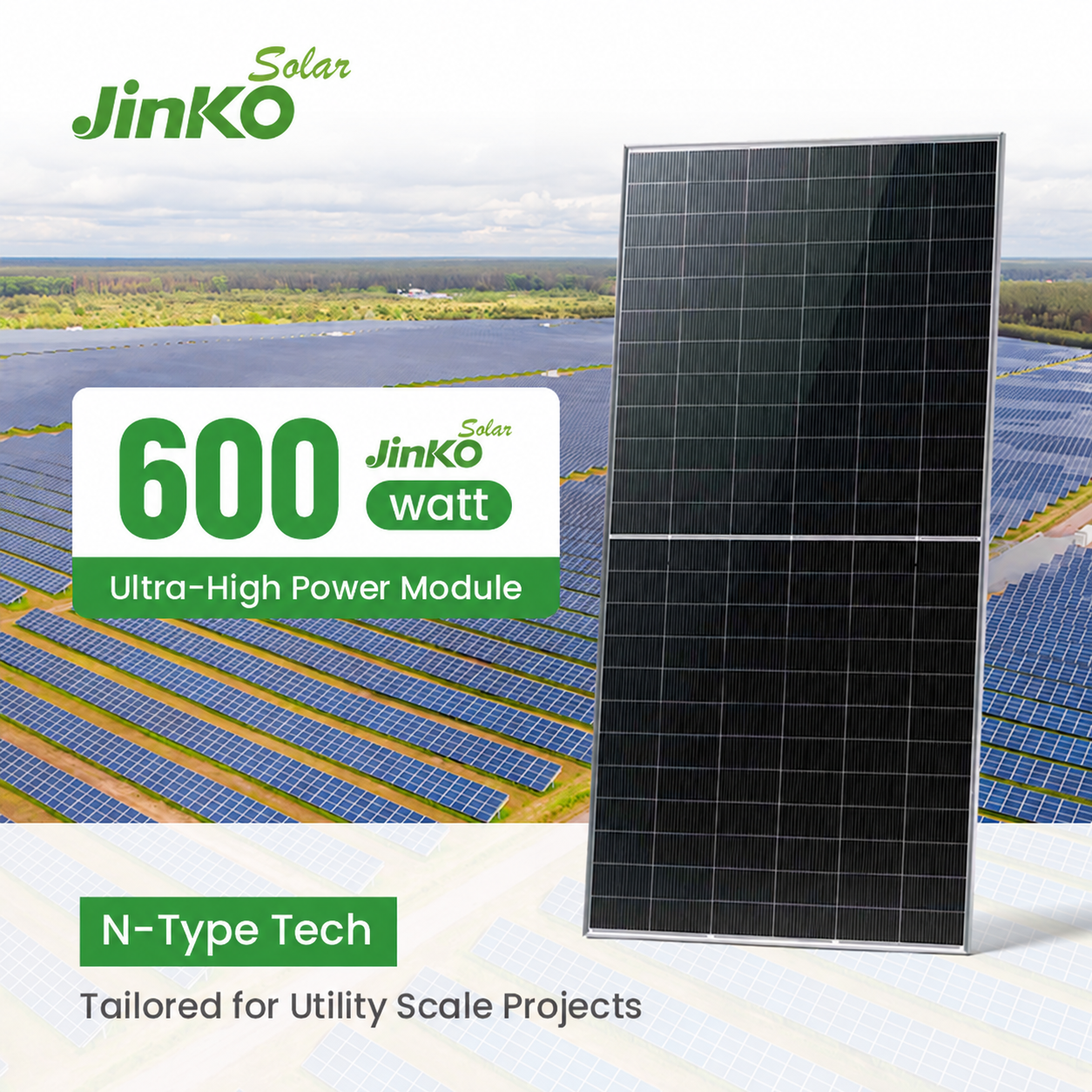
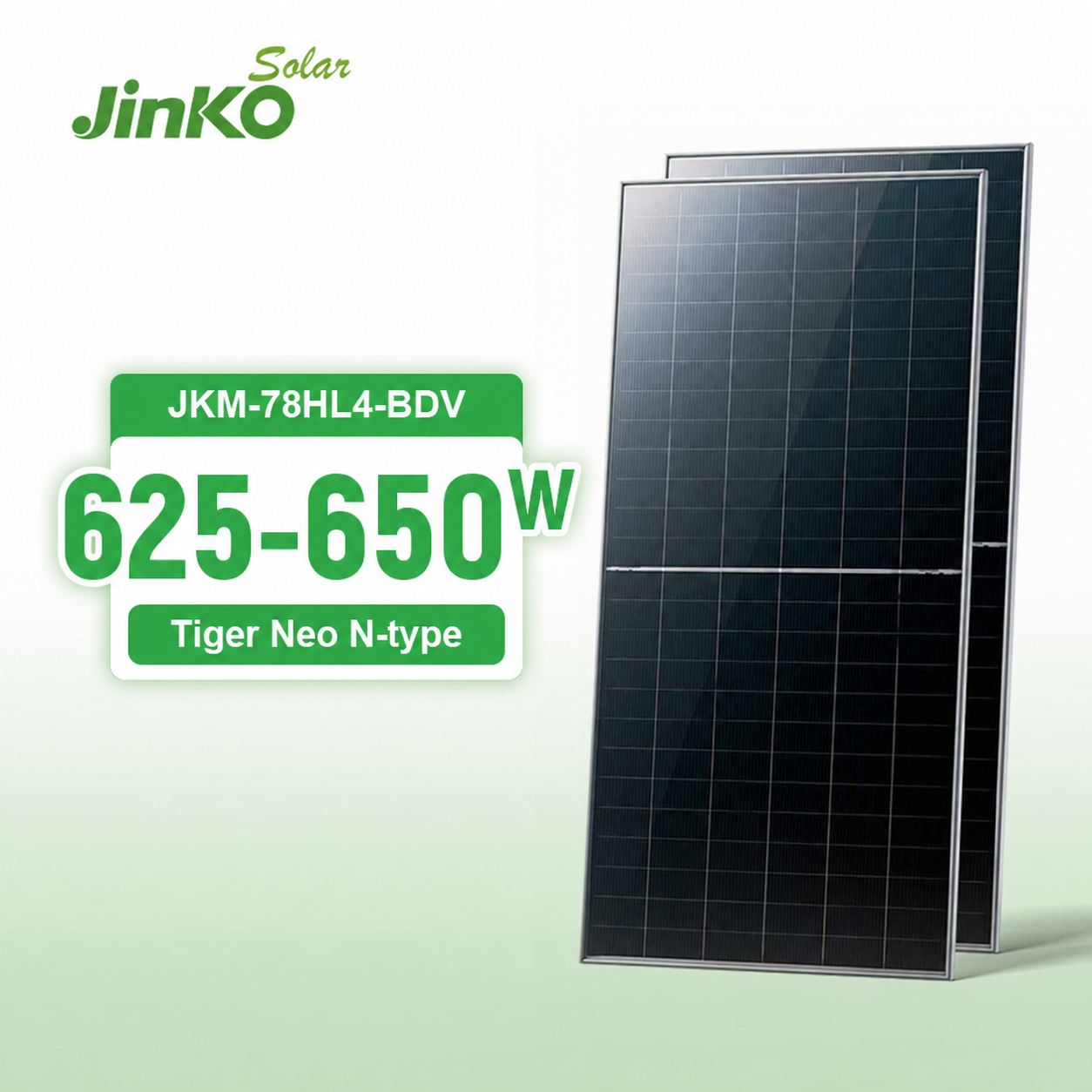
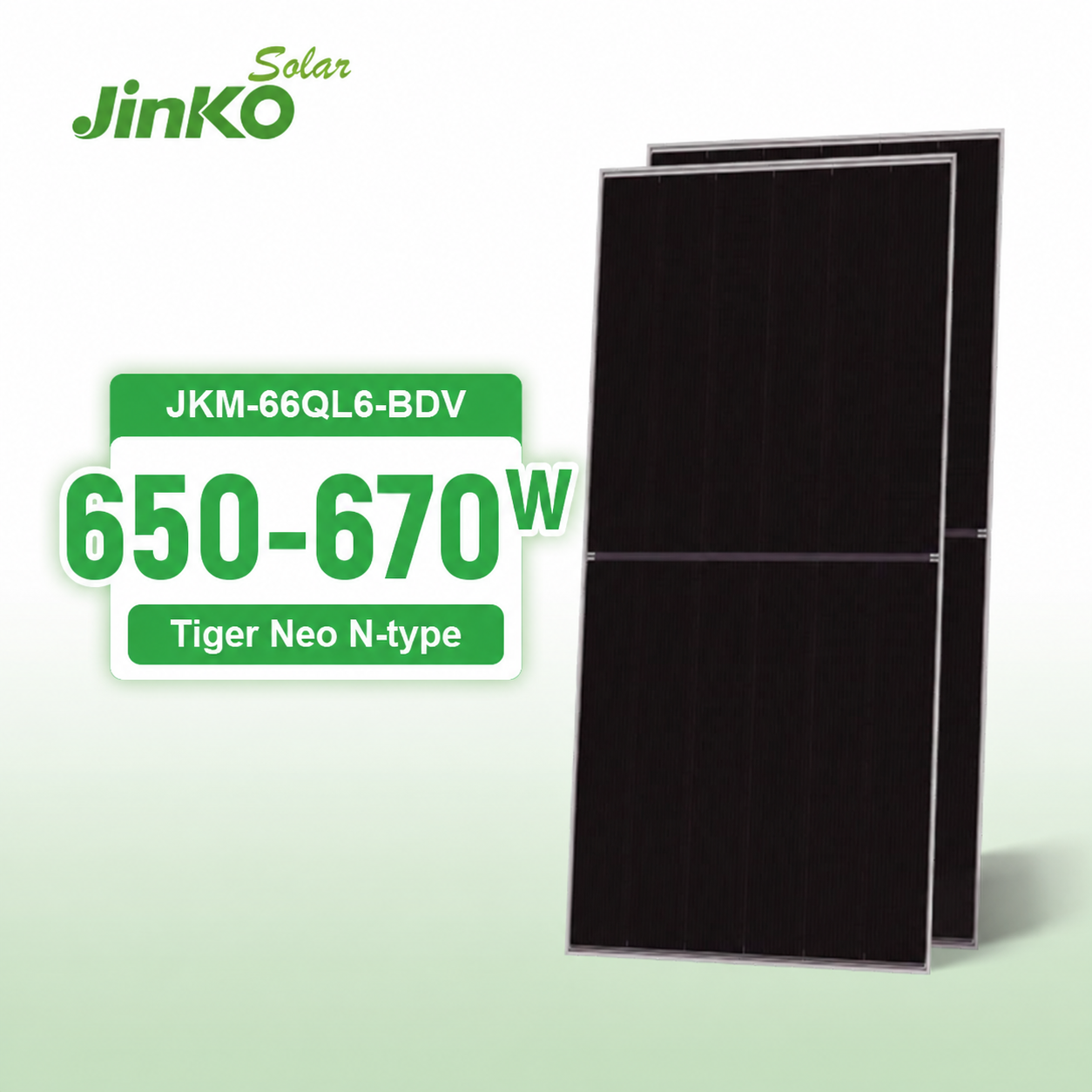
Seamless utility-scale and commercial interoperability. Each Tier-1 N-Type module and matched Deye multi-string inverter delivers dependable power generation despite Beersheba’s acute summer heat, ambient dust, and distinct desert temperature fluctuations.
As the capital of the Negev, Beersheba represents Israel's critical nexus for large-scale solar installations, agricultural microgrids, and industrial rooftop arrays. However, deploying grid-tie inverters and photovoltaic hardware in this arid basin requires rigorous component matching to overcome extreme derating caused by desert climate anomalies.
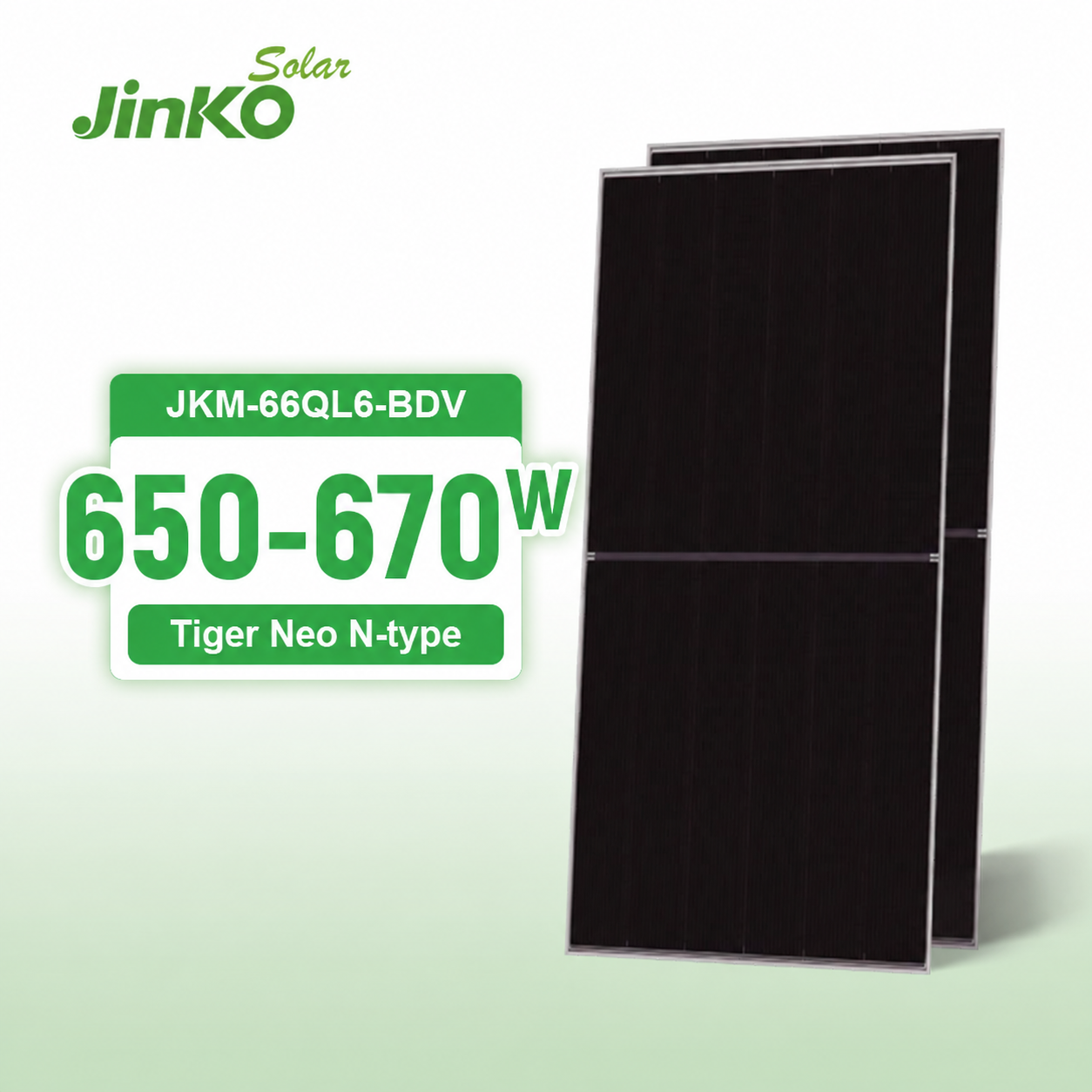
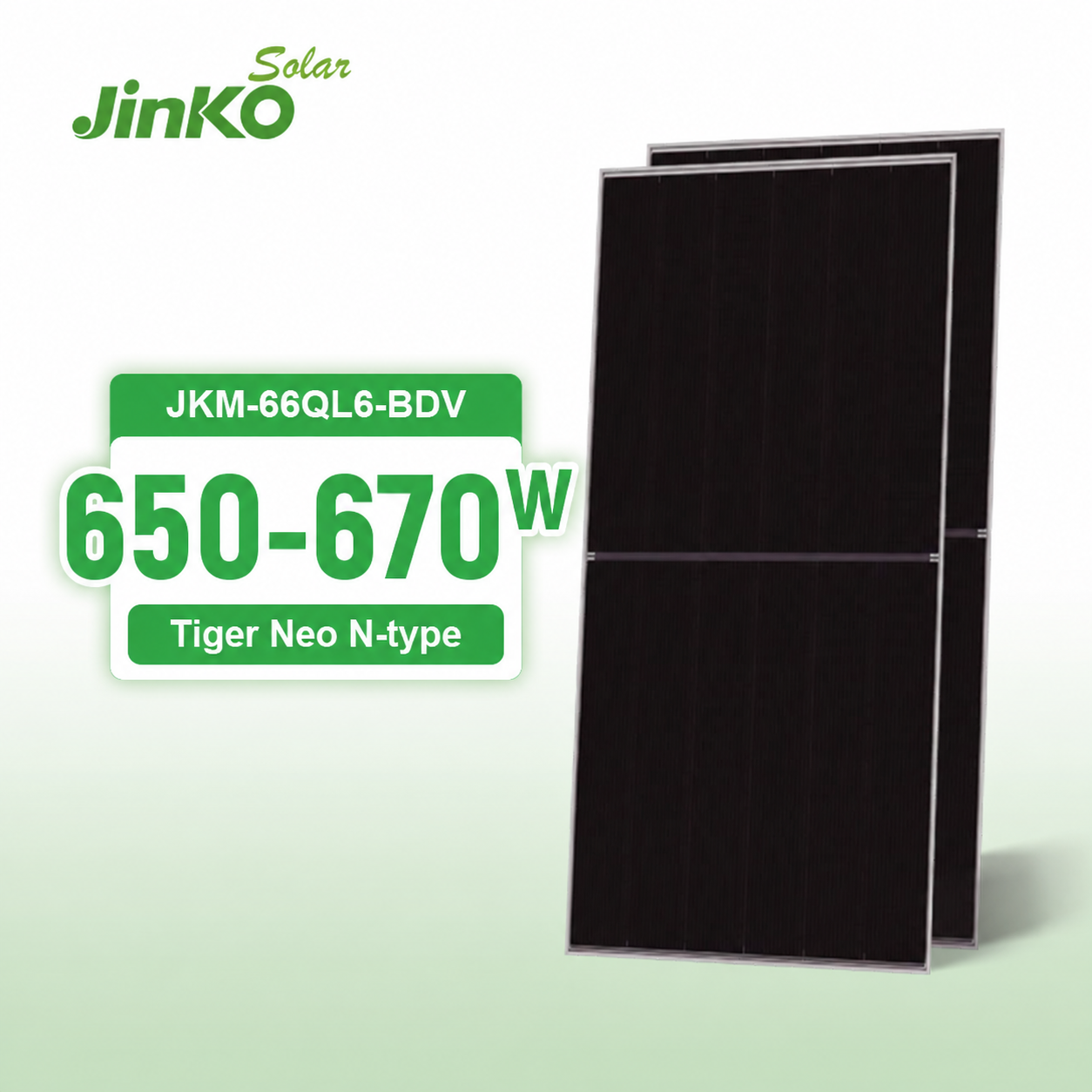
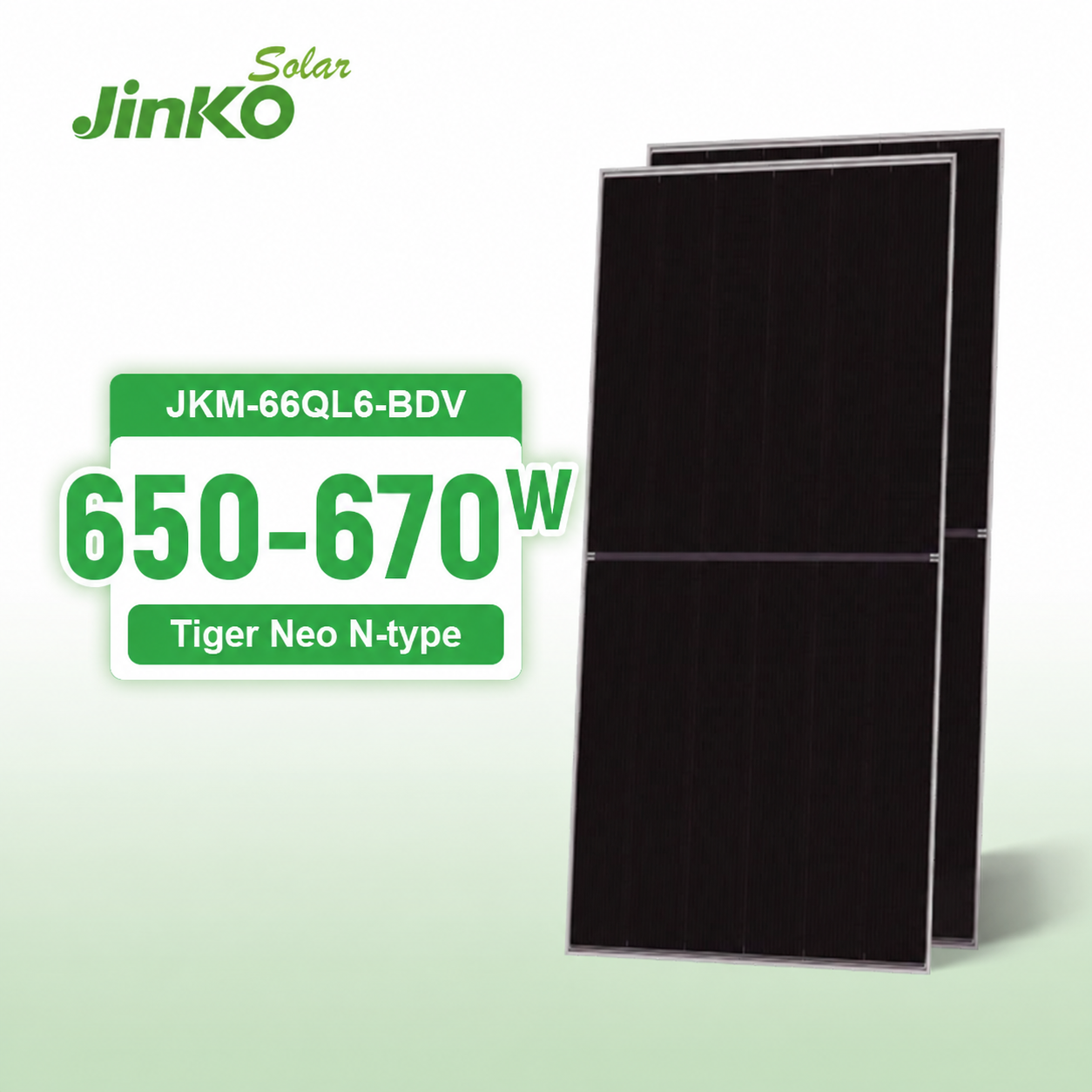
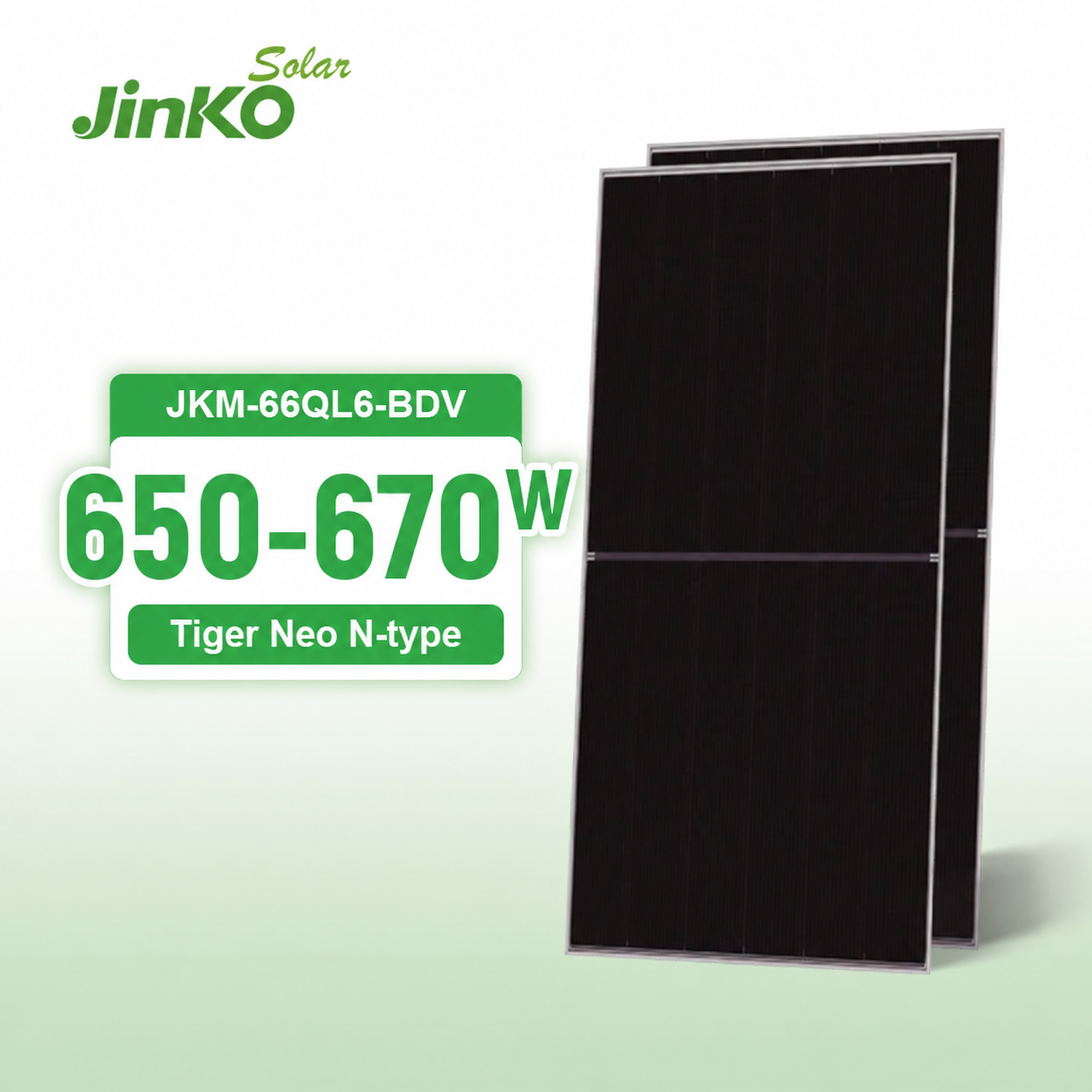
Standard silicon solar cells lose roughly 0.38% to 0.42% of their maximum power capacity for every degree Celsius above 25°C. During Beersheba summers, rooftop temperatures regularly exceed 65°C to 70°C. Hangzhou VOLT New Energy supplies state-of-the-art Deye grid-tie string inverters and Jinko N-Type TOPCon panels that feature an industry-leading thermal coefficient of -0.29%/°C.
Our engineering matrix mandates that inverters installed in Beersheba utilize advanced intelligent fan cooling and robust heat-sink architecture, guaranteeing 100% full-power output without thermal derating up to 45°C ambient air temperatures.
Fine loess soil and desert sandstorms characteristic of the Southern District cause severe surface abrasion and soil build-up on photovoltaic modules. Conventional polymer backsheets suffer from rapid degradation, micro-porosity, and humidity ingress under these intense UV and thermal stress cycles.
By pairing double-glass bifacial modules with grid-tie inverters featuring sensitive DC ground-fault detection and Arc Fault Circuit Interrupter (AFCI) safety protocols, our complete systems mitigate ground impedance errors and prevent arcing risks triggered by conductive particulate deposition.
A side-by-side technical evaluation for system integrators across the Southern District.
| Deployment Parameters | Conventional Systems (Standard Spec) | VOLT New Energy Negev-Optimized Architecture |
|---|---|---|
| Inverter Thermal Derating Profile | Derating begins at 40°C ambient | Full generation up to 45°C; Smart cooling derating offset up to 55°C |
| Module Temperature Coeff. (Pmax) | -0.35% to -0.39%/°C (P-Type PERC) | -0.29%/°C (N-Type TOPCon Double Glass) |
| Dust Resistance & Ingress Rating | IP65 Enclosure / Single Glass | IP66 Dual-Zone Sealed Chamber + 2.0mm Dual Glass (Anti-Abrasion) |
| Grid Regulation & Protection | Basic over/under voltage relay | Frequency-Watt curves, Zero-Export limiters & Fast Anti-Islanding |
| Pre-Shipment Protocol Check | Random batch sample testing | 100% CAN / RS485 communication & MPPT sweep curve pre-dispatch |
Tailored configurations adapted to high ambient heat, municipal mandates, and commercial demand.
Large manufacturing facilities and logistics warehouses benefit from high-voltage commercial three-phase Deye string inverters paired with 650W+ bifacial modules. Optimized dual-glass reflection utilizes high-reflectivity white thermal roof membranes to yield up to 18% additional energy.
Combining solar arrays directly with date palm plantations, shade houses, and specialized drip-irrigation greenhouses. Inverters manage reactive power feed-in dynamically to sustain stable voltage levels along extended rural distribution feeder lines without triggering overvoltage tripping.
Beersheba municipal parking garages and university facilities leverage double-glass bifacial modules mounted overhead. They provide required urban shading for electric vehicles while dual-orientation tracking feeds reliable daytime solar wattage directly into regional commercial microgrids.
Israel’s National Energy Policy target of 30% electricity generation from renewable sources by 2030 hinges heavily on the development capacity of the Negev desert basin. As available flat land faces competitive ecological and military zoning restrictions, the Beersheba market is transitioning rapidly across three distinct operational frontiers:
Developers are pivoting away from monolithic central inverters toward distributed multi-MPPT high-capacity string inverters (50kW to 136kW). This shift minimizes single-point failures in desert operations and allows localized maximum power tracking across irregularly soiled solar rows.
With distribution feed lines near peak mid-day capacity, new grid-connection regulations favor hybrid-capable grid-tie architectures. System operators are pairing grid-tie systems with low-voltage and high-voltage LFP storage to arbitrage the day-night price delta dictated by dynamic time-of-use (TOU) tariffs.
Hangzhou VOLT New Energy Technology Co., Ltd. serves solar EPCs, system distributors, and commercial contractors across more than 100 countries. Our operations eliminate component incompatibility, grid compliance rejections, and shipping delays before products leave China.
Direct technical answers addressing system sizing, desert climate resilience, grid interconnection, and international logistics.
Share your target DC capacity, single-phase or three-phase grid specifications, and mounting conditions. VOLT New Energy engineers will return a complete bill of materials, factory-direct pricing, and verified electrical compatibility schematics within 24 hours.