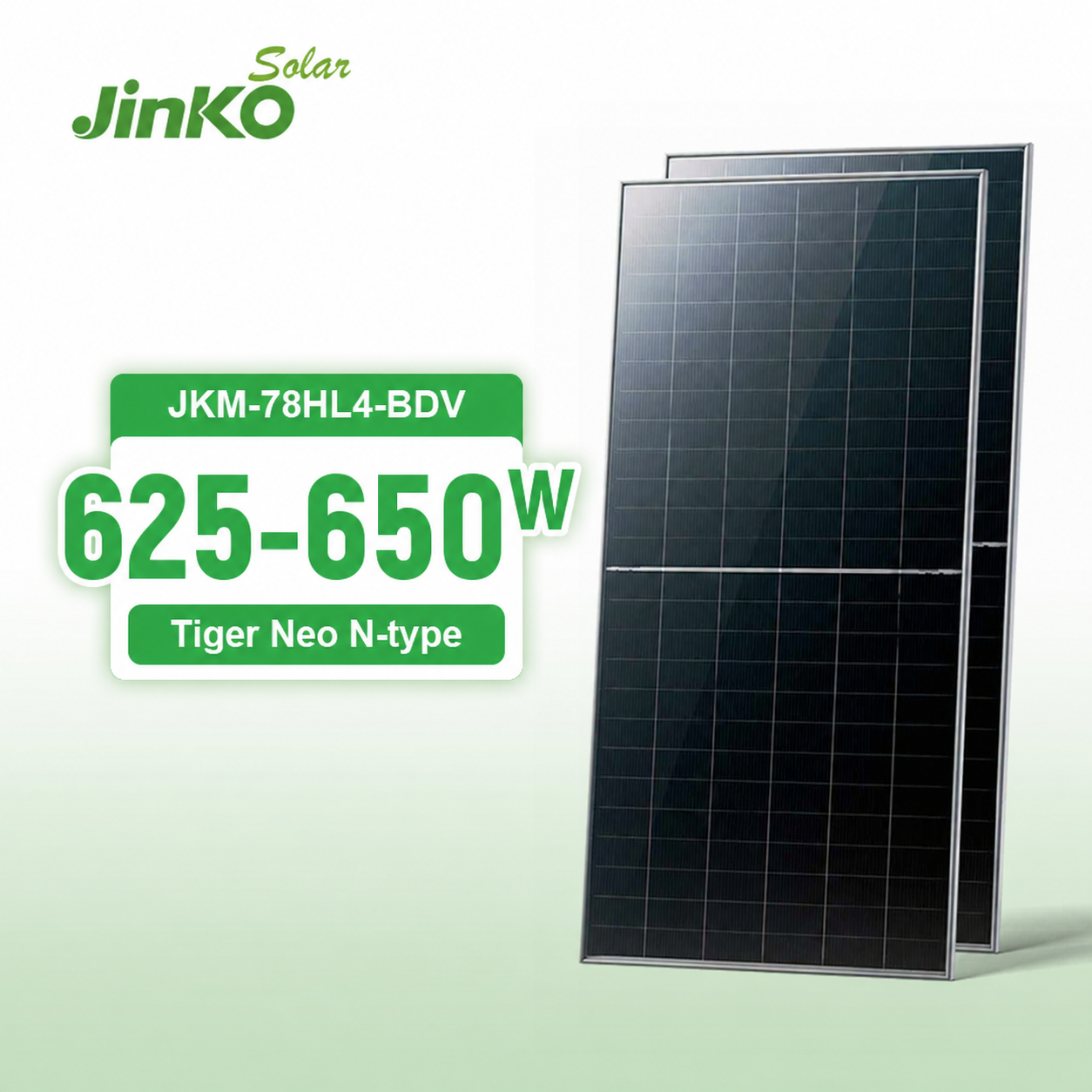
Engineered Generation Modules
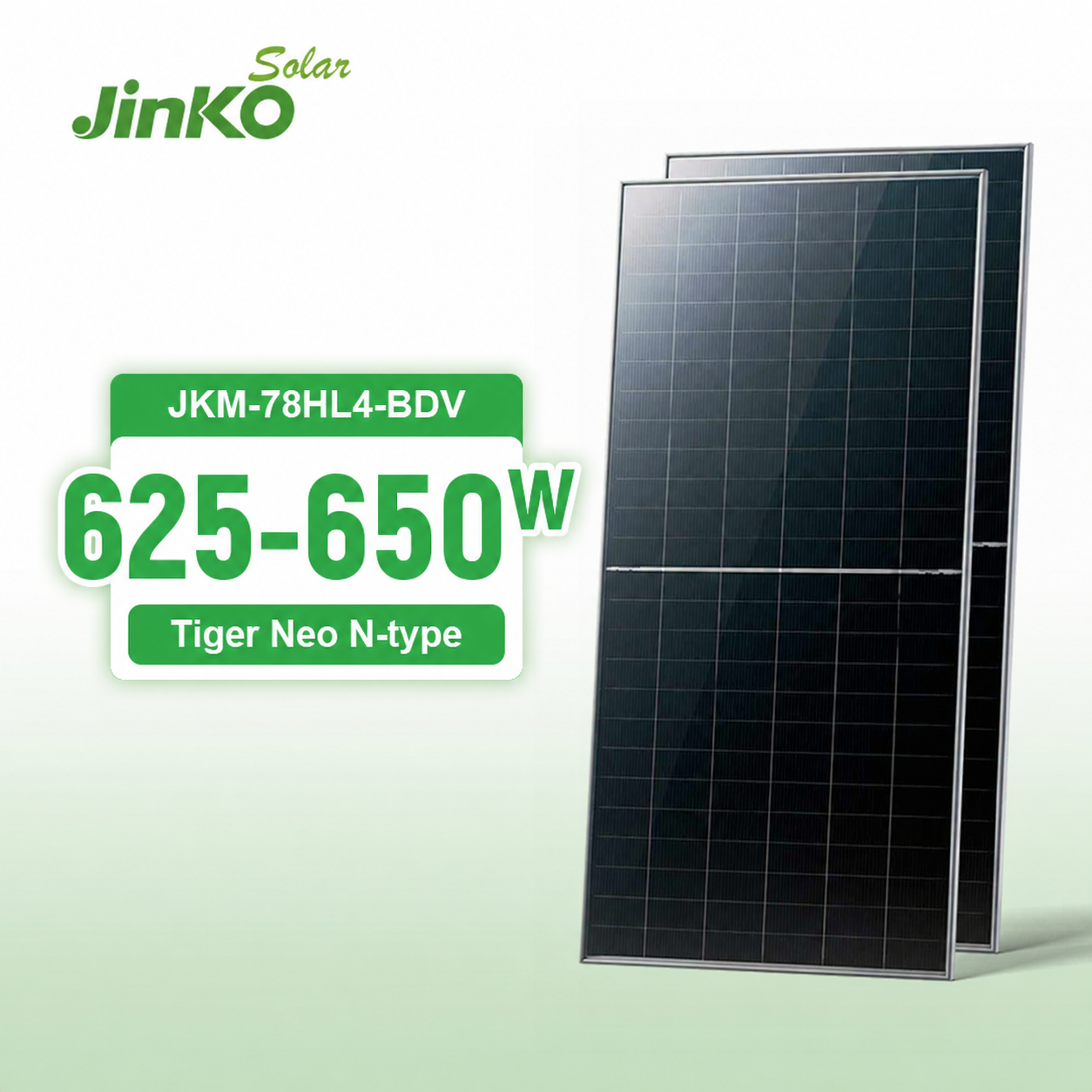
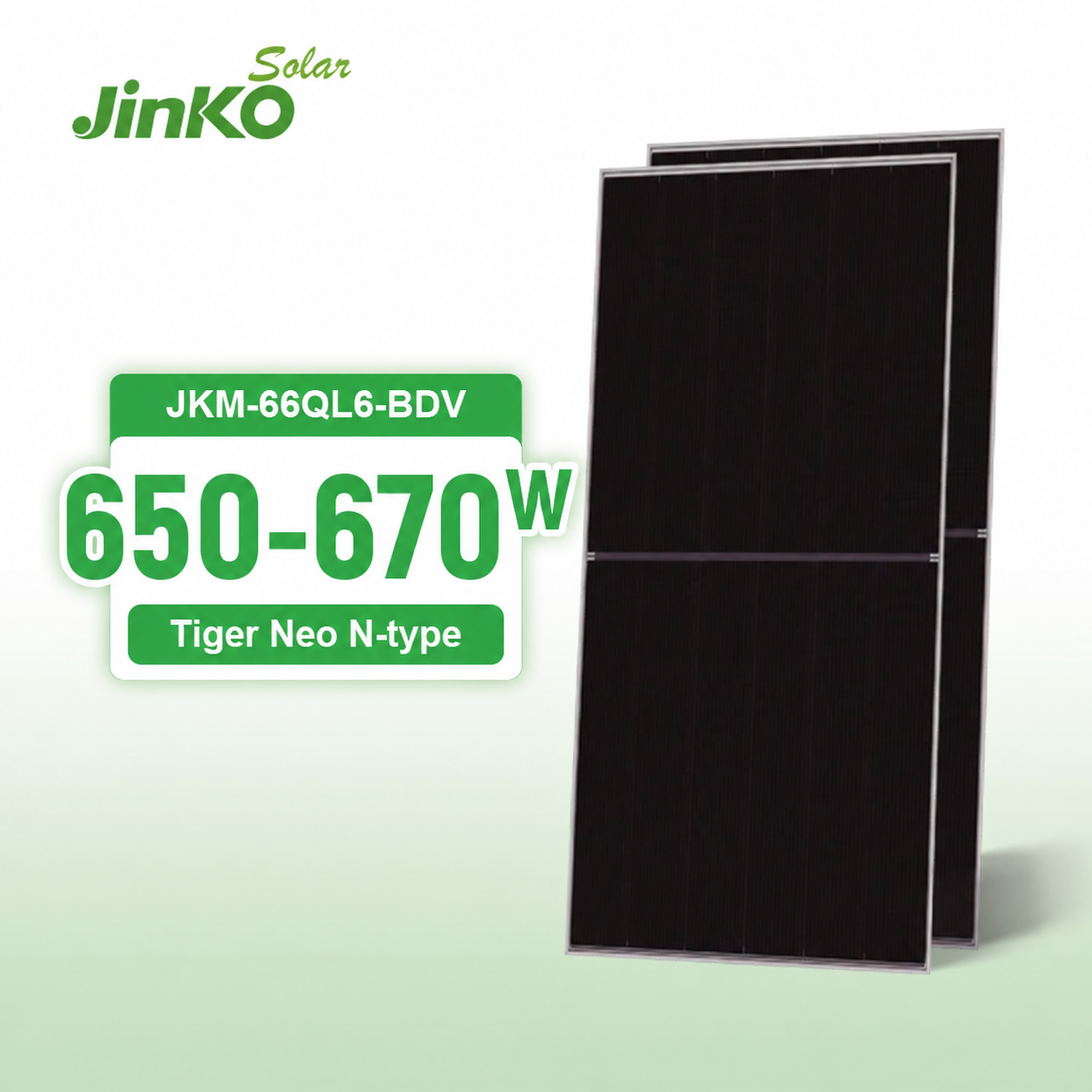
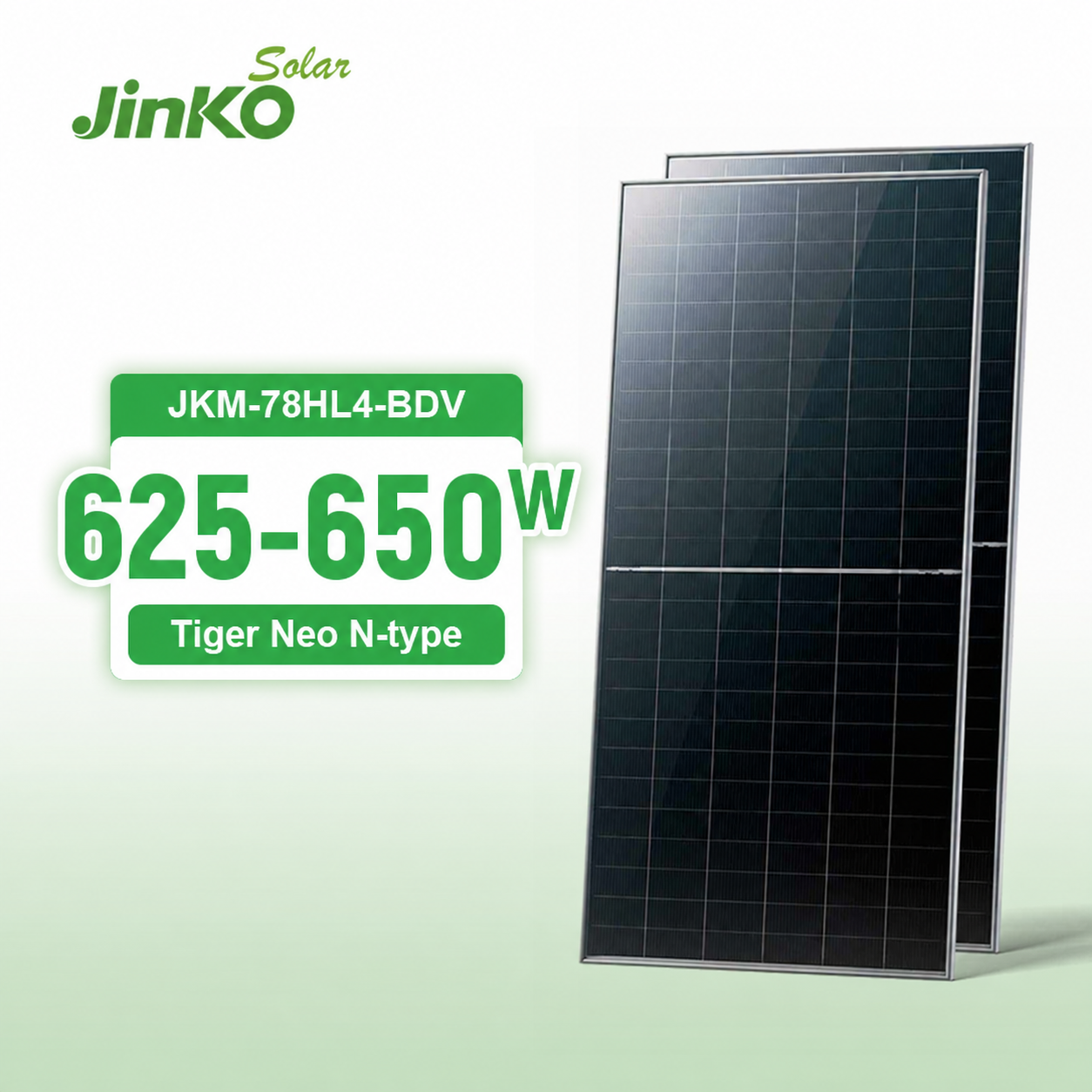
Tier-1 TOPCon Bifacial Photovoltaic Panels for Freeport Solar-Plus-Storage
Direct factory supply of high-efficiency dual-glass N-Type solar modules, optimized to feed residential hybrid inverters (48V low-voltage and 400V high-voltage platforms) under Grand Bahama's high ambient temperature, UV intensity, and tropical storm wind shear.
6,000+
Deep Discharge Cycles (80% DoD)
100+
Global B2B Export Markets
< 4 ms
UPS Grid-to-Island Transfer Speed
C5-M
Marine Anti-Corrosion Rating
Technical Architecture
Engineering Residential Energy Storage Systems (HESS) for the Maritime Microgrid of Freeport
Operating a solar-plus-storage installation in Freeport, Grand Bahama poses distinct electrical and environmental challenges that standard mainland solar systems cannot survive. From extreme tropical humidity and persistent airborne sodium chloride aerosols (marine salt fog) to hurricane-induced utility disruptions and localized grid voltage instability, every subsystem requires specialized hardening. Hangzhou VOLT New Energy supplies fully integrated residential and light-commercial energy storage architectures configured precisely to overcome these island constraints.
A resilient Home Energy Storage System (HESS) designed for the Caribbean market is fundamentally anchored on three tightly coordinated subsystems: high-purity Lithium Iron Phosphate (LiFePO4 / LFP) battery cell chemistry, multi-mode hybrid smart inverters with black-start and generator synchronization capabilities, and heavy-duty bifacial photovoltaic generators capable of sustaining category-5 aerodynamic wind loads.
The Freeport Marine Operating Standard: Solar arrays and outdoor-rated battery enclosures deployed in Grand Bahama must withstand persistent ISO 12944 C5-M marine atmospheric corrosivity. System integrity requires dual-glass PV encapsulation, 316 stainless steel or hot-dip anodized structural racking, and conformal-coated electronic PCBs within inverters and battery management systems (BMS).
In Freeport, electrical power generated by the Grand Bahama Power Company (GBPC) operates on standard North American low-voltage distribution (120V/240V split-phase, 60 Hz). However, seasonal storms and peak fuel cost adjustments frequently make grid electricity economically burdensome and physically vulnerable. Our turnkey storage packages deploy intelligent split-phase low-voltage (48V / 51.2V) and high-voltage (200V - 500V) architectures capable of operating in complete off-grid islanding mode, grid-tied self-consumption mode with export limiting, or scheduled peak-tariff shaving mode.
LiFePO4 Chemistry & Thermal Balance
Freeport's high ambient heat (exceeding 34°C / 93°F with intense radiant roof heat) degrades standard NMC chemistry rapidly. We deploy Grade-A LFP prismatic cells featuring exceptional thermal stability up to 60°C.
- Zero risk of thermal runaway oxygen release
- Intelligent active & passive multi-stage BMS
- > 6,000 cycles at 0.5C charge/discharge rates
- Wall-mounted (5kWh/10kWh) and modular server rack units
Split-Phase Hybrid Inversion (Deye Platform)
Fully compatible with GBPC split-phase 120V/240V 60Hz topologies. Engineered with dual MPPTs, seamless 4ms auto-transfer switches, and intelligent auxiliary dry contacts for diesel generator integration.
- BMS CAN & RS485 communication protocols pre-flashed
- Unbalanced three-wire 120V/240V load management
- Frequency-shift power regulation for microgrid stability
- External generator auto-start signaling during prolonged outages
Hurricane-Resilient Dual-Glass PV
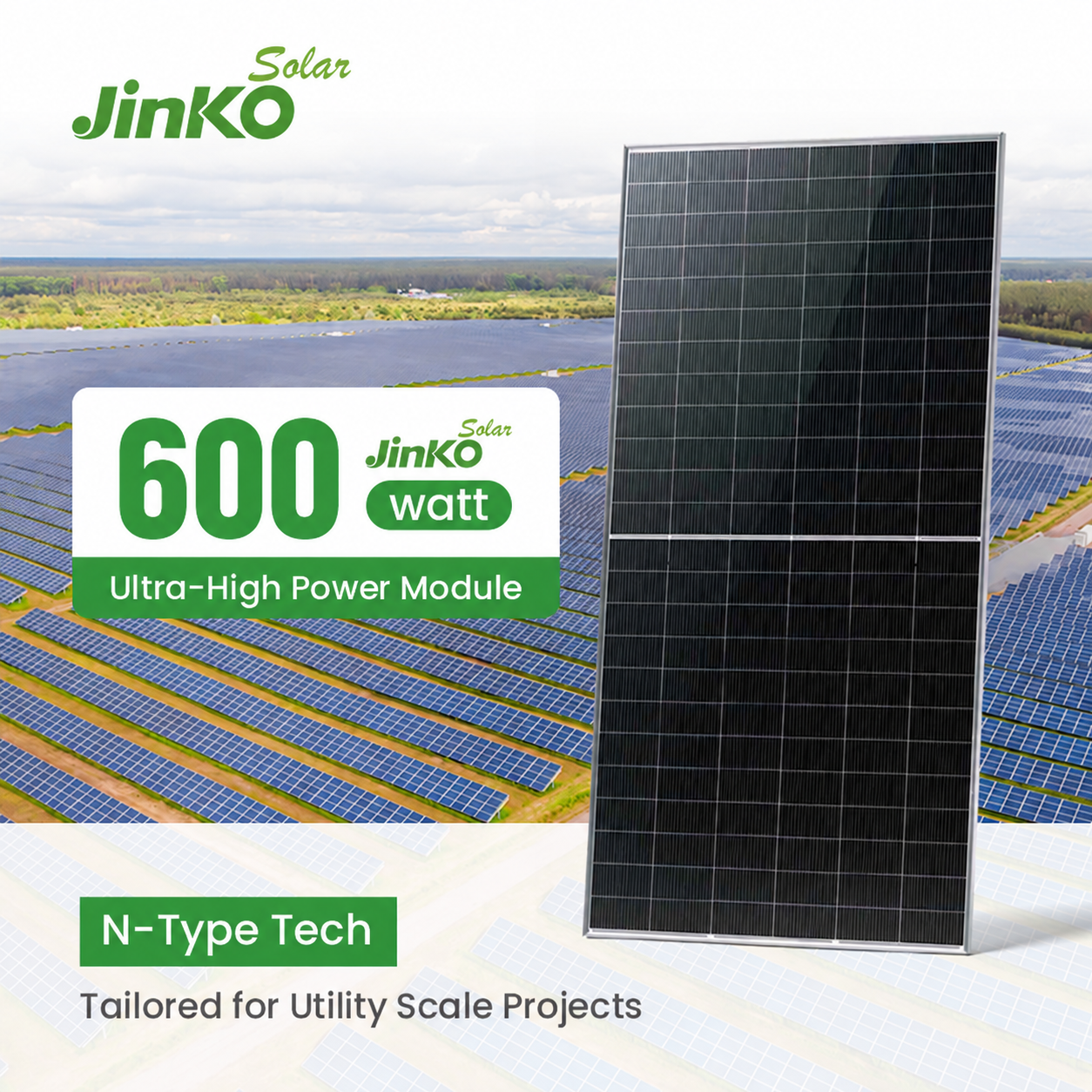
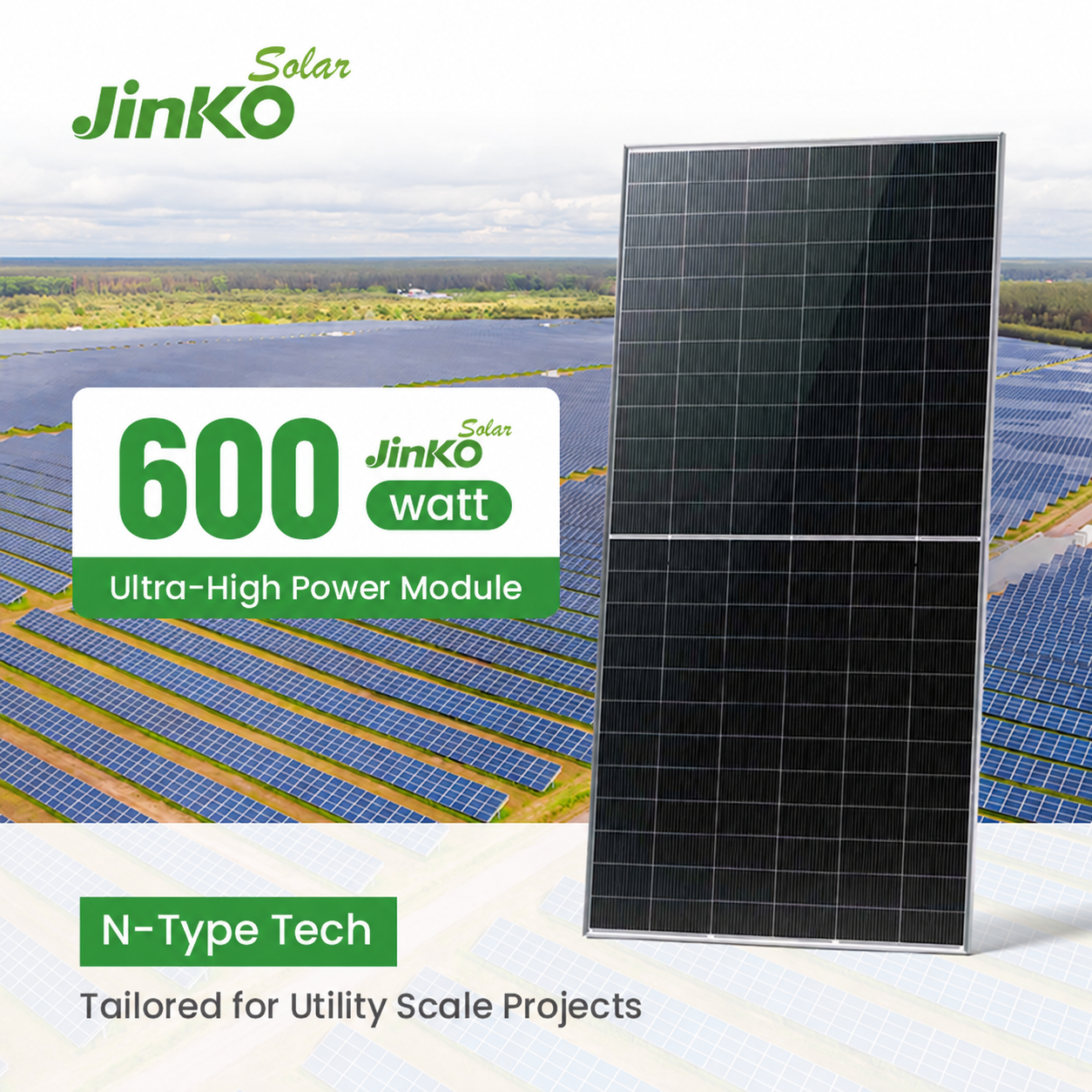
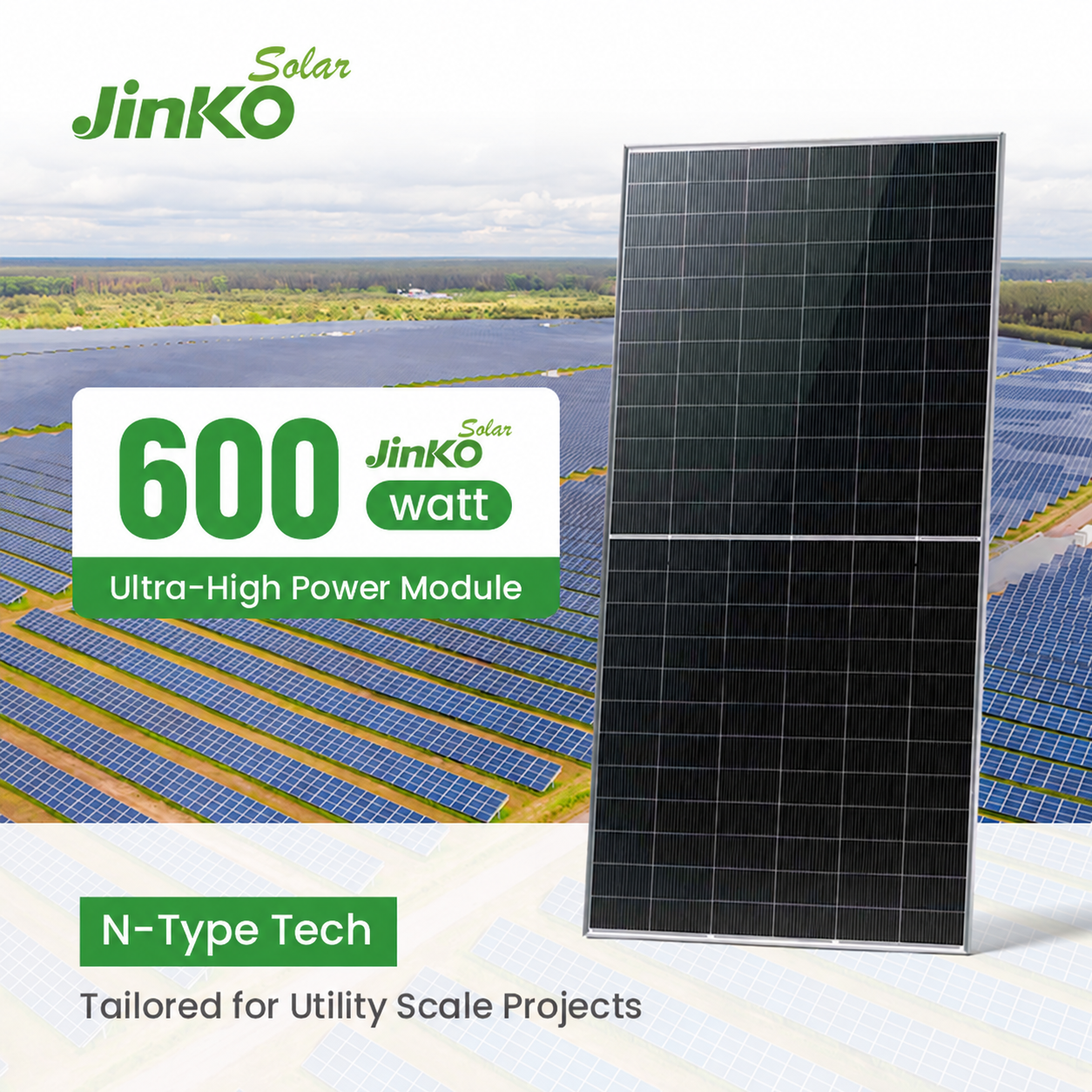
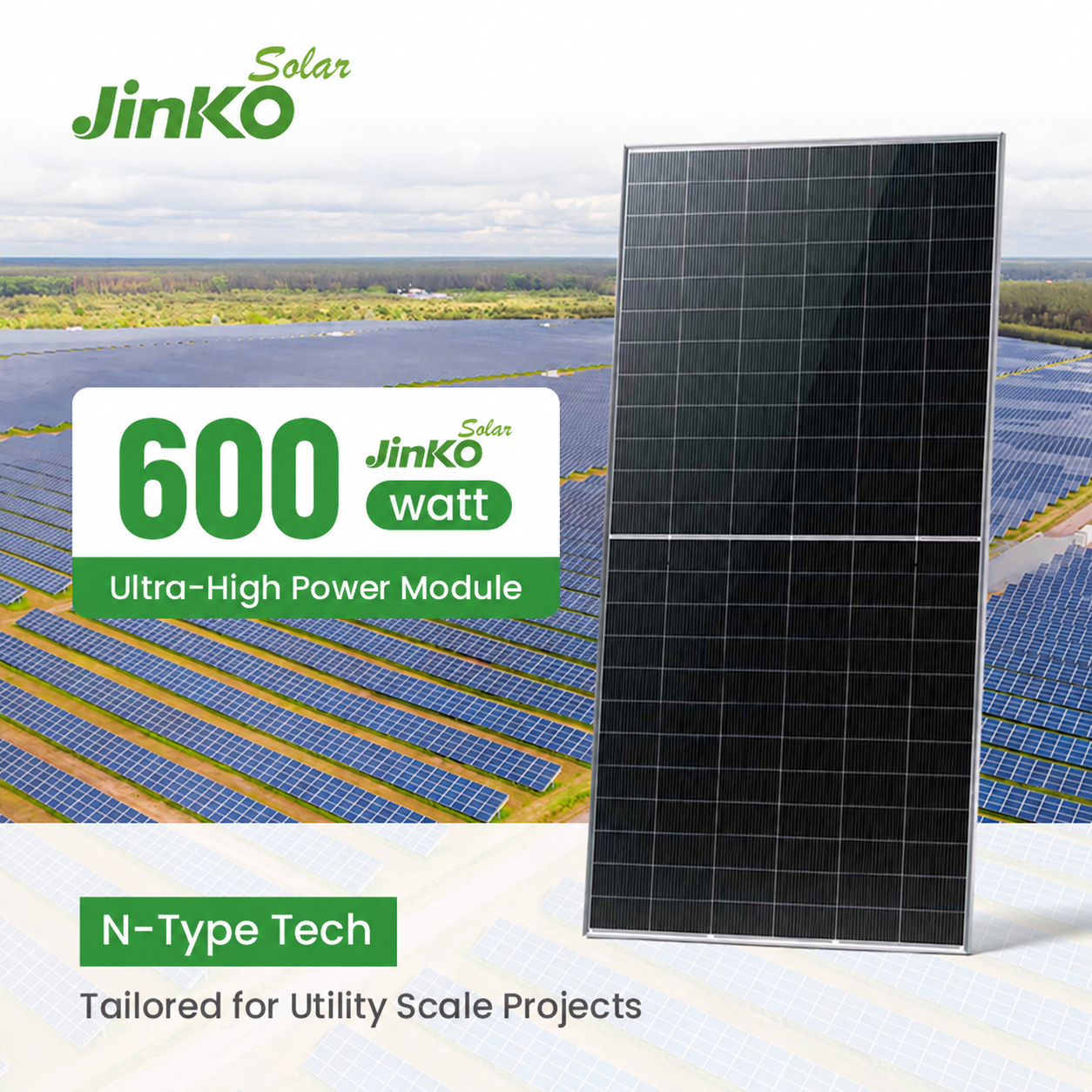
Pairing storage with Jinko N-Type TOPCon dual-glass panels. The dual 2.0mm tempered glass sandwich design eliminates cell micro-cracks during extreme aerodynamic wind uplift common to tropical cyclones.
- Certified mechanical load: 5400 Pa snow / 2400 Pa dynamic wind
- Anti-PID, anti-leaching, and IEC 61701 Salt Mist Severity Level 6
- Bifacial gain of 10%–25% from white reflective flat concrete roofs
- Lower temperature coefficient (-0.30%/°C) ensures midday power
Field Applications
Localized Deployment Scenarios Across Grand Bahama
Customized system topographies meeting the distinct zoning, regulatory, and physical infrastructure requirements of residential communities, canal front villas, and private estate compounds in Freeport.
Canal-Front & Coastal Luxury Villas
Villas along Fortune Bay and Lucaya require zero-noise, non-polluting backup power capable of running central 5-ton HVAC compressors, water desalinators, and boat lift winches through extended grid outages without relying on volatile diesel deliveries.
Urban Residential Load Shaving
In downtown Freeport and suburban neighborhoods, homeowners deploy 5kW to 12kW split-phase hybrid inverters with 10kWh–20kWh LFP storage to absorb midday solar generation and discharge during GBPC peak tariff hours, cutting electric utility bills by up to 85%.
Commercial & Small Business Continuity
Supermarkets, medical dispensaries, and IT service providers across the Freeport International Bazaar and port areas utilize modular 30kW–50kW battery cabinets to protect critical inventory refrigeration, point-of-sale servers, and security networks without flickering.
Remote Out-Island Off-Grid Compounds
For eco-resorts and off-grid residential estates on East End or West End Grand Bahama where utility infrastructure is unavailable, complete microgrids pairing 20kW+ solar arrays with 40kWh–100kWh LFP battery banks provide total energetic autonomy 365 days a year.
System Sizing Reference
Standard Residential Energy Storage Configurations for the Bahamian Market
Every package includes matched CAN/RS485 communication protocols, Class 9 DG transport documentation, split-phase balancing, and factory pre-commissioning.
| System Scale | Typical Daily Load | Recommended Inverter | LFP Storage Capacity | Solar PV Array Match | Target Local Application |
|---|---|---|---|---|---|
| Essential Backup (5kW) | 12 - 18 kWh/day | Deye 5kW Split-Phase 120/240V | 10.24 kWh (2x 5.12kWh 48V) | 5.8 kWp (10x Jinko 585W TOPCon) | Lights, WiFi, refrigeration, fans, security |
| Standard Whole-Home (8kW) | 22 - 35 kWh/day | Deye 8kW Split-Phase 120/240V | 15.36 kWh (3x 5.12kWh 48V) | 9.5 kWp (16x Jinko 600W TOPCon) | Full home backup + single 3-ton inverter AC |
| Heavy Residential (12kW) | 40 - 65 kWh/day | Deye 12kW Split-Phase 120/240V | 20.48 - 30.72 kWh (Rack/Stack) | 15.1 kWp (24x Jinko 630W TOPCon) | Complete multi-zone AC, pool pump, EV charging |
| Estate Microgrid (24kW+) | 80 - 150+ kWh/day | 2x Deye 12kW in Parallel | 40.96 - 61.44 kWh High-Voltage | 25.2 kWp+ (40x Jinko 630W/650W) | Luxury canal estate, guest cottage, boat hoist |
Market Trajectory
Clean Energy Transition Trends Shaping Grand Bahama
The energy transition landscape in Freeport is experiencing an unprecedented structural shift. Following historic storm events such as Hurricane Dorian, the vulnerability of centralized generation hubs on Grand Bahama has driven private homeowners, electrical contractors, and corporate facility directors toward decentralized, resilient micro-generation. The intersection of three economic and structural drivers is accelerating solar-plus-storage adoption across the island:
1. Volatile Imported Heavy Fuel Oil (HFO) & Tariff Hedging: Grand Bahama Power Company electric rates incorporate fluctuating fuel adjustment charges tied to global crude shipping. During peak thermal generation cycles, residential electricity costs can fluctuate widely between 32¢ and 42¢ per kilowatt-hour. Home solar-plus-storage fixes levelized cost of electricity (LCOE) below 10¢ per kWh over a 15-year lifecycle, presenting compelling return-on-investment parameters for island property owners.
2. GBPC Renewable Energy Rider & Interconnection Standards: Regulatory frameworks administered under the Grand Bahama Port Authority (GBPA) and URCA continue to expand pathways for distributed generation. While utility interconnection agreements frequently govern export limits, our intelligent hybrid inverters feature zero-export limitation sensors (CT clamps) and dynamic frequency regulation, enabling full residential solar generation for self-consumption and battery storage without triggering adverse grid reverse-power lockouts.
3. Resilience Mandates & Microgrid Decoupling: The building codes across Freeport increasingly reward storm preparedness. Homeowners are actively swapping loud, maintenance-heavy diesel gensets for silent LiFePO4 battery banks. Modern installations configure dual inputs where solar remains the primary power source, battery storage handles the baseline night cycle, and existing diesel generators are relegated to secondary emergency backup triggered automatically only when battery state-of-charge (SoC) drops below 15% during prolonged storm conditions.
Factory Verification
Pre-Export Testing, Integration Workshop & Logistics
Direct from our manufacturing and integration hubs in Hangzhou, China. Every battery module, inverter, and pallet of tier-1 photovoltaic panels undergoes rigorous pre-shipment protocol verification before container stuffing.

Prismatic LFP Cell Sorting & Assembly

UN38.3 DG Packaging & Inspection

Consolidated Container Staging

CAN/RS485 Protocol Commissioning
Why Source From Hangzhou VOLT
Solving the Three Greatest Risks for Caribbean Solar Importers
Bahamian contractors and EPC developers cannot afford on-site protocol mismatches, damaged sea-freight shipments, or unresponsive manufacturers 12 time zones away. Here is how our operational engineering guarantees frictionless project deployment.
100% Pre-Shipment BMS Commissioning
The number-one cause of residential storage failure during installation is communication handshaking breakdown between the battery BMS and the hybrid inverter. Prior to sealing any export crate, our Hangzhou test bench runs live CAN/RS485 telemetry checks between your specific battery packs and Deye inverters. You receive verified photo/video documentation and pre-set baud rates, ensuring flawless plug-and-play startup in Freeport.
Consolidated Mixed-Cargo Containers
Importing individual components from disparate factories across Asia multiplies your customs brokerage, demurrage, and port handling fees in Grand Bahama. We consolidate Tier-1 Jinko solar panels, matched LFP battery modules, hybrid inverters, DC combiners, rapid-shutdown boxes, and mounting hardware into single 20ft or 40ft HQ containers with certified Class 9 Dangerous Goods sea-freight clearance.
Direct Tier-1 Warranty Execution
As an authorized OEM and channel distributor for Tier-1 PV and inverter manufacturers, Hangzhou VOLT provides verifiable serial numbers recorded on official proforma commercial documentation. We coordinate warranty claims directly on behalf of Bahamian contractors, providing rapid replacement dispatch and component-level spares without bureaucratic delays.
Procurement Knowledgebase
Frequently Asked Questions for Sourcing to Freeport, Bahamas
Technical, regulatory, logistics, and installation guidance drawn directly from our engineering team and Caribbean distribution network.
How are lithium battery storage systems shipped by sea to the Freeport Container Port? +
Lithium Iron Phosphate (LiFePO4) batteries are strictly classified under maritime international safety law as Class 9 Dangerous Goods (UN3480). Hangzhou VOLT supplies full regulatory compliance dossiers for every order, including official UN38.3 test certification reports, material safety data sheets (MSDS), and sea-transport safety evaluation certificates approved for international ocean carriers. Cargo is secured in reinforced UN-spec wood crates with anti-static and shock-dampening insulation. We coordinate seamless ocean bills of lading (B/L) routing from Ningbo/Shanghai directly to the Freeport Container Port (FCP) on Grand Bahama Island or via Miami/Port Everglades transshipment routes.
Are your hybrid inverters and battery systems compatible with the Grand Bahama electrical grid? +
Yes. Our Deye split-phase residential inverters are specifically manufactured for North American and Caribbean electrical standards: 120V / 240V split-phase, single-phase 120V, and 60 Hz operating frequency. The inverter firmware includes programmable grid-tie, zero-export limitation, and frequency-derating modes compatible with Grand Bahama Power Company (GBPC) grid interconnection guidelines. Additionally, the inverters feature integrated 120V/240V auto-balancing, preventing voltage dips on lighting circuits when high-draw 240V equipment (such as pool pumps or air conditioning units) cycles on.
How do these systems survive Freeport's aggressive salt-air corrosion and tropical storms? +
Every component selected for Freeport export incorporates marine-grade protective measures. The Jinko solar modules feature dual-tempered 2.0mm glass construction with anodized aluminum frames rated for 5400 Pa front load (hurricane wind shear) and certified against IEC 61701 (Salt Mist Corrosion Severity Level 6). The Deye hybrid inverters feature NEMA 4X / IP65 weather-sealed enclosures with triple-proof conformally coated printed circuit boards (PCBs) to resist humidity ingress and saline shorts. For outdoor coastal installations, we recommend mounting LFP battery modules inside weather-tight, air-conditioned or ventilated utility enclosures to ensure optimal cycle life.
Can your storage systems integrate with an existing backup diesel generator? +
Absolutely. Many homes and estates in Freeport already maintain stationary diesel or propane generators. Our hybrid inverters are equipped with dedicated auxiliary AC generator input ports and dry-contact start/stop relay signals. The inverter can intelligently monitor the battery state of charge (SoC). If an extended grid blackout occurs and solar generation is insufficient due to storm cloud cover, the inverter will automatically command the diesel generator to start, synchronize frequencies, supply household loads, and recharge the battery bank simultaneously, shutting down the generator as soon as the batteries reach 90% SoC to conserve fuel.
What is the practical difference between 48V low-voltage and 400V high-voltage battery storage? +
Low-voltage (48V / 51.2V) LFP systems are the most popular for residential applications between 5kW and 12kW inverter output. They operate at safe touch voltages, allow easy parallel scaling (adding 5.12kWh modules over time), and are widely serviceable by local electricians. High-voltage (HV 160V–500V) battery stacks are ideal for larger estates requiring 15kW to 50kW continuous power. HV architectures offer slightly higher round-trip conversion efficiency (97.5% vs 95%), thinner DC copper cabling runs, and superior response times for running multiple heavy commercial HVAC systems simultaneously. Hangzhou VOLT supplies both low-voltage and high-voltage platforms matched to your project requirements.
How does Hangzhou VOLT handle warranty execution and replacement parts in the Bahamas? +
All products come with genuine manufacturer backed warranties: 25 to 30 years linear performance warranty on Jinko solar modules, 5 to 10 years on Deye hybrid inverters, and 5 to 10 years (or 6,000 cycles) on our LiFePO4 battery modules. Because each system is recorded with component serial numbers upon factory testing, warranty claims are processed rapidly by our dedicated B2B engineering team. For certified distributors and EPC contractors in the Bahamas, we provide critical spare parts kits (replacement BMS boards, inverter power boards, and communication cards) that can be dispatched via air freight to Grand Bahama within days to guarantee client uptime.
Equip Your Freeport Solar Projects with Certified Energy Storage Systems
Whether you are an electrical contractor bidding on canal-front luxury residences, a commercial business hedging against rising fuel tariffs, or an island distributor seeking factory-direct pricing on consolidated containers, our engineering team is ready to optimize your system configuration.