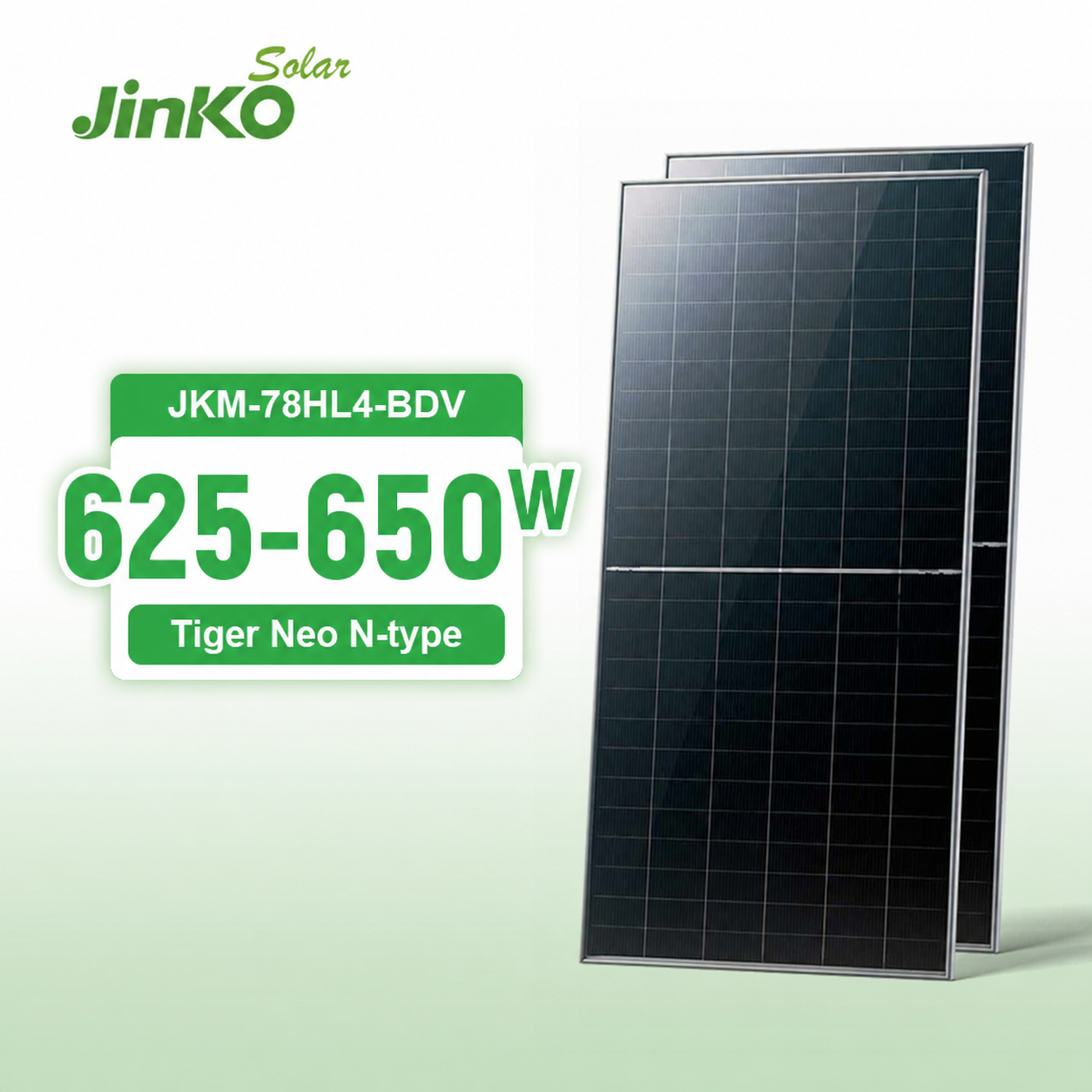
TOPCon Bifacial
Jinko N Type Bifacial Pv Panels 650W 630W 645W Double Glass Module
Ultra-high efficiency dual-glass architecture delivering superior rear-side gain on reflective rooftop tiles.
High-Yield Tier-1 Jinko N-Type PV Modules, Intelligent Deye Hybrid Inverters & LiFePO4 Lithium Batteries Engineered for Grid Instability in Beirut, Mount Lebanon, Bekaa & Tripoli
Verified hardware engineered to withstand severe grid rationing, fluctuating generator bus voltages, and intense Mediterranean sunlight.
Ultra-high efficiency dual-glass architecture delivering superior rear-side gain on reflective rooftop tiles.
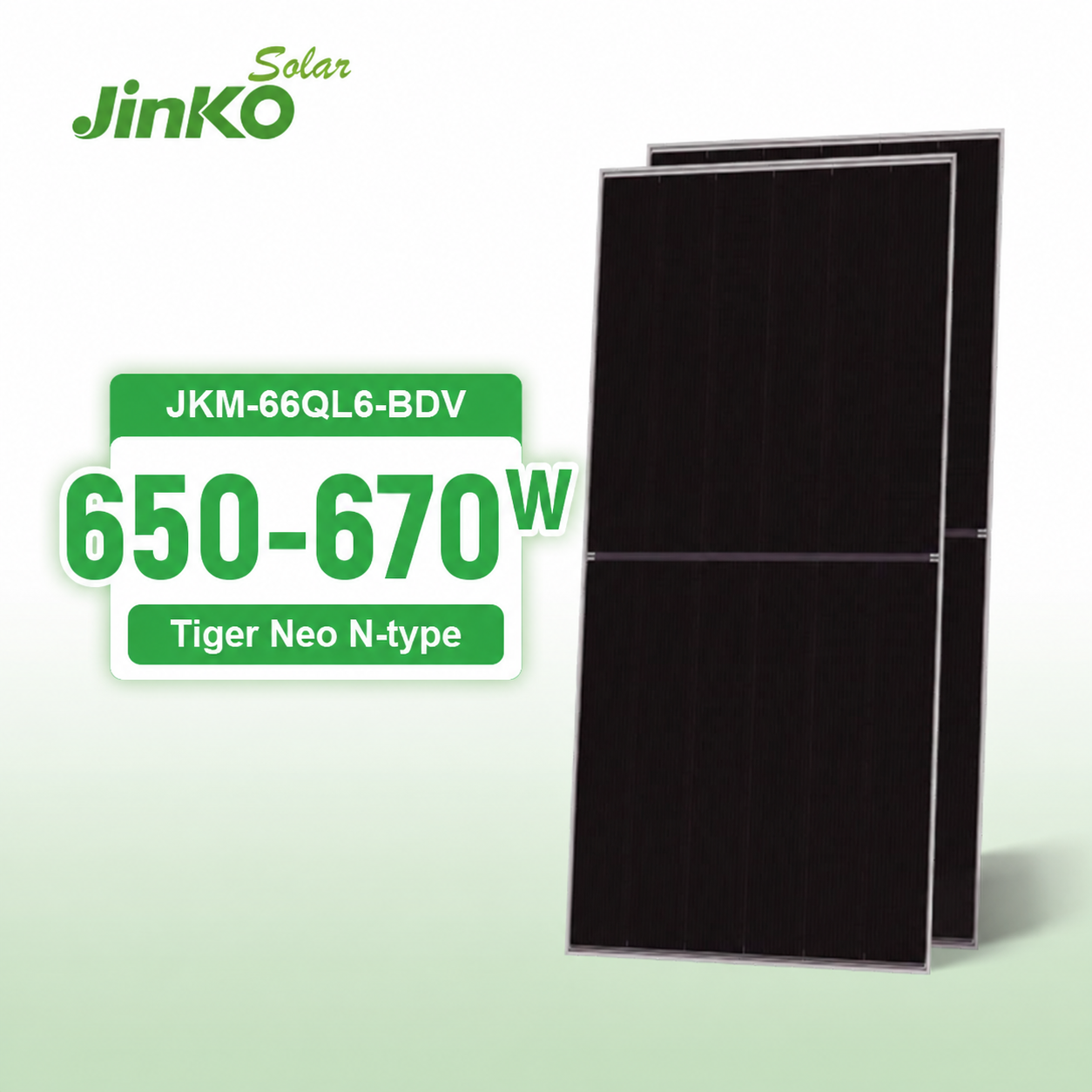
Optimized temperature coefficient (-0.30%/°C) ensuring reliable high-current generation during peak Lebanese summers.
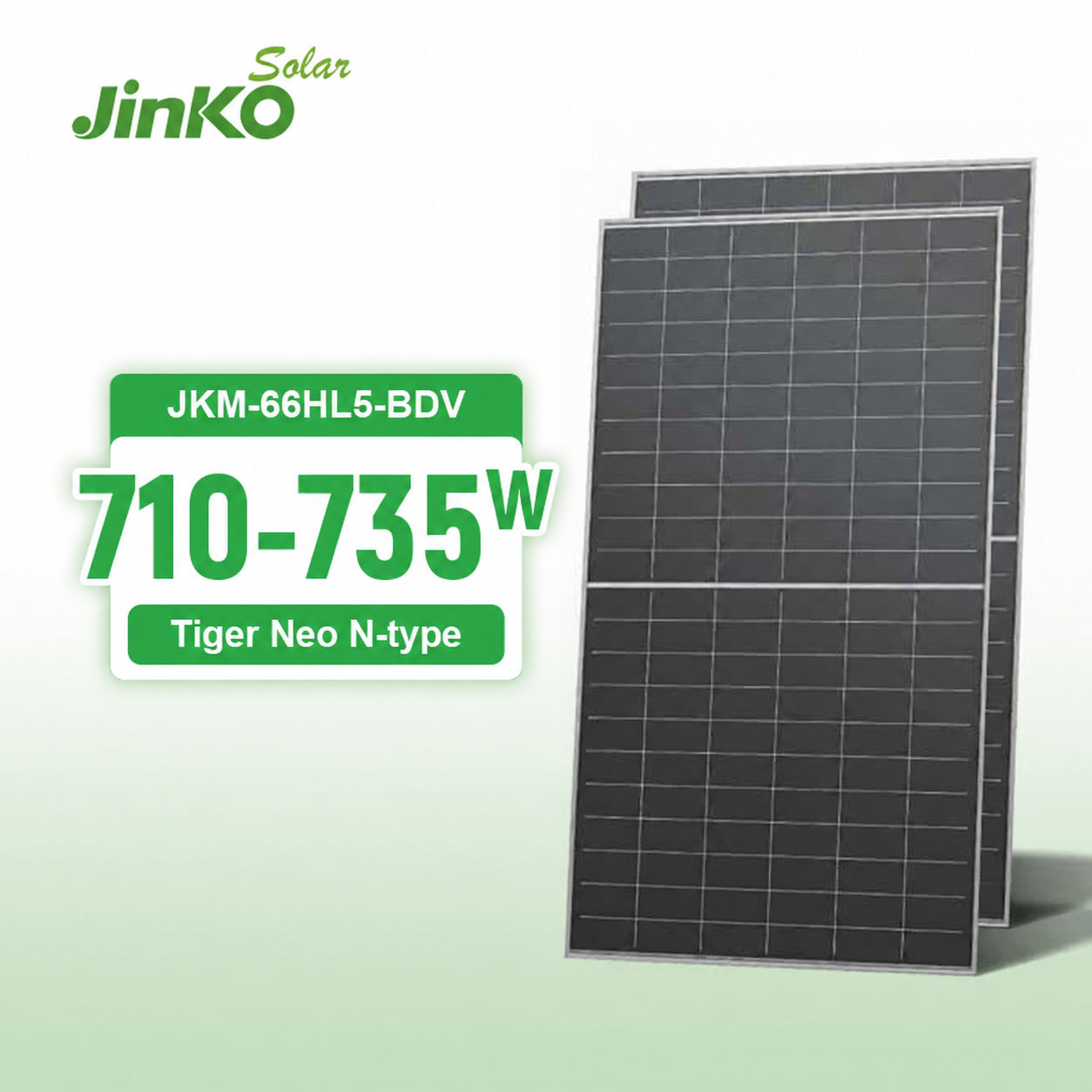
Maximum-footprint output suited for large residential estates, commercial facilities, and rural farm off-grid setups.
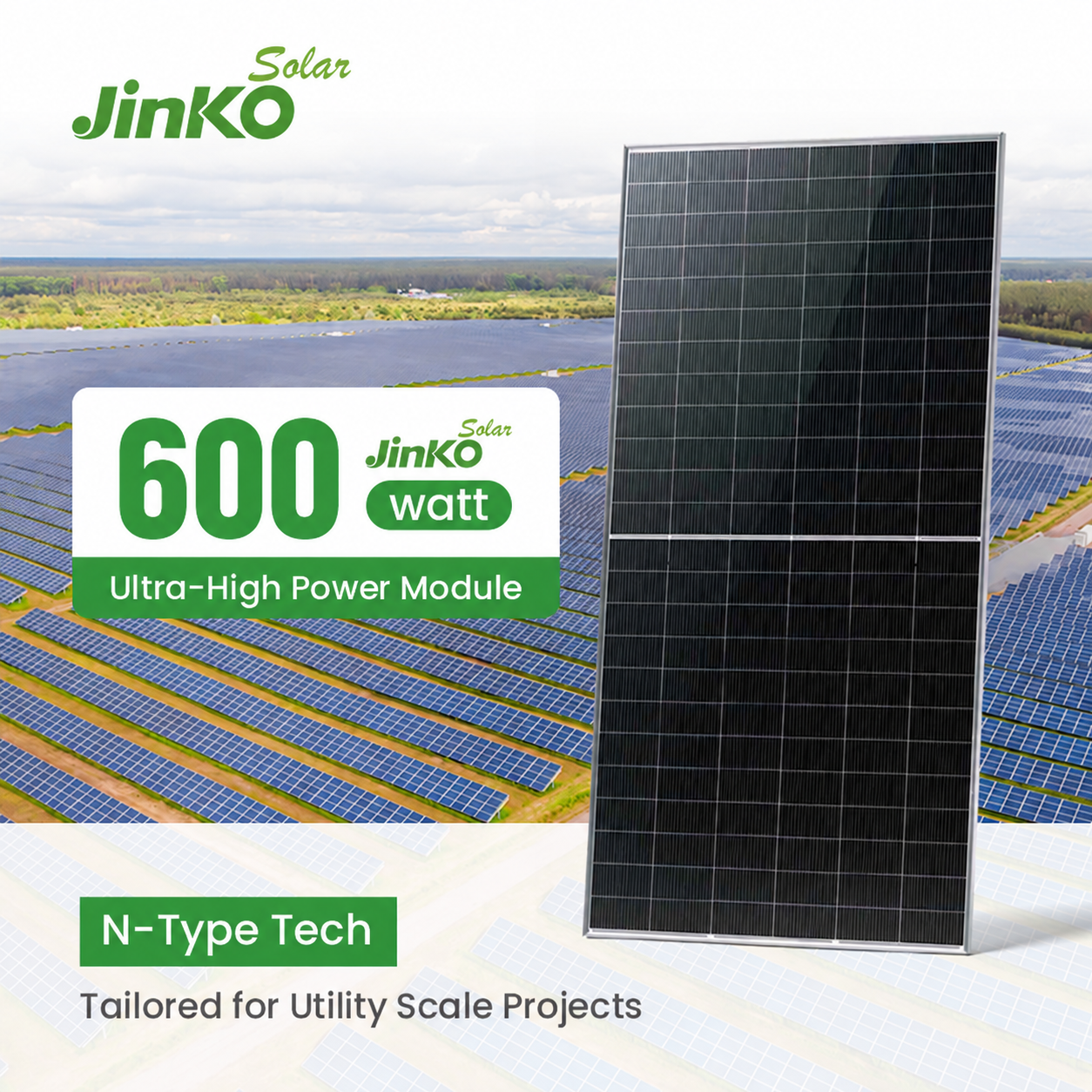
Ergonomic residential sizing tailored for urban Beirut terraces, rooftop concrete slabs, and limited surface areas.
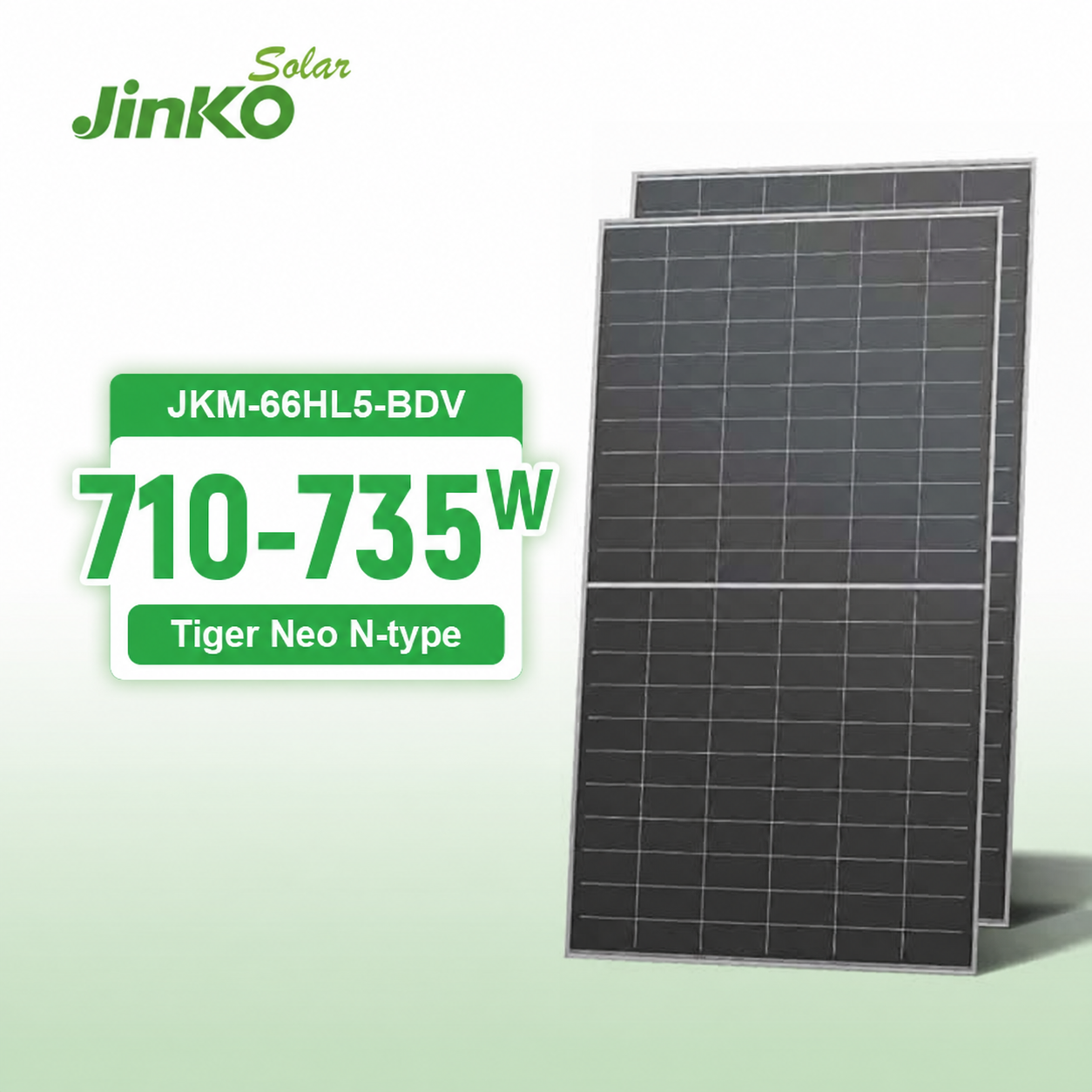
Bulk wholesale supply delivering balanced low levelized cost of energy (LCOE) for residential mini-grids and businesses.
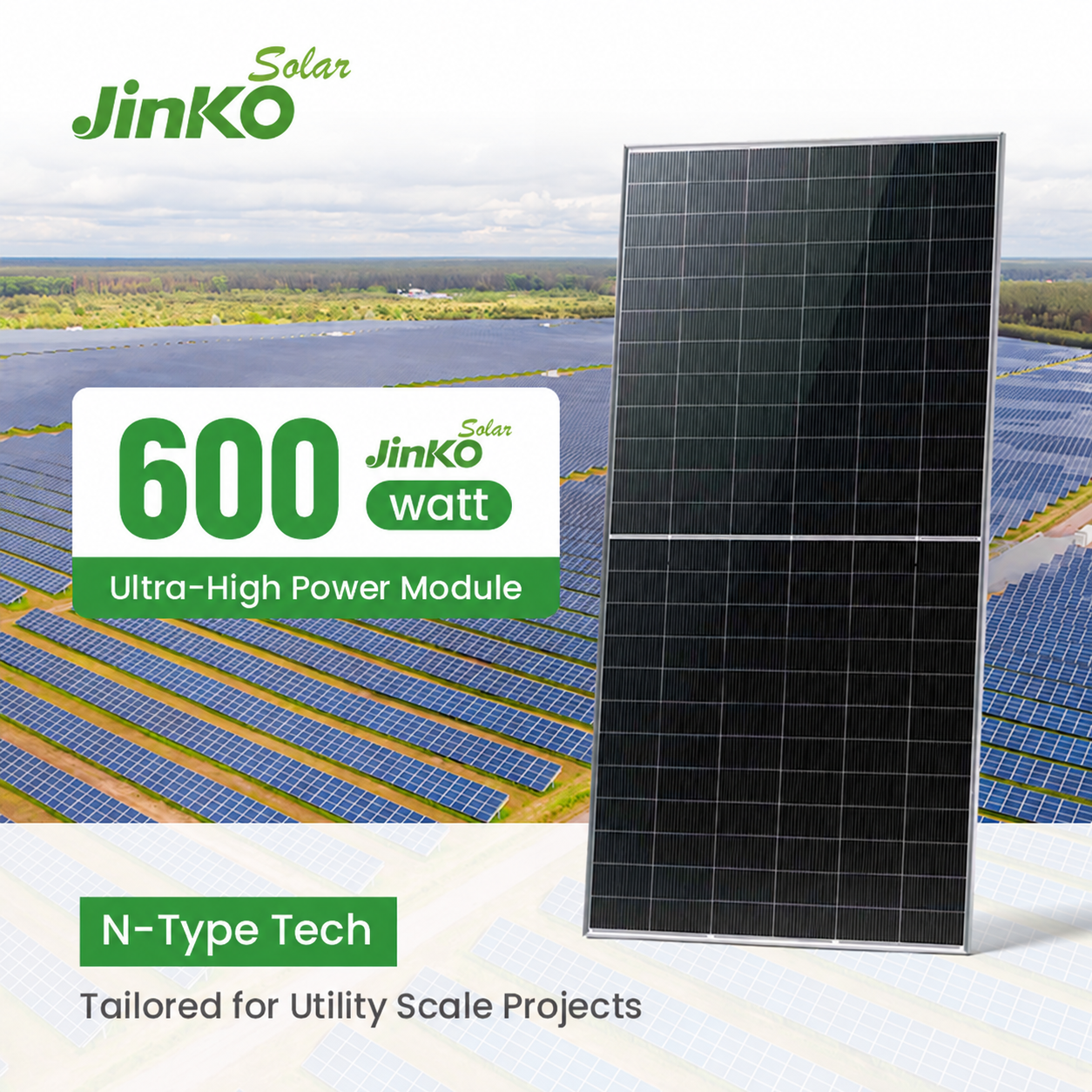
Enhanced zero-permeability dual glass encapsulant providing protection in maritime saline atmospheres along the coast.
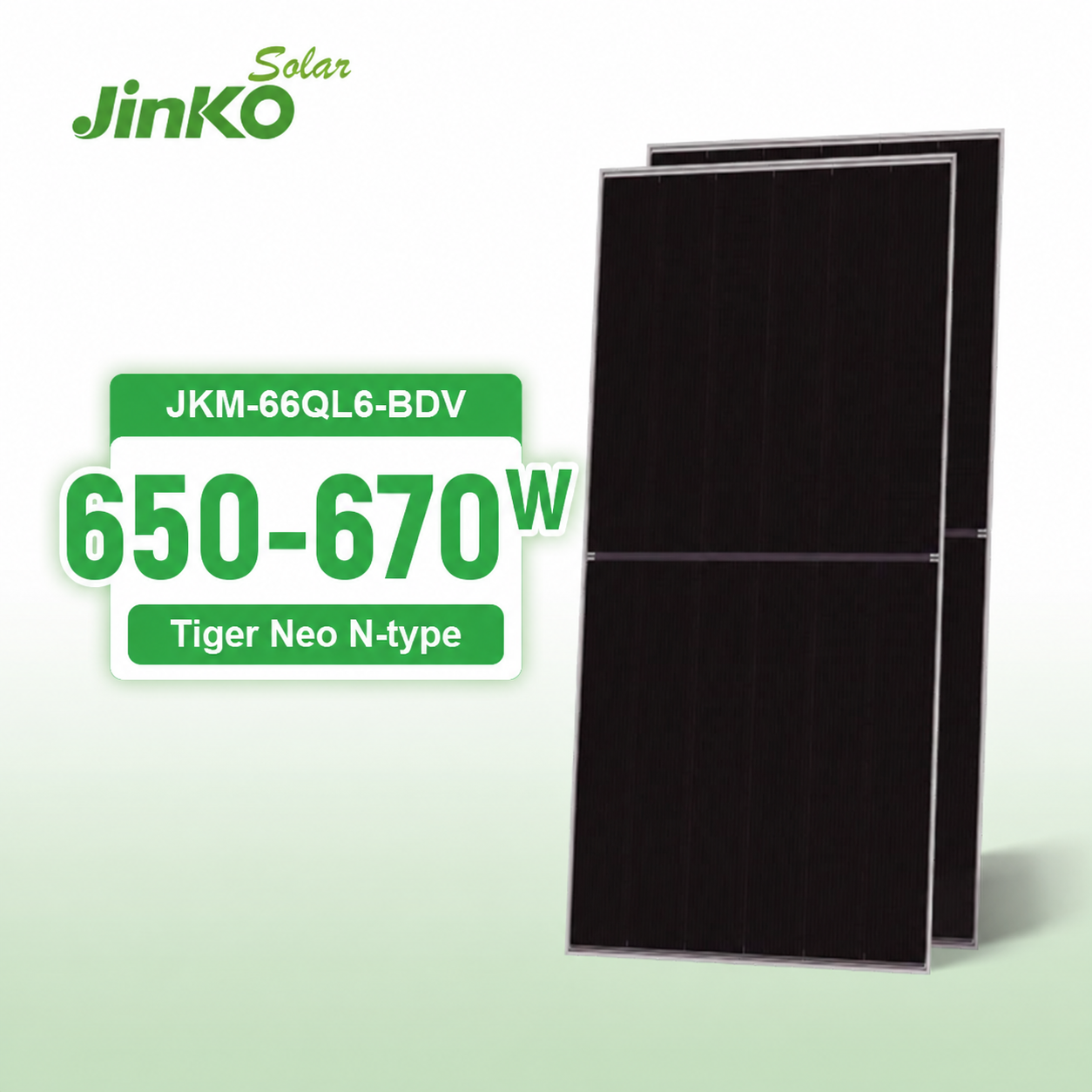
Factory palletized mixed-container compatibility ready for immediate customs release and project engineering.
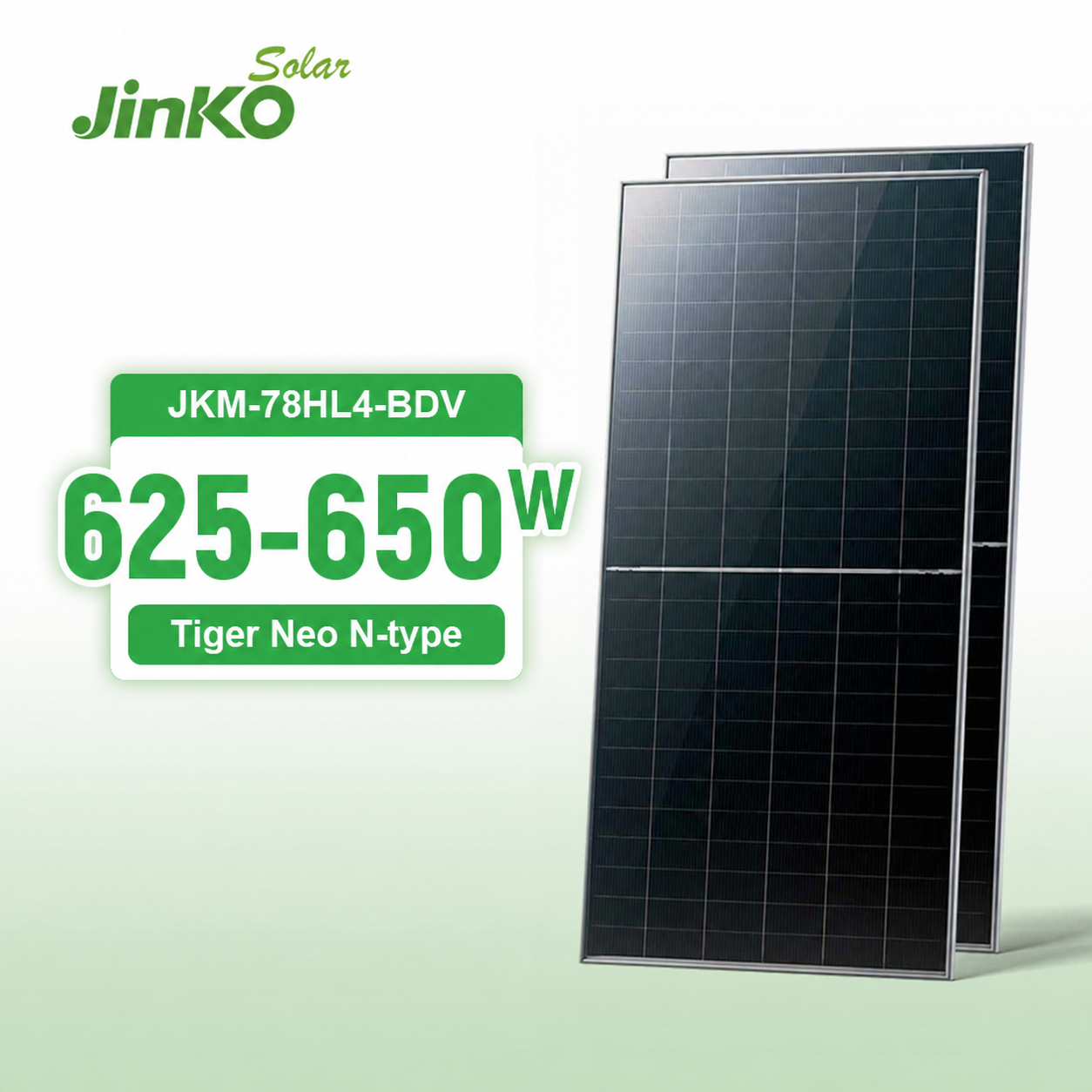
Balanced current output engineered specifically to integrate with Deye single-phase and three-phase hybrid inverters.
Operating a residential energy storage system (HESS) in Lebanon requires an engineering approach distinct from typical Western European or North American scenarios. In regions with reliable utility networks, solar storage primarily performs peak-shaving, time-of-use (TOU) arbitrage, or brief emergency backup. In Lebanon, the grid functions under a persistent structural deficit.
With Electricité du Liban (EDL) supplying power intermittently—often restricted to 2 to 4 hours per day—residential systems operate in an islanded or micro-islanded state. The electrical topology of Lebanese homes involves three overlapping, asynchronous sources: unstable EDL state grid, unregulated neighborhood diesel generator subscriptions ("ishtarāk"), and private rooftop photovoltaic systems paired with battery storage.
Standard solar inverters often fail in the Lebanese operating environment because they treat all AC input as an infinite, clean grid. Hangzhou VOLT New Energy supplies integrated Deye hybrid inverter solutions tailored with dry-contact generator management and configurable input limits. This allows Lebanese residential systems to execute precise multi-stage operational logic:
During daylight hours, Jinko N-Type TOPCon bifacial modules prioritize primary residential loads while routing excess current into 51.2V LiFePO4 battery modules via high-tracking MPPTs. If the battery bank drops below a user-defined Depth of Discharge (DoD) during night hours, the system avoids drawing high-cost diesel power by default. Instead, it maintains a critical load buffer and auto-triggers generator auxiliary inputs only when solar and stored capacity are fully depleted, running the generator strictly within its highest efficiency curve (70%–80% load).
From high-density coastal apartment complexes to high-altitude mountain villas, storage systems must meet distinct geographical, structural, and electrical conditions.
Where roof space is constrained among co-owners in Achrafieh, Hamra, or Verdun, space optimization is key. Compact wall-mounted 51.2V 100Ah/200Ah LFP packs pair with high-wattage Jinko 585W–600W modules to maximize limited surface area. Systems operate under 10ms transfer speeds to protect computing hubs, networking infrastructure, and medical equipment during abrupt EDL disconnections.
Residential homes in Broummana, Beit Mery, and Aley require robust three-phase configurations (Deye 8kW–12kW Low/High Voltage) capable of supporting central HVAC, borehole water pumps, and refrigeration. Stackable LiFePO4 batteries provide 20kWh to 40kWh of capacity, ensuring reliable off-grid operation through extended winter snowstorms and cloudy spells.
Homes attached to agricultural operations in Zahle, Baalbek, and West Bekaa experience sharp day-night temperature swings (-5°C to 42°C). Dual-glass Jinko 650W–720W bifacial modules capture albedo gain from dry or reflective soil, while smart BMS-regulated battery banks withstand thermal cycling without cell degradation.
The energy market in Lebanon has evolved from simple emergency battery replacements to sophisticated multi-tier hybrid installations. Understanding this evolution helps local distributors and EPC contractors build resilient supply pipelines.
Between 2020 and 2022, sudden grid failure led to widespread adoption of deep-cycle tubular flooded and GEL batteries due to lower initial costs. However, daily 100% deep cycling under erratic recharging schedules led to rapid capacity loss, requiring battery replacements every 12 to 18 months.
By comparison, Lithium Iron Phosphate (LiFePO4) chemistry delivers 6,000+ continuous cycles at 80% Depth of Discharge. With an energy density triple that of conventional GEL banks and a round-trip efficiency exceeding 95% (compared to 75%–80% for lead solutions), LFP technology reduces levelized storage costs. Systems charge rapidly during brief 2-hour EDL or generator power windows without sulfation damage.
Early installations frequently operated in "Voltage Mode" (lead-acid emulation), which caused premature charging cutoffs and inaccurate State-of-Charge (SoC) calculations. Modern Lebanese installers now prioritize direct closed-loop CAN/RS485 protocol communication between the storage BMS and the hybrid inverter. Pre-configured protocol matching eliminates BMS communication faults on startup, ensuring real-time monitoring of cell voltages, temperatures, and charging currents.
Monthly subscription costs for neighborhood diesel generators (priced in USD per 5A or 10A breaker limit) remain high and volatile. Modern home storage systems are engineered to amortize these expenses. By deploying smart peak-shaving settings, households can downsize their generator subscriptions from 20A to 5A, relying on lithium battery banks to absorb momentary motor surges from refrigerators and air conditioning units.
Eliminating field incompatibility, shipping delays, and customs roadblocks through strict engineering oversight and complete solar-storage kits.

Every inverter and battery pairing undergoes pre-shipment protocol matching (CAN/RS485), cable pin-out validation, and voltage profile testing at our Hangzhou facility to eliminate commissioning errors on site.

Comprehensive inspection protocols covering cell voltage balancing, insulation resistance, high-pressure dielectric tests, and casing finishes, backed by complete photo and video reports provided before departure.

Direct consolidated shipping of Tier-1 Jinko solar panels, Deye inverters, and Class 9 UN38.3/MSDS certified LiFePO4 hazardous cargo, streamlining customs clearance at Beirut Port.

Complete project support: load curve analysis, string calculation, single-line wiring diagrams (SLD), and remote configuration assistance for local engineering and installer teams.
Practical answers addressing local voltage stabilization, logistics, and battery-inverter integration.
Consult with our engineering team for load profiles, single-line wiring diagrams, product matching, and container shipments to Beirut, Tripoli, or regional hubs.
Inquire Now