Engineered Solar Inverters & Tier-1 High-Power PV Modules
Direct supply-chain sourcing and rigorously verified configurations ensuring seamless CAN/RS485 communication, anti-PID longevity, and maximum yield under harsh desert solar irradiance.
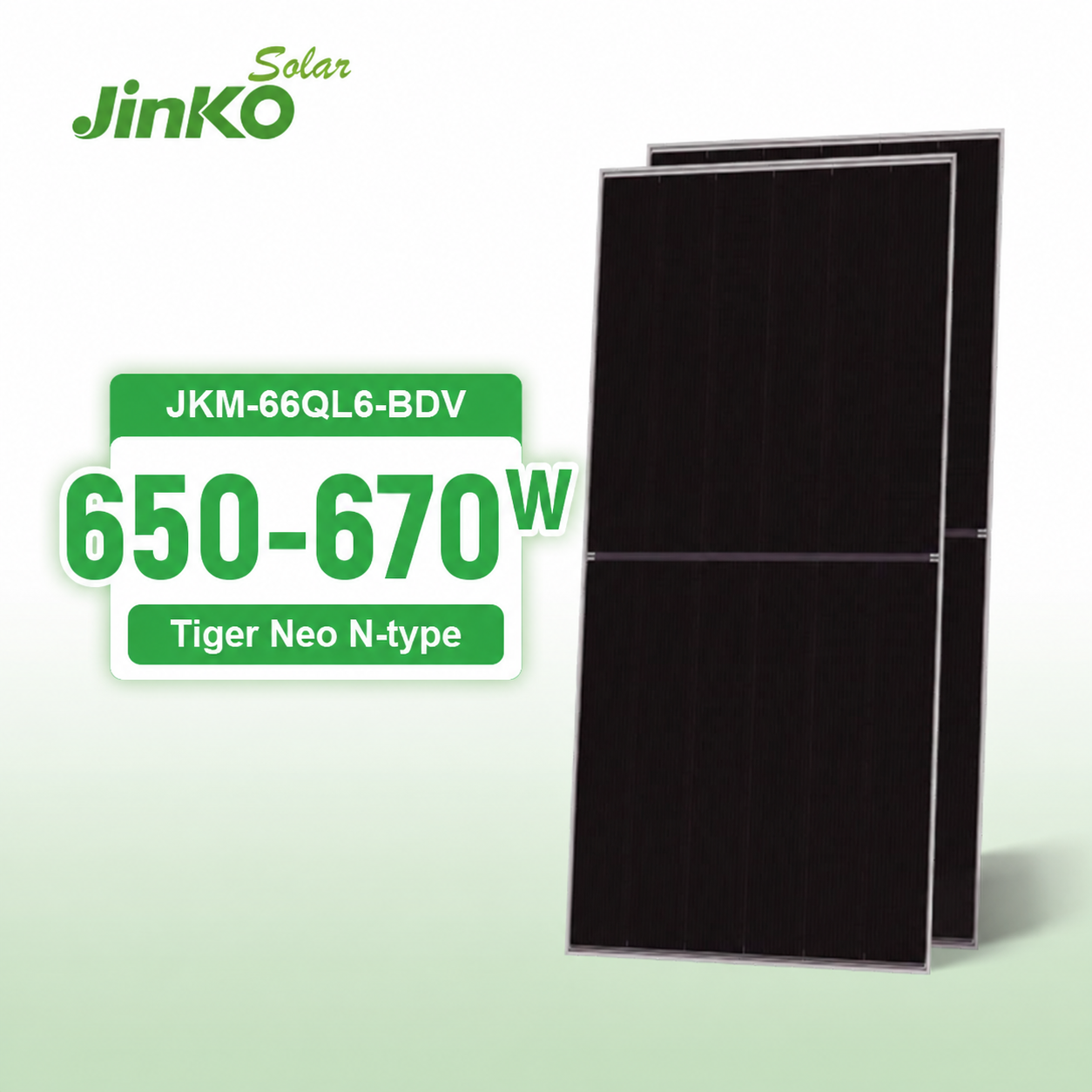
- Bifaciality up to 80%
- Dual 2.0mm tempered glass
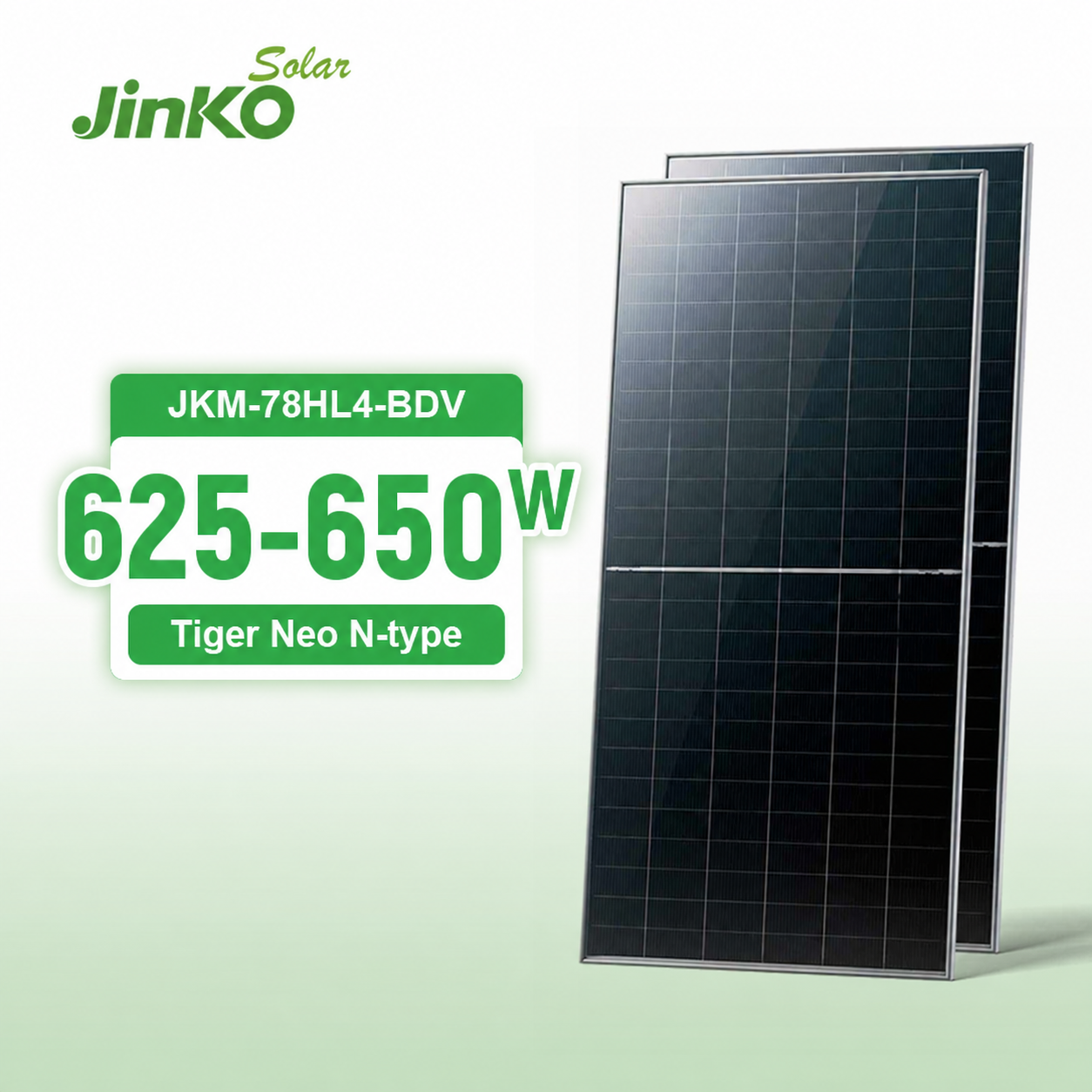
- SMBB technology enhancement
- Optimized for C&I inverters
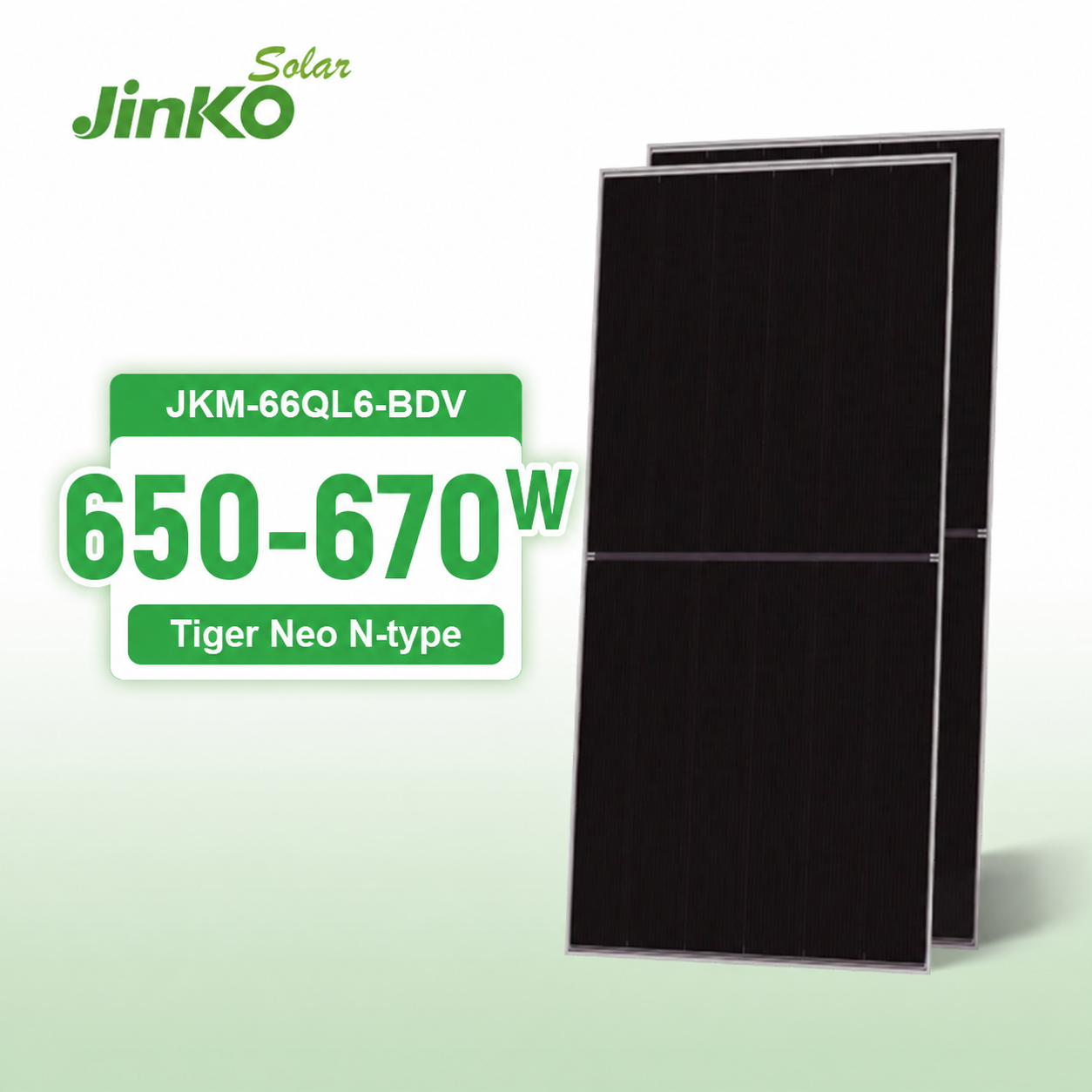
- Low temperature coefficient (-0.29%/°C)
- Anti-dust & sand abrasion certified
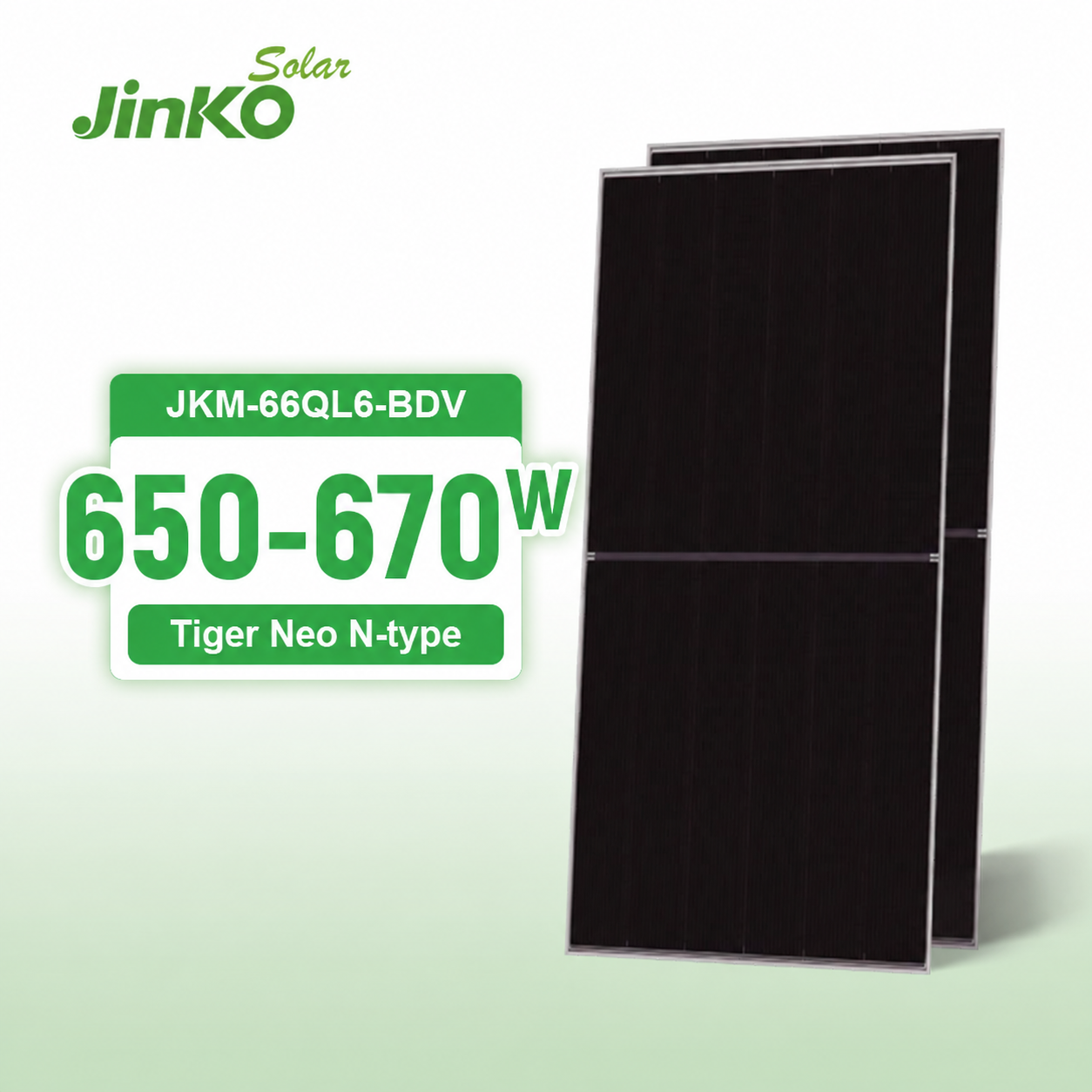
- Module efficiency up to 22.8%
- Zero Light Induced Degradation (LID)
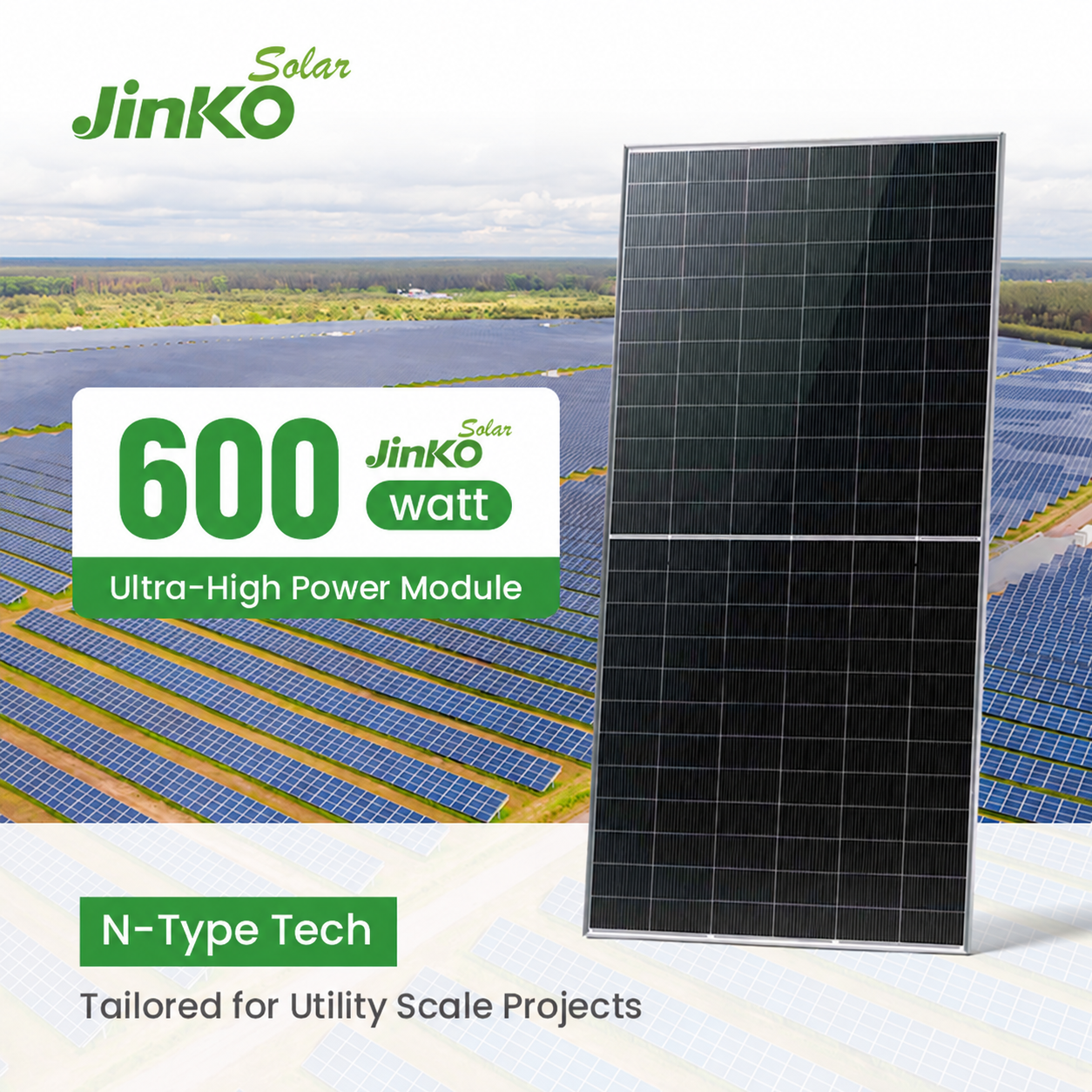
- Optimized physical dimensions
- High mechanical load tolerance (5400Pa)
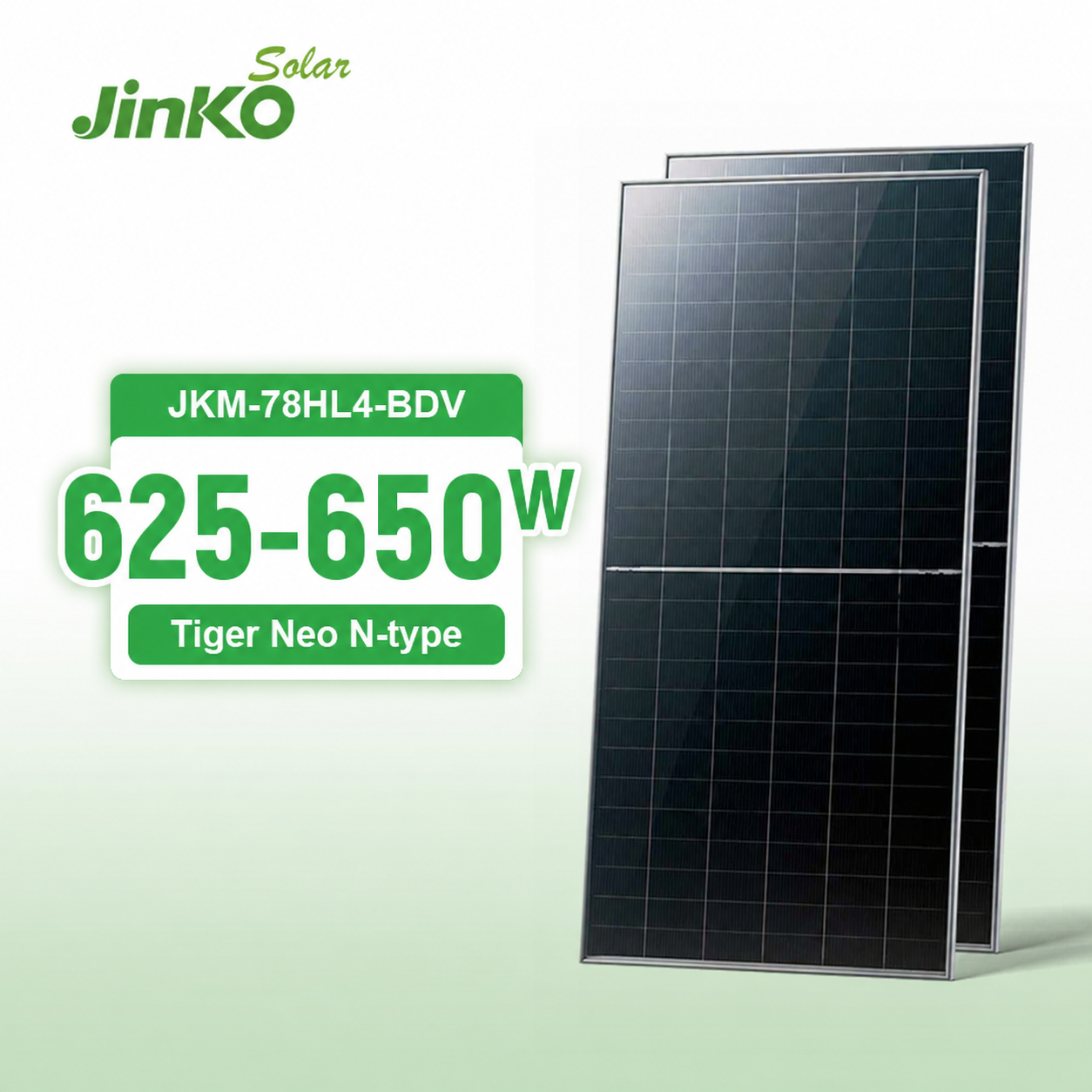
- Standard 1500V DC system compatibility
- High-density packaging for container shipping
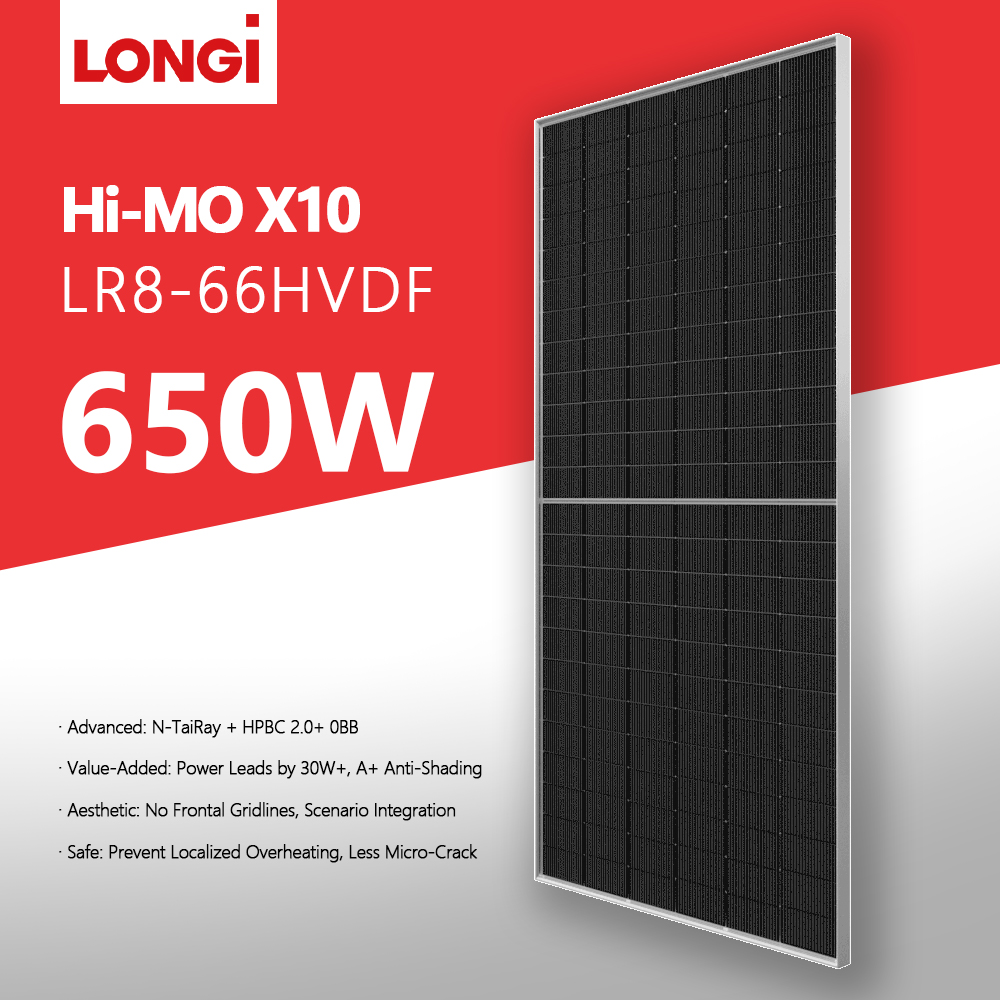
- Full rooftop kit with matched inverter
- Commercial shopping mall & factory rated
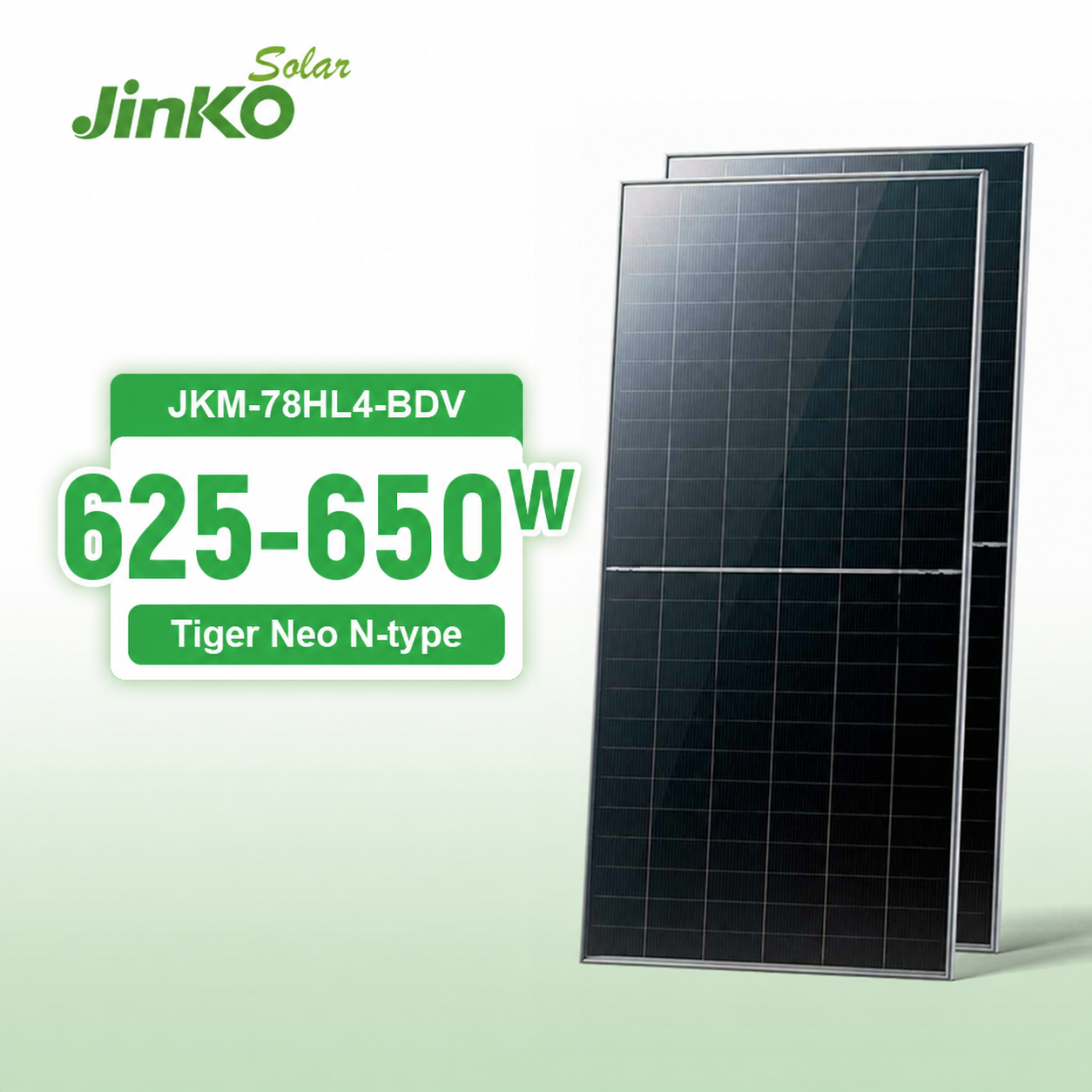
- Superior albedo performance on sandy ground
- Resistant to ammonia, acid, and salt air
Engineering Solar Inverter Topologies for Iran's Grid Infrastructure
Iran possesses one of the highest solar irradiance profiles in the Middle East, with vast geographical zones receiving between 2,000 to 2,200 kWh/m² per annum across roughly 300 clear sunny days. However, operating photovoltaic systems in regions such as Kerman, Yazd, Fars, and Khuzestan introduces acute physical and electrical challenges: prolonged ambient temperatures exceeding +45°C, high dust deposition rates (causing significant soiling losses and hot-spot risks), and intermittent voltage fluctuations on rural medium-voltage distribution lines.
As authorized exporters and system integrators specializing in Tier-1 solar technologies, Hangzhou VOLT New Energy Technology Co., Ltd. supplies complete, field-tested Huawei string inverter solutions (from SUN2000-8KTL to utility-grade SUN2000-330KTL-H1) integrated with premium Tier-1 mono and bifacial N-type TOPCon modules. Our engineering teams bridge the gap between Chinese factory-gate production and local EPC deployment across Iran, ensuring rigorous protocol matching, robust thermal management, and reliable pre-shipment quality assurance.
Smart I-V Curve Diagnostics
Online scanning through advanced string inverters identifies string faults, shading anomalies, and cell degradation across large arrays in minutes without requiring on-site technicians.
Severe Thermal Derating Resistance
Equipped with natural cooling or intelligent external fan dissipators designed to operate at full unconstrained active power output at ambient temperatures up to +40°C or +50°C.
AFCI Precision Arc Protection
AI-driven Arc Fault Circuit Interruption shuts down hazardous DC arcing in less than 0.5 seconds, delivering essential safety for rooftop installations on commercial buildings and factories.
Market Trends: The Accelerating Renewable Energy Transition in Iran
Iran’s Ministry of Energy and SATBA (Renewable Energy and Energy Efficiency Organization) have committed to adding substantial renewable capacity to reduce domestic natural gas burn in thermal power stations. Industrial plants, cement factories, steelworks, and agricultural irrigation sites face increasing summer peak load shedding, driving massive investment into self-consumption solar microgrids and off-grid hybrid power plants.
Key market drivers reshaping the procurement landscape include:
- Mandatory Industrial Solar Targets: Regulations requiring heavy energy consumers to source at least 5% of their electricity consumption from renewables or face peak-hour tariff penalties.
- Shift from Central Inverters to Distributed String Systems: Engineering preference for multi-MPPT string inverters due to easier maintenance, reduced single-point failure risks, and simplified spare parts inventory.
- High-Altitude Compensation: Solar plants sited at altitudes exceeding 1,500m (common in Central Iran) require strict component derating checks for breakdown insulation voltage and air density cooling effects.
Localized Solar Applications Across the Iranian Plateau
Proven photovoltaic architectures designed for Iran’s varied climates, from arid deserts to highland agricultural basins.
Industrial Rooftops
Steel, ceramic, and manufacturing zones around Isfahan and Tabriz deploy 50kW–100kW string inverters to curb factory operational expenses and maintain production during peak grid cuts.
Desert Utility MW Farms
Ground-mounted megawatt plants in Yazd, Kerman, and Fars pair bifacial dual-glass modules with 1500V multi-MPPT inverters to capitalize on high albedo reflections from sandy soil.
Agricultural Water Pumping
Pistachio and date orchards across Kerman and Rafsanjan replace costly diesel generators with solar-driven deep-well pumps using hybrid and off-grid inverter kits with energy storage.
Remote Telecom & Mining
Off-grid repeater stations and mining complexes in mountainous frontier areas utilize hybrid inverters coupled with robust LFP or colloidal GEL battery banks for uninterrupted DC/AC power.
Why Sourcing with VOLT New Energy Delivers Complete Project Confidence
Direct supply partnerships, pre-shipment protocol verification, and export-compliant freight consolidation.

Pre-Shipment Protocol Verification
Every inverter and energy storage pack is pre-configured and tested for matching RS485/CAN communication protocols before container loading, preventing field communication errors on arrival.

Rigorous Optical & EL Testing
Our Quality Control teams conduct EL (electroluminescence) crack checks, visual inspections, and high-voltage insulation tests in Hangzhou warehouses, accompanied by inspection reports and video documentation.

Consolidated Mixed-Cargo Logistics
We streamline the supply chain by consolidating Tier-1 PV modules, matching inverters, battery cabinets, mounting structures, and DC circuit protection in one single shipment with all export paperwork.
Frequently Asked Questions by Iranian EPCs & Sourcing Managers
Direct technical answers addressing system sizing, cooling performance, customs clearance, and warranty management.
1. How do Huawei string inverters perform under desert ambient temperatures above +45°C?
2. How do high DC:AC capacity ratios benefit installations in Central Iran?
3. What logistics and shipping documentation is provided for port clearance?
4. Can we mix Huawei inverters with Jinko or LONGi high-power bifacial modules?
5. What warranty and post-sale technical support do you provide?
Request Matched Inverter & PV System Pricing
Share your target capacity, operating environment, and project timelines. Our solar engineering team will prepare a matched Bill of Materials (BOM), string layout calculations, and export quotation within 24 hours.