Tier-1 Photovoltaic Modules & Hybrid Storage Inverters
Pre-engineered string inverters, hybrid power conversion systems, and ultra-high-efficiency N-Type TOPCon bifacial modules optimized for Cartagena's tropical maritime irradiance and high thermal coefficients.
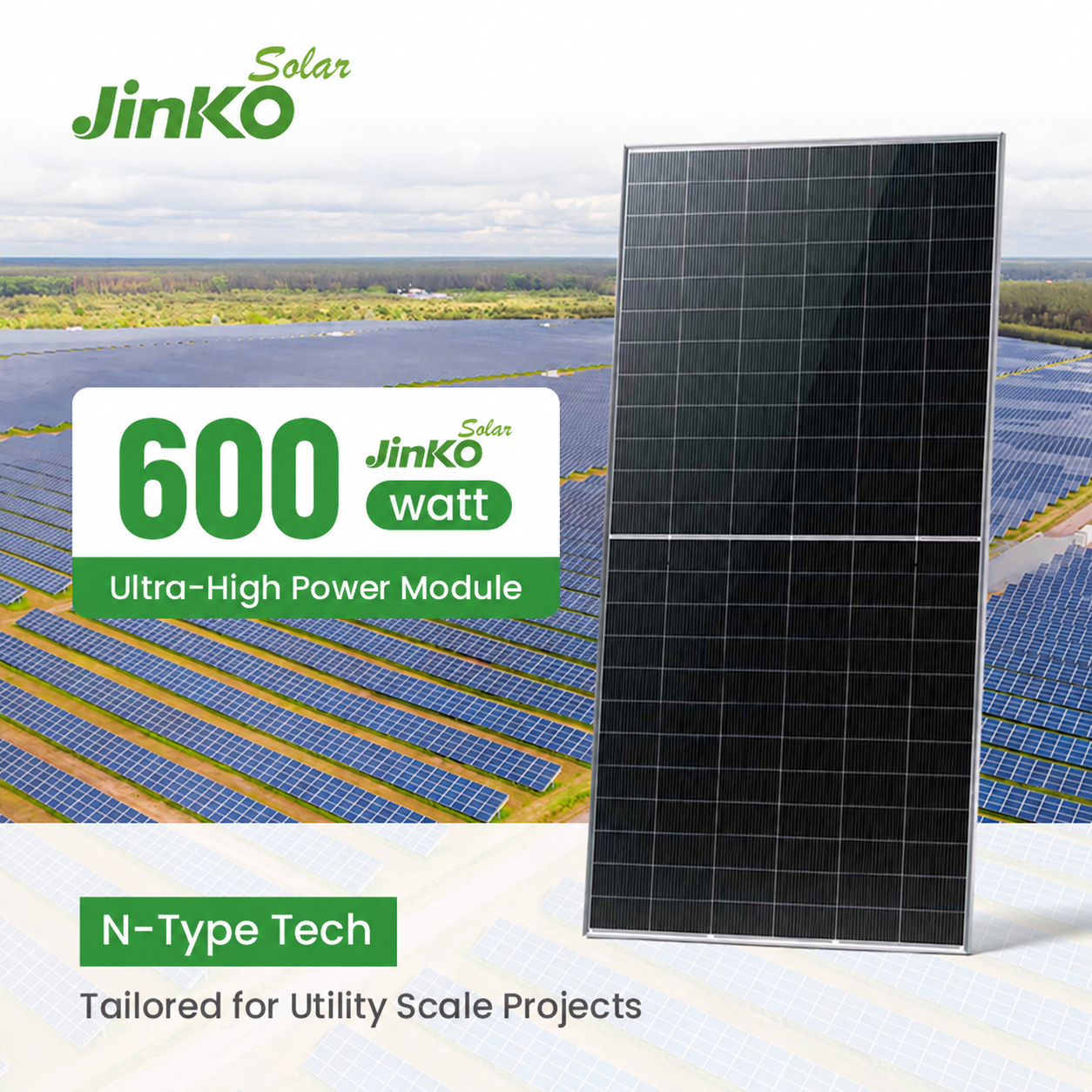
Jinko Pv Panels Wholesale 600w 580W 590W Bifacial Dual Glass Module
Engineered for harsh coastal environments. Superior anti-PID degradation resistance and robust mechanical loading capacity under Caribbean humidity.
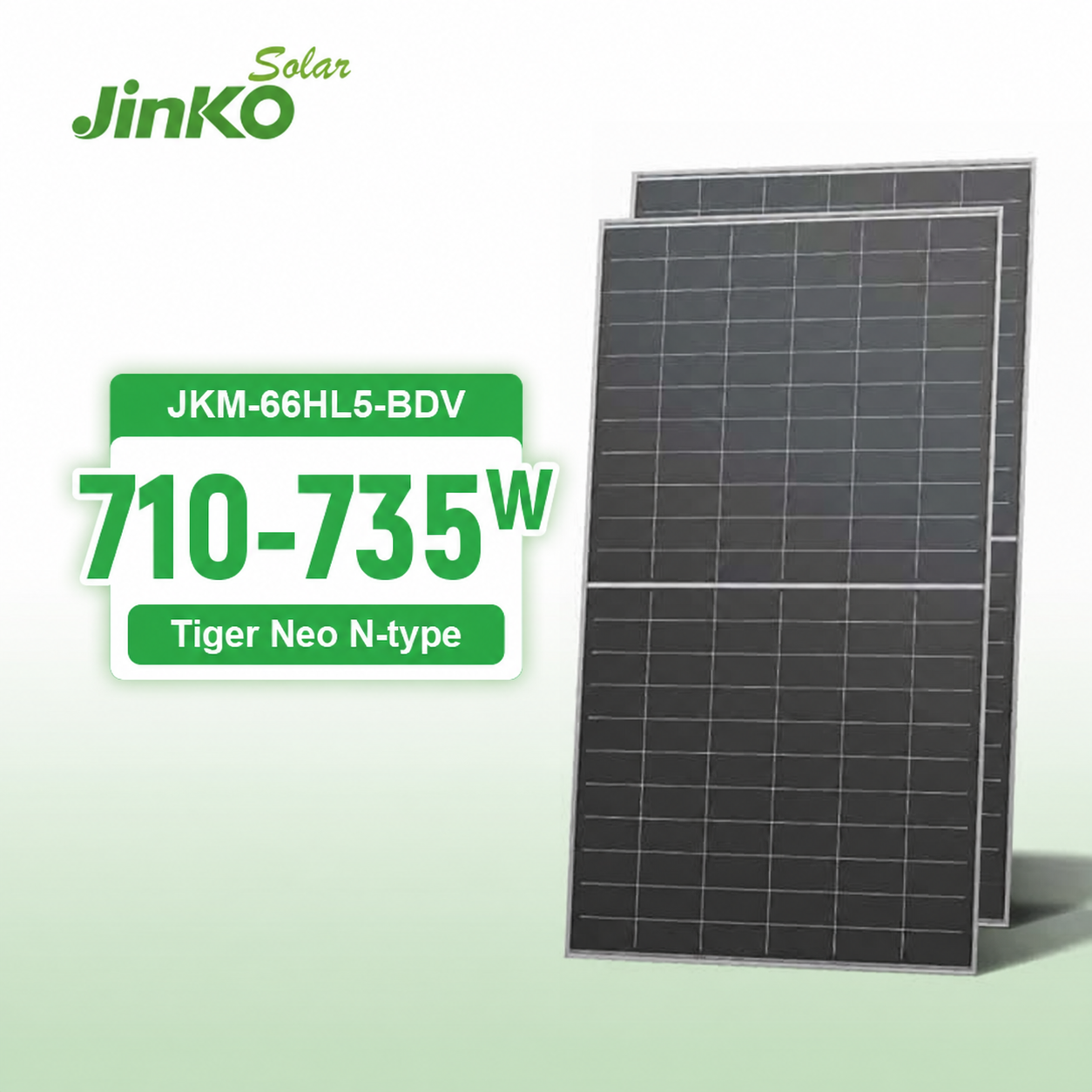
Jinko N Type Solar Panels 700W 710W 730W TOPCon Photovoltaic Module
Maximum ground-mount and commercial rooftop yield with low temperature coefficients, ideal for high ambient heat zones like Mamonal Industrial Area.
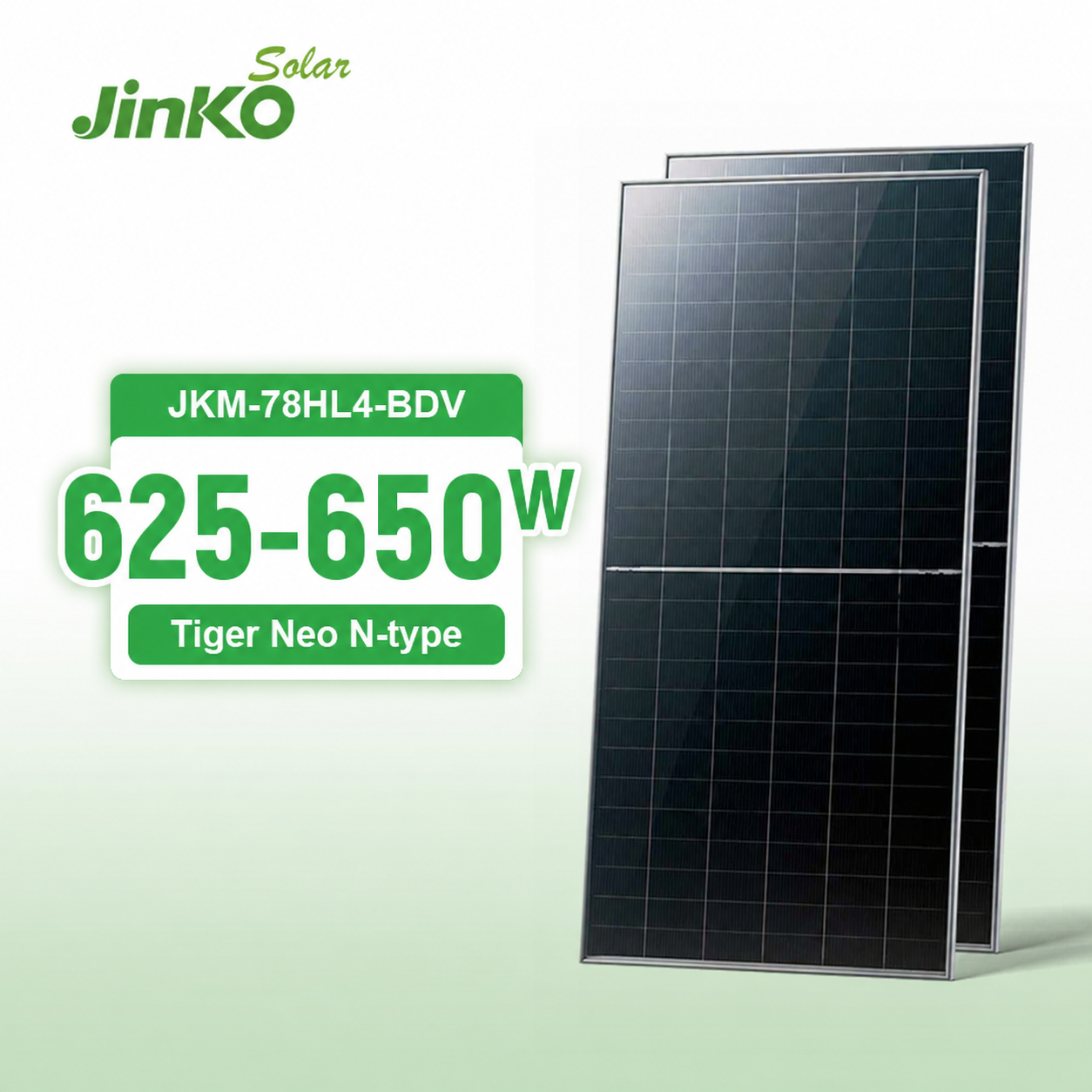
Jinko Bulk 630W 625W 640W TOPCon Bifacial Monocrystalline PV Panel
Standard utility stock optimized for containerized sea shipment to Cartagena Port (SPRC / Contecar) with comprehensive marine transit insurance.
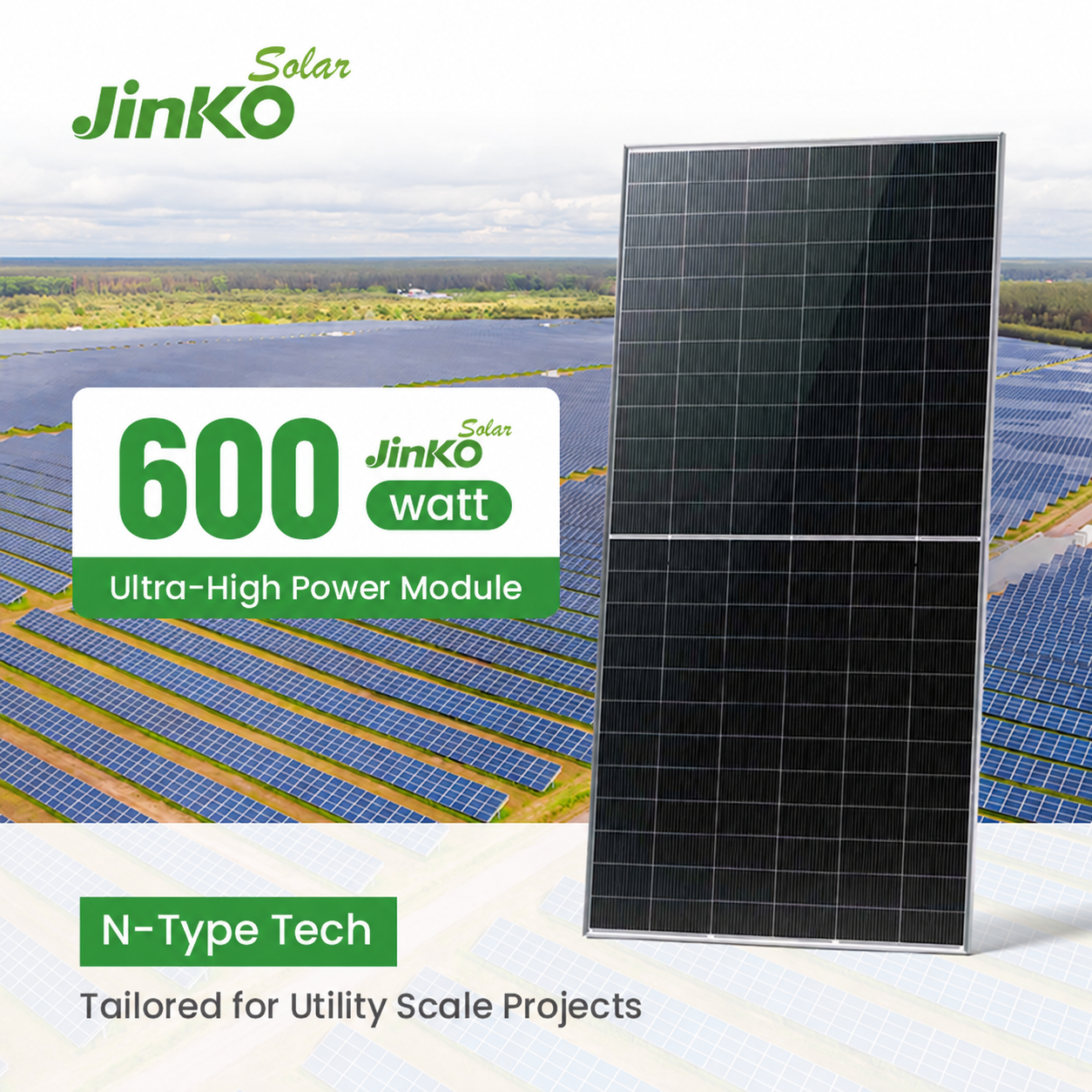
Jinko N Type Solar Modules 600W 580W Bifacial Panel for Solar Farm
Engineered for large centralized solar parks in northern Colombia. Compatible with tracking systems and string inverters up to 1500V DC bus voltage.
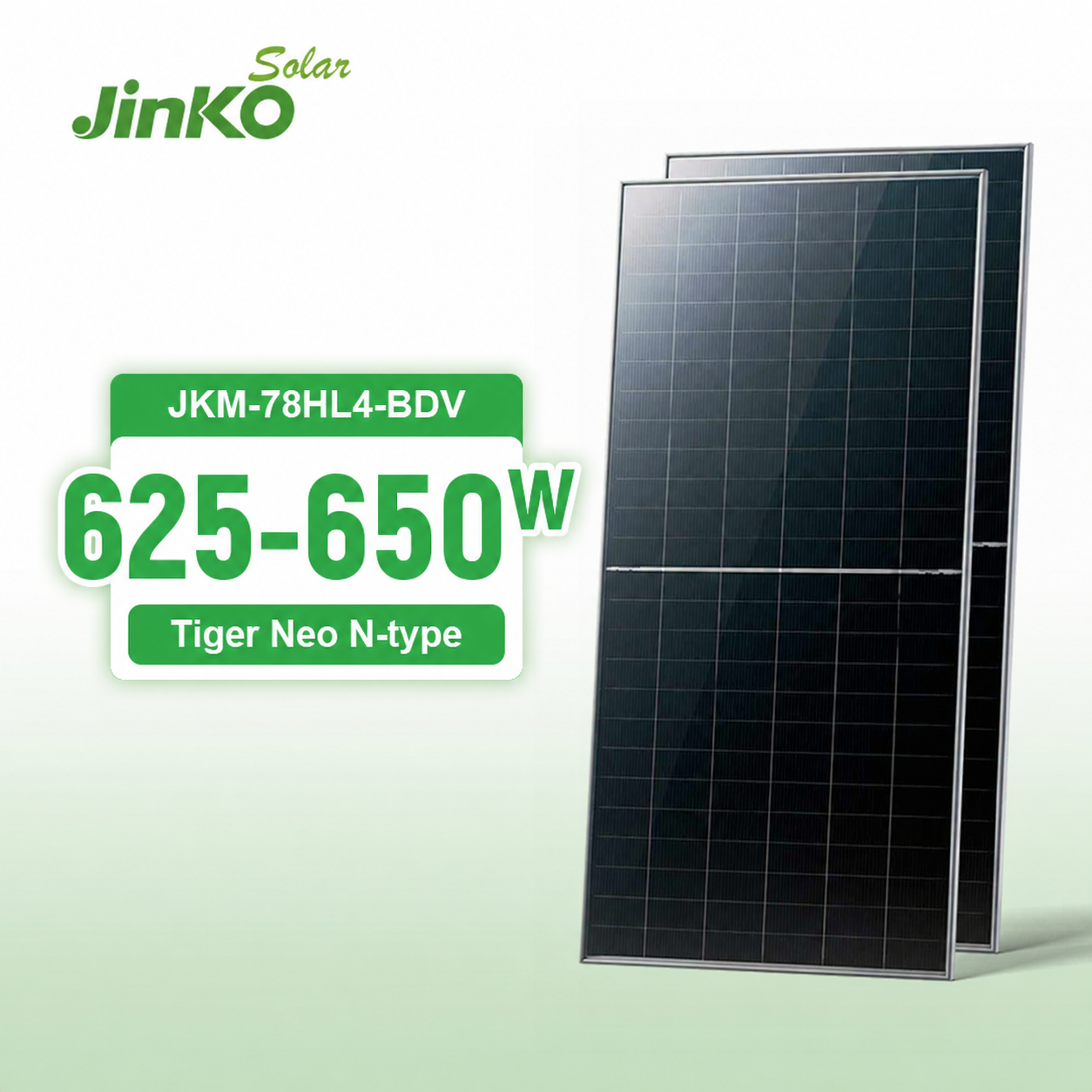
Jinko Bifacial PV Panels 630W 640W Dual Glass Monocrystalline Module
Optimal for commercial roofs, logistics warehouses, and port terminals. Fire class A compliance and dual-glass hermetic cell sealing.
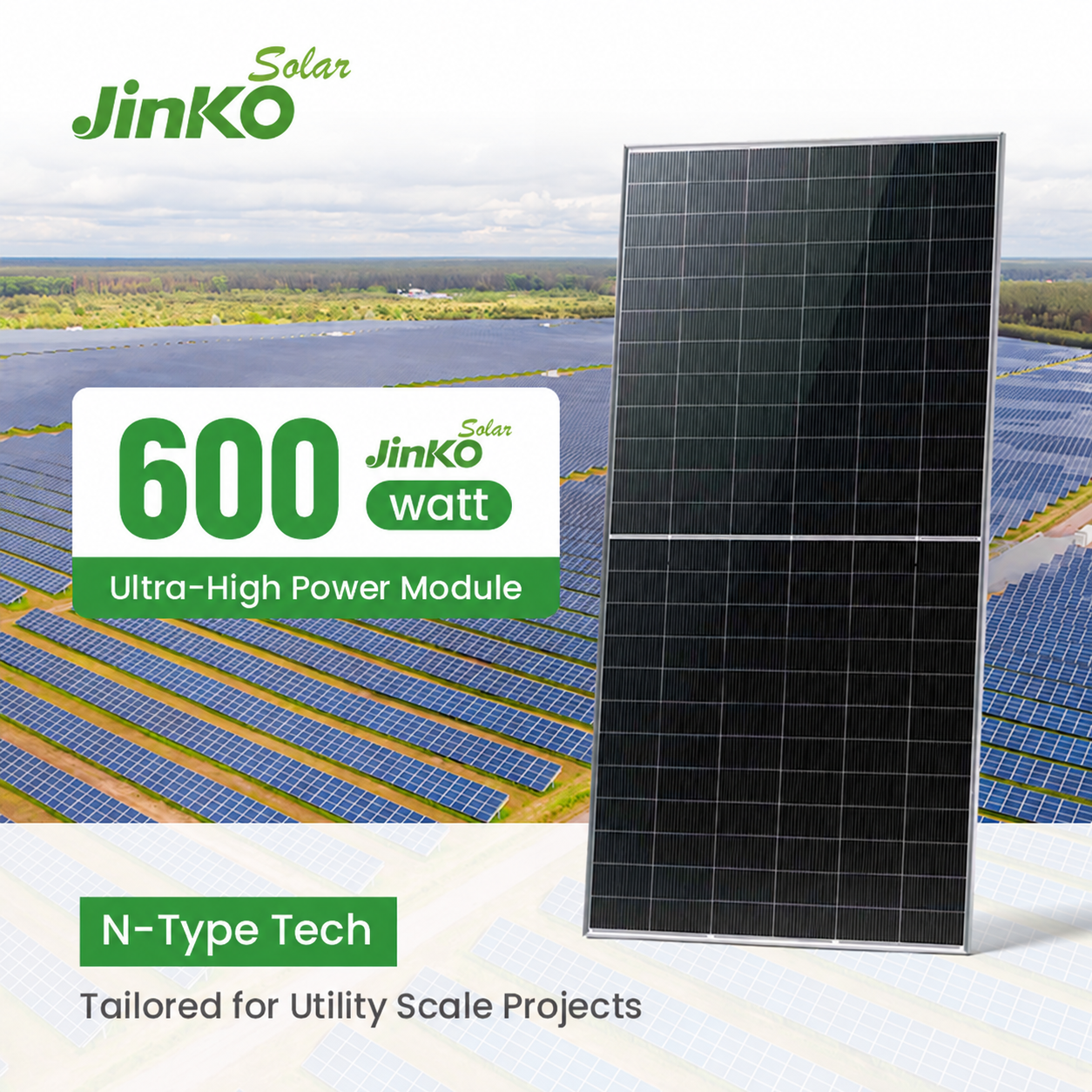
Jinko Solar Panels 580W 590W 600W N Type Double Glass Panel
Designed for heavy salt-mist resistance along shorelines. Low degradation curve ensures 87.4% nominal power output after 30 years of field operation.
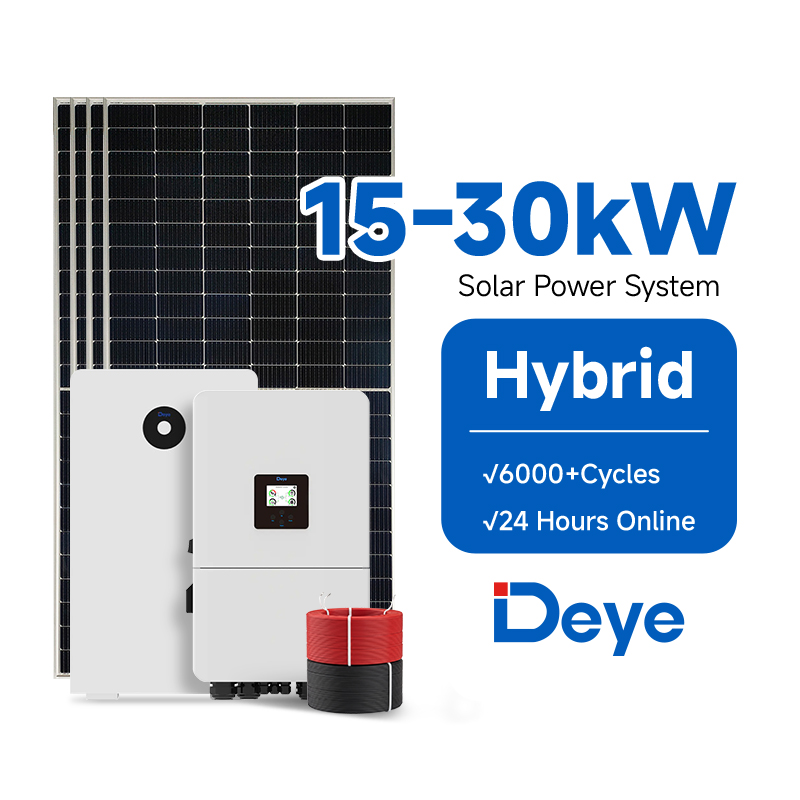
Low DC Voltage Battery Support Deye Hybrid Inverter ESS 5kW-30kW
Multi-port hybrid storage architecture supporting diesel generator bridging, unbalance three-phase loads, and rapid microgrid islanding response.
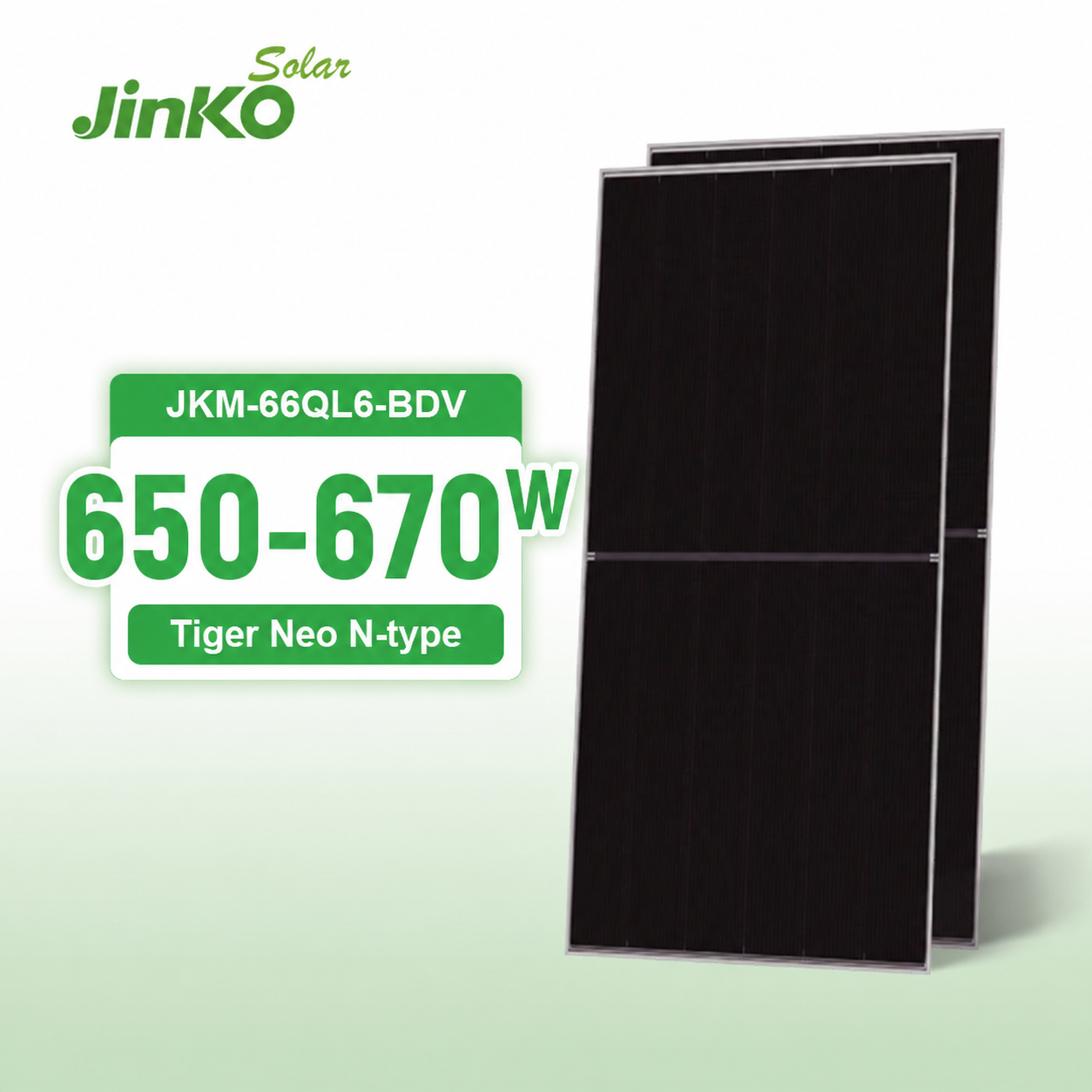
Jinko N Type Bifacial PV Modules 650W 660W 670W Double Glass Panel
Heavy-duty photovoltaic module built for megawatt-level installations. Minimized balance of system (BOS) capital expenditures and maximized LCOE returns.
Deploying Huawei Solar Inverter Architectures in Cartagena's Coastal Environment
Cartagena de Indias, situated along Colombia's Caribbean seaboard (10.3910° N, 75.4794° W), presents an exceptional solar resource. With an average global horizontal irradiance (GHI) exceeding 5.5 to 6.2 kWh/m²/day and more than 2,800 sunshine hours annually, it is one of the premier hubs for Commercial & Industrial (C&I) as well as utility-scale solar generation in Latin America. However, these advantageous yields are balanced by demanding climatic hurdles: ambient operating temperatures regularly surpassing 36°C, relative humidity levels hovering between 78% and 90%, and severe atmospheric salinity classified under ISO 12944-2 as a C5-M (Marine) corrosive category.
Selecting a Huawei solar inverter supplier capable of delivering factory-validated, anti-corrosive power electronics is critical to avoiding catastrophic equipment de-rating or premature inverter failures. Huawei SUN2000 smart string inverters feature patented multi-layer epoxy conformal coatings, fully sealed IP66 enclosure enclosures without external cooling fans, and internal natural thermal convection designs that prevent salty ocean drafts from damaging internal insulated gate bipolar transistors (IGBTs) and microprocessor circuitry.
Furthermore, Huawei's advanced Maximum Power Point Tracking (MPPT) algorithms resolve mismatch losses induced by passing tropical cloud cover and maritime thermal convection. With multiple independent MPPTs per string inverter, each PV string operates at peak efficiency, minimizing yield degradation caused by partial shading or module dust deposition common in dry Caribbean dry seasons.
Localized Engineering Scenarios Across the Cartagena Corridor
From the heavy chemical clusters of Mamonal to remote luxury resorts in the Rosario Islands, Huawei string inverters and integrated ESS provide mission-critical grid independence and tariff mitigation.
Mamonal Industrial Free Trade Zone
Petrochemical, manufacturing, and metal fabrication plants in Mamonal face steep peak grid tariffs. High-capacity Huawei SUN2000 inverters (100KTL to 330KTL) integrate with rooftop and ground solar arrays to suppress peak energy charges while delivering active reactive power control under strict UPME industrial compliance.
Port Logistics & Container Terminals
Cartagena's maritime terminals (Contecar and Puerto de Cartagena) operate continuous cold-storage refrigerated container (reefer) hubs. Containerized inverter stations coupled with rapid-response Energy Storage Systems guarantee uninterruptible voltage stabilization, offsetting severe motor inductive spikes.
Barú & Rosario Island Microgrids
Off-grid eco-resorts and luxury developments across the archipelago rely heavily on noisy, high-cost diesel gensets. Deploying hybrid inverter topologies paired with lithium iron phosphate (LiFePO4) storage banks delivers 100% clean solar microgrids with automatic generator-start failover and zero diesel fuel consumption.
Commercial Rooftops & Supermarkets
Shopping centers, medical facilities, and institutional buildings across Bocagrande and Manga utilize AI-driven Smart Arc Fault Circuit Interruption (AFCI). Huawei's integrated AI engine automatically detects pinpoint DC arc faults within 0.5 seconds, preventing commercial rooftop fire hazards.
Bolívar Energy Trends: Leveraging Law 1715 & CREG 174
Colombia's national energy regulator (CREG) and the Mining and Energy Planning Unit (UPME) have transformed the Caribbean Coast into Latin America's fastest-growing self-generation market. Governed by Law 1715 of 2014 and modernized under Law 2099 of 2021, solar installations enjoy significant fiscal incentives, including 50% income tax deductions over 15 years, full VAT (IVA) exemptions on imported equipment, accelerated asset depreciation up to 33.3% per annum, and 0% customs import duties on eligible renewable machinery.
Furthermore, under CREG Resolution 174 of 2021, small-scale self-generators (AGPE up to 1 MW) and large-scale self-generators (AGGE above 1 MW) can seamlessly export surplus power to the local network operator (Afinia / Grupo EPM in Cartagena) through streamlined bi-directional net billing mechanisms. To achieve rapid grid interconnection approval with Afinia, inverters must supply compliant grid support features: fault ride-through (FRT), dynamic reactive power regulation, frequency response, and anti-islanding certification per IEEE 1547 and UL 1741.
As wholesale electrical rates in the Caribbean zone have surged due to hydro-generation variations during El Niño weather cycles, localized distributed solar generation equipped with Huawei inverters guarantees predictable levelized cost of energy (LCOE) below 180 COP/kWh, safeguarding commercial profit margins against volatile retail grid prices exceeding 900 COP/kWh.
Technical Benchmark: Huawei String Architecture vs. Legacy Central Inverters in Cartagena
| Evaluation Parameter | Huawei Smart String Topology | Conventional Central Inverter | Impact on Cartagena Site Operation |
|---|---|---|---|
| Enclosure Protection & Cooling | IP66 hermetic seal, natural convective thermal sink, no external fans | IP54 cabinet with forced continuous air blower filtration | Huawei eliminates salt-encrusted fan failures and moisture condensation common along Cartagena Bay. |
| Anti-Corrosion Standard | ISO 12944 C5-M marine rating, epoxy-coated busbars & housing | Standard industrial C3/C4 painting; retrofits required | Prevents premature PCB tracing oxidation caused by trade winds blowing directly from the Caribbean Sea. |
| MPPT Resolution & Shading | Multiple MPPTs (up to 12 MPPTs on commercial models) | Single or double global MPPT for entire MW field array | Mitigates extreme energy loss caused by coastal sea-spray dust, bird droppings, and patchy convective clouds. |
| O&M & String Diagnostic | Smart I-V Curve Diagnosis 4.0; scans 100MW in 20 minutes remotely | Manual field inspection using handheld handheld clamps and cameras | Reduces onsite technician exposure to high tropical heat and cuts annual O&M operational expenses by up to 60%. |
| DC Arc Fault Protection (Safety) | Integrated AI-powered AFCI with sub-0.5s rapid circuit opening | External fuses or non-intelligent DC breakers | Protects flammable composite warehouse rooftops and high-density port structures from electrical fires. |
Enterprise Strengths: Seamless Global Sourcing to Cartagena Port
Hangzhou VOLT New Energy Technology Co., Ltd. eliminates supply chain fragmentation by providing pre-engineered, factory-tested solar equipment packages shipped directly to Puerto de Cartagena.
Verified Communication Compatibility
Every hybrid inverter and lithium battery pairing undergoes pre-shipment bench testing in our Hangzhou test facility. CAN and RS485 protocol handshakes, baud rates, and BMS register parameters are pre-configured to ensure instant plug-and-play operation upon container arrival.
Consolidated Freight to Cartagena
Avoid coordinating separate suppliers. We aggregate Tier-1 Jinko PV modules, Huawei/Deye solar inverters, and Class 9 UN38.3 certified energy storage batteries into single, optimized sea containers delivered directly to Contecar or SPRC berths with zero transshipment damage.
Full UPME & DIAN Customs Compliance
Smooth customs clearance requires flawless international documentation. We supply original manufacturer test reports, CE/TÜV certifications, IEC 61215/62619 compliances, MSDS datasheets, and bilateral Certificate of Origin formats required to unlock Law 1715 tariff exemptions.
Engineering Sizing & SLD Design Support
Our experienced solar engineering team assists local Cartagena contractors with system capacity sizing, string allocation, balance of system (BOS) bill-of-materials calculations, and single-line wiring diagrams (SLD) tailored to local grid connection requirements.


Frequently Asked Questions by Cartagena Solar Importers & EPCs
Clear, direct answers regarding equipment import tariffs, marine shipping transit, grid interconnection, and environmental resilience.
How do we process Law 1715 customs duty and VAT exemptions for imports through Cartagena Port?
To access the 0% import tariff and 0% VAT exemption under Law 1715 / Law 2099, your project must register with the UPME (Unidad de Planeación Minero Energética) platform. We provide all required technical datasheets, certified test reports (IEC/UL), manufacturer proforma invoices, and equipment descriptions in precise compliance with UPME sub-item classifications, allowing your customs broker (SIA) to clear containers in Cartagena without delays.
What is the standard maritime transit time from China to Cartagena Port?
Direct ocean freight voyages from Ningbo or Shanghai to Cartagena Port (SPRC or Contecar terminals) typically take 26 to 34 days via the Pacific-Panama Canal route. We provide end-to-end container tracking, pre-cleared Bill of Lading (BL) documentation, and specialized fumigated wooden-free palletizing built to resist maritime ocean moisture.
Can we consolidate Huawei inverters, Jinko panels, and batteries in one container?
Yes. Many project developers save thousands of dollars in ocean freight and terminal handling charges (THC) by consolidating their full balance of system into single 40ft HQ containers. We package PV panels, Huawei inverters, racking clamps, DC cabling, and Class 9 hazardous-certified LiFePO4 batteries with full UN38.3 maritime compliance in one streamlined shipment.
How does Huawei's C5-M anti-corrosion hold up against coastal sea breezes in Bocagrande & Mamonal?
Huawei inverters undergo rigorous 1,000-hour neutral salt spray tests and cyclic corrosion evaluations adhering to IEC 60068-2-52 severity level 6 and ISO 12944 C5-M industrial/marine standards. The housing utilizes anodized aluminum alloy, and the external terminals are sealed against galvanic corrosion, ensuring a 25-year service life without chassis degradation.
What warranty support and spare parts protocols apply to shipments into Colombia?
Every Huawei inverter and Jinko panel carries standard international factory warranties (5 to 10 years standard on inverters, extendable to 20 years; 12 to 25 years workmanship and 30 years linear performance on dual-glass N-Type modules). We maintain traceable serial number logs for each exported unit, coordinating technical warranty replacements directly with local authorized service centers.
Ready to Source High-Yield Solar Infrastructure for Cartagena?
Share your project capacity, load profiles, or planned procurement bill-of-materials. Our solar engineering specialists will configure an optimized, marine-certified equipment schedule with direct CIF Cartagena seaport pricing within 24 hours.