Pre-engineered and protocol-tested to pair seamlessly with three-phase utility and high-input string inverters under intense tropical irradiation.
Deploying photovoltaic systems in Guayaquil, Samborondón, and the surrounding Guayas Basin requires specialized balance-of-system considerations to manage high ambient humidity, heavy salinity, and thermal derating.
Guayaquil routinely encounters ambient temperatures exceeding 34°C with relative humidity levels hovering above 80%. Traditional solar inverters with inferior forced-air designs suffer from severe thermal throttling starting at 40°C internal enclosure temperatures.
Our supplied Huawei SUN2000 smart string inverters incorporate natural heat dissipation and sealed fanless designs on residential units (2KTL–6KTL) and intelligent redundant external cooling on commercial/utility models (100KTL–330KTL). This guarantees zero derating up to 45°C ambient temperature, capturing peak afternoon yields during Ecuador’s intense dry season.
Proximity to the Gulf of Guayaquil and the Guayas River delta exposes electrical balance of systems to persistent salt mist, sulfur compounds from port logistics, and airborne contaminants from industrial processing zones in Durán.
The hardware we export features C5-M marine-grade anti-corrosion coating conforming to ISO 12944-6 standards, paired with IP66 all-aspect environmental ingress sealing. The internal electronics are hermetically isolated from the ambient atmosphere, preventing conductive galvanic deposition on IGBT terminals and reducing failure rates to below 0.5% over 10 years.
High humidity combined with frequent equatorial cloud cover results in rapid irradiance transients that destabilize standard Maximum Power Point Tracking (MPPT). Moreover, dampness accelerates DC arc faults along roof-mounted cabling.
Equipped with AI-powered AFCI (Arc-Fault Circuit Interrupter), Huawei inverters extinguish DC arcs in under 0.5 seconds up to 200-meter string runs. Additionally, the online Smart I-V Curve Diagnosis scans a 100MW plant in 15 minutes, pinpointing shading, soiling, and cracked cell defects across individual strings without deploying technicians in heavy rainfall.
From energy-intensive shrimp aquaculture to logistics hubs and residential estates, our systems are tailored to the economic drivers of Ecuador’s Pacific coast.
Aquaculture clusters throughout Guayas and El Oro depend on continuous aeration pumps and water treatment. Grid outages or high peak-hour diesel generator costs drastically reduce margins.
Configuring Huawei SUN2000 inverters (50KTL to 115KTL-M2) with dedicated microgrid controllers allows uninterrupted hybrid diesel-solar operations, dropping diesel consumption by up to 65% during daytime aerator runs.
The maritime logistical corridor surrounding Puerto Marítimo de Guayaquil features expansive corrugated metal roofs exposed to constant marine air and diesel exhaust fumes.
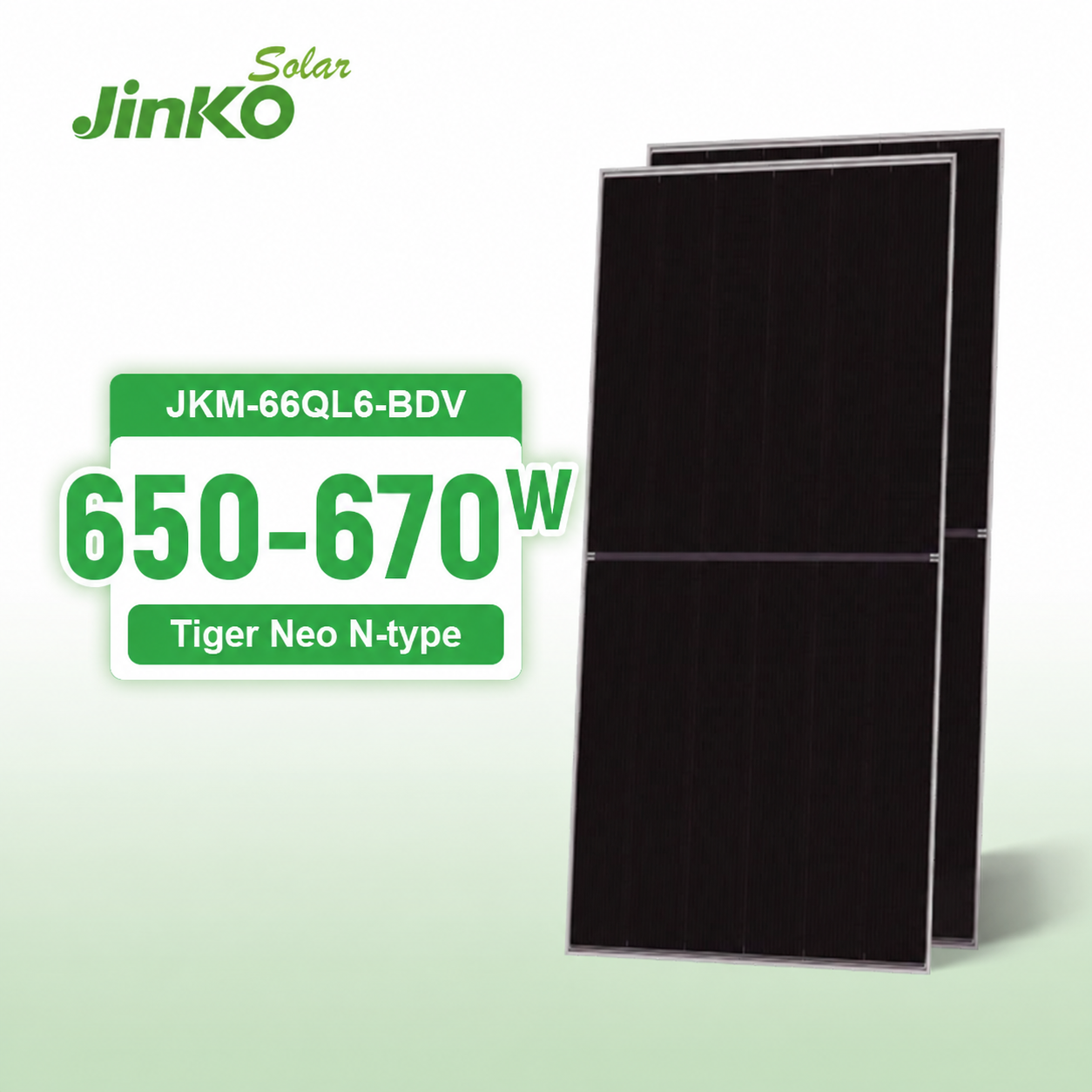
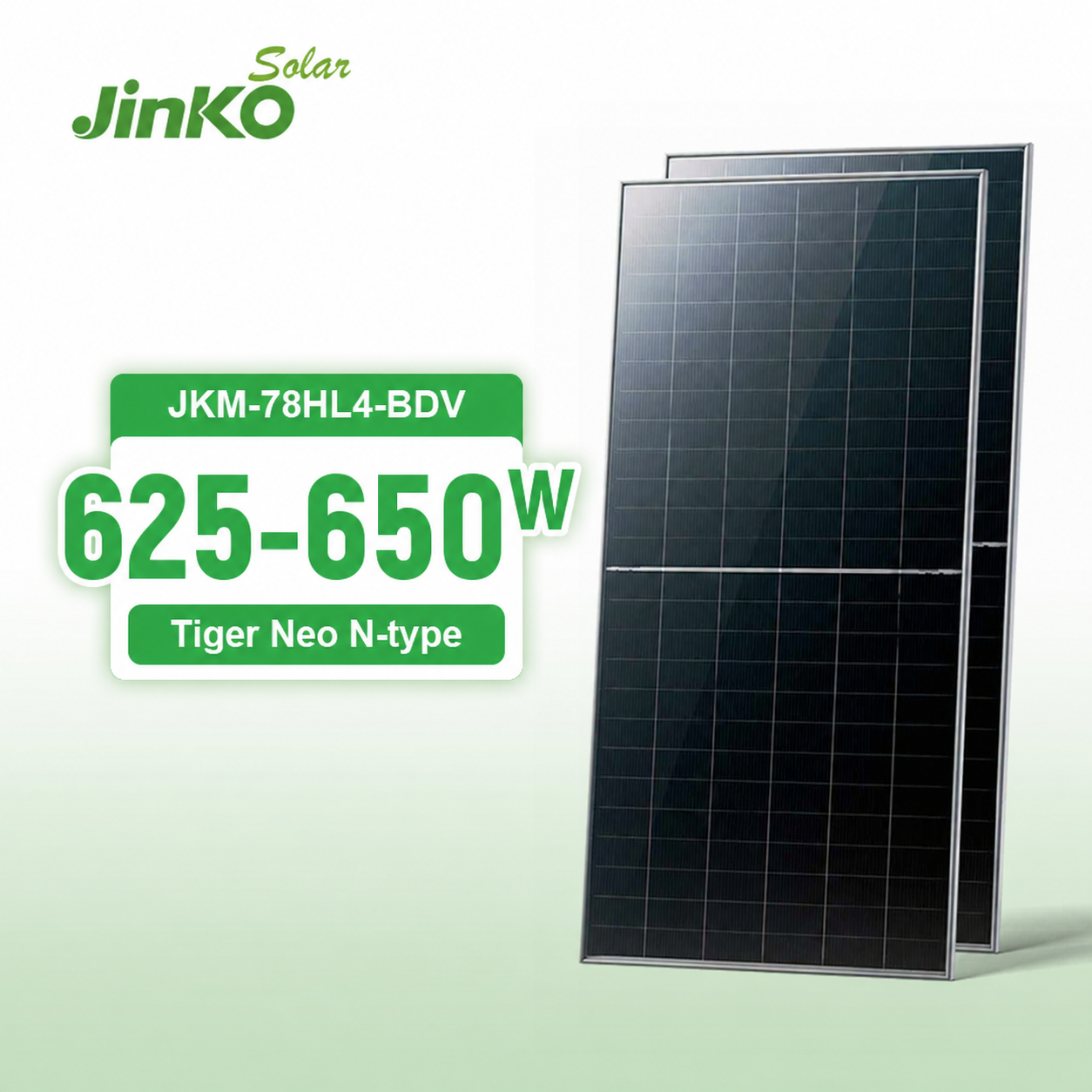
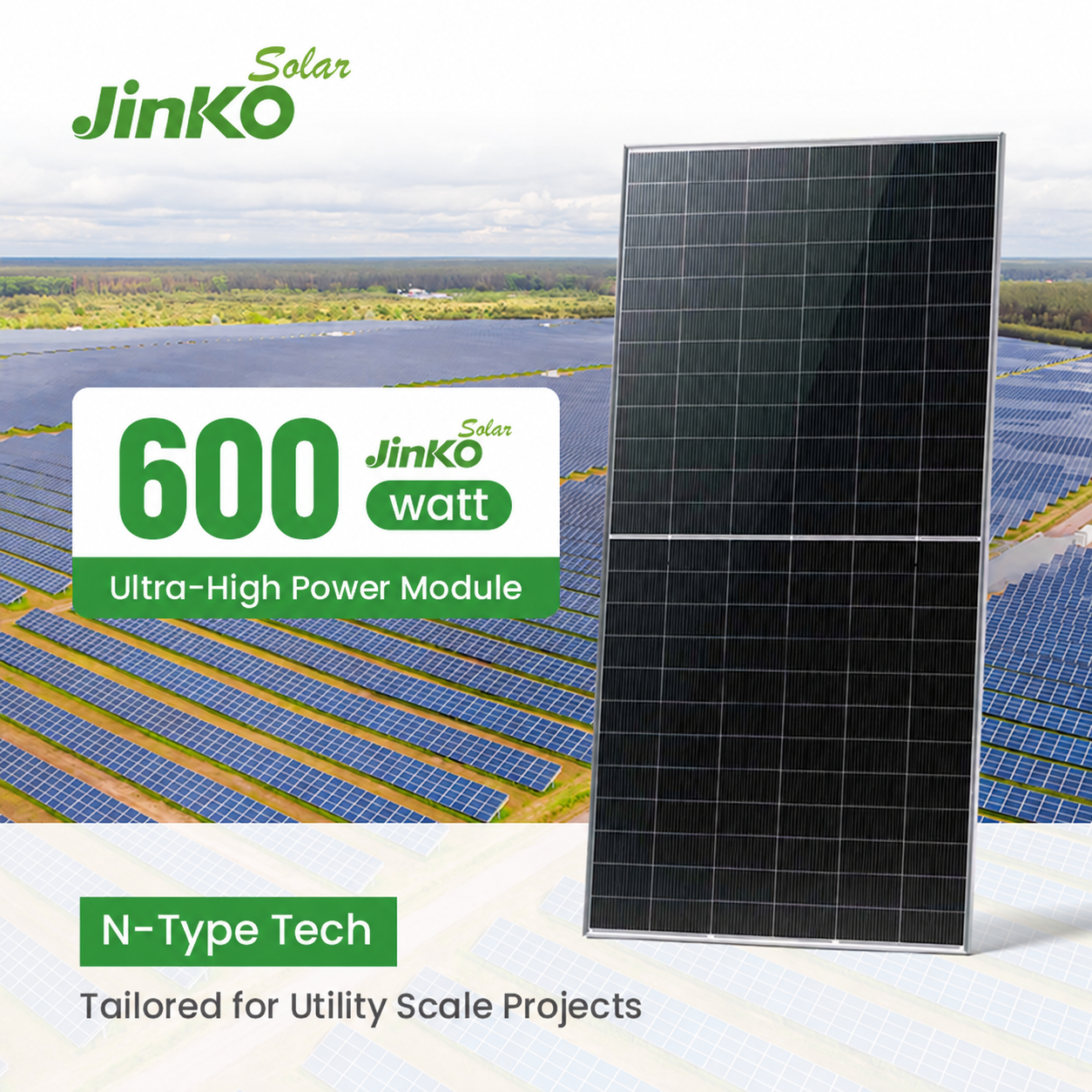
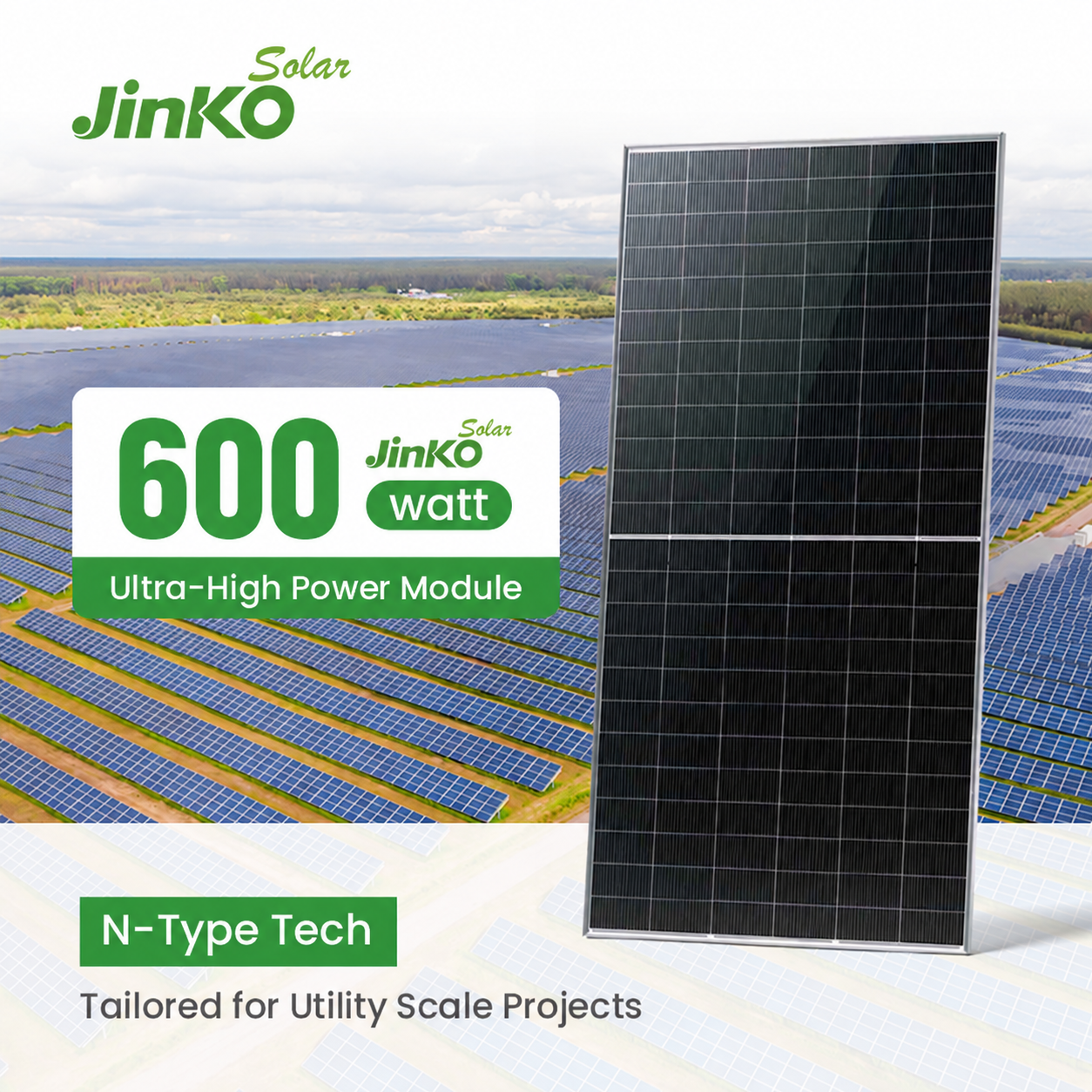
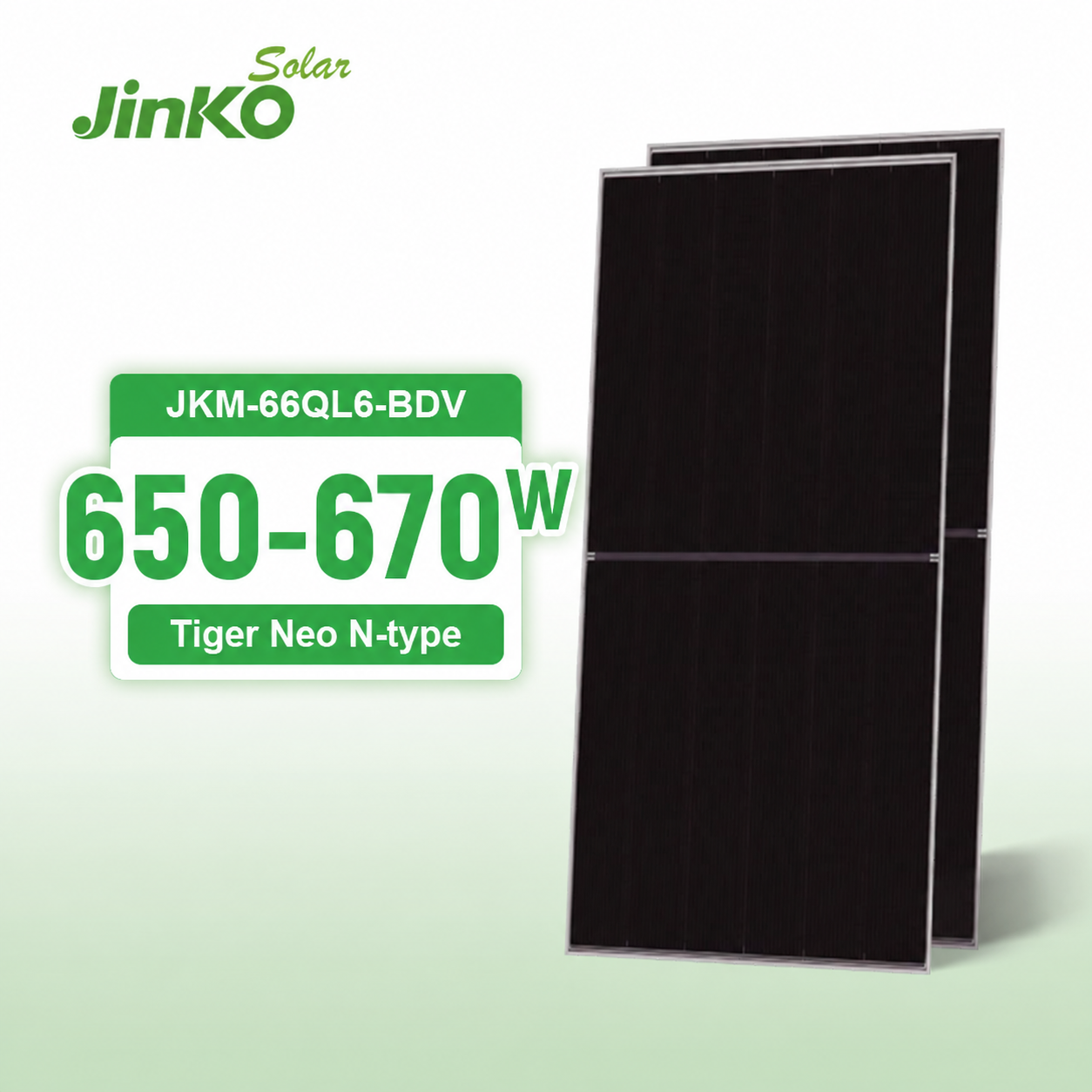
Utilizing lightweight Jinko bifacial modules coupled with Huawei commercial inverters maximizes rooftop structural integrity while withstanding heavy industrial particulate matter without galvanic frame degradation.
Cold-storage facilities, banana packaging warehouses, and food processing plants across the Durán industrial belt face volatile CNEL grid power swings and strict tariff structures.
Multi-MPPT Huawei string architectures mitigate output drop from roof obstructions and differential dust accumulation, feeding clean three-phase 220V/440V AC directly to heavy refrigeration compressors.
High-consumption residential estates in Samborondón and Via a la Costa require silent, aesthetically clean, and zero-maintenance rooftop power generation to mitigate climbing electricity brackets.
Huawei single-phase and three-phase residential units operate with whisper-quiet fanless cooling (<29 dB), full battery storage readiness (LUNA2000 compatibility), and mobile monitoring via FusionSolar.
Critical structural shifts driving commercial adoption of high-yield solar inverters across the Pacific Coast.
Ecuador’s heavy historic reliance on Andean hydroelectric dams (such as Paute and Mazar) has created acute vulnerability during severe dry spells (estiaje), precipitating nationwide rolling blackouts.
The regulatory framework enacted under the "Ley No Más Apagones" encourages industrial and private self-generation. Factories and logistics companies in Guayaquil are rapidly transforming passive roofs into active power plants, mandating smart inverters capable of instantaneous anti-islanding and rapid microgrid islanding synchronization.
Corporación Nacional de Electricidad (CNEL EP) imposes rigorous interconnection criteria regarding total harmonic distortion (THDi < 3%), power factor correction, and dynamic reactive power control.
Low-tier generic inverters often fail CNEL grid certification due to frequency hunting and poor phase stability. Our certified Huawei export lineup carries universal grid-compliance documentation, simplifying utility approval in Guayaquil with certified low-voltage ride-through (LVRT) protocols.
Historically, large megawatt projects in Latin America favored central containerized inverters. However, Guayaquil EPCs are overwhelmingly pivoting toward high-power string architectures (such as Huawei 330KTL).
String topologies eliminate single-point failure bottlenecks, dramatically lower Levelized Cost of Energy (LCOE), and avoid the necessity of specialized foreign technician dispatches when maintenance is required, ensuring maximum uptime.
Eliminating compatibility risks, documentation bottlenecks, and customs delays on direct shipments from Ningbo/Shanghai to Puerto Marítimo de Guayaquil.
Every shipment undergoes rigorous matching: inverter firmware, CAN/RS485 communication protocols, MPPT voltage windows, and ESS battery BMS charge curves are bench-tested before departure, eliminating "BMS Fault" errors on-site.
Our onsite-verified QC engineers execute insulation testing, EL defect imaging, and aesthetic packaging verification. Buyers receive full high-definition photographic and video inspection records prior to final container sealing.
We streamline maritime logistics by consolidating tier-1 solar panels, Huawei inverters, energy storage batteries, and balance-of-system hardware into unified 40HQ containers, handling DG Class 9 declarations and customs documentation.
From initial load profile sizing to single-line diagrams (SLD) and remote firmware configuration, our Hangzhou engineering headquarters delivers prompt support within 24 hours, ensuring seamless project execution.
Authoritative technical and logistical insights regarding importing, installing, and certifying Huawei solar inverters in Guayaquil.
Connect directly with our engineering and export supply team in Hangzhou. Receive a customized technical configuration, system sizing calculations, and a factory-direct CIF Guayaquil quotation within 24 hours.