High-Efficiency Generation & Hybrid Storage Equipment
Integrated solar systems rigorously pre-tested for high-temperature derating thresholds, CAN/RS485 closed-loop communication, and IP65/IP66 saline dust ingress protection serving residential and commercial projects in Salmiya, Kuwait.
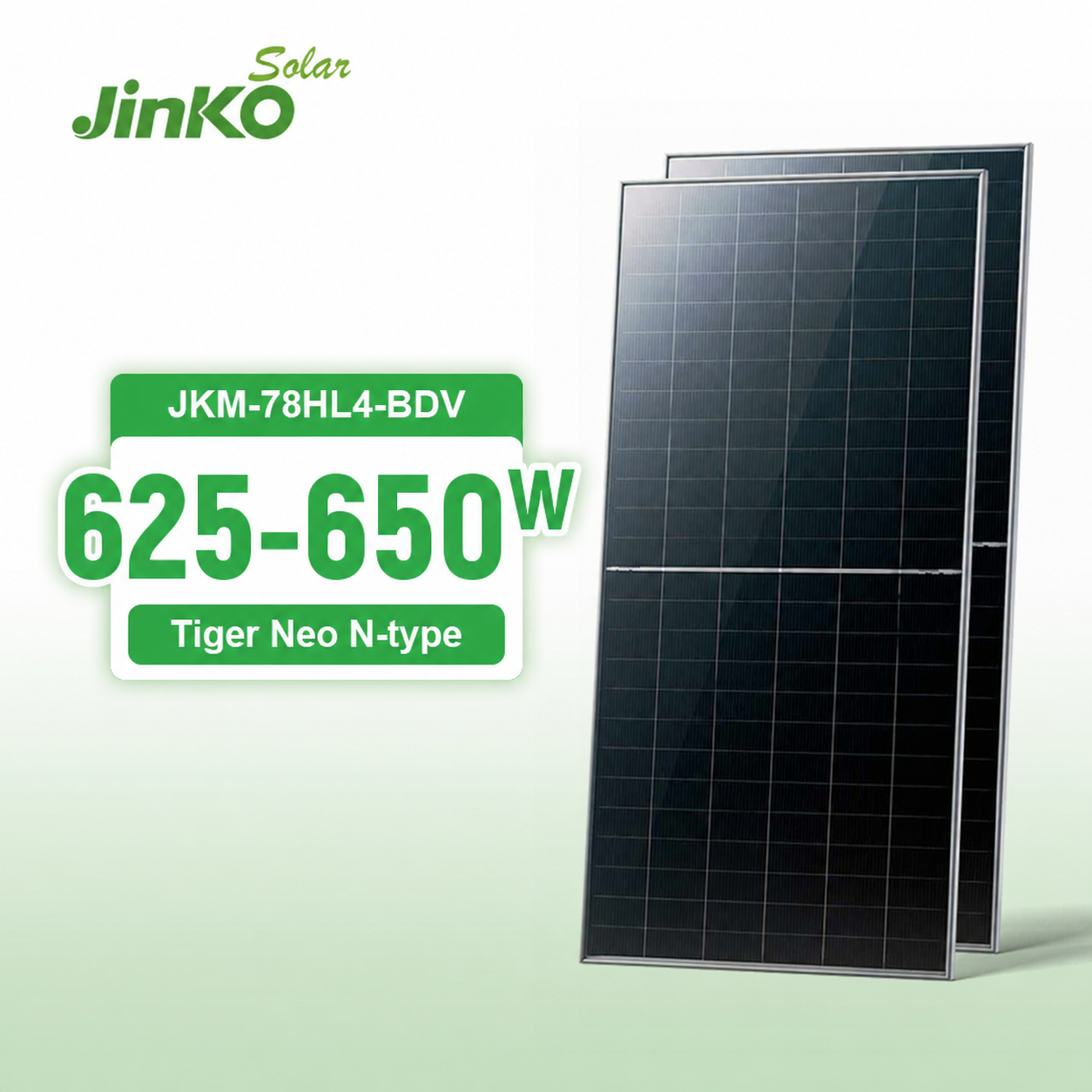
Jinko N Type Bifacial Pv Panels 650W 630W 645W Double Glass High Efficiency Solar Module for House Roof
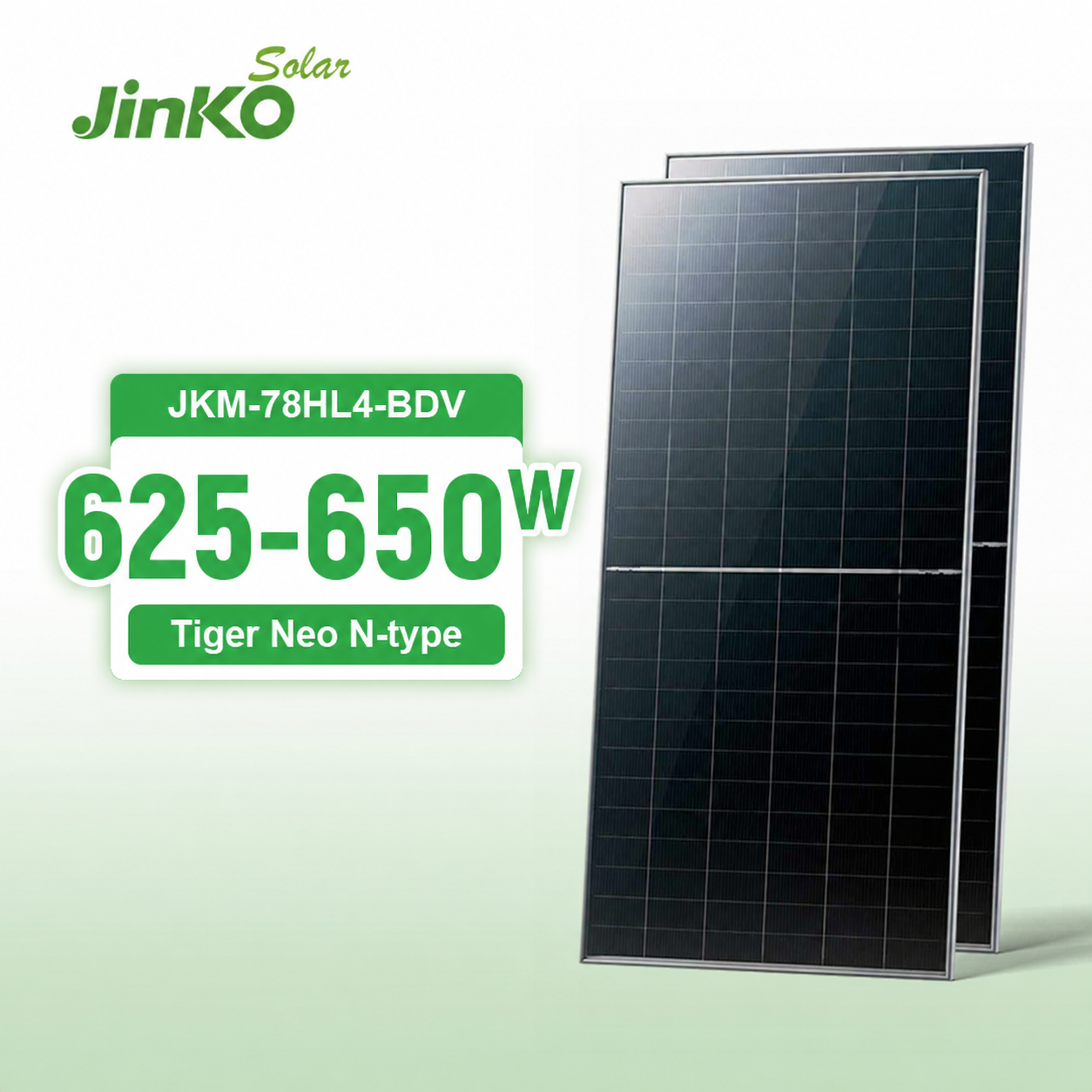
Jinko Bifacial Pv Panels 630W 640W 635W Dual Glass Panneau Solaire Monocrystalline Solar Module for Rooftop
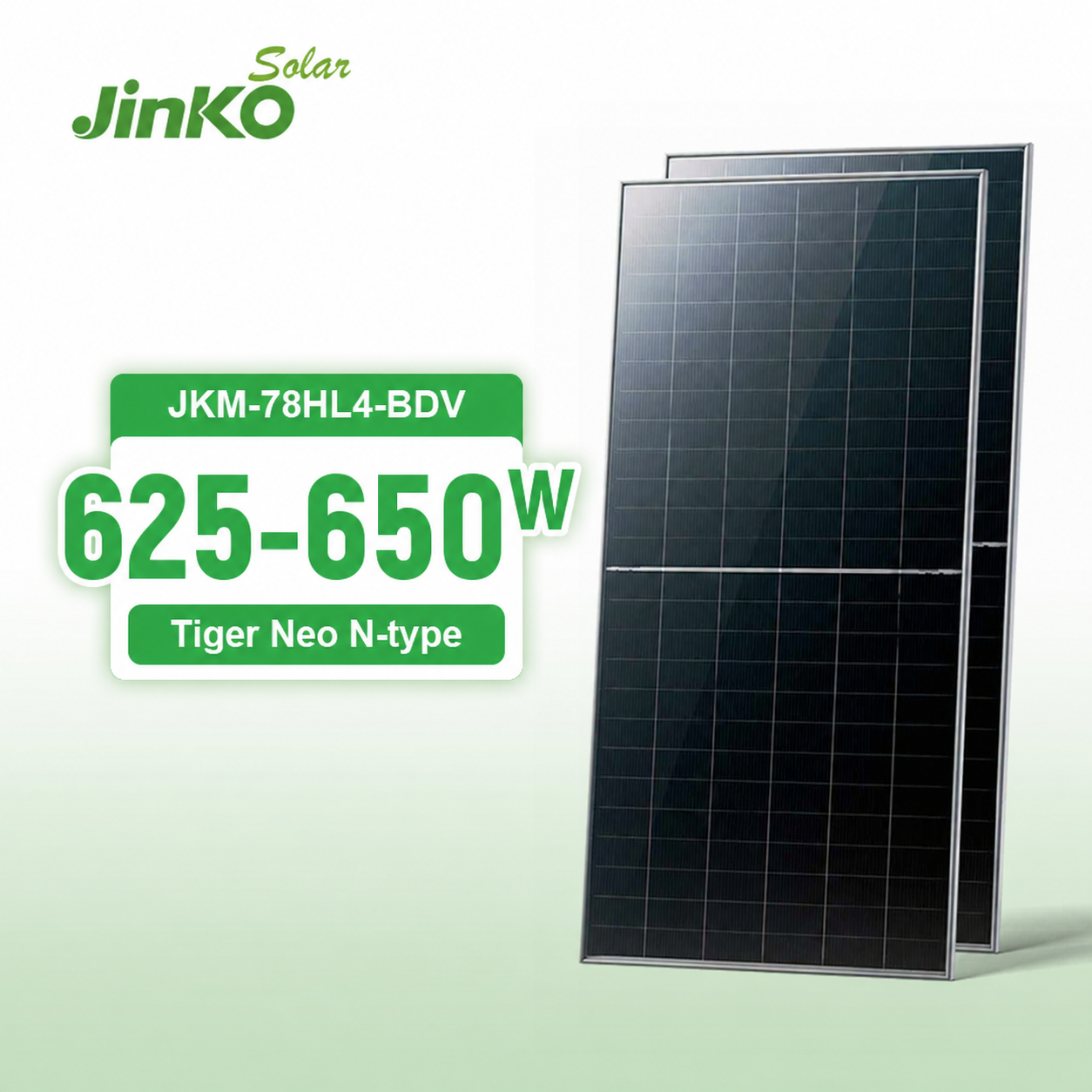
Jinko Bulk 630W 625W 640W TOPCon Bifacial Monocrystalline High Efficiency PV Panel in Stock
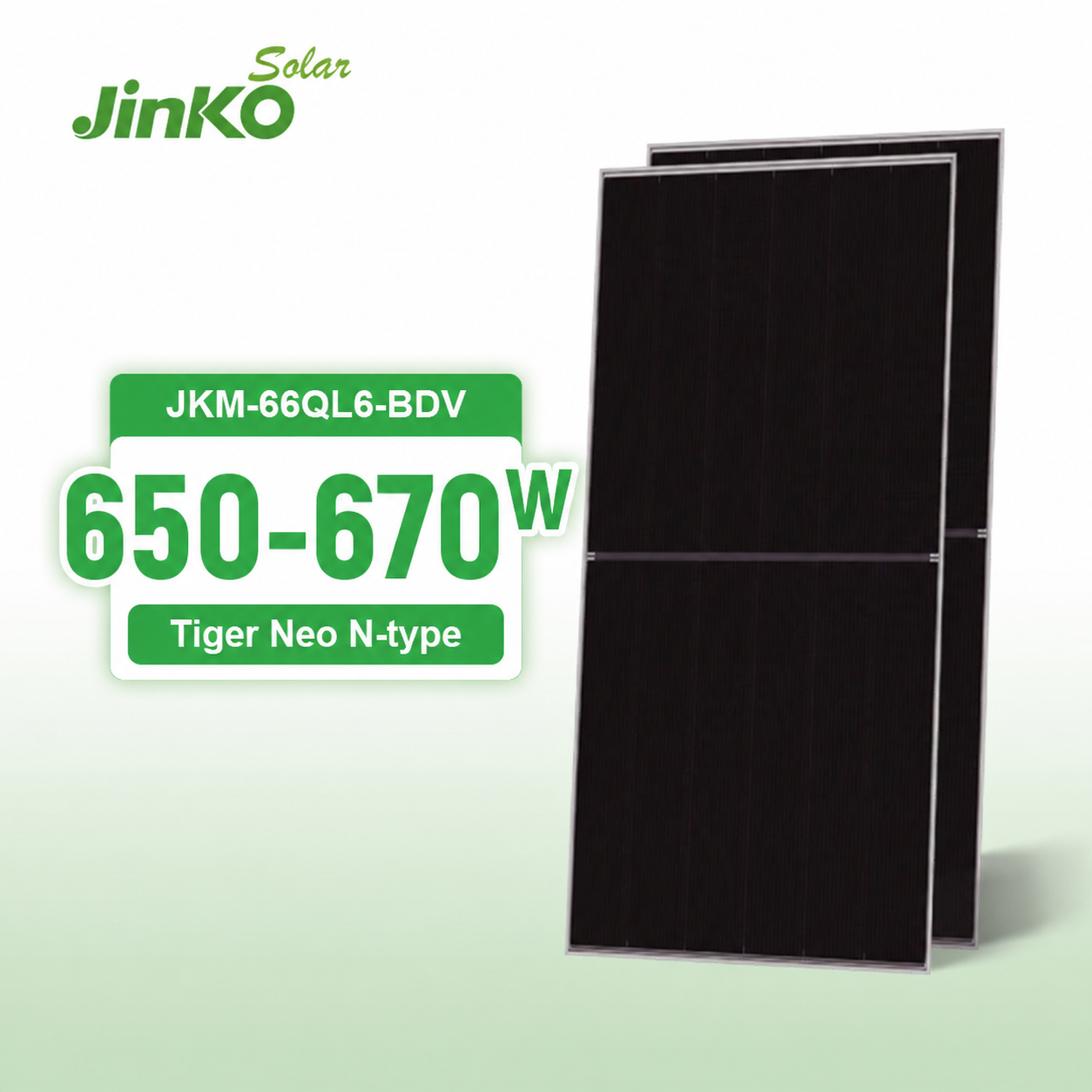
Jinko N Type Bifacial Pv Modules 650W 660W 670W Double Glass Solar Photovoltaic Panel for Commercial
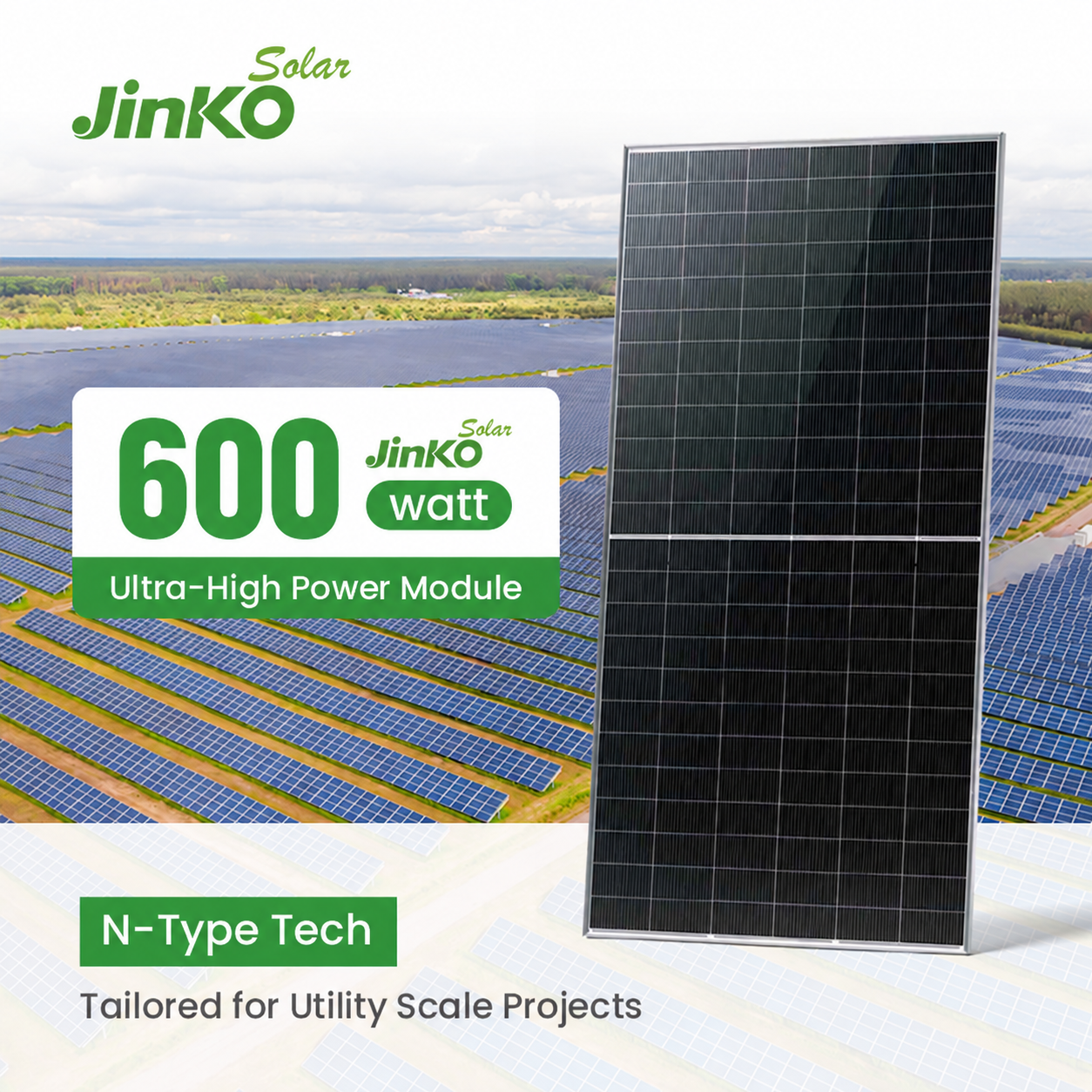
Jinko N Type Bifacial Solar Panels 585W 590W 575WTOPCon Monocrystalline High Efficiency PV Module for Home
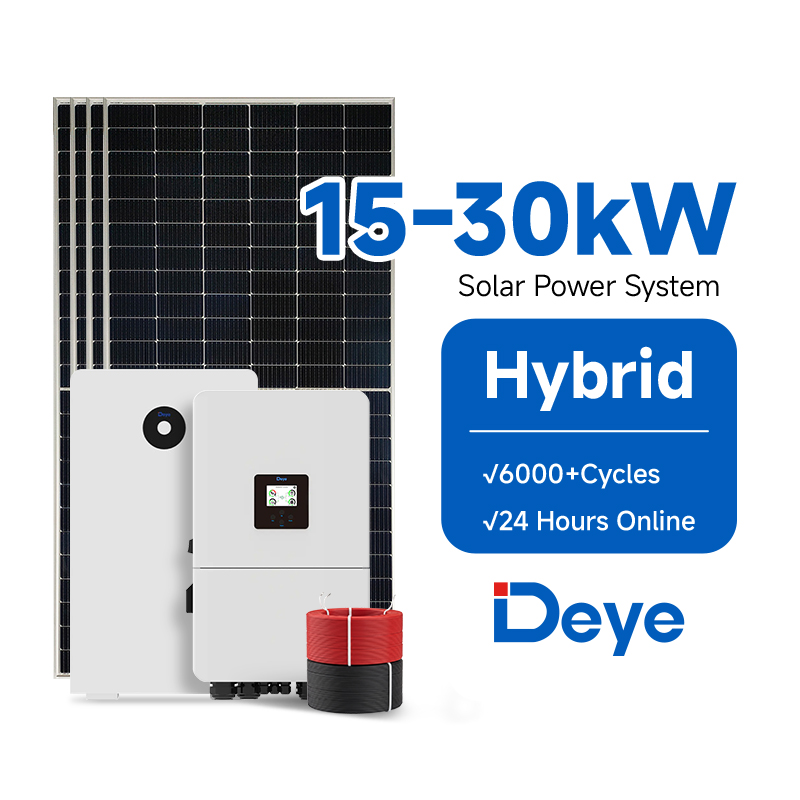
Low DC Voltage Battery Support Deye Hybrid Inverter ESS 5kw 10kw 15kw 20kw 30kw Mounting System
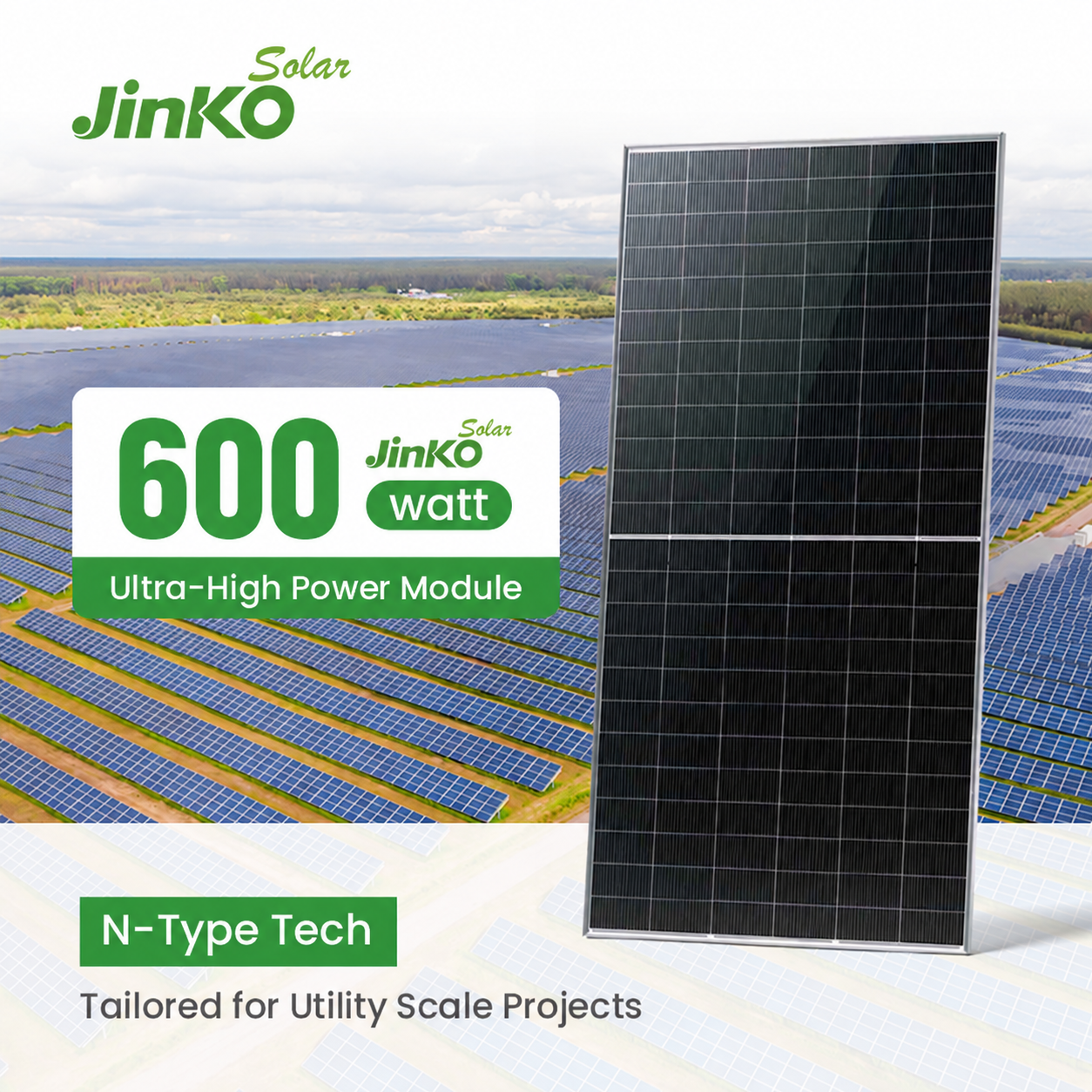
Jinko N Type Bifacial Photovoltaic Panels 600W 585W 595W TOPCon Solar Module for Commercial
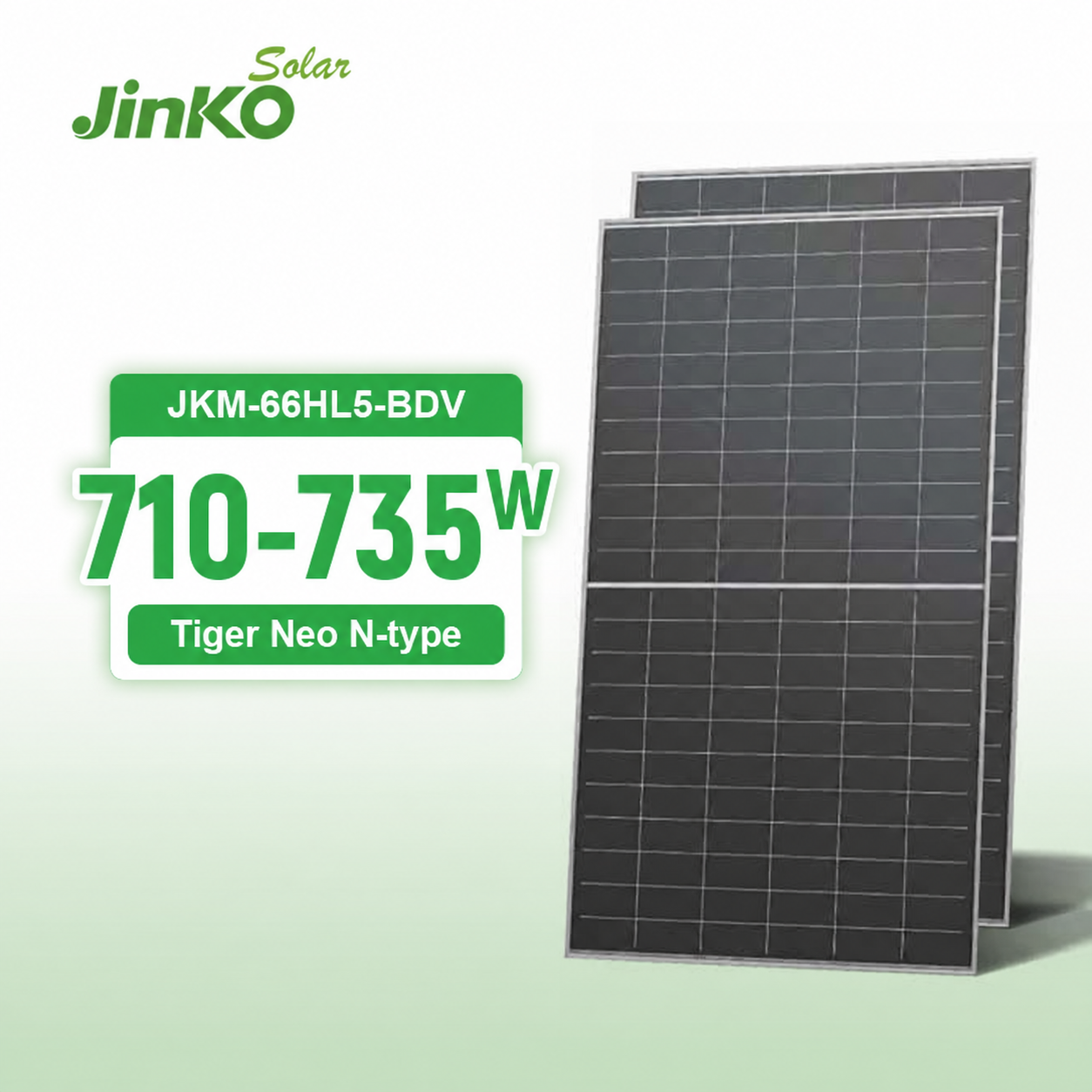
Jinko Wholesale Price 700 W 720W 730W 725W Bifacial TOPCon Double Glass High Efficiency Solar Module for House
Ambient Tolerance Level
LFP Battery Deep Cycles
Global Export Markets
Pre-Shipment Protocol Check
Engineering Hybrid Energy Systems for Salmiya’s Coastal Microclimate
Salmiya, located in the Hawalli Governorate along the Arabian Gulf coastline, experiences a unique meteorological matrix: high ambient summertime temperatures surpassing 50°C, elevated relative coastal humidity reaching up to 90%, airborne marine salt aerosols, and recurring abrasive desert dust storms. Standard photovoltaic components experience severe efficiency degradation, accelerated thermal aging, and premature inverter failure under these conditions unless engineered precisely.
1. The Thermal Coefficient Challenge & N-Type TOPCon Advantages
During the scorching Kuwaiti summer months from May through September, rooftop ambient air temperatures consistently hover between 45°C and 53°C. Under direct normal irradiance (DNI) often exceeding 1,000 W/m², the nominal module operating cell temperature (NOCT) on concrete or parapet-lined rooftops in Salmiya routinely escalates to 75°C–82°C.
Legacy p-type PERC panels suffer from a high temperature coefficient of Pmax (typically -0.35%/°C to -0.38%/°C), resulting in over 20% system capacity loss strictly due to heat derating. VOLT New Energy supplies Jinko N-Type TOPCon Dual-Glass Modules featuring an ultra-low temperature coefficient of -0.29%/°C to -0.30%/°C. Coupled with lower LID (Light Induced Degradation) and ZERO LeTID, TOPCon chemistry delivers a measured 3%–5% relative energy yield premium under Salmiya’s extreme heat domes compared to conventional modules.
Dual-Glass Sand Abrasion Barrier
Salmiya is routinely subjected to North-Westerly "Shamal" winds carrying fine, angular desert silica particles. Polymer backsheets suffer surface micro-pitting, mechanical erosion, and UV delamination within 3 to 5 years. Our dual-glass architecture utilizes dual 2.0mm high-transmission tempered glass sheets, maintaining structural rigidity against mechanical loads (5400 Pa snow / 2400 Pa wind) and resisting sand abrasion indefinitely.
IEC 61701 Severity 6 Salt Mist Resistance
Positioned directly along Kuwait Bay and the Gulf, Salmiya’s coastal atmosphere is saturated with sodium chloride particles. Unprotected solar junction boxes, framing, and battery terminals corrode rapidly. All supplied photovoltaic modules carry certified Severity 6 Salt Mist and Ammonia resistance. Frames utilize 35mm anodized aluminum alloys (minimum 15μm oxide layer), preventing galvanic and intergranular corrosion.
Deye Hybrid Thermal Management
Standard inverters trip into thermal shutdown when ambient temperatures exceed 45°C. Deye low-voltage and high-voltage hybrid inverters feature intelligent dual forced-air cooling, heat sinks optimized for laminar airflow, and electronic components rated for 55°C without harsh de-rating curves. With IP65 outdoor environmental sealing, electronics remain pristine despite coastal humidity.
High-Yield Application Scenarios Across Salmiya & Hawalli
From upscale multi-story coastal villas in Salem Al-Mubarak Street to commercial retail strips, mixed-use residential buildings, and private clinic facilities, hybrid solar-plus-storage answers critical energy dilemmas.
1. Luxury Residential Villas & AC Continuous Power
In Salmiya's upscale residential districts, domestic electricity consumption is overwhelmingly dominated by central HVAC cooling systems, frequently consuming 60%–75% of total household power during July and August. In the event of localized distribution grid strain or scheduled transformer maintenance by the Ministry of Electricity & Water & Renewable Energy (MEW), losing HVAC power leads to intolerable indoor temperatures within hours.
Our hybrid configurations combine Deye 12kW–30kW three-phase hybrid inverters with modular 48V / 51.2V LiFePO4 rack batteries or high-voltage energy storage towers. With an ultra-fast automatic transfer switch (ATS) response time of < 4 milliseconds, sensitive inverter-driven air conditioning units, smart home automation, security systems, and domestic water pumps operate without momentary dips or interruption.
2. Commercial Strips, Boutiques & Clinics
Salmiya is known as one of Kuwait's prime shopping, dining, and healthcare epicenters. Commercial tenants in retail promenades and private healthcare clinics face elevated daytime tariffs and cannot tolerate utility outages that disrupt point-of-sale systems, commercial refrigeration, medical storage, or diagnostic equipment.
By implementing bifacial N-Type modules mounted on elevated structural steel rooftop canopies, businesses turn their parking shade or unused flat concrete roofs into micro-power generators. The bifaciality factor (up to 80%±5%) captures reflected albedo radiation from white heat-reflective roof coatings, boosting power generation by an extra 12%–22% during peak sun hours.
3. Diesel Generator Abatement & Fuel Savings
Commercial properties and construction compounds operating in transitional development zones around Salmiya frequently depend on continuous diesel generator operation. In addition to high fuel expenditures and frequent filter servicing, noise pollution and diesel exhaust soot violate modern urban lifestyle standards.
Integrating a Deye hybrid inverter with existing diesel gensets allows "Genset Hybrid Integration." The inverter dynamically throttles the generator, charging LFP battery banks during optimal load points and shutting off diesel engines completely during off-peak hours, slashing monthly diesel fuel expenses by 45%–70%.
| System Parameter | Conventional Solar Setup | VOLT New Energy Engineered Solution | Benefit in Salmiya Operation |
|---|---|---|---|
| Module Chemistry | P-Type PERC Monocrystalline | N-Type TOPCon Dual-Glass (SMBB) | Eliminates boron-oxygen light degradation; 0.29%/°C low temp coefficient. |
| Module Surface Packaging | Glass Front / Plastic Backsheet | 2.0mm Front + 2.0mm Rear Heat-Strengthened Glass | Zero humidity penetration; total immunity to sandstorm scratch erosion. |
| Inverter Thermal Range | Derates at 40°C; Trip cutoff at 50°C | Full output up to 45°C; Operational to 55°C (Deye) | Guarantees continuous cooling backup through peak Kuwaiti summer noon. |
| Battery Energy Chemistry | Lead-Acid / Traditional Deep-Cycle GEL | Tier-1 Automotive Grade LiFePO4 (LFP) Cells | 6000+ cycles at 90% DoD; high thermal stability; zero explosive gas venting. |
| BMS & Inverter Integration | Open lead leads; voltage sensing only | Digital CANbus / RS485 Closed-Loop Handshake | Accurate State-of-Charge (SoC), individual cell monitoring, active balancing. |
Market Development & Policy Trends Shaping Kuwait & Salmiya
Kuwait's national energy blueprint is actively modernizing. Understanding the shifting regulatory and economic landscape empowers EPC contractors, project developers, and property owners to invest with future-proof confidence.
New Kuwait Vision 2035 & MEW Tariffs
The State of Kuwait has pledged to generate 15% of its gross electrical energy from renewable energy sources under the New Kuwait Vision 2035. Historically, domestic residential tariffs enjoyed massive government subsidies. However, surging peak demand caused by relentless climate warming has led the Ministry of Electricity & Water & Renewable Energy (MEW) to review progressive tariff tiers, particularly for commercial, industrial, and secondary properties, significantly accelerating the financial ROI of self-consumption solar energy.
Grid Stabilization & Peak Shaving
During summer afternoons, electricity grid frequencies fluctuate under the massive inductive load of hundreds of thousands of residential compressors starting concurrently. Standard grid-tied inverters disconnect upon experiencing minor voltage or frequency variances, causing solar power generation to drop out precisely when needed most. Hybrid inverters with attached LFP battery buffering isolate internal villa circuitry into an independent microgrid, ensuring continuous voltage stability while performing peak shaving.
Strict KUCAS & PACI Import Standards
Kuwait’s Public Authority for Industry (PAI) and customs enforcement authorities now stringently enforce the Kuwait Conformity Assurance Scheme (KUCAS). Solar equipment imported without accredited Technical Inspection Reports (TIR), compliant IEC 62109 inverter certifications, IEC 61215/61730 PV certifications, and UN38.3 lithium battery transport testing are routinely rejected at Shuwaikh Port. Partnering with a verified exporter ensures guaranteed regulatory clearance without costly storage demurrage.
Why Solar Contractors & Distributors Rely on VOLT New Energy
Direct manufacturer relationships, deep engineering verification, and specialized hazardous sea-freight logistics eliminate the risks associated with multi-brand solar system imports.

Verified CAN/RS485 Handshake
We eliminate on-site "BMS Communication Fault" headaches. Every lithium battery model and hybrid inverter is physically linked in our test facility prior to shipment to verify matching protocol baud rates, DIP switch configurations, and RJ45 cable pinouts.

100% Pre-Shipment Inspection
Our quality control engineers perform electroluminescence (EL) crack inspections on solar panels, insulation resistance checks, and battery capacity sampling. Buyers receive comprehensive photo and video inspection dossiers before container loading.

Consolidated Container Shipments
Save massive freight costs by bundling Class 9 Dangerous Goods (LFP lithium batteries), Tier-1 bifacial panels, Deye inverters, aluminum rail mounting gear, and DC cables into one professionally packed, balanced sea container directed straight to Shuwaikh Port.
Dedicated Sizing & Schematics
Provide our technical desk with your villa or facility hourly load curve. We will return optimized string sizing, MPPT channel calculations, battery depth-of-discharge reserve planning, and comprehensive single-line wiring diagrams (SLD) ready for your installation team.
Frequently Asked Questions by Kuwait EPCs & Property Owners
In-depth engineering answers covering ambient de-rating, sea-freight customs compliance, battery lifecycle management, and grid compatibility.
How do Deye hybrid inverters and LFP batteries perform during Salmiya’s 50°C+ summer heat waves?
Why is N-Type TOPCon bifacial dual-glass preferred over standard mono PERC modules in coastal Kuwait?
Can a Deye hybrid inverter support the high inductive starting currents of residential central air conditioners?
What customs clearance documentation is provided for sea freight shipments arriving at Shuwaikh Port?
How does the closed-loop CAN/RS485 communication work between your LFP batteries and Deye inverters?
What is the minimum order quantity (MOQ) and typical delivery lead time to Kuwait?
Power Your Salmiya Projects with Proven Hybrid Tech
Send our senior engineering team your load schedule, single-line diagram, or target energy requirements. We will engineer an optimized, fully compatible bill of materials with Tier-1 bifacial panels, matched hybrid inverters, and climate-hardened energy storage delivered to your project site or port.